
2026 Tariffs Set to Drive Up Lumber and Steel Prices
Rising tariffs on imported materials are expected to push up the cost of lumber and steel. For homeowners, builders, and contractors, this shift could influence everything from new construction budgets to renovation timelines. Understanding what drives these changes and how to plan ahead can help you manage material costs more effectively.
Why Material Prices Fluctuate
Lumber and steel prices often respond quickly to trade policies. Tariffs are taxes placed on imported goods. When they rise, suppliers pay more for materials brought into the country. Those higher costs usually pass along to builders, distributors, and eventually homeowners. Market demand, shipping expenses, and production limits also add pressure.
For anyone planning a new build or exterior renovation, these price changes affect both material selection and project timing. By following market updates and maintaining flexibility in design choices, you can reduce the impact of these cost increases.
How Tariffs Affect Lumber Costs
Lumber is one of the most visible materials in residential construction. It frames homes, supports roofs, and shapes decks, siding, and porches. When tariffs rise, imported lumber becomes costlier. Domestic suppliers often adjust their prices to match. This can create a ripple effect across the building industry.
Key influences on lumber pricing include the following:
- Supply and demand balance. When imports decline, domestic mills may struggle to meet increased demand, leading to shortages.
- Transportation costs. Fuel prices and shipping delays can raise costs even further.
- Product type. Softwoods used for framing may see smaller increases than finished or specialty woods used in exterior detailing.
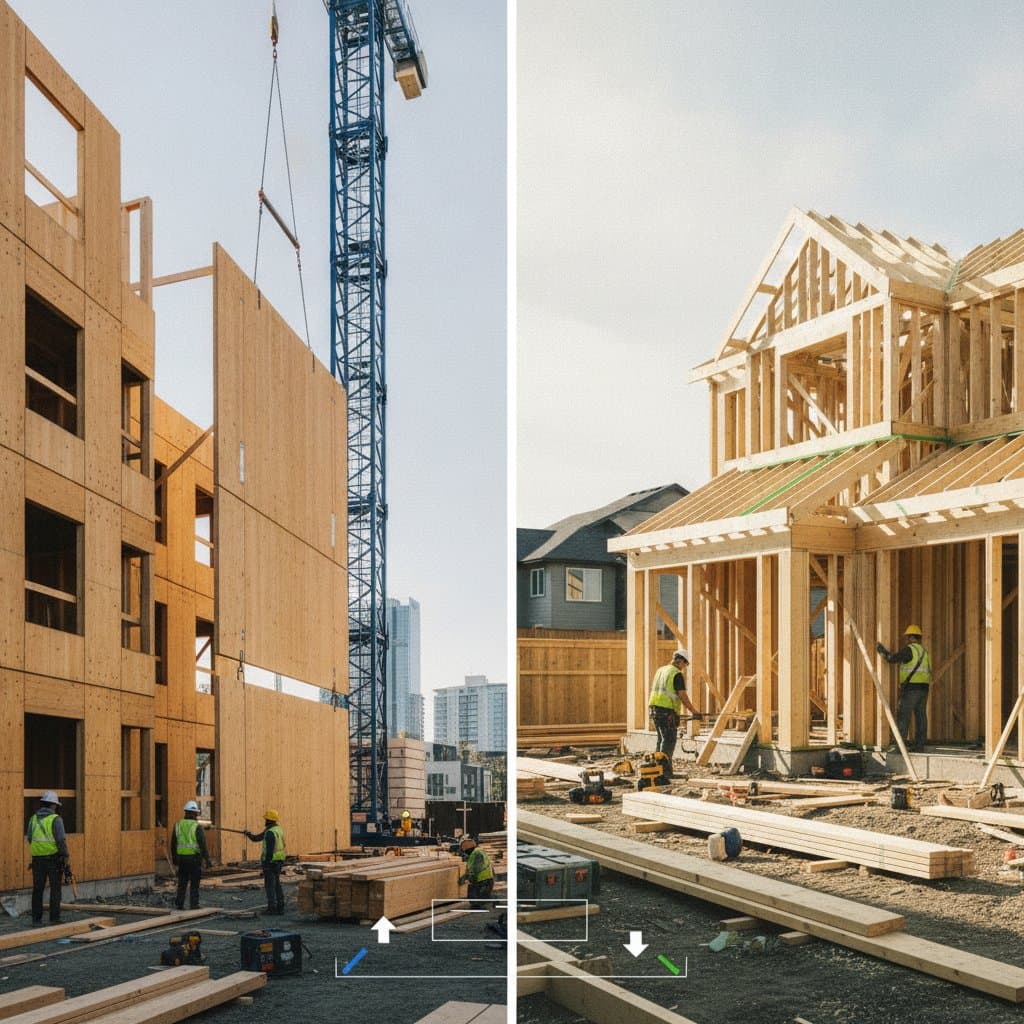
Builders may turn to engineered wood products or composite materials as alternatives. These can offer consistent quality and may resist weather related wear better than natural wood, though they often come with higher upfront costs.
Steel Price Pressures and Construction Impact
Steel is essential for structural reinforcement, roofing, and exterior accents like railings or pergolas. When tariffs increase, imported steel becomes more expensive. Domestic producers often adjust prices in response. This affects both residential and commercial projects, especially those that depend on steel framing or decorative metalwork.
Factors influencing steel costs include the following:
- Global supply constraints. Limited production capacity in major exporting countries can tighten availability.
- Energy costs. Steel manufacturing requires large amounts of energy, and rising energy rates can add to final prices.
- Processing and fabrication. Custom steel components, such as beams or brackets, can increase total project expenses when material costs climb.
Contractors may recommend mixing materials, such as combining wood framing with steel accents, to balance strength, cost, and design appeal.
Managing Costs in a Shifting Market
A proactive approach can help you maintain control over your project budget. While you cannot influence tariff policies, you can plan around them by focusing on timing, sourcing, and design flexibility.
Practical steps include the following:
- Order materials early. Securing lumber or steel before new pricing takes effect can help lock in lower rates.
- Work with local suppliers. Regional mills and fabricators may offer competitive pricing or shorter shipping distances, reducing freight costs.
- Consider hybrid designs. Blending materials, such as using fiber cement siding with wood trim or combining steel supports with vinyl finishes, can provide durability without full reliance on one material type.
- Review project scope. Simplifying exterior features or adjusting square footage may help offset material increases.
- Maintain clear communication with contractors. Regular updates on pricing and availability help prevent delays or unexpected budget shifts.
Design Choices That Support Cost Control
Material costs influence design, but thoughtful planning can preserve both style and quality. For exteriors, consider how each surface interacts with light, color, and texture. If lumber prices climb, engineered siding or composite decking can provide a similar look with less maintenance. If steel becomes too costly, aluminum or powder coated alternatives may offer a comparable modern finish.
Color selection also matters. Lighter tones reduce heat absorption on metal surfaces, extending paint life and lowering long term maintenance. For wood, stains that highlight natural grain can create warmth and depth, even when using lower cost species.
Long Term Planning and Durability
While tariffs may raise short term expenses, choosing durable materials can reduce lifetime costs. High quality finishes, protective coatings, and proper installation techniques prevent premature wear and preserve curb appeal. Investing in materials with proven weather resistance can save on future repairs or repainting.
Homeowners planning exterior upgrades should evaluate total cost of ownership rather than initial price alone. A slightly higher investment now can protect structural integrity and maintain property value over time.
Preparing for Market Shifts
Material markets rarely remain static. By staying informed, working with experienced contractors, and keeping design plans adaptable, you can minimize the effects of rising lumber and steel prices. Whether you are building new or renovating an existing home, careful preparation ensures that your project remains on track, even as tariffs influence the cost of key materials.