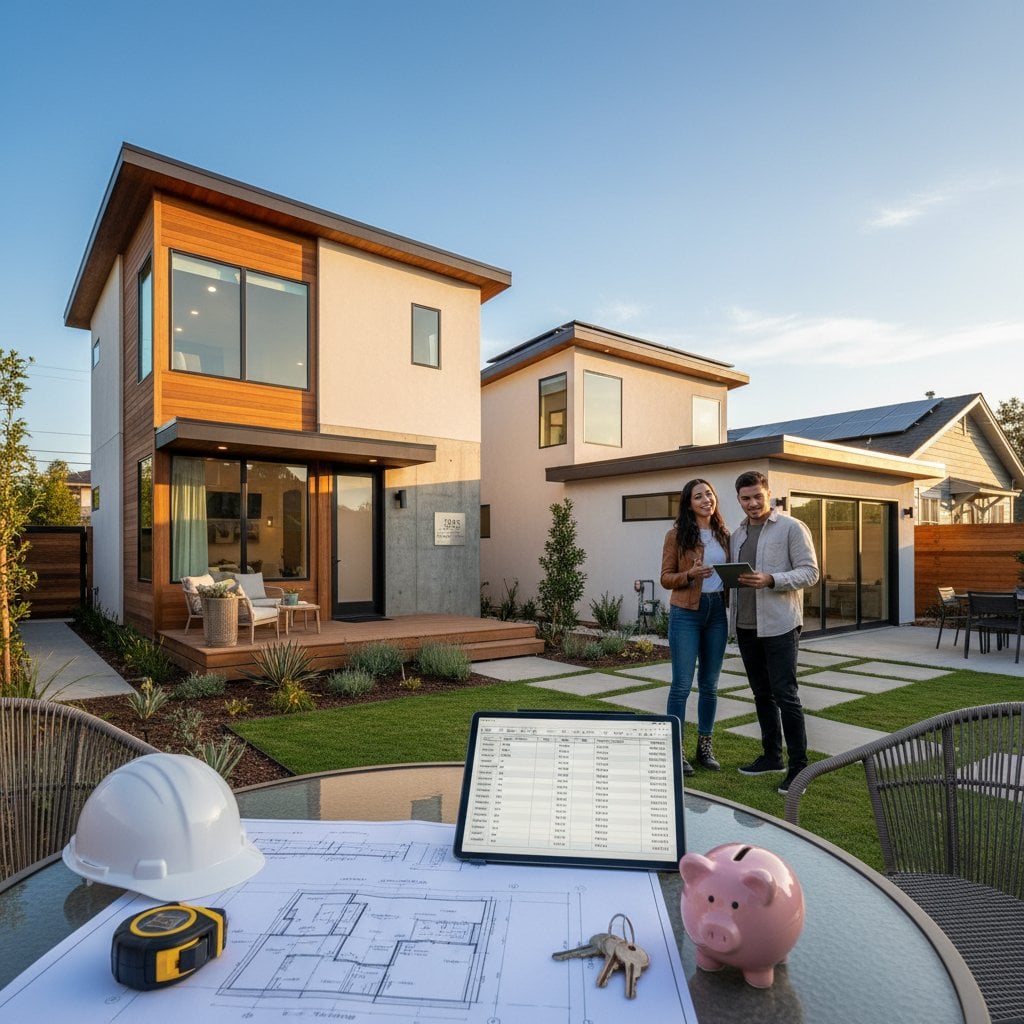
2025 ADU Costs Uncovered: Budget for Your Backyard Build
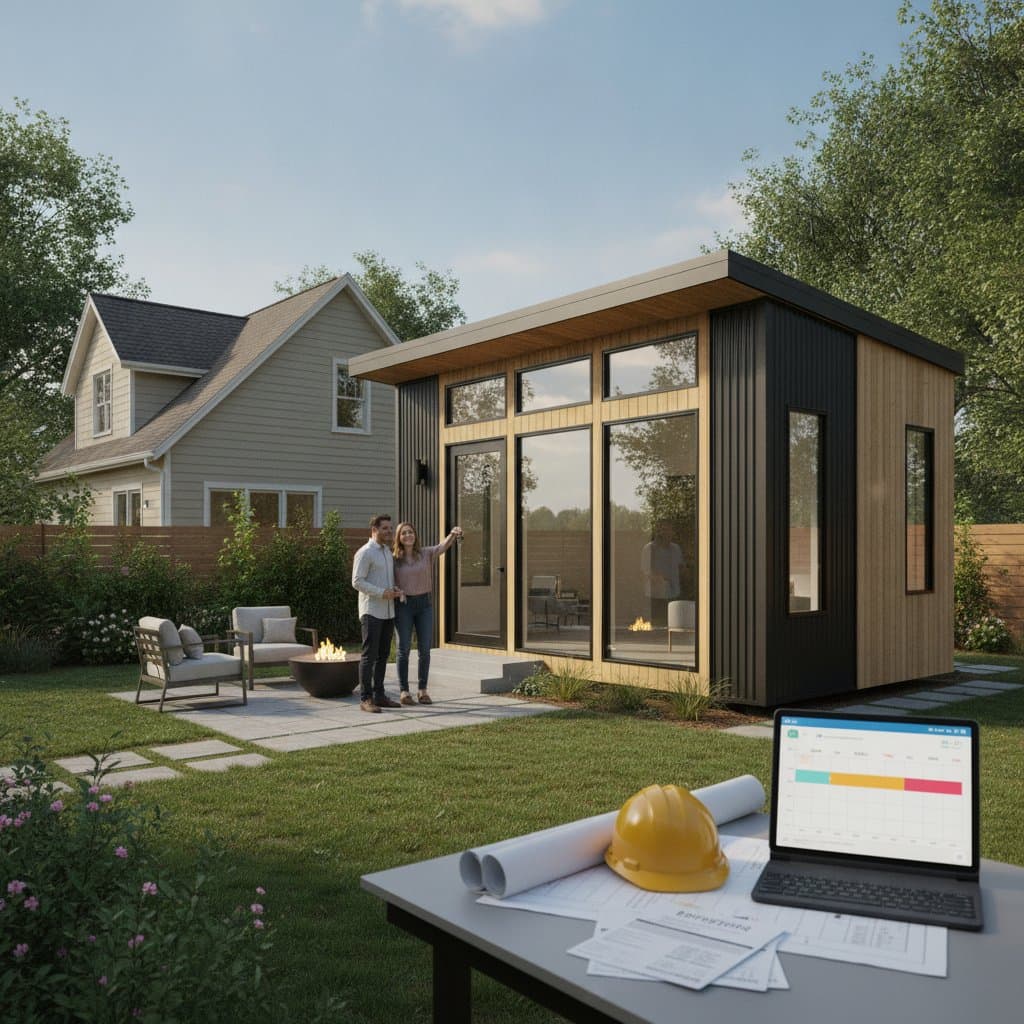
Adding an accessory dwelling unit, or ADU, enhances property value, generates rental income, or offers versatile living space for family members. The expense of constructing one varies based on size, design, location, and building approach. Homeowners require a precise financial overview before initiating construction.
Quick Cost Summary
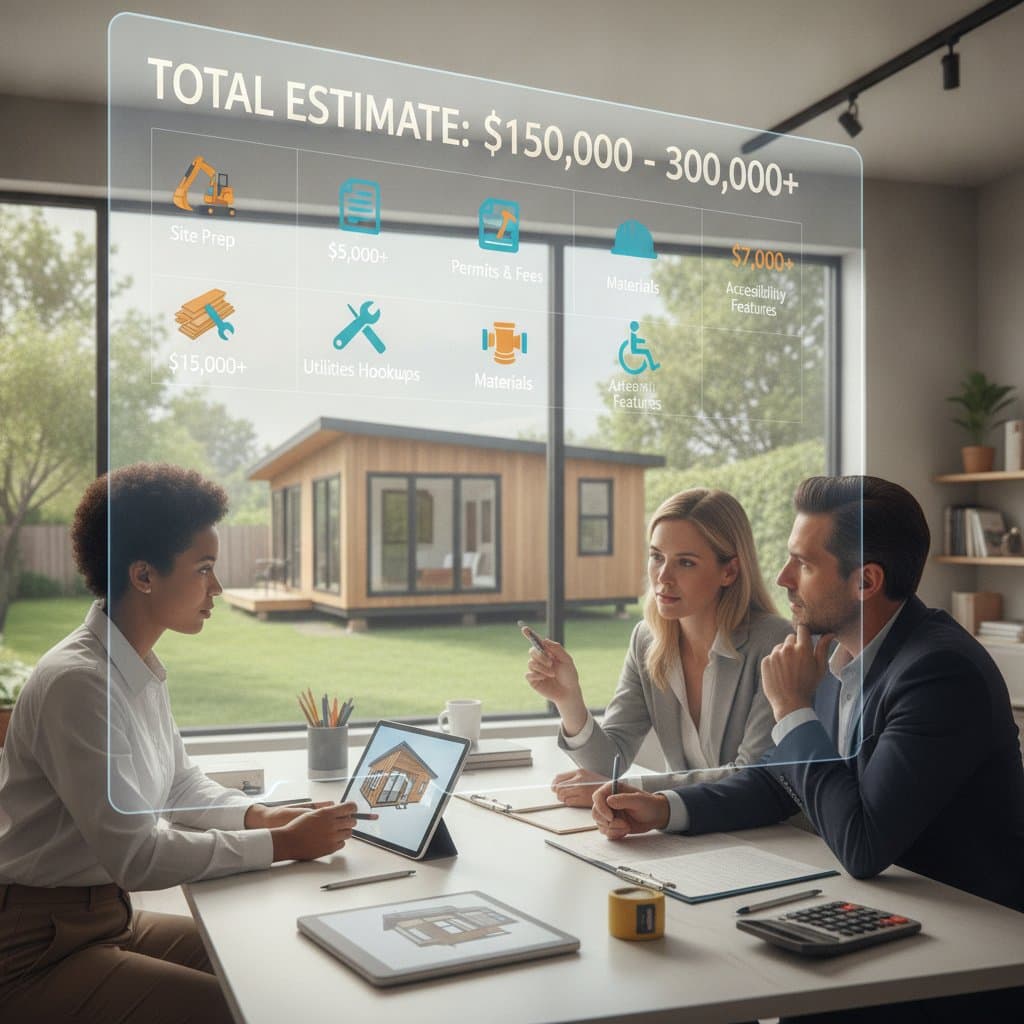
Constructing an ADU generally ranges from $150,000 to $400,000, with the average expenditure around $250,000. Compact studio or one-bedroom units typically approach the lower threshold, whereas expansive detached structures with upscale finishes extend to the upper limit.
Primary cost influencers include:
- Size and layout: Expanded areas and intricate configurations elevate expenses.
- Construction type: Independent units exceed the costs of garage transformations or integrated additions.
- Materials and finishes: High-quality flooring, cabinetry, and siding materials inflate the total.
- Labor and permits: Expert craftsmanship and municipal fees differ significantly across regions.
- Utility connections: Prolonging plumbing, sewage, and power lines incurs substantial additional charges.
Highlights and Key Insights
- Detached ADUs commonly range from $300 to $500 per square foot.
- Garage conversions average $100,000 to $180,000.
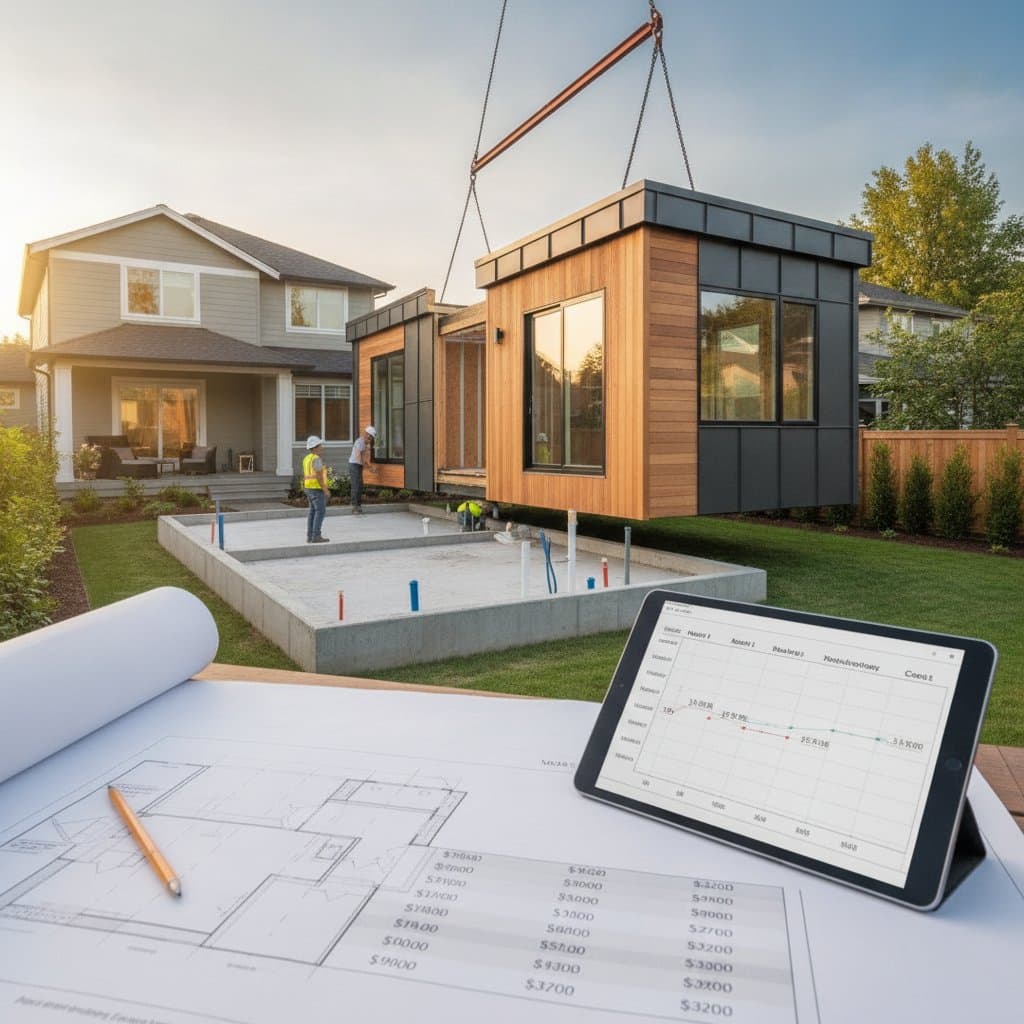
- Prefabricated ADUs minimize expenses and timelines, although site preparation contributes notable costs.
- Permits, design charges, and utility linkages frequently comprise 10 to 20 percent of the overall budget.
- Numerous owners recoup a significant share of investments via rentals or elevated property appraisals.
Cost by Size or Type
The total investment in an ADU hinges primarily on its dimensions and construction category.
Detached ADU
A detached ADU, often termed a backyard cottage, functions as a separate building. This option provides maximum adaptability yet demands the highest investment. Anticipate expenditures from $200,000 to $400,000, contingent on scale and refinement. For instance, a modest 400-square-foot one-bedroom unit might total $200,000, while an 800-square-foot two-bedroom version surpasses $350,000.
Attached ADU
An attached ADU adjoins the primary residence, sharing a wall and leveraging current infrastructure to curb costs. Such projects span $150,000 to $250,000, influenced by architectural choices and interior enhancements.
Garage Conversion
Transforming an existing garage into an ADU represents the most economical path, averaging $100,000 to $180,000. Projects necessitating foundational bolstering, plumbing modifications, or roofing overhauls may escalate beyond this range.
Basement or Interior Conversion
Repurposing a basement or underutilized interior area yields costs of $120,000 to $200,000. Outcomes depend on factors such as ceiling clearance, moisture barriers, and the need for independent entryways.
Contractor Costs and Labor Breakdown
Labor constitutes approximately 40 to 60 percent of the ADU budget. General contractors levy 15 to 25 percent of the project total for overseeing subcontractors and timelines. Essential trades encompass framing, plumbing, electrical work, and HVAC systems.
- Framing and structural work: $30 to $50 per square foot
- Plumbing: $5,000 to $15,000, based on fixture quantity and proximity to primary lines
- Electrical: $4,000 to $12,000
- HVAC: $5,000 to $10,000 for comprehensive heating and cooling setups
Engaging certified specialists guarantees adherence to codes and successful inspections, safeguarding long-term value.
Additional Cost Factors
Various concealed or fluctuating elements affect the ultimate budget.
Permits and Fees
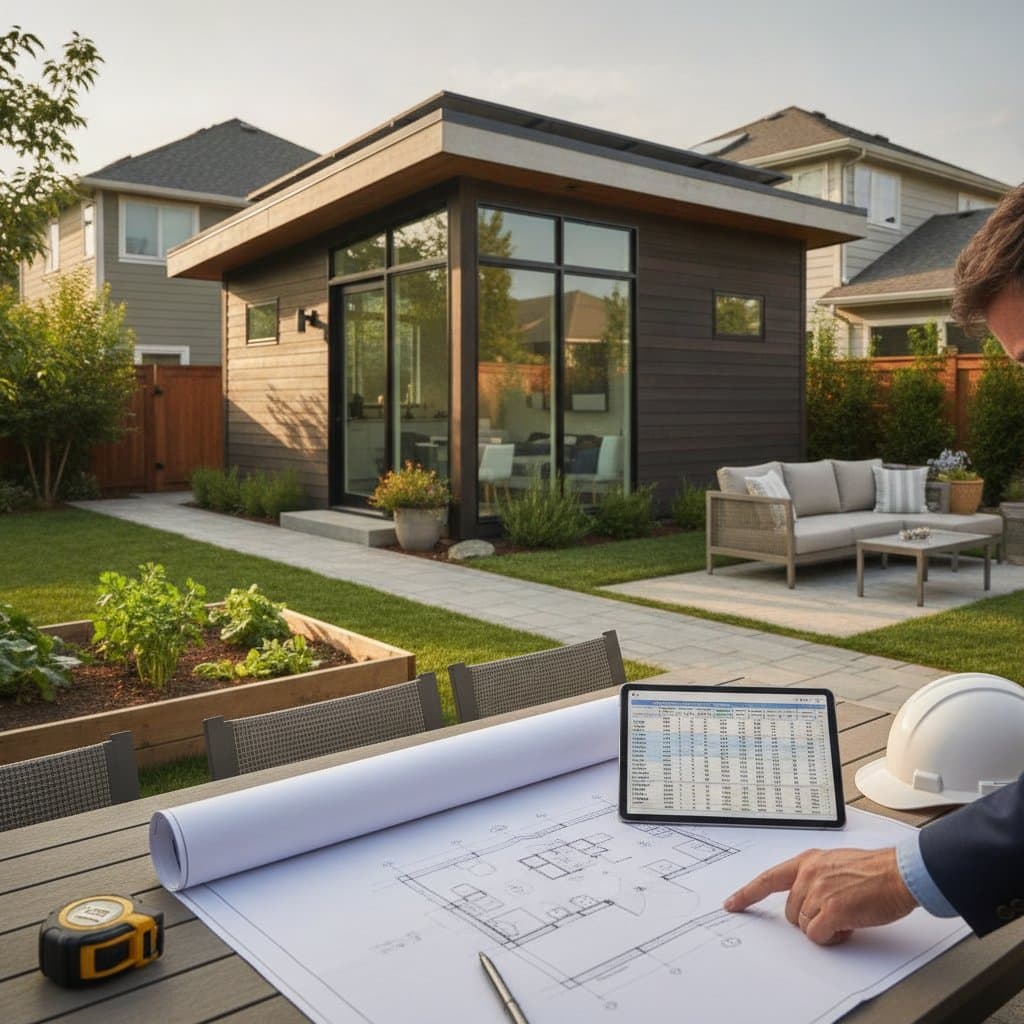
Securing permits and design endorsements varies from $5,000 to $20,000, shaped by jurisdictional rules. Certain municipalities supply preapproved blueprints or discounted fees, accelerating processes and reducing outlays.
Site Preparation
Challenging topography, substandard soil, or restricted access amplifies excavation and foundational expenses. Site readiness averages $10,000 to $30,000, particularly with requirements for grading or retaining structures.
Utility Connections
Properties needing fresh water, sewage, or electrical extensions face $10,000 to $25,000 in fees. Panel upgrades or sewer prolongations compound these amounts.
Design and Engineering
Fees for architectural drafting and structural analysis equal 8 to 15 percent of the project. Proficient planners refine layouts for optimal illumination and storage, boosting usability without excess space.
Ways to Save on ADU Construction
Strategic decisions trim ADU expenses while upholding standards.
- Adopt straightforward designs. Linear walls, conventional roofing, and limited bespoke elements control labor demands.
- Select moderate finishes. Resilient options like vinyl plank floors or quartz surfaces merge durability with affordability.
- Utilize present structures. Garage or basement adaptations capitalize on established utilities and bases.
- Solicit multiple proposals. Obtain detailed quotes from at least three accredited contractors to secure equitable rates.
- Optimize spatial arrangements. Concise plans shorten plumbing, wiring, and climate control pathways.
- Evaluate prefabricated solutions. Assembled units diminish on-site labor, provided terrain suits installation.
Choices such as uniform window dimensions or ready-made cabinetry shave thousands from totals.
Return on Investment (ROI)
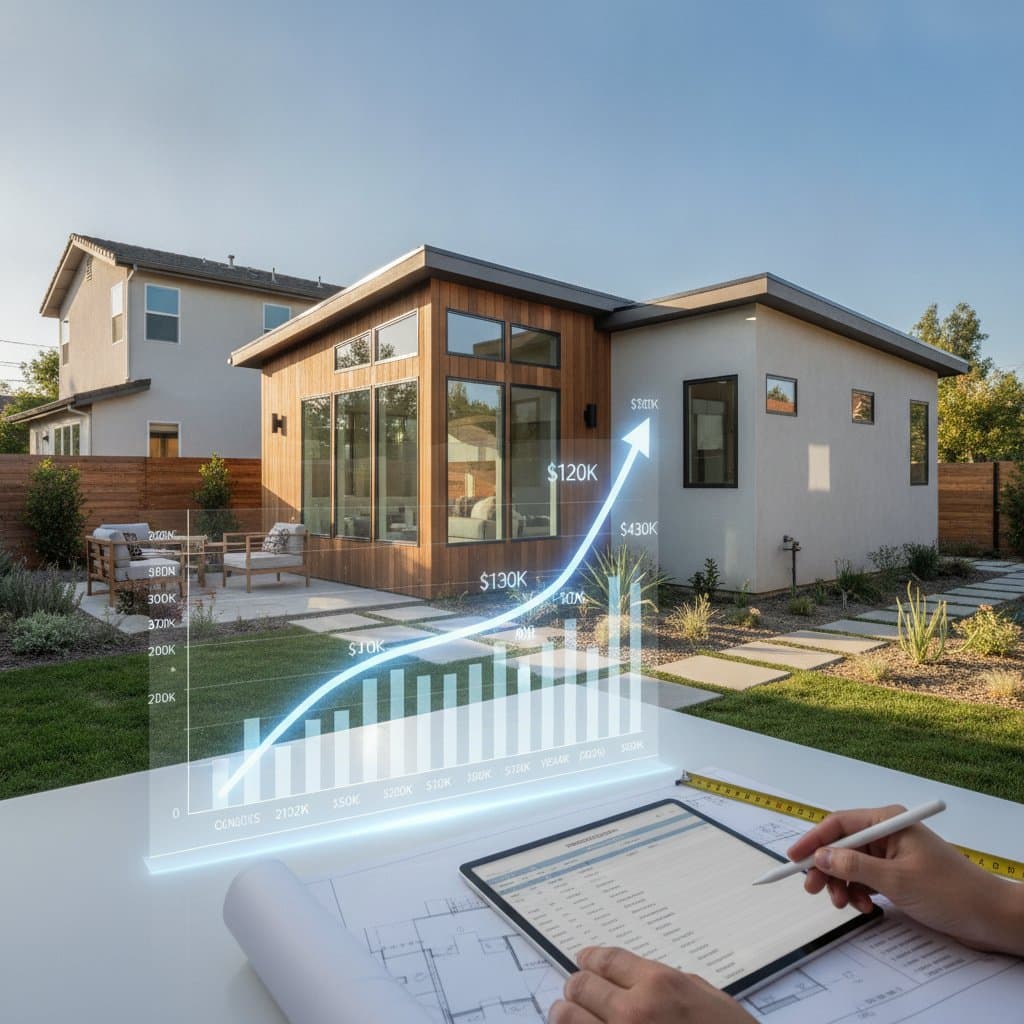
ADUs deliver robust financial gains. Owners frequently realize 50 to 80 percent cost recovery through property value appreciation. In robust rental areas, compact units yield $1,500 to $3,000 monthly, offsetting loans or bolstering savings.
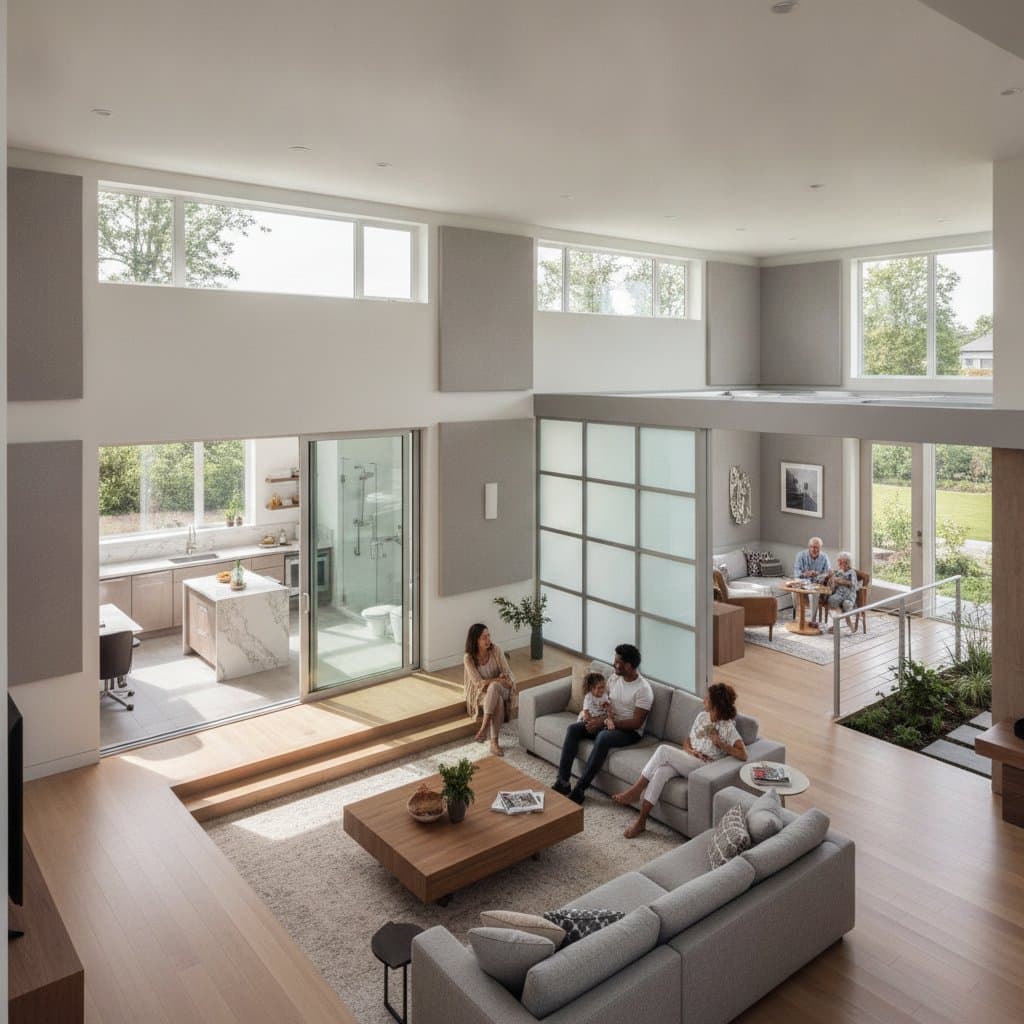
Additionally, ADUs facilitate intergenerational housing or visitor quarters, enhancing market appeal to prospective purchasers.
DIY vs Hiring a Pro
Certain owners explore self-managed elements to economize. Although feasible for superficial tasks, ADUs demand certified expertise for security and regulatory alignment.
When DIY Can Work
- Apply paint, install trim, or tend landscaping post-inspection.
- Mount cabinets or lay flooring if possessing requisite skills.
- Conduct preliminary design research to shorten professional consultations.
When Hiring a Pro Is Smarter
- Delegate framing, foundations, and roofing to experts for precision.
- Ensure electrical, plumbing, and HVAC comply with standards.
- Professionals manage permitting with precise schematics and filings.
Professional involvement raises initial outlays but averts costly errors and regulatory hurdles, yielding net savings.
Cost Methodology
These estimates derive from contractor aggregates, regional projections, and authenticated owner accounts. Figures incorporate labor, supplies, approvals, and planning. Real expenditures fluctuate with locale, expertise, selections, and site demands.
FAQs
How much does it cost to build a 600-square-foot ADU?
Anticipate $180,000 to $300,000, varying by aesthetics, supplies, and locale.
What is the cheapest way to build an ADU?
Garage conversions or prefabricated models prove most budget-friendly, leveraging infrastructure or efficient manufacturing.
How long does it take to build an ADU?
Projects span months following approvals, with prefabricated variants accelerating completion.
Do ADUs require separate utility meters?
Regulations differ; some mandate distinct metering for leases, others permit shared systems. Verify municipal guidelines.
Can I finance an ADU?
Options include equity loans, construction financing, or refinance withdrawals.
Does an ADU increase property taxes?
The addition elevates assessments, taxing solely the new portion.
Protecting Your ADU Investment
Post-completion, diligent upkeep sustains value and performance. Conduct yearly reviews of roofing, exteriors, and drainage. Maintain gutters, refresh trim paint, service HVAC units, and monitor plumbing integrity. Proactive measures avert minor problems from escalating.
For rental intentions, vet occupants thoroughly and track fiscal details. Effective oversight preserves the ADU as a viable residence and economic resource. Through meticulous planning, expert execution, and consistent care, this addition benefits family and finances enduringly.