Understanding 2025 Aging-in-Place Remodeling Costs and Features
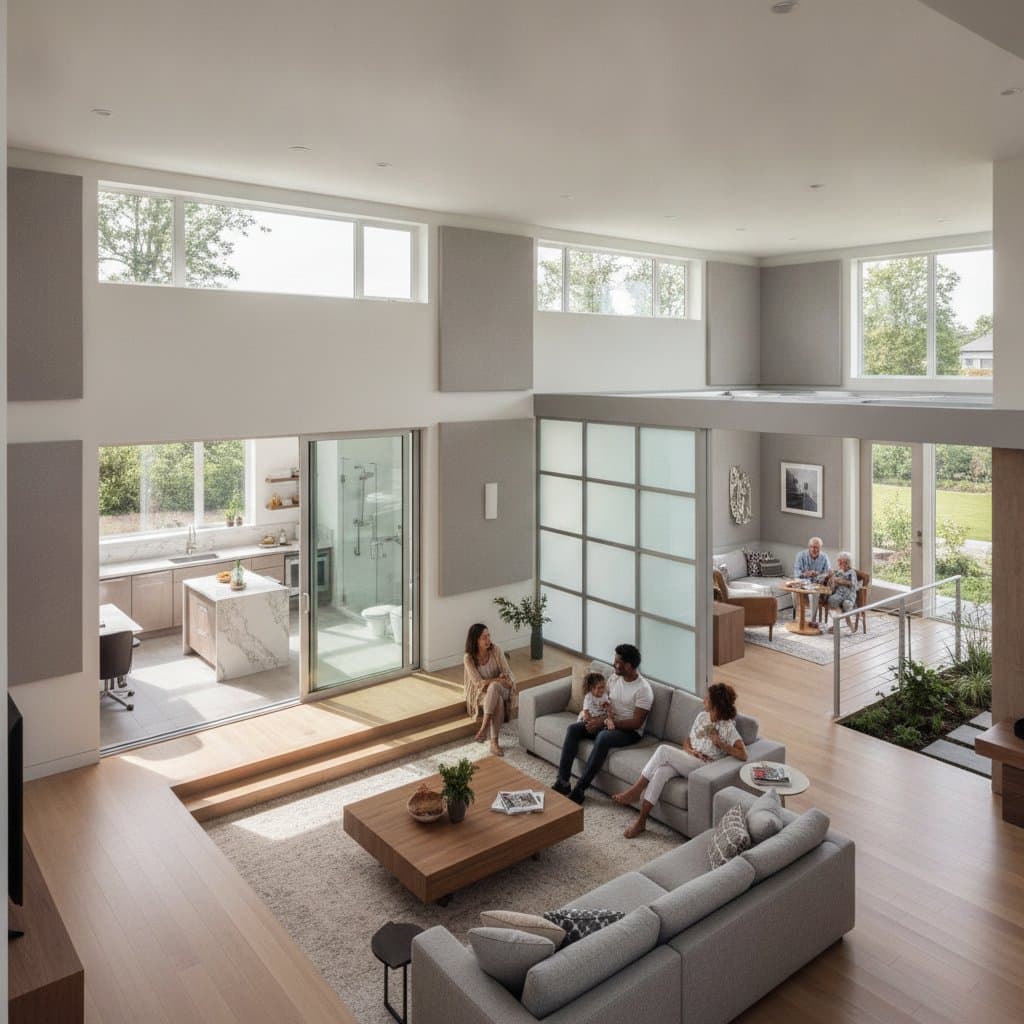
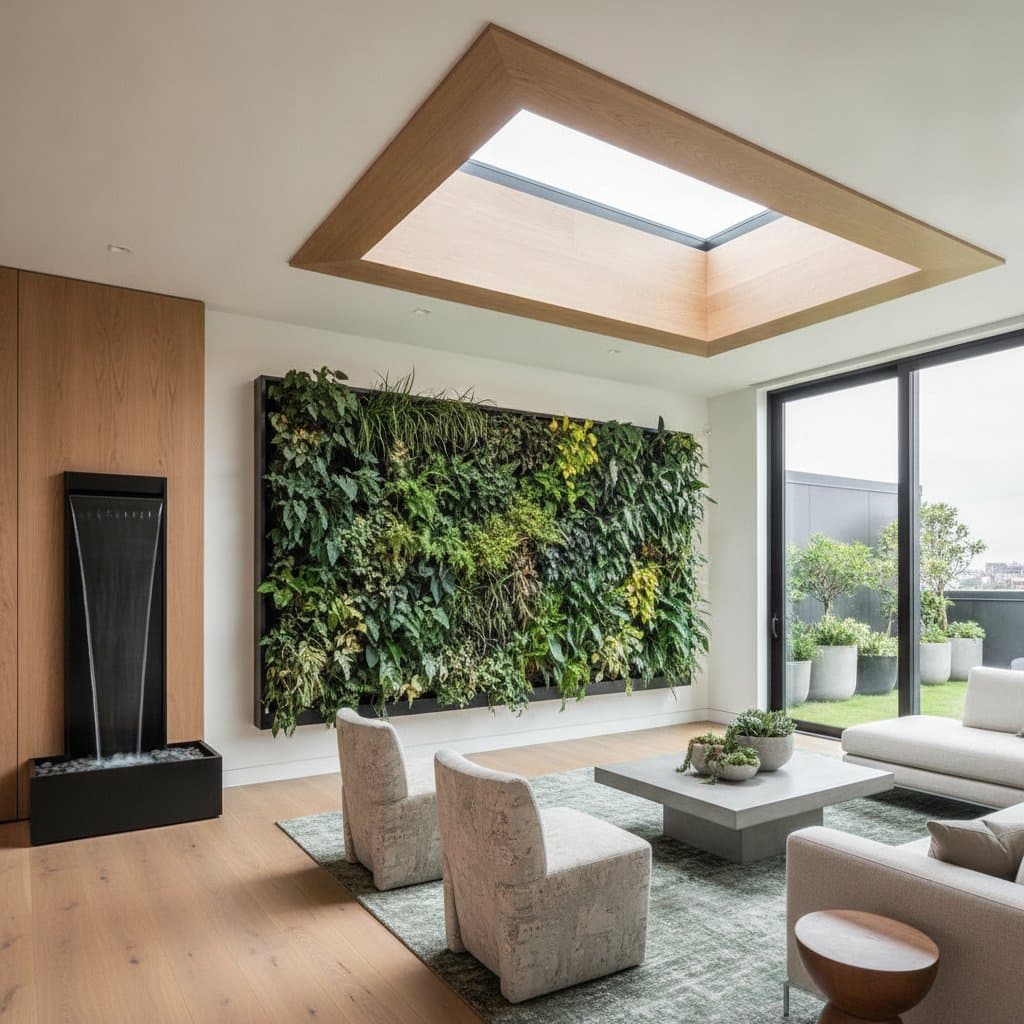
Aging-in-place remodeling allows homeowners to modify their living spaces for long-term comfort and safety. These projects incorporate universal design principles to support mobility as needs change over time. Costs typically range from $8,000 to $75,000, with the average moderate remodel landing at $35,000. Factors such as project scope, home layout, and material choices drive these variations.
Cost Overview
For a basic update, expect to spend $8,000 to $15,000 on a single room, such as installing grab bars, widening doorways, and upgrading lighting for better visibility. Moderate projects that address multiple areas, like a bathroom and kitchen, often total $25,000 to $45,000. Comprehensive full-home renovations, including structural adjustments and advanced features like stair lifts, can surpass $70,000.
Labor and materials dominate the budget, particularly for plumbing relocations or custom installations. Local labor rates, which vary by region, also influence the final figure. Homeowners in urban areas may face higher costs due to increased demand for specialized contractors.
Key Project Breakdowns
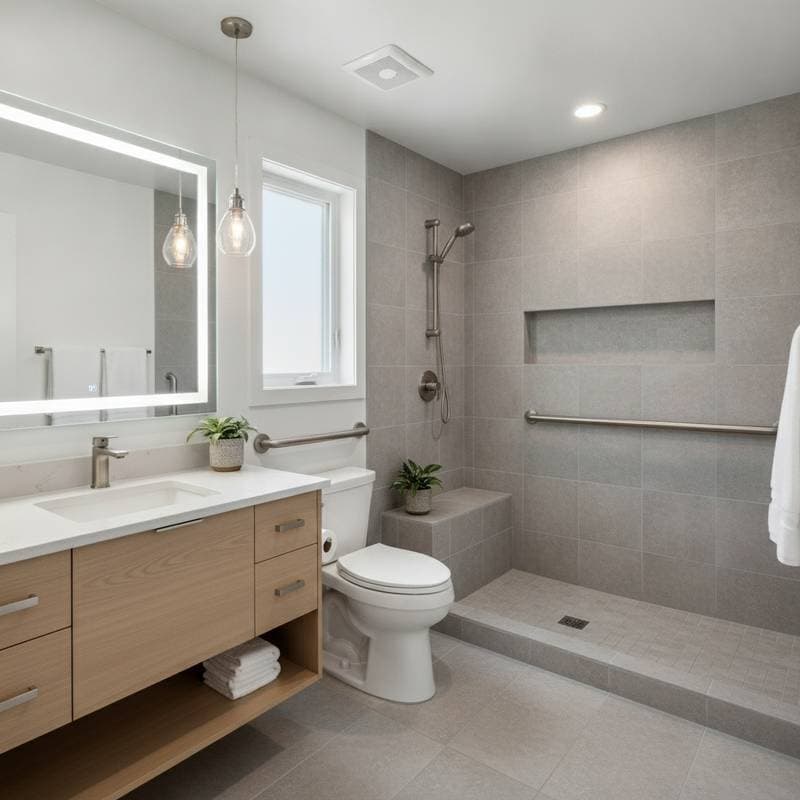
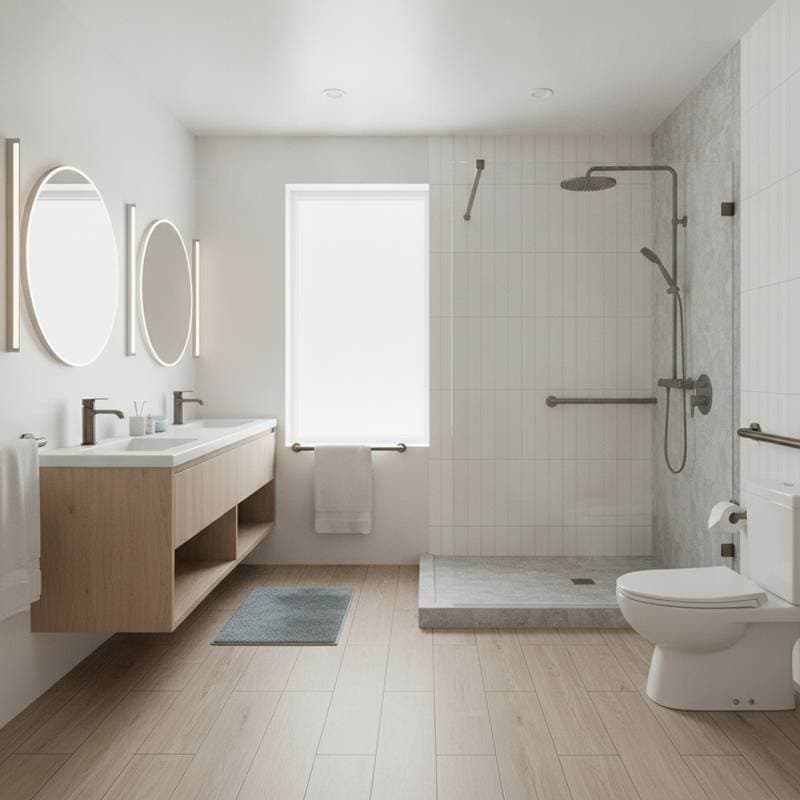
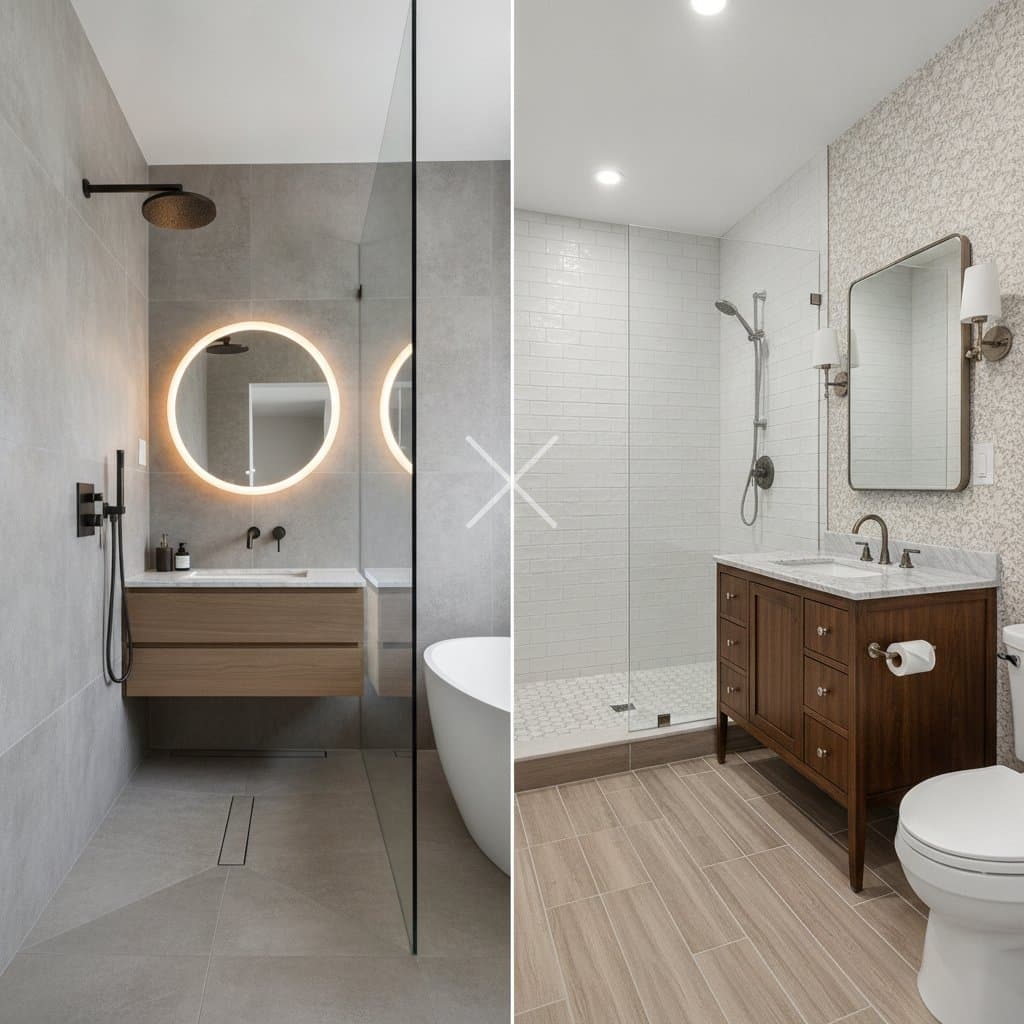
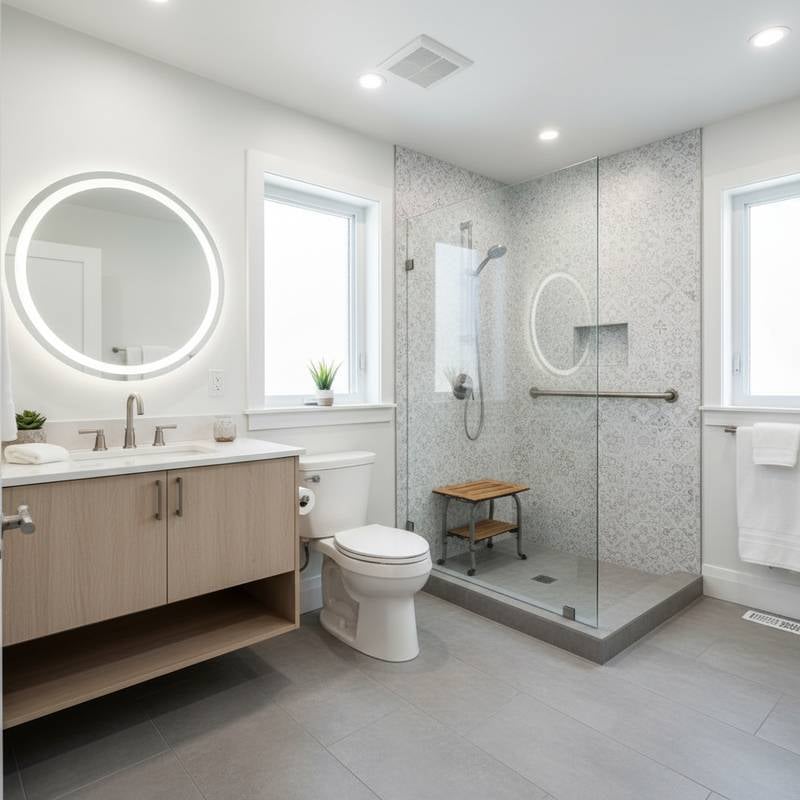
- Bathroom Upgrades: $10,000 to $25,000. Common additions include walk-in showers with benches, lever faucets, and non-slip tiles to prevent falls.
- Kitchen Modifications: $15,000 to $30,000. Lower countertops, pull-out shelves, and touchless faucets make cooking accessible without strain.
- Entryway Enhancements: $3,000 to $15,000. Ramps, threshold ramps, or platform lifts provide easy access, eliminating steps that pose tripping hazards.
- Full-Home Adjustments: $30,000 to $50,000 on average. This covers flooring replacements with low-pile options, automated lighting, and hallway widenings for wheelchair navigation.
Universal design elements, such as adjustable-height fixtures, not only aid current residents but also appeal to future buyers, potentially increasing resale value by 10 to 20 percent.
Factors Influencing Total Expenses
Material selections play a significant role. Opt for durable, low-maintenance options like vinyl plank flooring over luxury hardwood to balance cost and functionality. Accessibility equipment, including voice-activated smart home systems or ceiling track lifts, can add $5,000 to $20,000 depending on complexity.
Permits and inspections are essential for electrical or structural work, often costing $500 to $2,000. Homes with challenging layouts, such as tight corners or multi-level designs, may require engineering consultations, pushing expenses higher. Engaging a certified aging-in-place specialist for design services, at $1,000 to $5,000, ensures tailored solutions that evolve with user needs.
Professional Services Versus DIY Approaches
Licensed contractors charge $75 to $150 per hour, with specialists in accessibility commanding premium rates for their expertise in codes like ADA guidelines. Professionals handle intricate tasks, such as rerouting plumbing for zero-threshold showers, guaranteeing safety and code compliance.
DIY suits simple tasks like mounting grab bars or swapping cabinet hardware, potentially saving $1,000 to $3,000 in labor. However, avoid self-installing major elements like stair lifts, as errors can lead to malfunctions or voided warranties. Always consult local building codes before proceeding independently.
Strategies to Control and Reduce Costs
Prioritize high-priority zones starting with bathrooms and entrances, where fall risks are greatest. Select modular components, such as adjustable shelving units, that allow phased installations over time. Bundling upgrades with one contractor minimizes mobilization fees and streamlines project management.
Explore financial aids like federal tax credits under the Residential Clean Energy Credit for energy-efficient accessibility features, or state grants for seniors. Some utility companies offer rebates for smart lighting and automation that enhance safety. These resources can offset 10 to 30 percent of expenses.
Investment Value and Long-Term Benefits
These remodels yield a strong return, recouping 50 to 70 percent of costs upon resale in markets favoring accessible homes. Beyond financial gains, the upgrades promote independence, potentially delaying the need for assisted living facilities that average $4,000 monthly. Enhanced comfort reduces daily frustrations, supporting physical and mental well-being.
Planning Your Remodel Effectively
Begin by evaluating your home through a professional assessment, identifying immediate and projected needs like arthritis-friendly controls or dementia-supportive layouts. Compile a prioritized list of modifications and obtain quotes from at least three certified contractors experienced in universal design.
Focus on versatile features, such as multi-height counters that serve both seated and standing users. Schedule installations during off-peak seasons to negotiate better rates. With thoughtful execution, your remodel becomes a foundation for secure, enjoyable living for years ahead.