Understanding the True Cost of Building an ADU in 2025
Accessory dwelling units, or ADUs, offer homeowners a versatile solution for expanding living space, generating rental income, or accommodating extended family. These structures, often built on the same lot as a primary residence, range from compact studios to full apartments. This guide provides a detailed breakdown of construction costs in 2025, key influencing factors, and practical steps to navigate the process effectively.
Essential Cost Breakdown
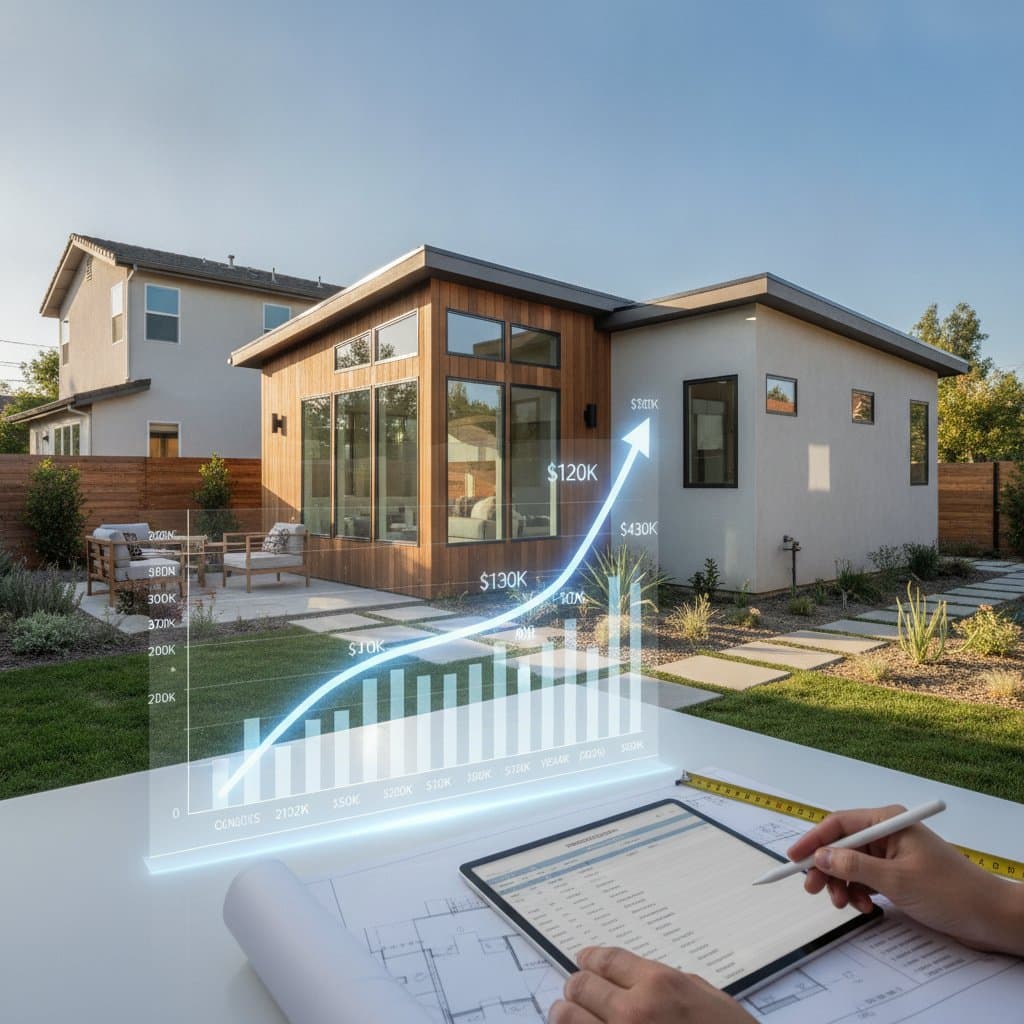
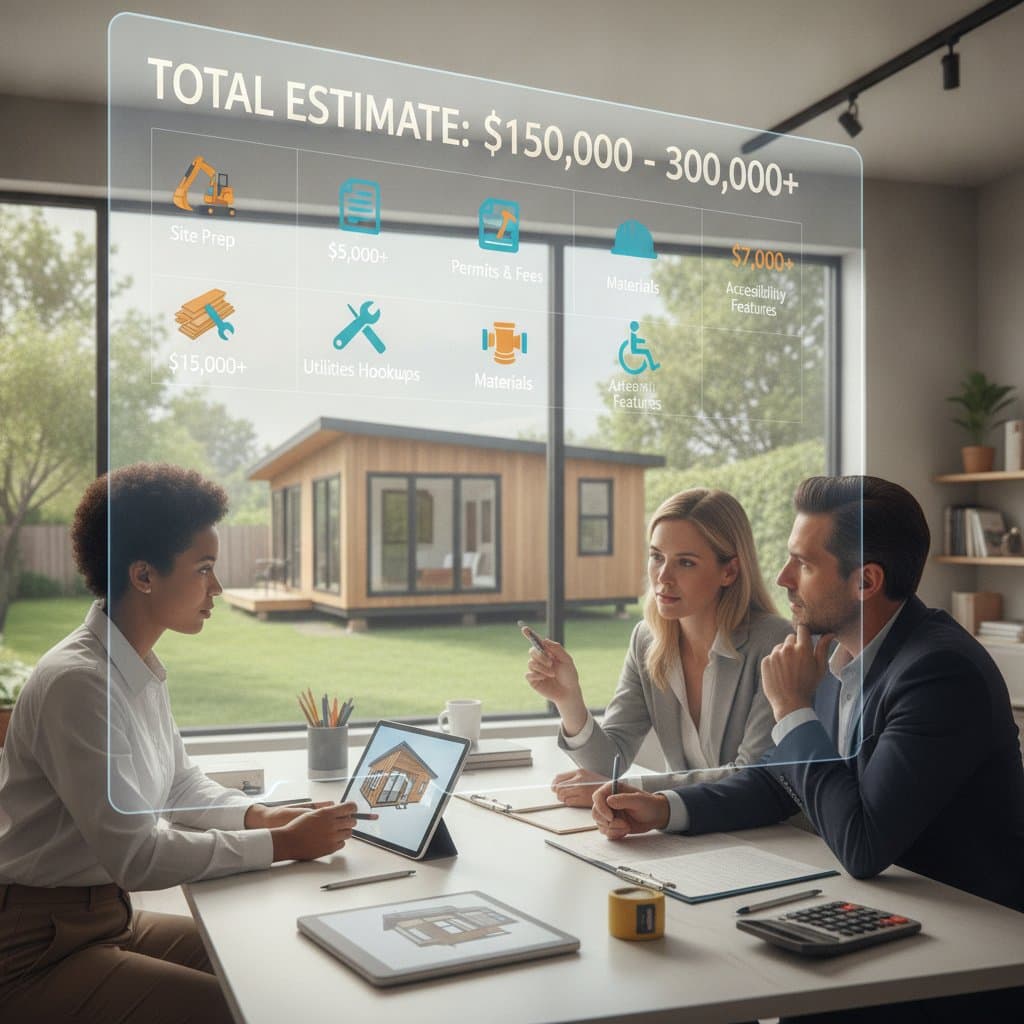
The expense of constructing an ADU varies widely based on several elements, but most projects fall between $150,000 and $400,000. This range accounts for everything from initial planning to final inspections. Understanding these components helps homeowners allocate funds wisely and avoid surprises.
Primary Cost Drivers
-
Unit Size and Configuration: Smaller units, such as a 400-square-foot studio, typically cost $200 to $300 per square foot, totaling around $80,000 to $120,000 for the build. Larger setups, like a 1,000-square-foot two-bedroom unit, can reach $350 to $500 per square foot, pushing totals toward $350,000 or more due to added rooms and complexity.
-
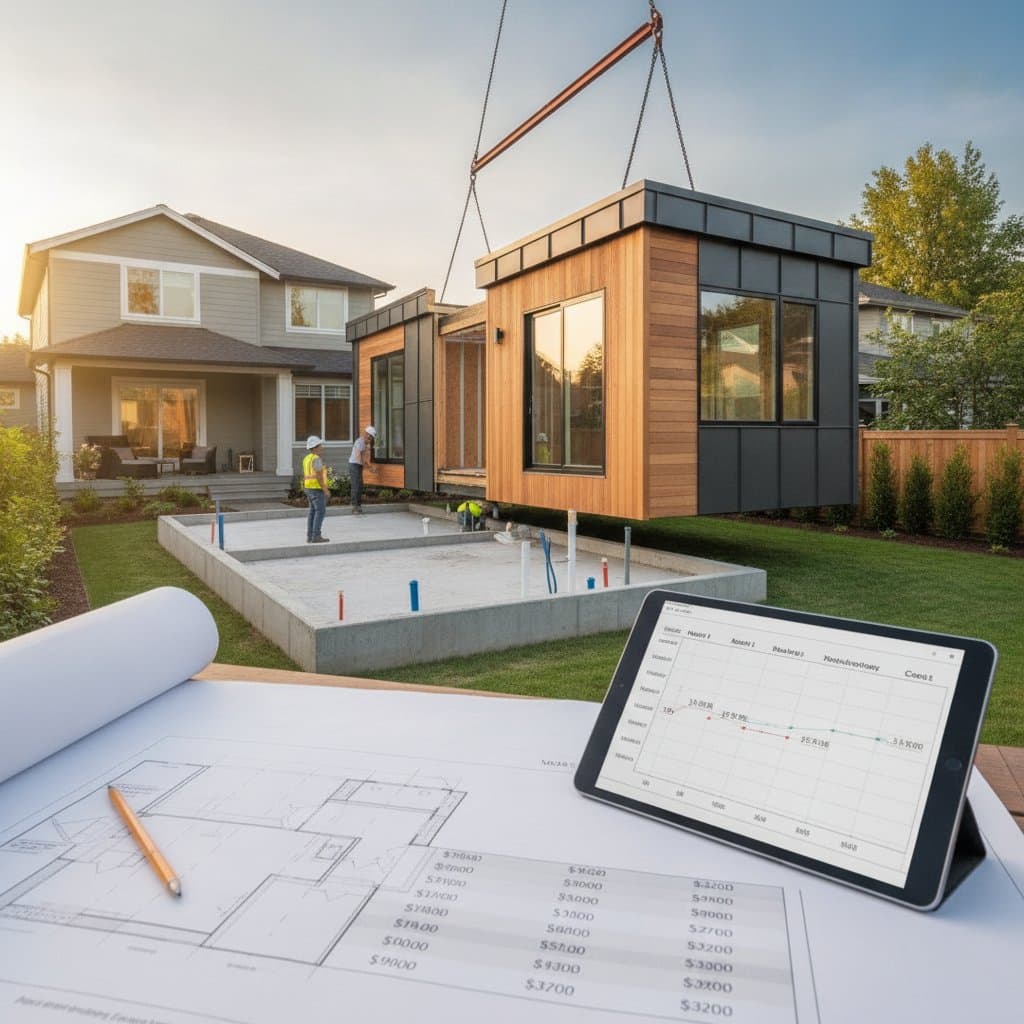
Building Method: Detached ADUs demand new foundations, roofing, and utility extensions, adding 20 to 30 percent to costs compared to attached or converted spaces. For instance, converting an existing garage might save $50,000 to $100,000 by leveraging current infrastructure.
-
Geographic Location: In high-demand urban zones like California or New York, labor and material rates drive costs up by 15 to 25 percent. Rural areas often see lower figures, but zoning variances can offset savings.
-
Regulatory Fees: Expect $5,000 to $15,000 for permits, impact fees, and utility hookups. Some municipalities charge based on unit size, while others include environmental reviews that extend timelines and expenses.
-
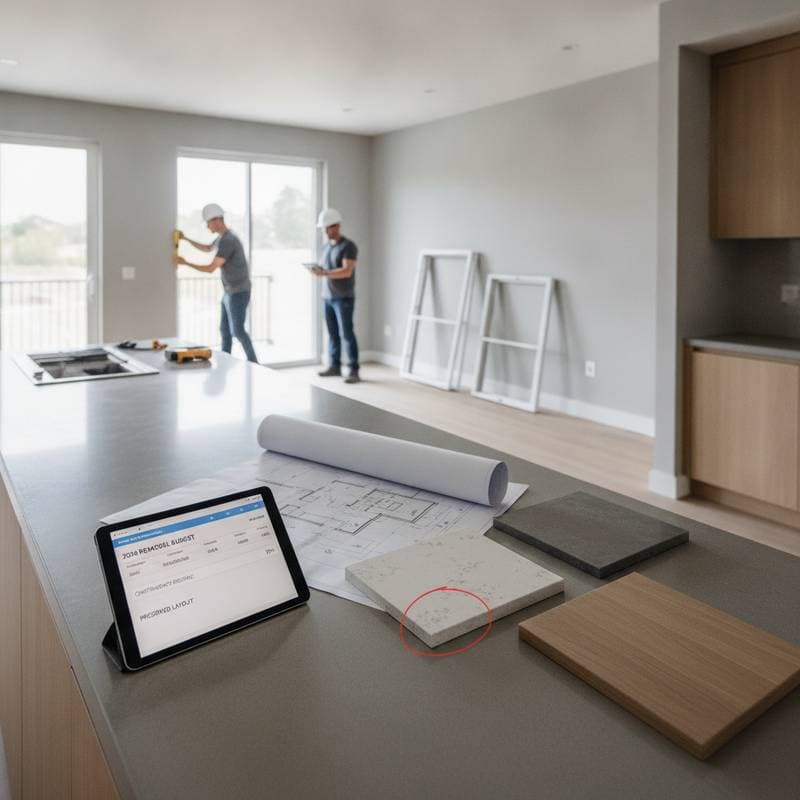
Material and Finish Quality: Basic builder-grade options, such as laminate counters and vinyl flooring, maintain budgets under $250 per square foot. Premium selections like quartz surfaces, hardwood floors, or energy-efficient windows can increase costs by $50 to $100 per square foot.
Timeline Considerations
Professional builds generally span 6 to 9 months, factoring in permitting delays of 1 to 3 months. DIY approaches extend to 9 to 18 months, as homeowners balance work with construction phases. Delays often arise from weather, supply chain issues, or inspection backlogs, so build in buffer time.
Weighing DIY Involvement Against Professional Expertise
Homeowners can reduce expenses by handling select tasks, but core elements require skilled labor to ensure safety and compliance. Evaluate your skills and local codes before deciding.
Tasks Suitable for DIY
- Research and secure multiple contractor bids, aiming for at least three detailed proposals that outline scopes and timelines.
- Apply interior paints or install basic flooring, such as click-lock vinyl, after rough-ins are complete.
- Perform post-construction landscaping, like planting native shrubs to enhance curb appeal without heavy machinery.
Tasks Requiring Professionals
- Lay foundations, ensuring proper depth and reinforcement to support the structure's weight.
- Wire electrical systems, including subpanels rated for at least 100 amps to handle appliances and lighting.
- Connect plumbing, verifying pipe diameters meet code for adequate flow and drainage.
- Erect roofs with proper pitch and materials suited to local climate, such as asphalt shingles in moderate zones.
Financial Comparison
Overseeing a DIY-managed project might limit costs to $120,000 to $250,000, particularly if you source materials affordably. Opting for a full-service design-build firm elevates the price to $200,000 to $400,000 but streamlines approvals and minimizes errors. Many firms offer fixed-price contracts that include warranties, providing long-term peace of mind.
Detailed Construction Process
Follow this sequence to build methodically, reducing risks and costs.
-
Verify Local Regulations: Reach out to your city's planning office to review ADU ordinances, including maximum sizes (often 800 to 1,200 square feet), setback distances from property lines (typically 4 to 5 feet), and parking mandates. Confirm fire safety separations, such as 10-foot gaps from the main house.
-
Define Budget and Objectives: Outline the unit's purpose, whether for rental or guest use, and sketch preliminary layouts using free online tools. Allocate funds with a 10 to 15 percent buffer for overruns, and explore financing options like home equity loans early.
Milestone: Secure pre-approval for funding to confirm feasibility. -
Secure Permits: Prepare scaled site plans showing utilities and elevations, then submit for review. Engage an architect if designs exceed basic templates.
Milestone: Obtain approved permits, valid for 12 to 24 months. -
Site Preparation and Foundation Work: Clear vegetation, grade the soil for drainage, and excavate for footings at least 24 inches deep in frost-prone areas. Pour concrete slabs reinforced with rebar for stability.
Milestone: Pass the foundation inspection, verifying levelness within 1/4 inch over 10 feet. -
Structural Framing and Enclosure: Assemble wood or steel frames per blueprints, installing sheathing and house wrap for weather resistance. Fit energy-efficient windows with low-E glass to cut future utility bills.
Milestone: Achieve a weather-tight shell, tested by hosing down exteriors. -
Systems Installation: Route HVAC ducts for balanced airflow, electrical conduits for future-proofing, and PEX piping for durable water lines. Insulate walls to R-19 standards in most climates.
Milestone: Clear rough-in inspections for all systems. -
Interior and Exterior Completion: Hang drywall, tape seams smoothly, and install fixtures like LED lighting and tankless water heaters. Apply exterior siding that matches the main home for aesthetic cohesion.
Milestone: Final walkthrough confirms functionality and cleanliness.
Prioritizing Safety Throughout the Build
Construction sites pose inherent risks, so implement precautions from day one. Shut off utilities before any invasive work, and use ground-fault circuit interrupters on all temporary power tools. For structural changes, consult a licensed engineer to calculate load-bearing capacities and prevent failures.
Protect yourself with ANSI-rated safety gear: hard hats for overhead risks, steel-toed boots for heavy materials, and dust masks during demolition. Schedule regular site cleanups to eliminate trip hazards, and never work alone on elevated tasks.
Addressing Common Challenges
Even well-planned projects encounter hurdles. If the foundation settles unevenly, hire a surveyor to assess and shim as needed before proceeding. Combat moisture by installing vapor barriers and ensuring proper grading slopes away from the foundation at 5 percent.
For plumbing woes like insufficient pressure, upgrade to 3/4-inch supply lines and install regulators. Test electrical integrity by loading circuits gradually; any flickering indicates loose connections requiring immediate rewiring.
Verification Steps
- Measure walls for plumb using a 4-foot level; deviations over 1/4 inch signal framing issues.
- Energize systems post-inspection and monitor for overloads on a dedicated meter.
- Conduct a 24-hour leak test on plumbing by pressurizing lines and checking for drops.
Managing Waste and Final Touches
Daily debris removal keeps the site safe and compliant. Rent a 20-yard dumpster for bulk waste, sorting metals for recycling to potentially earn credits. Dispose of chemicals through designated hazardous waste facilities, adhering to EPA guidelines.
Once complete, document the build with photos and receipts for insurance and resale value. Schedule a professional energy audit to optimize efficiency, often qualifying for rebates.
Ensuring Long-Term Value
ADUs appreciate property worth by 10 to 20 percent when integrated thoughtfully. Annual roof checks prevent water damage, while biannual gutter cleanings maintain drainage. Service major appliances every two years to extend their 10- to 15-year lifespan, safeguarding your investment and enhancing livability for years ahead.