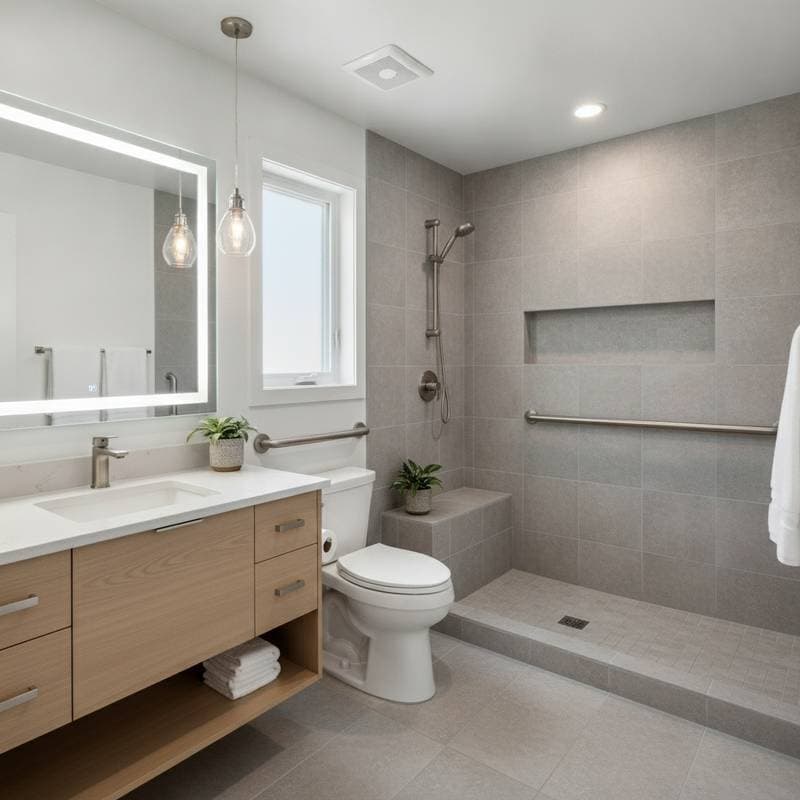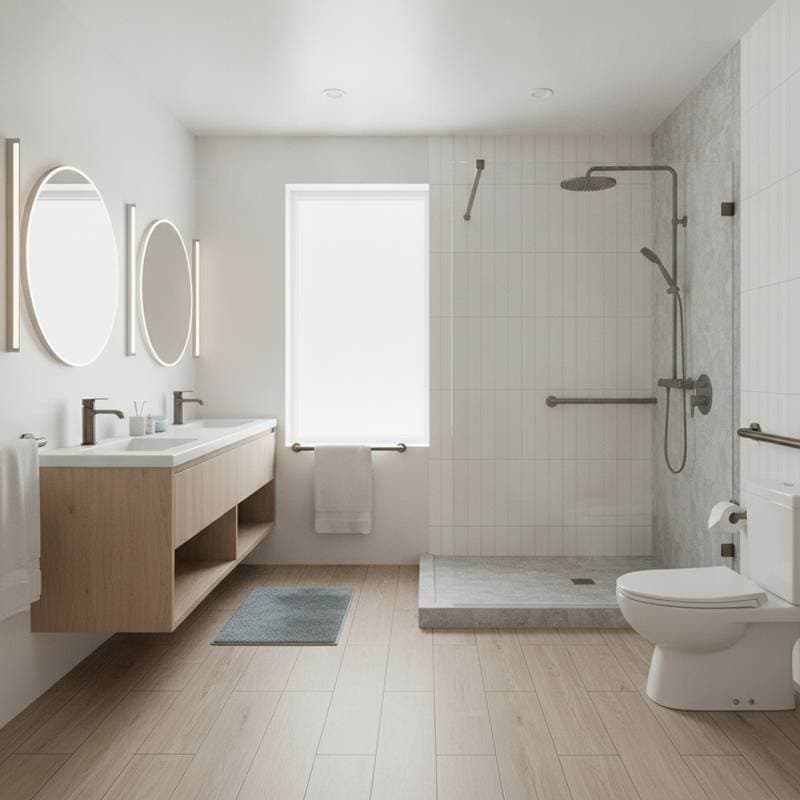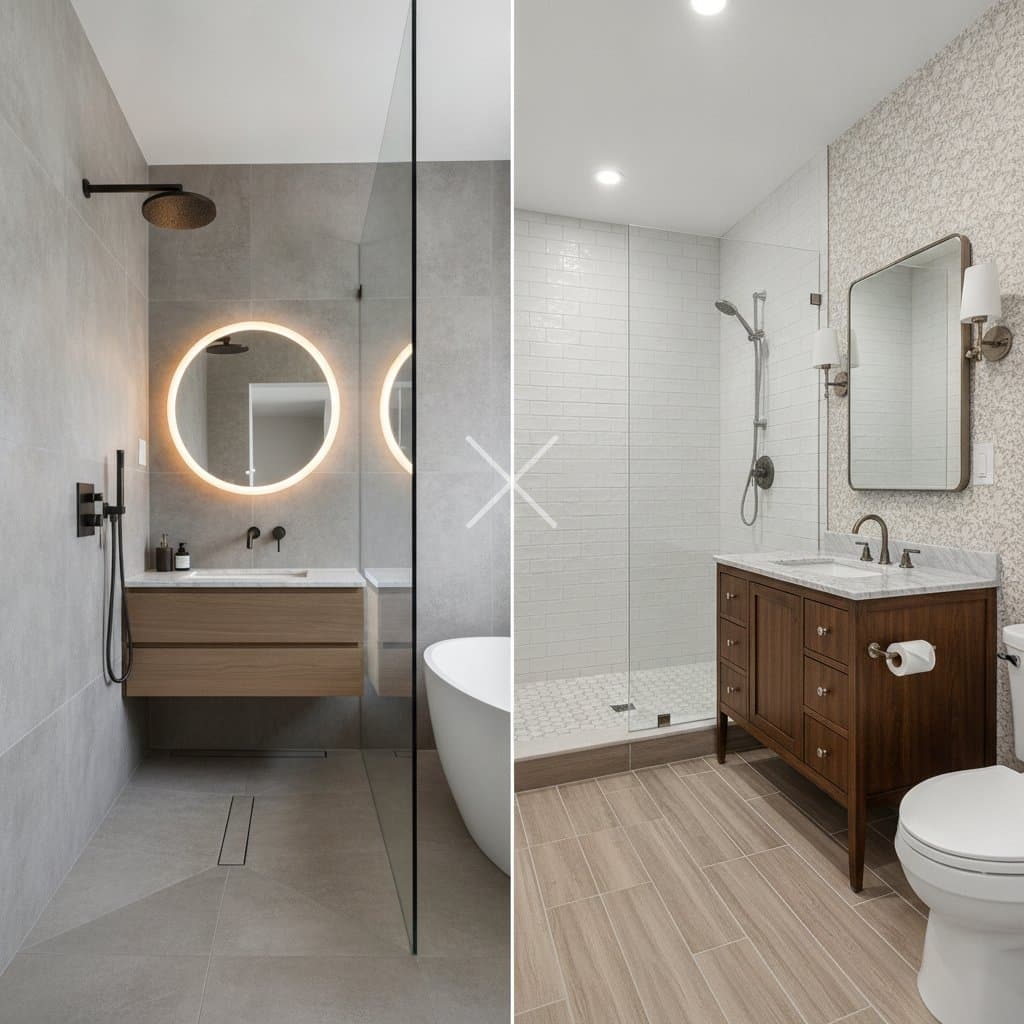
Alterations to plumbing or electrical systems elevate labor charges. Enhancements like tiling, moisture barriers, and air circulation systems boost longevity and user comfort, though they contribute to higher overall expenditures.
Deciding Between DIY and Professional Assistance
Many elements of a spa-oriented bathroom renovation suit independent execution, including surface painting, hardware swaps, and accessory placement. Specialized work such as moisture sealing and wiring adjustments demands certified expertise to ensure safety and compliance.
Projects suitable for DIY:
- Applying moisture-resistant coatings to walls and ceilings
- Affixing self-adhesive panels or resilient flooring options
- Swapping out taps, shower attachments, and hanging rods
- Incorporating adjustable LED illumination or illuminated mirrors
Situations requiring professional intervention:
- Relocating pipes or wiring conduits
- Fitting a replacement bathtub or shower enclosure
- Integrating steam features or enclosed wet areas
- Applying protective sealants to floors and walls
Professionals charge $60 to $120 per hour for general remodeling, with plumbers at $85 to $150 per hour. Self-managed efforts reduce outlays but potentially prolong completion time.
Essential Tools and Supplies
Required tools:
- Adjustable wrench for fixture adjustments
- Comprehensive screwdriver assortment
- Utility knife for precise cuts
- Spirit level for alignment verification
- Caulking applicator for sealing
- Paint application tools including rollers and brushes
Key materials:
- Primer and paint formulated for humid environments
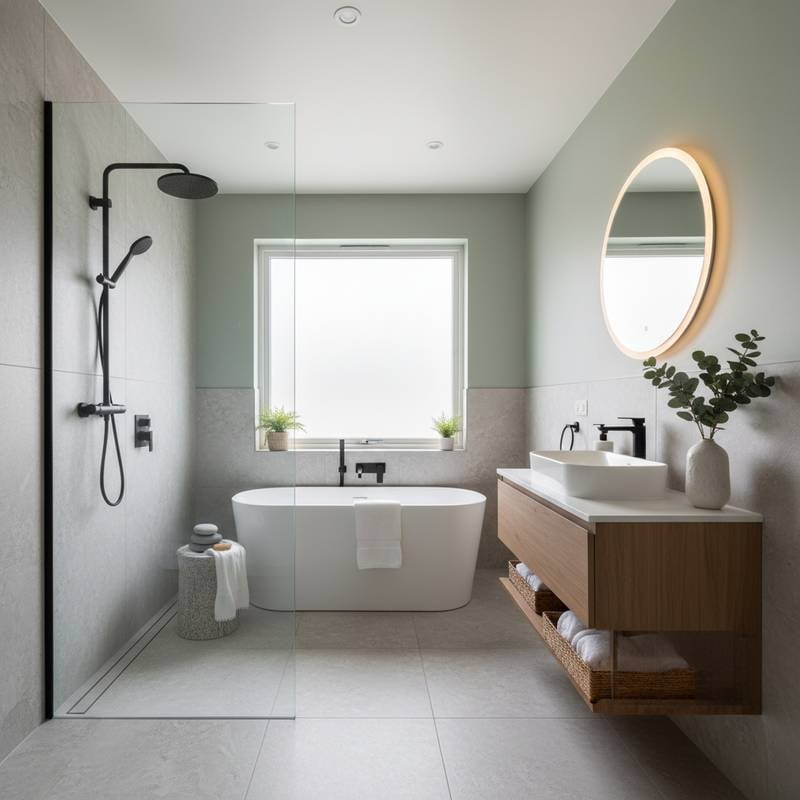
- Rainfall-style showerhead or multifunctional attachment
- Backlit LED mirror for vanities
- Slip-resistant vinyl planks or porcelain tiles
- Hinged toilet seat with soft-closing mechanism
- Wall-mounted shelves or recessed storage niches
- Aromatherapy candles or essential oil dispensers
Detailed Renovation Process
-
Develop a detailed layout and financial plan.
Prioritize elements that maximize relaxation value relative to expense. Retain existing plumbing positions to sidestep costly modifications. Confirm that the blueprint aligns with spatial constraints and fiscal parameters. -
Enhance illumination to promote calm and even lighting.
Substitute harsh ceiling fixtures with warm, adjustable LED options rated for damp locations. Install sconce-style lighting beside mirrors to eliminate unflattering shadows. Verify that illumination distributes uniformly without intense brightness. -
Revitalize surfaces for a unified, pristine appearance.
Coat walls in satin-finish paint resistant to humidity and mildew. Apply adhesive-backed tiles for efficient splash zone renewal. Ensure all areas present smooth textures, thorough cleanliness, and proper sealing against moisture. -
Incorporate updated hardware for authentic spa functionality.
Upgrade to a dual-function showerhead offering overhead and handheld streams. Select contemporary taps in durable finishes like brushed metal or subtle black tones. Check for absence of drips and steady flow rates post-installation. -
Integrate accessible luxury features.
Position a wooden shower stool or natural-fiber mat for comfort. Stack plush, neutral-toned linens to evoke resort elegance. Assess whether the area conveys serenity and hospitality. -
Optimize storage solutions for efficiency.
Secure wall-hung shelves or equip cabinets with concealed drawers. Organize supplies in uniform vessels to maintain tidiness. Validate that surfaces remain uncluttered and items accessible without effort. -
Incorporate sensory enhancements for immersion.
Introduce ambient scents via bundled herbs or vapor diffusers. Pair with subtle audio devices for soothing backgrounds. Evaluate if the environment promotes deep relaxation and individuality.
Key Safety Considerations
Electrical precautions: Deactivate power at the breaker panel prior to handling lights or receptacles.
Fall prevention: Place textured mats or select flooring with grip near bathing zones.
Humidity management: Ensure operational exhaust systems to mitigate mold risks.
Don protective gloves and eyewear during material handling. Maintain dry conditions for tools to prevent mishaps.
Common Issues and Resolution Steps
- Misaligned tiles or spaces: Redistribute adhesive and employ spacers for even placement.
- Leaking taps: Secure fittings or install new sealing components.
- Unstable lighting: Confirm compatibility of bulb power and housing specifications.
- Flaking coatings: Apply specialized primers suited for vapor-heavy settings before recoating.
After assembly, evaluate flow dynamics, light consistency, and air exchange. Confirm that all elements seal effectively, adhere firmly, and operate without defects.
Post-Project Cleanup Procedures
Transport discarded hardware, containers, and wrappings to designated recycling facilities or waste disposal sites. Remove particulates through vacuuming or brushing prior to occupancy. Clean fresh installations with gentle detergent solutions to eliminate manufacturing residues.
Ongoing Care and Durability Expectations
Perform routine grout and enclosure maintenance using mild, non-scratch formulas. Examine sealant joints quarterly for wear or gaps. Renew shower attachments and flow regulators periodically to sustain performance. Refresh wall treatments every five to seven years with anti-fungal formulations.
Consistent upkeep preserves the refreshed aesthetic and operational integrity over extended periods.
Indicators for Professional Involvement
Engage certified specialists for endeavors involving structural alterations, pipe relocations, or extensive surfacing. Such comprehensive overhauls typically span $8,000 to $20,000, varying by selections and workforce expenses.
Selection criteria for contractors:
- Active licensing and coverage documentation
- Detailed proposal including line-item pricing
- Guarantees on labor quality
- Testimonials from current projects
Strategies to Maximize Project Outcomes
Initiate with incremental changes, advancing from illumination and finishes to structural shifts. Select resilient, moisture-proof options that harmonize usability and elegance. Through meticulous preparation and emphasis on high-impact areas, secure enduring spa sophistication at controlled costs and preserved standards.