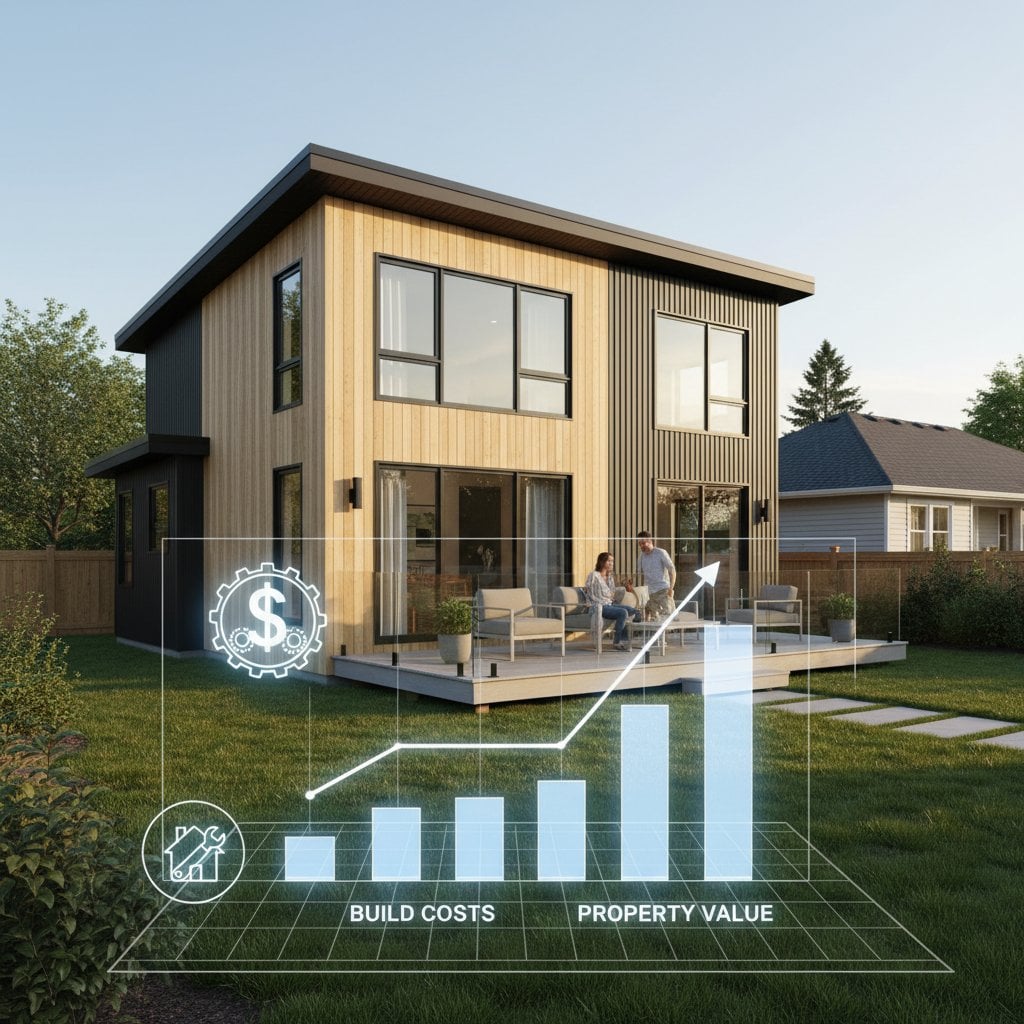
Prefab ADUs: Achieving Significant Savings Compared to Traditional Construction
Homeowners often seek ways to add functional space to their properties, such as rental units, guest accommodations, or dedicated workspaces. An accessory dwelling unit, or ADU, serves these purposes effectively and contributes to long-term property appreciation. The primary concern remains the financial investment required. Prefabricated ADUs emerge as a compelling option, offering accelerated timelines and reduced expenses without compromising structural integrity or aesthetic appeal.
This comprehensive guide compares prefab ADUs to site-built alternatives, examines the factors influencing cost variations, and provides practical advice for selecting the best approach based on your budget, site constraints, and objectives. By understanding these elements, you position yourself to make informed decisions that align with your vision.
Key Features of Prefab ADUs
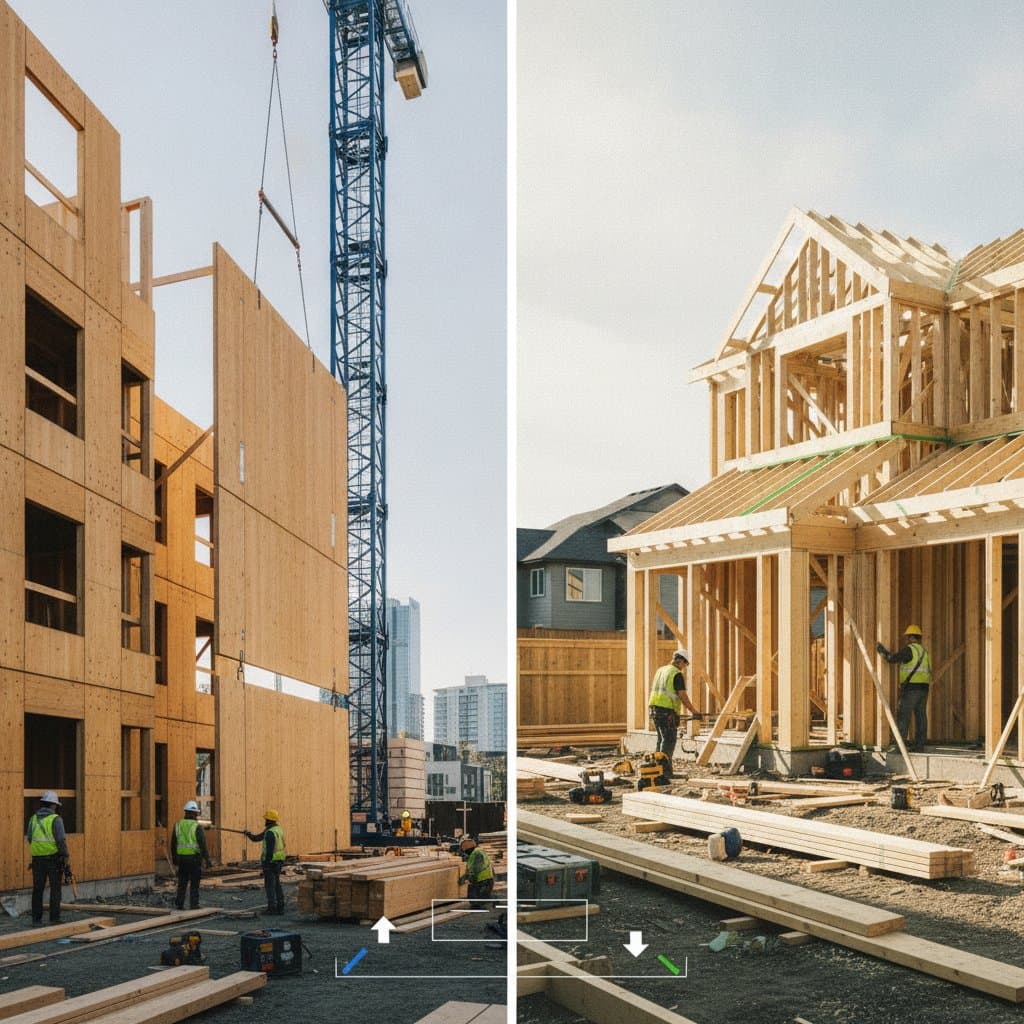
Prefab ADUs undergo construction in a factory setting, where components receive precise assembly before transportation to the site for final integration. This method minimizes on-site variables and enhances overall efficiency. Common configurations include modular units, which arrive in large sections ready for foundation placement; panelized systems, consisting of pre-fabricated walls, floors, and roofs that teams assemble quickly; and compact container-based designs, which repurpose shipping containers into habitable spaces.
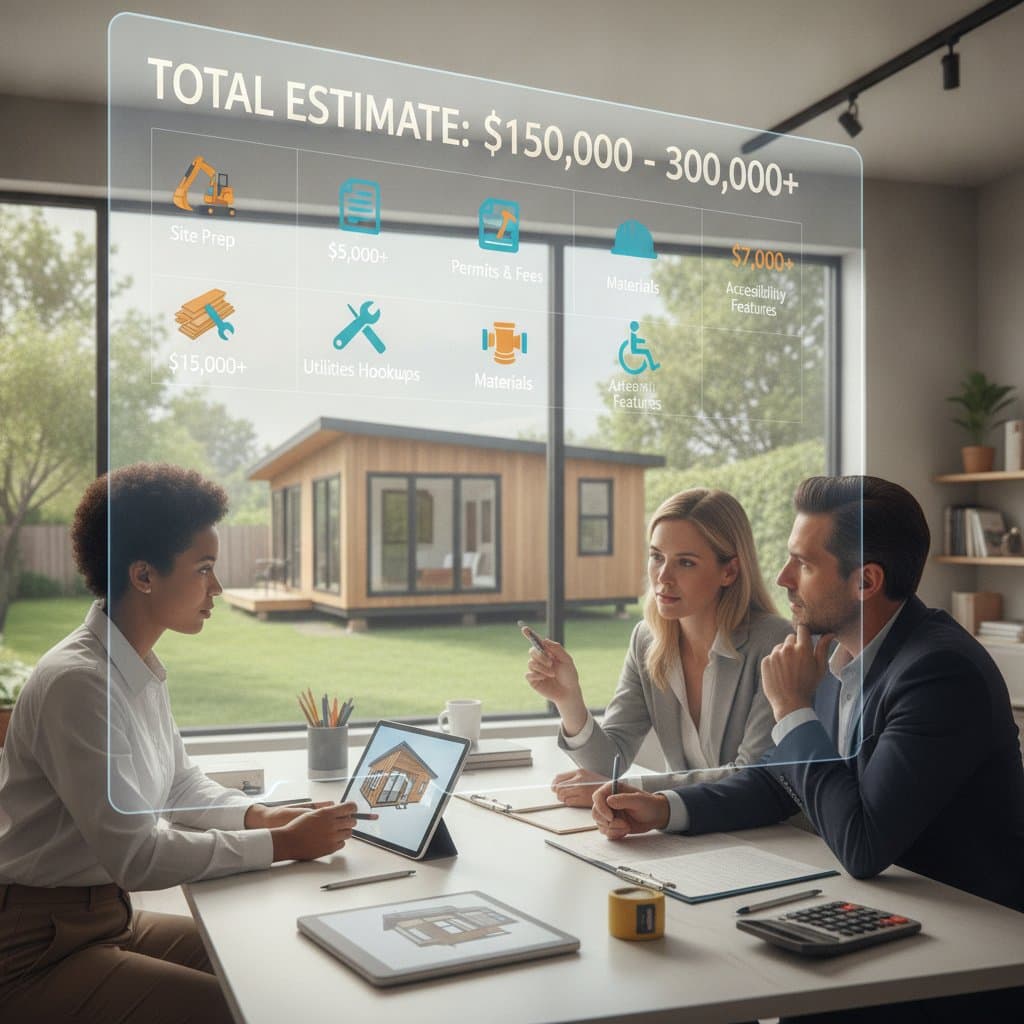
Factory production inherently cuts material waste by up to 90 percent and shields the build from environmental disruptions like rain or temperature fluctuations. Pricing remains more stable due to bulk material procurement and streamlined labor. In contrast, traditional ADUs rely on sequential on-site construction, which demands extensive manual labor, extends project durations by months, and exposes costs to volatile market prices for lumber, labor, and supplies. These differences translate to prefab ADUs typically costing between $150 and $300 per square foot, versus $200 to $400 for traditional builds, depending on location and specifications.
Contrasting Timelines and On-Site Processes
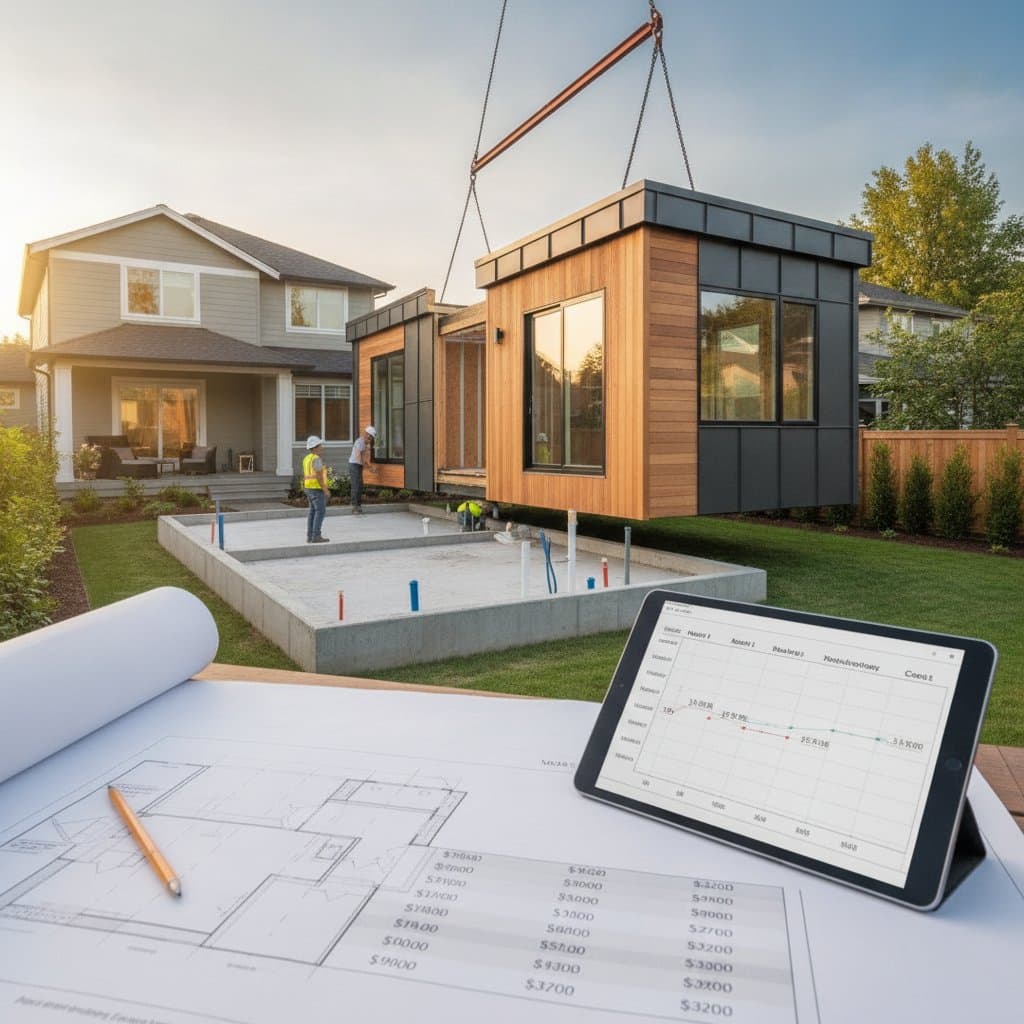
One of the standout advantages of prefab ADUs lies in their abbreviated installation phase. Units often arrive with interiors nearly finished, requiring only site-specific tasks such as foundation pouring, utility integrations for plumbing and electricity, and cosmetic touches like painting or trim installation. The entire on-site work frequently concludes within two to four weeks, assuming preparatory steps occur concurrently.
Traditional construction, however, involves a protracted sequence: site excavation, framing, roofing, insulation, and interior fit-out, often spanning three to six months or longer amid unforeseen delays. This extended presence of crews and equipment disrupts daily routines and increases holding costs for materials. For property owners aiming to generate rental income, the prefab approach enables occupancy and revenue generation months earlier, amplifying financial returns. Additionally, reduced on-site time lowers the risk of neighborhood complaints or compliance issues during active building phases.
Navigating Permits, Regulations, and Site Preparation
Compliance forms the foundation of any ADU project, whether prefab or traditional. Local authorities enforce building codes, zoning ordinances, and setback requirements uniformly across construction types. Prefab providers typically furnish detailed engineering reports, structural certifications, and compliance documentation to streamline the approval process. Nonetheless, homeowners bear responsibility for coordinating foundation engineering, connecting to municipal water and sewer systems, and scheduling inspections.
Certain jurisdictions impose unique stipulations for modular deliveries, such as oversized load permits for transport trucks. Engage with your local planning department at the outset to clarify these rules and timelines, which can vary from 30 to 90 days for approvals. Partnering with a licensed contractor experienced in ADU projects proves invaluable for interpreting regulations and averting fines or rework. Site preparation expenses for prefab ADUs generally fall between $10,000 and $25,000, influenced by factors like terrain grading, soil testing for stability, driveway access for delivery vehicles, and the proximity of existing utilities to the build location.
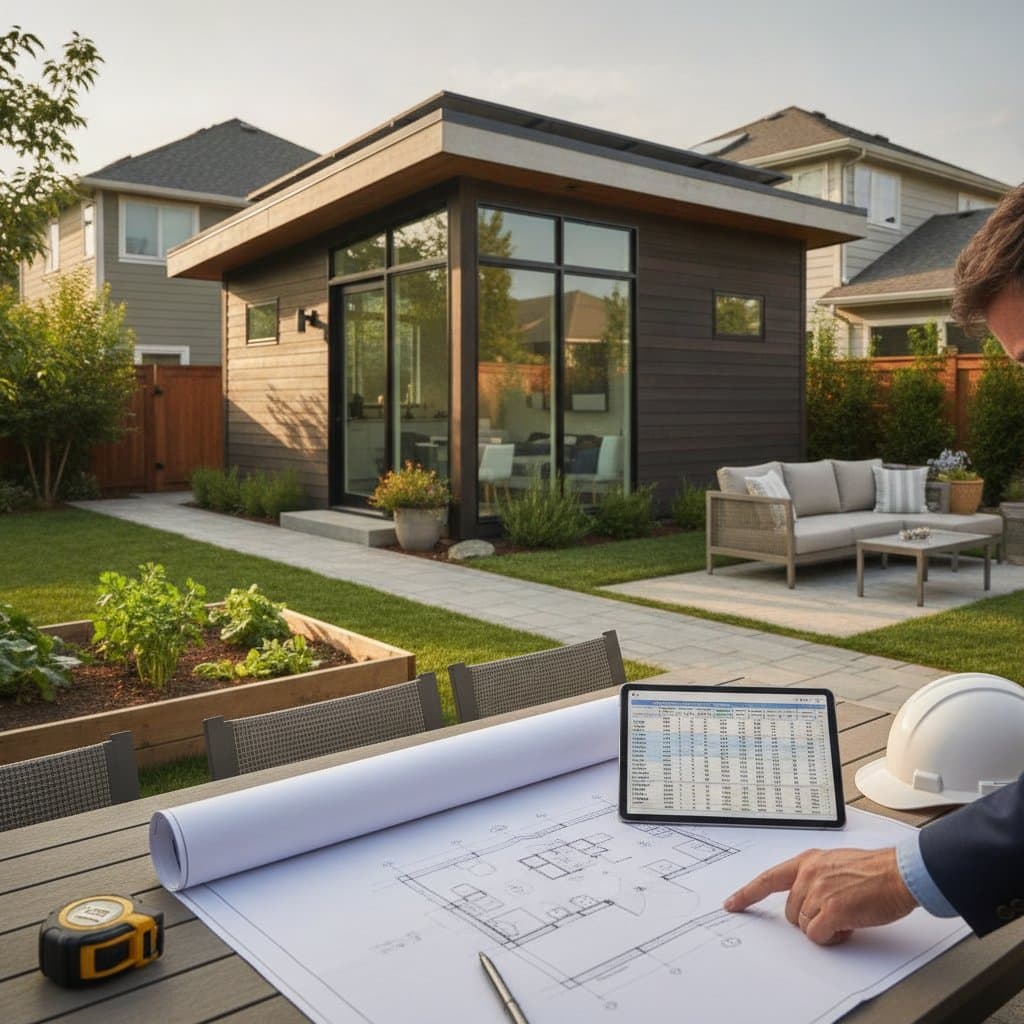
To optimize this phase, conduct a professional survey of your property early. This assessment identifies utility routes, elevation changes, and potential obstacles, allowing for precise budgeting and minimal surprises.
Durability, Maintenance, and Long-Term Performance
Prefab ADUs incorporate construction materials comparable to those in standard residential structures, including pressure-treated wood framing, high-R-value insulation panels, and weather-resistant siding or metal roofing. Quality manufacturers adhere to or exceed International Residential Code standards, ensuring resilience against elements. With appropriate upkeep, these units endure 30 to 50 years, and in some cases longer, matching the lifespan of site-built homes.
Maintenance routines mirror those for any dwelling: inspect and reseal roofs biennially, repaint exteriors every five to seven years based on climate exposure, and monitor for water intrusion at foundation joints or expansion seams. The factory-controlled assembly often results in superior air sealing, which boosts energy efficiency by 15 to 20 percent over traditional methods. Homeowners benefit from lower utility bills through features like double-glazed windows and efficient HVAC systems integrated during production. Regular professional assessments, particularly after severe weather, safeguard the investment and preserve warranty coverage, which many providers extend up to 10 years on structural components.
Strategies to Maximize Cost Efficiency
Achieving the full potential of prefab ADUs requires deliberate choices throughout the planning and execution stages. Consider these targeted approaches:
-
Select transport-friendly dimensions. Opt for units under 14 feet wide and 40 feet long to eliminate special permitting fees for oversized hauls, potentially saving $5,000 or more.
-
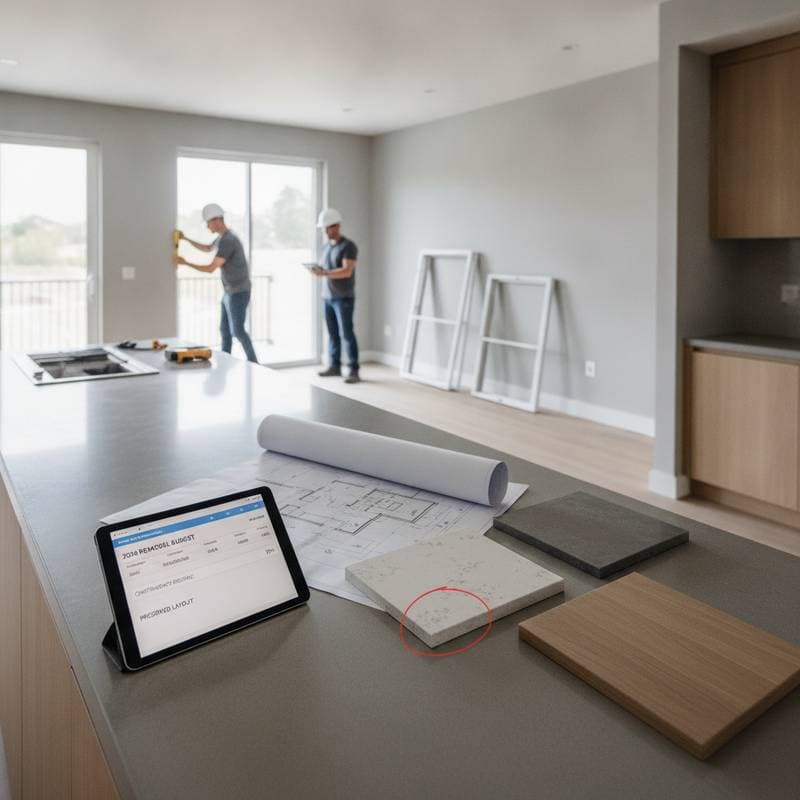
Incorporate basic, high-quality finishes. Choose stock options for kitchens and bathrooms, such as laminate countertops and vinyl plank flooring, which reduce costs by 10 to 15 percent without detracting from modern appeal.
-
Map utilities in advance. Commission a utility locate service to chart existing lines, minimizing excavation depth and length for connections, which can cut trenching expenses by half.
-
Integrate site enhancements. Align ADU installation with broader landscape projects, such as driveway extensions or fencing, to consolidate contractor mobilization and equipment use.
-
Solicit competitive proposals. Obtain at least three detailed bids from certified installers, specifying labor, materials, and timelines to ensure apples-to-apples comparisons and uncover value-added services like free consultations.
Documenting a comprehensive project scope, including desired features and constraints, facilitates transparent negotiations and uncovers opportunities for bundling services.
Addressing Frequent Concerns About Prefab ADUs
Do prefab ADUs necessitate identical permitting to traditional structures? Affirmative. Off-site fabrication does not exempt projects from standard building, electrical, and occupancy permits, which verify safety and code adherence.
Is relocation of a prefab ADU feasible in the future? Certain modular designs permit disassembly and transport, though permanent foundation models prove more economical for long-term placement. Relocation incurs expenses akin to initial installation, often 50 to 70 percent of original costs.
How do prefab ADUs perform in terms of energy efficiency? Factory precision enables superior insulation and airtight construction, frequently surpassing local energy benchmarks and qualifying for rebates or tax credits.
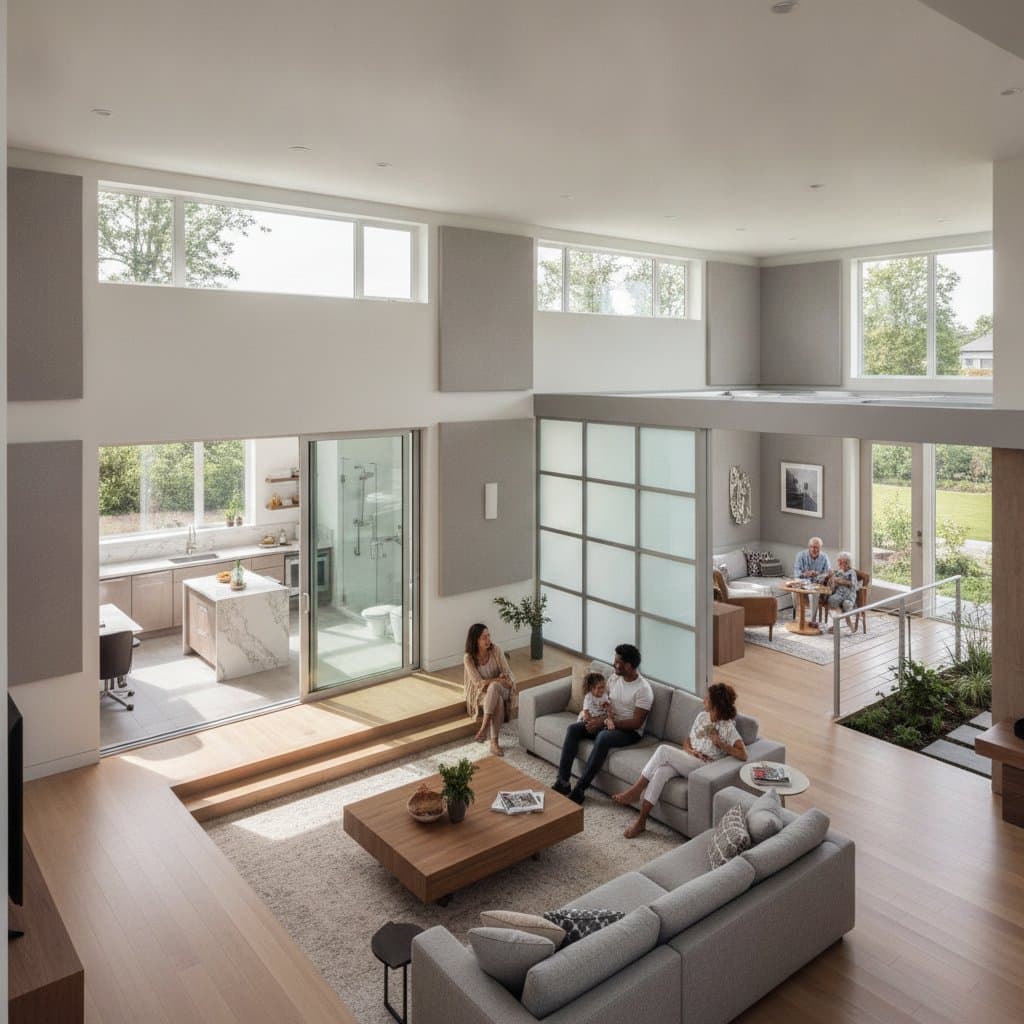
Can a prefab ADU harmonize with the primary residence? Customization options abound, including siding materials, color palettes, gable or flat roof profiles, and window configurations to achieve seamless integration.
What financing avenues exist for prefab ADU projects? Options encompass home equity lines of credit for lower interest rates, specialized ADU construction loans with flexible draw schedules, and grants in regions promoting density through accessory units.
Steps to Launch Your Prefab ADU Project
Embarking on a prefab ADU enhances property utility and equity with controlled costs and minimal upheaval. Begin by evaluating your site's suitability through zoning checks and space analysis. Research reputable manufacturers via industry associations, prioritizing those with proven track records in your region.
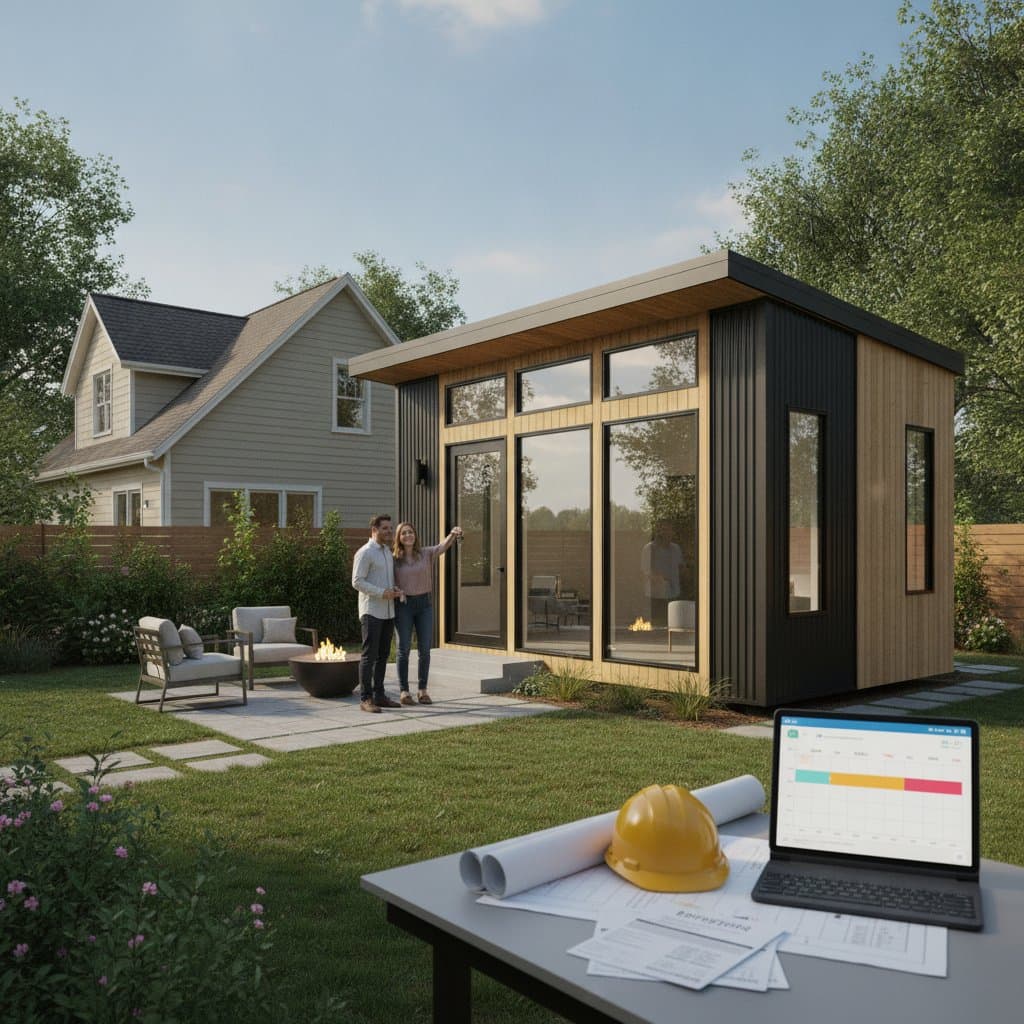
Compile a timeline that sequences permitting, design selections, and installation logistics. Consult with architects or builders to refine layouts that maximize natural light and flow. This preparation mitigates risks and aligns the project with your financial and lifestyle goals.
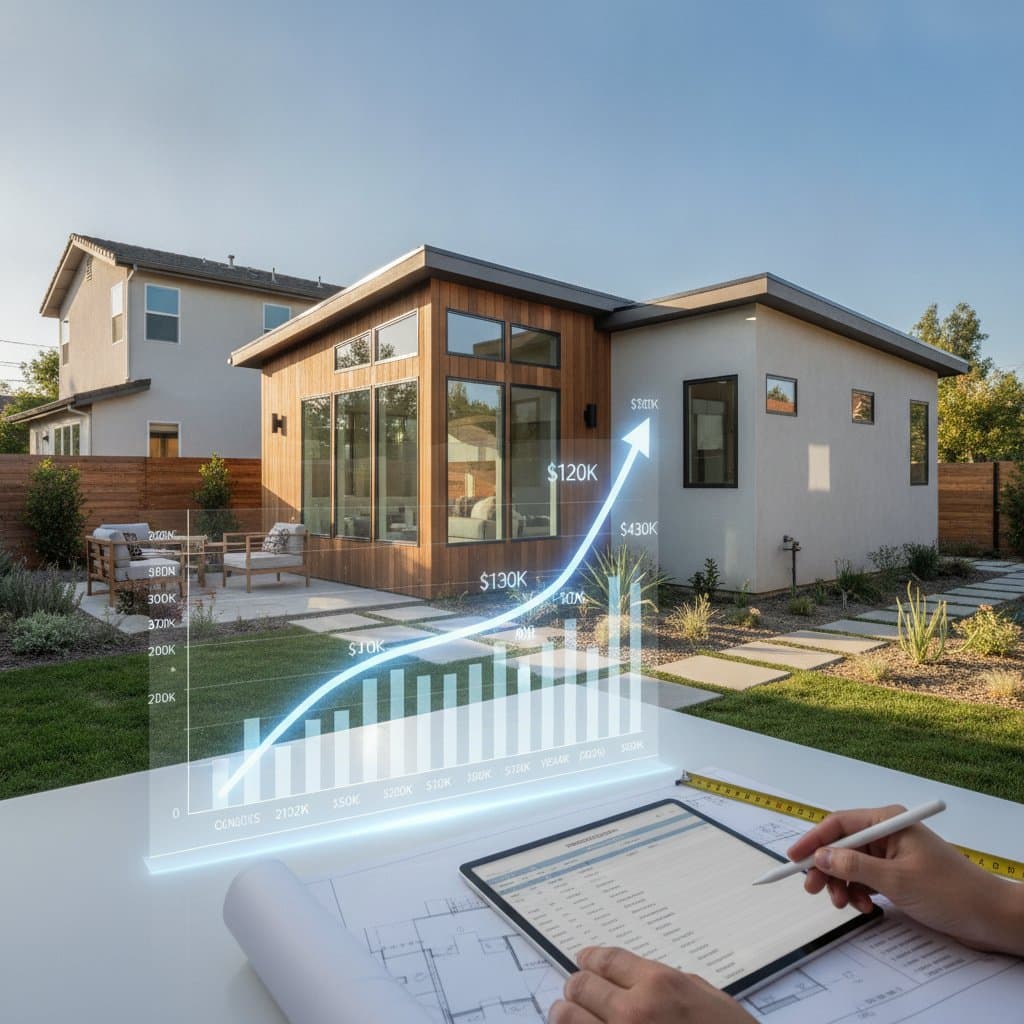
Ultimately, a well-executed prefab ADU delivers versatile space, income potential, and enduring value. Invest time in due diligence, from site visits to financial modeling, to realize a seamless addition that elevates your home for years to come.