Understanding Aging in Place
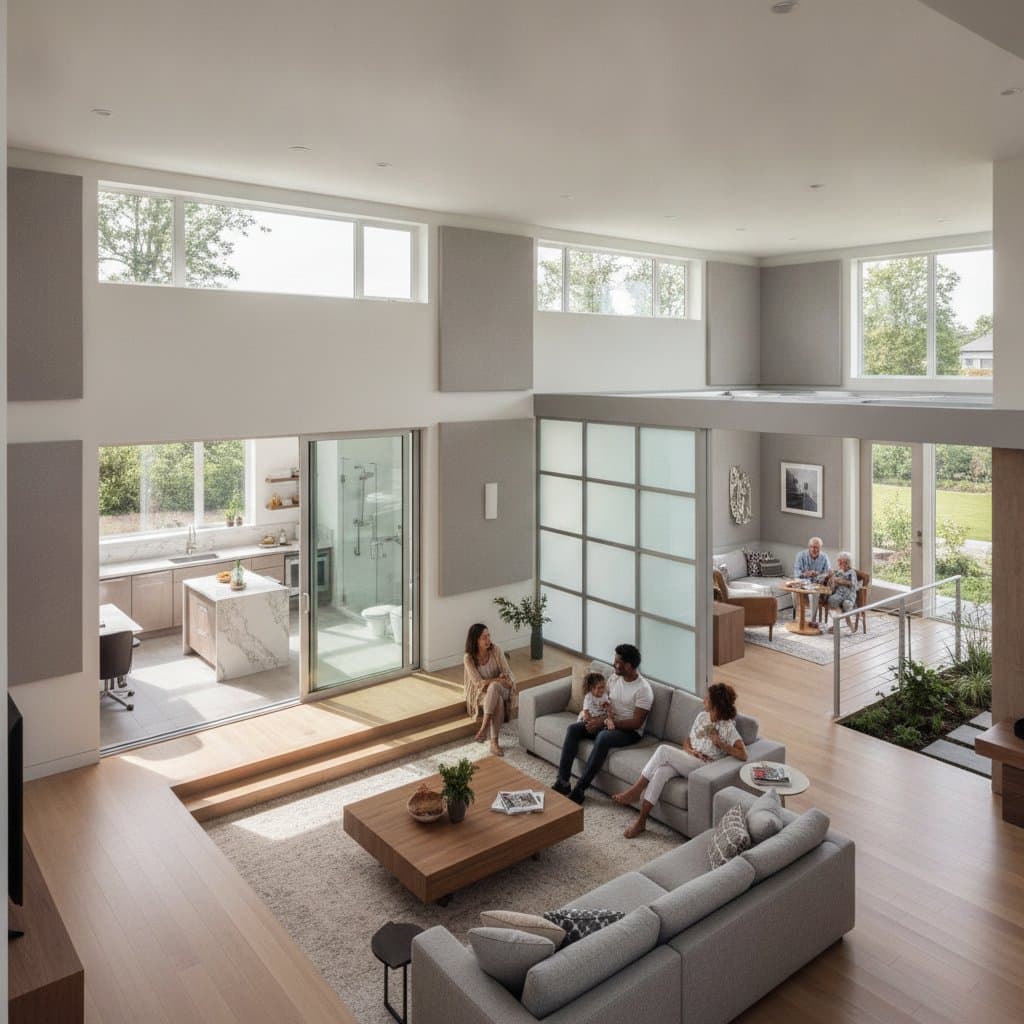
Aging in place refers to modifying a home to accommodate the changing needs of residents as they grow older. These adaptations promote independence, reduce fall risks, and improve daily living without the need for relocation. Homeowners increasingly prioritize such remodels to maintain familiarity and comfort in their living environments.
The concept gains prominence in 2025 as populations age and technology advances. Basic updates focus on accessibility, while comprehensive projects integrate smart systems for enhanced monitoring and control. Thoughtful planning ensures these changes align with personal lifestyles and future requirements.
Essential Features for Safe and Accessible Homes
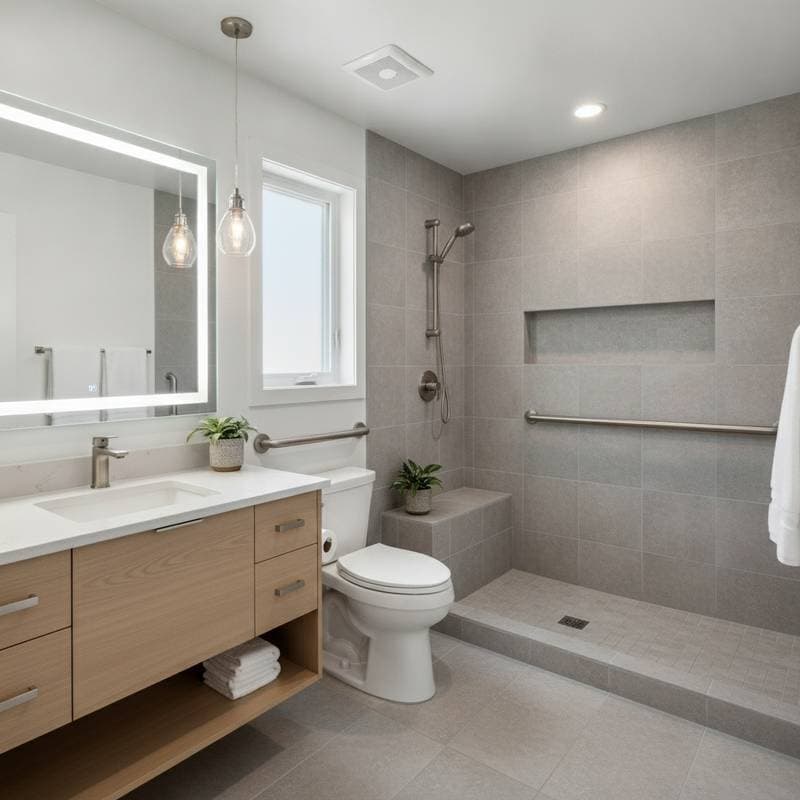
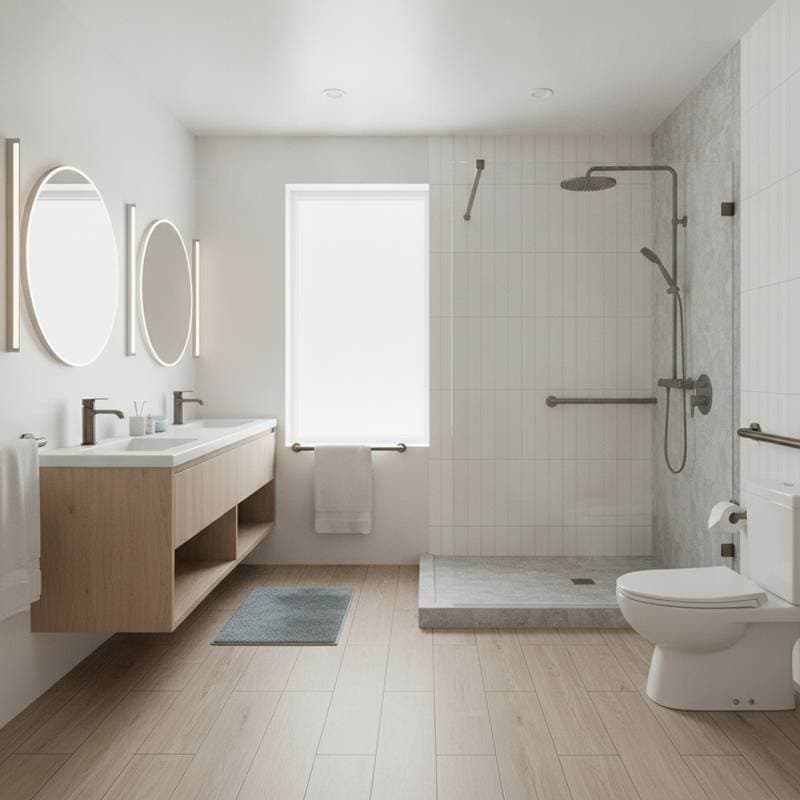
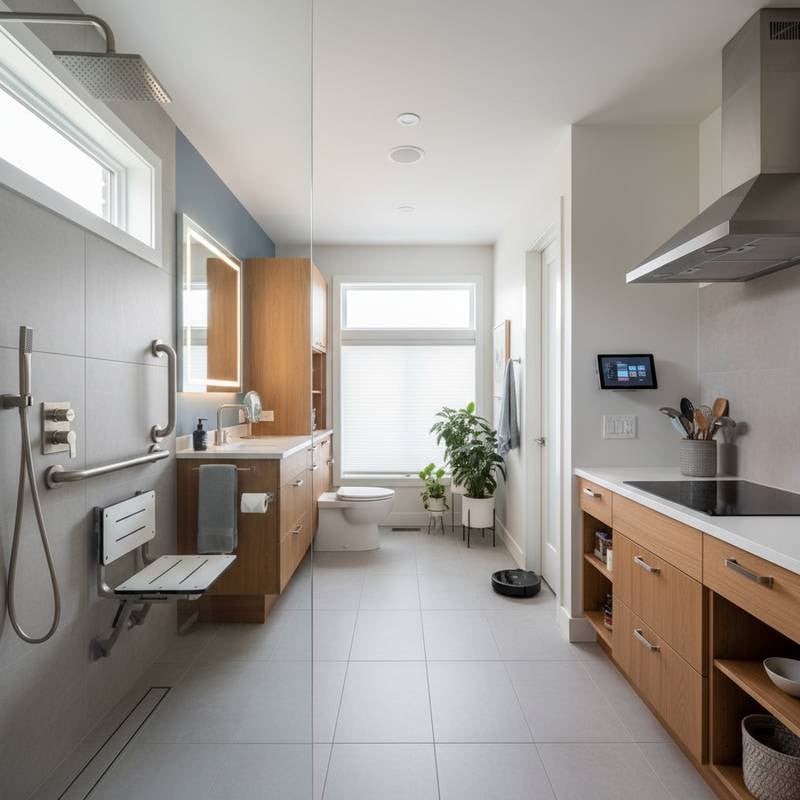
Effective aging-in-place remodels incorporate features that address mobility, visibility, and convenience. Grab bars in bathrooms provide stable support during transfers, preventing slips on wet surfaces. Wider doorways and lever-style handles facilitate easier navigation for those using wheelchairs or experiencing reduced grip strength.
Lighting upgrades play a critical role in visibility. Motion-sensor lights illuminate pathways automatically, reducing the chance of nighttime accidents. Non-slip flooring materials, such as textured tiles or vinyl, offer traction in high-traffic areas like kitchens and entryways.
Smart home technology elevates functionality. Voice-activated controls manage lights, thermostats, and locks, minimizing physical effort. Automated shades adjust for natural light, supporting circadian rhythms and energy efficiency.
Bathroom Modifications
Bathrooms demand focused attention due to their inherent hazards. Installing a walk-in shower with a low-threshold curb eliminates stepping over barriers. Fold-down benches and handheld showerheads allow seated bathing, preserving dignity and ease.
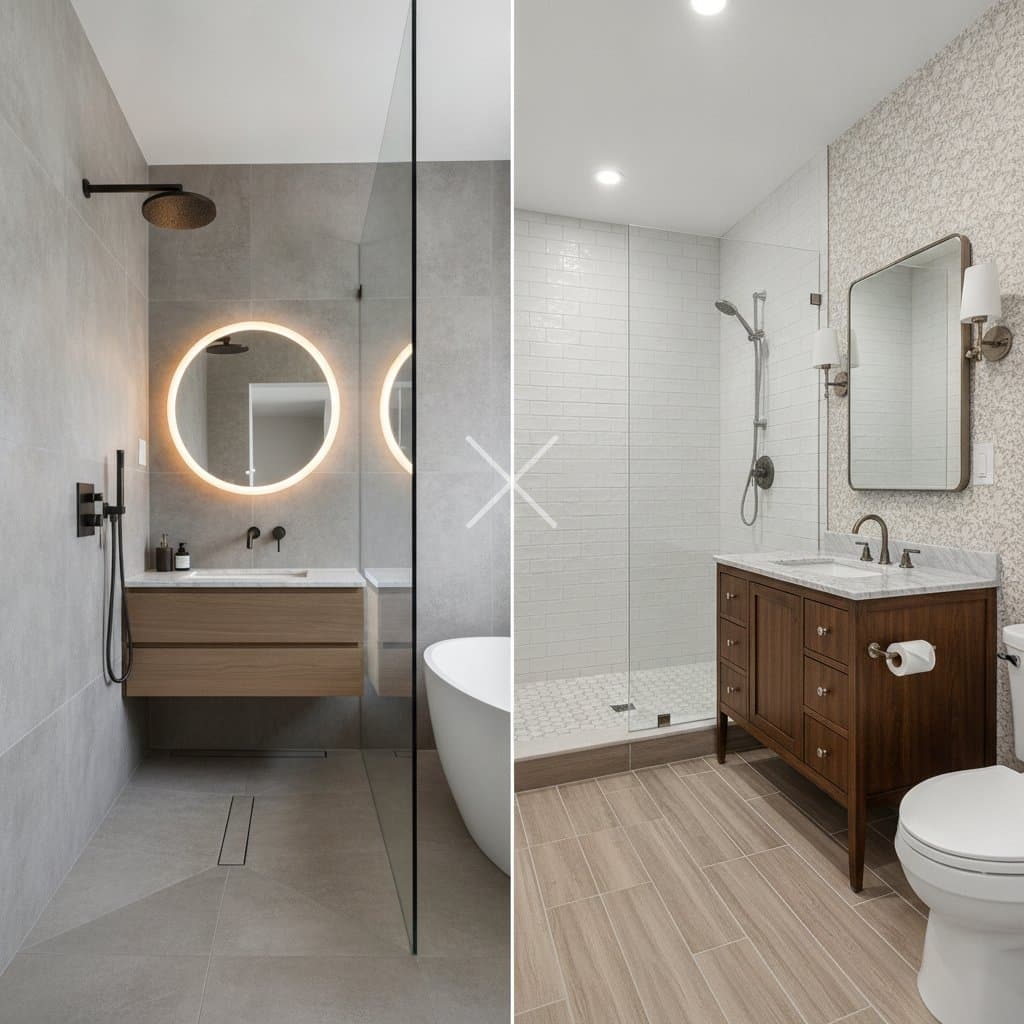
Heated floors prevent cold shocks, and anti-scald valves regulate water temperature to avoid burns. These elements combine practicality with subtle aesthetics, ensuring the space remains inviting.
Kitchen Adaptations
Kitchens benefit from height-adjustable counters that accommodate standing or seated use. Pull-out shelves and lazy Susans bring items within reach, reducing strain from stretching. Touchless faucets and induction cooktops enhance safety by limiting direct heat exposure.
Appliance placement at mid-level heights supports ergonomic workflows. Soft-close cabinets and matte finishes on hardware prevent injuries from slamming doors or sharp edges.
Breaking Down the Costs in 2025
Remodel expenses vary based on project scope, location, and material choices. Entry-level updates, such as installing grab bars and basic lighting, typically range from $10,000 to $25,000. These focus on immediate safety without major structural changes.
Mid-range projects, incorporating bathroom or kitchen tweaks alongside smart tech, fall between $25,000 and $60,000. This tier balances functionality with moderate design enhancements, suitable for homes needing broader accessibility.
Comprehensive overhauls, including full-room renovations and integrated systems, reach $60,000 to $100,000. Such investments address multiple areas, often requiring permits and specialized labor for seamless execution.
Factors Driving Price Variations
Regional labor rates influence budgets significantly; urban areas command higher fees than rural ones. Material selections, from standard fixtures to premium smart devices, add layers of cost. Existing home conditions, like outdated wiring, may necessitate additional preparatory work.
Permitting and compliance with building codes ensure safety but extend timelines and expenses. Custom designs tailored to individual health needs further customize pricing, emphasizing personalized value over generic solutions.
Strategies to Manage and Reduce Expenses
Homeowners can optimize budgets through phased implementations. Start with high-impact, low-cost changes like adding grab bars or LED lighting before tackling larger renovations. This approach spreads financial burden while delivering progressive benefits.
Sourcing materials from wholesale suppliers or repurposing existing elements cuts costs without sacrificing quality. Energy-efficient upgrades, such as solar-powered sensors, qualify for rebates in many regions, offsetting initial outlays.
Conducting a home assessment early identifies priorities, avoiding unnecessary spending. Collaborating with designers on multifunctional features maximizes utility per dollar invested.
Hiring Professionals for Optimal Results
Engage certified contractors experienced in accessibility remodeling to navigate complexities. Professionals assess structural integrity, recommend code-compliant solutions, and coordinate multidisciplinary teams including electricians and plumbers.
Verify credentials through industry associations and review portfolios of similar projects. Clear contracts outlining timelines, costs, and warranties protect against surprises. Their expertise ensures installations meet durability standards, providing peace of mind.
For intricate smart integrations, consult specialists in home automation. These experts calibrate systems for intuitive use, enhancing reliability and user satisfaction.
Steps to Plan Your Aging-in-Place Remodel
Begin with a thorough evaluation of current needs and anticipated changes. Consult occupational therapists for personalized recommendations on layouts and aids. Develop a detailed blueprint that incorporates universal design principles for broad adaptability.
Secure financing options, from home equity loans to government grants for accessibility. Timeline management prevents disruptions; schedule work during favorable seasons to minimize inconvenience.
Regular maintenance post-remodel sustains functionality. Annual inspections of features like grab bars and tech systems preserve investments and safety.
Realizing Long-Term Value and Independence
Investing in aging-in-place remodels fosters sustained well-being and home equity. These modifications not only mitigate health risks but also enhance resale appeal in an accessibility-conscious market. Homeowners gain confidence in their spaces, supporting active lifestyles.
The result extends beyond utility to emotional security. Families benefit from reduced caregiving demands, allowing focus on quality time. Ultimately, these upgrades affirm the home as a lifelong sanctuary.