Understanding ADU and Granny Flat Costs in 2026
Accessory dwelling units (ADUs) and granny flats offer homeowners versatile solutions for additional living space, rental opportunities, or multigenerational housing. These structures enhance property value while addressing practical needs. This guide provides a detailed examination of construction costs, influencing variables, and strategic decisions between self-managed projects and professional oversight.
Essential Overview
This resource outlines the complete financial and temporal aspects of ADU development, from initial planning to final occupancy. Readers gain insights into individual expense categories, variables that drive variations in pricing, and methods for establishing a feasible budget. Such preparation ensures projects align with financial realities and regulatory demands.
Projected Costs and Timelines
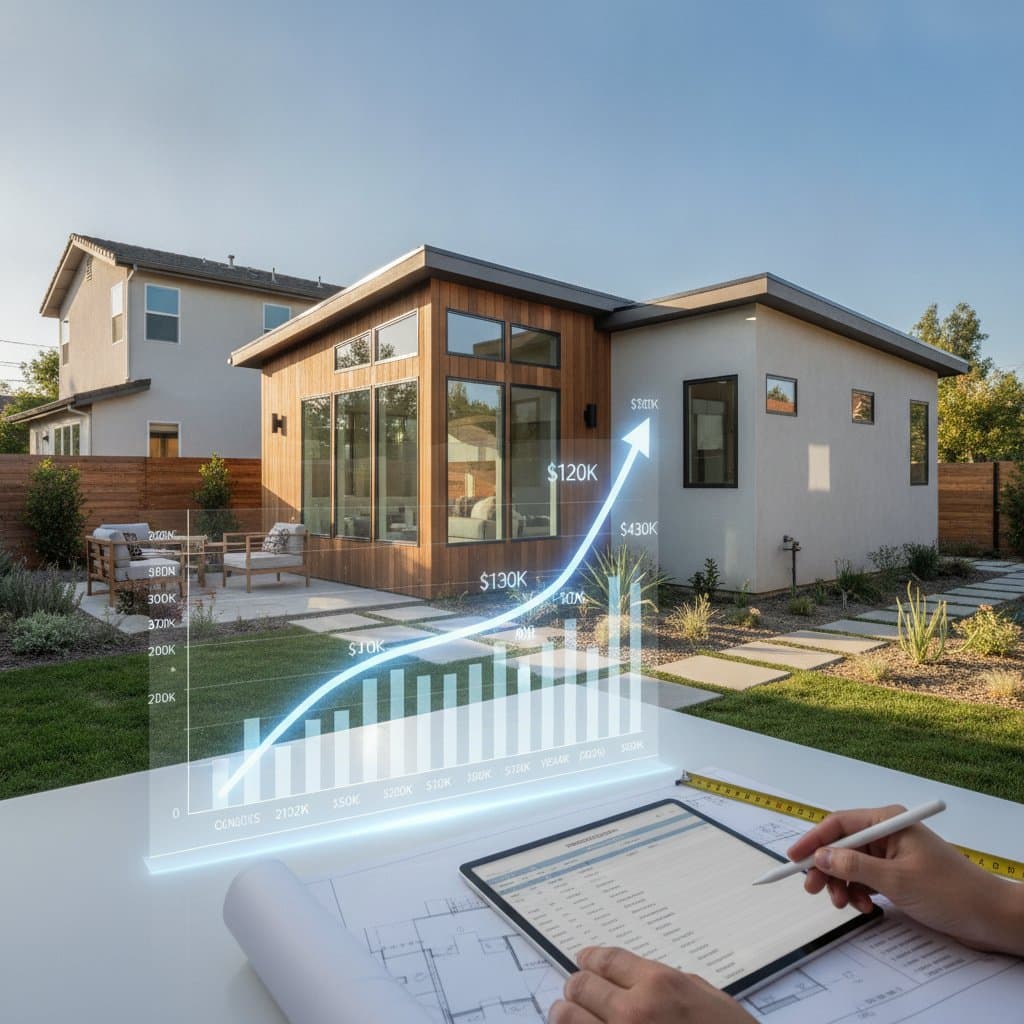
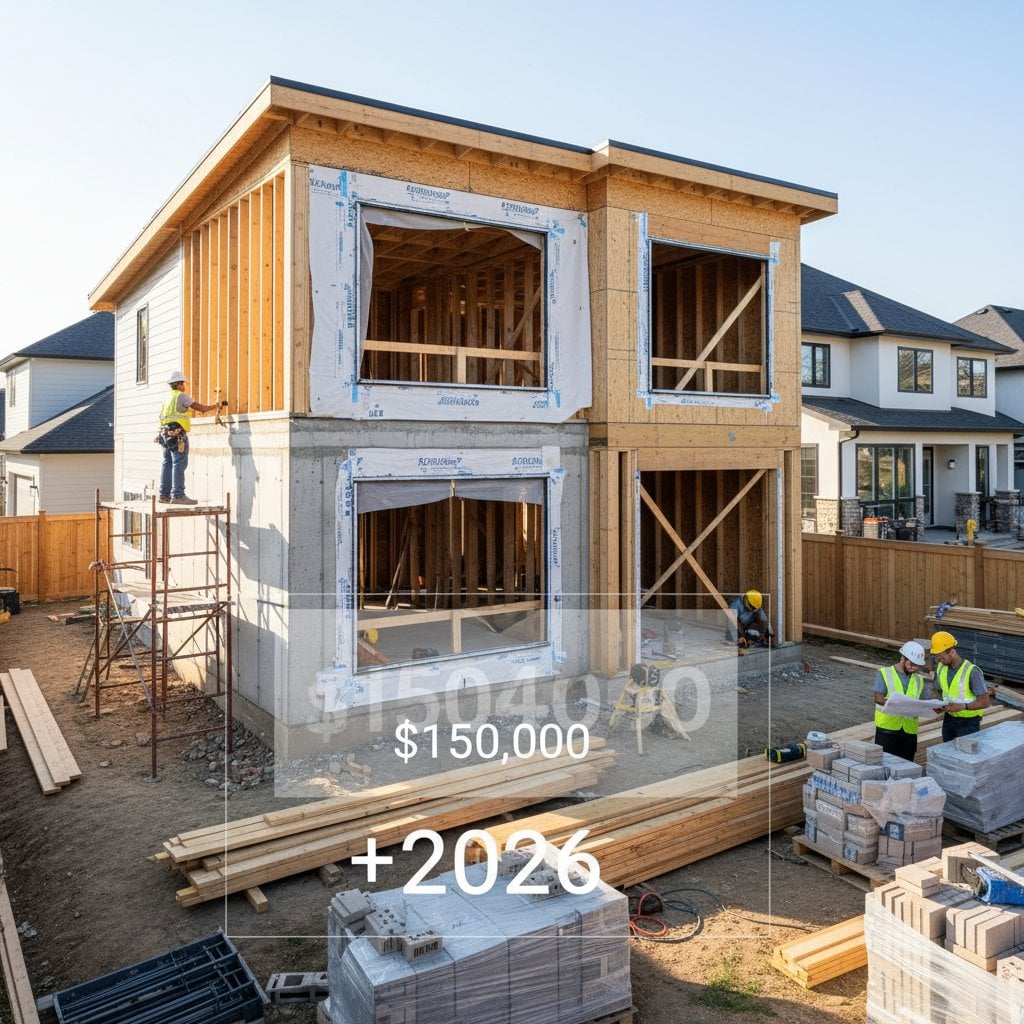
In 2026, the typical expense for constructing an ADU or granny flat falls between $150,000 and $400,000, influenced by dimensions, architectural features, and environmental factors. Compact attached configurations approach the minimum threshold, whereas standalone designs incorporating complete kitchens and bathrooms extend toward the maximum.
Key elements shaping expenses include:
- Dimensions: Units measuring 400 square feet incur lower costs than those exceeding 1,000 square feet. Per-square-foot rates generally span $300 to $500.
- Architectural intricacy: Bespoke configurations, elevated ceilings, and high-end materials elevate expenditures.
- Geographic position: Regional differences in labor rates and permitting charges significantly impact totals.
- Site readiness: Challenges such as uneven terrain, soil instability, or infrastructure enhancements introduce additional outlays and delays.
- Regulatory approvals and assessments: Municipal entities typically impose fees of $5,000 to $25,000 for permits and utility integrations.
Project durations vary as follows:
- Self-directed approach: Spans six to twelve months, contingent upon expertise and design sophistication.
- Expert-led construction: Encompasses three to six months, covering planning, approvals, and execution.
Complexity level: Advanced. Compliance with building standards, structural integrity, and utility installations demands specialized proficiency.
Evaluating Self-Directed Versus Expert Assistance
Scenarios Favoring Self-Direction
Homeowners with prior construction involvement may manage simpler ADU initiatives independently. Tasks like surface painting, floor installation, and exterior landscaping suit capable individuals. Modular ADU assemblies simplify the process, although specialized trades remain essential for plumbing and electrical components.
Indications for Professional Engagement
Engage certified builders in these situations:
- When foundational or framing elements require execution.
- For extending or modifying utility systems.
- To secure certified blueprints for regulatory clearance.
- On properties with access constraints or demanding topography.
Financial contrasts:
- Hybrid self-directed model: Ranges from $120,000 to $250,000, omitting primary trade services.
- Comprehensive professional service: Between $200,000 and $400,000, scaled by material standards.
Experts facilitate regulatory navigation, quality assessments, and coordination, often justifying premiums through expedited timelines and minimized setbacks.
Detailed Process for ADU or Granny Flat Construction
- Examine Municipal Regulations
- Consult the local planning department.
- Verify limits on dimensions, elevation, boundaries, and vehicle accommodations.
- Review restrictions on leasing arrangements.
- Verification milestone: Obtain documented assurance of site eligibility.
- Formulate Design and Configuration
- Select standalone, integrated, or garage-adaptive variants.
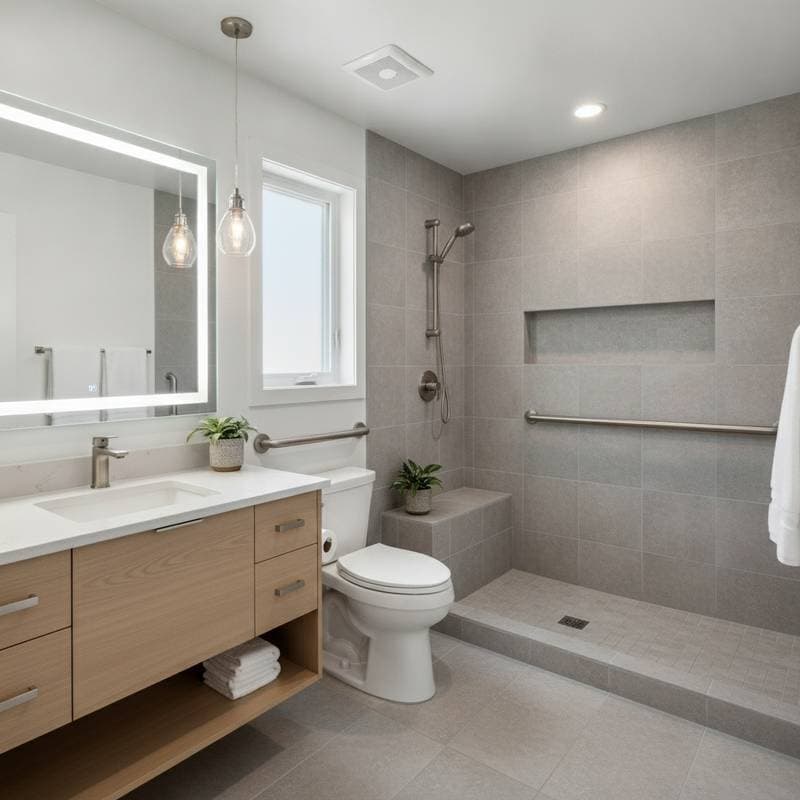
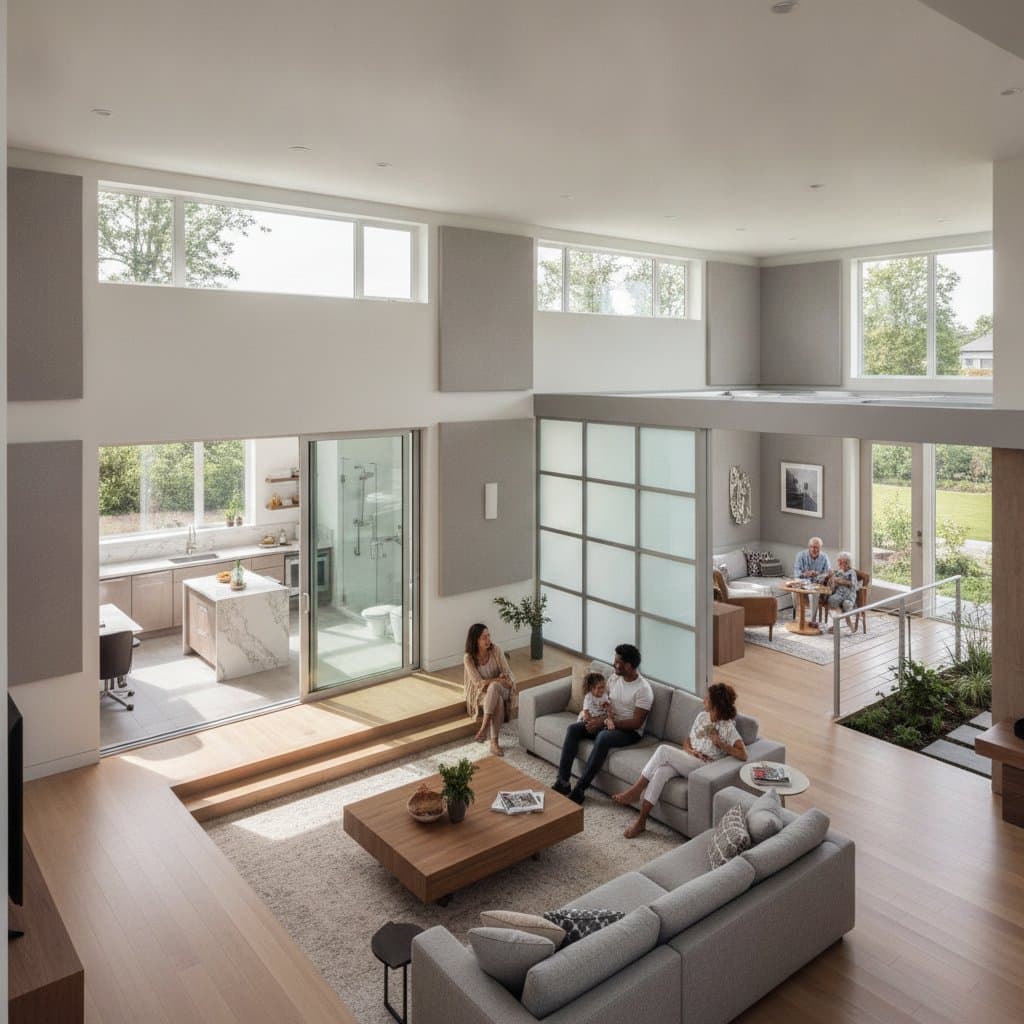
- Prioritize accessibility features for elderly residents.
- Employ a designer or architect for precise schematics.
- Verification milestone: Designs conform to codes and fiscal parameters.
- Compile and Lodge Approval Requests
- Submit property diagrams, vertical profiles, and service schematics.
- Settle required fees for permits and assessments.
- Verification milestone: Secure endorsements prior to commencing work.
- Ready the Construction Area
- Remove foliage and level surfaces for optimal water flow.
- Identify subsurface utilities prior to digging.
- Alert: Digging risks. Maintain distance from excavations and employ stabilization for substantial depths.
- Verification milestone: Terrain achieves evenness, density, and foundation preparedness.
- Establish the Base Structure
- Opt for ground-level slab, subfloor space, or elevated supports.
- Cast concrete and permit complete hardening prior to erecting frameworks.
- Verification milestone: Base aligns precisely and clears evaluation.
- Erect the Framework
- Assemble vertical, horizontal, and aperture elements per specifications.
- Incorporate preservative-treated wood in damp-prone zones.
- Alert: Elevation dangers. Deploy protected platforms for overhead tasks.
- Verification milestone: Assembly maintains alignment, verticality, and standard adherence.
- Integrate Service Lines
- Position conduits for water, drainage, fuel, and power.
- Liaise with providers for linkage arrangements.
- Alert: Power risks. Deactivate sources at the primary controls before circuit integrations.
- Verification milestone: Preliminary installations gain approval before enclosure.
- Apply Insulation and Enclose Surfaces
- Select climate-appropriate fiberglass or foam barriers.
- Affix plasterboard, secure joints, and smooth transitions.
- Verification milestone: Surfaces present uniformity without defects.
- Incorporate Internal Elements
- Fit flooring, moldings, storage units, and appliances.
- Apply protective coatings to enhance longevity.
- Verification milestone: Components fasten securely and position accurately.
- Conduct Concluding Reviews and Activation
- Arrange terminal checks for power, water systems, and overall integrity.
- Acquire usage certification prior to habitation or leasing.
- Verification milestone: Operations proceed reliably and securely.
Critical Safety Measures and Precautions
- Alert: Power dangers. Isolate electricity prior to manipulations. Delegate panel modifications to qualified electricians.
- Alert: Weight distribution. Avoid altering supportive elements absent technical endorsement.
- Individual protection: Employ hand coverings, eye shields, and respiratory filters during disruptive activities.
- Regulatory adherence: Unauthorized construction invites penalties and potential dismantling.
Addressing Challenges and Ensuring Standards
Frequent issues and resolutions:
- Base fissures: Apply resin fillers for slight imperfections; engage specialists for significant shifts.
- Irregular surfaces: Inspect beam intervals and adjust underlayers prior to coverings.
- Water system breaches: Conduct pressure evaluations before concealment.
- Power malfunctions: Confirm fuse capacities and connection integrity.
- Dampness concerns: Deploy moisture shields and verify sealing integrations.
Standard validations:
- Vertical and horizontal planes deviate no more than 1/8 inch across 10 feet.
- Entryways and openings function without resistance.
- Climate control sustains consistent conditions unit-wide.
Debris Management and Clearance
Transport waste to designated sites. Categorize for efficiency:
- Timber: Direct to recycling or repurpose for minor endeavors.
- Aggregate: Convey to community processing venues.
- Metallics: Recover for monetary return.
- Toxic materials: Handle paints, binders, and fluids per jurisdictional protocols.
Ensure the area remains tidy, contoured, and hazard-free upon completion.
Ongoing Care and Durability
Perform biannual reviews for water ingress, fractures, and climate system efficacy. Maintain drainage channels, inspect roofing, and refresh outer coatings periodically. Fixtures endure 10 to 15 years, with the core framework persisting decades under diligent oversight. Engage experts routinely for water and power evaluations to uphold reliability.
Indicators for Expert Intervention
Seek licensed professionals if:
- Proficiency gaps exist in skeletal, foundational, or conduit tasks.
- Technical illustrations or alterations prove necessary.
- Multiple specialists require orchestration within defined periods.
Expense spectrum for services:
- Conceptualization and strategy: $10,000 to $25,000.
- Execution workforce: $150,000 to $350,000.
- Approvals and verifications: $5,000 to $20,000.
Selecting suitable partners:
- Validate credentials through state authorities.
- Ensure coverage for liabilities and employee protections.
- Demand documented guarantees on execution quality.
- Solicit client endorsements and inspect prior installations.
Frequently Asked Questions
How does an ADU differ from a granny flat?
These terms describe identical secondary residences on residential lots, with "granny flat" serving as an informal designation.
Is a dedicated water or electricity gauge required?
Certain areas mandate independent metering for leased spaces. Verify with regional service entities.
Is garage transformation into an ADU feasible?
Affirmative, provided compliance with reinforcement and safety norms. Strengthen bases and barrier walls before finalization.
Realizing Your ADU Vision
Constructing an ADU or granny flat demands meticulous strategy, accurate implementation, and regulatory alignment. Grasping expense drivers, adhering to sequential procedures, and discerning professional needs empower you to develop a durable asset that elevates your property's utility and worth.