What Homeowners Pay for ADU Construction in 2026
Building an accessory dwelling unit costs most homeowners between 180000 and 400000 dollars. The final amount depends on size, layout, and site conditions. Most projects require four to eight months from design through completion. Structural, electrical, and plumbing connections add complexity, so licensed trades must handle those phases.
Confirm Property Eligibility
Review zoning maps and parcel records to verify that a secondary dwelling is permitted. Some jurisdictions restrict detached units by lot size or require owner occupancy. Obtain written confirmation from the planning department before any design work begins.
Create a Feasible Design
Collaborate with an architect experienced in local ADU rules. The plans must detail foundation type, framing, roof loads, and energy compliance. Keep the unit within typical size limits of 400 to 1200 square feet. Ensure entries are accessible and plumbing runs remain efficient.
Prepare a Realistic Budget
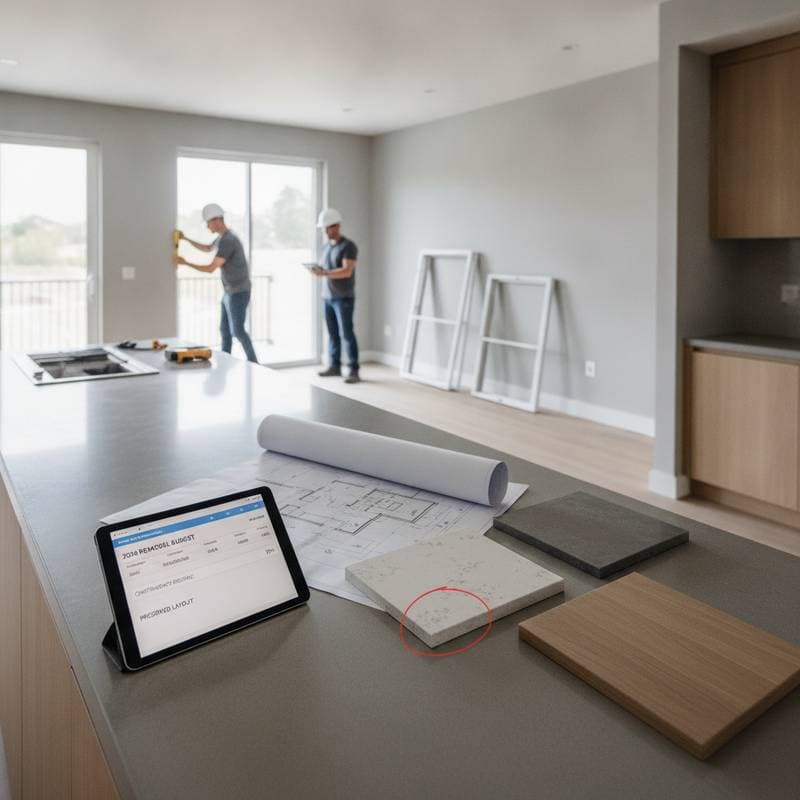
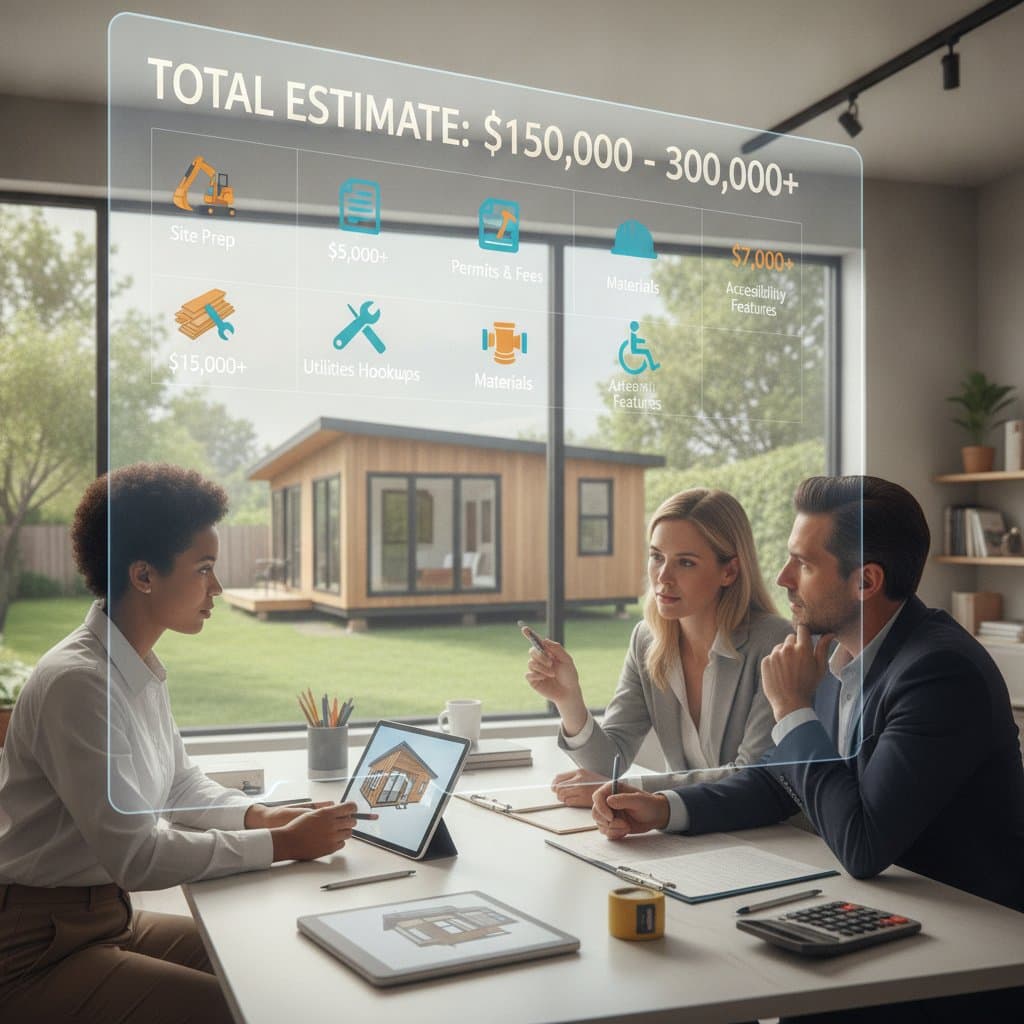
Collect bids from at least three licensed contractors. Itemize permits, design fees, site preparation, and a contingency reserve. Allocate 10 to 15 percent of the total for unexpected soil work or utility upgrades. Confirm that the overall estimate aligns with available financing.
Obtain Permits and Approvals
Submit complete drawings that include structural calculations, grading plans, and utility connections. Secure written approval before ordering materials or starting excavation.
Prepare the Site and Install the Foundation
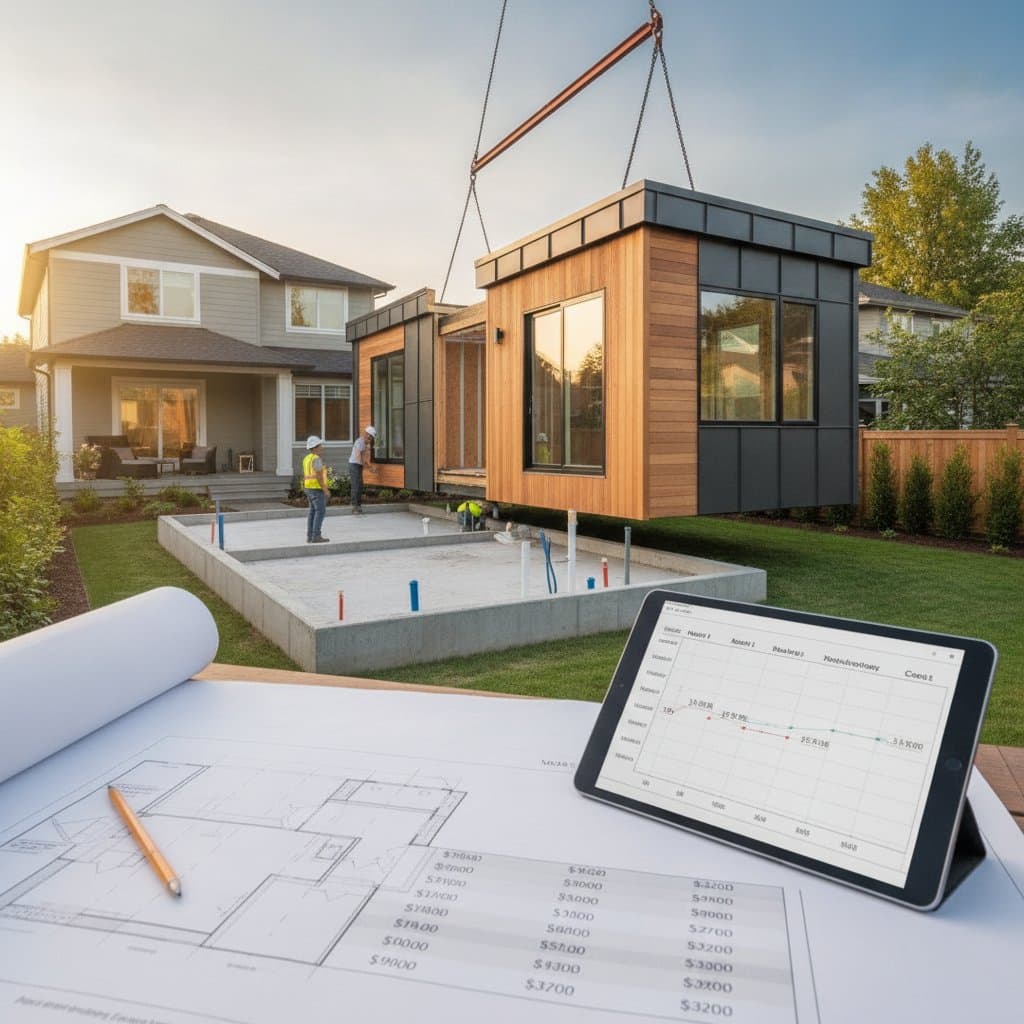
Clear vegetation, mark boundaries, and contact utility locating services. Choose a slab, crawlspace, or pier foundation based on soil reports. Verify that the completed foundation passes inspection and matches plan dimensions.
Frame, Enclose, and Rough In Systems
Erect walls with pressure treated sill plates and load rated fasteners. Install sheathing, underlayment, and roofing to create a watertight envelope. Hire licensed professionals to rough in electrical, plumbing, and HVAC. Each trade must pass inspection before walls are closed.
Finish Interiors and Complete Inspections
Insulate to code required R values, hang drywall, and apply finishes. Install fixtures and appliances, then schedule final building department reviews. Receive a certificate of occupancy before use.
Common Issues and When to Call a Professional
Watch for foundation cracks, roof leaks, electrical trips, or slow drains. Minor cracks under one eighth inch can be sealed with epoxy. Persistent structural, water, or electrical problems require licensed inspection.
Factors That Influence Total Cost
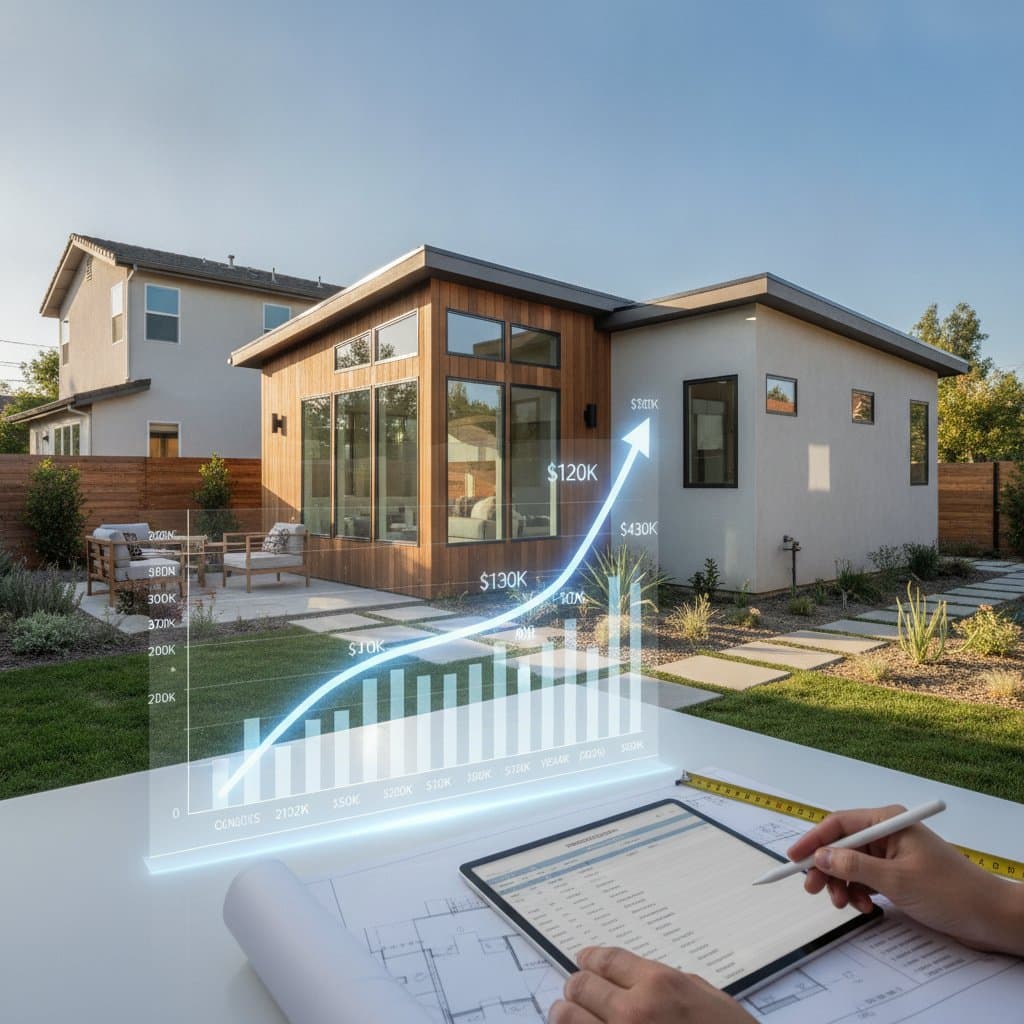
Units under 500 square feet usually fall between 180000 and 250000 dollars. Medium units of 600 to 900 square feet range from 250000 to 350000 dollars. Larger or highly customized units reach 400000 dollars or more. Sloped lots, poor soil, and long utility runs add 10000 to 30000 dollars. Labor accounts for 40 to 60 percent of the budget. Architectural and permit fees typically total 10000 to 31000 dollars.
Practical Steps That Control Expenses
Locate utilities early to avoid redesigns. Favor compact footprints and standard material sizes. Protect framing from weather and document every change in writing. Review costs weekly to stay on budget.
Protecting Long Term Value
Schedule roof replacement around year twenty. Upgrade insulation or windows when energy costs rise. Maintain grading and gutters to keep moisture away from the foundation. Annual safety and plumbing checks preserve both rental income and property value.