2026 ADU Costs Breakdown: What to Expect
Accessory Dwelling Units (ADUs) provide homeowners with a practical option to expand living space or generate rental income on their property. This guide examines the elements that influence ADU construction costs, offers strategies for effective budgeting, and identifies situations that require professional involvement.
Quick Overview
This resource details the typical expenses associated with building an ADU, from initial design through to completion. It explores the variables that affect pricing and assists in choosing between a do-it-yourself approach and hiring experts. The information equips readers to establish a realistic budget and prevent unforeseen financial challenges.
Cost and Time Estimates
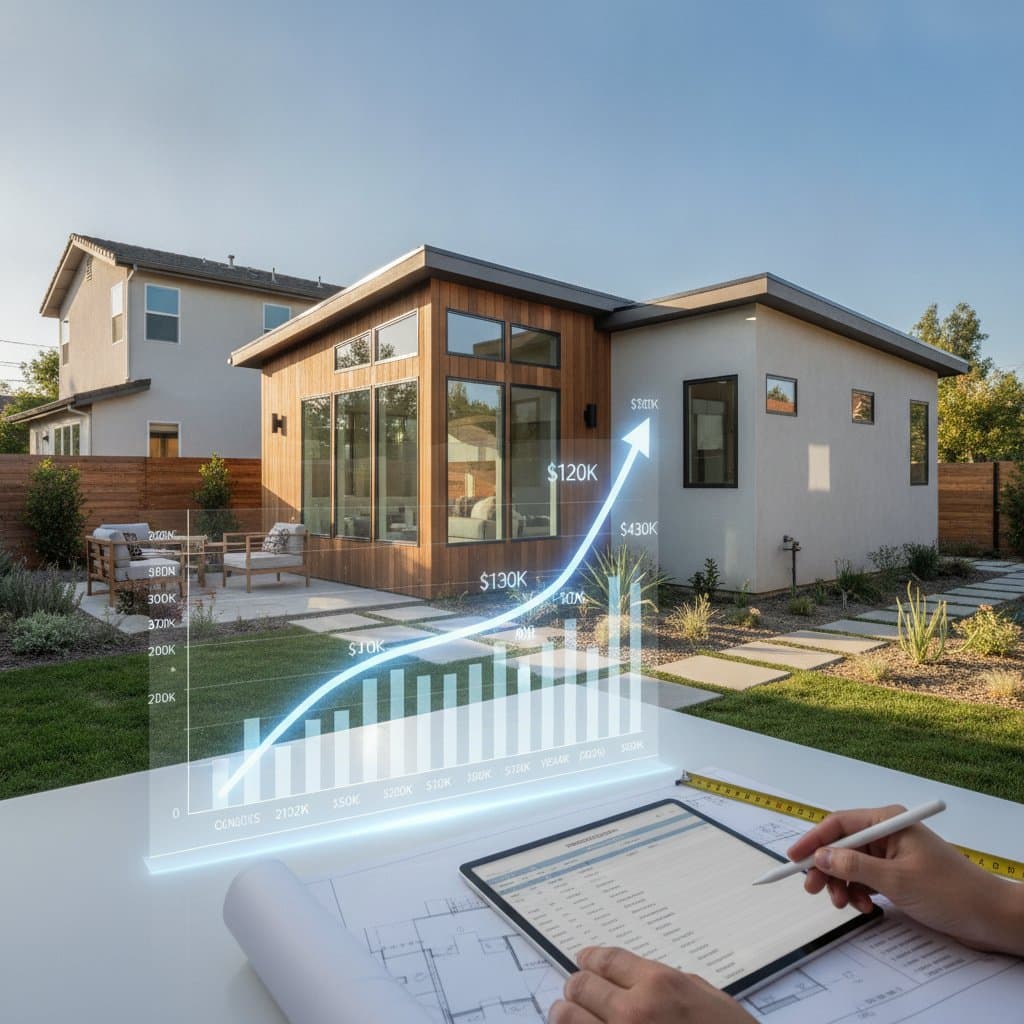
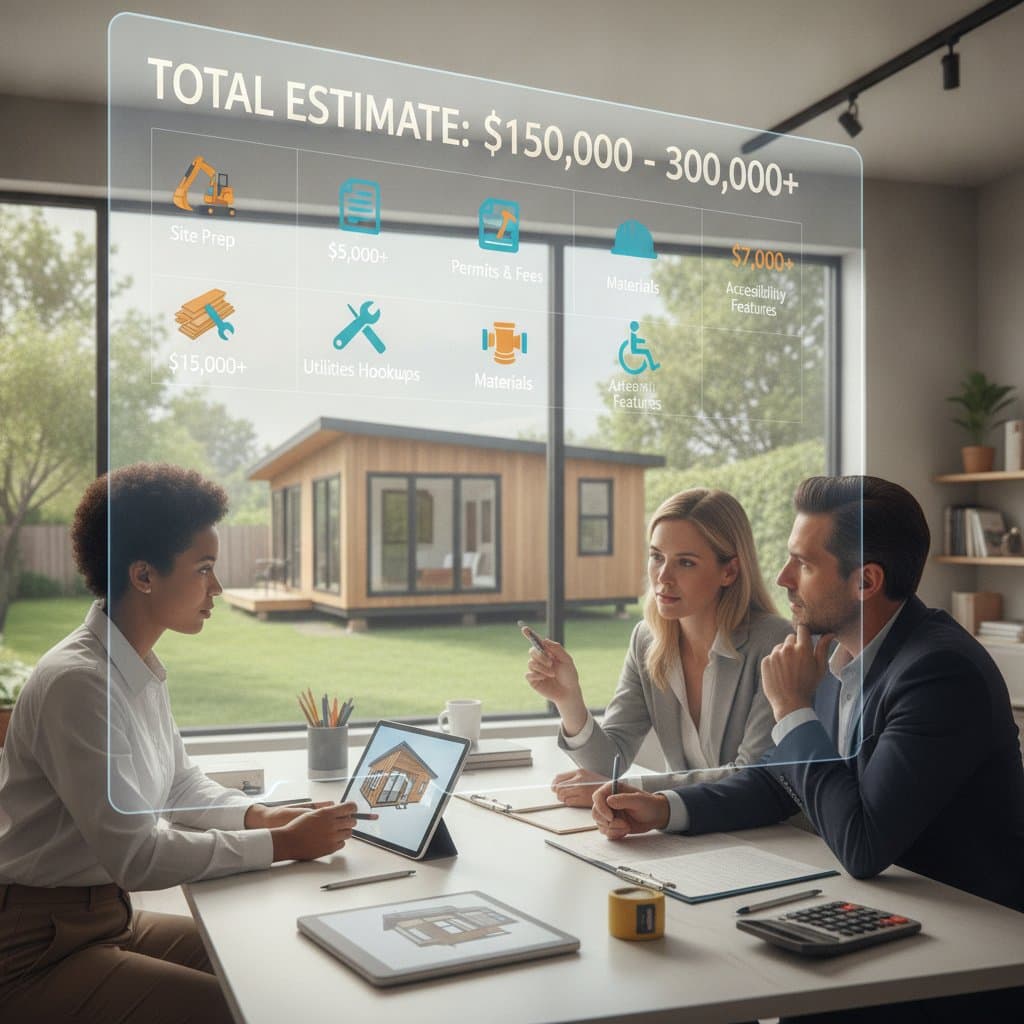
The expenses for constructing an ADU fluctuate based on factors such as unit size, geographic location, material selections, and local labor rates. Homeowners generally encounter the following ranges:
- Detached ADU: $250,000 to $400,000, suitable for standalone structures that require independent foundations and utilities.
- Attached ADU or garage conversion: $150,000 to $300,000, often more economical due to shared walls and existing infrastructure.
- Basement ADU: $120,000 to $250,000, leveraging below-grade space but potentially involving moisture-proofing challenges.
Factors that elevate costs include:
- Intricate site preparation, such as extensive grading or extending utility lines to remote areas.
- High-end material choices, like custom cabinetry made from solid hardwood or energy-efficient windows with advanced glazing.
- Substantial permit and impact fees, which can reach $20,000 in urban zones with environmental regulations.
- Restricted site access that necessitates crane rentals or temporary road closures for equipment delivery.
Standard timelines vary by approach:
- Do-it-yourself build: 10 to 14 months, accounting for part-time labor and sequential task management.
- Professional contractor involvement: 6 to 9 months, benefiting from coordinated teams and streamlined scheduling.
Project complexity: Advanced level. ADU development demands expertise in structural framing, plumbing installations, electrical systems, and compliance with multiple building inspections.
DIY vs Professional Guidance
Certain homeowners explore overseeing portions of the construction to reduce labor expenses. Individuals with relevant skills might manage activities such as preliminary design research, preparation of permitting documents, or completion of interior detailing.
Tasks suitable for DIY efforts:
- Application of paint, installation of flooring materials like laminate or tile, and addition of trim elements.
- Basic landscaping adjustments and removal of debris from the site.
- Demolition of non-load-bearing partitions or outdated fixtures.
Circumstances requiring professional expertise:
- Relocation or enhancement of electrical panels to meet modern capacity standards.
- Integration with municipal sewer systems or private water supplies, ensuring proper flow rates and backflow prevention.
- Construction of stable foundations using reinforced concrete or helical piers in unstable soil.
- Interpretation of local zoning ordinances, including minimum setback distances from property lines.
Expense comparison:
- DIY approach supplemented by specialized subcontractors: $120,000 to $250,000, with savings primarily in general oversight.
- Engagement of a licensed general contractor: $200,000 to $400,000, incorporating comprehensive project management.
Opting for professional services incurs higher initial outlays yet guarantees adherence to building codes, availability of liability insurance, and post-completion warranties.
Step-by-Step Construction Process
-
Site Evaluation and Design
Conduct a thorough assessment of property setbacks, maximum allowable heights, and proximity to existing utilities. Verify that local zoning regulations permit ADU development on the site. A successful outcome ensures the proposed design aligns with all boundary constraints and regulatory limits. -
Permitting and Approvals
Prepare and submit detailed plans for structural, electrical, plumbing, and mechanical permits to the relevant authorities. Anticipate reviews that may necessitate design modifications for compliance. Approval of all permits represents a key milestone prior to initiating excavation. -
Foundation and Utilities
Perform excavation and pour a concrete slab or install footings designed for load distribution. Integrate rough plumbing lines, drainage systems, and electrical conduits during this phase. Verification of foundation levelness, maintained within one-quarter inch tolerance, confirms structural integrity. -
Framing and Exterior Shell
Erect walls, install roof trusses, and apply protective sheathing to form the building envelope. Incorporate windows, exterior doors, and weather-resistant barriers such as house wrap. Passage of the framing inspection validates the skeleton's stability against wind and seismic forces. -
Rough-In Systems
Route electrical wiring through studs, lay plumbing supply pipes with appropriate insulation, and position HVAC ductwork for optimal airflow. Arrange inspections for rough systems prior to enclosing with insulation. Testing and approval of all components ensure functionality without future disruptions. -
Interior Finishes
Add insulation to walls and ceilings, hang drywall sheets, and install flooring, cabinetry, and lighting fixtures. Complete the process with painting and trim installation for a cohesive appearance. Smooth surfaces and properly sealed joints indicate high-quality execution. -
Final Inspection and Occupancy
Coordinate comprehensive inspections covering each trade discipline, from electrical grounding to ventilation efficacy. Secure a certificate of occupancy upon satisfactory results across all evaluations. The structure then qualifies for immediate, safe habitation or rental use.
Safety Warnings and Tips
Warning: Electrical Hazard. Disconnect power sources completely before handling wiring or outlet replacements to prevent shocks or fires.
Caution: Fall Risk. Employ stable scaffolding and install guardrails on elevated surfaces, including roofs and second-story platforms, to minimize injury potential.
Always utilize protective equipment, such as heavy-duty gloves, safety goggles, and ear protection against noise. Identify and isolate gas and water shutoff valves prior to any alterations to piping systems.
Troubleshooting and Quality Checks
Address common issues proactively to maintain project quality:
- Uneven foundation settlement: Test soil compaction to at least 95 percent density before concrete placement to avoid cracks.
- Moisture intrusion in walls: Install robust vapor barriers and ensure flashing directs water away from vulnerable joints.
- Inadequate water pressure: Evaluate pipe diameters, typically at least three-quarters inch for main lines, and tighten all connections.
- Air infiltration around windows: Reinforce insulation depths to R-19 standards and apply durable weatherstripping to frames.
Conduct thorough tests on plumbing for leak-free operation, verify electrical outlets maintain proper grounding, and confirm that doors and windows operate without binding or gaps.
Cleanup and Disposal
Clear away waste materials like scrap lumber, drywall scraps, and concrete remnants as work progresses to sustain a safe site. Segregate recyclables, including scrap metal and cardboard, for environmental efficiency. Consult municipal waste management services for protocols on handling construction debris, and direct hazardous items such as leftover paint or adhesives to designated disposal facilities.
Maintenance and Lifespan
Perform annual inspections to detect early signs of roof leaks, plumbing clogs, or foundation shifts that could compromise integrity. Schedule gutter cleaning biannually to prevent water damage from overflow. Refresh exterior paint applications every seven to ten years, adjusting frequency based on regional weather exposure. Core systems, including HVAC units and water heaters, typically endure 10 to 15 years under consistent maintenance routines.
When to Call a Professional
Engage a licensed builder for scenarios involving:
- Modifications to load-bearing elements that affect overall stability.
- Relocation of electrical or plumbing infrastructure to accommodate new layouts.
Breakdown of professional expenses:
- Design consultation and permitting processes: $10,000 to $25,000, covering architectural drafting and regulatory submissions.
- On-site construction labor: $150,000 to $300,000, encompassing skilled trades and material coordination.
- Inspection fees and miscellaneous charges: $5,000 to $15,000, including third-party verifications.
Essential contractor evaluation criteria:
- Possession of current licensing and comprehensive insurance coverage.
- Provision of references from recent projects in the vicinity.
- Delivery of a detailed written contract outlining scope, timelines, and payment milestones.
- Inclusion of workmanship warranties extending at least one year post-completion.
Pro Tips for Success
Initiate planning well in advance, secure all necessary permits early, and allocate an additional 10 percent of the budget for contingencies like material price fluctuations. Maintain meticulous records of all expenditures and inspection outcomes for future reference. Foster ongoing communication with the construction team to resolve issues promptly and adhere to timelines.
Achieving Long-Term Value from Your ADU
By following this structured approach, homeowners position their ADU project for efficiency and durability. The investment not only enhances property utility but also delivers sustained financial benefits through expanded space or income generation. With careful execution, the result stands as a valuable asset compliant with standards and tailored to specific needs.