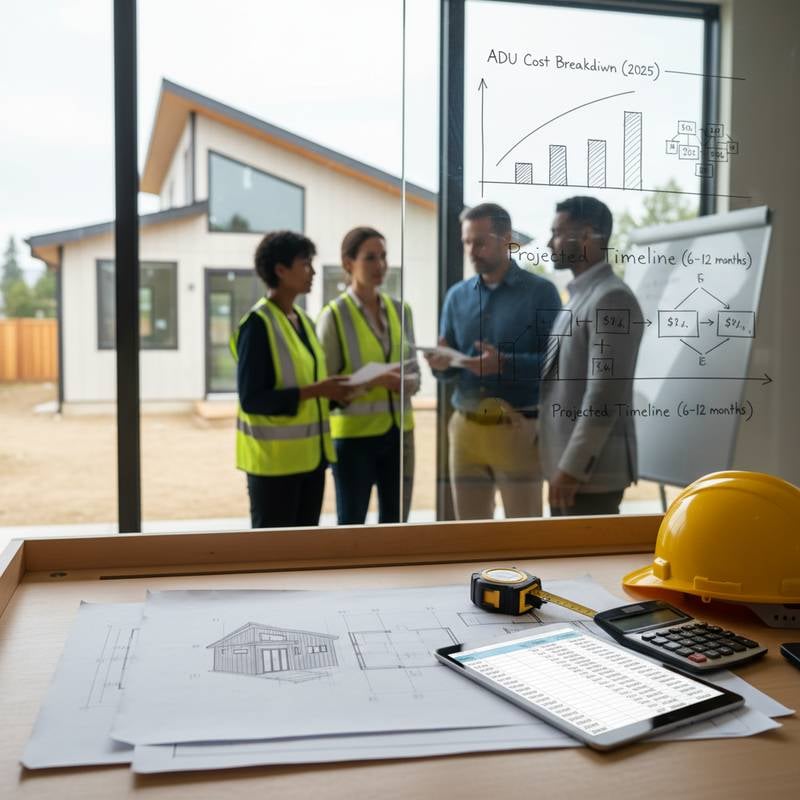
Understanding 2025 ADU Costs: Essential Permits and Budgeting Insights
Overview of Costs and Timelines
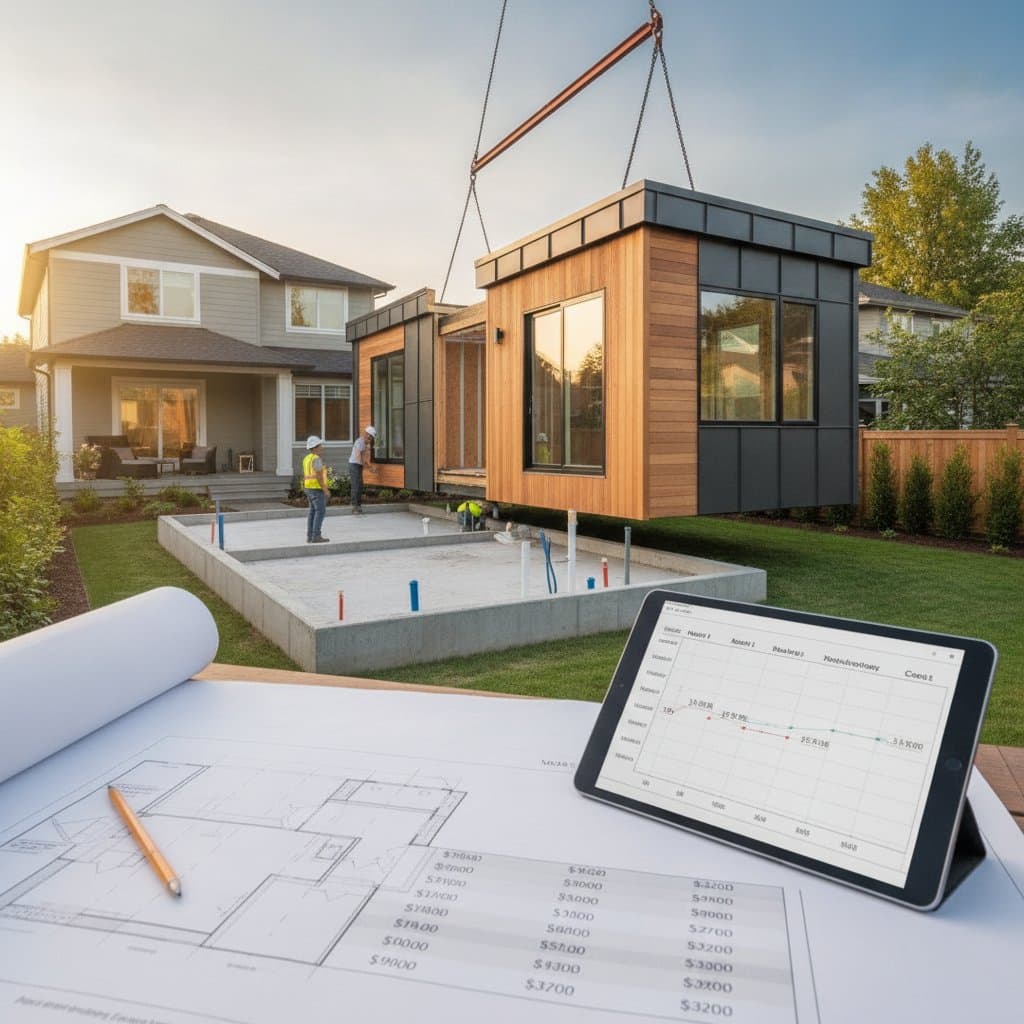
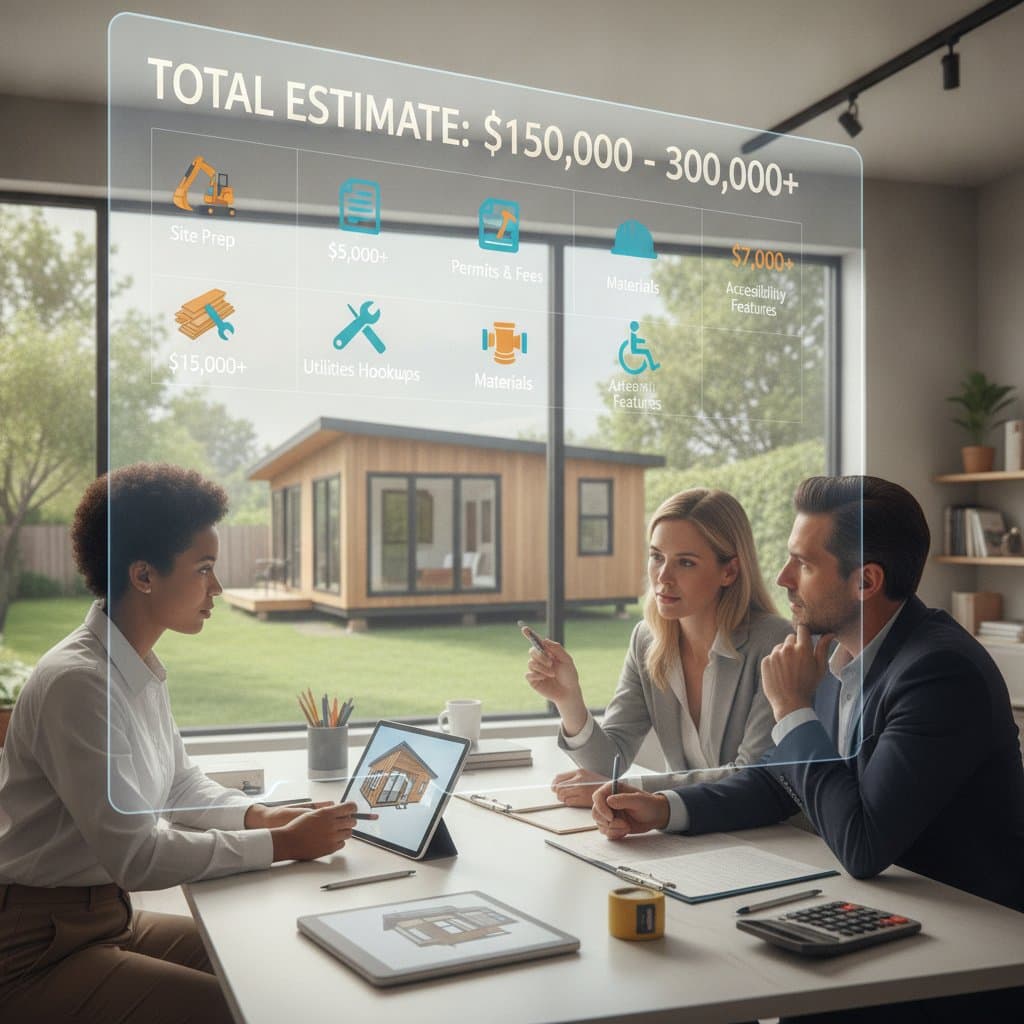
Constructing an accessory dwelling unit, commonly known as an ADU or backyard cottage, typically ranges in cost from $60,000 to $250,000 depending on the project's scope and location. A modest garage conversion often requires two to three months to complete, whereas a new detached structure may demand six months or longer. Homeowners can manage preliminary planning and interior finishes independently, but tasks involving structure, plumbing, and electrical systems necessitate licensed specialists. Projects carry moderate risk, primarily from ensuring code adherence, maintaining budget discipline, and navigating potential permit delays.
Local regulations play a significant role in determining final expenses. For instance, urban areas with stringent zoning may impose higher fees and require additional environmental assessments. Rural settings often allow more flexibility but could involve extended utility connections. Early consultation with municipal authorities helps clarify these variables and prevents unexpected surcharges.
Detailed Guide to Planning and Budgeting
Step 1: Select the Appropriate ADU Type
Homeowners face three primary options for ADU development:
- Detached unit: A freestanding structure resembling a compact house or cottage, ideal for properties with ample yard space.
- Attached unit: An addition connected directly to the primary residence, suitable for expanding living areas without separate foundations.
- Garage conversion: Repurposing an existing garage into habitable space, which minimizes site disruption but demands thorough structural evaluation.
Evaluate how each type aligns with your lot dimensions, local zoning ordinances, and access to driveways or pathways. Detached units offer privacy but increase site preparation costs, while conversions reduce material needs yet may limit design freedom.
Step 2: Develop a Preliminary Concept and Floor Plan
Begin by drafting a basic floor plan that incorporates essential elements: a living room, compact kitchen, full bathroom, and bedroom. Prioritize efficient traffic flow to optimize space usage and limit modifications to load-bearing walls, which can escalate expenses.
Verify that the design includes at least one compliant emergency exit and windows meeting minimum egress dimensions, typically 5.7 square feet for ground-level units. Software tools like free online planners assist in visualizing layouts, ensuring compliance before professional involvement.
Step 3: Conduct a Site Survey and Soil Analysis
Commission a professional survey to delineate property boundaries, identify utility lines, and assess topography. In regions prone to seismic activity or expansive soils, a geotechnical soil test becomes mandatory to evaluate foundation stability.
Confirm that survey results and soil reports satisfy your local building department's standards. This step averts disputes with neighbors over setbacks and informs precise grading plans, potentially saving thousands in corrective work later.
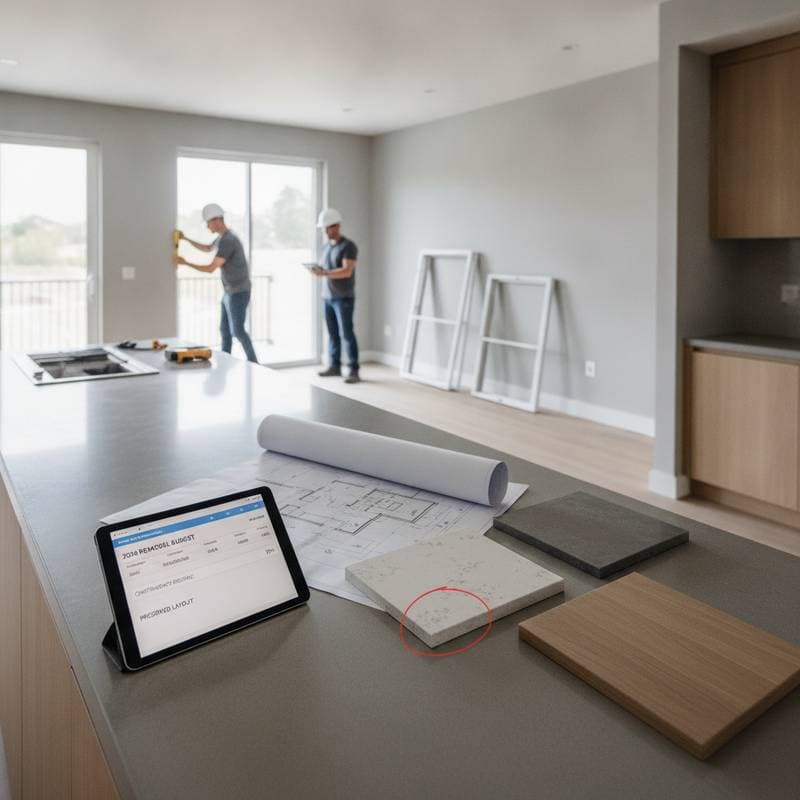
Step 4: Establish a Comprehensive Budget
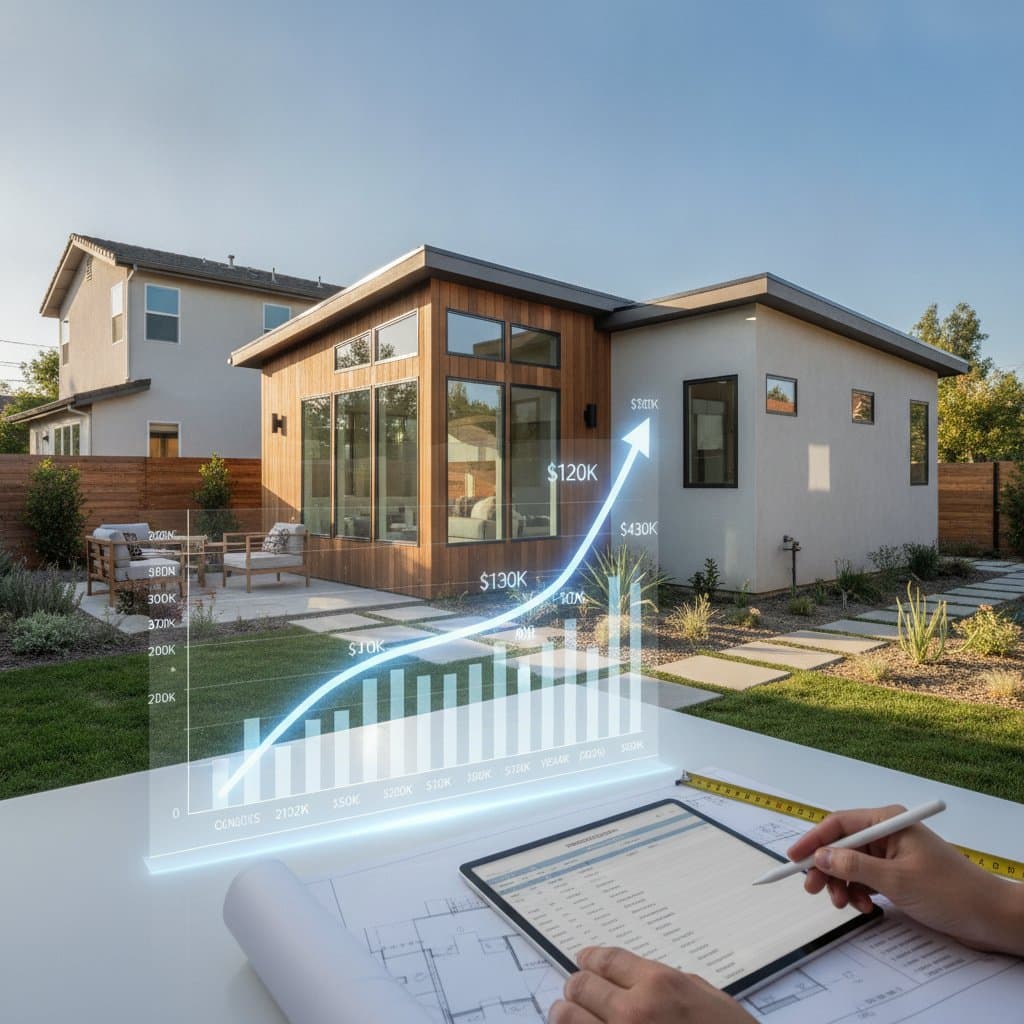
Budgeting for a detached ADU generally falls between $150 and $250 per square foot, reflecting premium materials and standalone infrastructure. Garage conversions prove more economical at $100 to $170 per square foot, leveraging existing frameworks.
Allocate funds across key categories:
- Design and permitting: 5 to 15 percent of the total, covering architectural fees and application costs.
- Construction materials: 50 to 60 percent, including framing lumber, insulation, and roofing.
- Labor charges: 30 to 40 percent, encompassing skilled trades for installation and assembly.
- Utilities and site preparation: 10 to 20 percent, accounting for electrical hookups, septic connections, and landscaping.
Incorporate a 10 percent contingency reserve to address unforeseen issues like material price fluctuations or weather interruptions. Track expenses using spreadsheets to monitor progress against projections.
Step 5: Secure Necessary Permits
Prepare and submit detailed design blueprints, engineering calculations, and site diagrams to the local building authority. Permit fees, often scaling with project size, must accompany the application; expect processing times of four to eight weeks.
Retain copies of all approved documents, including stamped plans, for on-site reference. Display the permit visibly at the construction location to facilitate inspections and demonstrate compliance.
Step 6: Engage Qualified Professionals
Select a licensed general contractor experienced in ADU projects for foundational, framing, plumbing, and electrical components. Request verification of active licenses, liability insurance, and bonding to mitigate liability risks.
Solicit bids from no fewer than three reputable firms, scrutinizing portfolios and client testimonials. Ensure the final contract specifies project scope, milestone-based payments, timelines, and comprehensive warranties for workmanship.
Step 7: Execute the Construction Phase
Adhere strictly to approved schematics throughout the build process. Schedule inspections at critical junctures, such as foundation pouring and rough-ins, to confirm quality before enclosing elements.
Document all transactions with receipts and maintain a log of inspection outcomes. This record proves invaluable for obtaining the final certificate of occupancy, required for legal habitation or rental use.
Ensuring Quality: Inspections and Common Issue Resolutions
During construction, proactive checks prevent minor problems from compounding. For example, hairline cracks in fresh concrete pours occur naturally from curing; however, fissures wider than one-eighth inch signal potential foundation settling, warranting immediate contractor review.
Uneven subfloors demand leveling with shims or additional fasteners prior to finish installation to avoid long-term wear. Persistent slow drainage or inadequate water pressure points to improper venting or undersized pipes, corrections that only certified plumbers can perform to meet code.
Non-functional electrical outlets often stem from tripped GFCI mechanisms; reset these first. If issues persist, summon a licensed electrician to diagnose wiring faults and restore safe operation.
Ongoing Maintenance for Longevity
Annual examinations of the roof, exterior siding, and sealant applications preserve the structure against weather damage. Clear gutters and downspouts biannually to prevent water accumulation and foundation erosion.
Service HVAC systems by replacing filters quarterly, ensuring efficient operation and indoor air quality. With diligent upkeep, durable elements like roofing and flooring endure 15 to 20 years; compile maintenance logs alongside permit files to support property transactions or loan applications.
Strategies to Optimize Your ADU Project
Opt for compact designs to curb expenses, as each additional square foot amplifies material and labor demands. Cluster plumbing fixtures to shorten pipe routes and excavation needs.
Select off-the-shelf dimensions for windows and doors, bypassing the premium of custom fabrication. Where feasible, integrate existing slabs or foundations, provided they pass structural assessments and regulatory approval.
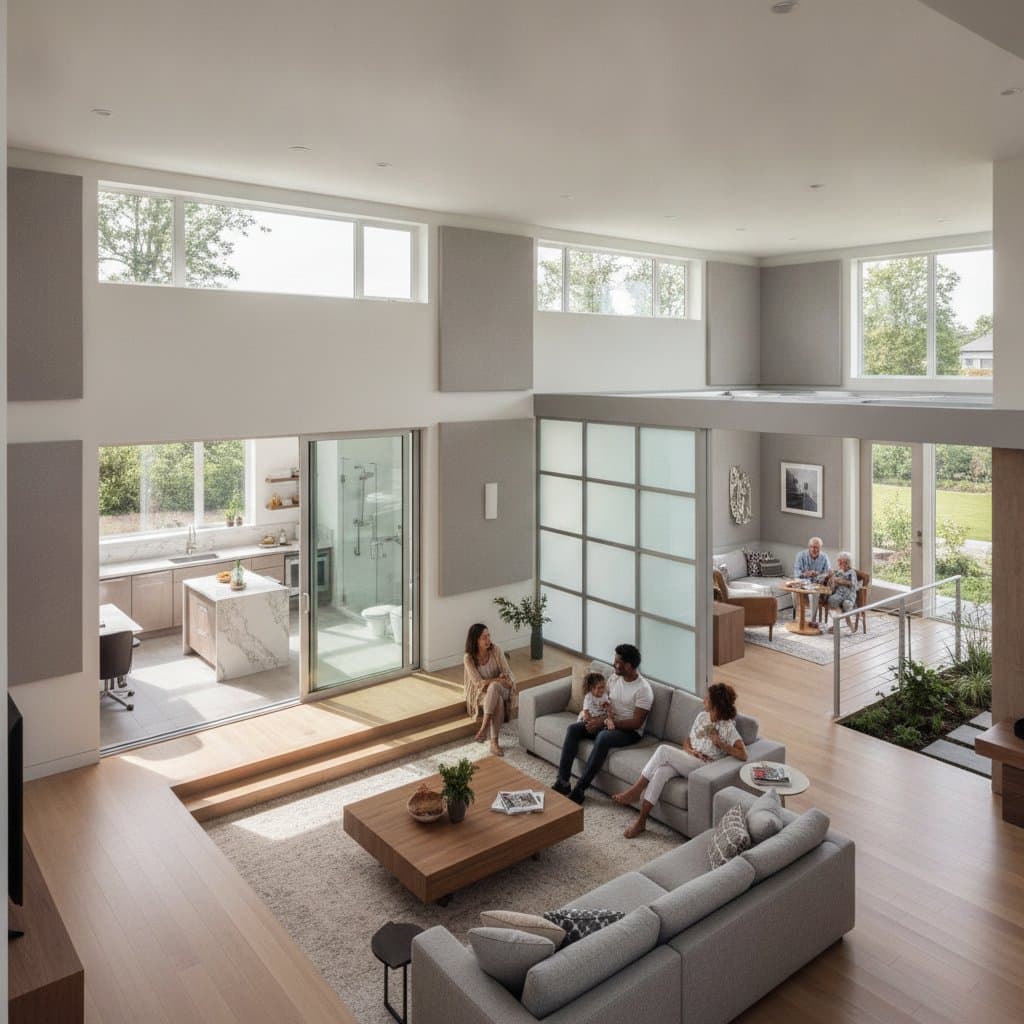
Initiate dialogue with building inspectors during planning to align on expectations, minimizing revisions and expediting approvals. These measures not only control costs but also yield a versatile space that elevates home value, accommodates multigenerational living, or generates steady rental revenue.