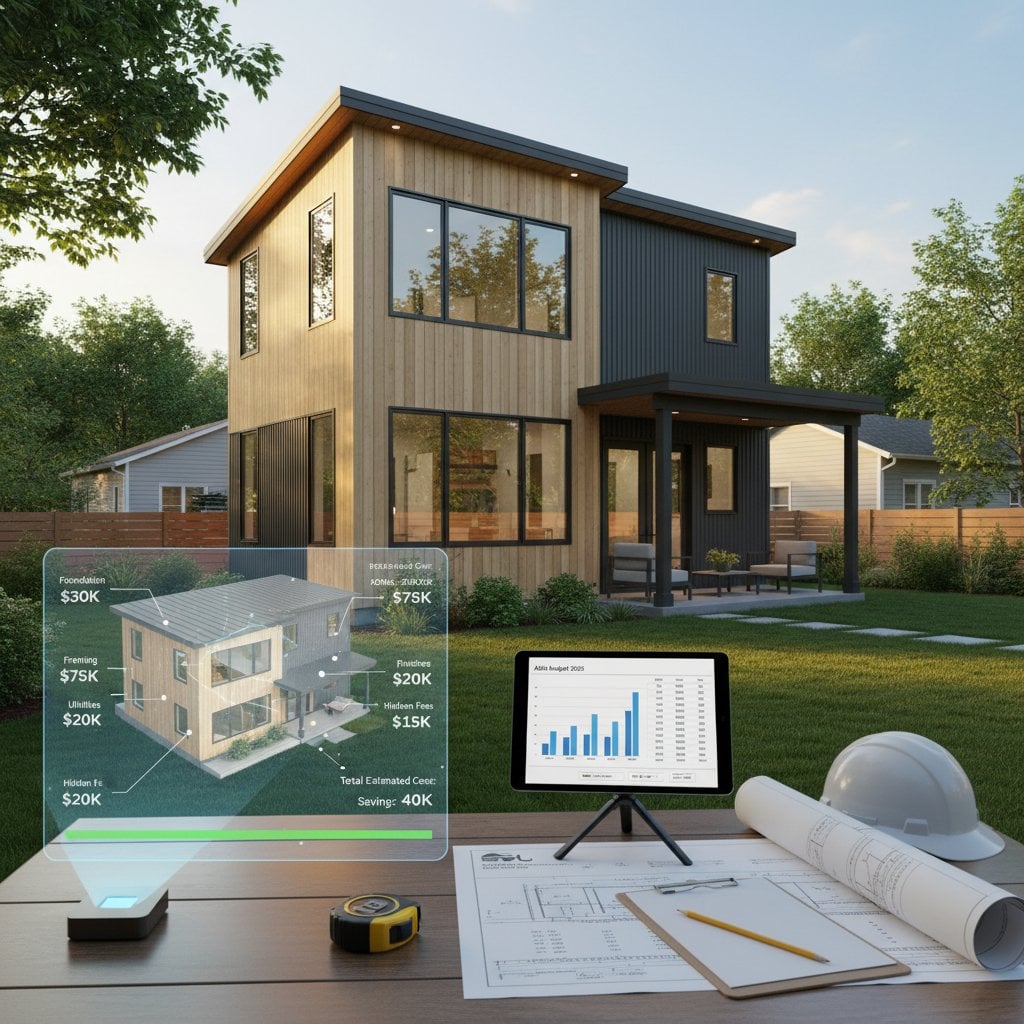
Unveiling ADU Costs: Strategies for Intelligent Budgeting
Accessory dwelling units, known as ADUs, represent a practical solution for expanding living areas and enhancing property worth. These structures serve purposes such as generating rental revenue, providing guest accommodations, or creating secluded spaces for relatives. A thorough grasp of ADU expenses enables precise planning, minimizes unforeseen expenditures, and supports informed choices in design and building.
This resource dissects ADU costs across phases including design, approvals, construction, and final touches. Readers gain clarity on expense allocation, techniques to economize without compromising standards, and optimal timing for expert involvement.
Factors Influencing ADU Expenses
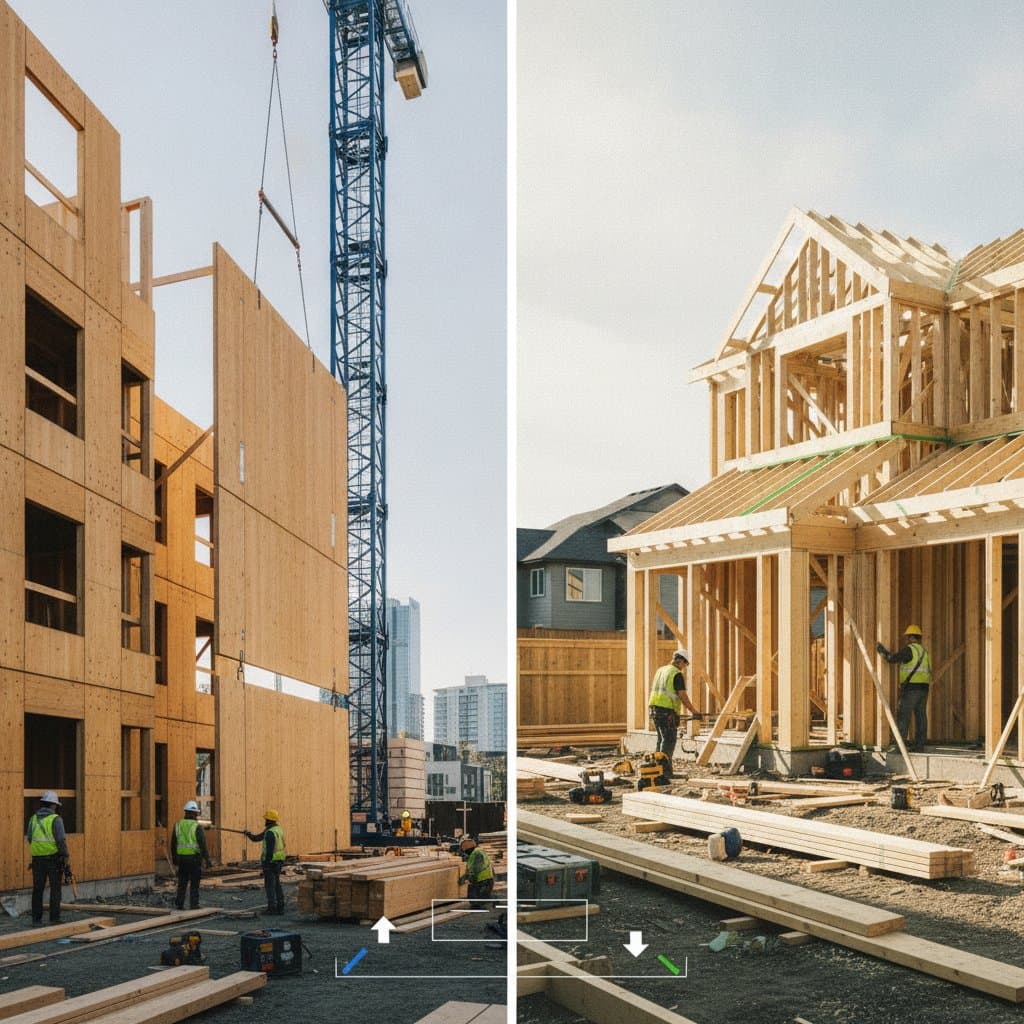
Multiple elements determine the overall expense of an ADU project. Geographic location, terrain characteristics, unit dimensions, and building method all contribute to the budget. Regional labor rates fluctuate, as do approval processes and charges for utility integrations.
Primary Expense Contributors
- Dimensions and Configuration: Bigger units demand greater quantities of materials, workforce, and foundational elements.
- Terrain Features: Inclined terrain, restricted entry points, or unstable ground elevate excavation and base construction expenses.
- Utility Integrations: Linking to current water, sewage, and power systems might involve simple digging or extensive realignments.
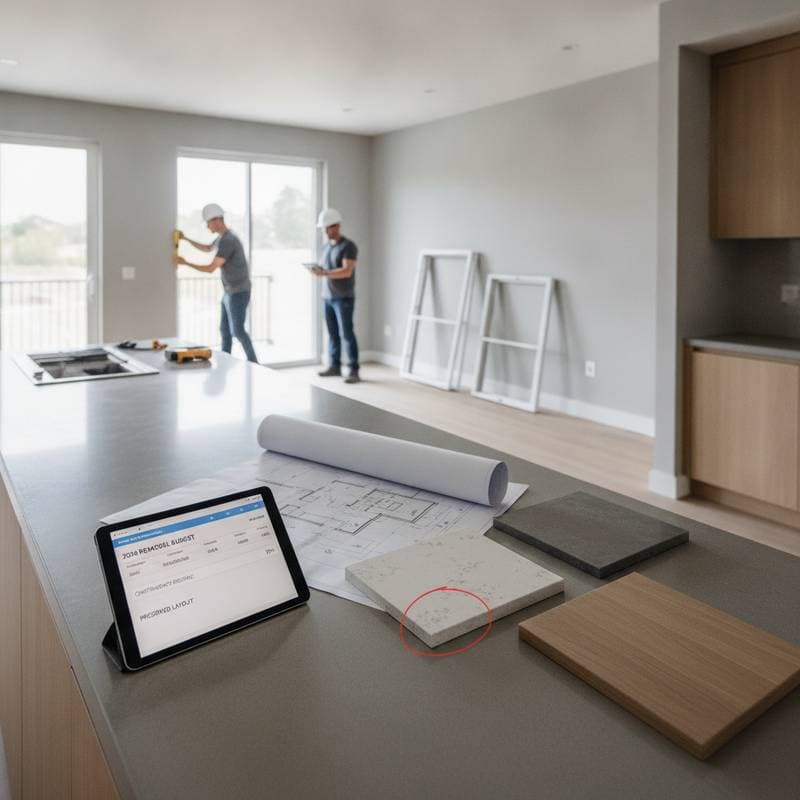
- Surface Treatments: Choices in flooring, storage units, and appliances affect immediate outlays and enduring worth.
- Approvals and Charges: Municipal evaluations and development impact fees may contribute several thousand dollars.
Building Methods and Their Expense Variations
Different ADU configurations present distinct benefits and financial considerations.
Independent ADU
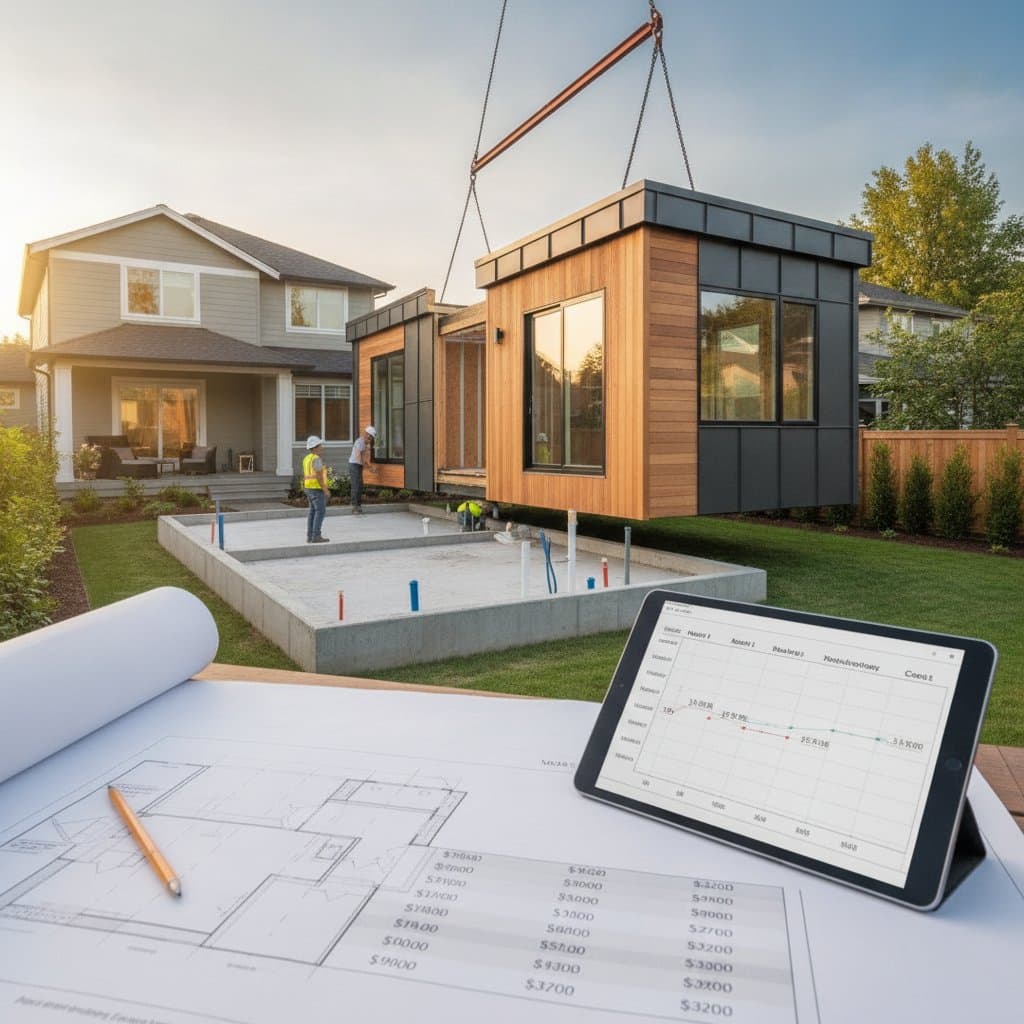
This free-standing building delivers seclusion and complete creative control. It necessitates a fresh base, roofing, and service connections, positioning it as typically the priciest choice. Property owners select this for revenue generation or shared family residences.
Advantages: Optimal adaptability and isolation.
Drawbacks: Elevated expense and extended timeline.
Connected ADU
This variant adjoins the primary residence, sharing a minimum of one wall. It lowers material and service expenses yet might call for reinforcement of the structure.
Advantages: Reduced expense relative to independent units. Simplified temperature regulation.
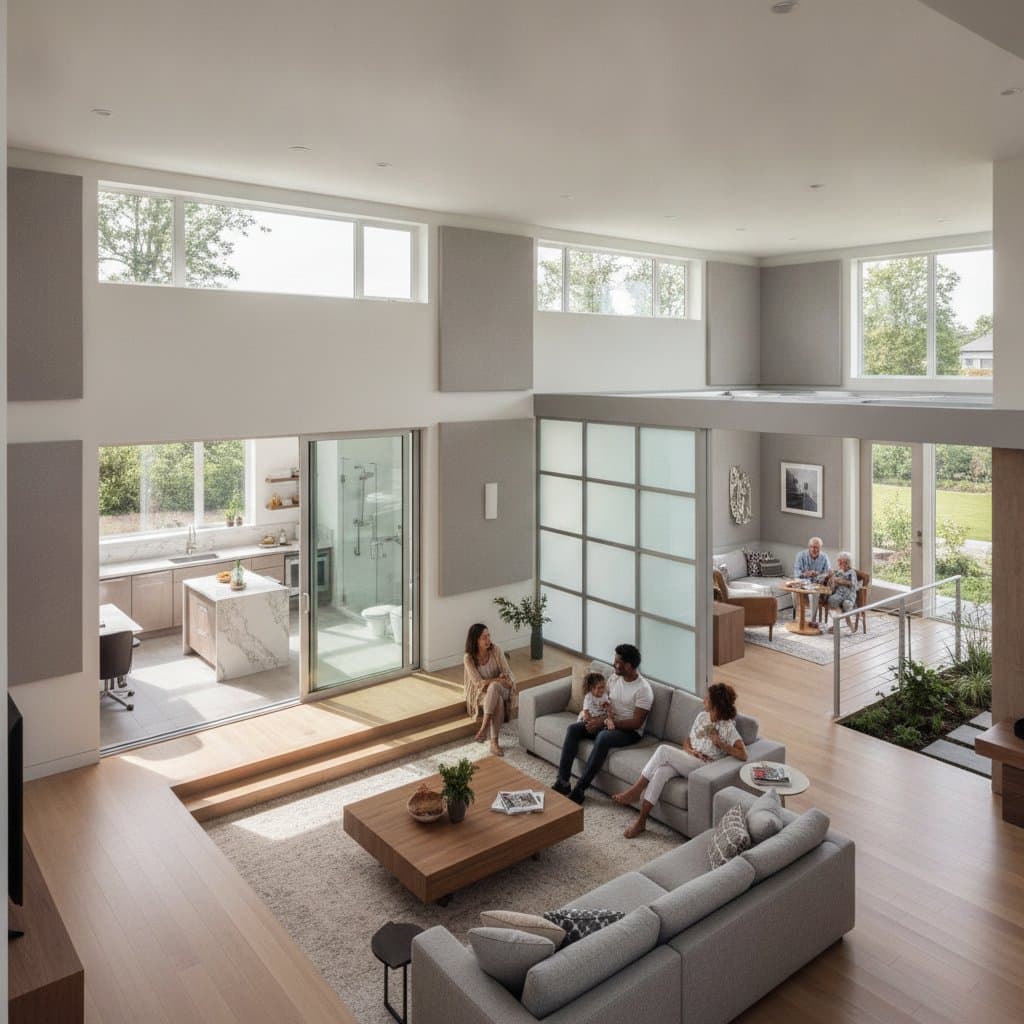
Drawbacks: Diminished seclusion and risk of sound transmission.
Garage Transformation
Repurposing a separate or joined garage stands as a swift and economical approach. The pre-existing framework cuts down on framing and base expenses.
Advantages: Leverages current space. Decreased expense and accelerated schedule.
Drawbacks: Restricted configuration possibilities and potential loss of parking.
Lower Level or Internal Transformation
Converting a lower level or underutilized interior area into an ADU avoids external building work. Expenses hinge on overhead clearance, moisture barriers, and escape provisions.
Advantages: Economical and limited external modifications.
Drawbacks: Potential need for significant structural or water management interventions.
Approvals, Terrain Preparation, and Overlooked Expenses
Materials and workforce represent only part of the equation; other subtler outlays impact the total.
Approvals and Charges
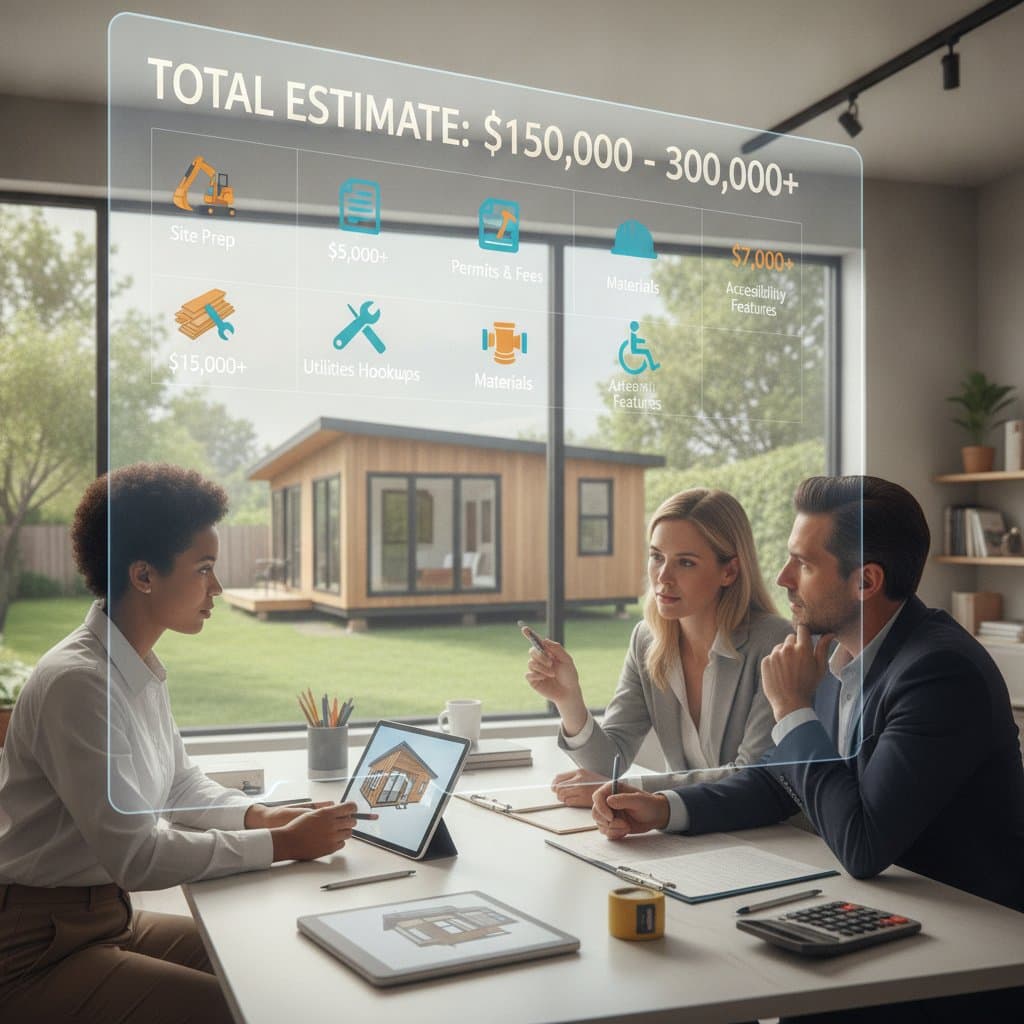
Approval costs vary by municipality and encompass plan assessments, impact levies, and service linkage fees. Anticipate ranges from $5,000 to $15,000 based on local rules.
Terrain Readiness
Leveling, digging, and service extensions may add $10,000 to $25,000. Established properties could require power system enhancements or sewage pipe renewals.
Design and Technical Services
Plans from architects, structural analyses, and efficiency certifications generally total $10,000 to $25,000. Certain integrated design-construction entities incorporate these within the comprehensive project fee.
Reserve Funds
Allocate no less than 10 percent of the budget for surprises such as ground challenges, regulatory shifts, or supply interruptions.
Expense Reduction Techniques and Investment Returns
An ADU demands equilibrium between accessibility and sustained worth. Thoughtful preparation curbs outlays while safeguarding financial yields.
Effective Expense Management
- Initial Layout Planning: Establish configurations and treatments prior to building to prevent modification fees.
- Conventional Measurements: Employ standard sizes for openings to avoid bespoke manufacturing charges.
- Joint Services: Connect to primary systems where feasible rather than creating isolated networks.
- Prefabricated Elements: Utilize ready-made sections or kit assemblies to expedite processes and minimize discarded materials.
Enduring Financial Benefits
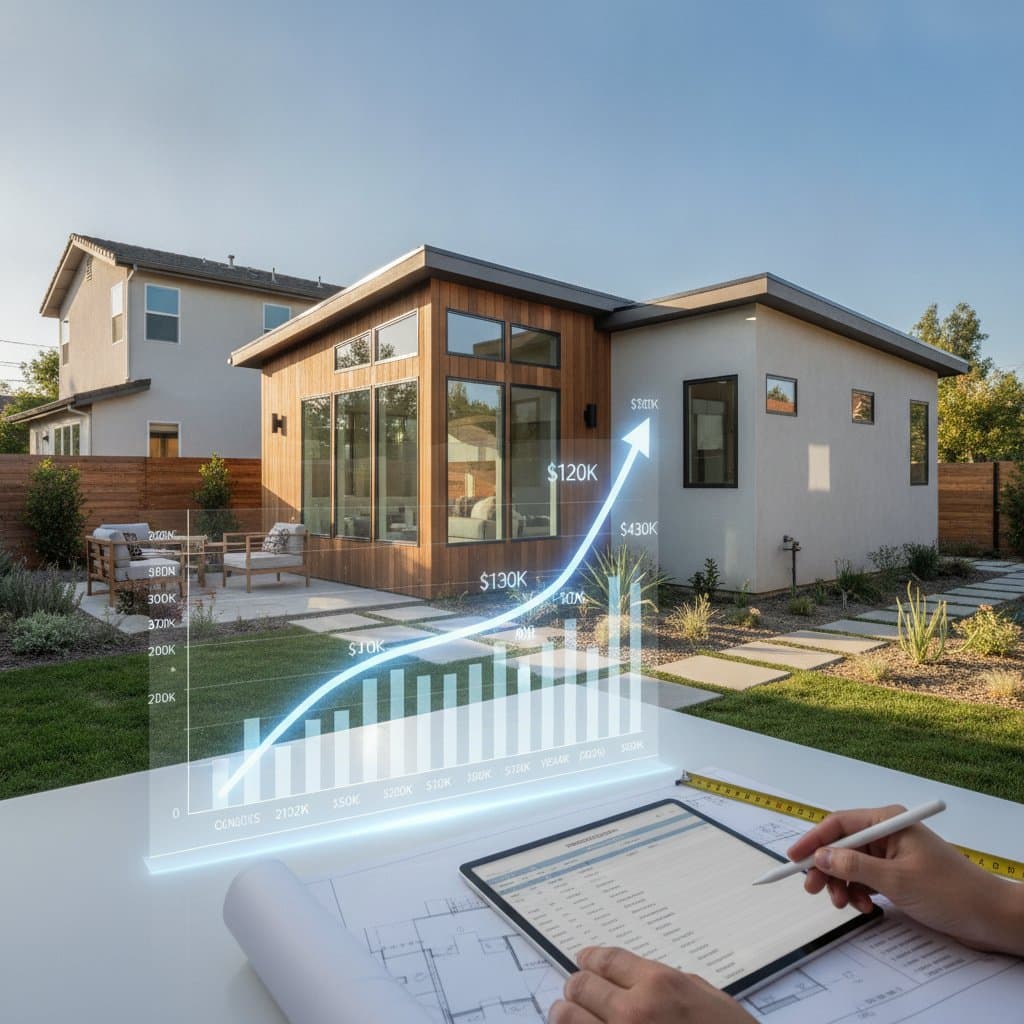
ADUs frequently elevate property appraisals by 20 to 30 percent, contingent on economic conditions and execution quality. Leasing revenue may cover loan obligations, whereas family applications provide lifestyle versatility. Sustainable materials and resilient treatments yield ongoing economies.
Common Questions
Which ADU dimensions provide optimal worth?
Spaces from 500 to 800 square feet strike a balance between expense and utility, attracting tenants and relatives effectively.
Are independent services required for an ADU?
Not necessarily. Numerous initiatives link to the residence's infrastructure to economize on setups, although distinct gauges facilitate subsequent leasing.
Does an ADU raise property levies?
Indeed. Incorporating habitable areas usually increases valuation, though owners often counterbalance via leasing proceeds or elevated sale prices.
What financing choices exist for ADUs?
Several options prevail, including equity-based loans, building financing, or refinance withdrawals. Select locales provide grants for sustainable ADUs.
What duration marks typical construction?
Expertly overseen projects span six to twelve months from planning to finalization, varying with intricacy and approval periods.
Safeguarding Your ADU Asset
Upon completion, the ADU integrates into the property fabric. Diligent care preserves its appraisal and occupant well-being.
Routine Care Practices
- Examine roofing, exterior cladding, and drainage channels yearly for deterioration.
- Renew air handling filters quarterly to maintain performance.
- Monitor water conduits for drips to avert damage.
- Refresh paint on edges and renew seals to sustain appearances.
Weather-Related Maintenance
Clear drainage before intense precipitation, verify safety alarms biannually, and close external fissures to block intruders or dampness.
Forward-Thinking Adaptations
As requirements change, the ADU accommodates varied roles. Current leasing might shift to workspace or visitor quarters. Adaptable planning and robust components simplify transitions.
Advancing Your ADU Project
Constructing an ADU constitutes a fiscal and individual commitment. Command of expenses, priorities in design, and building alternatives empowers sound judgments. Initiate by clarifying objectives, establishing feasible finances, and engaging seasoned advisors.
Solicit varied estimates, scrutinize regional codes, and assess design selections' effects on worth and durability. Through meticulous preparation, the ADU furnishes enduring ease, revenue streams, and amplified property appraisal over extended periods.