Understanding ADU Costs and Requirements
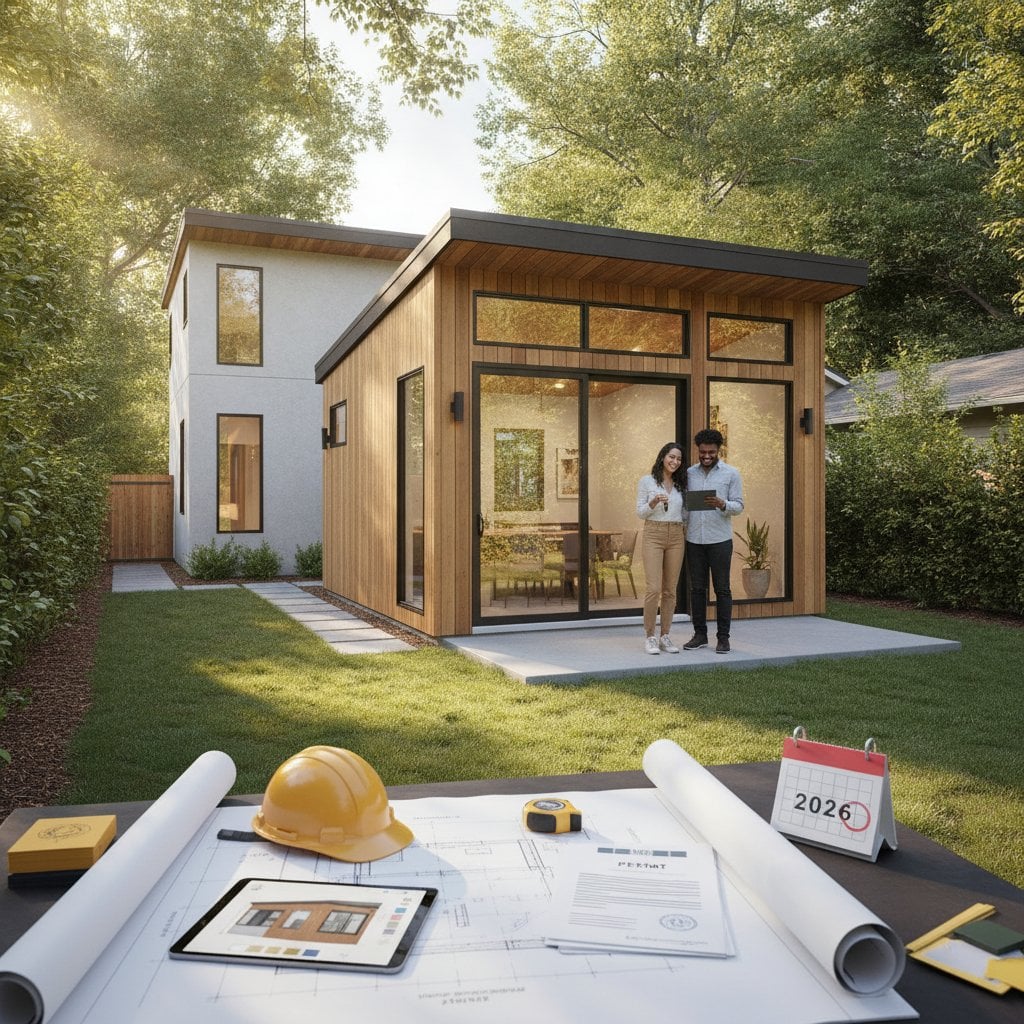
Accessory dwelling units offer property owners a way to generate rental income while increasing overall home value. This guide covers permit processes, realistic budget ranges, and regulatory updates scheduled for 2026.
Cost Breakdown and Timeline Expectations
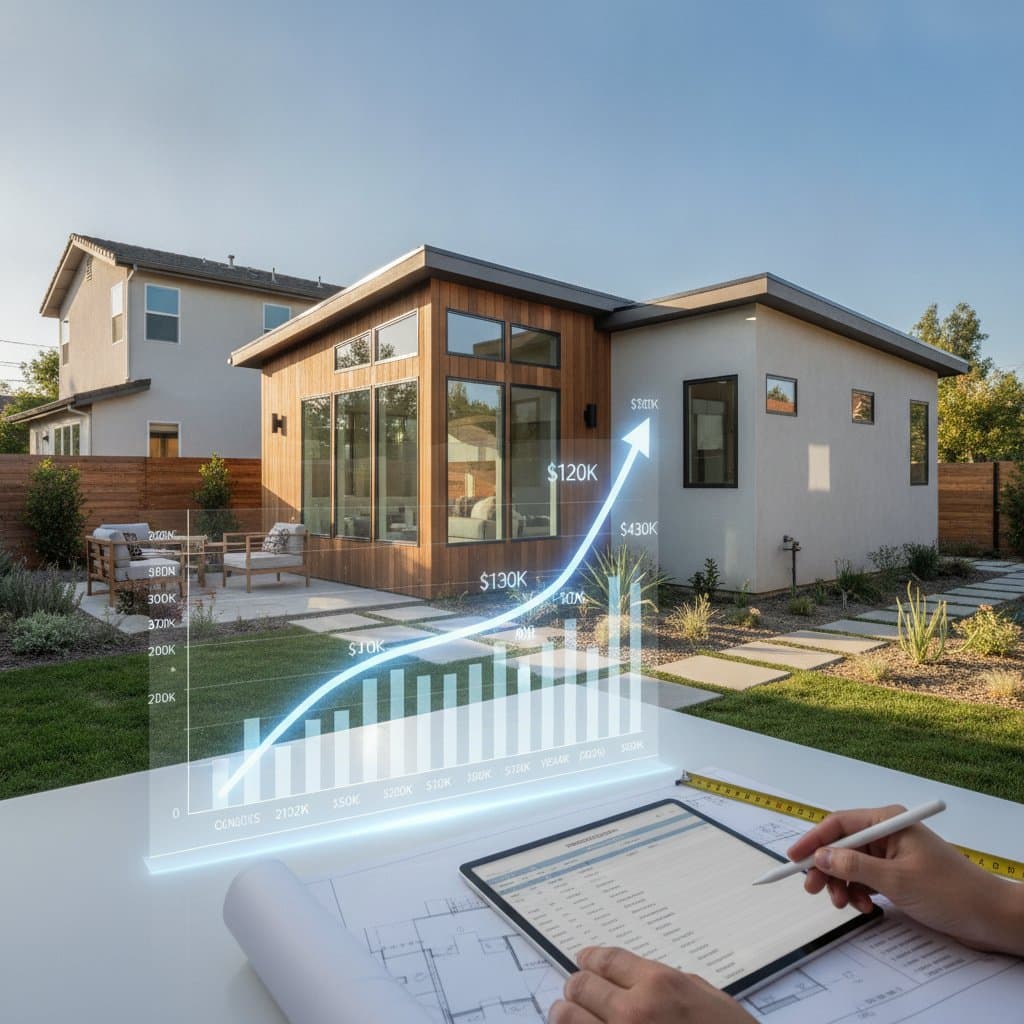
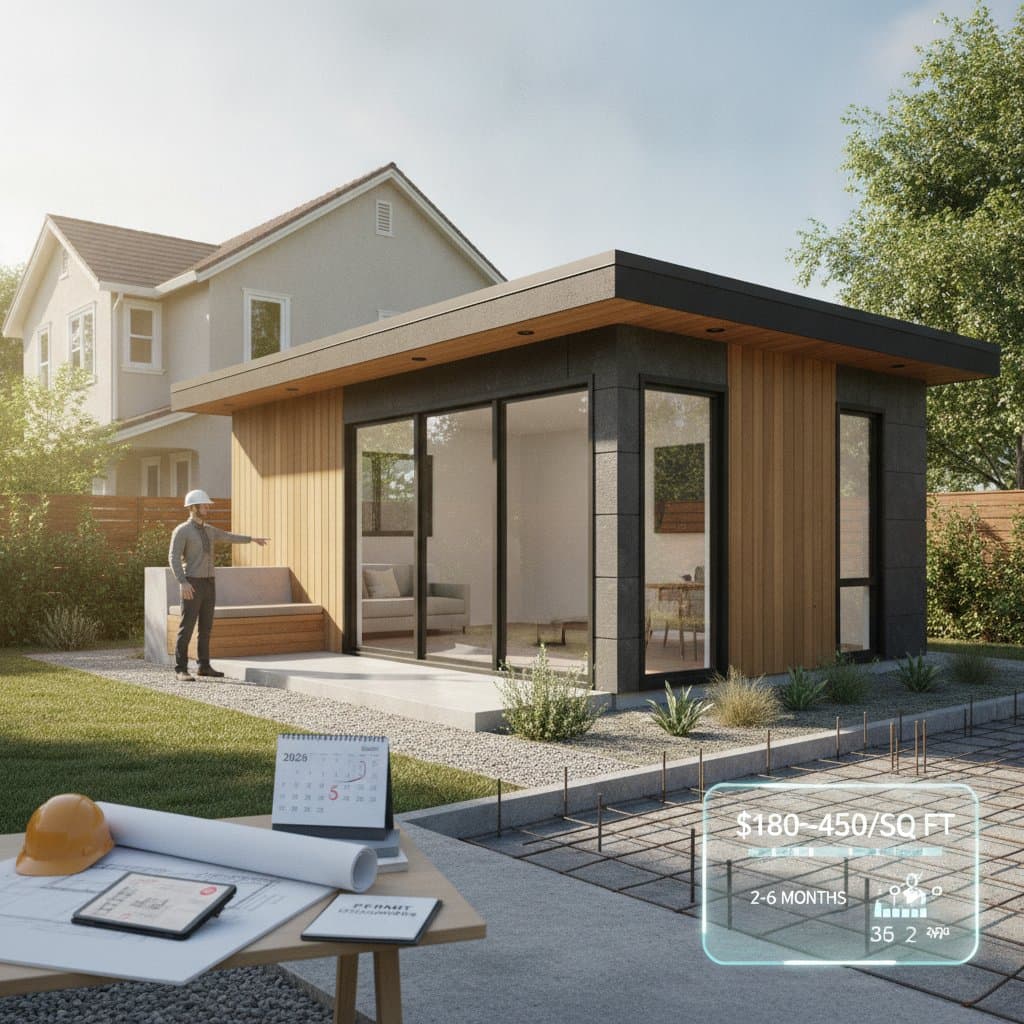
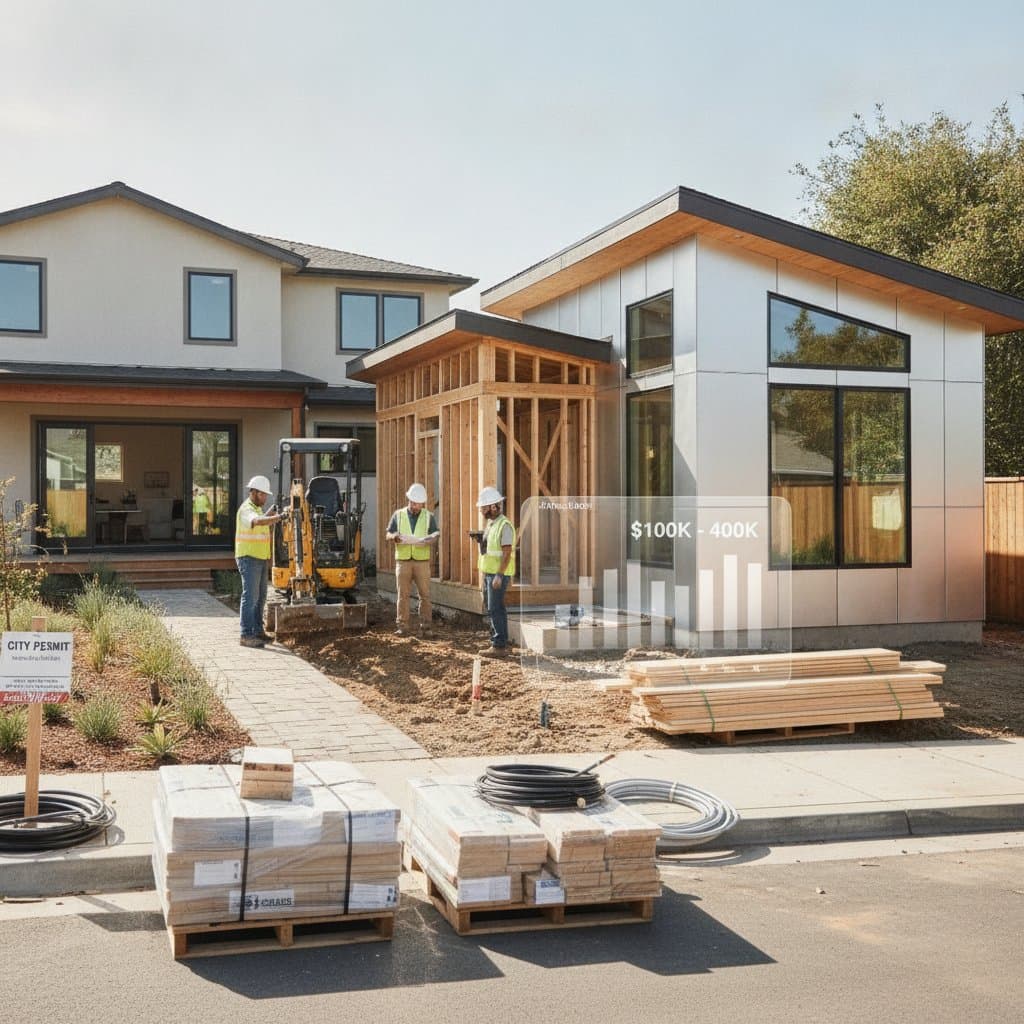
Construction expenses typically fall between 150000 and 350000 dollars. Factors include unit size, material choices, site challenges, and regional labor costs. Detached structures generally require more investment than conversions of existing spaces such as garages or basements.
Labor and materials account for 70 to 80 percent of the budget. Permitting and design represent 10 to 15 percent. Site preparation and utility connections make up the remaining 10 to 20 percent.
Timelines range from four to six months for professional builds after permit approval. Do it yourself conversions often extend to six or nine months. Most projects benefit from licensed contractors due to their advanced nature.
Choosing Between DIY and Professional Help
Owners can manage basic planning, design research, and finish selections on their own. Simple conversions, such as repurposing a garage, allow for manageable tasks like painting or installing flooring.
Licensed professionals must handle electrical work, plumbing, structural changes, foundation work, and code compliance documentation. Professional rates range from 150 to 300 dollars per square foot, yet their expertise reduces delays and inspection failures.
Step by Step Development Process
- Confirm zoning and property eligibility. Check local setback, height, and occupancy rules. Verify that lot size supports an ADU. Success occurs when the parcel meets all zoning requirements.
- Develop a design and layout. Choose between detached, attached, or internal units. Include a kitchen, bathroom, and separate entrance. Success occurs when the design fits within local building limits.
- Apply for permits. Submit site plans, energy calculations, and structural details. Pay required fees before work begins. Success occurs when written approval arrives.
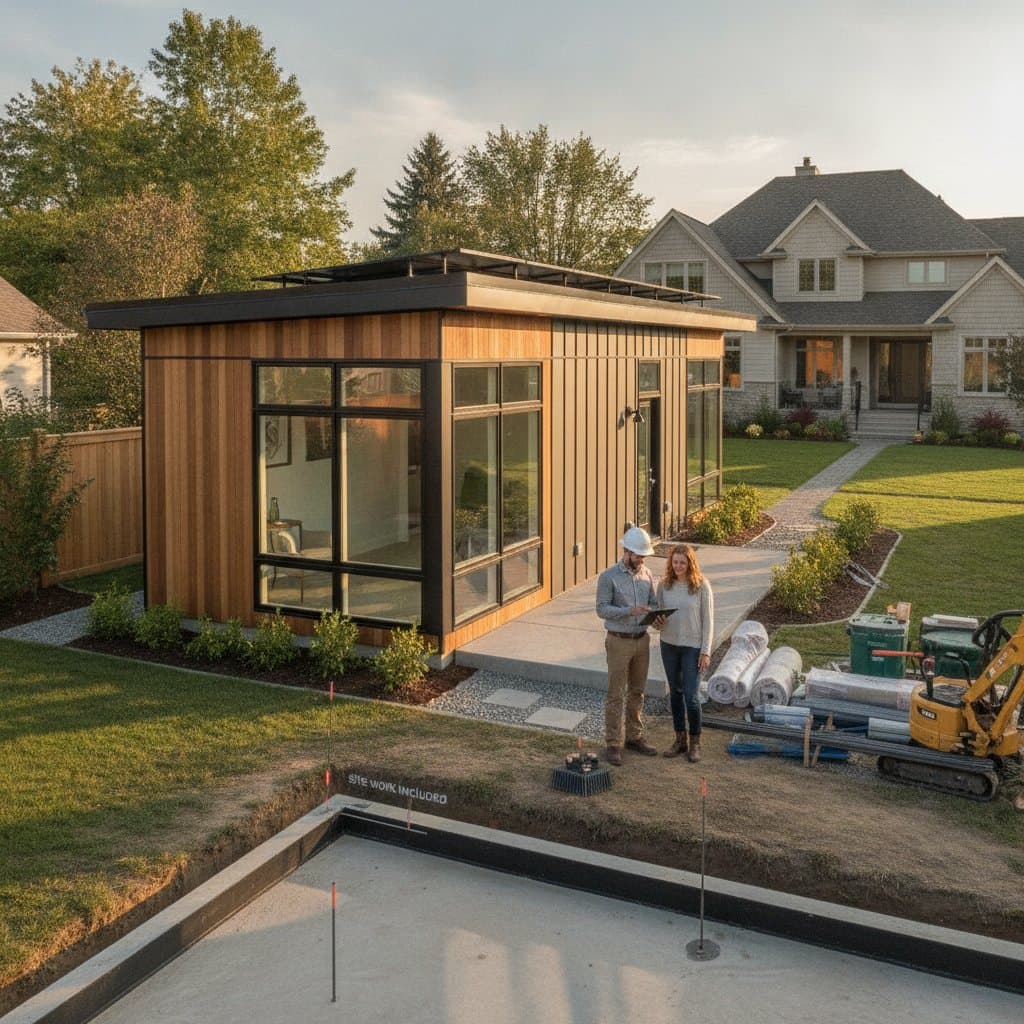
- Prepare the site. Clear debris, mark utilities, and level the ground. Success occurs when the build area is safe and ready.
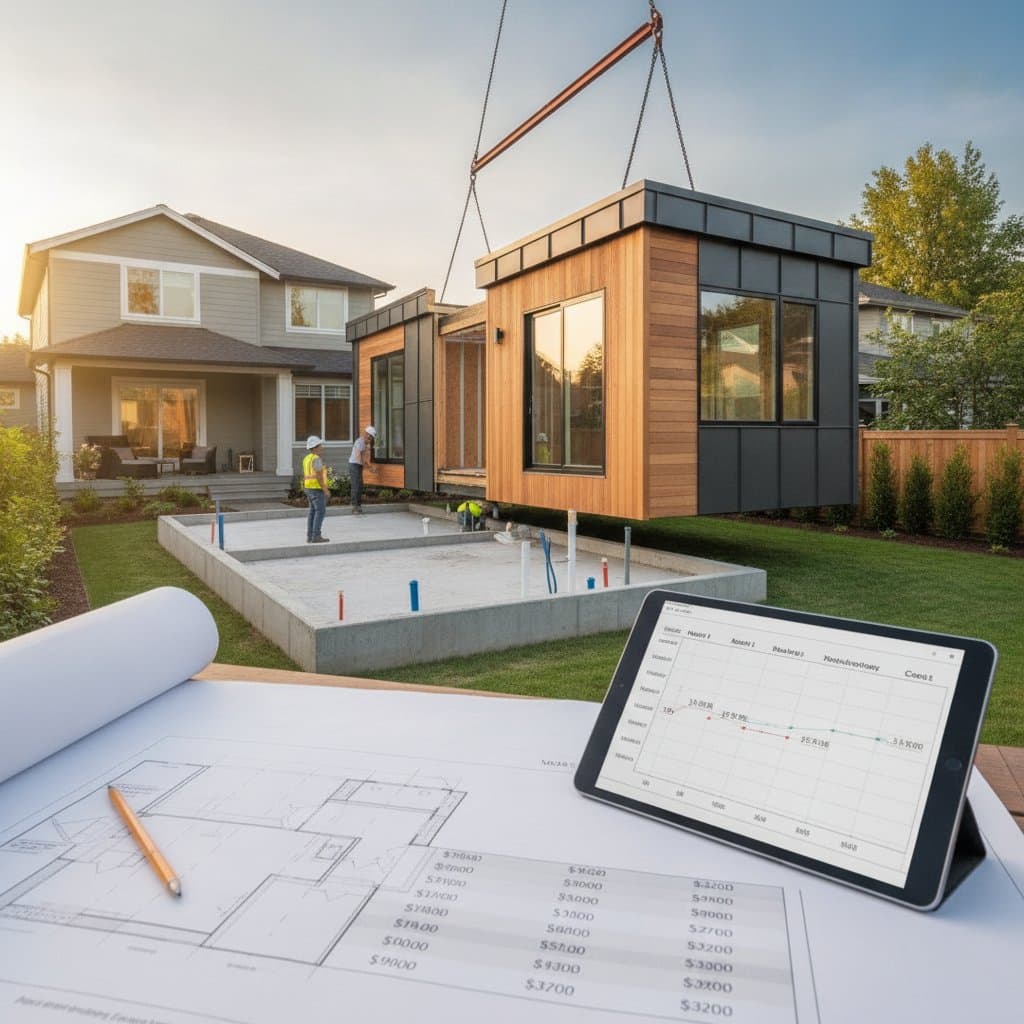
- Build the foundation and frame. Use pressure treated lumber and anchor bolts as required by code. Success occurs when the frame is square, level, and inspected.
- Install systems and finishes. Add plumbing, electrical, insulation, and drywall. Complete with flooring, cabinetry, and fixtures. Success occurs when all systems pass final inspection.
Safety Considerations
Shut off main power before any wiring tasks. Never remove load bearing walls without engineering approval. Wear gloves, goggles, and respirators during cutting or sanding.
Common Issues and Quality Checks
Recheck foundation level before finishing to avoid uneven floors. Pressure test all plumbing lines before closing walls. Add exhaust fans in kitchens and bathrooms to ensure proper ventilation. Inspect insulation, outlets, and smoke detectors before final approval.
Site Cleanup and Waste Handling
Dispose of debris at approved local facilities. Recycle metal, drywall, and concrete whenever possible. Clean the site thoroughly before occupancy.
Ongoing Maintenance and Durability
Inspect roofs, siding, and plumbing annually. Repaint exterior surfaces every seven to ten years. Quality built ADUs last as long as the main home with regular upkeep.
Situations Requiring Professional Support
Hire a contractor for new foundations, structural framing, utility tie ins, or complex permit issues. Professional management fees typically range from 10 to 20 percent of total construction cost. Select contractors who hold licenses, insurance, and strong references.
Frequently Asked Questions
Do separate utility meters become necessary? Some cities allow shared meters when usage is sub metered. Can long term rental occur? Yes, provided local rental regulations are followed.
Next Steps for Property Owners
Careful planning combined with permit compliance leads to reliable rental income and lasting property value. Partner with experienced professionals to meet 2026 regulations and maintain profitability over time.