2026 ADU Costs and Permits: What Homeowners Must Know
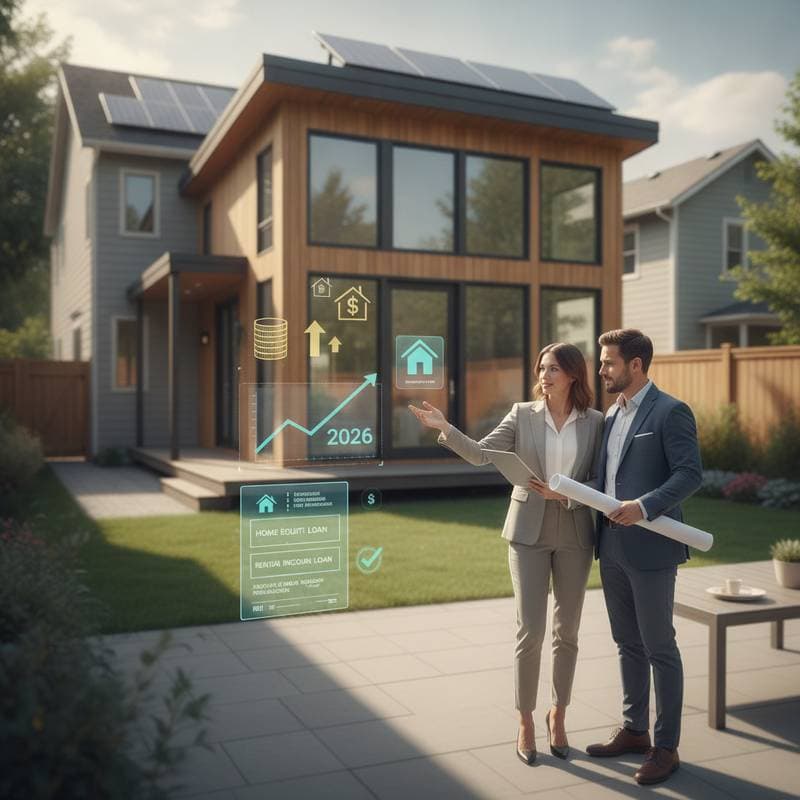
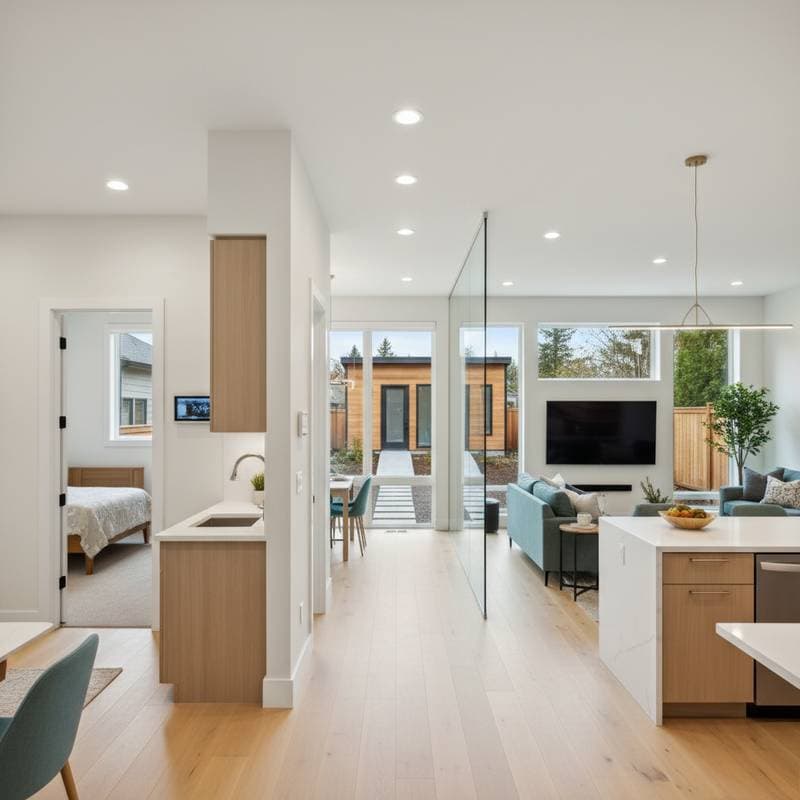
Accessory dwelling units provide flexible options for rental income, multigenerational housing, or guest space. Clear knowledge of current costs, permit processes, and construction choices helps homeowners move forward with confidence.
Quick Cost Summary
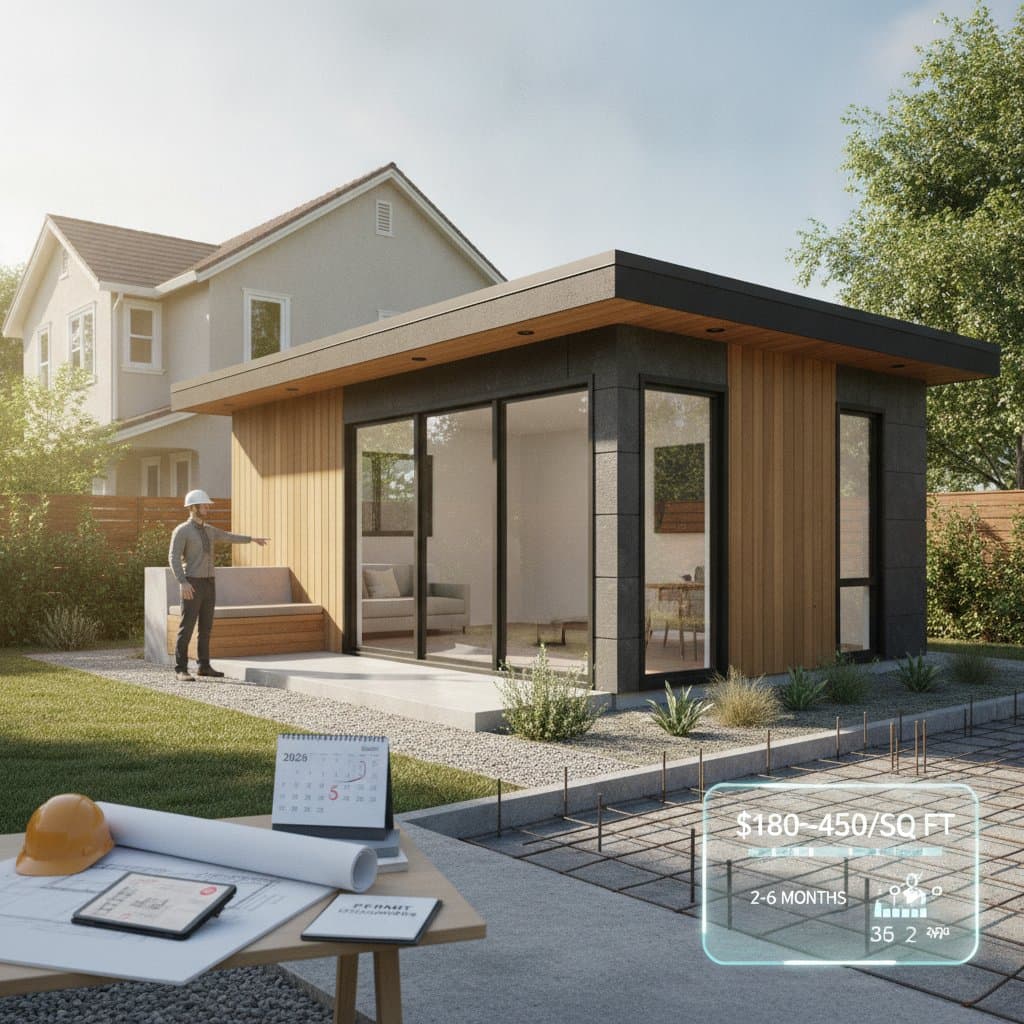
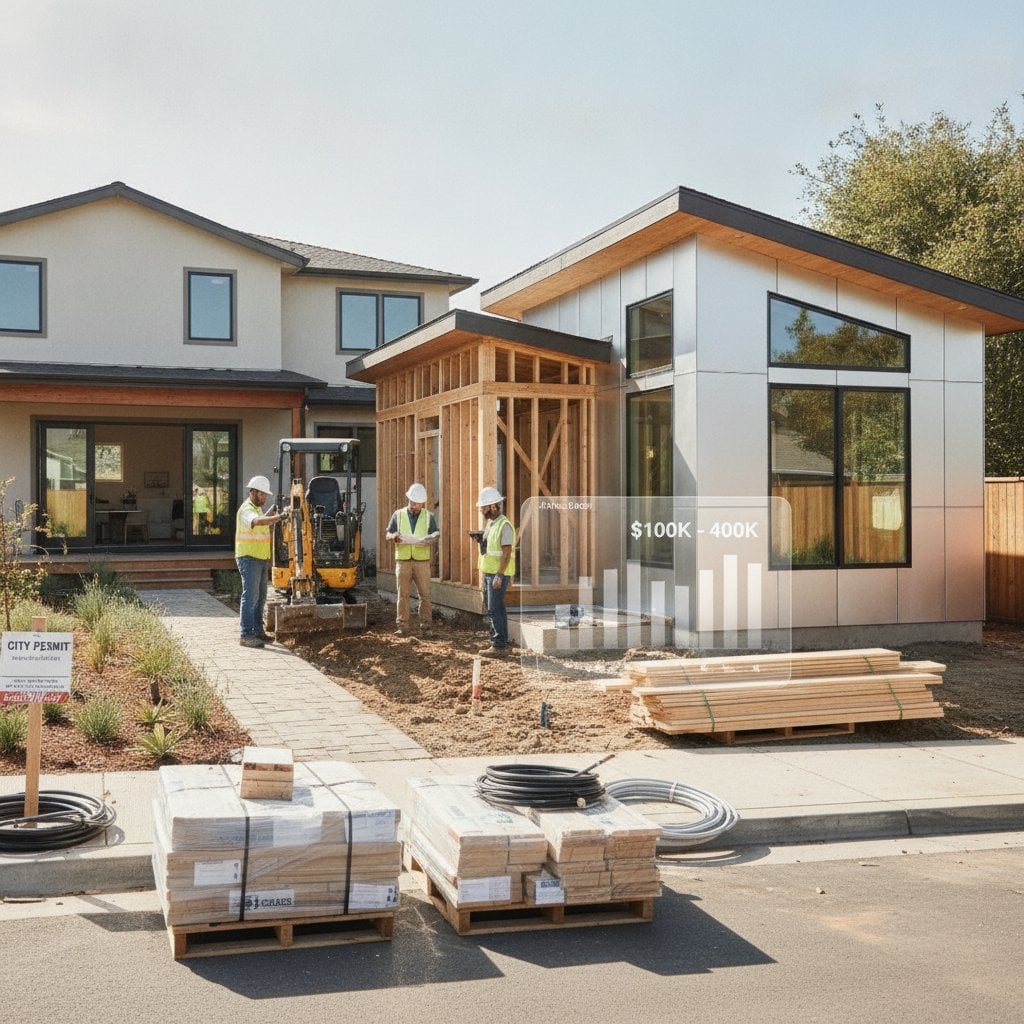
Most ADU projects range from 180000 to 380000 dollars, with typical spending near 250000 dollars. This figure covers design, permits, labor, and materials. Prefabricated units often land at the lower end of the range, while fully custom detached structures sit higher.
Major cost drivers include construction type, overall size, level of finishes, site conditions, and local permit fees. Garage conversions and basement adaptations generally cost 30 to 40 percent less than new detached builds because they reuse existing foundations and framing.
Cost by Size or Type
Project scale and placement create the widest price differences. The table below shows typical ranges.
| Type | Typical Size | Estimated Cost Range |
|---|---|---|
| Garage conversion | 300 to 500 sq ft | 90000 to 160000 dollars |
| Attached ADU | 400 to 800 sq ft | 150000 to 250000 dollars |
| Detached backyard cottage | 500 to 1000 sq ft | 200000 to 380000 dollars |
| Basement ADU | 400 to 800 sq ft | 120000 to 220000 dollars |
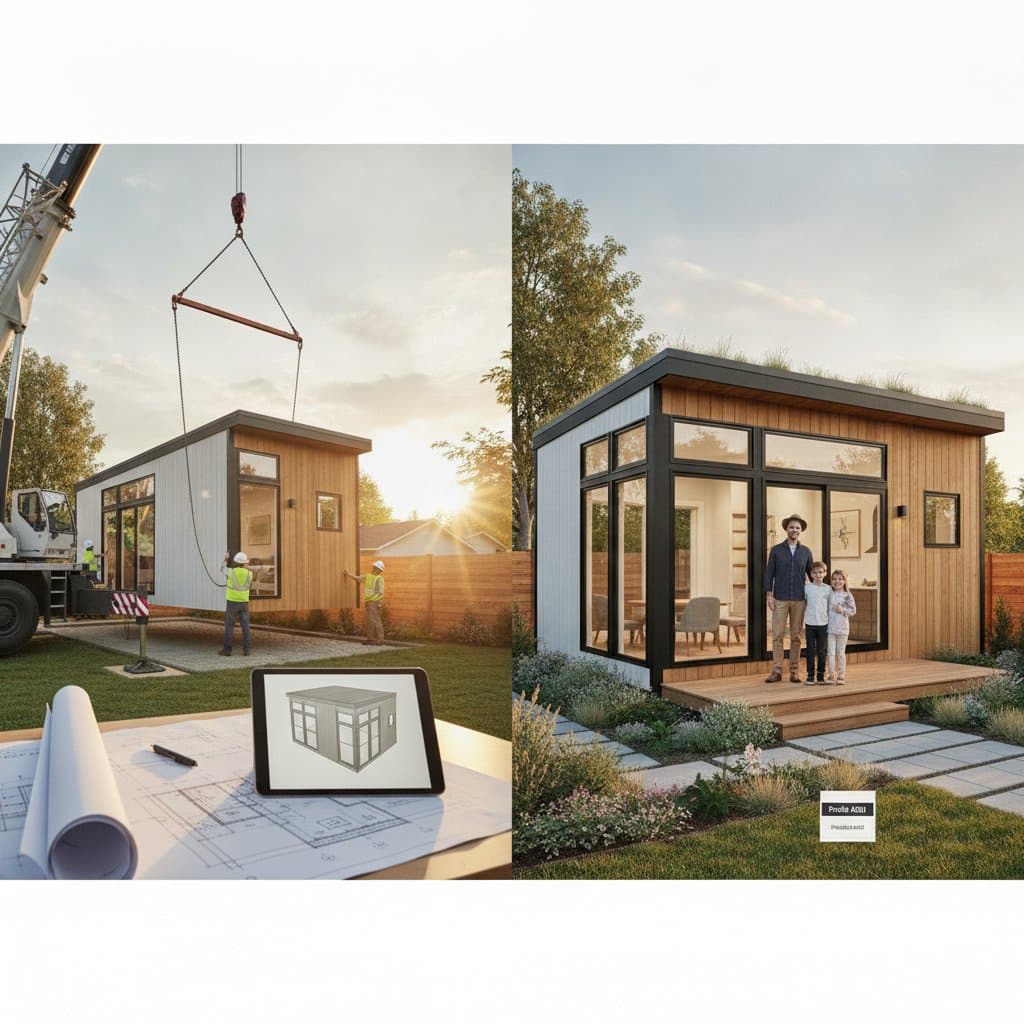
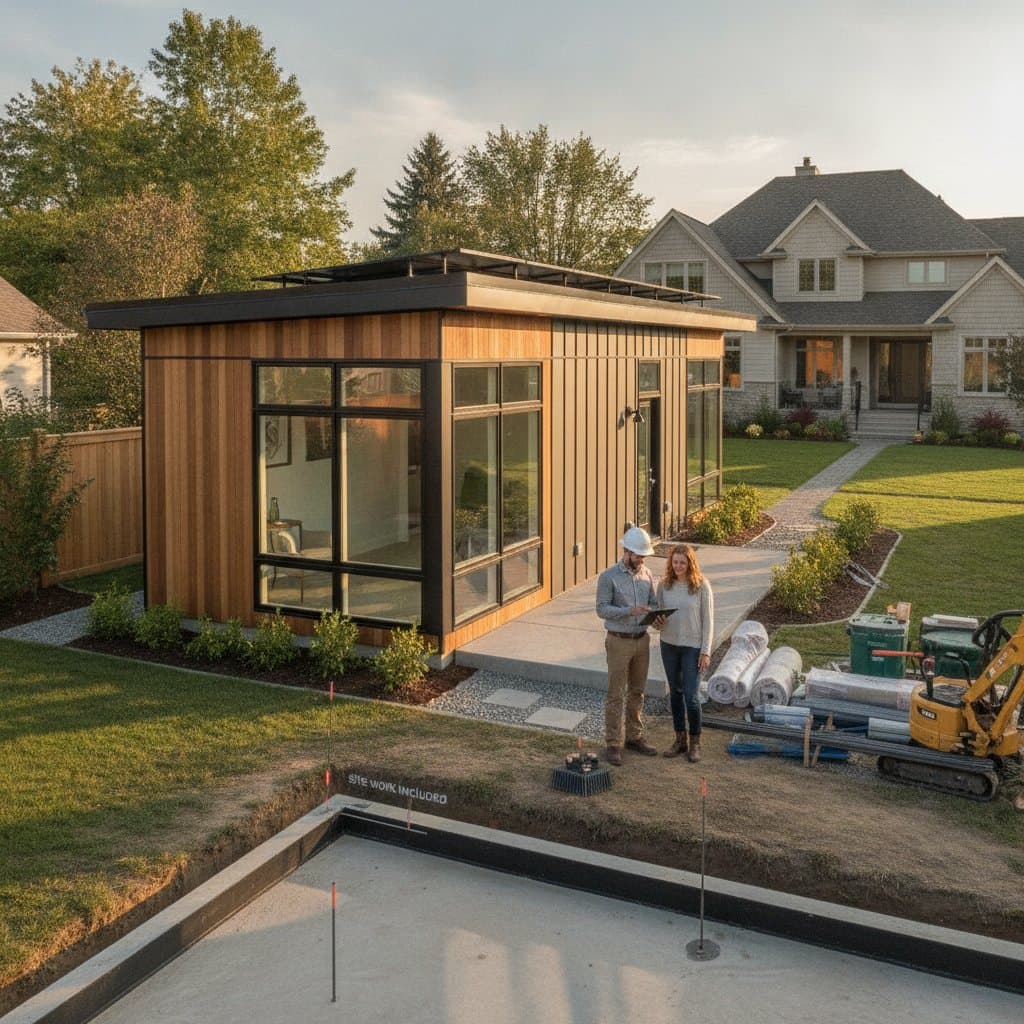
Detached units require new foundations, roofs, and utility runs. Conversions avoid many of these expenses by working within an existing envelope.
Contractor and Labor Costs
Labor accounts for 40 to 60 percent of total project cost. Licensed general contractors coordinate electricians, plumbers, and framers while securing required inspections. Design fees for architects or draftspeople usually equal 5 to 10 percent of construction cost. Design-build teams can combine these services under one agreement to reduce coordination time.
Additional Cost Factors
Site-specific conditions often shift final pricing. Common variables include soil stability, needed utility upgrades, site access constraints, and energy-code requirements. Reviewing these items early supports accurate budgeting and financing decisions.
Ways to Control ADU Expenses
Smart choices during planning and material selection keep projects on budget. Consider these proven steps:
- Select simple rectangular layouts with standard roof forms.
- Specify durable mid-grade finishes instead of premium upgrades.
- Cluster plumbing fixtures to shorten pipe runs.
- Convert an existing garage or basement whenever possible.
- Collect bids from at least three licensed contractors.
- Submit complete permit packages to avoid review delays.
DIY versus Professional Construction
Homeowners can handle cosmetic tasks such as painting or basic landscaping. Structural work, electrical systems, and plumbing must remain with licensed professionals. Contractor involvement typically adds 15 to 25 percent to total cost yet delivers code compliance and warranty protection.
Permit Requirements
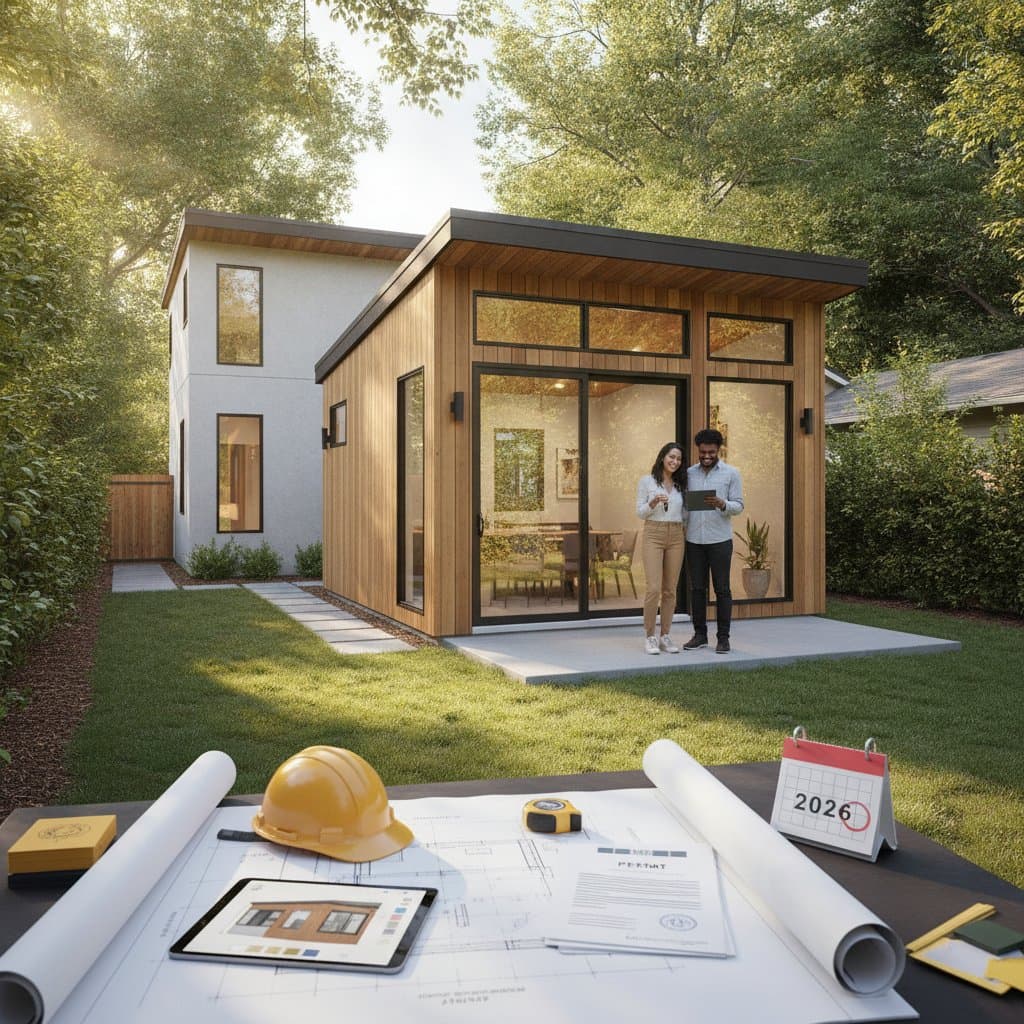
Every ADU needs building, electrical, and plumbing permits. Some jurisdictions offer pre-approved plan sets that shorten review times. Applicants must supply site plans, structural calculations, and energy compliance documents. Local rules also govern lot coverage, setbacks, and parking. A contractor familiar with the planning department can streamline approvals.
Return on Investment
Well-planned ADUs generate rental income or reduce household expenses through multigenerational living. Returns commonly reach 60 to 80 percent of construction cost when local rental rates remain strong. The added living space also contributes to overall property value at resale.
Maintaining Long-Term Value
Regular inspections of roofing, plumbing, and HVAC systems protect the unit and preserve income potential. Keeping records of maintenance and upgrades supports future appraisals and smooth ownership transitions.