
ADU Financing Strategies That Offset Costs Quickly
Accessory dwelling units continue to offer homeowners reliable ways to increase property value while generating rental income. Financing decisions made early in the planning process determine how quickly those benefits appear. The following sections compare practical funding routes, highlight cost controls, and show how to align repayment with incoming rent.
Project Cost Overview
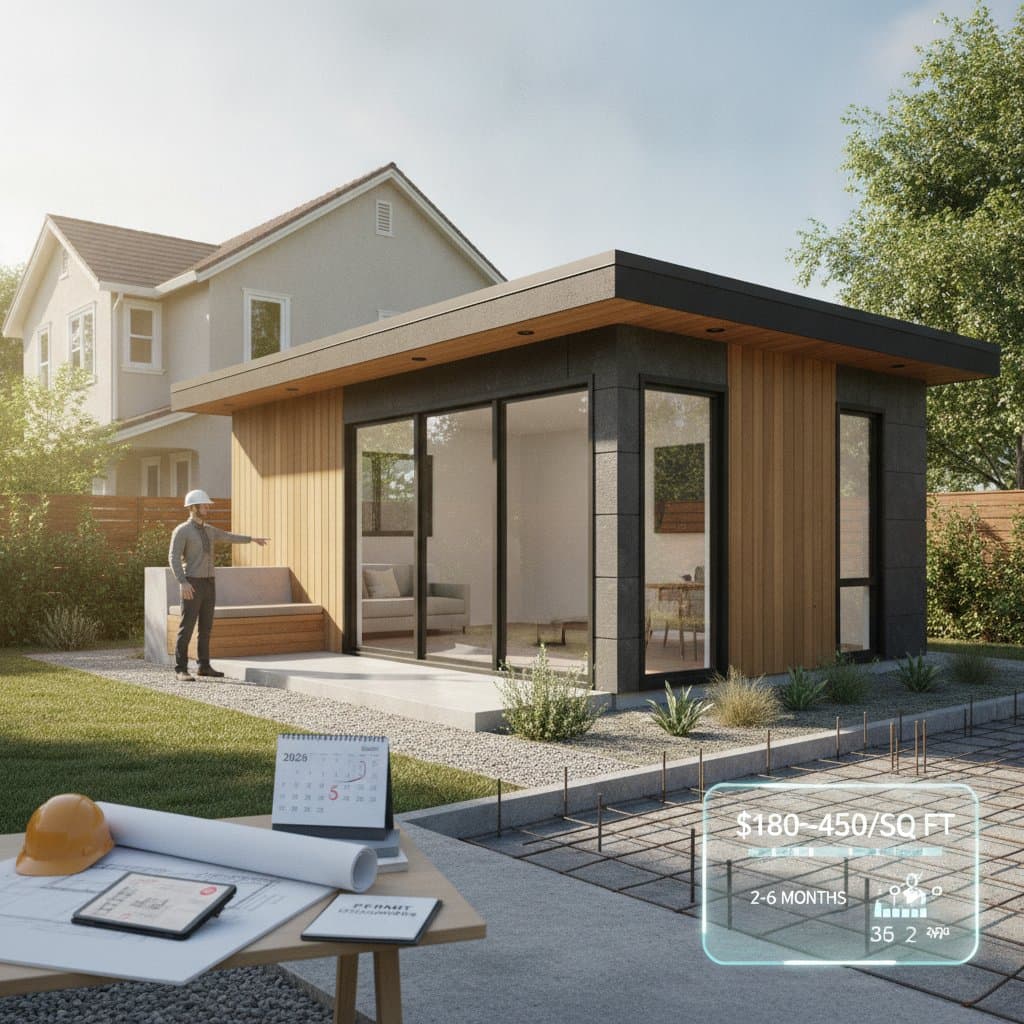
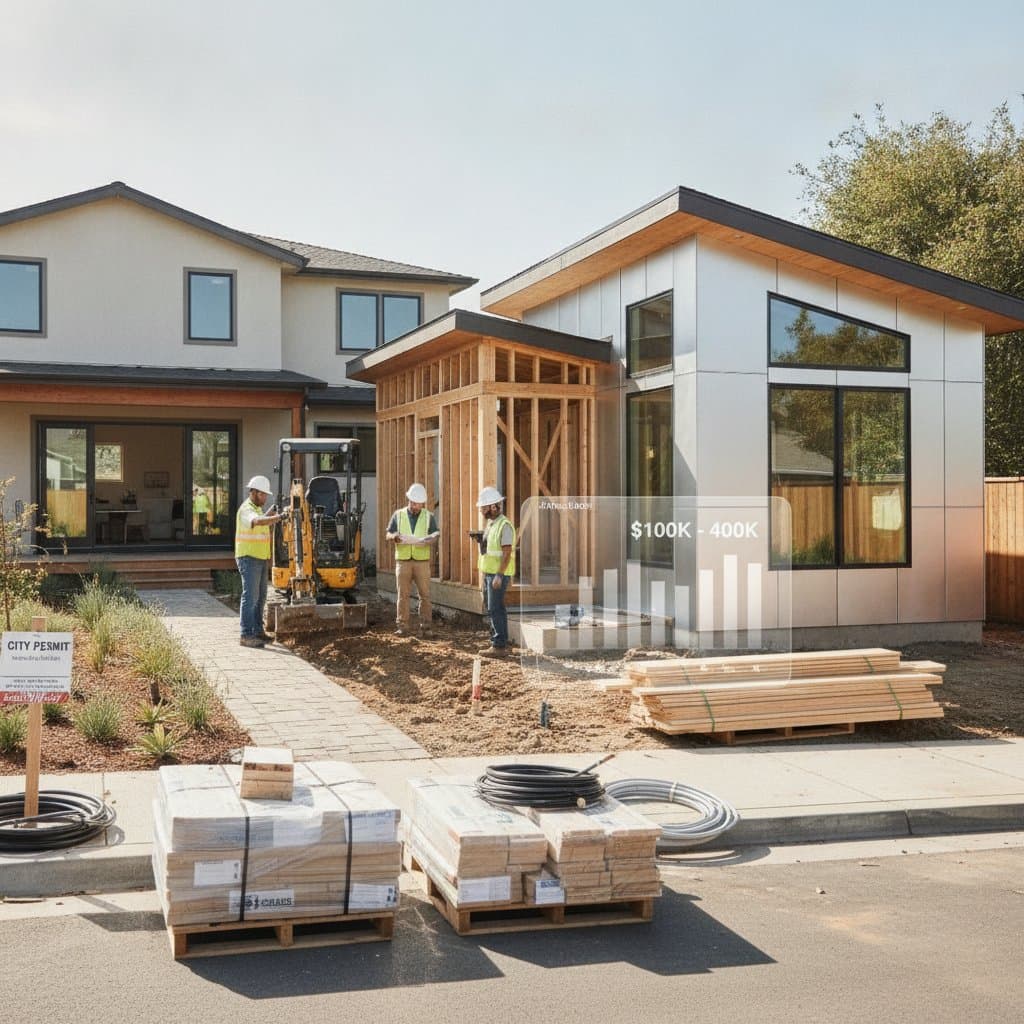
Most ADU builds fall between 100000 and 400000 dollars, with many projects landing near 250000 dollars. Size, site conditions, and local labor rates drive the final figure. Detached units typically require the largest investment, while garage or basement conversions stay toward the lower end.
Major expenses include labor and materials, site work, utility connections, permits, and finishes. Construction labor and materials usually represent more than half of the total. Owners who track these categories before applying for funds avoid surprises that erode returns.
Funding Routes Compared
Home equity loans supply fixed rates and predictable payments. They suit owners who already hold substantial equity and want interest that may qualify as tax deductible when used for improvements.
Home equity lines of credit allow draws during construction and charge interest only on amounts used. Variable rates introduce some uncertainty, yet the flexibility matches phased building schedules.
Cash-out refinancing replaces an existing mortgage with a larger one and releases cash for the project. This route works best when current mortgage rates remain attractive and the owner plans to stay in the home for many years.
Construction loans release funds as work progresses and convert to permanent financing once the unit is complete. They require detailed plans and cost estimates, yet they keep spending aligned with completed milestones.
Renovation loans combine purchase or refinance funds with improvement dollars in a single package. They streamline approval for owners who intend to remodel the main house and add the ADU at the same time.
Personal loans provide quick access without using home equity, but higher interest and shorter terms limit their usefulness to smaller projects or finish work.
Partnership arrangements with family members or investors spread capital needs and share rental income. Clear legal agreements protect all parties and define decision rights before construction begins.
Controlling Additional Expenses
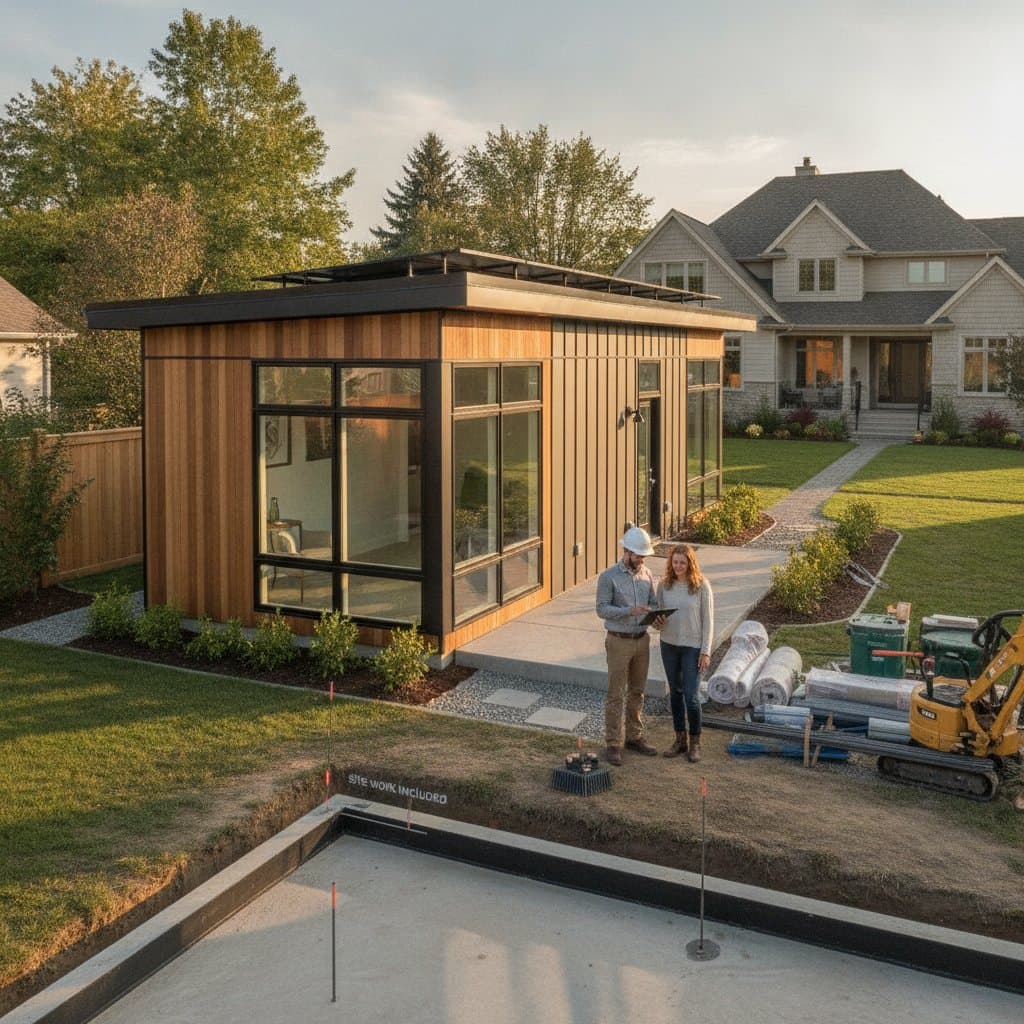
Site preparation, permitting, utility upgrades, and higher-end finishes can add 15000 to 60000 dollars beyond base construction. Loan fees and closing costs further increase the amount financed. Reviewing each line item with the builder before signing contracts keeps the budget realistic.
Measuring Returns
A well-located ADU can produce annual returns between 7 and 15 percent when rental rates and financing costs stay balanced. Consider a 250000 dollar project that rents for 2000 dollars monthly. After operating expenses and loan payments of 15000 dollars, net cash flow reaches 9000 dollars in the first year.
As principal declines and rents rise with the market, cash flow improves. Energy-efficient systems and durable materials reduce future maintenance and protect long-term income.
Owner Involvement Decisions
Owners may handle cosmetic work such as painting or flooring when they possess the necessary skills and time. Structural changes, electrical, plumbing, and any work required by lenders must be completed by licensed contractors. Professional oversight satisfies permitting rules and protects collateral value.
Selecting the Right Path
Compare interest rates, repayment length, and qualification requirements against projected rental income. Home equity products generally deliver the lowest cost for owners with sufficient equity. Construction or renovation loans provide structure for larger or more complex builds. Once financing is secured, maintain detailed records of every expense to support accurate tax reporting and future refinancing.