What Prefab ADUs Really Cost and How Long They Take
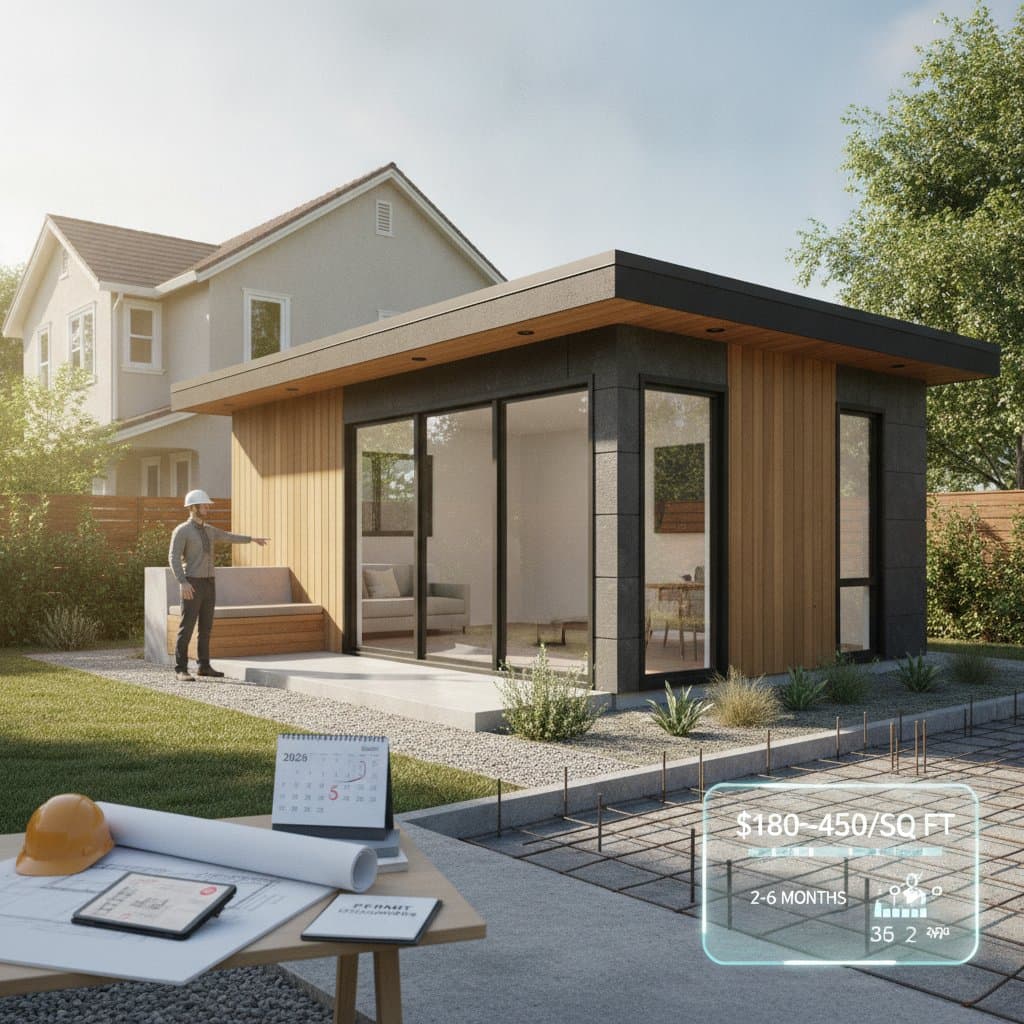
Prefab accessory dwelling units offer a practical route to additional living space, rental income, or multigenerational housing. These units deliver faster timelines and more predictable pricing than custom construction, yet total expenses still depend on size, finish level, and site conditions. Clear cost and timeline data supports realistic project planning.
Quick Cost Summary
Prefab ADUs typically range from $150,000 to $350,000, with an average total project cost near $220,000. This amount covers the unit, delivery, site work, foundation, and utility connections. Smaller studio or one bedroom models fall toward the lower end of the range, while larger or upgraded versions reach the higher end.
Key cost drivers include the following factors:
- Size and layout of the unit
- Material and finish quality
- Site preparation needs and utility connections
- Local permitting requirements and fees
- Labor for foundation and installation work
Highlights and Key Insights
- Prefab ADUs rarely fall below $150,000 once site work and permits enter the budget.
- Factory construction shortens overall project duration by several months compared with site built alternatives.
- Most projects require a general contractor to manage installation, utility tie ins, and inspections.
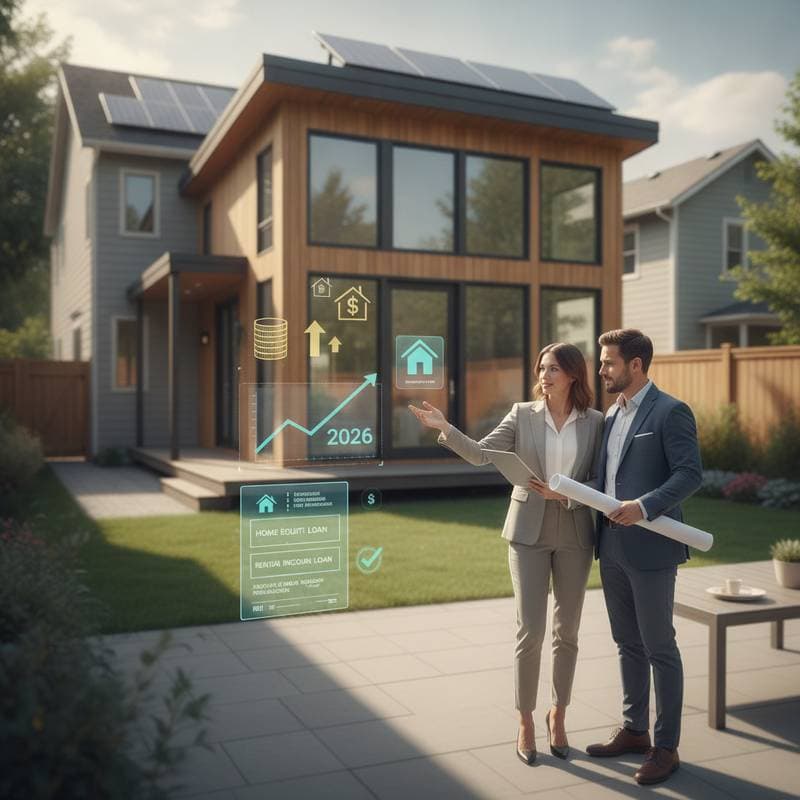
- Financing choices continue to expand through home equity loans and targeted ADU programs.
- Return on investment hinges on local rental demand, zoning rules, and property configuration.
Cost by Size or Type
Pricing scales directly with square footage. Studio or micro units between 250 and 400 square feet cost $150,000 to $190,000 including delivery and setup. One bedroom models from 400 to 600 square feet average $190,000 to $250,000. Two bedroom units from 600 to 1,000 square feet typically range from $250,000 to $350,000 or higher.
These figures assume standard finishes, a slab or pier foundation, and moderate site conditions. Steep lots, extended utility runs, or premium finishes can raise costs by 10 to 25 percent.
Contractor Costs and Professional versus Owner Performed Work
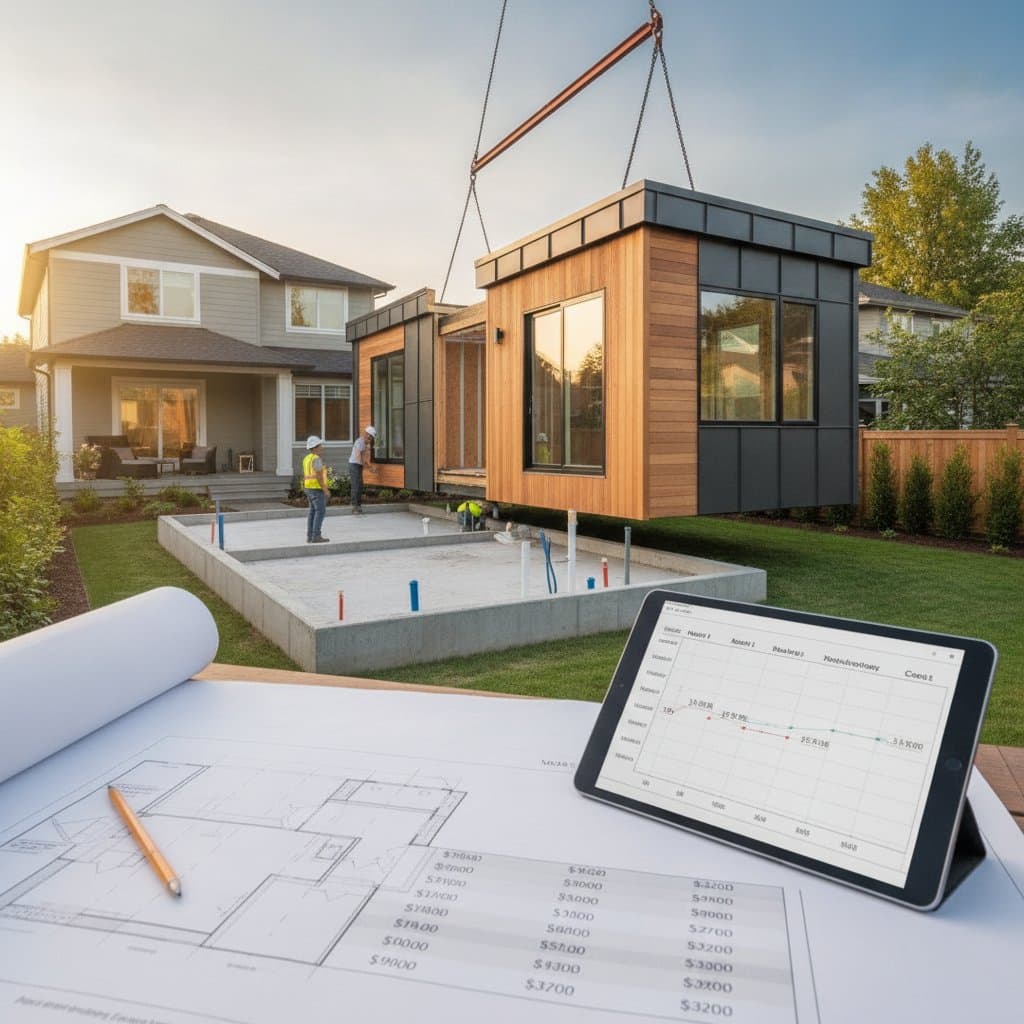
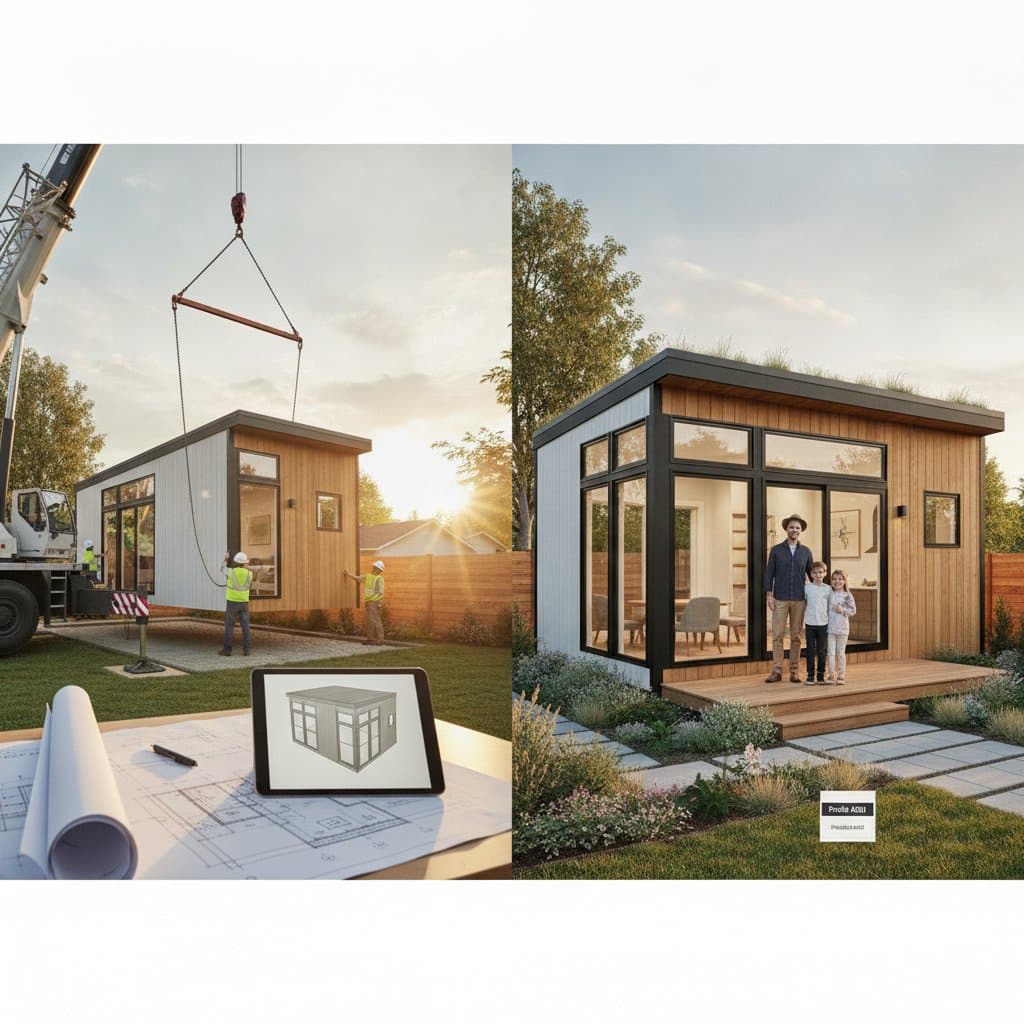
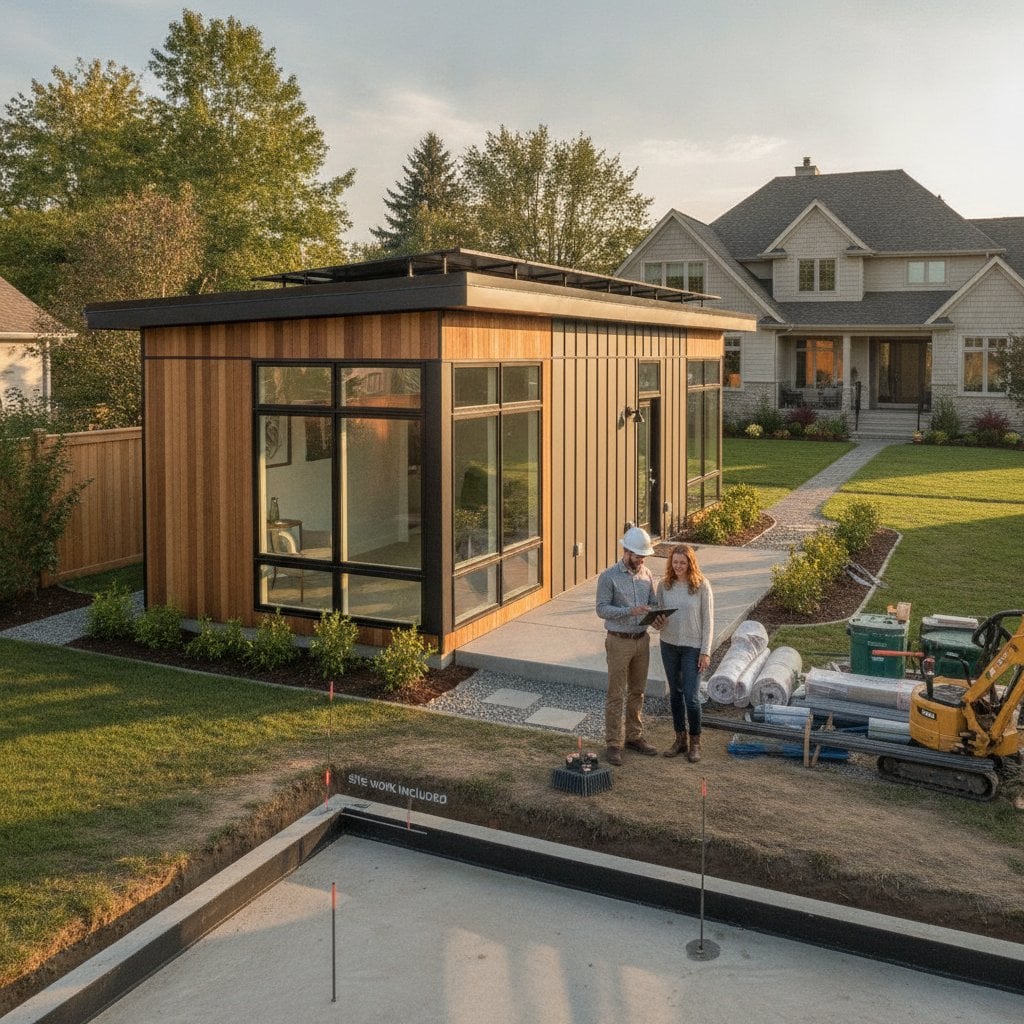
Prefab units reduce on site construction time, yet they seldom qualify as true owner performed projects. The manufacturer produces the structure in a controlled setting and ships it in modules or panels. A licensed contractor coordinates foundation work, crane placement, and all required inspections.
Contractor fees usually represent 20 to 30 percent of the total project cost. Professional oversight also streamlines permitting and utility coordination, which reduces the chance of expensive delays. Owners may complete interior finishes or landscaping after installation to control expenses, yet structural, electrical, and plumbing work must meet code and remains the responsibility of certified trades.
Additional Cost Factors
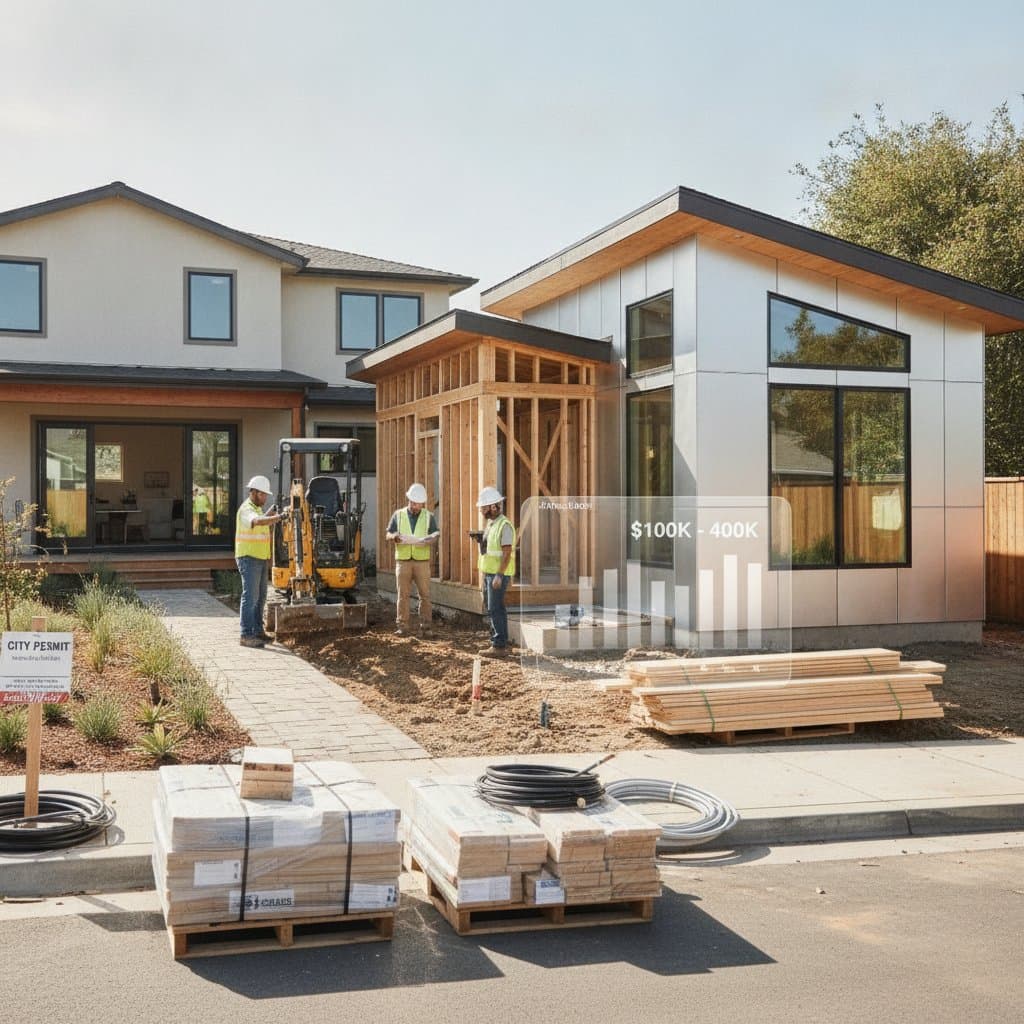
Several expenses often appear after initial budgeting. Permits and impact fees can range from a few thousand dollars to more than ten thousand. Older homes may require electrical panel upgrades or sewer improvements to support a second dwelling. Limited delivery access can necessitate crane rentals or extra staging. Custom floor plan changes or finish upgrades increase factory pricing. Slab on grade foundations work for level sites, while pier or raised foundations become necessary on uneven terrain.
A site specific quote provides the most accurate picture before model selection.
Ways to Manage Expenses
Owners can control costs through deliberate choices. Select a standard model with few custom alterations. Simplify cabinetry, flooring, and tile selections. Complete landscaping or painting after delivery. Verify clear delivery access to avoid crane charges. Compare financing terms across multiple lenders to secure favorable rates. Some families share expenses by designing the unit for future rental or multigenerational use.
Return on Investment
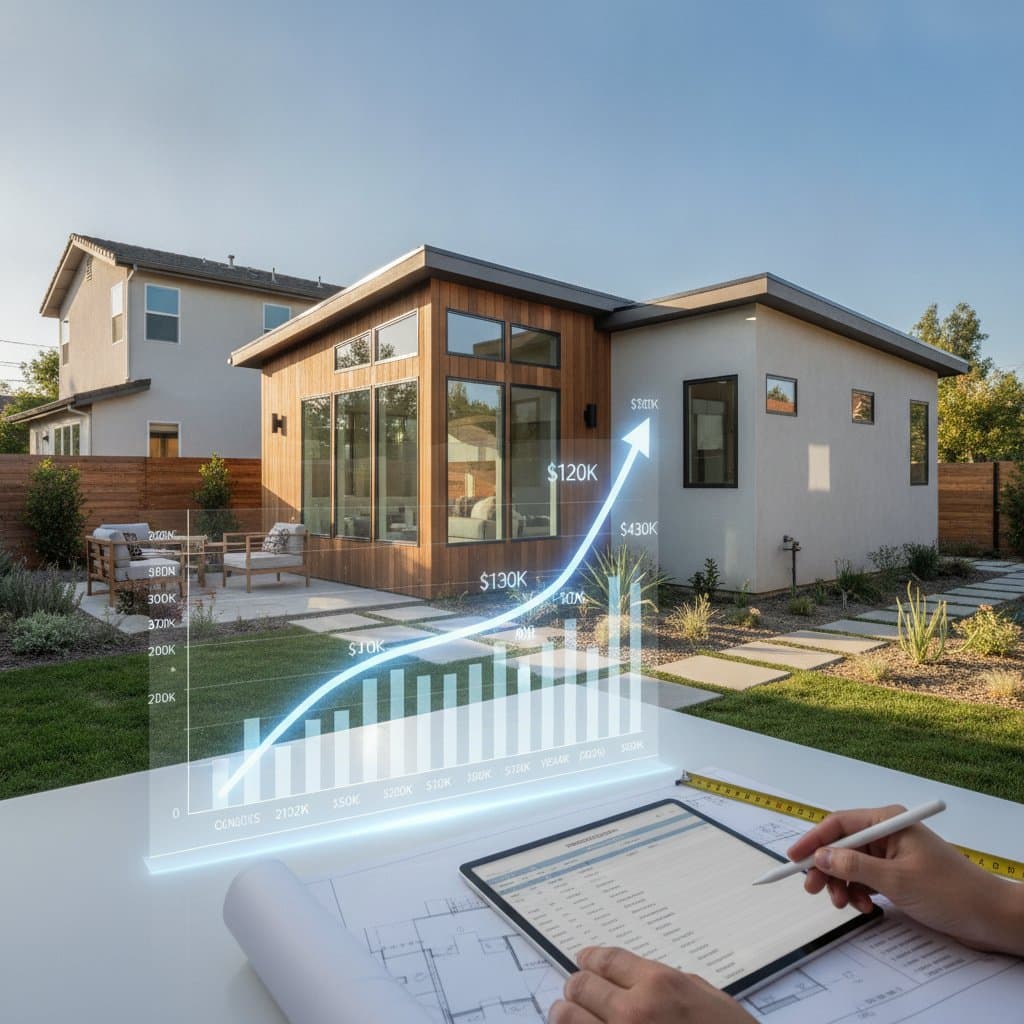
Prefab ADUs increase property value and generate rental income. Many owners recover 50 to 80 percent of project costs through appreciation or lease revenue. Detached units with separate entrances typically achieve higher rents and attract buyers seeking flexible living options. Energy efficient features such as advanced insulation or solar ready wiring lower ongoing utility expenses.
Project Timeline
Factory production requires 8 to 12 weeks. Site preparation and installation add 4 to 8 weeks. Permitting timelines vary and can extend the full process to 4 to 8 months. Traditional stick built ADUs often exceed one year. Controlled factory conditions maintain schedules independent of weather, which lowers delay risk.
Cost Basis
The figures presented reflect average manufacturer quotes, contractor bids, and verified homeowner reports across multiple regions. All amounts combine factory and site expenses and exclude land value. Local labor rates, permitting processes, and utility rules produce variation in final totals.
Owner Performed Work versus Professional Oversight
Owner performed tasks should remain limited to non structural items. Building codes, inspections, and site preparation require licensed supervision. Professional involvement protects manufacturer warranties and ensures compliance. While owner performed work may reduce costs by 5 to 10 percent, errors can lead to greater expenses through rework or failed inspections.
Frequently Asked Questions
How much does a prefab ADU cost per square foot? Between $300 and $500 per square foot, depending on finishes and location.
How long does a prefab ADU take from start to finish? Most projects require 4 to 8 months, including permitting, factory construction, and installation.
Do prefab ADUs include foundations? No. The manufacturer supplies the unit only. The foundation is constructed on site before delivery.
Can a prefab ADU be financed? Yes. Home equity loans, renovation loans, and ADU specific programs are widely available.
Are prefab ADUs durable? Factory built units meet residential building codes and employ materials comparable to traditional site built homes.
Planning Your Prefab ADU Project
A prefab ADU supplies functional space, rental income, or family flexibility. Accurate budgeting, realistic scheduling, and attention to site conditions prevent unexpected expenses. Careful model selection and contractor coordination allow the unit to become operational more quickly than conventional construction, delivering lasting value and practical living arrangements.