2025 Aging-in-Place Costs: Features for Lifelong Comfort
Creating a home that supports safe, independent living as you age demands careful planning and targeted investment. Aging-in-place remodeling emphasizes accessibility, safety, and enduring functionality. Simple upgrades remain affordable, yet structural alterations elevate expenses. Grasping the complete cost landscape enables you to design a remodel aligned with your requirements and financial limits.
Quick Cost Summary
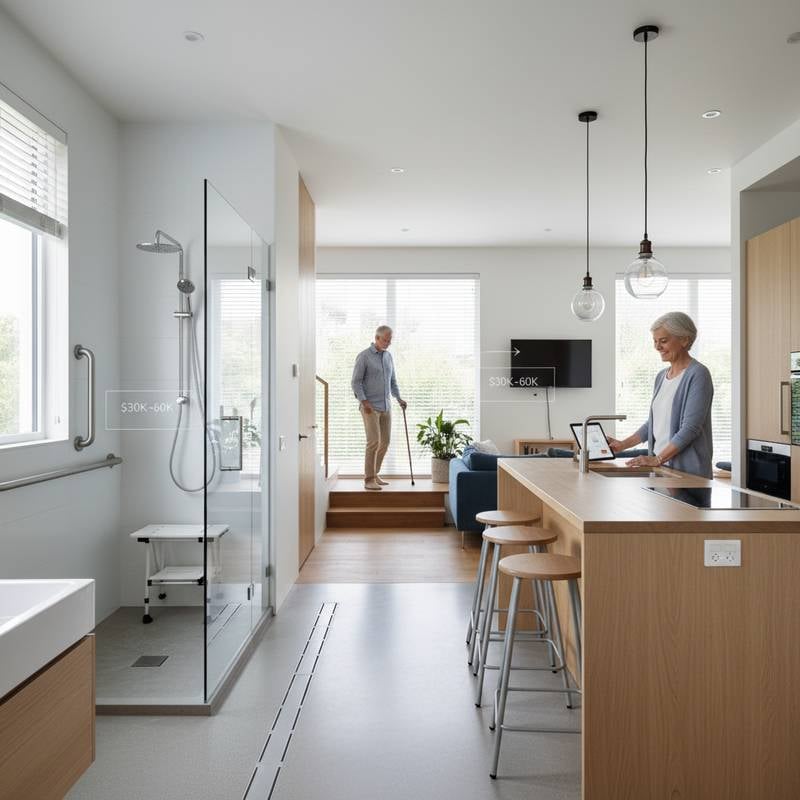
The typical expense for aging-in-place home modifications spans $10,000 to $100,000, with many owners allocating $30,000 to $60,000 for combined accessibility enhancements. Basic adjustments like grab bars, lever handles, and enhanced lighting fall between $500 and $5,000. Extensive endeavors, such as adaptable bathrooms or ground-level bedroom expansions, surpass $75,000.
Major influences on expenses include:
- Scope of the renovation: Comprehensive home alterations exceed targeted room improvements.
- Material standards: High-quality fixtures and surfaces inflate budgets.
- Labor and planning: Experts certified in aging-in-place design and licensed builders incorporate professional charges.
- Structural adaptations: Expanding doorways, adjusting cabinet heights, or altering plumbing heightens intricacy and price.
Highlights and Key Insights
- Bathroom adaptations rank as the primary focus in aging-in-place initiatives.
- Owners frequently recoup portions of their outlay via heightened market value and diminished prospective care expenditures.
- Expert guidance and universal design approaches boost usability across generations.
- Selecting contractors versed in accessibility ensures adherence to rigorous safety protocols.
Cost by Size or Type of Project
Expenses for aging-in-place modifications fluctuate according to project scale and affected areas.
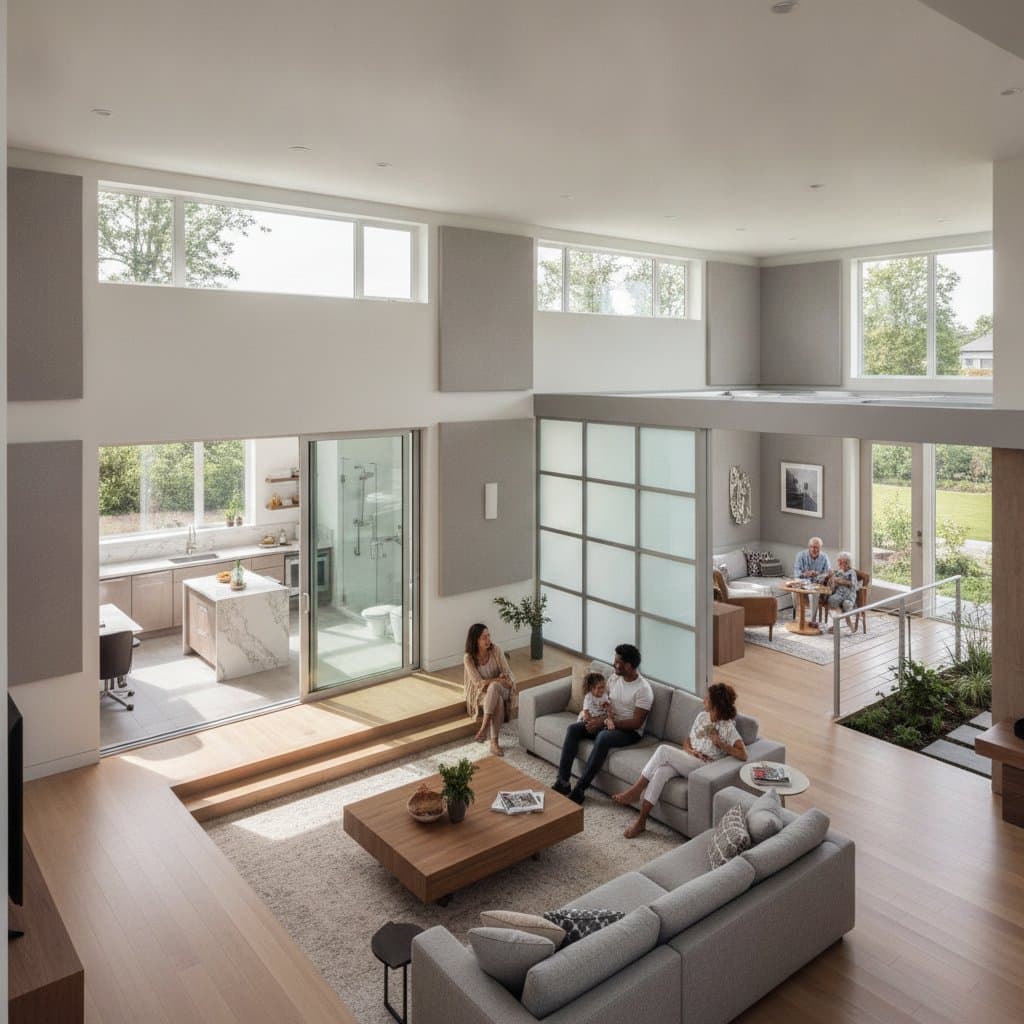
Whole-Home Accessibility Upgrades
A comprehensive home overhaul for better access generally costs $50,000 to $100,000. Such work encompasses:
- Broadened doorways and corridors
- Entrances without thresholds
- Replacement flooring with anti-slip properties
- Augmented illumination and automated home systems
These transformations establish a sustainable residence for those intending permanent occupancy.
Bathroom Modifications
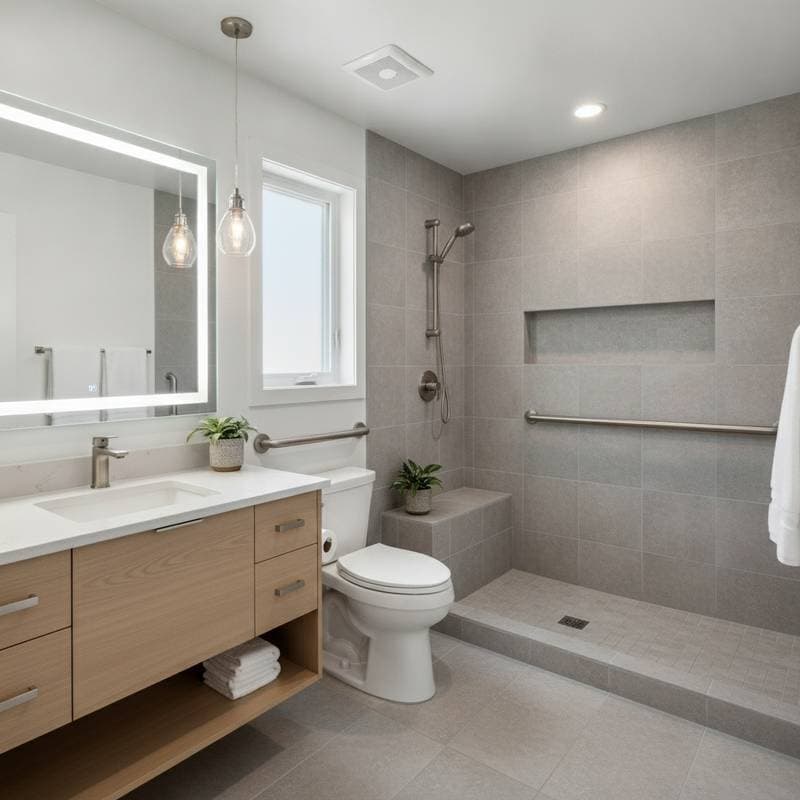
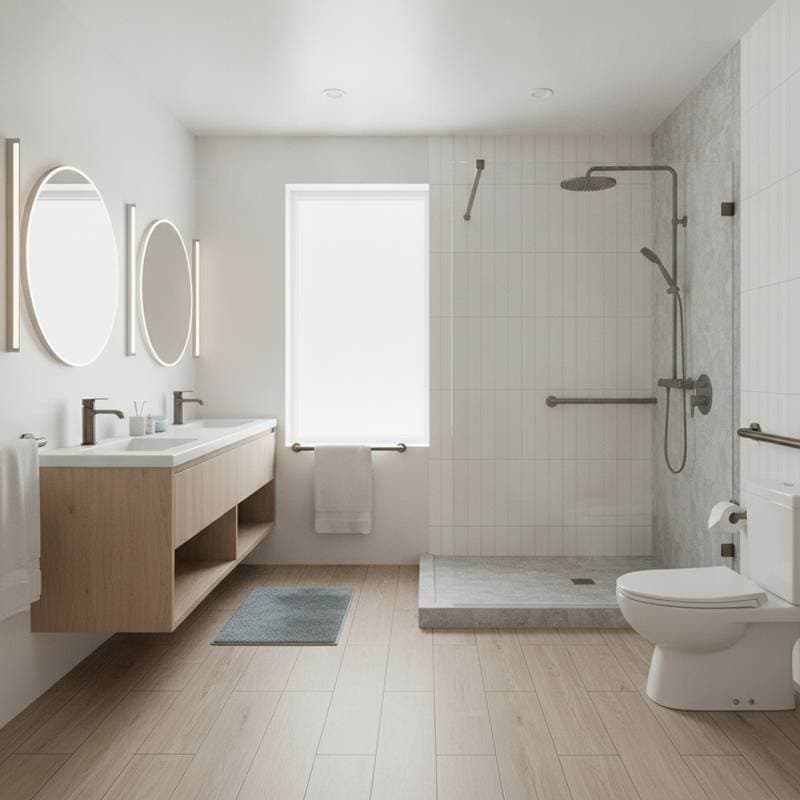
Bathrooms claim the biggest portion of aging-in-place budgets. Prices hover from $8,000 to $25,000, influenced by fixture selections and spatial rearrangements. Standard enhancements feature:
- Barrier-free showers equipped with integrated benches
- Flexible shower attachments and temperature-regulating valves
- Support rails and fortified wall structures
- Elevated toilets for ease
- Surfaces resistant to slipping
Comprehensive bathroom overhauls involving plumbing relocations may top $30,000.
Kitchen Modifications
Adaptable kitchen renovations range from $15,000 to $50,000. Pricing hinges on cabinet adjustments, surface areas, and appliance configurations. Essential elements comprise:
- Reduced-height counters and extensible shelving
- Lever-operated or sensor-activated taps
- Appliances positioned below counters for straightforward reach
- Ample open areas accommodating wheeled devices
Accessibility integrations frequently align with routine kitchen updates, potentially elevating totals while elevating utility for household members.
Entryways and Exterior Access
Establishing unobstructed entry via ramps, expanded portals, or elevating platforms costs $3,000 to $20,000. A fixed ramp averages $5,000 to $12,000, whereas platform lifts span $8,000 to $15,000. Supplementary exterior illumination, non-skid walkways, and sheltered approaches enhance usability and security.
Contractor Costs and Professional vs DIY
Engaging specialists for aging-in-place tasks guarantees adherence to safety norms and optimal execution. A Certified Aging-in-Place Specialist or seasoned general contractor levies 10% to 20% of the overall budget for oversight and schematics.
Independent efforts suit straightforward assignments like:
- Mounting grab bars or adjustable shower units
- Substituting knobs with lever mechanisms
- Enhancing light installations
Intricate operations, including framework alterations, wiring revisions, or pipework shifts, necessitate licensed experts. Errors here risk expensive fixes or dangers.
Benefits of professional execution:
- Adequate fortification for weight-supporting components
- Alignment with regulatory standards
- Assurances and protective coverage
Potential DIY reductions:
Owners managing minor elements independently might trim 10% to 15% from totals, though restricting to minimal-risk activities proves wise.
Additional Cost Factors
Various concealed or fluctuating elements affect aging-in-place remodel totals.
Permits and Inspections
Framework shifts, pipework, and wiring typically demand approvals. Anticipate $500 to $2,000 based on locale and magnitude. Verifications confirm regulatory conformity.
Materials and Finish Levels
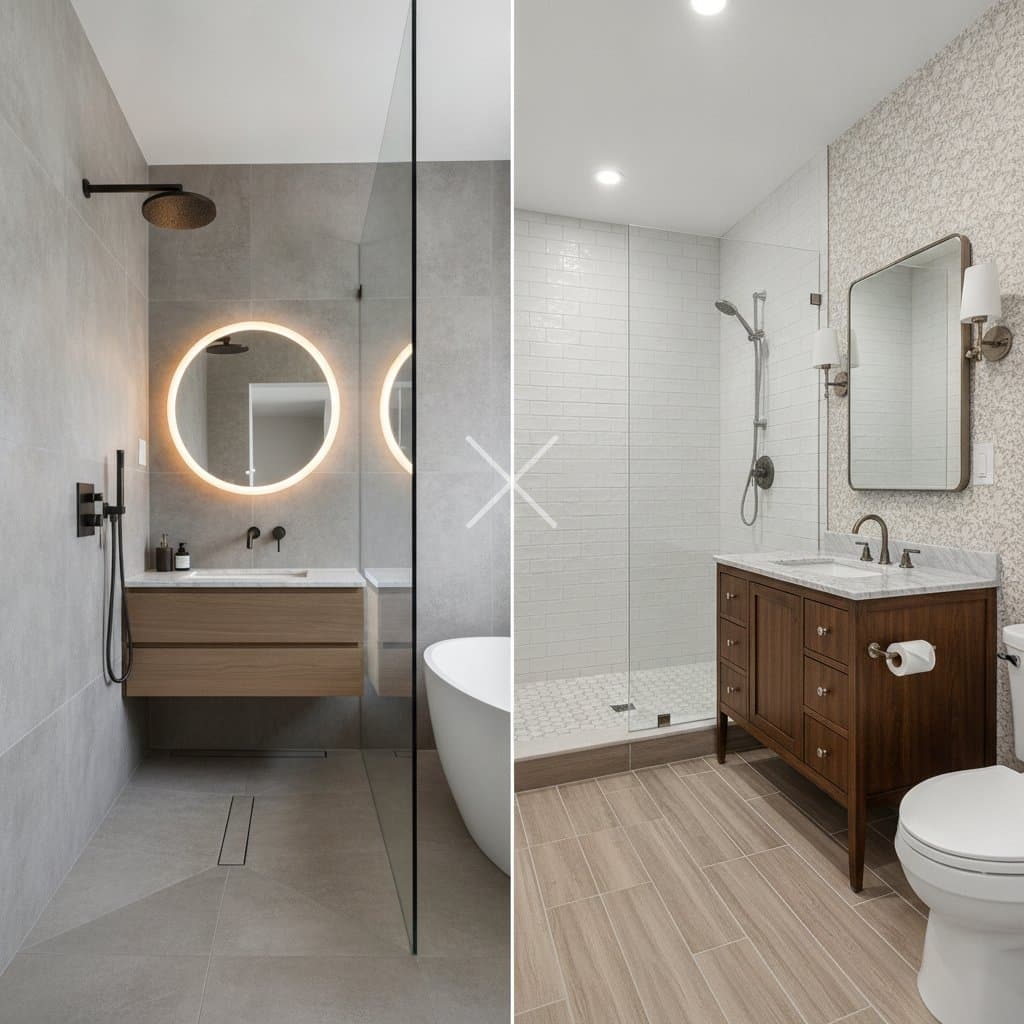
Fundamental supplies control costs, whereas upscale options accelerate increases. For instance, a basic threshold-free shower employs ceramic tiles at $5 to $10 per square foot; premium stone variants climb to $25 per square foot or higher.
Design Complexity
Bespoke cabinetry, embedded seating, and embedded automation systems amplify planning expenses. Each customization extends work time, billed at $75 to $150 hourly for skilled artisans.
Home Layout and Age
Aged properties might need foundational electrical or plumbing enhancements prior to access features. Confined passages, supportive walls, or irregular bases complicate setups, boosting labor and supplies.
Ways to Save
Aging-in-place overhauls carry significant price tags, yet targeted tactics curb outlays while upholding safety and durability.
-
Target essential spaces: Direct funds to bathrooms, kitchens, and portals initially for maximal routine gains.
-
Integrate modifications: Merging efforts minimizes labor through fewer on-site interruptions.
-
Select balanced materials: Resilient, maintainable options underperform luxury alternatives in expense yet excel in longevity.
-
Explore aid programs: Certain municipal entities and charities provide funding or favorable financing for access alterations.
-
Opt for prefabricated items: Ready-made ramps, adaptable sills, and configurable storage cut bespoke manufacturing needs.
-
Anticipate needs: Incorporate preparatory pipework or wiring in concurrent projects to avert later disruptions.
Return on Investment (ROI)
Aging-in-place enhancements elevate property worth and curtail ongoing residence expenses. Recovery rates differ by region, yet owners reclaim 50% to 70% via superior marketability and sidestepped care fees.
Principal ROI advantages:
- Diminished health risks: Secure settings reduce accident expenses.
- Enhanced market draw: Adaptable properties lure diverse purchasers.
- Economized living: Home retention undercuts facility relocation costs.
High-yield initiatives feature bathroom adaptations, primary-level sleeping quarters, and level entries, attracting seniors and adaptable family units alike.
Cost Methodology
These estimates draw from nationwide contractor bids, industry polls, and vendor rates for access supplies. Local wages and property states adjust figures. Projections assume moderate-grade materials and expert deployment.
DIY vs Hiring a Pro
Choosing self-directed or expert assistance turns on project breadth, difficulty, and hazard levels.
Suitable for DIY:
- Affixing support bars or rails
- Updating drawer pulls and spigots
- Incorporating intensified lights or detectors
Require professionals for:
- Framework or support alterations
- Pipe and wire repositioning
- Tailored showers, inclines, or elevators
- Schematic and approval management
Expert involvement secures robust construction and endurance for vital safety aspects. Initial DIY economies risk harm or remedial outlays.
FAQs
How much does it cost to make a home accessible for aging-in-place?
Most owners invest $10,000 to $100,000, varying by extent and scale.
What are the most important aging-in-place features?
Prioritize level entries, reachable bathrooms, lever grips, slip-proof floors, and superior lighting.
Can I remodel one room at a time?
Yes. Numerous owners commence with bathrooms or entrances, progressing gradually.
Does insurance or Medicare cover aging-in-place renovations?
Standard policies seldom fund modifications, though select initiatives or grants assist.
How can I find a qualified contractor?
Seek licensed builders holding Certified Aging-in-Place Specialist qualifications or proven access expertise.
Will accessibility upgrades increase home value?
Yes. Universal elements broaden appeal and accelerate sales.
Maintaining Your Investment
Post-remodel, routine upkeep sustains accessibility and ease. Inspect support bars, rails, and lights for stability. Renew deteriorated surfaces to prevent slips. Ensure routes stay unobstructed for fluid navigation.
Schedule assessments with access-savvy builders to verify ongoing efficacy amid changing mobility. Automation tools prolong autonomy via controlled lights, alerts, and climate.
Aging-in-place efforts extend beyond initial work. They form a sustained approach to security, ease, and self-reliance. Thoughtful strategy and fiscal prudence yield a residence enduring your evolving needs.