Understanding Aging-in-Place Remodels
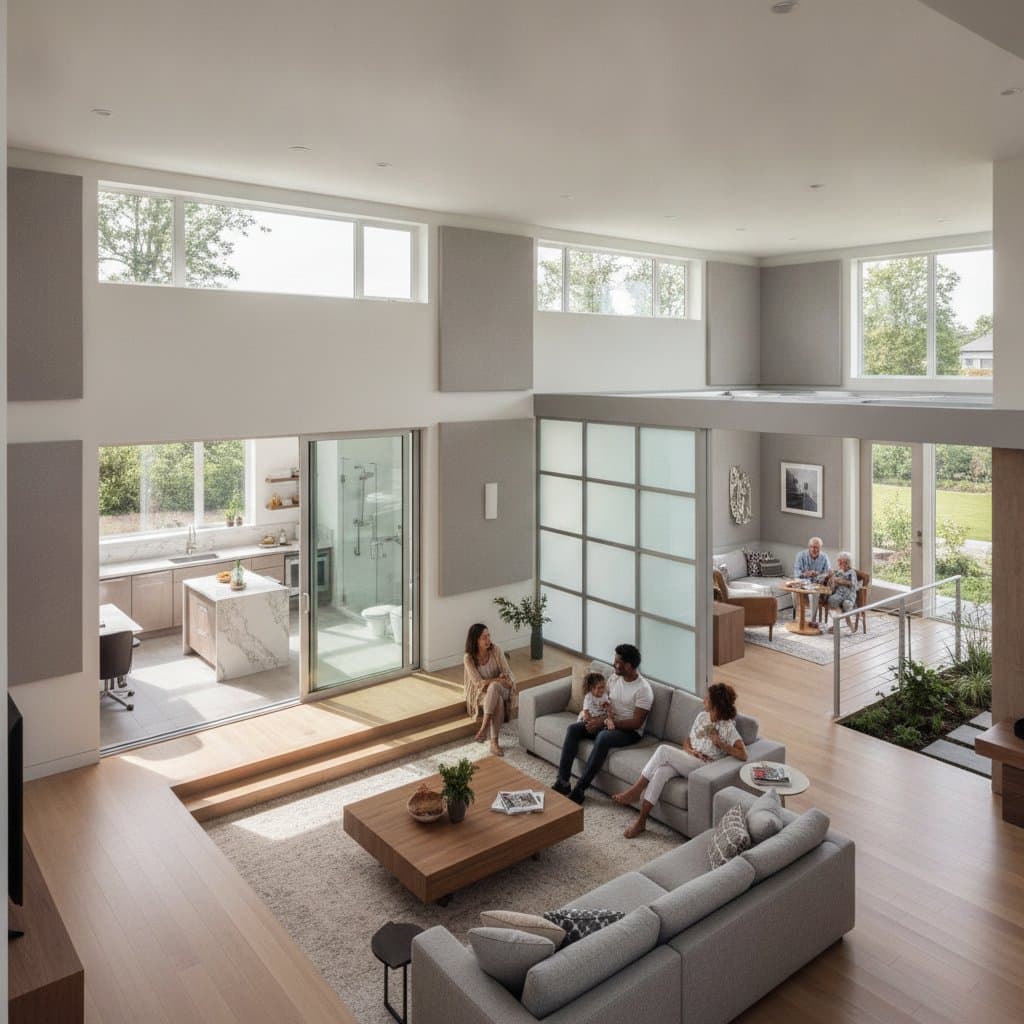
Aging-in-place remodels involve targeted home modifications that enable individuals to remain in their residences as they age. These updates focus on accessibility, safety, and convenience without requiring a move to assisted living facilities. The trend gains momentum as populations age and housing markets prioritize adaptable living spaces.
Homeowners benefit from sustained independence, which reduces relocation stress and preserves familiar environments. Real estate experts project that such remodels will become standard by 2026, driven by demographic shifts and evolving buyer preferences. This approach not only supports personal well-being but also positions properties favorably in competitive markets.
Key Benefits of Aging-in-Place Upgrades
Safety stands as the primary advantage, with features like grab bars and non-slip flooring that prevent falls and injuries. Comfort improves through ergonomic designs that accommodate mobility challenges, fostering daily ease. Independence thrives as these changes eliminate barriers to routine activities, allowing residents to maintain control over their lives.
From an investment perspective, these remodels yield substantial returns. Projections indicate a 60 to 80 percent ROI by 2026, surpassing many traditional renovations. Enhanced marketability attracts a broader buyer pool, including multigenerational families and future retirees, which accelerates sales and boosts equity.
Environmental and financial sustainability also emerge as benefits. Energy-efficient elements, such as LED lighting and smart thermostats, lower utility bills over time. Long-term healthcare cost reductions occur as safer homes decrease accident-related expenses, providing holistic value.
Essential Areas for Remodeling
Bathrooms: Prioritizing Accessibility
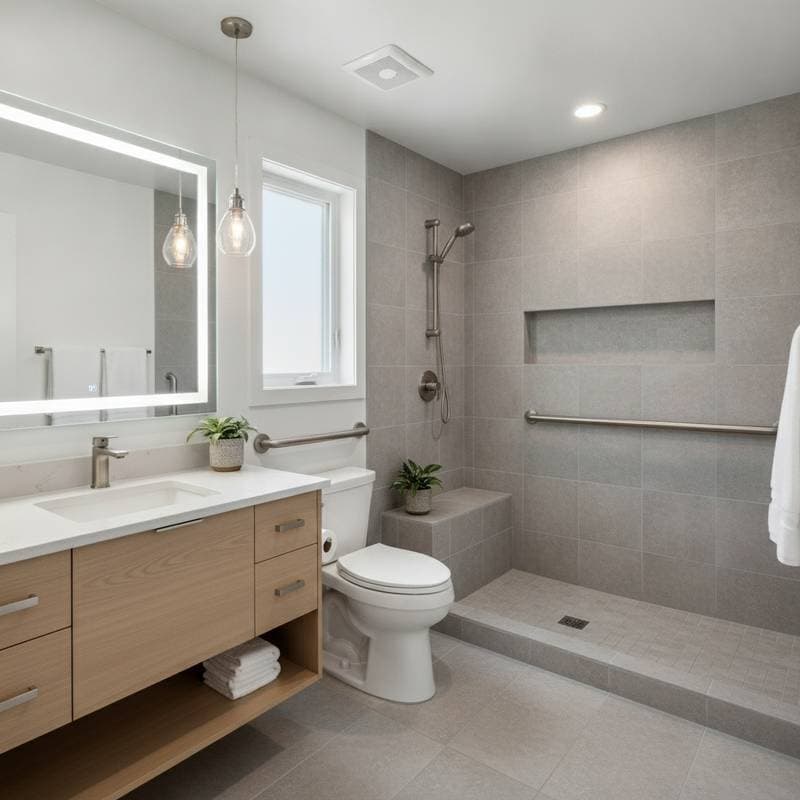
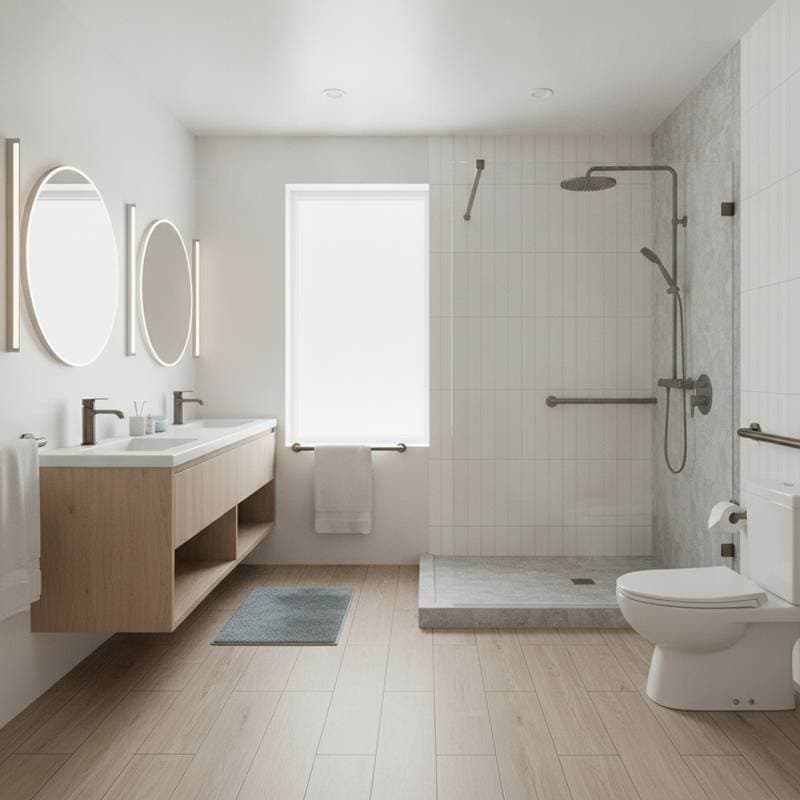
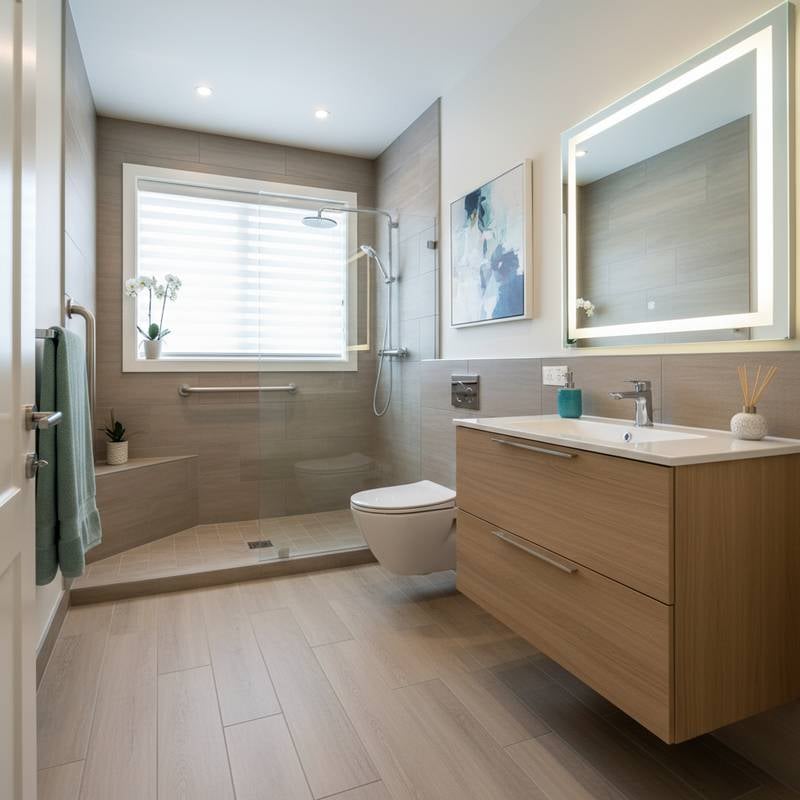
Bathrooms demand immediate attention due to inherent slip risks and reach difficulties. Install walk-in showers with built-in seating and adjustable handheld showerheads to simplify bathing. Leverage lever-style faucets and raised toilets for easier operation and support.
Zero-threshold entries eliminate tripping hazards, while anti-scald devices ensure water temperatures remain safe. These modifications cost between $5,000 and $15,000, depending on scope, yet they significantly enhance usability. Professional installation ensures waterproofing and code adherence, preventing future issues.
Kitchens: Designing for Functionality
Kitchens require adjustments for seated preparation and storage access. Lower countertops and pull-out shelves accommodate wheelchair use, while touchless faucets and voice-activated appliances streamline tasks. Soft-close cabinets and pull-down shelving reduce strain on joints.
Open layouts improve navigation, and task lighting highlights work zones without glare. Budget $8,000 to $20,000 for these updates, focusing on durable, low-maintenance materials. Such changes not only aid aging residents but also appeal to universal design principles for all users.
Entryways and Hallways: Ensuring Smooth Transitions
Entryways benefit from wider doorways, at least 32 inches, to allow easy passage for mobility aids. Ramped thresholds replace steps, and motion-sensor lighting guides arrivals safely. Hallways widen to 36 inches minimum, with handrails for stability during movement.
These foundational updates cost $3,000 to $10,000 and serve as gateways to the home's accessibility. Integrate smart locks and intercoms for security without physical effort. Thoughtful execution here sets the tone for the entire residence's flow.
Costs, ROI Projections, and Budgeting Strategies
Overall costs for comprehensive aging-in-place remodels average $25,000, varying by home size and location. Factor in materials, labor, and permits, with regional differences influencing totals. Prioritize high-impact areas to allocate funds effectively.
ROI forecasts reach 60 to 80 percent by 2026, based on rising demand for accessible homes. Appraisals show value increases of 10 to 20 percent post-renovation, outpacing general market growth. Resale advantages include faster transactions and premium pricing in retiree-friendly areas.
Smart budgeting involves phased implementation, starting with safety essentials. Consult cost estimators early to avoid overruns, and explore tax credits for accessibility improvements. Track expenses with detailed spreadsheets to monitor progress and adjust as needed.
Steps to Plan Your Remodel
-
Assess current needs through a professional home evaluation, identifying mobility and health requirements.
-
Research certified contractors experienced in universal design, reviewing portfolios and references.
-
Develop a prioritized list of upgrades, balancing immediate necessities with future-proofing elements.
-
Secure financing options, including home equity loans or grants for seniors, to cover expenses.
-
Oversee the project timeline, ensuring minimal disruption through clear communication with the team.
-
Post-completion, test all features and gather feedback to refine any adjustments.
Involve occupational therapists for personalized input, enhancing outcomes. Document the process for insurance and resale purposes.
Maximizing Long-Term Value and Livability
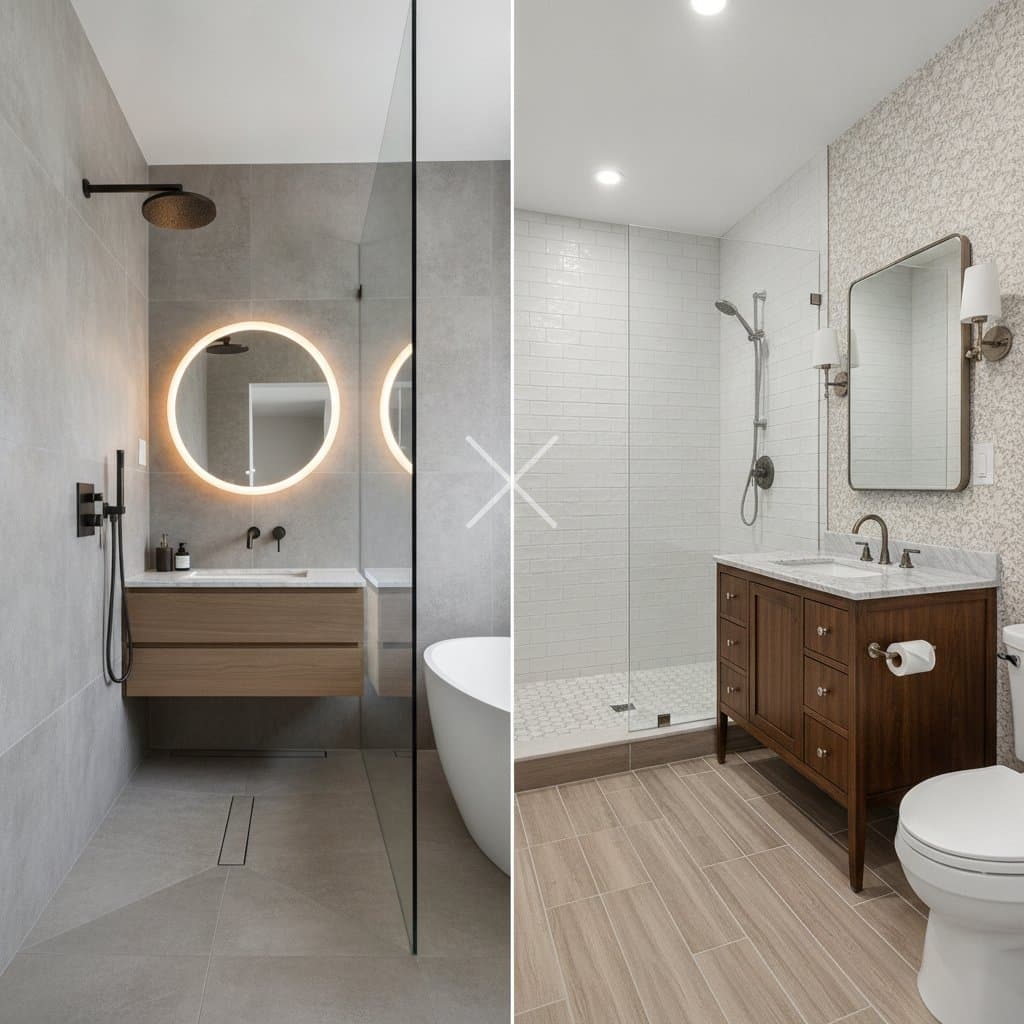
Aging-in-place remodels extend beyond immediate fixes to create enduring homes. Integrate technology like automated lighting and health monitoring systems for proactive care. Choose timeless aesthetics that blend functionality with style, avoiding dated appearances.
Regular maintenance preserves investments, with annual inspections catching wear early. These homes support aging gracefully, reducing dependency on external services. Ultimately, such renovations secure financial stability and emotional well-being for years ahead.