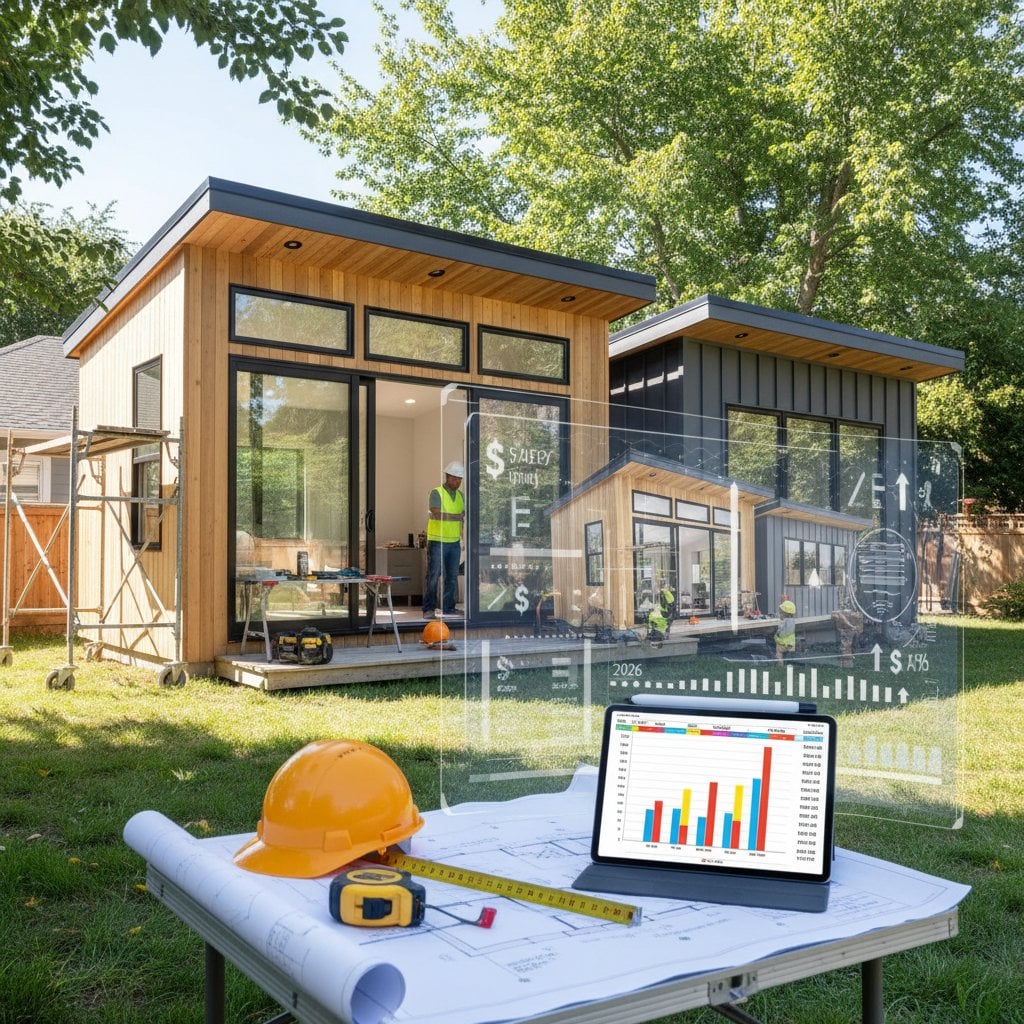
2026 ADU Costs: Budget Your Backyard Cottage Wisely
Adding an accessory dwelling unit, often called a backyard cottage or granny flat, can increase property value, create passive income, and provide flexible living space. Building one requires careful budgeting. Understanding what drives costs, how to plan realistically, and where to save will keep the project on track from design to move-in.
This guide explains what influences ADU construction costs, how to estimate the total budget, and when to rely on professional help. Practical tips to control spending without sacrificing quality appear throughout.
What Drives ADU Construction Costs
Size and Layout
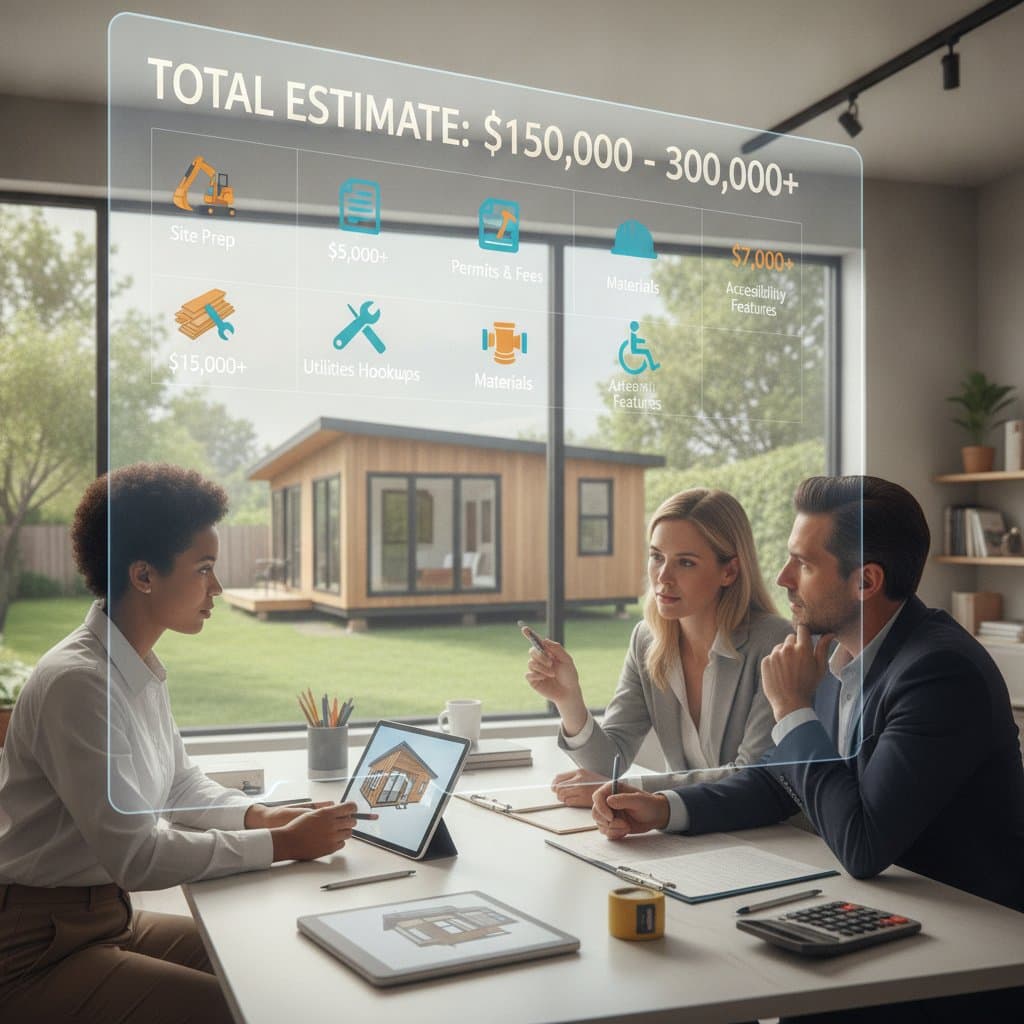
The footprint of the ADU affects nearly every line item in the budget. Smaller units, such as a 400-square-foot studio, may start near $200,000. Larger one-bedroom or two-bedroom cottages can reach $350,000 to $400,000 or more. Each additional square foot adds framing, insulation, drywall, and finish materials.
Open layouts often cost less per square foot than multi-room designs because they reduce interior walls and electrical runs. Privacy and functionality may justify the extra cost if the plan involves long-term rental.
Foundation and Site Conditions
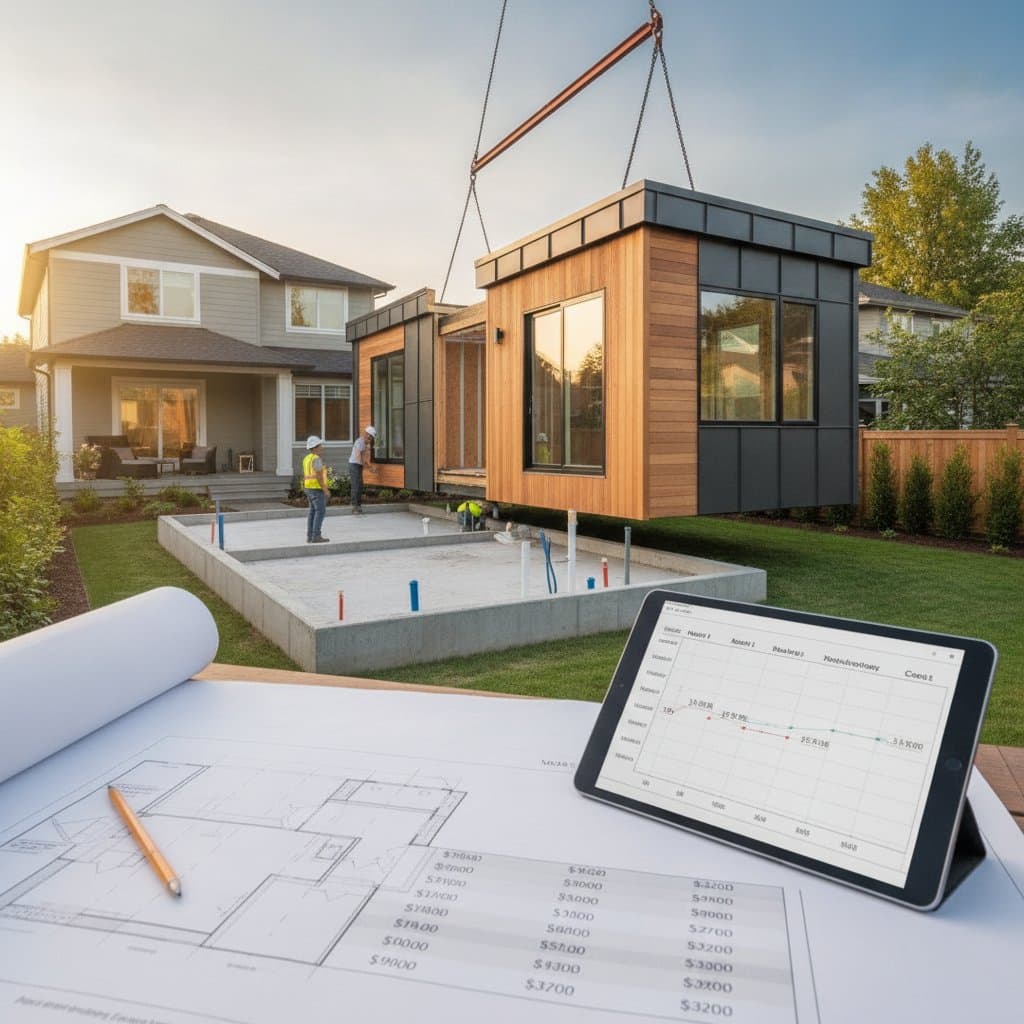
Flat, accessible lots prove cheaper to build on. Sloped or rocky ground requires excavation, grading, and retaining walls, which can add $10,000 to $30,000. Soil testing and drainage improvements may also become necessary.
If existing property utilities lie far from the new structure, trenching for electrical, water, and sewer lines can increase costs by $5,000 to $20,000. Evaluate site conditions early to anticipate these expenses.
Design and Materials
Custom designs cost more than standardized plans. Every change in roofline, window configuration, or finish level drives up labor and materials. A simple gable roof with fiber-cement siding will cost less than a complex roof shape with wood cladding and custom windows.
Interior finishes vary widely. Vinyl plank flooring and laminate countertops keep costs lower, while hardwood floors and quartz surfaces raise the total. Select materials that balance durability and appearance for optimal value.
Permits and Fees
Permitting and development fees differ by municipality. Expect to pay between $5,000 and $20,000 for permits, plan reviews, and utility connection fees. Some cities offer fee reductions for ADUs that meet affordability or sustainability standards.
Confirm local requirements early to avoid design changes during review. This step prevents delays and additional expenses.
Cost Breakdown by Category
| Category | Estimated Cost Range | Share of Total Budget |
|---|---|---|
| Site prep and foundation | $20,000–$40,000 | 10–15% |
| Framing and structure | $50,000–$100,000 | 25–30% |
| Electrical, plumbing, HVAC | $30,000–$60,000 | 15–20% |
| Interior finishes | $40,000–$80,000 | 20–25% |
| Permits and fees | $5,000–$20,000 | 5% |
| Design and engineering | $10,000–$25,000 | 5–10% |
These ranges assume standard construction on a level lot with moderate finish quality. Remote, small-lot, or hillside properties often exceed these averages. Adjust estimates based on specific project details.
DIY vs Professional Construction
When DIY Works
Individuals with construction experience may handle light demolition, painting, or landscaping. These tasks can save $2,000 to $10,000. Some homeowners also manage the permit process or act as their own general contractor to avoid markup, though this demands strong coordination skills and time commitment.
Focus DIY efforts on non-structural elements to minimize risks. Document all work for potential inspections.
When to Hire a Professional
Licensed professionals handle structural work, electrical, plumbing, and roofing. These areas require permits, inspections, and code compliance. Mistakes can void insurance coverage or reduce property value.
A professional builder or design-build firm ensures consistent quality, accurate scheduling, and compliance with zoning rules. The added supervision often prevents costly rework and supports long-term durability.
Return on Investment and Long-Term Value
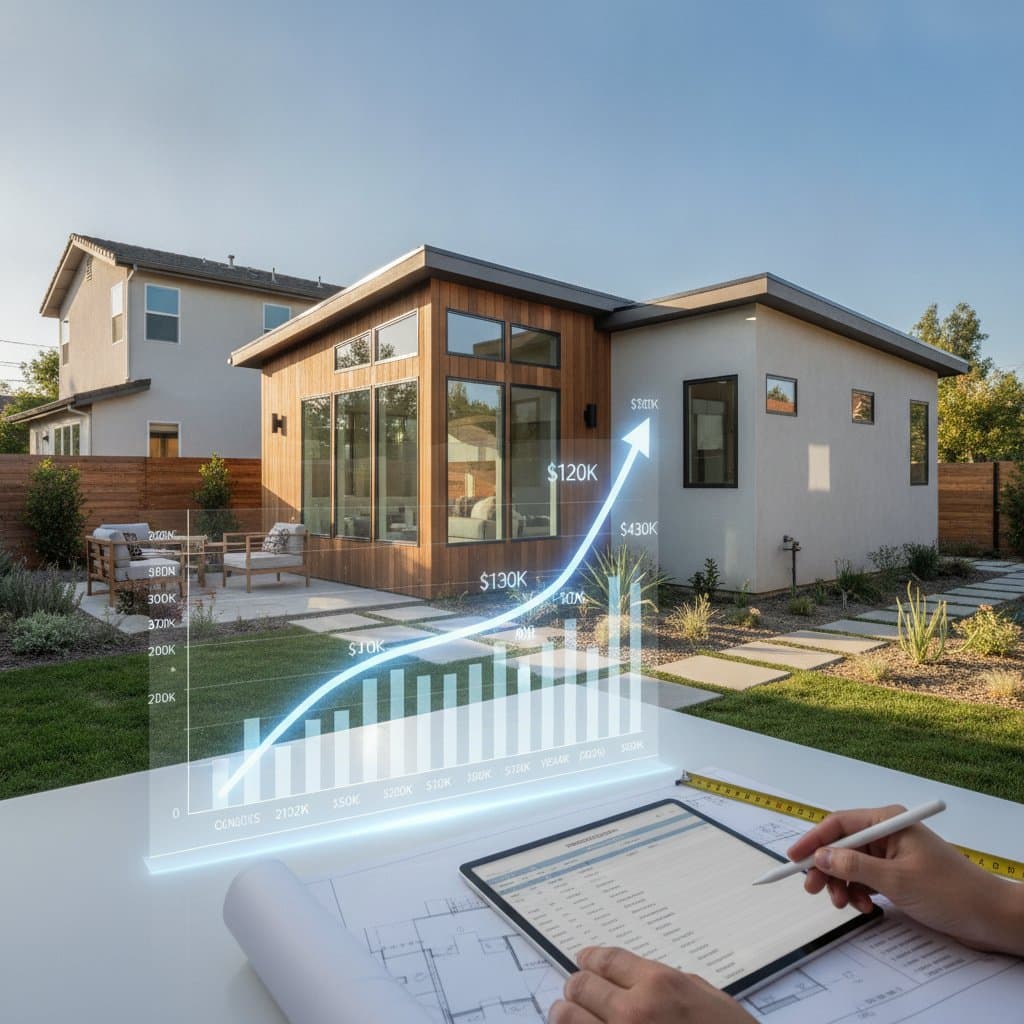
A well-built ADU can generate rental income or provide housing for family members. Typical rental returns range from $1,500 to $3,000 per month, depending on location and unit size. Many homeowners recover construction costs within ten to fifteen years through rent or increased property value.
Smaller, efficient ADUs often deliver stronger returns because they cost less to build but rent at competitive rates. Consult an appraiser to estimate potential value increases before committing to construction.
Smart Ways to Save Without Cutting Corners
Use Pre-Designed Plans
Prefabricated or semi-custom plans reduce design fees and shorten permitting timelines. Builders familiar with these plans can price and schedule more accurately, saving both time and money. Review options from reputable sources to match site constraints.
Simplify the Shape
Stick to a rectangular or square layout. Complex rooflines, dormers, or bump-outs require more framing and flashing, which adds labor cost and increases leak risk. Simple designs also speed up construction by 10 to 20 percent.
Combine Utility Runs
Place kitchens and bathrooms close together to shorten plumbing and vent lines. Compact layouts can save $3,000 to $8,000 in rough-in costs. This approach enhances efficiency without compromising usability.
Choose Midrange Finishes
Select materials that perform well without luxury pricing. Durable vinyl flooring, solid-surface counters, and quality cabinet boxes create a polished look at a moderate cost. Prioritize low-maintenance options for rental units.
Plan for Energy Efficiency
Add insulation, efficient windows, and LED lighting to reduce long-term utility bills. State or local rebates can offset part of these expenses. Energy-efficient features also appeal to renters and may qualify for incentives.
Regional and Material Factors
Climate and local building practices influence costs. In colder regions, additional insulation and weatherproofing become required. In warmer areas, efficient cooling systems and shading take priority.
Material prices fluctuate by region. Lumber, concrete, and roofing materials may cost more in remote areas due to transportation. Partner with a builder who sources materials locally and understands the permitting climate in the area.
Safety, Code, and Permitting Considerations
An ADU must meet the same structural, electrical, and fire-safety standards as a primary residence. Before construction, confirm that property zoning allows a detached or attached ADU. Review setback requirements and height limits.
Permits cover structural integrity, energy efficiency, and sanitation. Electrical and plumbing work must undergo inspection before walls close. Skipping permits can lead to fines or force removal of unapproved work later.
Choosing the Right Professional
Request multiple bids with detailed scopes of work when hiring. Compare inclusions such as grading, foundation, and utility tie-ins. Ask for references from homeowners with similar projects to gauge reliability.
Seek contractors who specialize in ADUs or small residential additions. They understand space efficiency, code requirements, and cost control. Verify license status, insurance coverage, and permit experience before signing contracts.
Common Questions About ADU Costs
How long does an ADU take to build?
Most projects take six to twelve months from design through completion, depending on permit timelines and weather conditions. Factor in potential delays for material sourcing.
Can I convert an existing garage instead of building new?
Yes. Converting a garage can cost $100,000 to $200,000, often less than new construction. Structural upgrades and insulation usually prove necessary to meet codes.
Do ADUs increase property taxes?
Yes, but only based on the added value of the new structure, not the entire property. Contact the local assessor to estimate the change accurately.
What financing options exist for ADUs?
Home equity loans, construction loans, and some specialized renovation programs serve as common choices. Compare interest rates and repayment terms before selecting one.
Steps to Launch Your ADU Project
Building a backyard cottage represents a rewarding investment when planned carefully. Start with a clear budget and confirm zoning and utility capacity. Assemble a team of experienced professionals who understand ADU construction and local regulations.
Focus on long-term livability to maximize benefits. Track progress against the budget to ensure the project delivers lasting value and financial returns.