Future-Proof Your Bath: Aging-in-Place Remodeling Costs and Smart Design Choices
A bathroom designed for aging in place supports independence, comfort, and safety through every stage of life. Thoughtful upgrades prevent falls, simplify daily routines, and reduce the need for future renovations. This guide outlines practical updates, cost ranges, and design strategies to create an accessible bathroom that remains functional and attractive for years to come.
What This Guide Covers
- Key features that enhance safety and ease of use in a bathroom
- Typical costs for accessible remodeling projects
- Recommendations for DIY versus professional installation
- Considerations for long-term value and maintenance
- Tips for selecting a qualified remodeling contractor
Core Features of an Accessible Bathroom
1. Curbless or Walk-In Shower
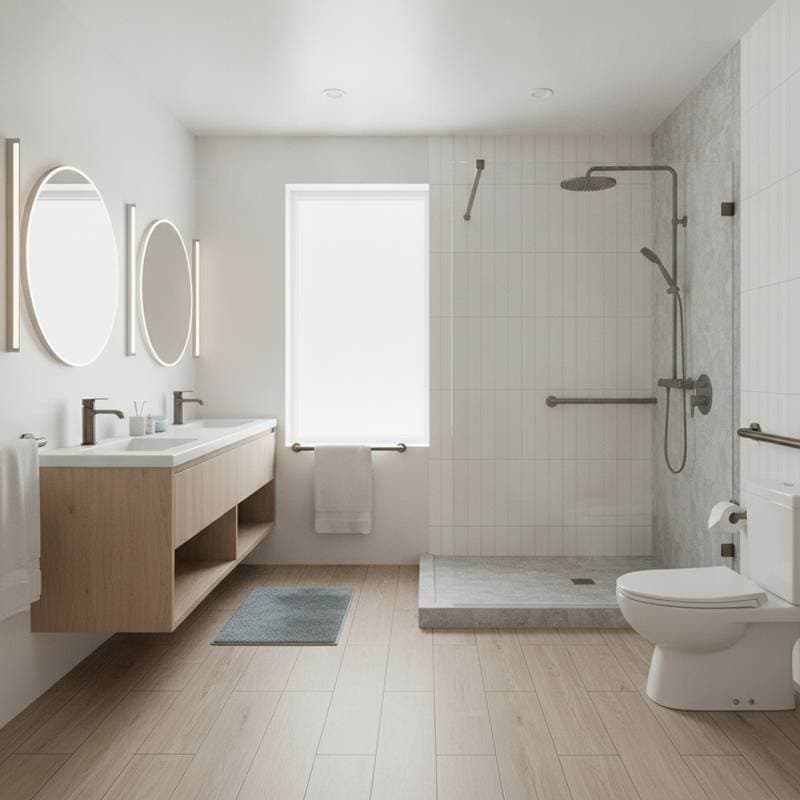
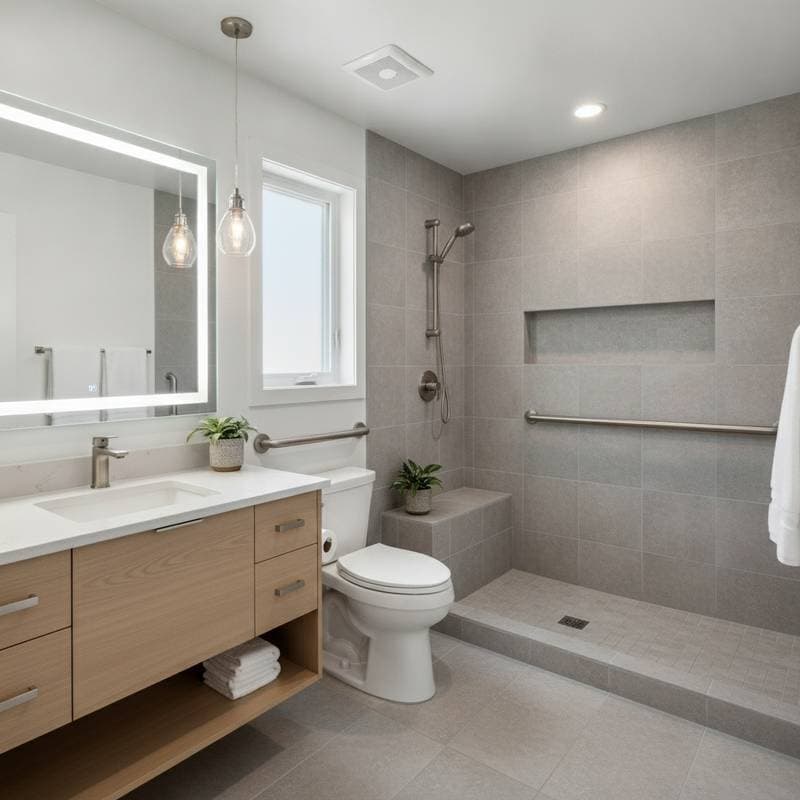
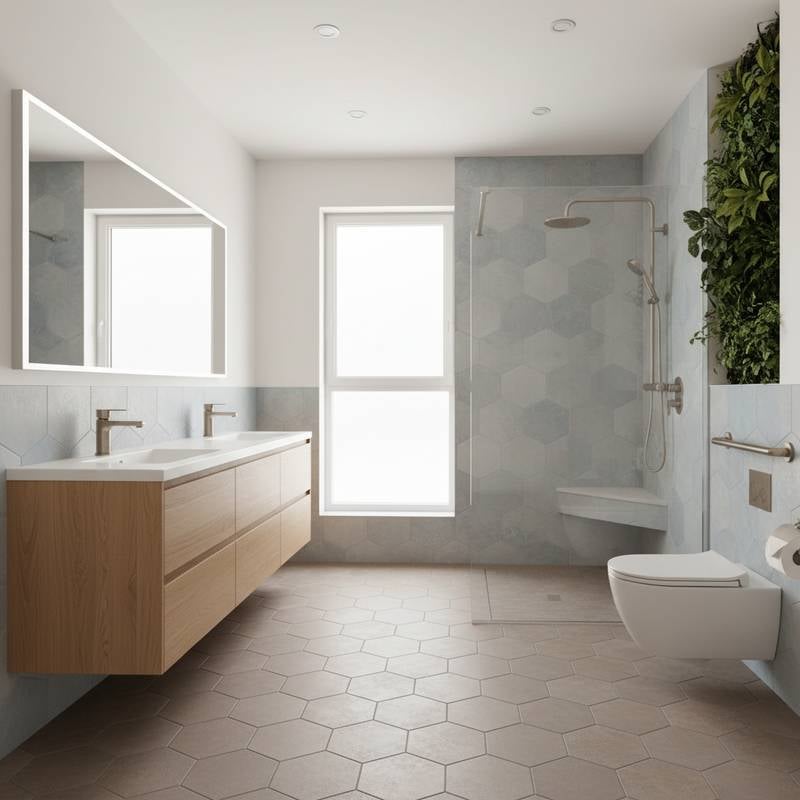
A low-threshold or curbless shower eliminates tripping hazards and allows for wheelchair access if requirements evolve over time.
Installation costs range from $4,000 to $9,000, influenced by choices in tile, waterproofing systems, and necessary plumbing adjustments.
Professionals handle this project due to the complexity of waterproofing and drainage. Improper slopes lead to leaks or standing water, which compromise safety.
Select slip-resistant flooring with a textured surface. Incorporate a built-in bench or fold-down seat to support seated showering without strain.
2. Grab Bars for Support
Strategically placed grab bars provide essential support during transfers, such as entering or exiting the bathtub or shower.
Costs for reinforced installation and bars range from $200 to $600 per location, including hardware and mounting.
Homeowners with carpentry skills manage basic installations, but professionals reinforce walls to meet load-bearing standards and prevent future failures.
Position bars at 33 to 36 inches above the floor for optimal reach. Opt for concealed mounting kits to preserve a seamless aesthetic.
3. Comfort-Height Toilets
Toilets elevated to a seat height of 17 to 19 inches facilitate easier sitting and standing for individuals with reduced mobility.
Expect expenses of $300 to $800, covering materials and professional installation.
Experienced DIYers replace standard toilets, yet plumbers guarantee secure seals and appropriate venting to avoid issues.
Pair with an elongated bowl for enhanced comfort. Add an automatic flushing mechanism to minimize physical effort.
4. Lever-Style Handles and Faucets
Lever handles require less grip strength than traditional knobs, making them ideal for arthritic hands or limited dexterity.
Budget $150 to $400 for single-handle faucets and door levers, including installation.
These updates suit DIY efforts with basic tools, though plumbers address faucet integrations to ensure leak-free performance.
Choose pull-out spray heads on faucets for versatile reach. Install lever sets on all doors leading to the bathroom for consistent accessibility.
5. Non-Slip Flooring
Surfaces like smooth tile or polished stone heighten fall risks, particularly in wet conditions. Materials with enhanced traction mitigate these dangers.
Installed costs for quality vinyl, textured porcelain, or rubber flooring fall between $3 and $10 per square foot.
DIY applies to smaller areas, but experts manage tile layouts to achieve proper slopes and waterproofing.
Favor matte finishes and smaller tiles with increased grout lines for superior grip. Test coefficient of friction ratings above 0.6 for safety assurance.
6. Adjustable Vanity and Sink
Vanities at 28 to 34 inches high with open space underneath accommodate wheelchair users and allow for seated grooming tasks.
Remodeling expenses range from $1,000 to $2,500, depending on custom cabinetry and sink selections.
Carpenters or contractors oversee modifications to align with universal design standards and plumbing alignments.
Incorporate pull-out shelves and touchless faucets. Select quartz or solid-surface countertops for durability and easy cleaning.
7. Improved Lighting and Controls
Adequate illumination eliminates shadows and boosts visibility. Motion-activated lights curb nighttime disorientation and falls.
Allocate $400 to $1,000 for a layered system featuring task, ambient, and accent lighting options.
Fixture swaps present straightforward DIY tasks, whereas electricians manage new circuits or dimmer installations.
Employ LED bulbs in warm tones with high color rendering indices above 90. Position controls at 48 inches or lower for reachable access.
Understanding Cost Factors
Total expenses for an aging-in-place bathroom remodel vary by room size, material selections, and project scope.
For a mid-range accessible remodel, anticipate the following breakdown:
- Plumbing and fixtures: $3,000 to $6,000
- Flooring and tile: $2,000 to $4,000
- Cabinetry and countertops: $1,500 to $3,000
- Lighting, electrical, and ventilation: $800 to $1,500
- Labor and permits: $4,000 to $8,000
The average total reaches $12,000 to $22,000, scaled by design intricacies and finish qualities.
Partial upgrades, including grab bars and refreshed flooring, start at $2,500 to $5,000. Comprehensive overhauls with walk-in tubs, curbless showers, and structural shifts exceed $25,000.
Maximizing Return on Investment
An accessible bathroom design elevates safety and usability while curbing ongoing expenses. Implement these strategies to optimize value:
- Reinforce walls during any remodel, even without immediate grab bar placement, to prepare for future adaptations.
- Select neutral palettes and enduring fixtures to sustain broad market appeal upon resale.
- Prioritize robust waterproofing techniques to avert costly moisture-related damages.
- Choose resilient options like porcelain tiles, quartz surfaces, and brass hardware for extended service life and minimal upkeep.
- Design for modularity with elements such as detachable seats and height-adjustable storage to accommodate shifting requirements.
Common Questions About Aging-in-Place Bathrooms
What flooring option provides the best slip resistance?
Textured porcelain tiles or luxury vinyl planks in matte finishes deliver superior traction alongside straightforward maintenance.
Do curbless showers demand unique drainage solutions?
They require a sloped floor pan and linear drains to channel water effectively and avoid accumulation.
Can an accessible bathroom retain a modern aesthetic?
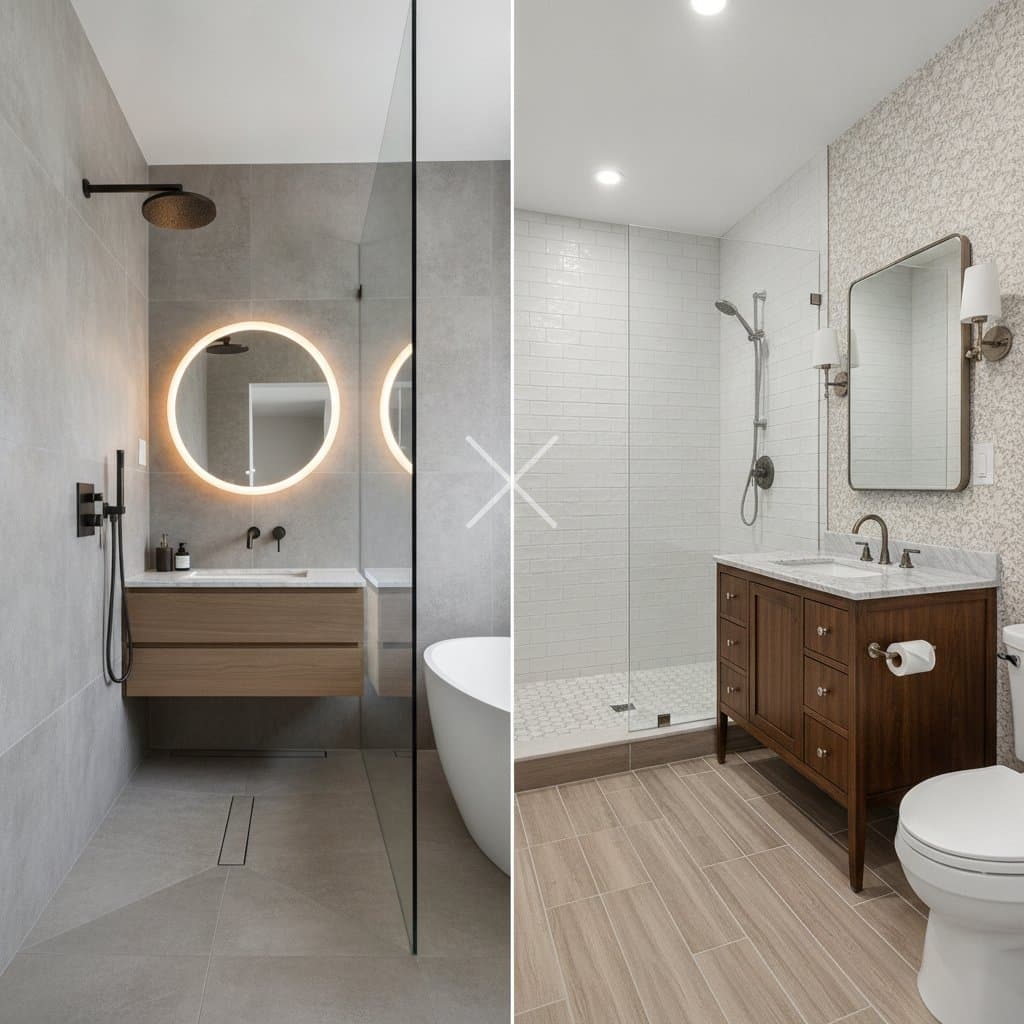
Modern elements like frameless glass panels, minimalist fixtures, and streamlined hardware ensure a sophisticated, uncluttered look.
Are walk-in tubs a worthwhile investment?
Priced at $5,000 to $10,000 installed, they benefit those with significant mobility limitations, though curbless showers often favor easier maintenance and higher resale potential.
How much time does an accessible remodel typically require?
Projects span two to four weeks, contingent on plumbing alterations, tiling durations, and permit approvals.
Sustaining Accessibility and Style Over Time
Future-proofing extends beyond initial compliance with accessibility guidelines. It involves strategic planning aligned with present habits and prospective needs.
Engage contractors versed in universal design and regional codes to execute these visions effectively.
Durable selections, intuitive arrangements, and versatile components yield a space that upholds autonomy indefinitely. Professional oversight ensures the result balances elegance with enduring practicality as circumstances change.