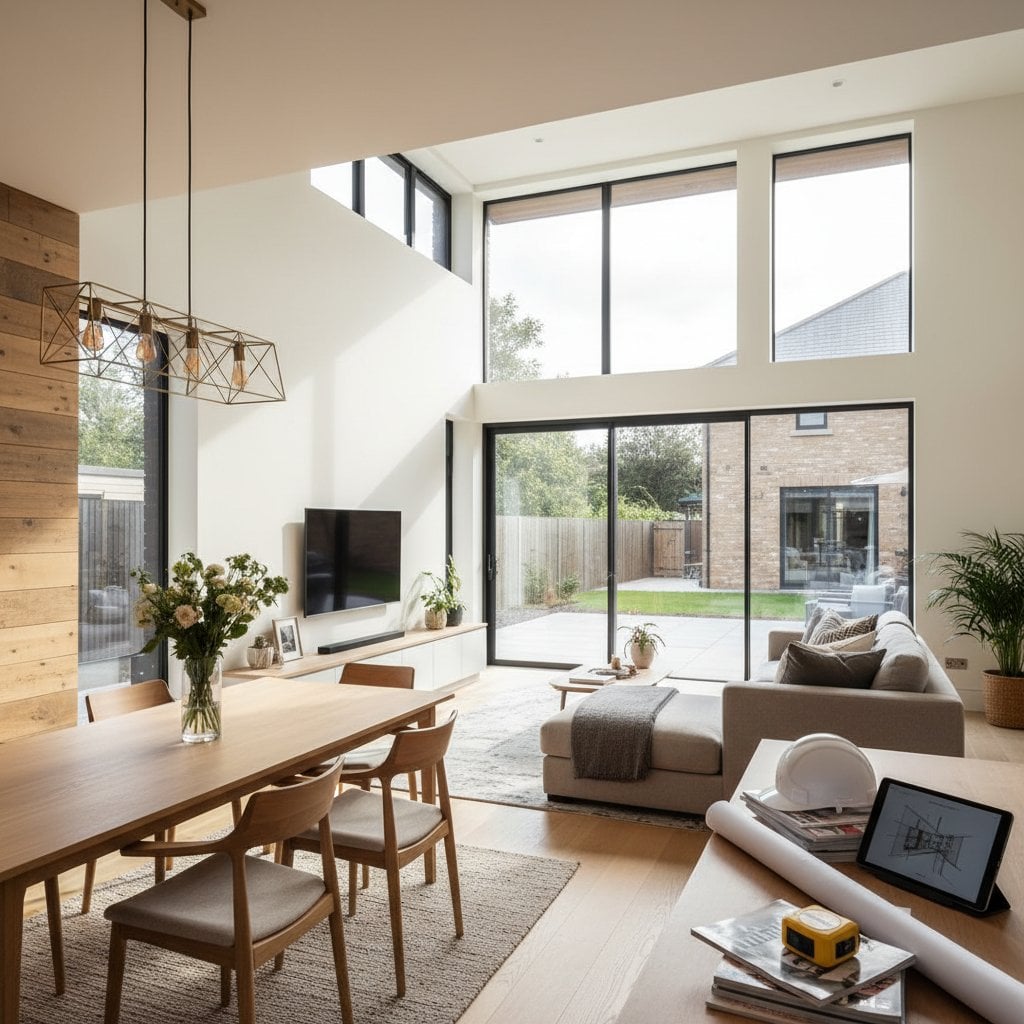
2025 Home Addition Costs: Trends Shaping Budgets
Homeowners often seek to expand their living spaces to accommodate growing families, remote work setups, or enhanced entertainment areas. In 2025, home addition costs range from $150 to $350 per square foot, influenced by factors such as location, materials, and design complexity. This guide provides a comprehensive breakdown of these expenses, helping you navigate budgeting decisions with confidence.
Regional variations play a significant role in pricing. For instance, urban areas with high labor rates may push costs toward the upper end, while rural locations offer more affordable options. Understanding these elements ensures your project aligns with financial expectations and delivers lasting value.
Quick Overview
Home additions encompass a variety of projects, from modest room extensions to multi-level expansions. Average costs break down as follows: basic additions at $150 to $200 per square foot, mid-range projects at $200 to $275, and luxury builds exceeding $300. Key influences include site preparation, permitting fees, and integration with existing structures.
Planning requires evaluating your home's current layout and local building codes. Early consultation with architects or contractors can reveal hidden expenses, such as soil testing for foundations. This overview equips you to estimate totals accurately and avoid surprises during execution.
Factors Influencing 2025 Costs
Material selections drive a substantial portion of expenses. Energy-efficient options like insulated concrete forms or recycled steel add upfront costs but reduce long-term utility bills. Labor accounts for 40 to 60 percent of the budget, varying by project scale and contractor expertise.
Sustainability trends shape 2025 pricing significantly. Solar-ready roofing or low-VOC finishes increase costs by 10 to 15 percent yet qualify for rebates. Design elements, such as open-concept layouts or smart home integrations, further elevate expenses while enhancing functionality.
Permitting and inspections contribute 5 to 10 percent of the total. In seismic zones, reinforced framing adds $20 to $50 per square foot. By prioritizing durable, trend-aligned choices, homeowners maximize return on investment through improved energy efficiency and market appeal.
DIY vs Professional Guidance
For budget-conscious homeowners, partial DIY involvement suits simpler tasks. Experienced individuals might handle cosmetic finishes, saving on labor without compromising safety. However, complex structural work demands professional oversight to meet code standards and prevent costly errors.
Safe DIY Tasks
- Interior demolition using pry bars and hammers for non-load-bearing elements.
- Painting walls with high-quality rollers and brushes after proper surface preparation.
- Installing basic trim or shelving with level tools and adhesive supports.
- Adding insulation batts in accessible wall cavities, following manufacturer guidelines.
These activities require basic tools and adherence to safety protocols. They allow customization while keeping projects manageable for skilled amateurs.
Professional-Required Tasks
Professionals handle intricate elements to ensure stability and compliance.
- Pouring and curing concrete foundations to support added weight.
- Framing walls and roofs with engineered lumber for seismic resistance.
- Extending electrical circuits with grounded wiring and GFCI outlets.
- Routing plumbing lines with proper venting and pressure testing.
- Integrating HVAC systems for balanced airflow and efficiency ratings.
Hiring experts minimizes risks like uneven settling or code violations. Their precision supports warranty claims and resale documentation.
Cost Comparison:
Partial DIY efforts can reduce overall expenses by 10 to 20 percent through eliminated labor fees. Full professional involvement accelerates timelines by weeks and includes liability coverage. Weigh these trade-offs based on your skill level and project urgency.
Safety Warnings and Tips
Construction sites pose hazards that demand vigilance. Proper equipment selection prevents common injuries from debris or heights. Homeowners must prioritize protocols to protect themselves and family members throughout the process.
- Wear protective gear including gloves, safety glasses, and dust masks to shield against particulates and sharp edges.
- Shut off utilities such as gas lines, water supplies, and electrical breakers prior to any invasive work.
- Use stable ladders rated for your weight and secure scaffolding with guardrails above six feet.
- Test for asbestos in insulation or lead in older paints, engaging certified remediators if detected.
- Maintain clear pathways to exits, removing obstacles daily to facilitate emergency access.
Regular breaks and hydration sustain focus during labor-intensive phases. Document safety measures for insurance purposes and dispute resolution.
Cleanup and Disposal
Efficient debris management maintains site order and complies with regulations. Segregate waste streams to streamline removal and reduce landfill contributions. Professional haulers handle bulk items, ensuring environmental responsibility.
Sort materials into categories: recyclable metals like wiring scraps, clean lumber for reuse, and non-hazardous drywall fragments. Transport paints, adhesives, and solvents to designated hazardous waste centers per local schedules. For exterior projects, restore grading with topsoil and erosion-control seeding to stabilize the landscape.
Retain receipts and manifests for all disposals, as some areas mandate reporting for large-scale renovations. This practice supports tax deductions and demonstrates adherence to sustainability standards.
When to Call a Professional
Certain issues signal the need for immediate expert intervention. Delaying can exacerbate damage and inflate repair bills. Recognize warning signs early to safeguard your home's integrity.
Contact a licensed contractor upon noticing structural shifts, such as beams sagging more than one inch or cracks exceeding one-quarter inch in width. Address foundation moisture through professional drainage solutions to avert water intrusion. For electrical anomalies like frequent outages or warm outlets, schedule inspections to prevent fires.
Plumbing concerns, including unexplained leaks or low pressure, require specialized diagnostics. HVAC inefficiencies, such as uneven heating, benefit from tuned systems installed by certified technicians.
Professional Cost Ranges:
- Structural assessments and repairs: $40 to $120 per square foot, depending on extent.
- Roofing integrations for additions: $5,000 to $15,000, scaled by roof pitch and shingle type.
- Comprehensive design-build services: $200 to $400 per square foot, inclusive of planning and execution.
Select contractors methodically to secure reliable outcomes.
Contractor Selection Checklist:
- Confirm active licensing and comprehensive insurance policies.
- Obtain detailed written bids with breakdowns for materials and labor.
- Review proposed schedules, milestones, and guarantees against defects.
- Examine client testimonials and inspect completed projects firsthand.
- Establish protocols for updates, change orders, and on-site oversight.
Thorough vetting fosters trust and aligns expectations from inception.
Pro Tips for Success
Strategic foresight enhances project outcomes and longevity. Consider evolving lifestyle needs when outlining spaces. These practices integrate additions harmoniously with your home's architecture.
- Design versatile rooms that adapt to shifting uses, such as home offices converting to guest suites.
- Position utility access points for easy maintenance, like exposed panels in utility closets.
- Align new elements with originals, matching siding textures and roof slopes for cohesive aesthetics.
- Conduct phased inspections at framing, rough-in, and finish stages to catch discrepancies promptly.
- Archive all documentation, from blueprints to invoices, for future claims or property transfers.
Achieving a Seamless Expansion
A well-executed home addition transforms daily life and elevates property worth. By budgeting thoughtfully and leveraging professional input, you realize a space that endures. Invest in quality to enjoy enhanced comfort and equity for years ahead.