Is Mass Timber Cheaper Than Traditional Framing in 2025?
Quick Answer
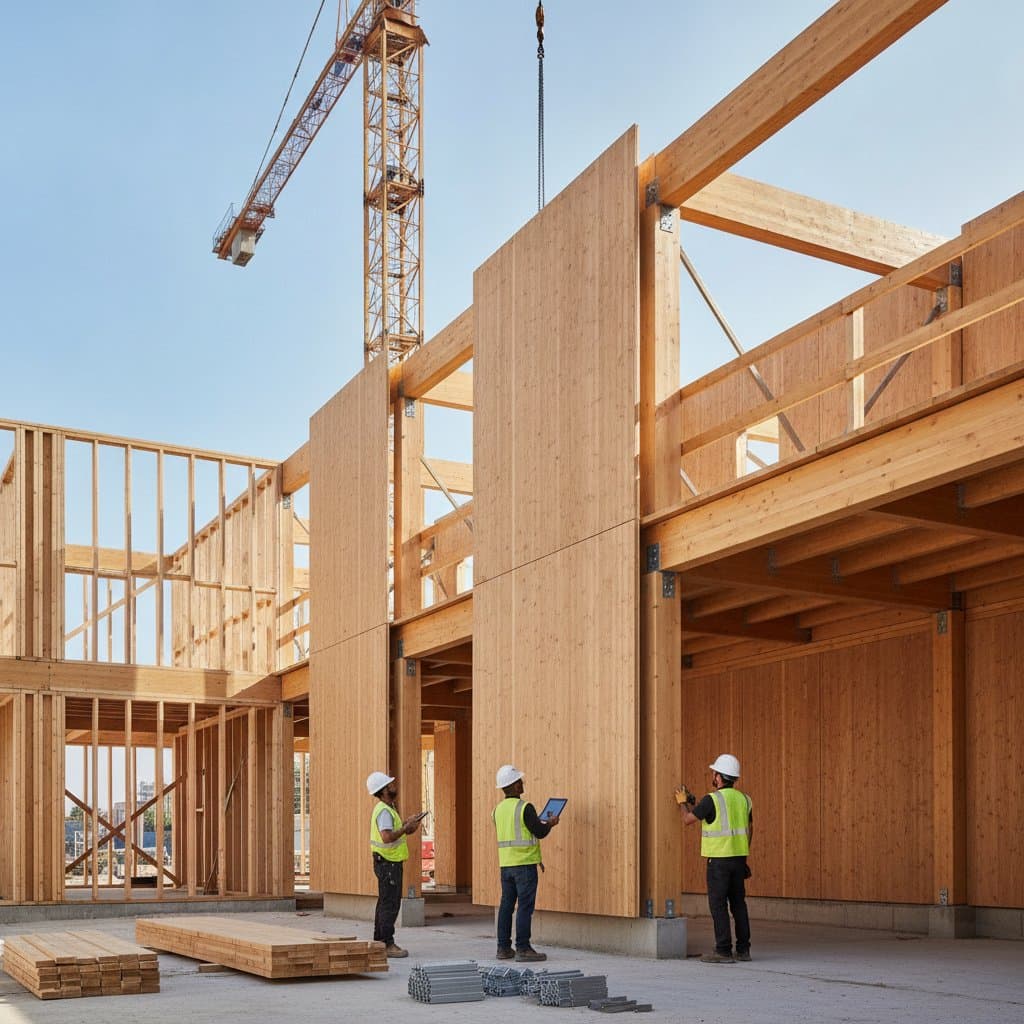
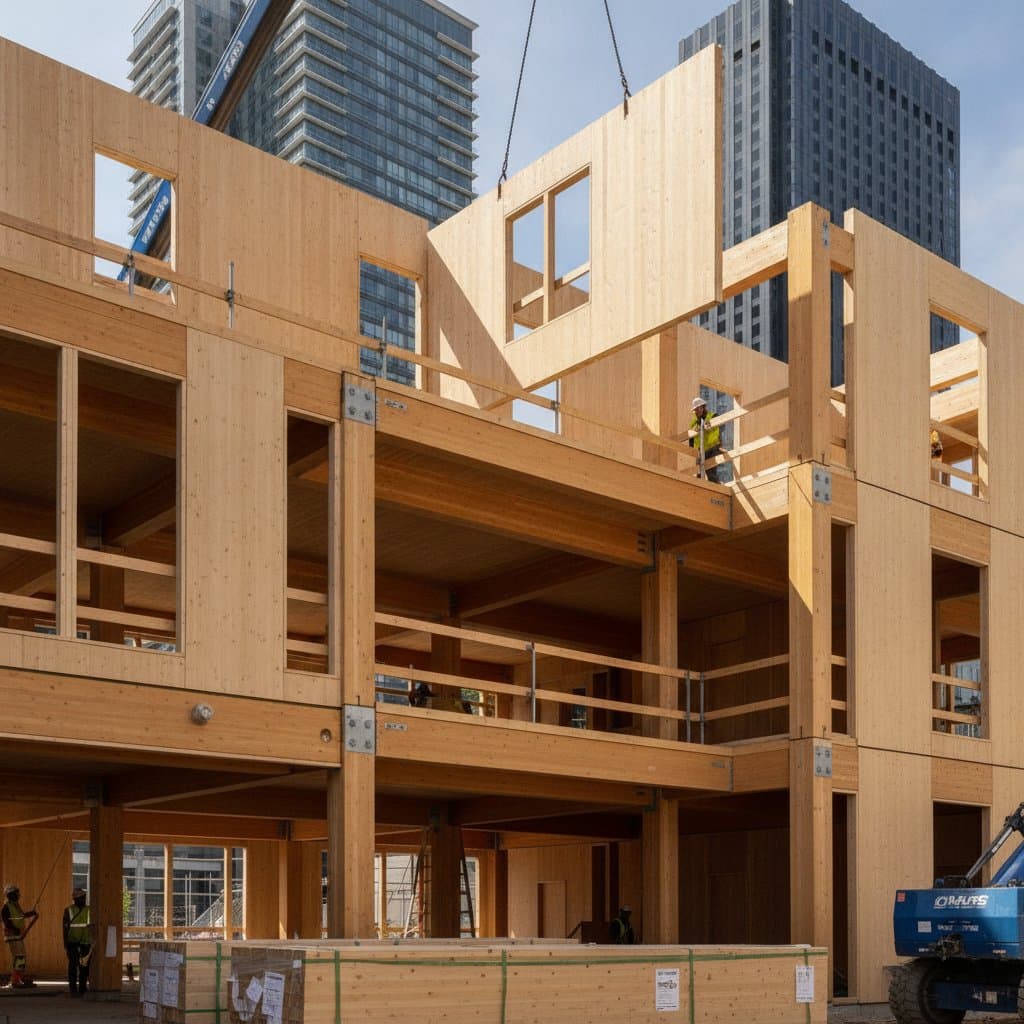
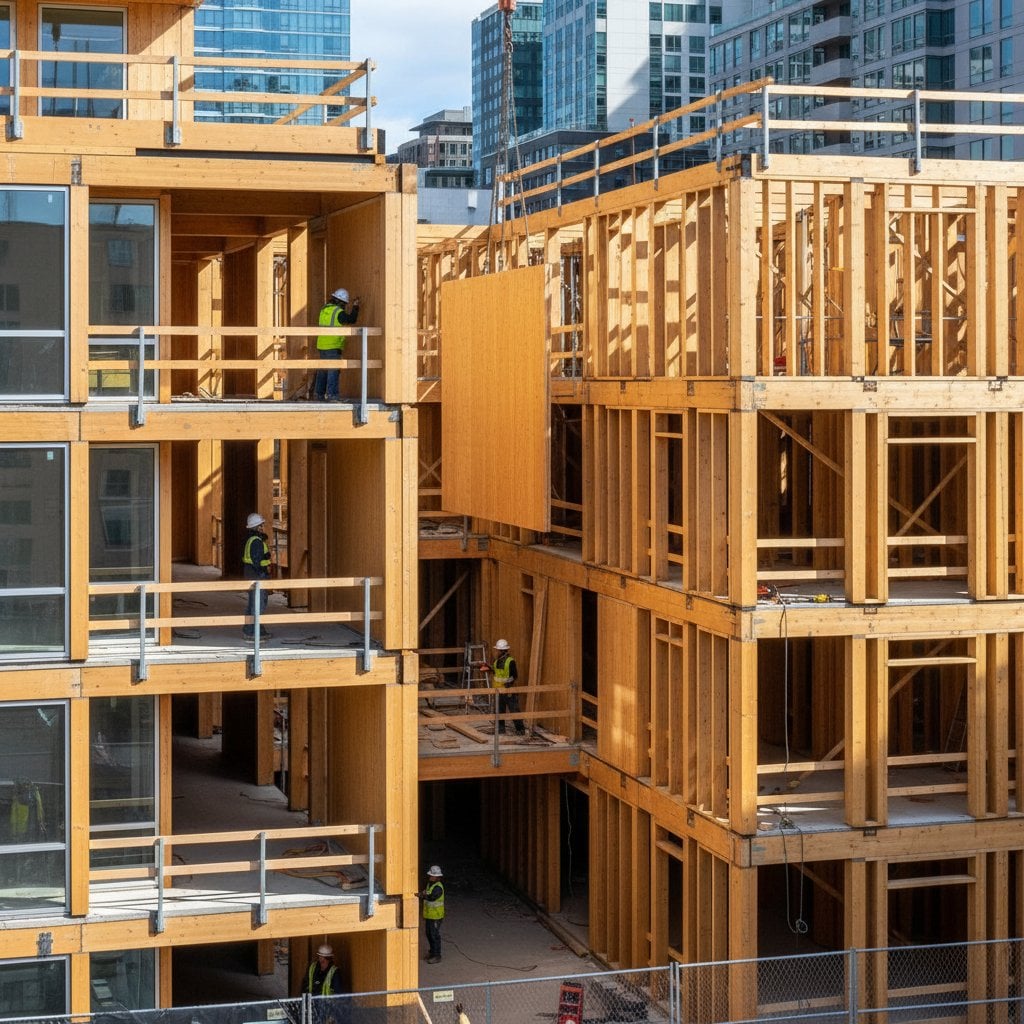
Mass timber employs large engineered wood panels to substitute for steel or concrete in structural applications. This material proves suitable for mid-rise commercial buildings and even single-family homes seeking distinctive designs. Although mass timber incurs higher upfront costs compared to traditional wood framing, it often reduces overall project expenses through accelerated construction timelines and diminished labor requirements. Material expenses typically range from 20 to 40 percent above those of stick framing, yet optimized designs and schedules enable substantial savings. Moderate risks arise from supply chain variables and code complexities, necessitating meticulous planning.
Step-by-Step Cost Comparison
1. Review Structural Design Requirements
Begin by evaluating the building size, load-bearing demands, and required fire resistance ratings.
- Mass timber panels, including cross-laminated timber (CLT), deliver exceptional strength and rigidity.
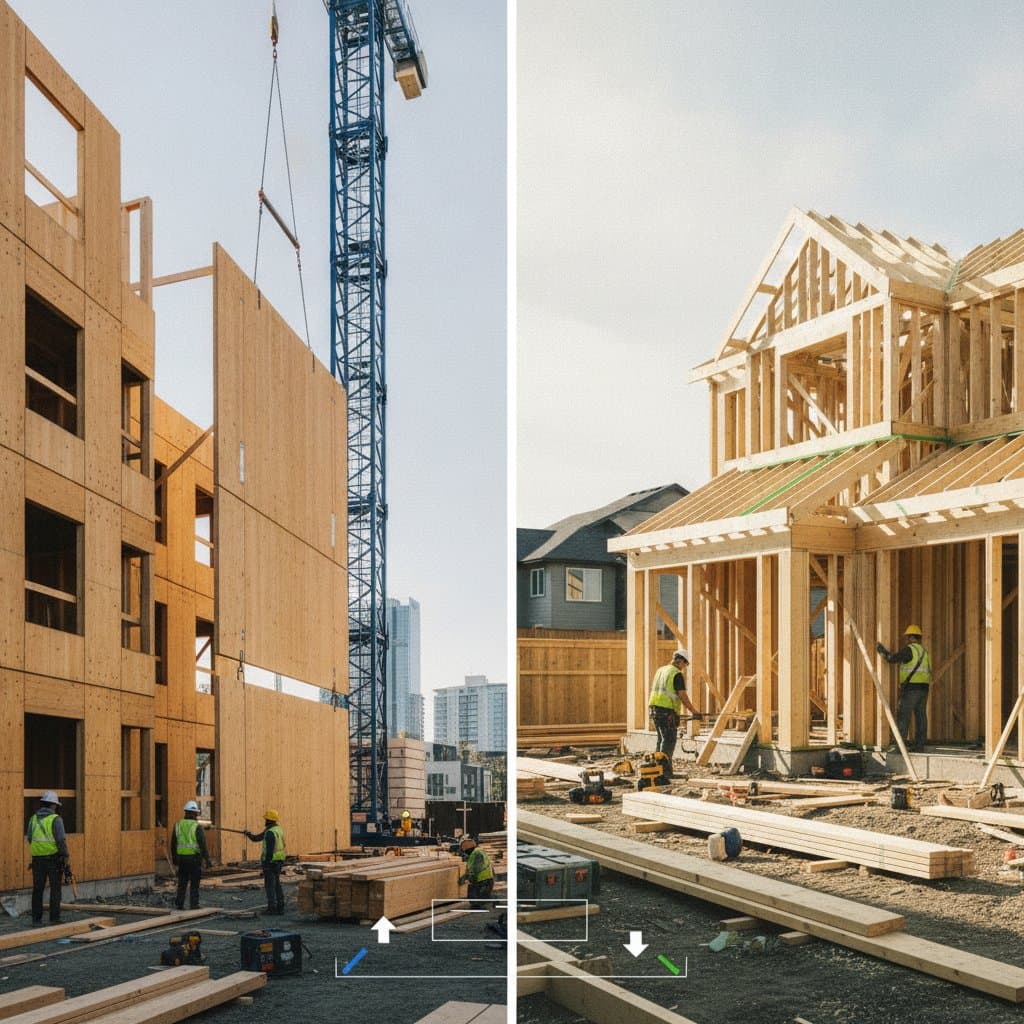
- Traditional stick framing relies on standard dimensional lumber, such as 2x4 or 2x6 studs.
A structural engineer must confirm that the design complies with local codes for both systems prior to proceeding with cost assessments. This step prevents costly redesigns later.
2. Estimate Material Costs
Obtain up-to-date quotations from reliable suppliers to establish baseline figures.
- Mass timber: $25 to $45 per square foot of floor area, varying by panel thickness and finish quality.
- Traditional stick framing: $10 to $25 per square foot, influenced by lumber grade and regional availability.
Incorporate hardware, sealants, and specialized fasteners into the calculations. CLT and glulam panels demand unique connectors, which elevate the total material expenditure by 10 to 15 percent.
3. Evaluate Labor and Equipment Needs
Prefabricated mass timber components can halve on-site framing durations compared to conventional methods.
- Traditional stick framing features lower hourly labor rates but extends the overall timeline significantly.
- Mass timber installation requires cranes, rigging equipment, and a smaller team of specialized workers.
Focus on cumulative labor expenses rather than isolated hourly costs. Expedited assembly frequently compensates for elevated skilled wages, yielding net reductions of 15 to 30 percent in labor budgets.
4. Consider Structural Efficiency
Mass timber panels support longer spans than conventional joists, minimizing the need for interior supports.
- Reduced columns enhance usable interior space and decrease associated finishing expenses.
- Traditional stick framing typically demands additional walls or beams to achieve stability.
Consult the structural engineer to quantify total material volumes and pinpoint efficiency gains. Such optimizations can lower support-related costs by up to 20 percent.
5. Factor in Fire and Code Compliance
Mass timber achieves fire resistance via a charring mechanism that shields interior layers. Traditional framing attains protection through drywall encasements and insulation barriers.
- Fire performance testing and certification documentation contribute additional upfront costs for mass timber projects.
- Certain local codes mandate supplementary fireproofing coatings on exposed surfaces.
Engage the local fire marshal at the outset to clarify inspection protocols and avert project delays. Compliance verification early in the process safeguards against unforeseen expenses.
6. Include Transportation and Logistics
Mass timber panels possess substantial size and weight, complicating transport.
- Shipping fees may span $3 to $7 per square foot, contingent on origin-destination distances.
- Traditional framing materials remain lighter and often derive from proximate sources.
Verify site access for deliveries and allocate adequate storage areas before placing orders. Poor logistics planning can inflate costs by 5 to 10 percent.
7. Account for Finishing and Integration
Mass timber frequently serves dual purposes as both structural element and aesthetic finish. Exposed wood surfaces may obviate the need for drywall or separate ceiling treatments.
- These integrations yield savings of $5 to $10 per square foot.
- Traditional stick framing necessitates comprehensive finishing applications across all surfaces.
Determine preferences for exposed or concealed framing during initial design phases. This decision directly influences the overall budget allocation.
Quality Checks and Troubleshooting
- Moisture Management: Employ a moisture meter to assess panels prior to joint sealing. Readings below 16 percent ensure prevention of swelling or degradation.
- Connection Integrity: Secure all structural bolts to the manufacturer's specified torque values. Inadequate tightening leads to structural movement and operational noise.
- Surface Protection: Coat exposed timber faces with a clear sealant to guard against ultraviolet exposure and ambient humidity fluctuations.
Reject any panels exhibiting warping or damage upon arrival; initiate supplier replacement procedures immediately. For traditional framing, inspect studs for twists or bows before incorporation to maintain build quality.
Maintenance and Lifespan
Mass timber constructions endure for decades when maintained in dry conditions with proper sealing. Annual inspections of exterior joints detect potential water ingress promptly. Reapplication of protective coatings preserves longevity and appearance.
Traditional stick framing demonstrates comparable durability under vigilant moisture oversight, though it remains susceptible to concealed rot or pest infestations. Regular maintenance mitigates these vulnerabilities effectively.
Clean exposed timber surfaces using pH-neutral solutions to sustain visual appeal. Harsh solvents damage protective finishes and accelerate wear.
When to Engage Professionals
Retain a licensed structural engineer for every mass timber project to validate load paths and connection details. Certified installers handle panel lifting and precise fitting to uphold safety standards. Multi-story endeavors require coordination with fire safety and building officials from inception.
Strategies for Project Success
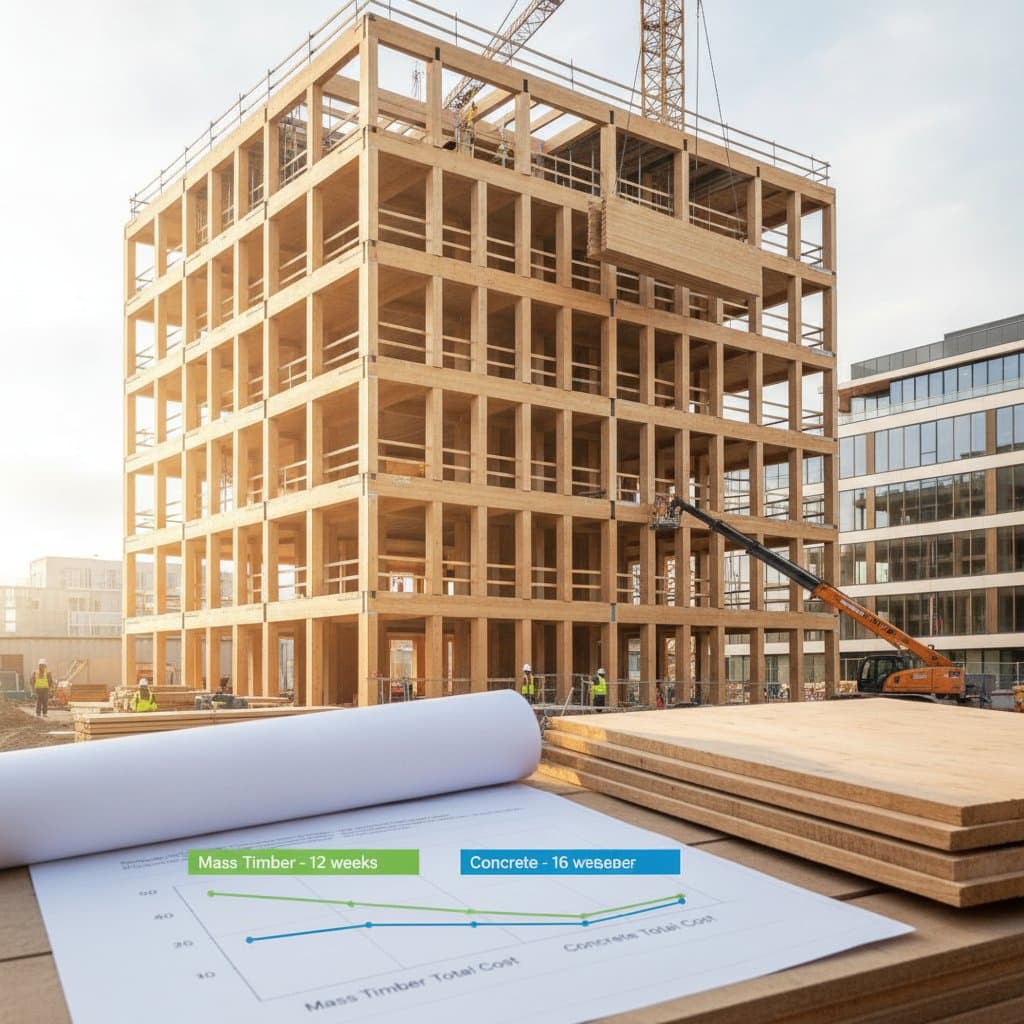
Secure mass timber orders well in advance, as fabrication timelines often extend 8 to 12 weeks. Store panels on flat, elevated surfaces under protective coverings to avert moisture absorption.
Opt for factory-applied edge finishes to minimize on-site modifications and preserve panel integrity. In traditional framing applications, select kiln-dried lumber to counteract shrinkage and distortion.
Extend comparisons beyond materials to encompass full project schedules and financing implications. Abbreviated construction periods diminish interest accruals and site holding expenses, amplifying mass timber's economic advantages.
Mass timber excels in construction velocity, environmental sustainability, and architectural versatility relative to traditional methods, despite elevated initial investments. Strategic planning equilibrates these costs via temporal efficiencies and enduring robustness. Projects emphasizing natural aesthetics, lower carbon emissions, and streamlined timelines benefit most from this innovative approach.