Understanding Mass Timber's Cost Advantages Over Traditional Methods
Mass timber has transitioned from experimental applications to widespread adoption in the construction industry. Developers and builders increasingly evaluate its economic viability against established options like steel and concrete. A clear grasp of how material expenses, labor demands, and design optimizations interplay reveals mass timber's potential to reduce overall project costs while maintaining structural integrity.
Defining Mass Timber Components
Mass timber encompasses engineered wood elements, including cross-laminated timber (CLT), glued-laminated beams, and laminated veneer lumber. These products form through the compression and bonding of wood layers, yielding robust panels and beams suitable for demanding loads. Distinct from conventional light-frame wood construction, mass timber enables multi-story buildings with superior strength and visual elegance.
Sources of Cost Efficiency in Mass Timber
The economic benefits of mass timber extend beyond material pricing to encompass installation speed, structural lightness, and streamlined operations. Project-specific variables influence outcomes, yet recurring advantages highlight its appeal.
-
Accelerated Build Schedules
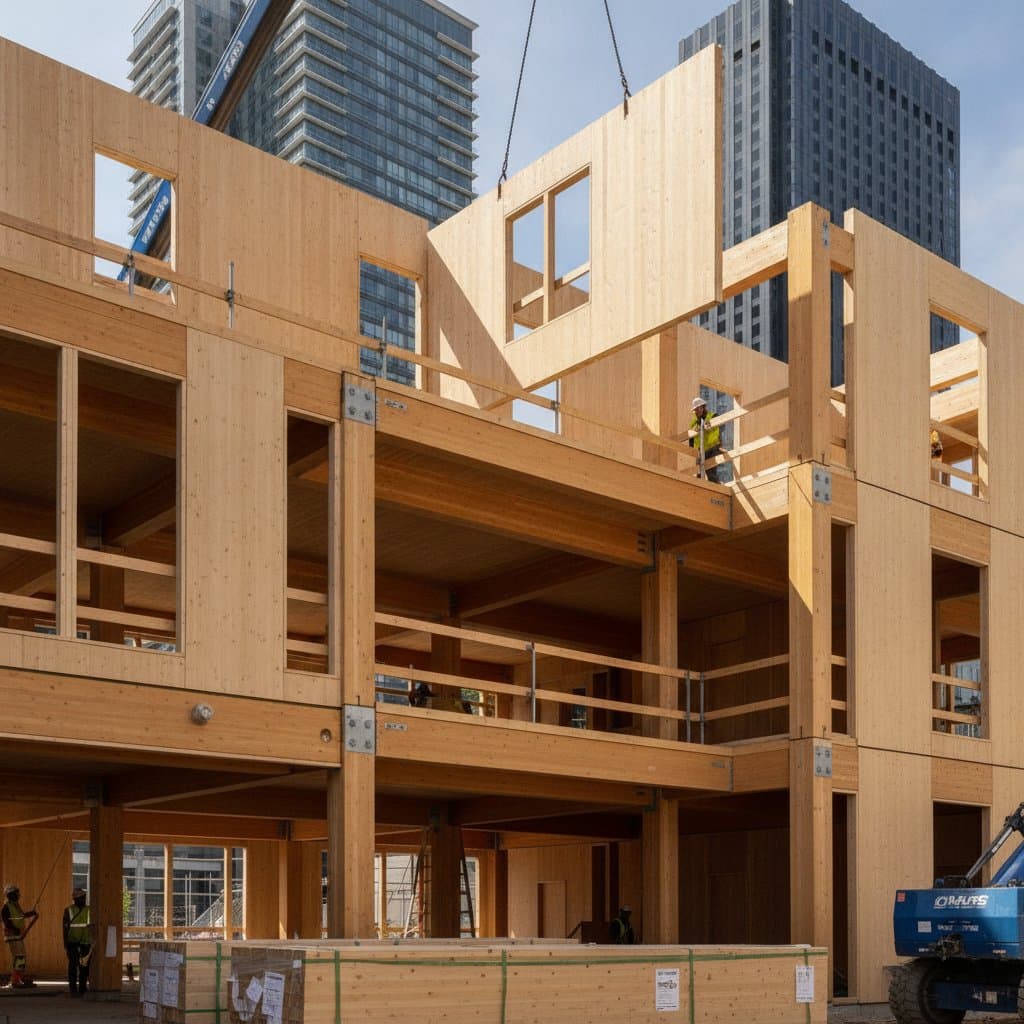
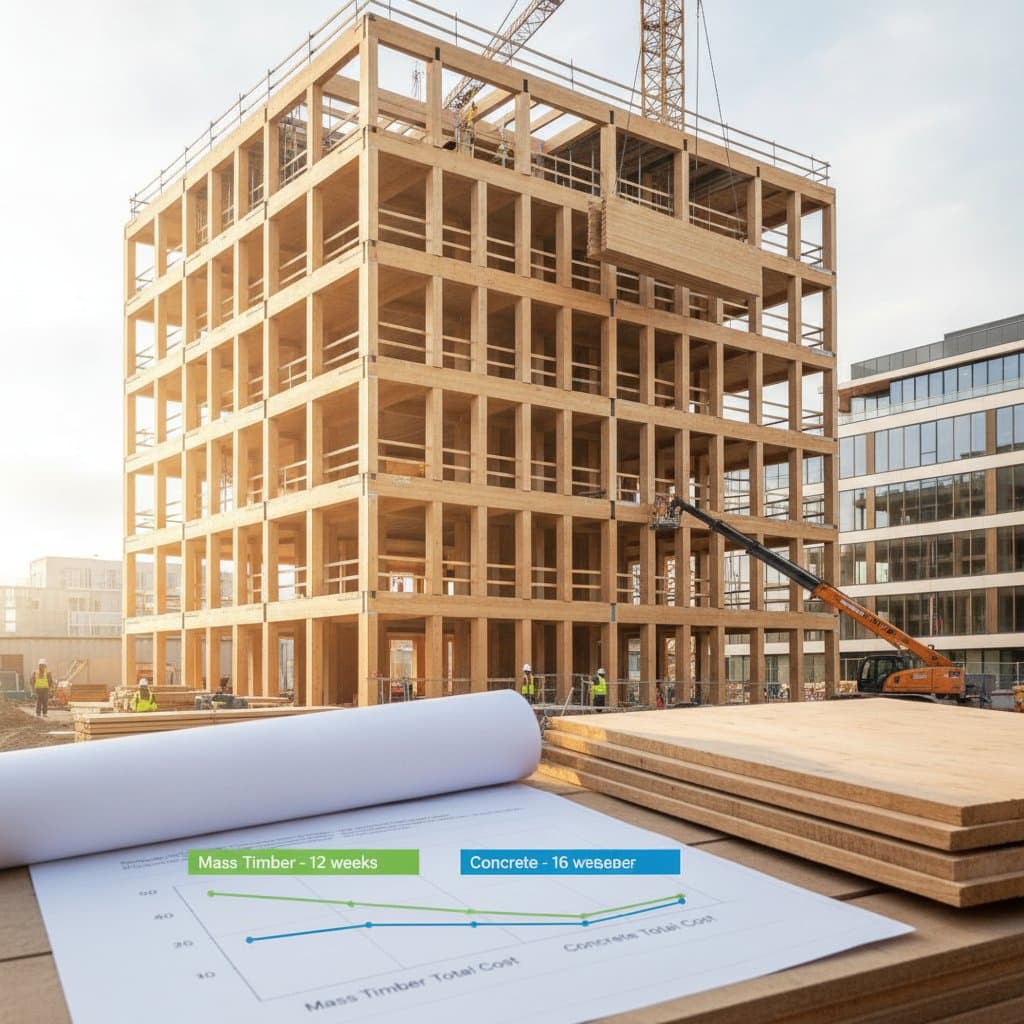
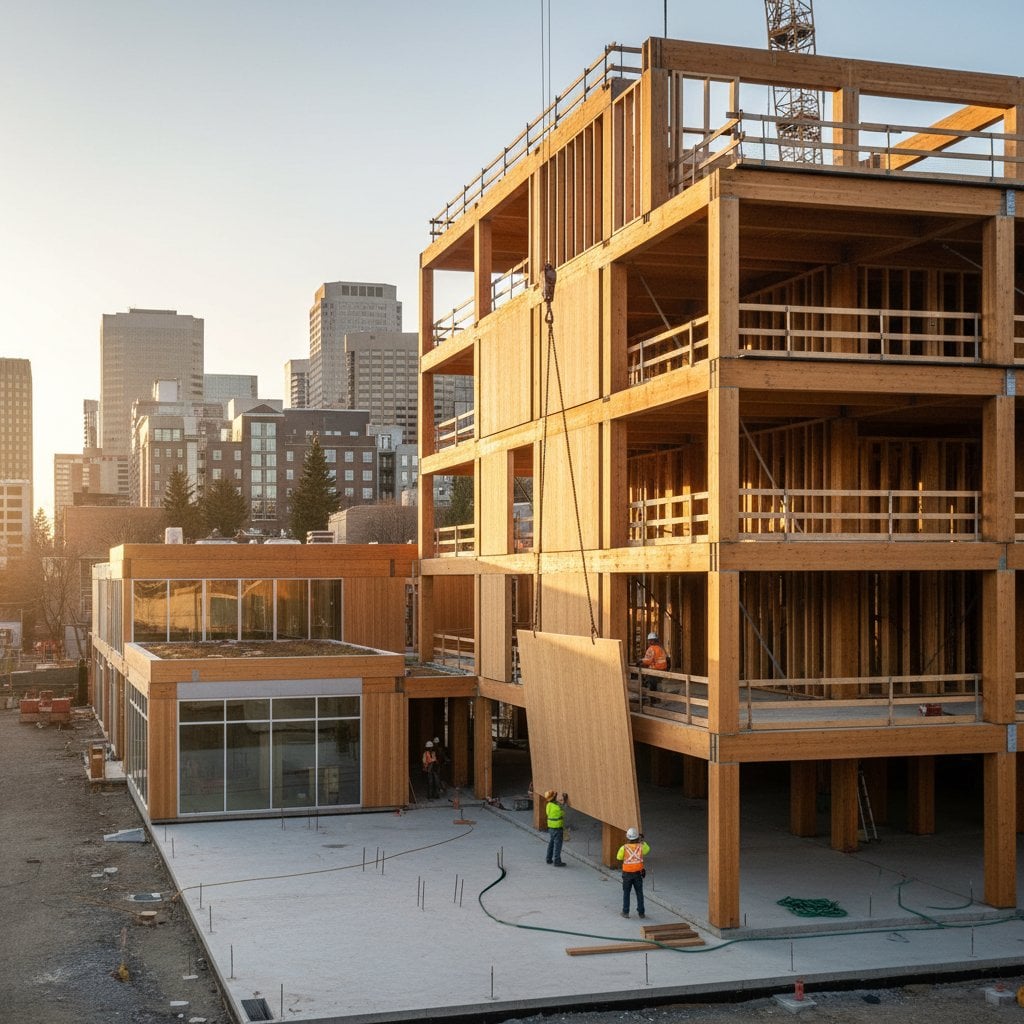
CLT panels ship to sites fully prefabricated and dimensionally precise, slashing framing durations relative to steel or concrete methods that demand extensive on-site fabrication. Expedited timelines cut labor expenditures and mitigate costs tied to equipment rentals or interim financing. -
Reduced Foundation Demands
With a lower weight profile than equivalent steel or concrete assemblies, mass timber lessens the scale of foundational elements. In mid-rise developments, this translates to savings on excavation depth, reinforcement steel, and concrete quantities, often by 20 to 30 percent depending on soil conditions. -
Optimized Workforce Deployment
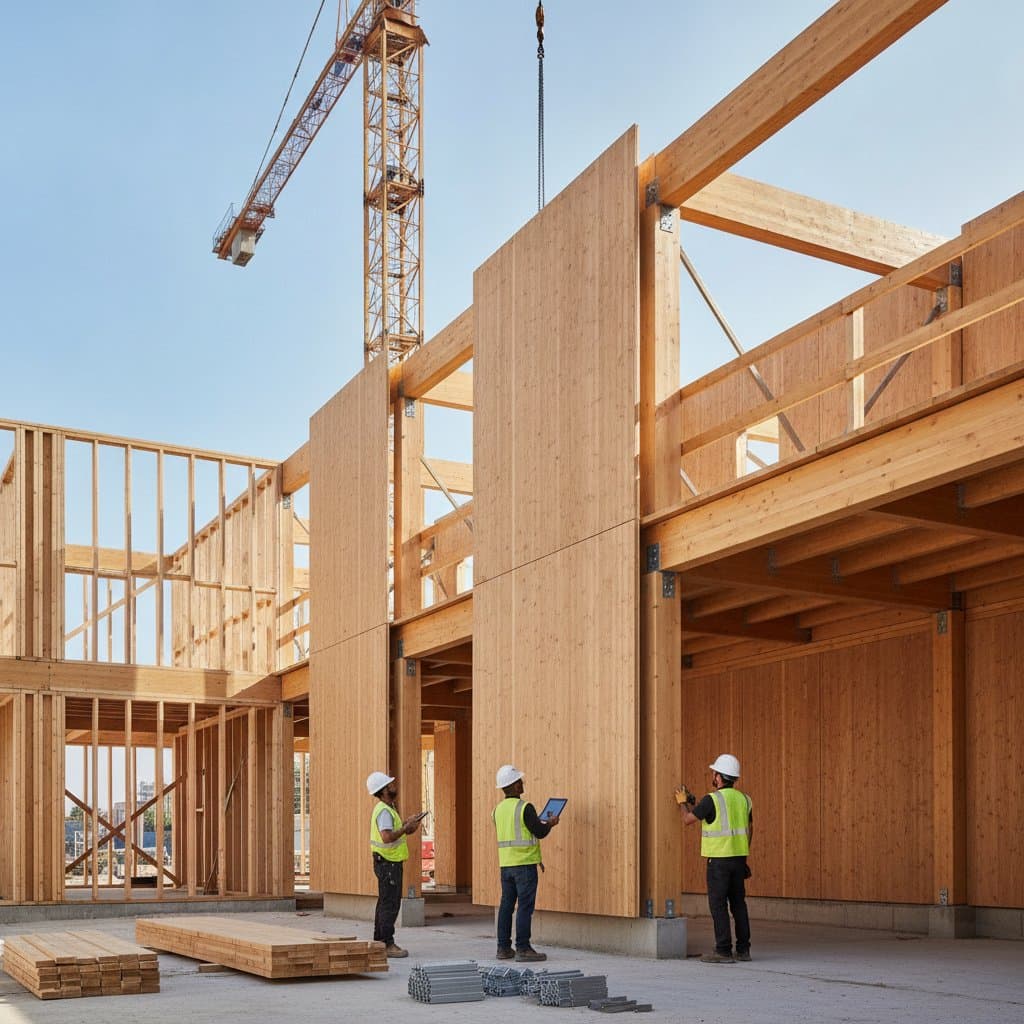
Specialized teams assemble timber structures swiftly via cranes and engineered fasteners, covering vast areas in days rather than weeks. The resultant sites feature less noise and dust, fostering higher worker efficiency and fewer incidents, which indirectly trims insurance and delay-related expenses. -
Minimized Material Waste and Errors
Factory-based prefabrication ensures tight tolerances and reduces scrap to under five percent, far below traditional pours or welds. Precise digital modeling prevents on-site adjustments, conserving resources and time.
Scenarios Where Mass Timber Increases Expenses
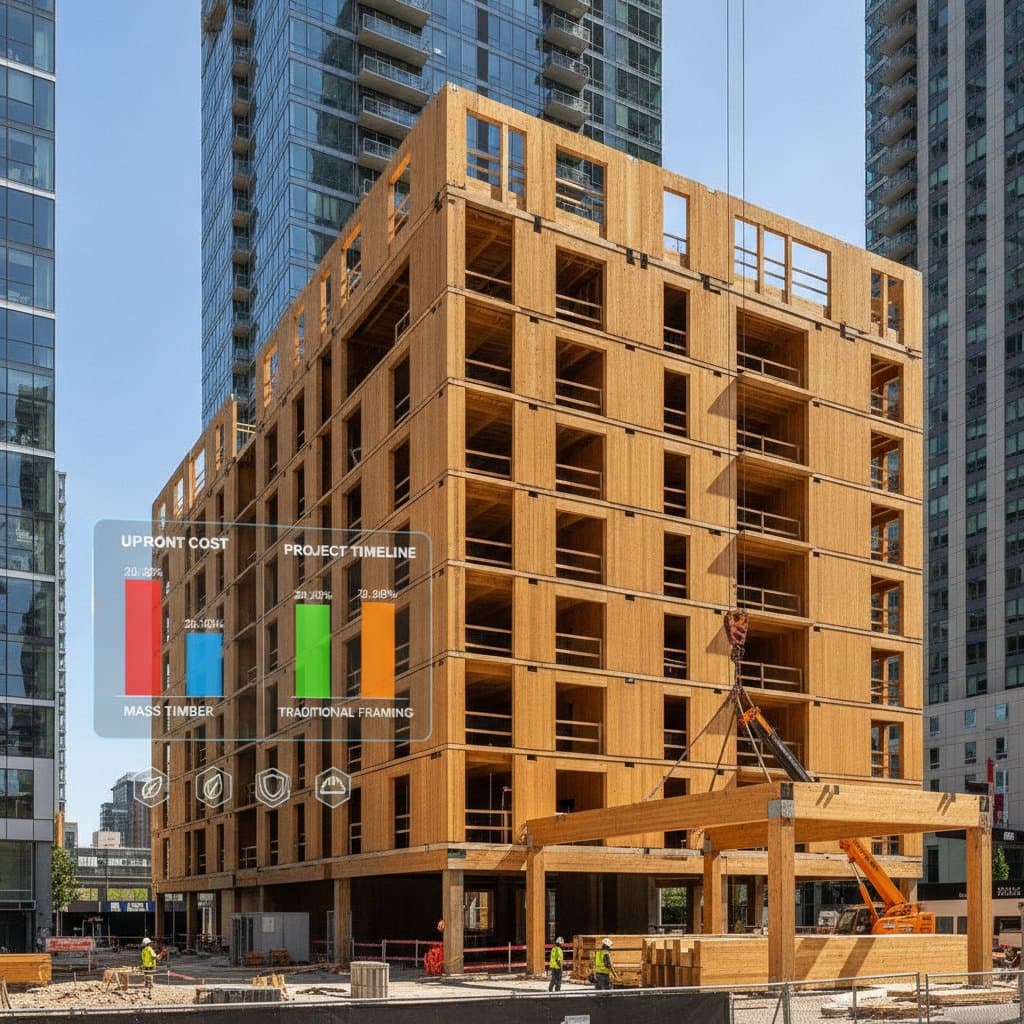
Upfront budgets do not always favor mass timber universally. Certain elements can elevate costs temporarily.
-
Supply Chain and Logistics Challenges
Projects distant from production facilities face elevated shipping fees for oversized panels, potentially negating speed gains. -
Specialized Design Expertise
Initial engagements with architects and structural engineers demand extra hours to integrate timber specifics, particularly in novel applications. -
Regulatory Hurdles
Local authorities may impose rigorous reviews for fire resistance and seismic compliance, incurring additional paperwork and testing fees.
Despite these hurdles, forward-thinking developers often recoup investments through operational efficiencies.
Environmental and Lifecycle Benefits
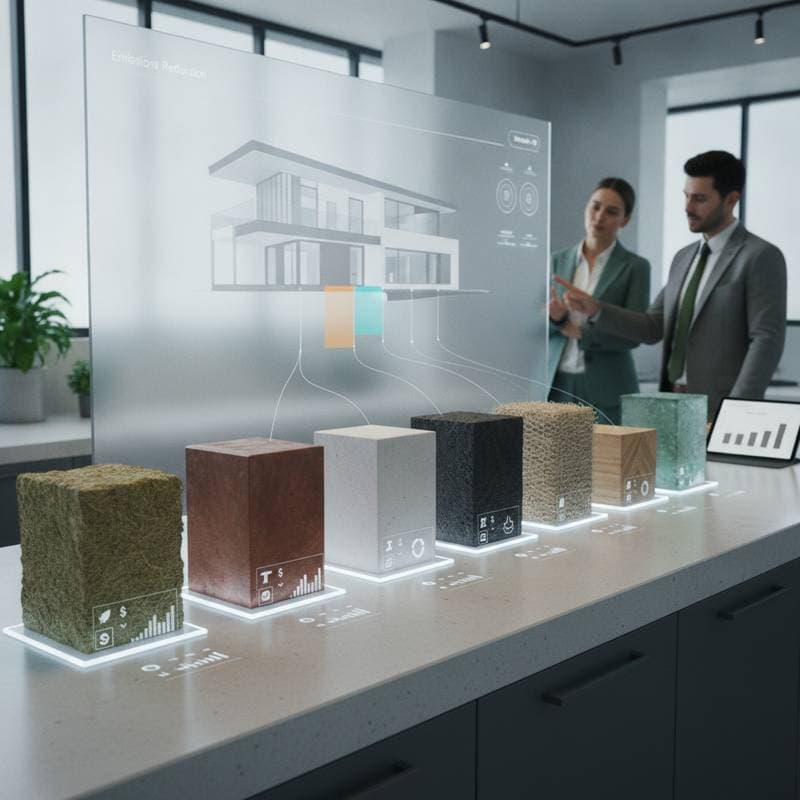
Mass timber contributes value beyond construction phases by aligning with ecological priorities and operational savings. Wood sequesters carbon during growth, contrasting with the high-emission production of steel and concrete. Furthermore, its inherent insulating properties enhance building envelopes, potentially reducing energy bills by 15 to 25 percent over decades.
Direct Comparisons with Steel and Concrete
A side-by-side analysis illuminates mass timber's fiscal positioning.
-
Pricing Volatility
Steel and concrete costs swing with fuel and mineral markets, whereas timber draws from renewable forestry cycles, offering steadier regional pricing. -
Workforce Coordination
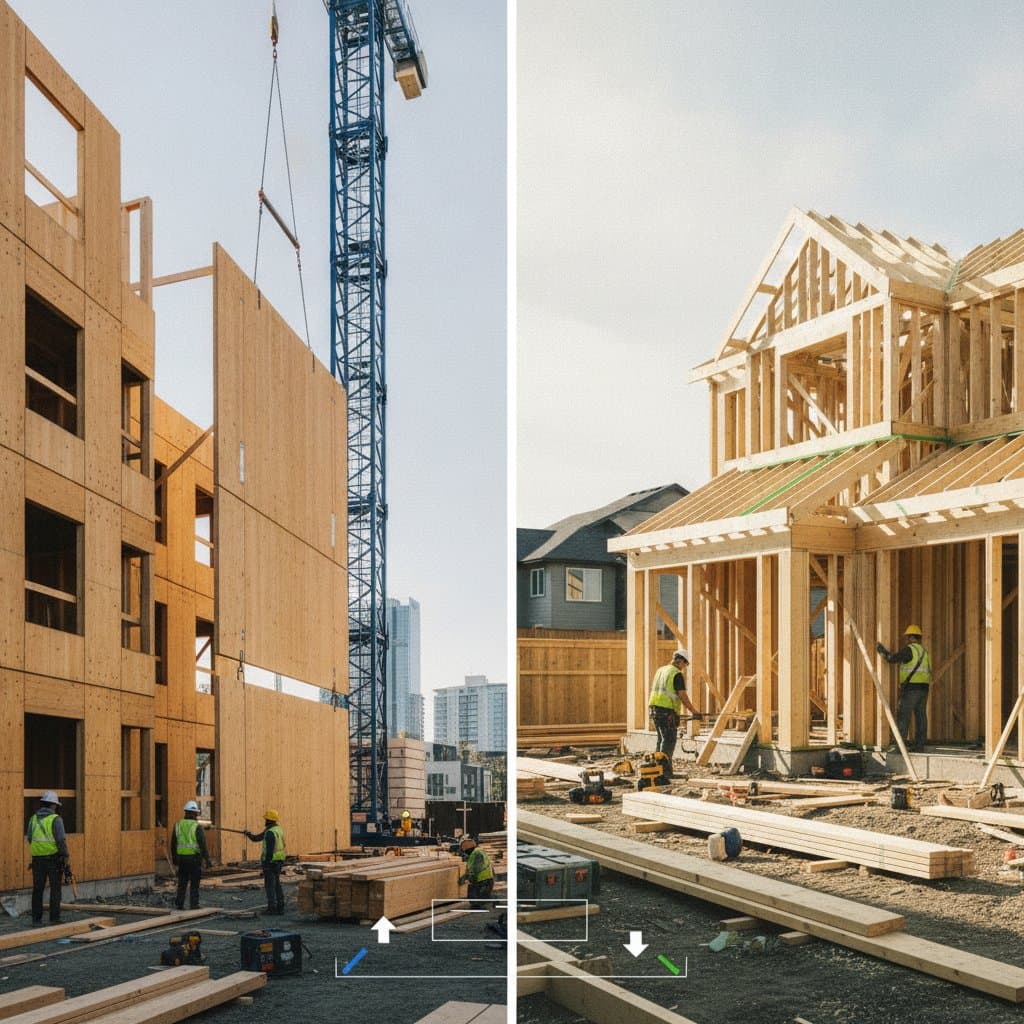
Concrete workflows span formwork, pouring, and curing across diverse trades, complicating schedules. Mass timber streamlines efforts with modular, fewer-specialty teams. -
Design Adaptability
The material's reduced mass supports fluid floor plans and on-the-fly alterations, unlike the rigidity of poured or welded frames.
Projects conceived with mass timber in mind maximize these edges; retrofits from other systems risk inefficiencies due to mismatched engineering.
Strategies for Integrating Mass Timber Effectively
To leverage mass timber, assess total ownership costs encompassing direct outlays and ancillary factors like timeline compression and upkeep. Weigh structural mass, erection velocity, and enduring resilience. Engage timber-savvy engineers early to pinpoint savings opportunities, such as hybrid configurations blending wood with concrete bases for seismic zones.
Mass timber proves competitive through deliberate design and supply planning. Its prefabricated nature, labor efficiencies, and green credentials position it favorably for diverse builds. As manufacturing scales and regulations adapt, expect broader accessibility and refined cost predictability.