Mass Timber Homes: 2026 Cost Breakdown Revealed
Mass timber homes employ large engineered wood panels and beams to construct durable, sustainable structures that compete with steel and concrete alternatives. This guide details the complete cost breakdown, timeline, and practical considerations essential for planning or budgeting a mass timber home.
Quick Overview
This article examines mass timber construction costs, factors influencing those costs, and strategies for choosing between self-directed efforts and professional services. Readers gain insights into anticipated expenses, labor projections, and a structured overview of the building process.
Cost and Time Estimates
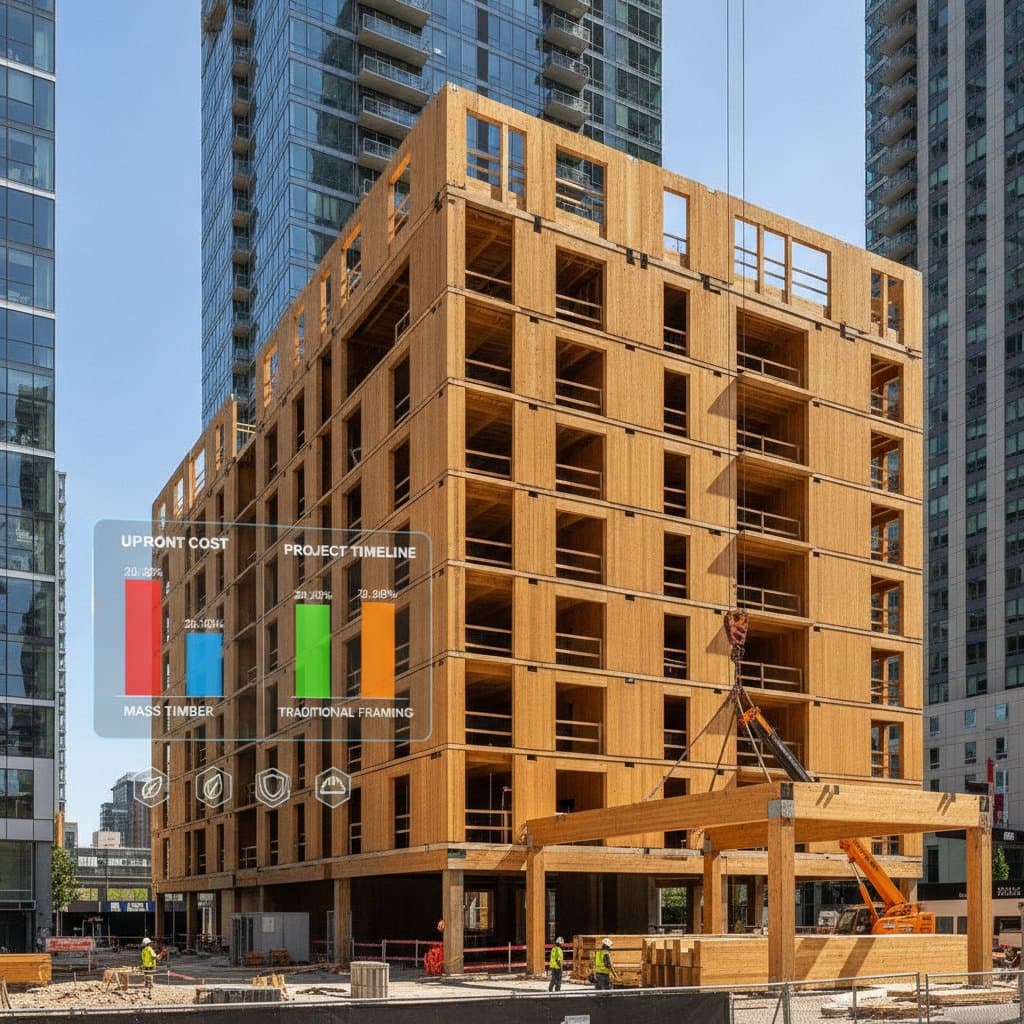
Construction of a mass timber home ranges from $250 to $600 per square foot, influenced by design intricacy, geographic location, and material finishes. Simple rectangular designs with visible timber elements align with the lower spectrum. Elaborate configurations featuring extended spans, expansive glazing, or premium detailing approach the higher end.
Cost breakdown:
- Materials: $100 to $250 per square foot
Cross-laminated timber (CLT) panels, glue-laminated beams (glulam), screws, and fasteners. - Labor: $70 to $200 per square foot
Framing, assembly, and finish carpentry. - Design and engineering: $25 to $60 per square foot
Architectural design, structural engineering, and energy modeling. - Permits and inspections: $5 to $15 per square foot
Varies by local jurisdiction and structure classification. - Site work and utilities: $20 to $75 per square foot
Site grading, foundation preparation, and connections for water and electricity.
Timeline:
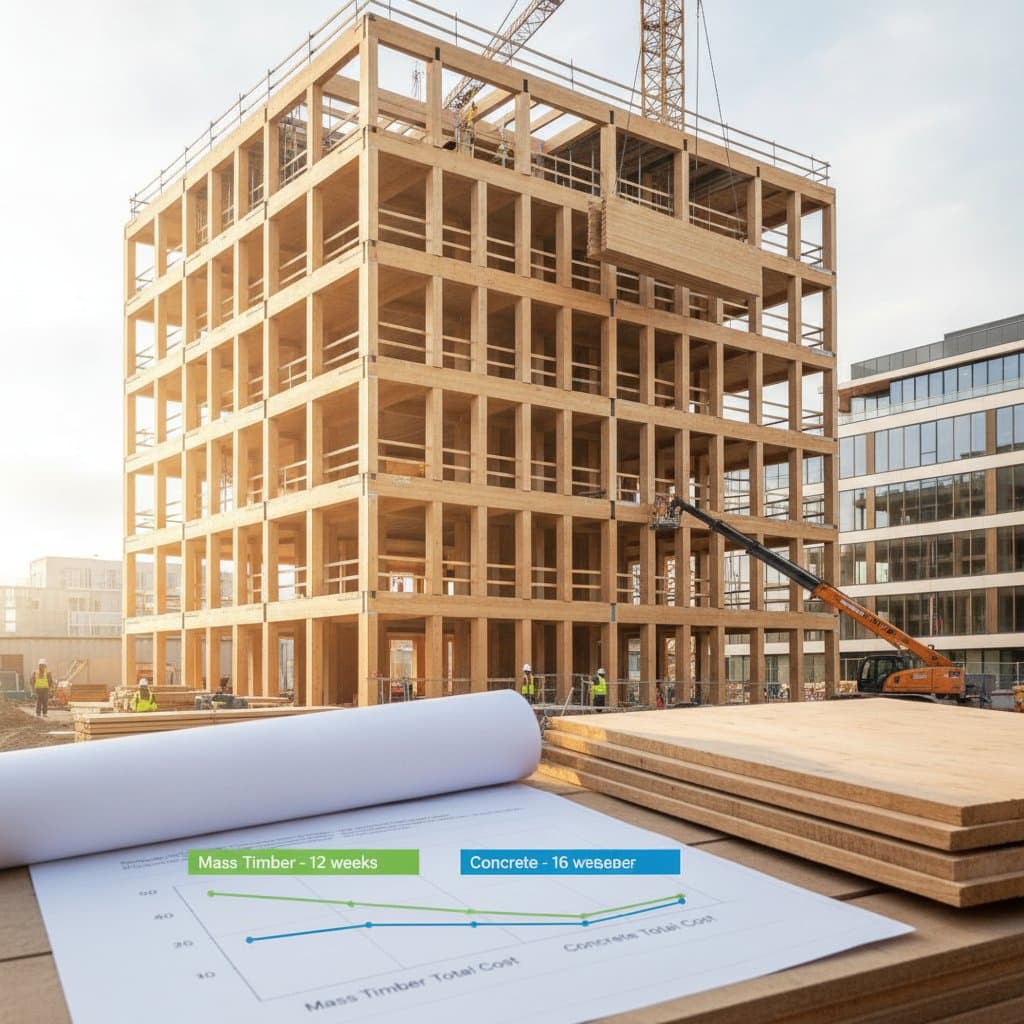
Professional crews complete projects in 6 to 12 months from initial design through final occupancy. Self-directed builders utilizing prefabricated components often extend timelines to 12 to 18 months, contingent on expertise and equipment availability.
Difficulty: Advanced.
Mass timber projects demand exacting assembly techniques and in-depth structural understanding. These endeavors best serve seasoned constructors or collaborations with credentialed experts.
DIY vs Professional Guidance
DIY Feasibility:
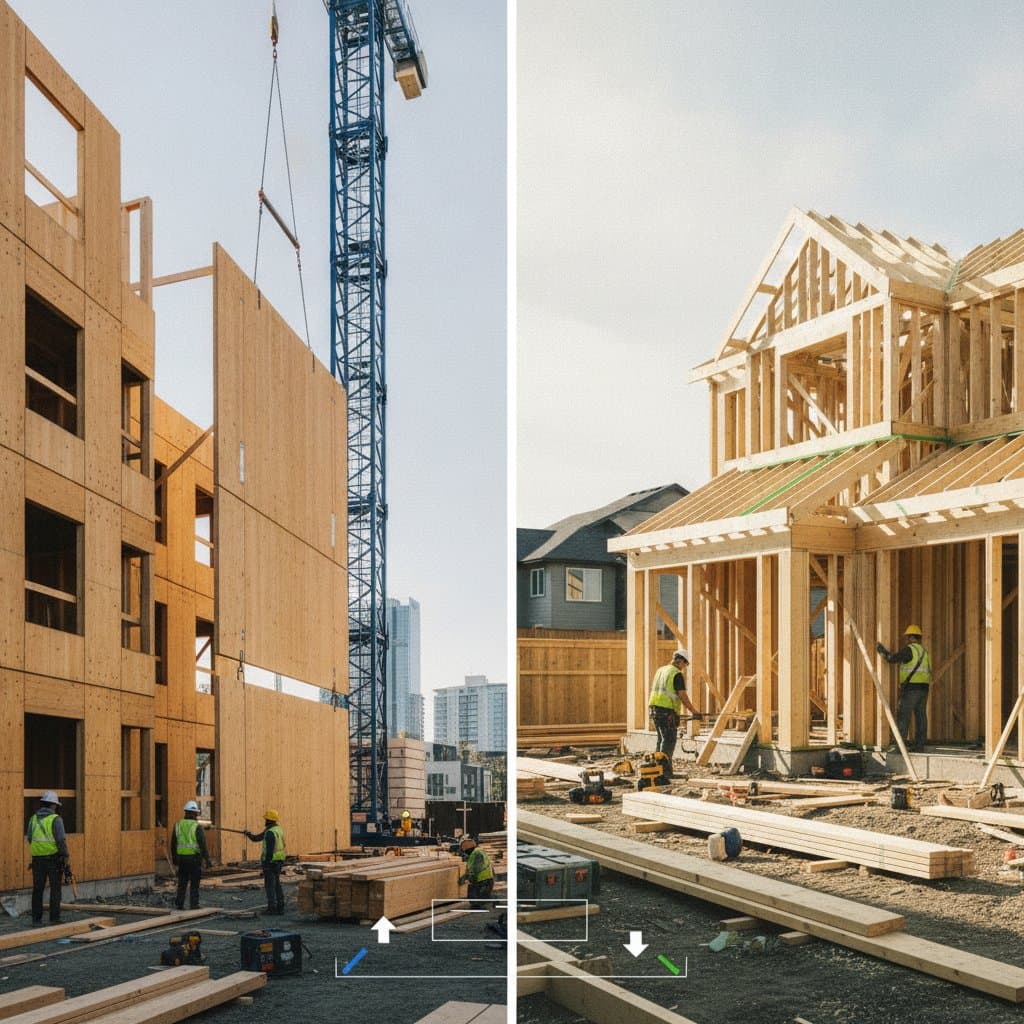
Individuals may oversee select phases, including preliminary design, interior detailing, or basic site readiness. Factory-prefabricated CLT panels streamline erection processes, yet necessitate heavy machinery and meticulous positioning.
Hire a Professional When:
- Multi-level designs require certified structural analysis.
- Jurisdictional regulations mandate authenticated plans or fire resistance validations.
- Oversized panels demand specialized hoisting apparatus.
- Insurers or manufacturers stipulate qualified personnel for coverage and guarantees.
Cost Comparison:
- DIY build: $200 to $350 per square foot
- Professional build: $300 to $600 per square foot
Professional involvement elevates expenses but guarantees regulatory adherence, secure construction, and accelerated timelines.
Tools and Materials
Tools:
- Power drill equipped with torque adjustment
- Circular saw fitted with a fine-tooth blade for engineered wood
- Impact driver compatible with structural screws
- Laser level or optical plumb device
- Safety harness and protective helmet
- Heavy-duty clamps and lifting straps
Materials:
- CLT panels composed of 3 to 7 layers
- Glulam beams and columns
- Structural screws and bolts engineered for timber applications
- Sealants and vapor barriers
- Insulation panels designed for wood-framed assemblies
- Metal connectors or plates certified for load-bearing connections
Step-by-Step Instructions
-
Assess the Site
Evaluate and remove vegetation while testing soil bearing capacity. Verify compliance with zoning ordinances and construction standards. The site must exhibit firm soil conditions and sufficient access for heavy equipment. -
Design the Structure
Collaborate with an architect or engineer versed in mass timber systems. Develop layouts for panels, load distribution, and apertures. Plans must detail all joints and panel dimensions. -
Prepare the Foundation
Construct concrete footings or a slab engineered to support substantial weights. Embed anchor bolts or plates for secure timber attachments. Ensure levelness within 1/8 inch over the full area. -
Assemble Wall Panels
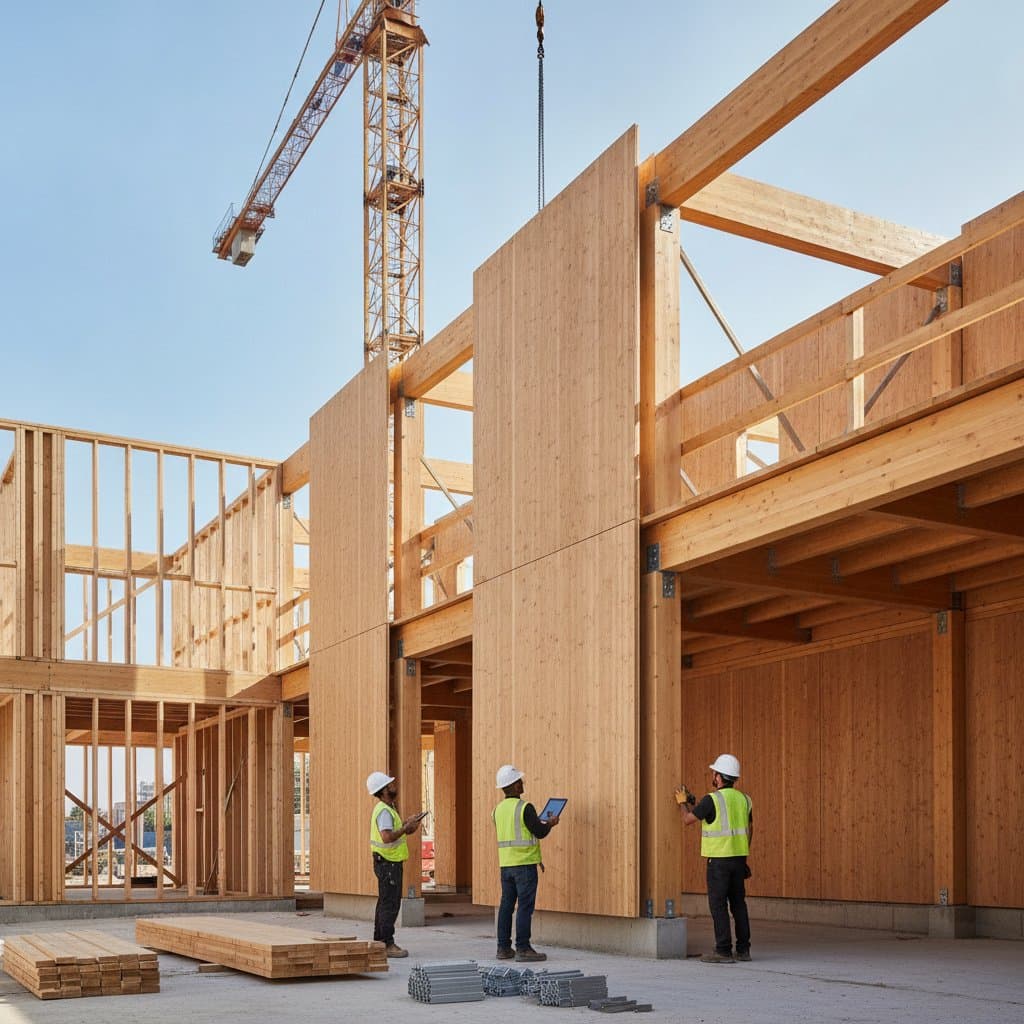
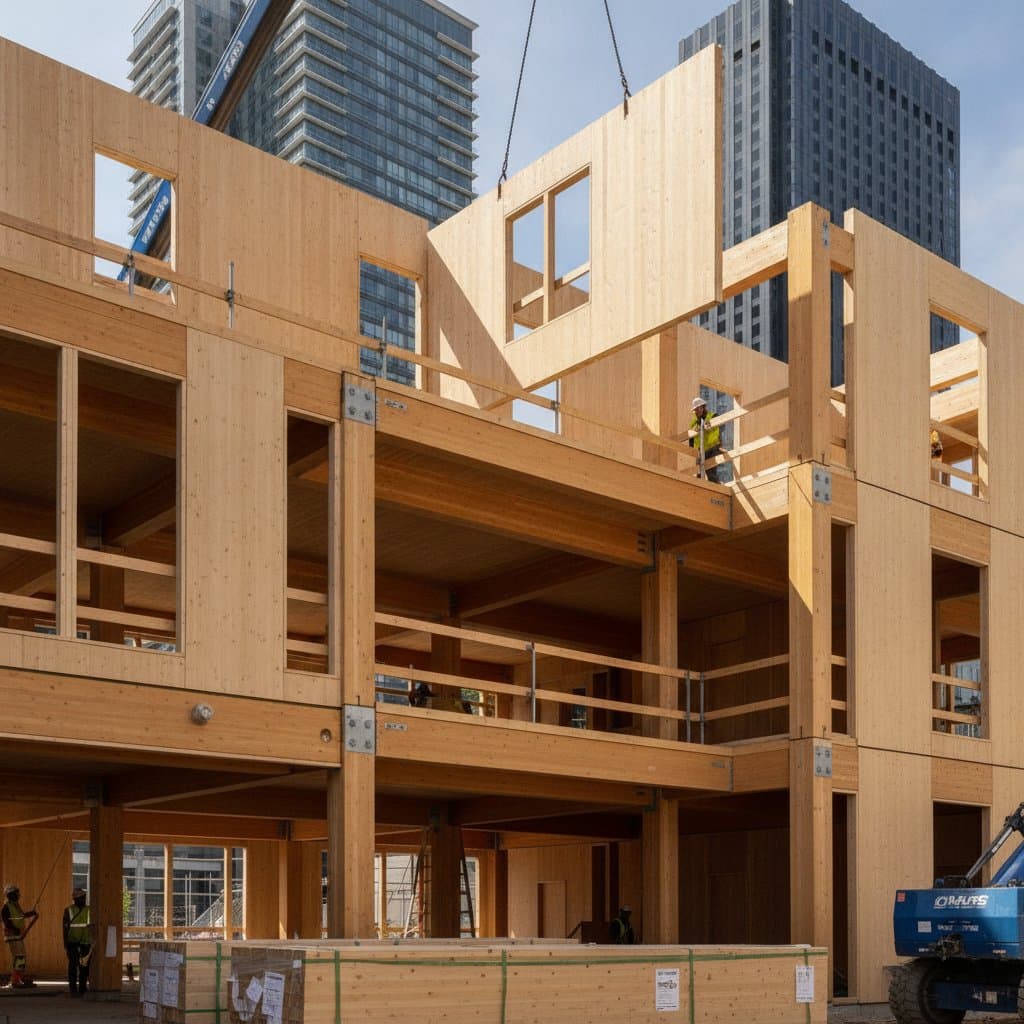
Employ a crane to position CLT panels. Fasten according to engineered specifications using bolts or screws. Joints require flush alignment without discernible separations. -
Install Floor and Roof Panels
Position primary load-bearing beams, followed by floor panels. Secure roof panels concludingly, applying weather-resistant tape to seams. Alignment must conform to specified pitches and runoff configurations. -
Apply Weather Protection
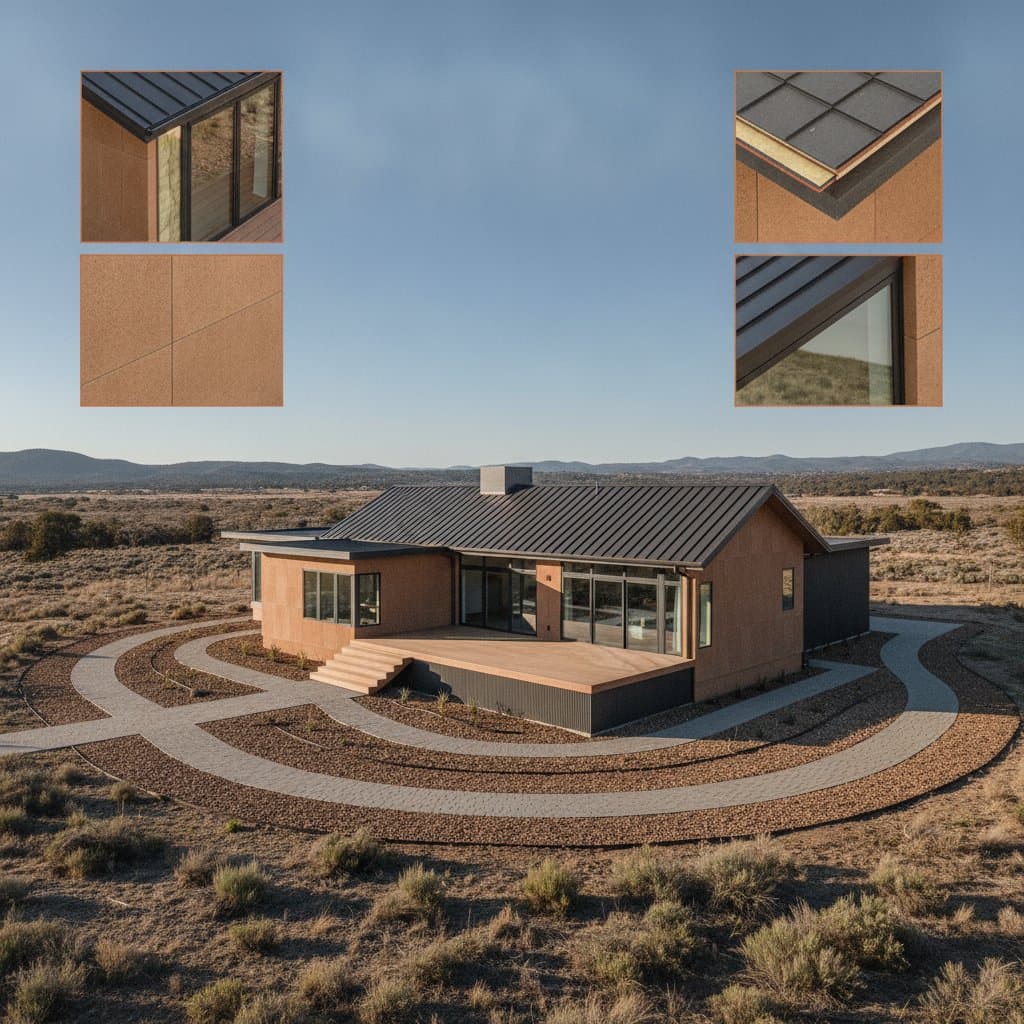
Affix vapor barriers, flashing, and external insulation layers. Incorporate siding or cladding per aesthetic preferences. Seal all interfaces to block moisture entry. -
Finish Interior
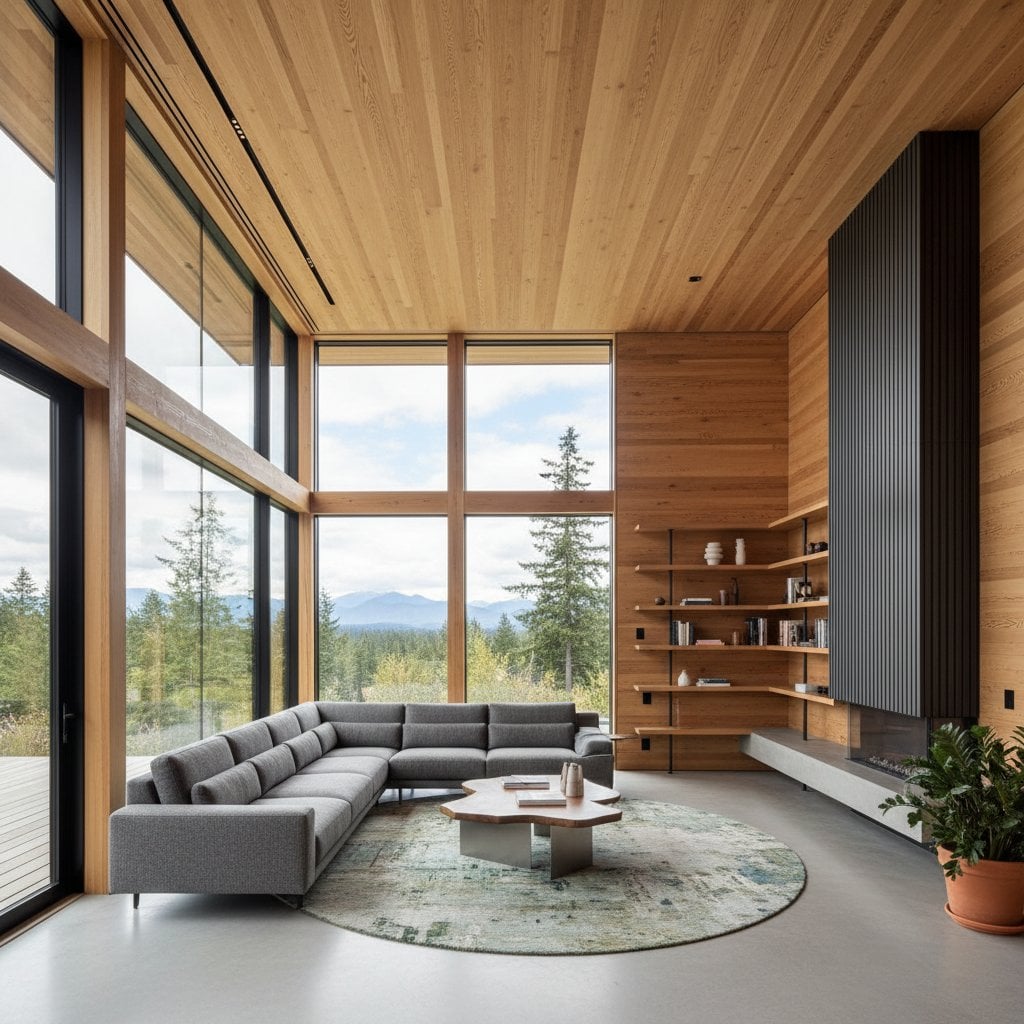
Abrade visible timber, coat with fire-retardant treatments, and apply protective sealers. Install flooring, partitions, and appurtenances. Maintain interior humidity under 60 percent to safeguard wood integrity.
Safety Warnings and Tips
Warning: Lifting Hazard
CLT panels may exceed thousands of pounds in weight. Utilize equipment rated for the load and operators holding relevant certifications.
Caution: Fire Safety
Administer compliant fire-retardant applications and confirm adherence to regional fire regulations.
Warning: Fall Risk
Install guardrails or employ harnesses during elevated panel work or high-altitude tasks.
Wear gloves, protective eyewear, and helmets throughout panel handling and tool operation.
Troubleshooting and Quality Checks
Common Issues:
- Panel misalignment: Reverify foundation flatness and hoisting setup.
- Gaps at joints: Secure fasteners or introduce sealant for negligible voids.
- Moisture buildup: Enhance airflow and deploy vapor barriers.
Quality Checks:
- Confirm panels achieve vertical and horizontal alignment.
- Examine surfaces for fractures or layer separation in CLT.
- Ensure fasteners reach prescribed torque levels.
- Conduct air infiltration tests via blower door prior to enclosing finishes.
Cleanup and Disposal
Direct sawdust and wood remnants to community recycling initiatives. Refrain from incinerating treated or finished timber. Salvage metal hardware and packaging for reuse or recycling. Rinse tools thoroughly and store in arid conditions to avert rust.
Maintenance and Lifespan
Mass timber residences endure 80 years or beyond under diligent oversight. Perform yearly evaluations for dampness, pests, and connection shifts.
Routine maintenance:
- Renew sealants on exposed seams every five years.
- Monitor for attic leaks and vapor accumulation.
- Regulate interior humidity from 40 to 60 percent.
- Clean timber exteriors using dilute soap solutions and rinse water.
Consistent upkeep sustains structural robustness and visual appeal, minimizing future expenditures.
When to Call a Professional
Engage experts for designs spanning over 20 feet, intricate roofing geometries, or locales mandating accredited labor.
Professional Costs:
- Structural engineering: $3 to $6 per square foot
- CLT installation crew: $50 to $100 per square foot
- Project management: $10 to $30 per square foot
Contractor Checklist:
- Valid licensing and liability coverage
- Proven track record in CLT or glulam executions
- Testimonials from no fewer than two prior engagements
- Detailed proposal encompassing schedule, payments, and deliverables
- Documented assurances for labor and components
Pro Tips for Success
Secure panel orders in advance to circumvent delivery interruptions. Shield on-site panels with tarps and elevate from ground contact to preserve dryness. Select timber-specific structural screws over standard varieties. Pre-mark edges and junctions prior to hoisting for efficient placement. Arrange examinations at pivotal junctures: foundation, framing, and culmination.
FAQ
What is mass timber?
Mass timber encompasses sizable engineered wood elements such as CLT and glulam employed in primary framing.
Is mass timber safe from fire?
Affirmative. Panels form a char layer externally, insulating core material. Fire-retardant treatments enhance protection.
Can I use mass timber in humid climates?
Yes, provided vapor barriers and ventilation systems mitigate condensation risks.
Do mass timber homes require special permits?
Certain regions necessitate supplementary structural or fire efficacy records. Consult applicable codes prior to commencement.
Sustaining Timber Performance Over Time
Invest in regular inspections and environmental controls to maximize the longevity and efficiency of your mass timber home. These practices not only protect your investment but also enhance the sustainable benefits of wood-based construction.