Mass Timber Construction Costs in 2026
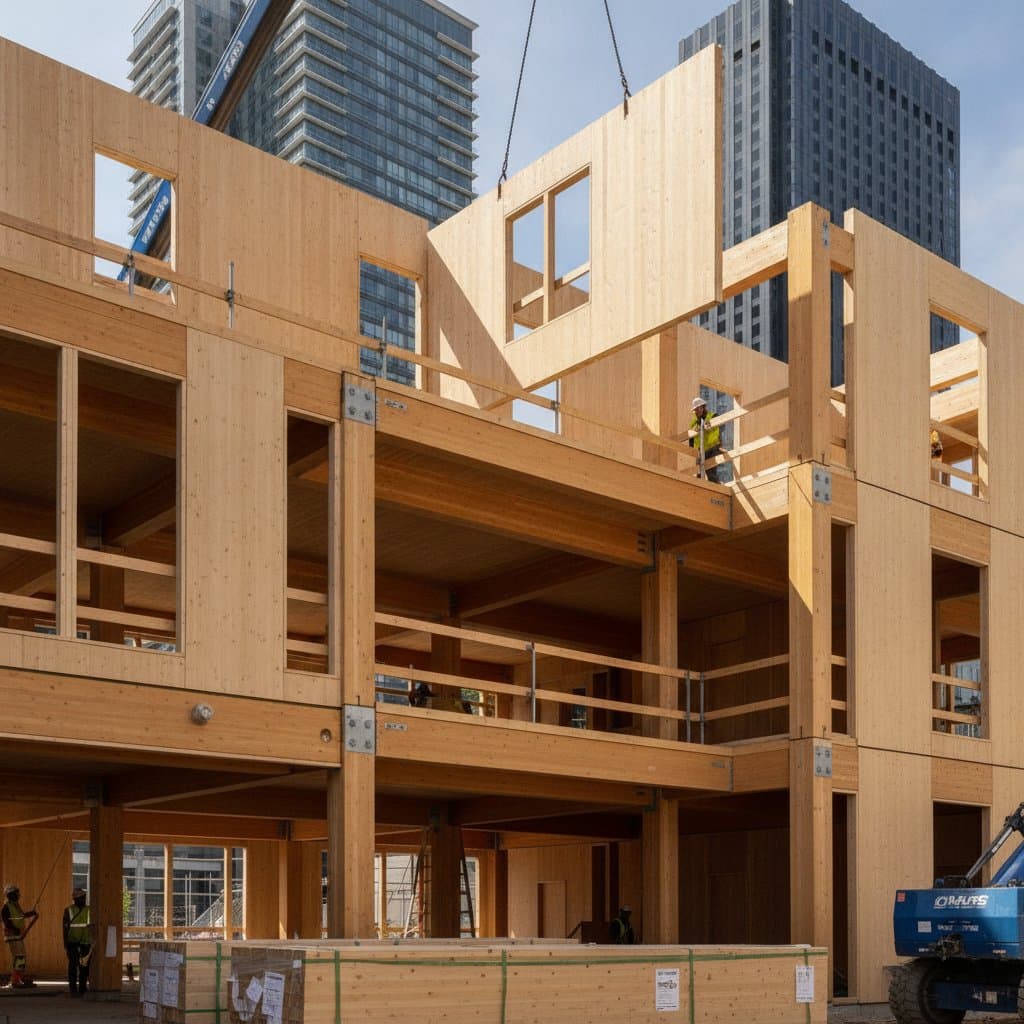
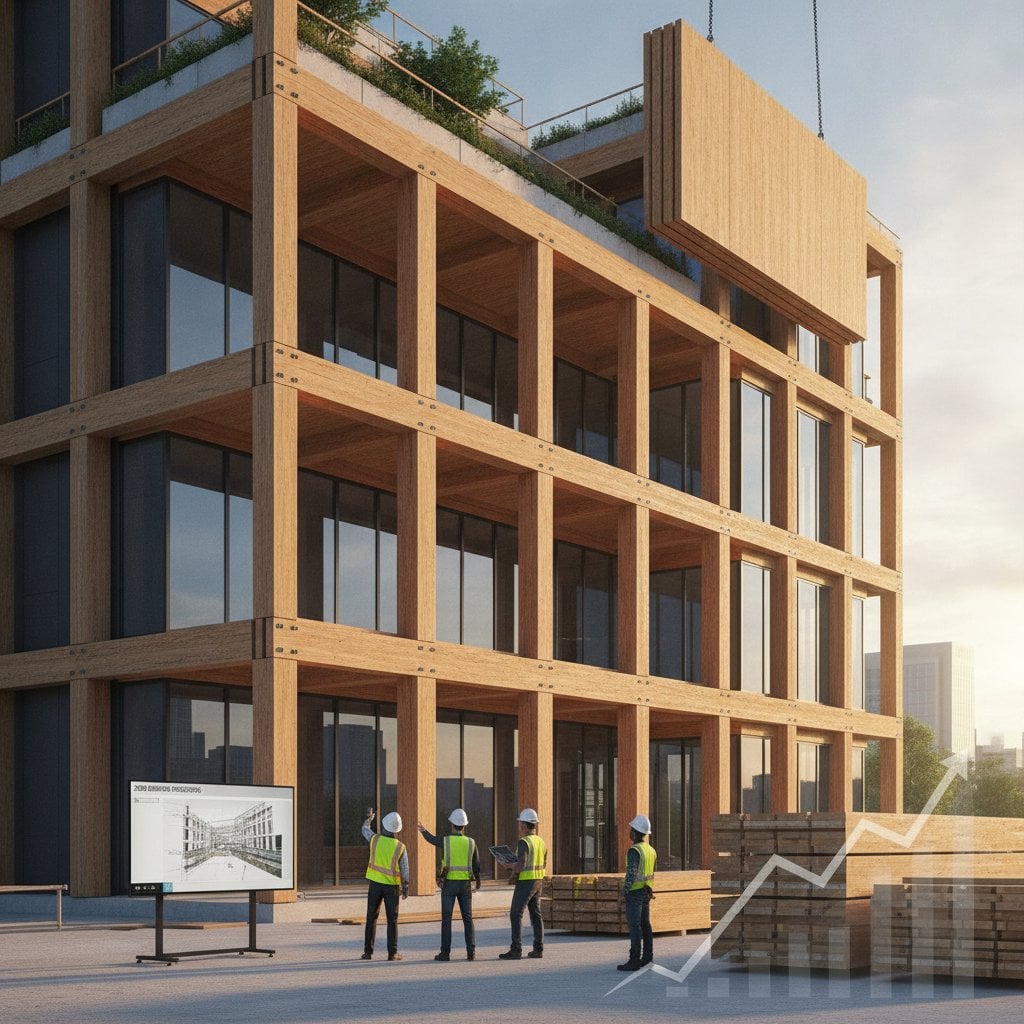
Mass timber offers a sustainable structural option that combines engineered wood products with efficient assembly methods. Projects typically average 325 dollars per square foot when materials, labor, and finishes are included. This figure varies with building scale, system type, and regional factors, yet larger developments often achieve better unit pricing through repetition and bulk supply.
Average Cost Breakdown
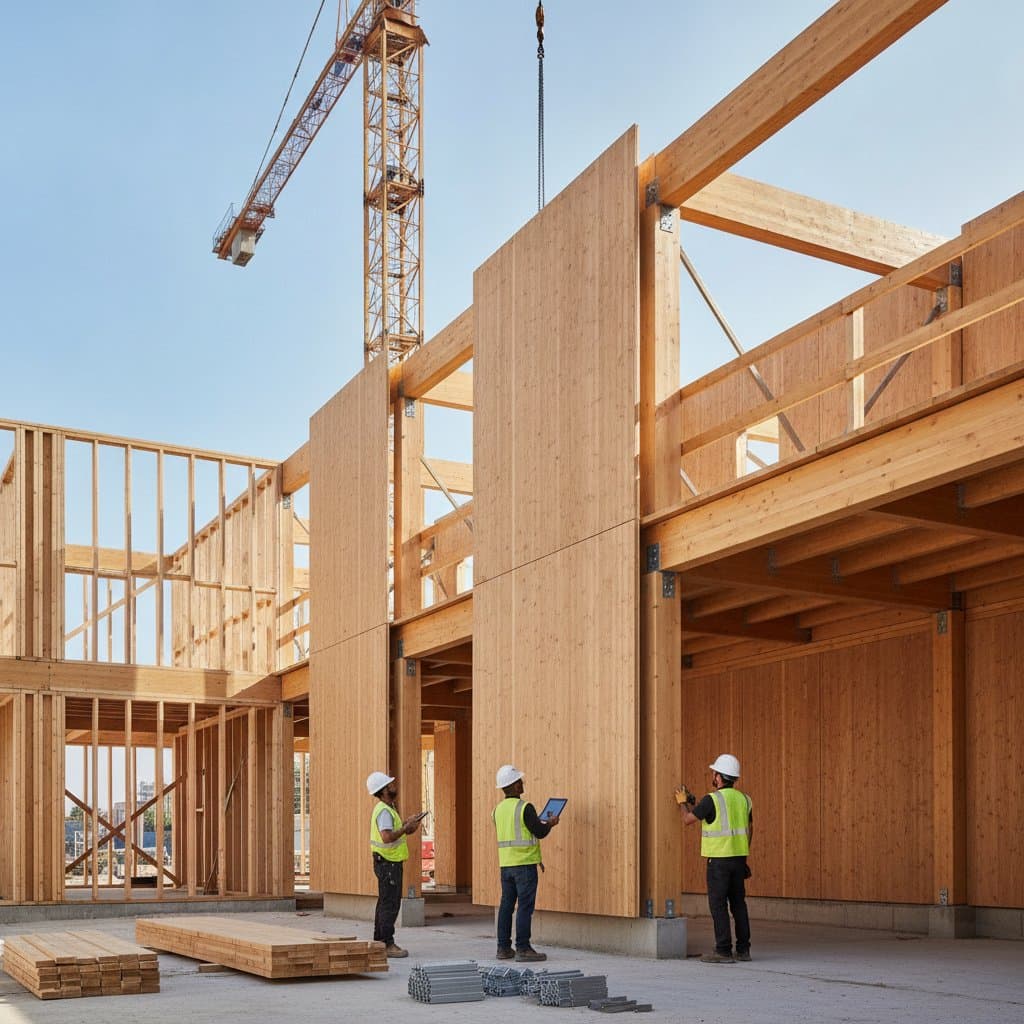
Materials represent roughly 60 percent of total expense, while labor and engineering cover most of the balance. Cross-laminated timber panels and glulam beams form the primary cost drivers. Prefabrication reduces on-site labor hours by as much as 25 percent compared with conventional framing.
- Average project cost reaches 325 dollars per square foot.
- Small commercial buildings near 10,000 square feet average 380 dollars per square foot.
- Mid-rise residential structures of 100,000 square feet can reach 270 dollars per square foot.
- Cross-laminated timber systems range from 250 to 350 dollars per square foot.
- Glulam framing typically costs 300 to 400 dollars per square foot.
- Nail-laminated timber offers a lower range of 240 to 320 dollars per square foot.
Factors That Influence Final Pricing
Several project variables shift the budget. Domestic panel sources lower freight charges by 2 to 5 dollars per square foot. Complex geometries or exposed connections increase engineering time. Fire-rated coatings and acoustic treatments add 10 to 20 dollars per square foot, while permits and structural reviews contribute another 5 to 10 dollars.
Hybrid cores that pair timber floors with steel or concrete shafts provide stability for taller buildings without full premium pricing. Simple rectangular layouts and standardized panel dimensions keep fabrication waste low and speed assembly.
Contractor Requirements and Installation
Professional installation remains essential for code compliance and structural integrity. Labor rates average 60 to 100 dollars per square foot depending on location and detailing. Only minor accessory structures allow limited owner involvement, and even those benefit from certified panel kits.
Contractors manage crane schedules, moisture protection, and inspection sequences that protect long-term performance. Early involvement of fabricators during design prevents alignment issues that could otherwise require costly corrections.
Strategies to Control Expenses
Standardized modules reduce custom cutting and speed delivery. Simplified connection details shorten field labor. Sustainability incentives in some jurisdictions offset part of the initial premium through tax credits or expedited permitting. Bulk ordering combined with off-site production further trims both time and overhead.
Long-Term Financial Performance
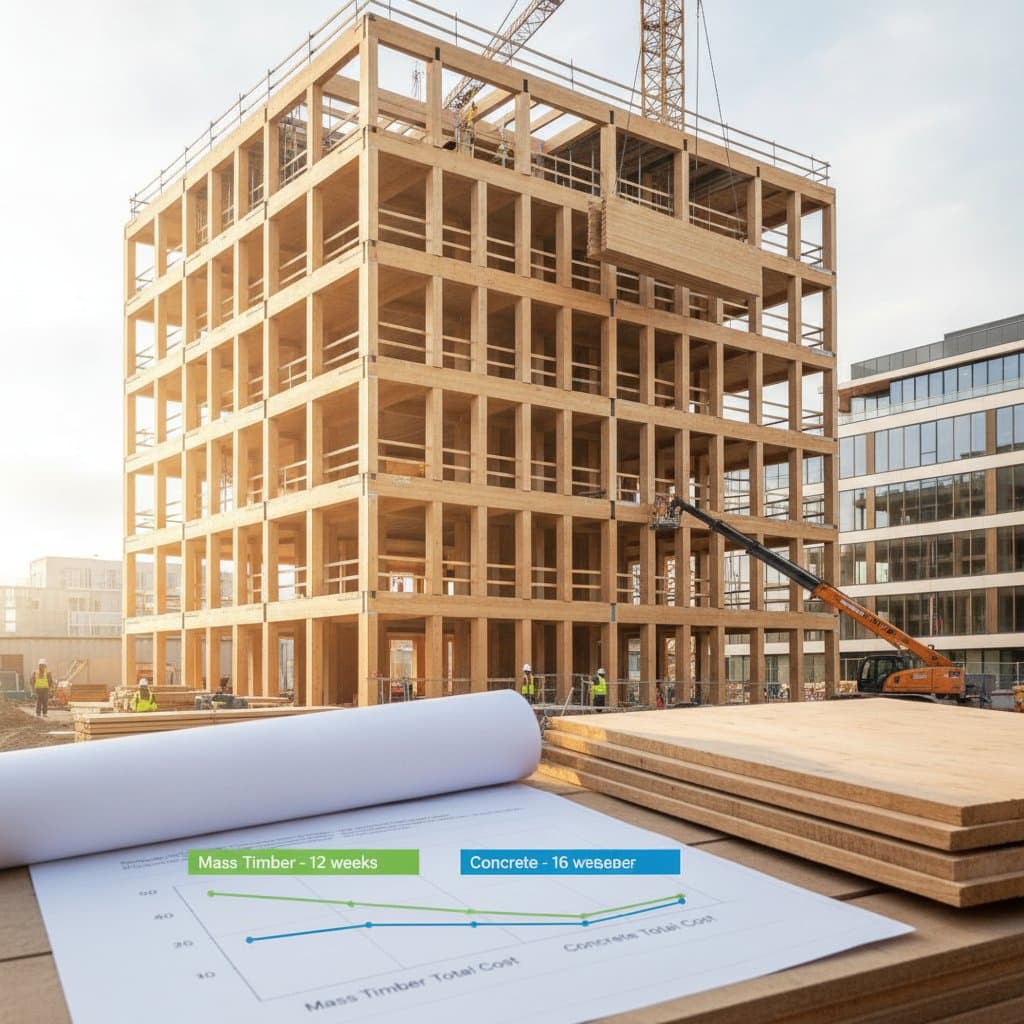
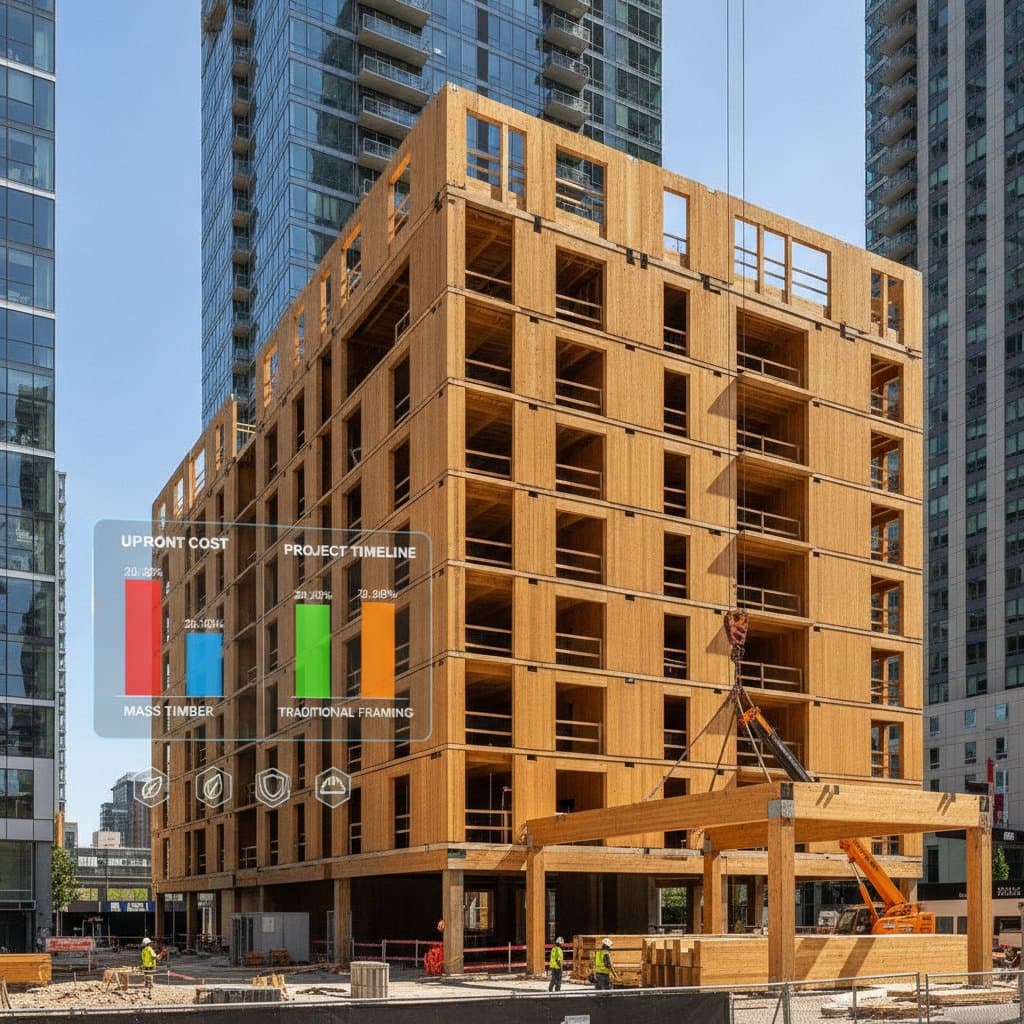
Upfront costs often exceed steel or concrete by 5 to 10 percent, yet shorter construction schedules reduce financing duration. Energy-efficient envelopes lower operating expenses, and prefabrication quality can decrease insurance rates. Market data indicate that certified mass timber buildings command higher lease rates and retain value more effectively than conventional alternatives.
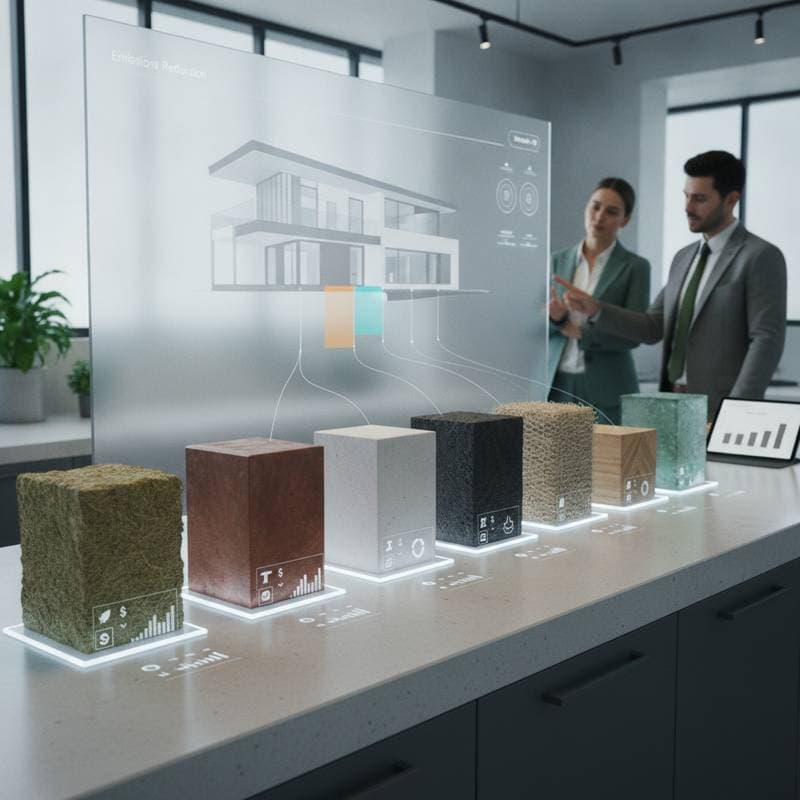
Thermal stability and lighter foundation loads contribute to reduced maintenance over decades. Carbon storage within the wood structure also supports environmental reporting goals that increasingly influence tenant decisions.
Planning a Mass Timber Project
Begin with a clear program that identifies repeatable floor plates and core locations. Contact regional suppliers to verify panel availability and lead times before finalizing the schedule. Compare proposals from contractors who have completed similar engineered-wood assemblies, and confirm that local height and fire-rating rules align with the proposed design. This sequence produces a durable, efficient building that meets both budget targets and performance expectations.