Multigenerational Home Layouts: Realistic Costs for 2025
Multigenerational homes gain popularity as families seek ways to share living spaces while maintaining independence. These layouts accommodate parents, adult children, and grandparents under one roof, addressing affordability challenges and caregiving needs. In 2025, rising construction costs and innovative designs shape what homeowners can expect to invest.
Planning a multigen home requires balancing shared amenities with private areas. This guide explores layout options, detailed expense breakdowns, and practical strategies to create functional spaces. Readers gain insights into budgeting, timelines, and features that enhance daily life.
Understanding Multigenerational Living in 2025
Multigenerational households increase due to economic pressures and longer lifespans. Families combine resources to manage housing expenses, with over 18 percent of U.S. households now multigen according to recent trends. These homes foster closer relationships while providing support for aging relatives or young adults starting out.
Key benefits include cost savings on utilities and maintenance, alongside emotional advantages like built-in childcare. However, success depends on thoughtful design that respects individual privacy. In 2025, builders emphasize flexible spaces adaptable to changing family dynamics.
Popular Layout Configurations
Homeowners choose layouts based on property size, budget, and family size. Common options range from simple additions to full conversions, each with unique advantages.
In-Law Suite Addition
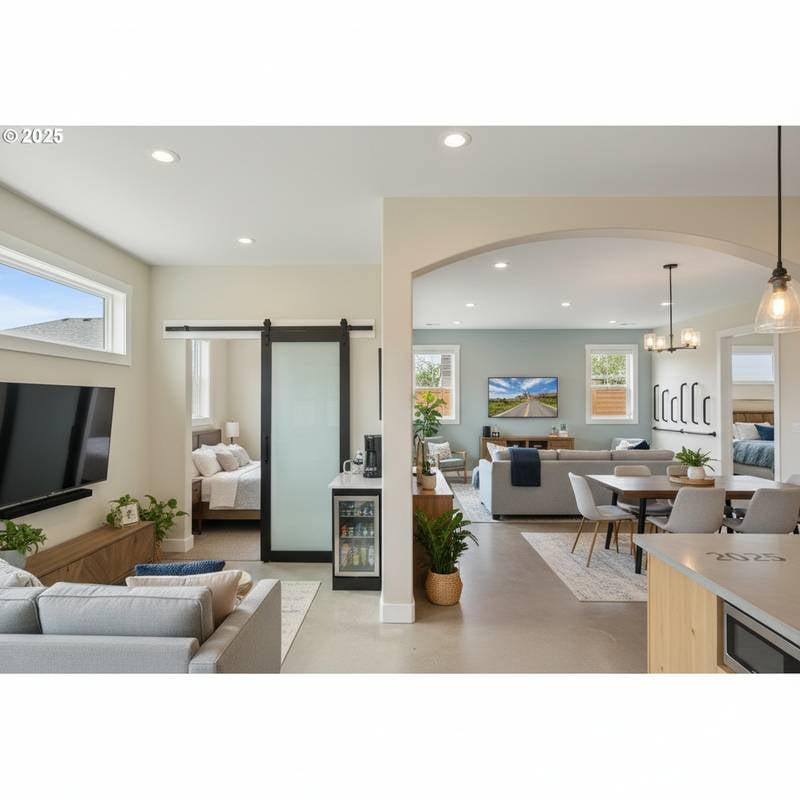
An attached suite connects to the main house via a private entrance. This setup suits smaller lots and includes a bedroom, bathroom, and kitchenette, typically 400 to 600 square feet.
Privacy remains high with separate HVAC systems and soundproofing. Families appreciate the convenience for daily interactions without constant overlap.
Accessory Dwelling Unit (ADU)
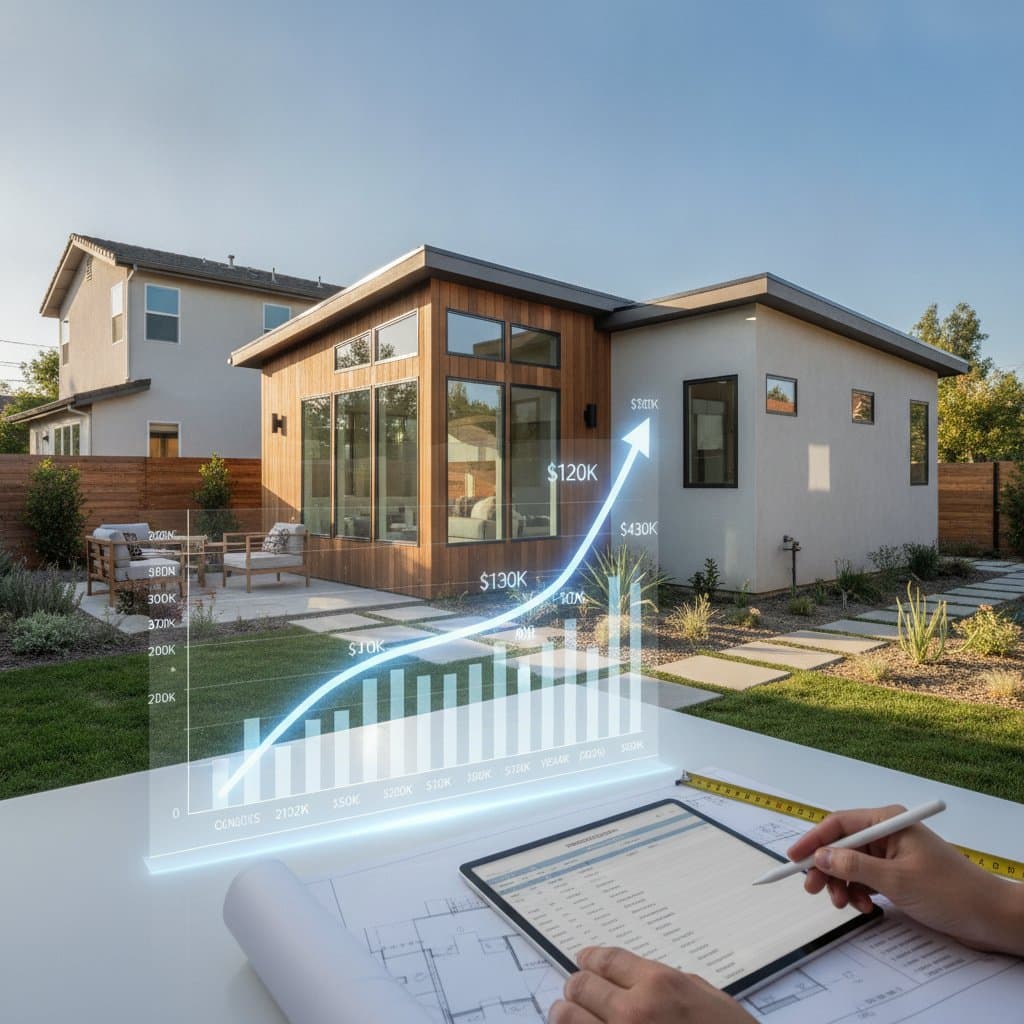
Detached ADUs offer complete independence, often built in backyards as small cottages. Sizes vary from 300 to 800 square feet, featuring full kitchens and laundry facilities.
These units comply with zoning laws in many areas, providing rental income potential. In 2025, modular ADUs reduce construction time to under six months.
Full Home Conversion
Repurposing existing spaces, such as basements or attics, creates multigen areas without major additions. This approach minimizes disruption and leverages current structures.
Engineers assess load-bearing walls for safety during modifications. The result yields cost-effective solutions for urban properties.
Detailed Cost Breakdown for 2025
Expenses vary by location, materials, and scope, with national averages adjusted for inflation. Homeowners budget 10 to 20 percent above estimates for unforeseen issues.
New Construction Costs
Building a new multigen home averages $250 to $400 per square foot, totaling $500,000 to $1.2 million for a 2,500-square-foot property. In-law suites add $150,000 to $300,000, while detached ADUs range from $200,000 to $450,000.
Regional factors influence pricing: coastal areas exceed $500 per square foot due to labor and permits. Energy-efficient features, like solar panels, increase upfront costs by 15 percent but lower long-term bills.
Remodeling and Conversion Expenses
Converting existing spaces costs $100 to $250 per square foot, or $50,000 to $150,000 for a 600-square-foot suite. Basement finishes include waterproofing at $5,000 to $10,000, plus plumbing upgrades.
Kitchenettes and bathrooms drive expenses, with custom cabinetry at $10,000 to $20,000. Professional assessments ensure compliance with building codes, adding $2,000 to $5,000.
Additional Budget Considerations
Permits and inspections total $5,000 to $15,000, depending on local regulations. Accessibility modifications, such as ramps and widened doorways, add $10,000 to $25,000.
Ongoing costs include higher utility bills, estimated at $300 to $500 monthly for larger homes. Insurance premiums rise by 10 to 20 percent for multigen setups.
| Layout Type | Average Cost Range | Timeline | Key Expenses |
|---|---|---|---|
| In-Law Suite | $150,000 - $300,000 | 3-6 months | Plumbing, soundproofing |
| Detached ADU | $200,000 - $450,000 | 4-8 months | Foundation, utilities |
| Conversion | $50,000 - $150,000 | 2-4 months | Electrical, finishes |
Design Tips for Balanced Spaces
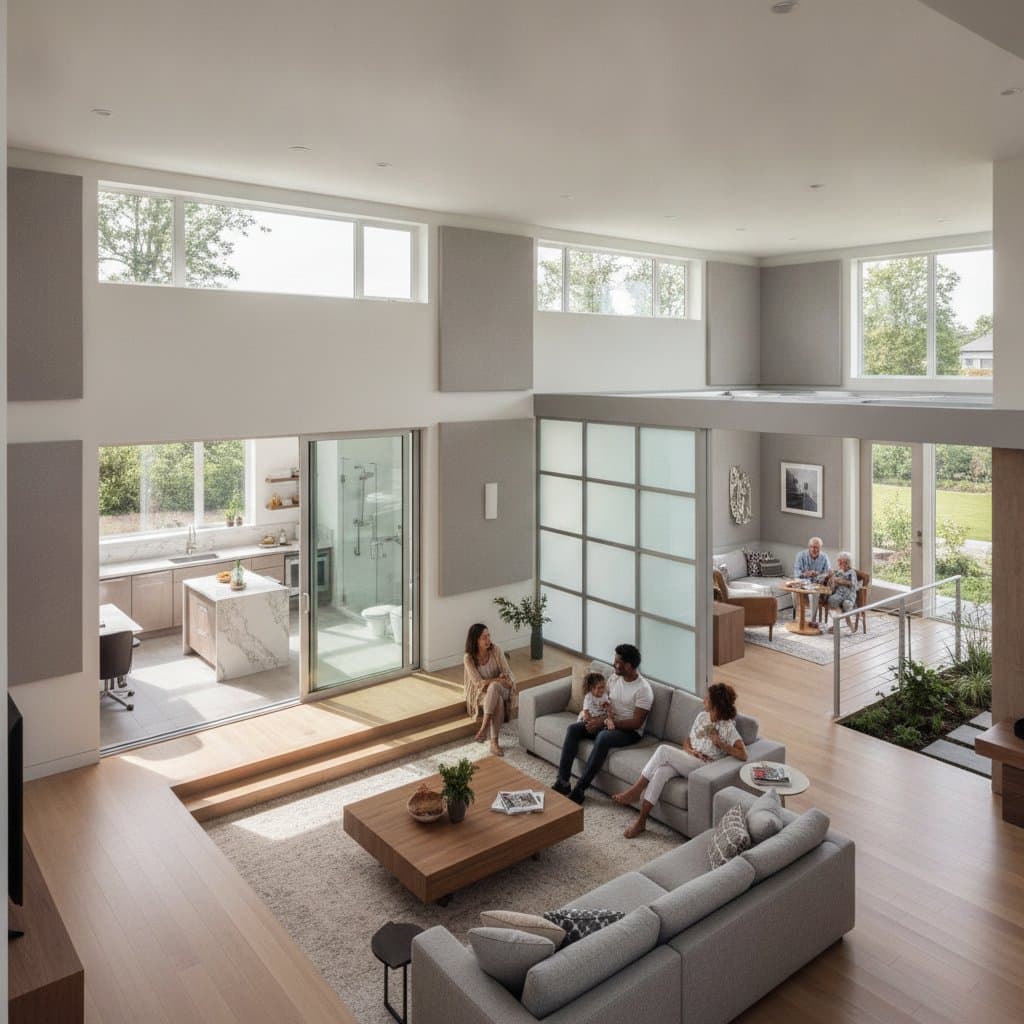
Effective designs prioritize flow between private and communal areas. Kitchens serve as central hubs, with islands for casual gatherings and pantries for individual storage.
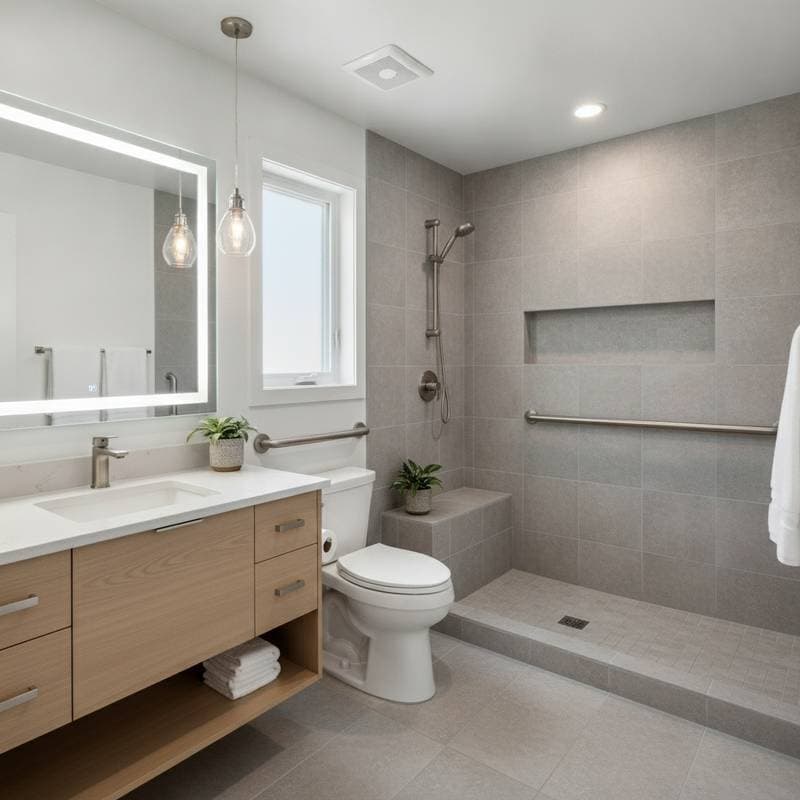
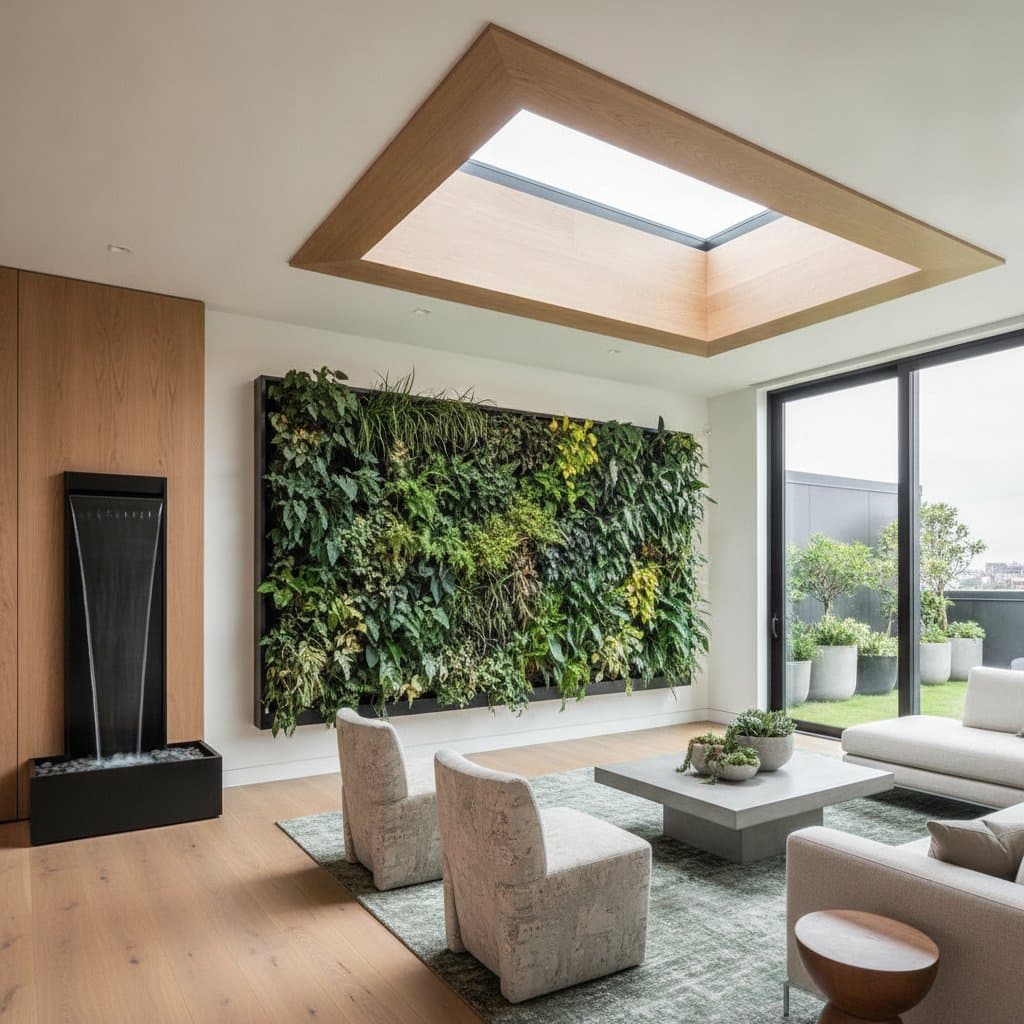
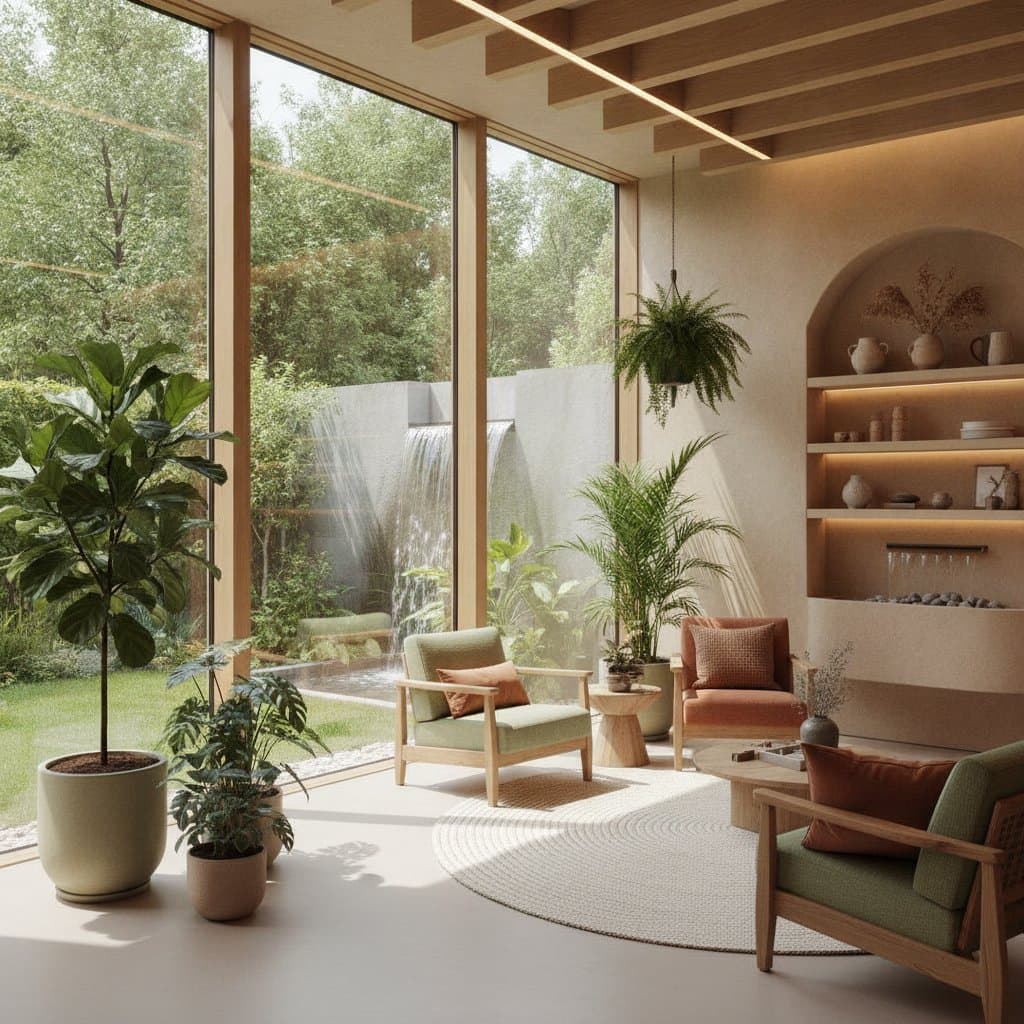
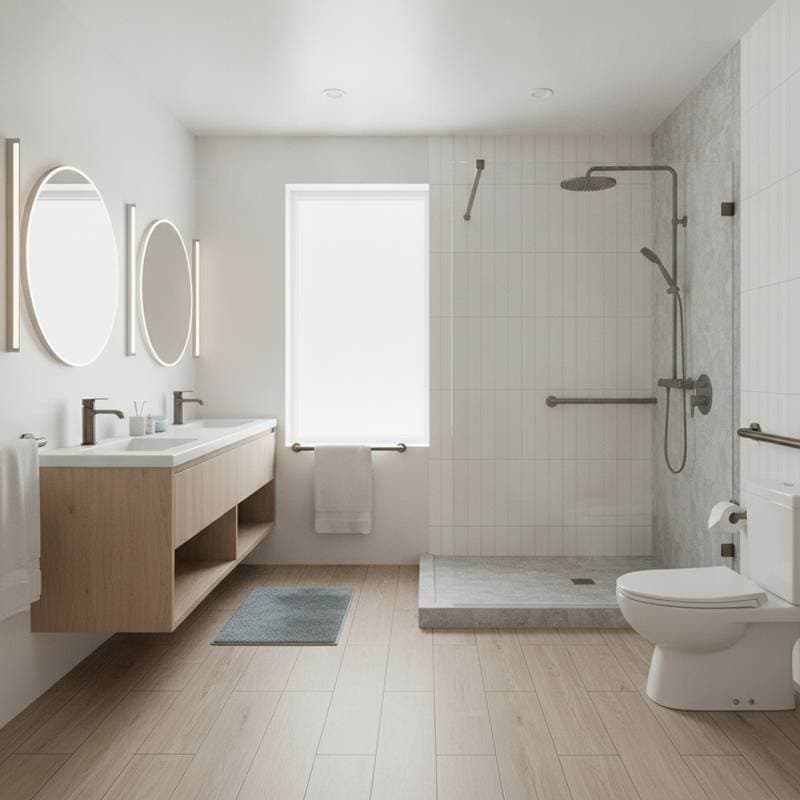
Incorporate universal design principles for accessibility: lever handles, zero-step entries, and adjustable counter heights accommodate all ages. Natural light through large windows improves mood and reduces energy use.
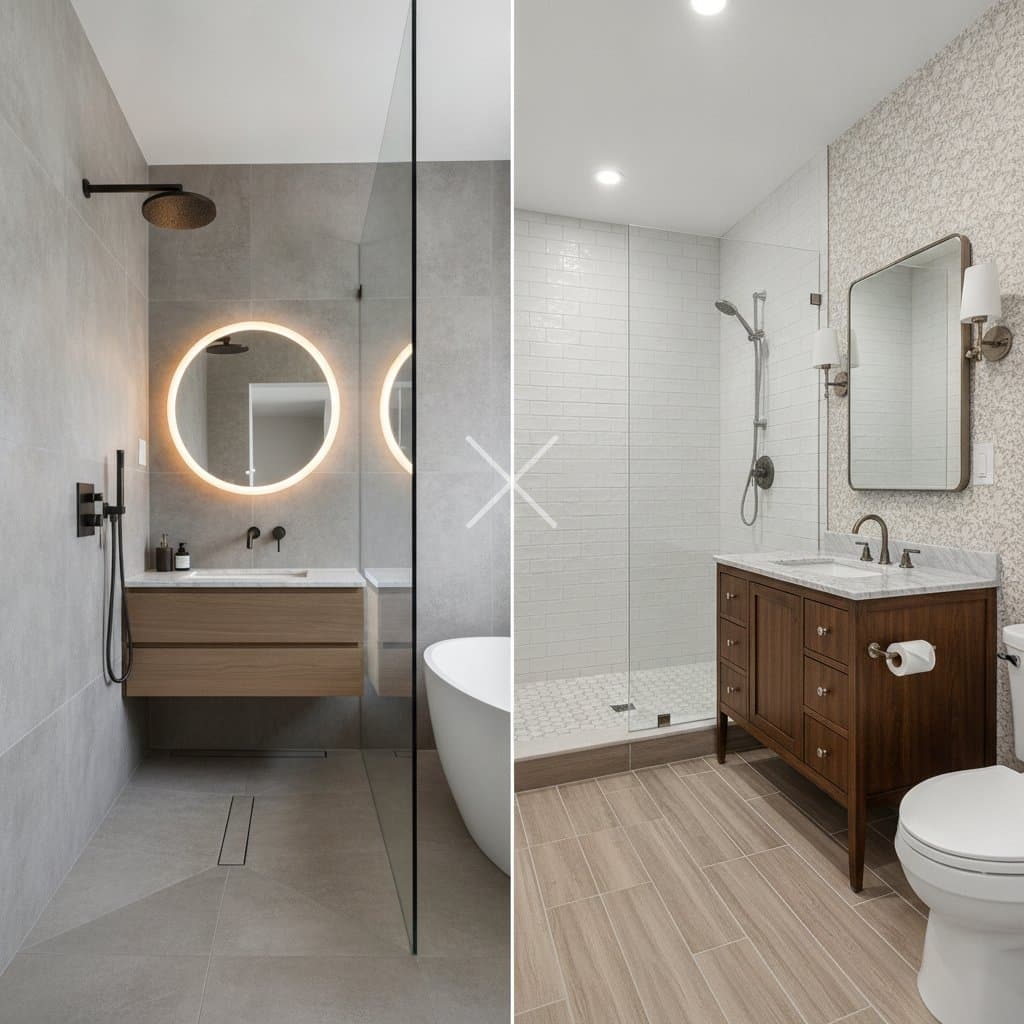
Shared living rooms feature modular furniture for reconfiguration. Private suites include en-suite bathrooms to minimize conflicts over facilities.
Step-by-Step Planning Process
Successful projects start with clear goals and professional input. Follow these steps to streamline your build.
-
Assess Family Needs: Discuss space requirements, mobility issues, and privacy preferences with all members. Consult an architect for initial sketches.
-
Set a Realistic Budget: Factor in all costs, including contingencies. Secure financing options like home equity loans early.
-
Select Layout and Materials: Choose durable, low-maintenance finishes like vinyl plank flooring and quartz counters. Review samples for aesthetics and functionality.
-
Obtain Permits and Approvals: Submit plans to local authorities. Address zoning restrictions, especially for ADUs.
-
Hire Contractors and Oversee Build: Vet professionals with references and licenses. Schedule regular site visits to track progress.
-
Finalize and Move In: Conduct final inspections for quality. Plan a family orientation to establish household routines.
Safety and Accessibility Essentials
Safety features protect vulnerable family members. Install smoke detectors, carbon monoxide alarms, and non-slip flooring throughout.
Smart home technology, such as automated lighting and video doorbells, enhances security at $1,000 to $3,000. Emergency call systems in suites provide peace of mind.
Accessibility extends to outdoor paths with handrails and gentle slopes. These elements ensure long-term usability without major retrofits.
Achieving Harmony in Multigen Living
Investing in a multigen home strengthens family bonds while addressing practical needs. Thoughtful planning yields spaces that adapt over time, delivering value beyond initial costs.
Homeowners report higher satisfaction from integrated support systems. With 2025's focus on sustainable and inclusive designs, these homes represent forward-thinking choices for shared futures.