Multigenerational Remodels: Essential Costs and Designs for 2026
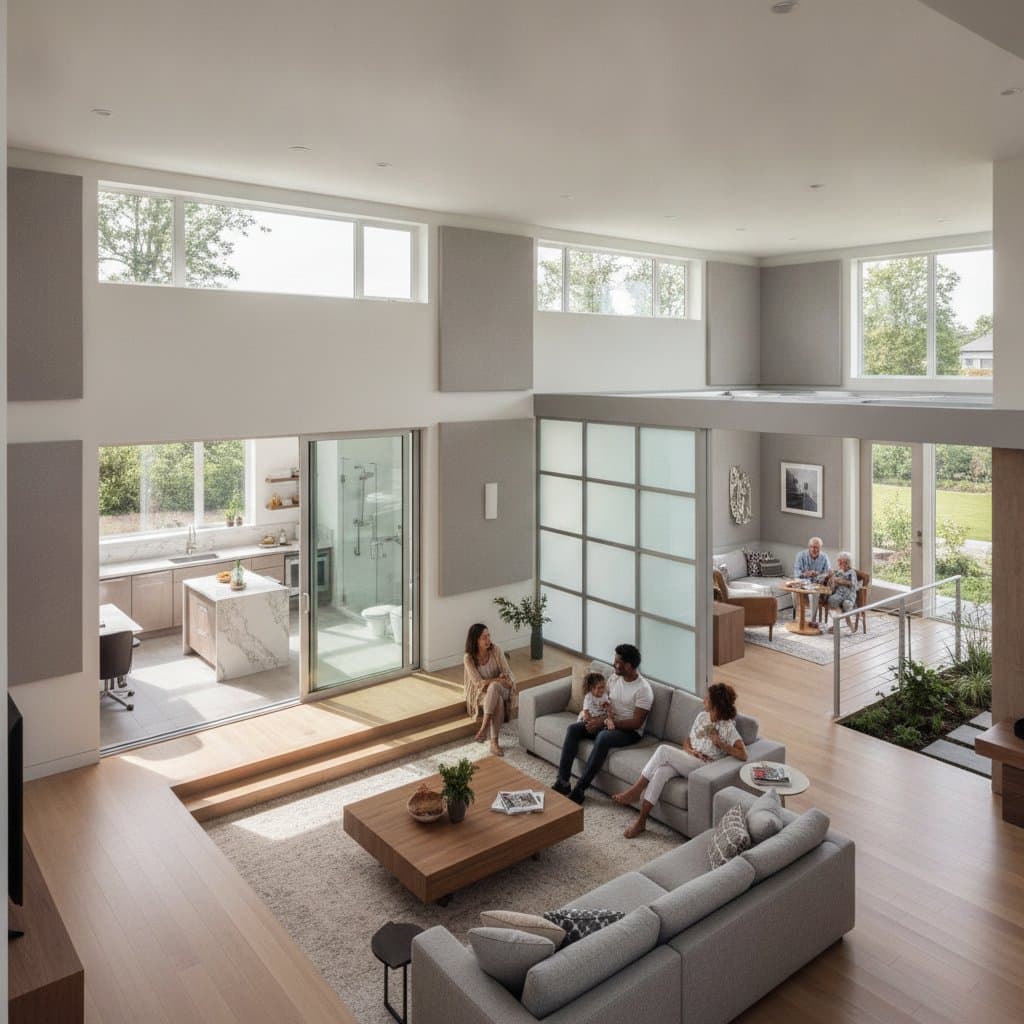
Families increasingly seek ways to cohabitate while preserving individual privacy and daily comfort. Multigenerational remodels adapt existing homes to accommodate multiple households under one roof, featuring distinct yet interconnected areas. These renovations enhance daily functionality, elevate property values, and offer enduring adaptability. Homeowners planning such projects benefit from understanding prevailing costs, viable layouts, and strategic planning elements.
Defining Multigenerational Remodels
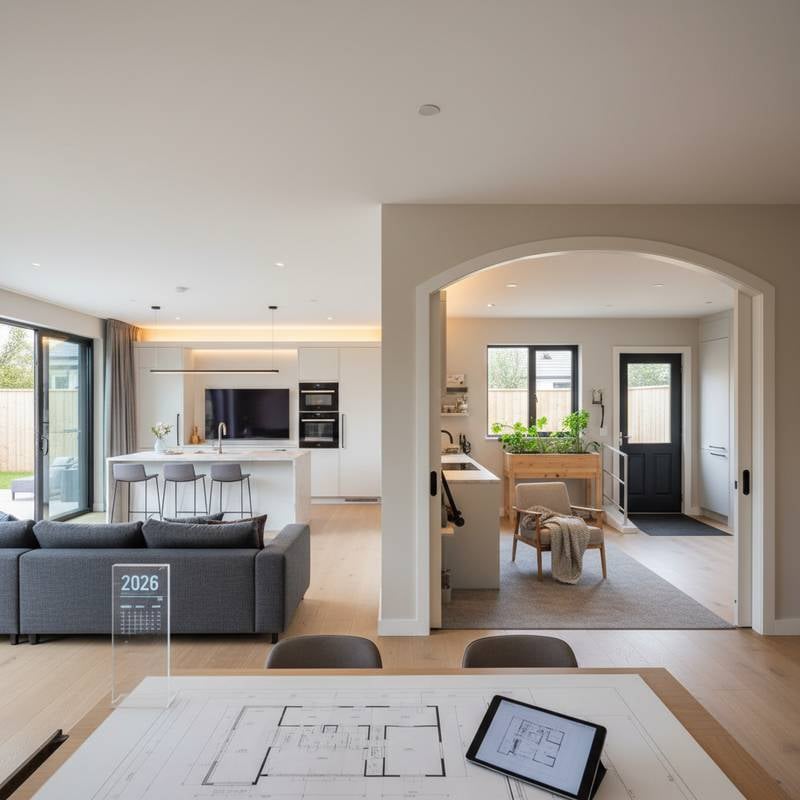
A multigenerational remodel alters a home to support more than one family unit within the same structure. Common modifications involve adding a secondary suite, integrating a communal kitchen, or repurposing spaces like basements or garages. The primary objective centers on developing independent zones that promote a sense of unity.
Key Reasons for Pursuit
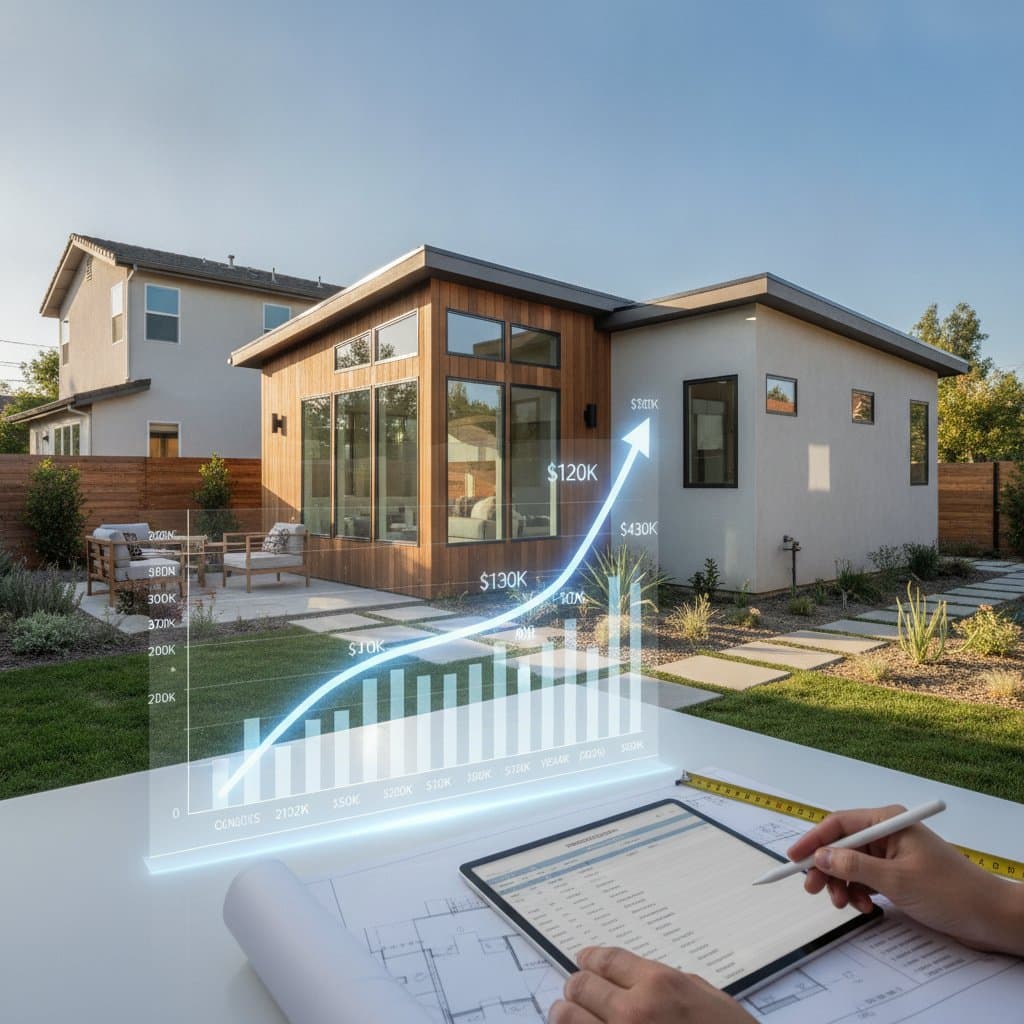
Rising housing expenses prompt families to combine finances, easing financial pressures and facilitating elder care. Such targeted remodels lower overall living costs, nurture familial relationships, and boost resale potential. Well-executed projects often yield returns of 50 to 70 percent through enhanced spatial versatility.
Effective Layout Configurations
1. Private Suite Addition
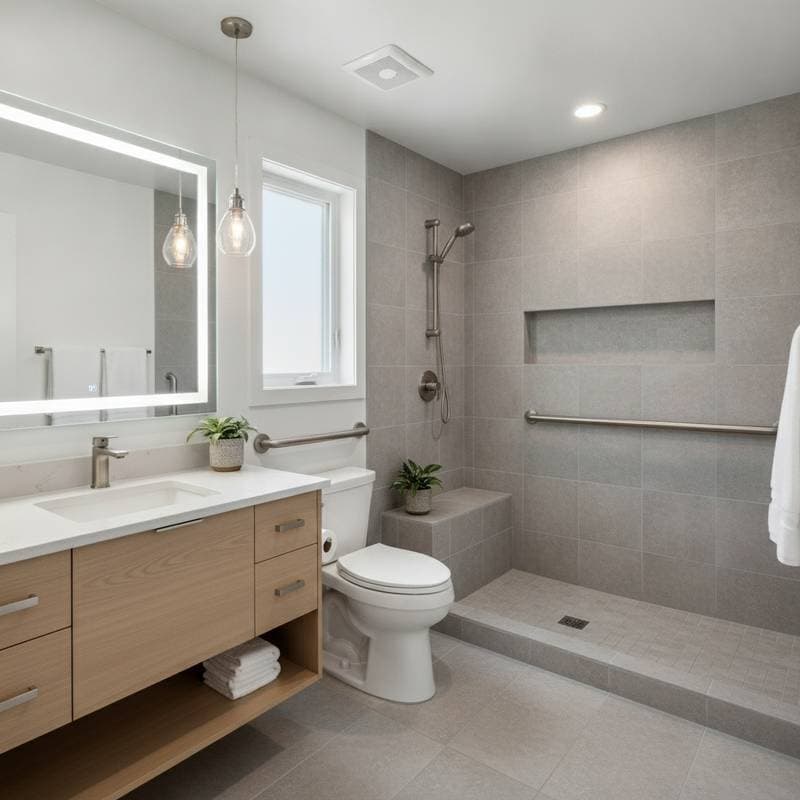
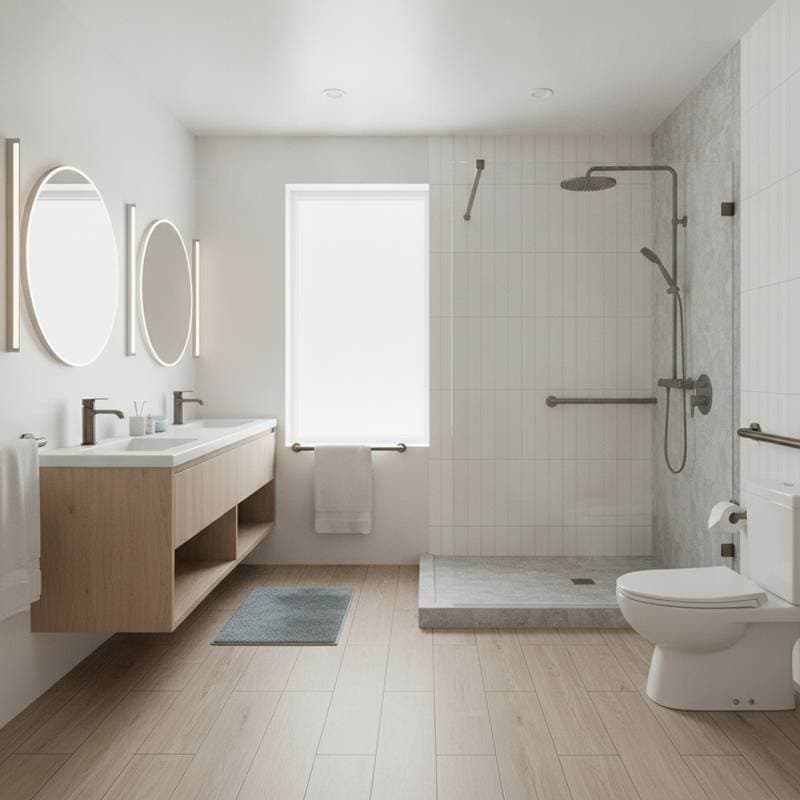
Constructing a standalone suite equipped with a bedroom, compact living space, full bathroom, and kitchenette promotes autonomy alongside familial closeness. This setup suits elderly parents or grown children and typically links via a shared corridor or enclosed outdoor passage.
Benefits of This Approach:
It balances seclusion with easy access for assistance and oversight.
Projected ROI: As high as 65 percent, influenced by dimensions and craftsmanship.
Professional Involvement: Engage experts for structural design, framing, and regulatory adherence. Owners may manage simpler tasks like painting or selecting fixtures.
2. Basement or Attic Conversion
Transforming underutilized areas such as basements or attics into functional living quarters provides cost-effective expansion without major exterior changes. Include essentials like bedrooms, bathrooms, and storage to create viable secondary spaces.
Benefits of This Approach:
It maximizes existing square footage while minimizing disruption to primary living areas.
Projected ROI: Around 55 to 60 percent, based on conversion scope and material selections.
Professional Involvement: Structural assessments and moisture control demand licensed contractors. Finishing touches, such as flooring installation, can involve homeowner input under supervision.
3. Shared Kitchen and Common Areas
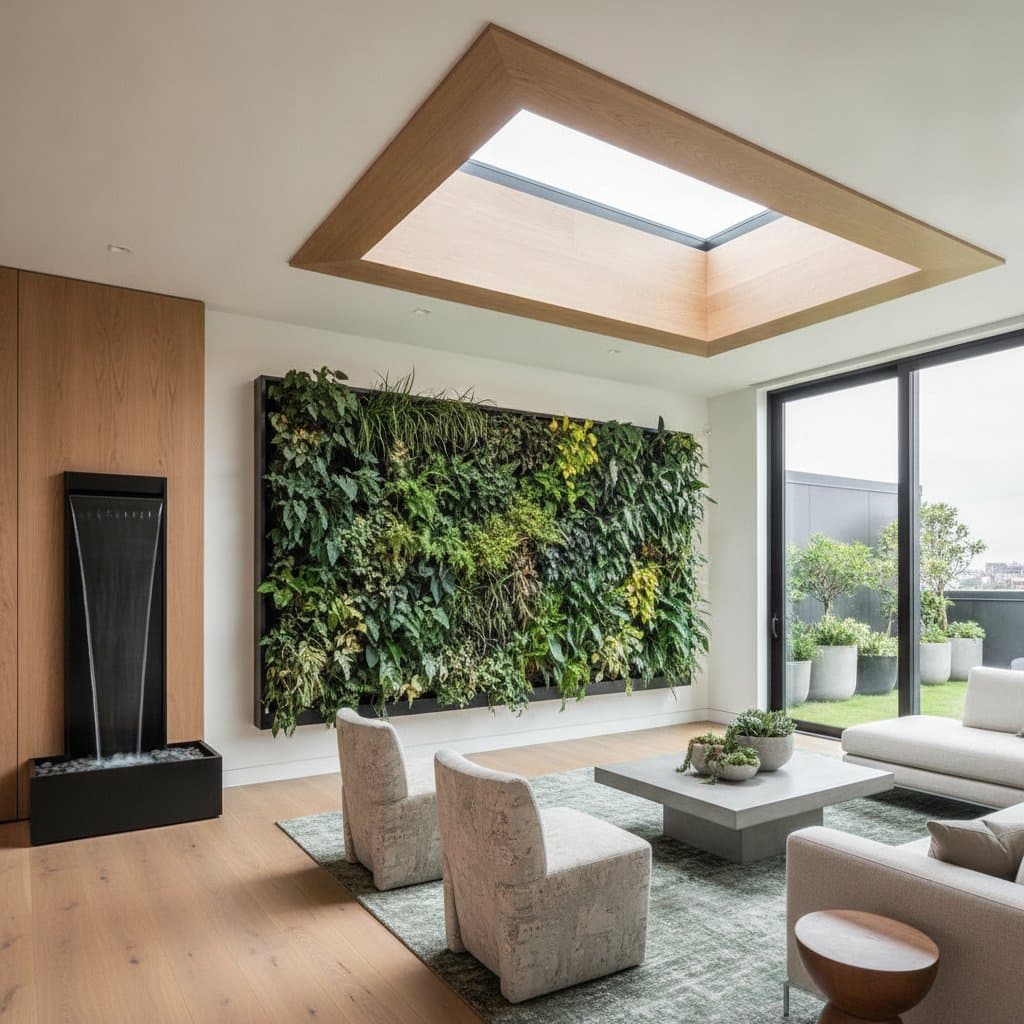
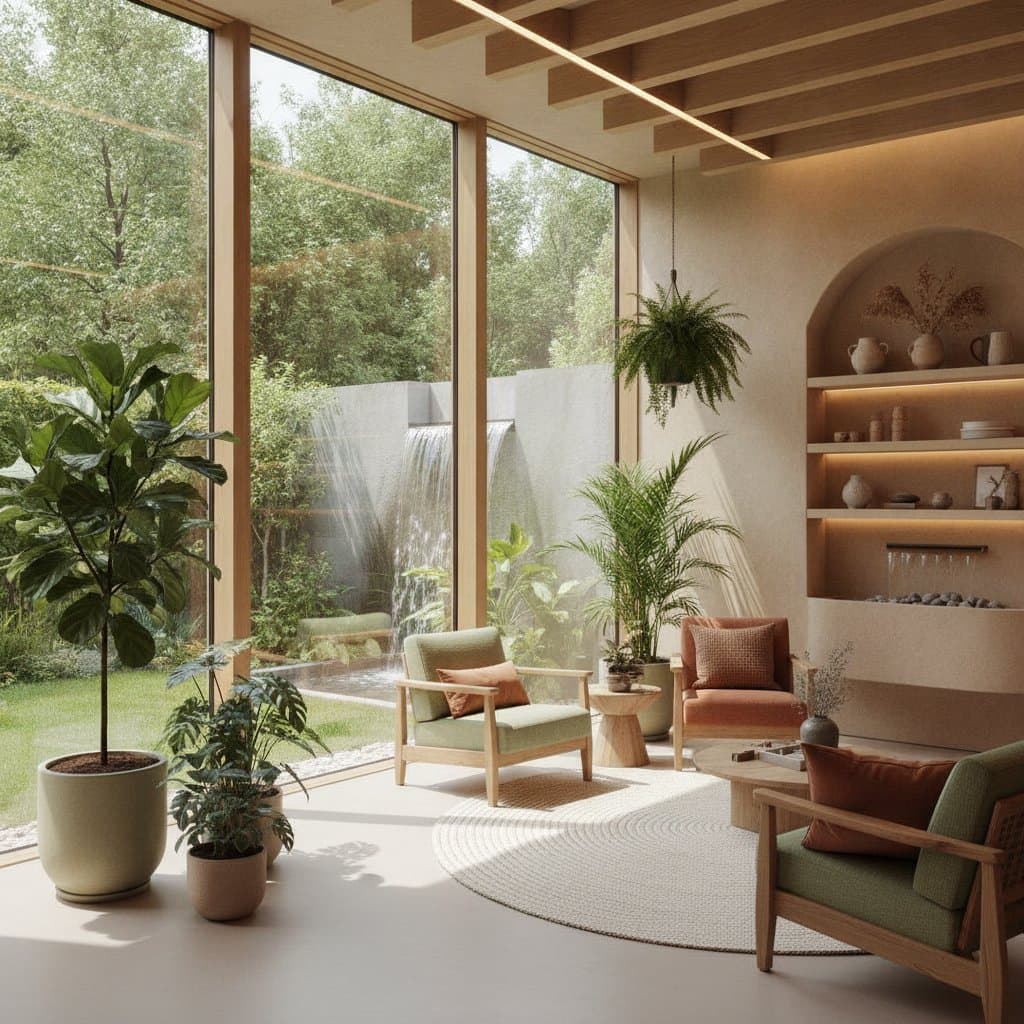
Designs that integrate communal and personal zones foster interaction without compromising personal space. Open layouts with expanded countertops, multiple appliances, and zoned storage alleviate congestion during meal preparation.
Benefits of This Approach:
It facilitates social engagement and optimizes shared amenities.
Cost Range: $45,000 to $90,000, varying by configuration and surface quality.
Professional Involvement: Delegate cabinetry placement and surface fabrication to specialists for structural integrity and precision.
Influences on Costs: Regional and Material Considerations
Expenses vary according to location and resource access. Densely populated urban settings elevate labor rates and permitting expenses due to space constraints. Regions prone to coastal moisture or harsh winters necessitate enhanced insulation, foundational sealing, and resilient exteriors.
Opting for regional materials cuts transportation fees and bolsters local economies. Selections impact both initial outlay and durability; for instance, vinyl plank flooring delivers economical resilience, whereas engineered hardwood imparts elegance and market appeal. Incorporating energy-saving windows and efficient illumination reduces ongoing energy demands for expanded households.
Strategies to Control Expenses
-
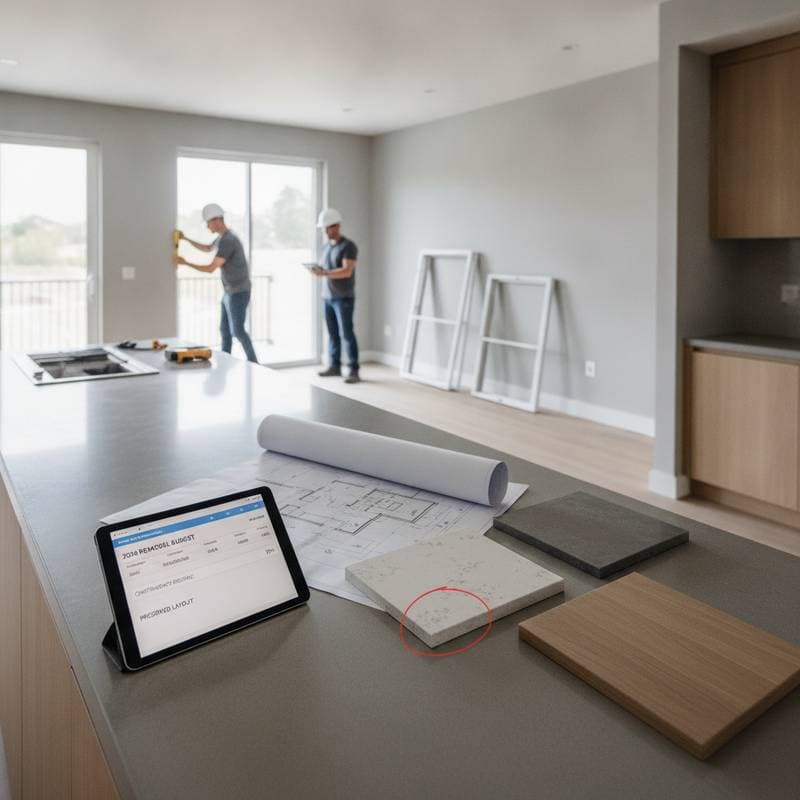
Develop Thorough Plans Upfront
Comprehensive blueprints minimize costly revisions during execution. -
Repurpose Existing Elements
Restore current cabinetry or adapt furnishings for auxiliary areas to conserve funds. -
Select Balanced Material Grades
Opt for robust, value-oriented options like quartz surfaces or resilient vinyl flooring, which outperform cheaper alternatives over time. -
Implement Phased Construction
Prioritize core modifications first, deferring aesthetic completions as budgets permit. -
Consolidate Related Upgrades
Integrating plumbing or wiring across zones streamlines labor and trims total hours.
Those who allocate reserves for unforeseen issues and adhere to defined schematics often realize savings of 5 to 10 percent.
Frequently Asked Questions on Multigenerational Remodels
How does an ADU differ from an in-law suite?
An ADU functions as an independent dwelling with dedicated kitchen facilities and entry, whereas an in-law suite frequently shares core utilities with the primary residence.
Will these remodels affect property taxes?
Expanding habitable areas typically increases valuation, though adjustments hinge on municipal policies and addition scale.
What timelines apply to construction?
Modest repurposings span two to three months. Extensive builds or standalone units may prolong to several months, factoring in approvals and seasonal factors.
Is renting an ADU feasible post-occupancy?
Numerous owners lease these units after family departures, subject to zoning variances. Verify municipal guidelines prior to marketing.
What upkeep routines are essential?
Conduct routine checks on communal systems, clear drainage channels, and annually tune HVAC components to accommodate increased usage.
Preserving and Maximizing Your Remodel's Value
These adaptations extend beyond immediate needs, yielding versatile environments responsive to evolving family dynamics and economic shifts. Document all approvals, guarantees, and vendor information for prospective purchasers. Sustain vigilance over exteriors, enclosures, and utilities to safeguard enduring worth.
Through meticulous preparation, open dialogue, and specialist input, the renovation aligns practical living with fiscal prudence. Judicious selections in layout and expenditure position the property to accommodate generations, upholding aesthetics, security, and operational efficiency indefinitely.