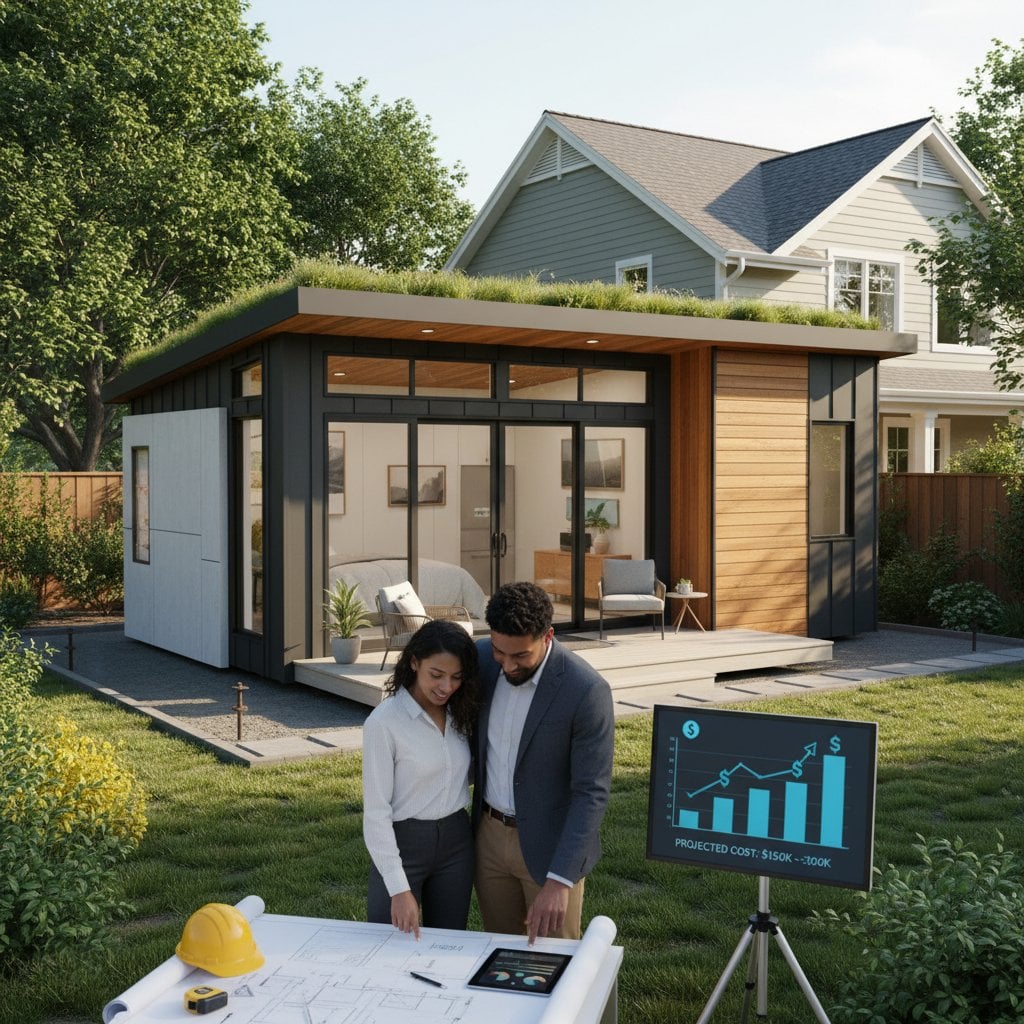
Introduction to Prefab ADUs
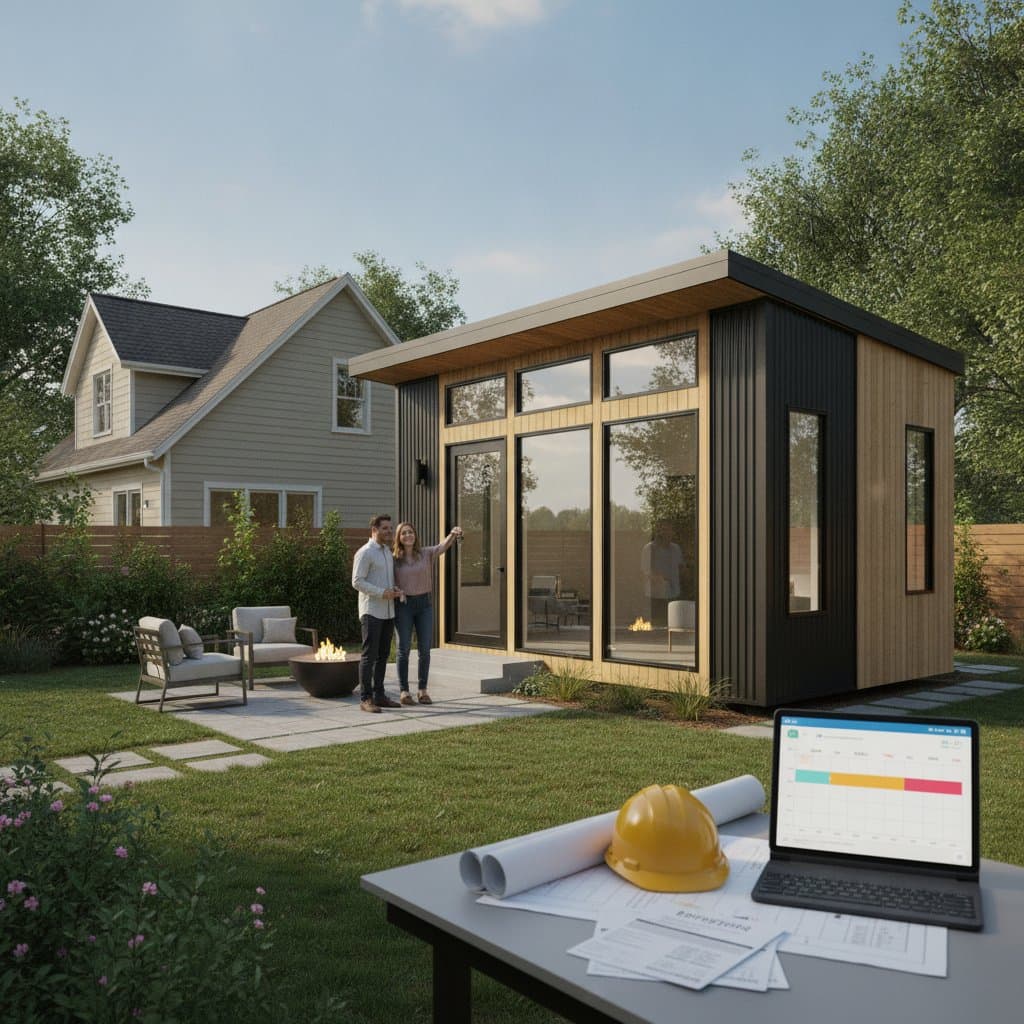
Accessory dwelling units, or ADUs, represent a practical solution for expanding living arrangements on existing properties. Prefabricated models streamline the construction process by manufacturing components in a controlled factory environment before on-site assembly. These units appeal to homeowners seeking additional space for family, guests, or rental income without the extended timelines of traditional builds.
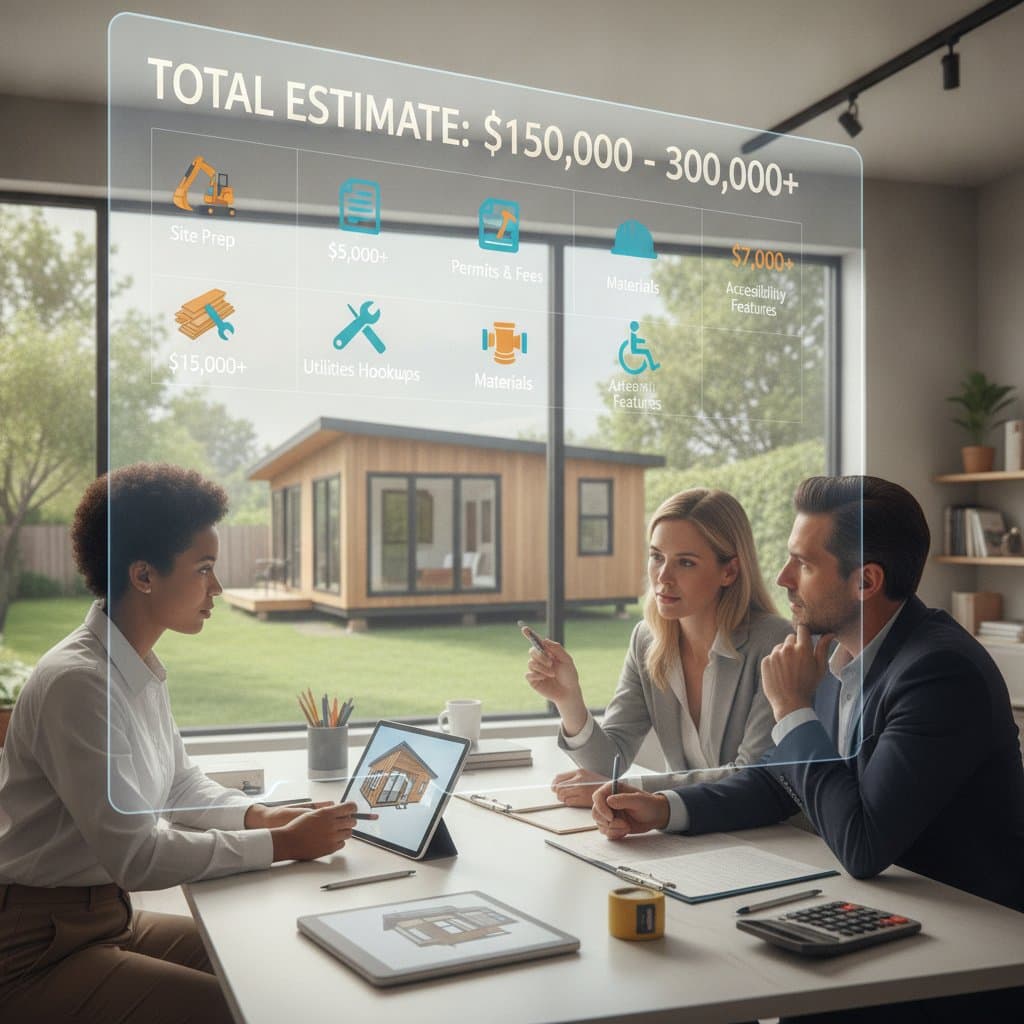
Costs for prefab ADUs generally fall between $150,000 and $300,000, influenced by size, location, and customization. Projects complete in six to ten months, far shorter than site-built alternatives. This article examines the factors driving these expenses, strategies for cost control, and long-term benefits to equip readers with the knowledge needed for informed decisions.
Breaking Down the Base Costs
The core price of a prefab ADU encompasses the factory-built unit, transportation, and initial installation. Manufacturers price standard models starting at $100,000 for basic 400-square-foot studios, scaling to $200,000 or more for two-bedroom configurations around 800 square feet. These figures include modular framing, basic insulation, and standard fixtures.
Labor constitutes 25 to 40 percent of the overall budget, covering skilled trades for assembly and integration. Remaining funds allocate to materials, fabrication, and finishing elements such as siding and roofing. Homeowners benefit from requesting itemized quotes to understand allocations clearly.
Key Add-On Expenses
Beyond the unit price, several site-specific costs arise during integration.
- Utility hookups: Expenses range from $10,000 to $30,000, based on the distance from existing lines and access challenges.
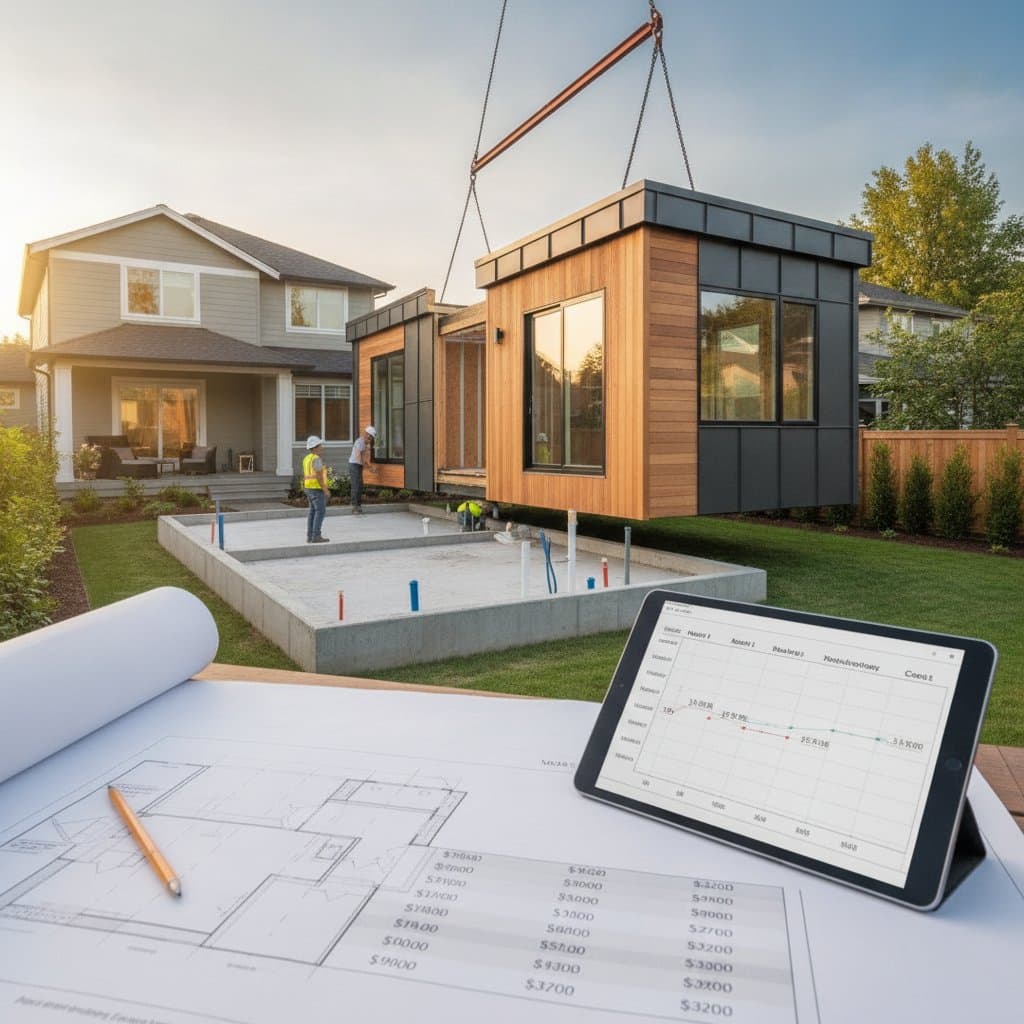
- Delivery and crane placement: Fees total $5,000 to $15,000, accounting for transport logistics and heavy-lift equipment.
- Permits and inspections: Budget $2,000 to $10,000 for regulatory approvals and compliance checks.
These elements often surprise first-time buyers, yet advance planning mitigates their impact.
Factors Influencing Total Expenses
Multiple variables determine the final investment for a prefab ADU. Awareness of these allows for precise budgeting and fewer adjustments mid-project.
Permitting and Regulatory Fees
Local governments handle ADU approvals differently. Certain areas provide expedited processes for prefab designs, while others demand comprehensive engineering reviews. Allocate $3,000 to $8,000 for architectural drawings, structural analysis, and municipal charges. Larger units or those requiring new infrastructure may incur additional impact fees.
Site Preparation Challenges
Ideal sites feature level ground and straightforward access, minimizing setup costs. Sloped landscapes, however, necessitate retaining walls or extensive grading, adding $10,000 to $25,000. Soil evaluations prove essential; poor stability or drainage issues demand reinforcements, further elevating expenses.
Utility Extension Requirements
Linking the ADU to primary sewer, water, and power sources frequently emerges as a major outlay. Sites with remote utilities require trenching, which costs $2,000 to $5,000 per 100 feet. Upgrading existing systems to accommodate increased demand also contributes to the total.
Customization and Design Choices
Standard prefab offerings prioritize efficiency with preset floor plans. Opting for alterations, such as expanded windows or modified roofs, involves extra engineering and can increase costs by 10 to 20 percent. Timelines extend accordingly, as revisions loop back to the factory.
Strategies for Cost Reduction
Homeowners can trim expenses through deliberate selections and preparations without compromising structural integrity.
- Select standard configurations: Factory-optimized designs minimize material waste and fabrication time.
- Opt for balanced interior selections: Mid-tier flooring and cabinetry deliver longevity alongside visual appeal at lower prices.
- Leverage existing infrastructure: Connecting to nearby utilities avoids extensive excavation and associated permits.
- Address site issues upfront: Resolve grading and access concerns prior to unit ordering to prevent on-site surprises.
- Negotiate package deals: Manufacturers sometimes provide savings on integrated fabrication, delivery, and setup services.
- Evaluate funding alternatives: Specialized ADU loans or home equity options often feature reduced origination costs.
Effective collaboration among stakeholders ensures alignment. Verify all prerequisites, including utilities and approvals, before production commences to eliminate costly modifications.
Assessing Return on Investment
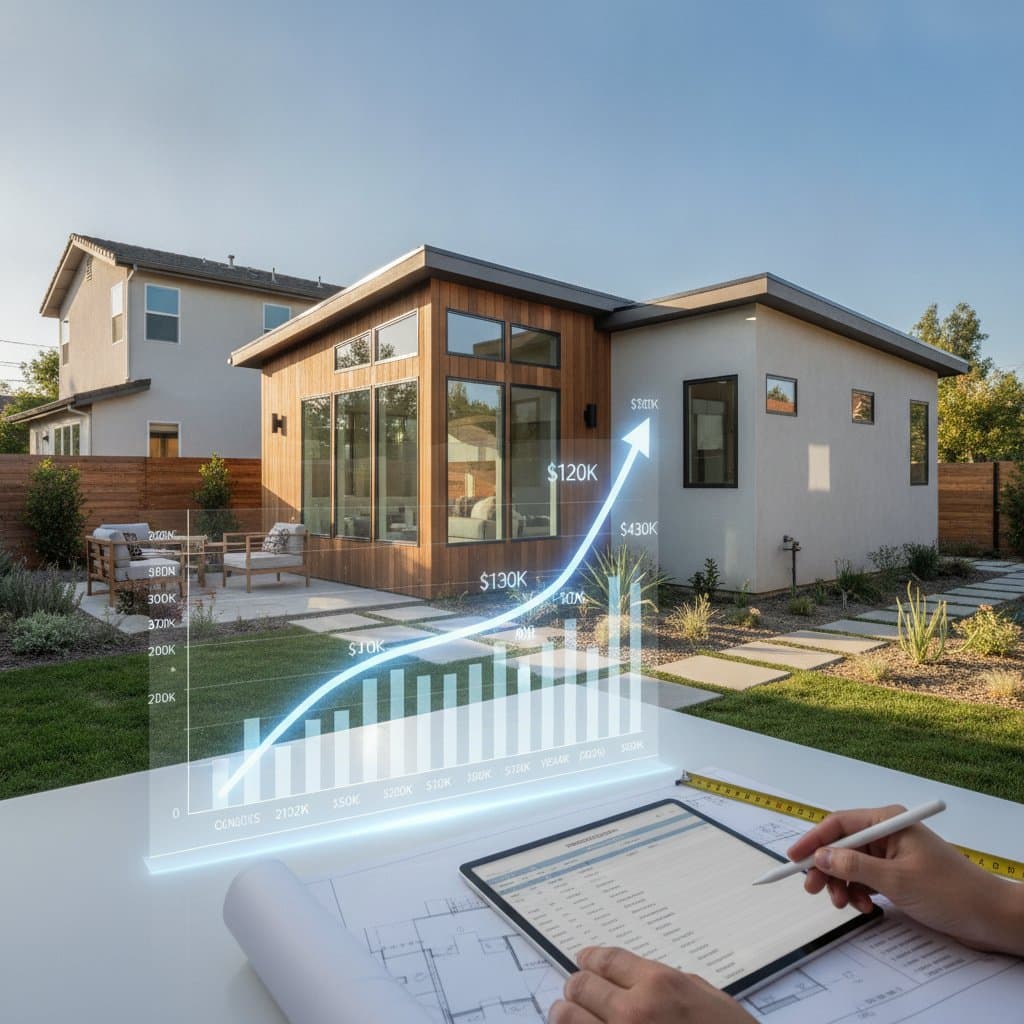
Investing in a prefab ADU yields tangible financial gains via income generation and property enhancement. In high-demand markets, these units boost overall value by 20 to 30 percent. Rental applications, whether long-term leases or short stays, enable cost recovery in three to five years.
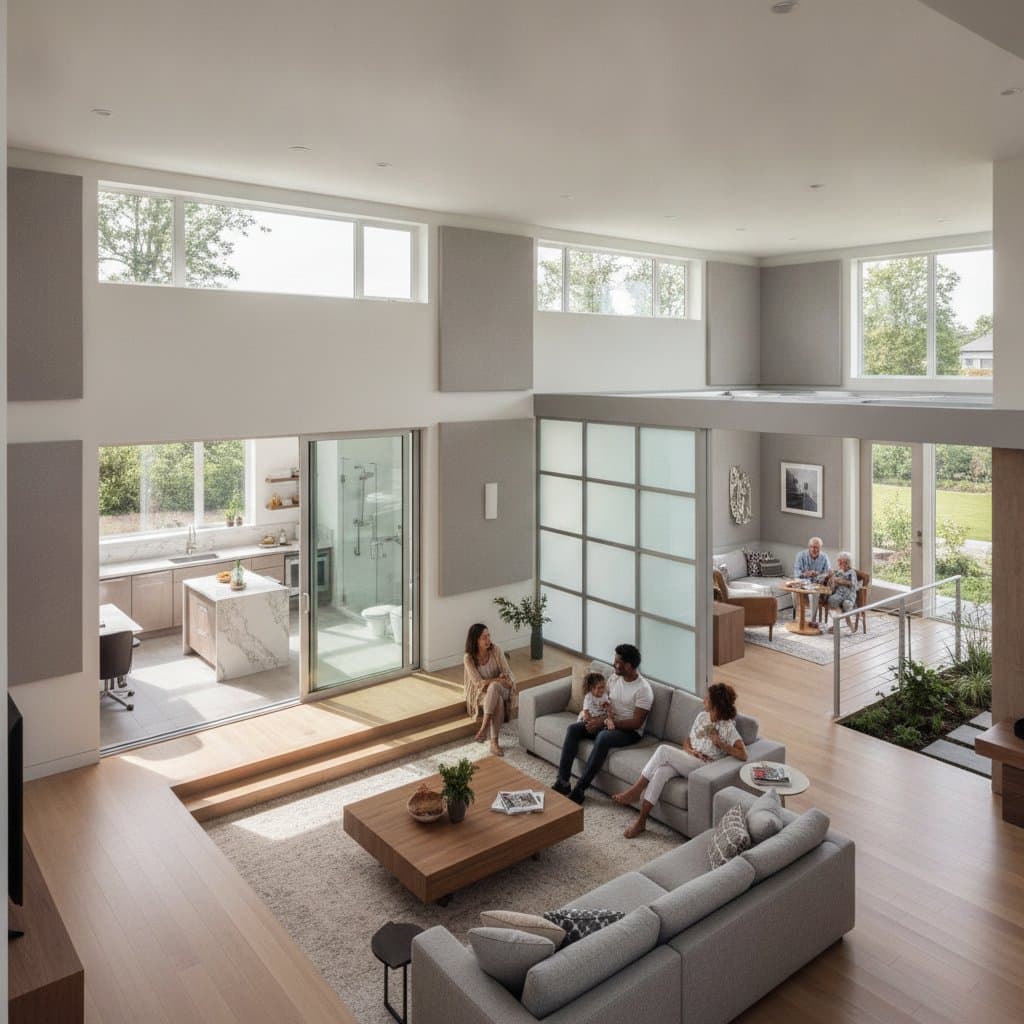
Even for personal use, such as accommodating relatives or creating a home office, the added versatility attracts buyers during resale. Energy-conscious designs further amplify benefits; superior insulation and efficient systems cut ongoing utility expenses by up to 30 percent compared to older structures.
Project Timeline Overview
Prefab ADUs progress efficiently, spanning six to ten months from concept to occupancy. Permitting durations vary by jurisdiction, while factory production remains consistent.
- Planning and approvals: 2 to 4 months for design finalization and regulatory clearance.
- Manufacturing phase: 2 to 3 months in the factory for component assembly.
- On-site groundwork: 1 to 2 months for foundation pouring and utility staging.
- Transport and setup: 1 to 2 weeks for delivery and crane-assisted placement.
- Finishing and certification: 2 to 4 weeks for inspections, connections, and final walkthroughs.
Sequencing these steps meticulously prevents bottlenecks. Secure permits before placing the factory order to maintain momentum.
DIY Options Versus Professional Management
While prefabrication simplifies construction, full DIY assembly proves challenging for most. Units arrive in substantial modules demanding specialized equipment and expertise for safe positioning.
Limited self-participation suits tasks like site clearing or cosmetic touches, potentially saving $3,000 to $10,000. Essential elements, including electrical and plumbing, require certified professionals to satisfy codes.
Scenarios for Owner Involvement
- Prior experience in overseeing builds provides confidence.
- Straightforward sites reduce complexity.
- Detailed guides from the supplier clarify steps.
- Ample availability allows for subcontractor scheduling.
Benefits of Expert Coordination
Professionals excel in utility expansions, foundation work, and code navigation. Their involvement streamlines approvals and installation, offering a unified responsibility point. Although initial outlays rise, avoidance of rework justifies the premium.
Preserving Long-Term Value
Routine upkeep safeguards the ADU's performance and worth. Annual reviews of roofing, foundations, and seals detect issues early. Maintain drainage systems and HVAC components to prevent inefficiencies.
Modular construction features durable engineered elements, yet joints may settle slightly. Address any gaps promptly to block water entry. For rental properties, track maintenance diligently; records bolster valuations and support rate increases.
Common Questions Addressed
What is the typical cost range for a prefab ADU? Prices span $150,000 to $300,000, varying with dimensions, features, and location specifics.
Are financing options available for prefab ADUs? Home equity loans, construction financing, and dedicated ADU programs provide accessible paths.
What timeline should homeowners expect? Completion averages six to ten months, encompassing all phases from design to occupancy.
How durable are prefab ADUs? They adhere to standard building regulations, with factory quality checks ensuring reliability akin to site-built homes.
Does a prefab ADU enhance property value? It can elevate worth by 20 to 30 percent, contingent on regional market dynamics.
Cost Estimation Approach
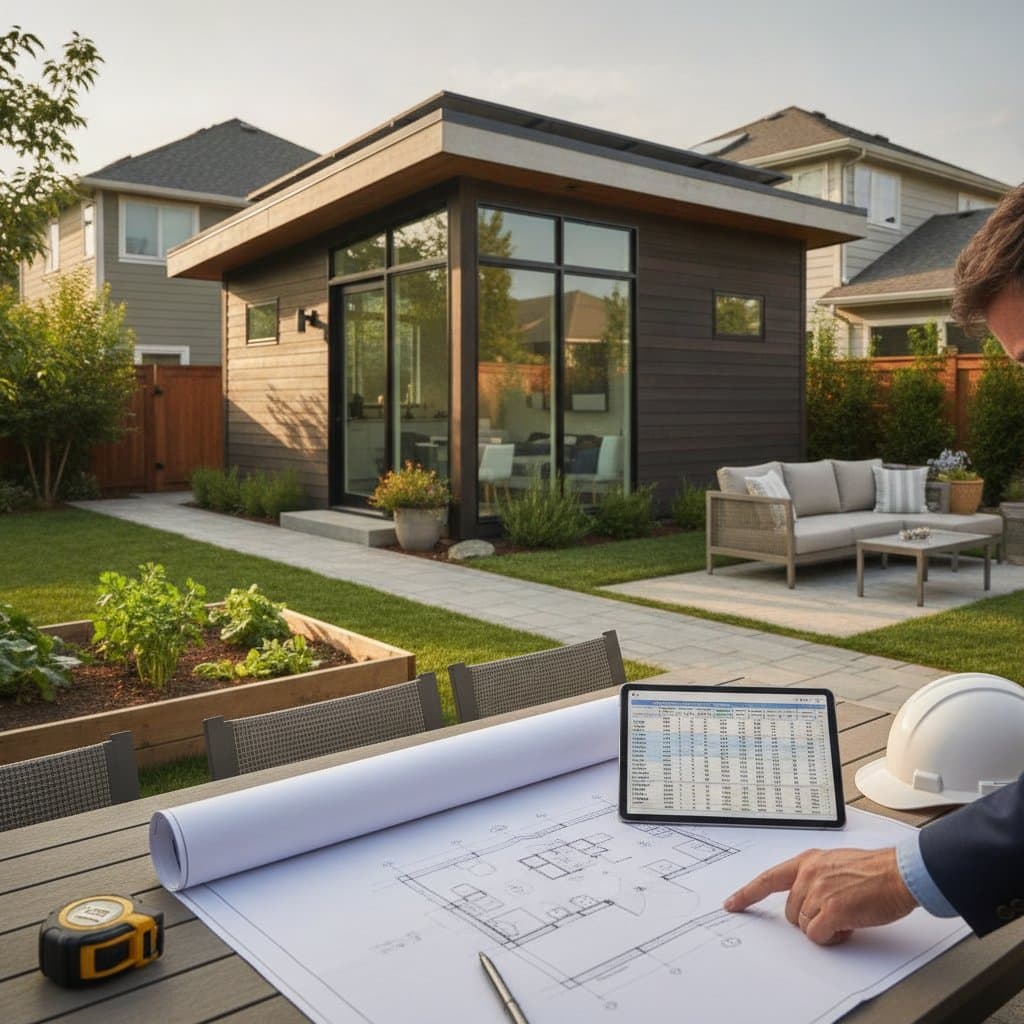
Estimates derive from aggregated data, including builder bids, supplier catalogs, and regional contractor insights. Coverage includes direct expenses like materials and labor, plus indirect ones such as fees and planning. Variations occur locally, so obtaining three comprehensive proposals aids in benchmarking.
Line-by-line reviews reveal optimization opportunities and promote accountability among providers.