Prefab ADUs: Slash Costs Compared to Traditional Builds
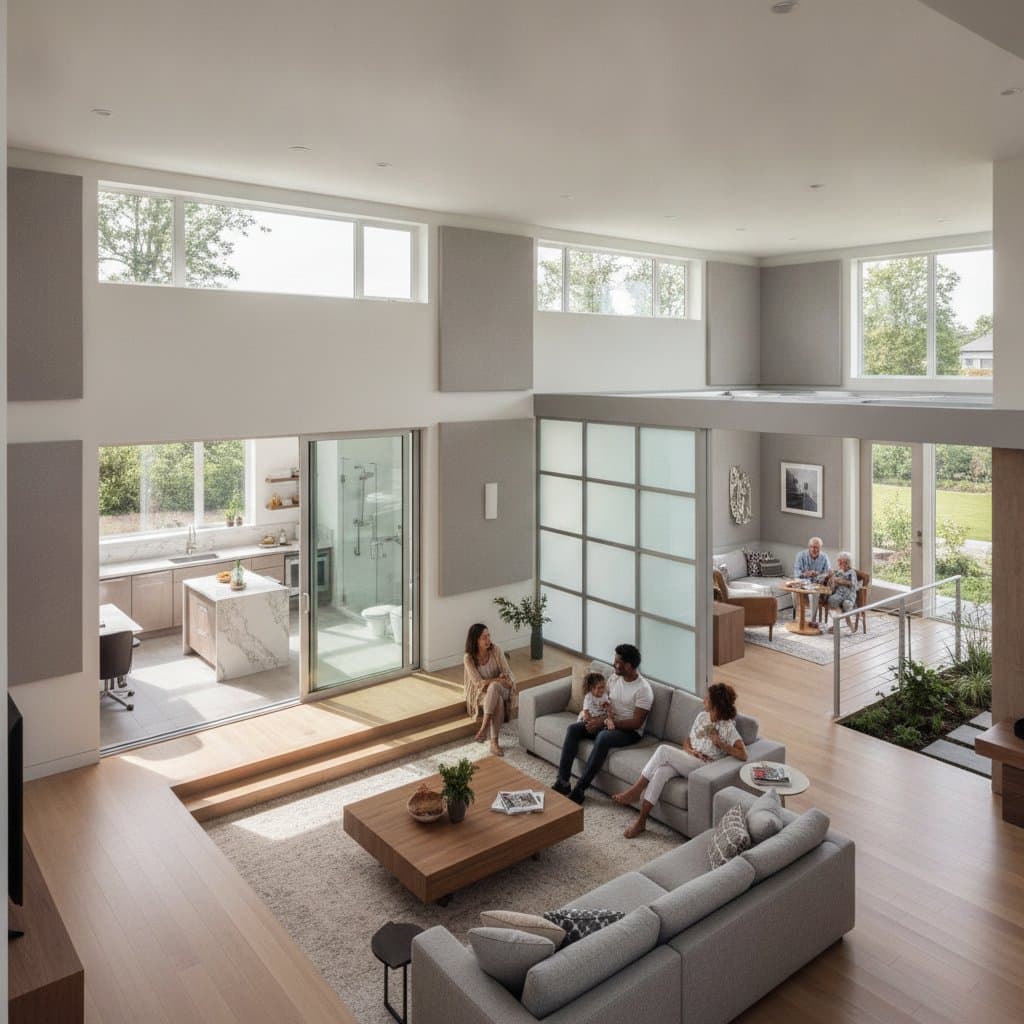
Adding an accessory dwelling unit, or ADU, provides a flexible method to enhance property value and expand living space. Homeowners often use ADUs as rental properties, guest accommodations, or spaces for multigenerational living, which improves daily comfort and generates financial benefits. Prefabricated ADUs emerge as a compelling alternative to traditional site-built construction, delivering accelerated timelines, reduced expenses, and limited site disruptions. This guide compares prefab ADUs with site-built units, examines key cost factors, and outlines steps to select the optimal option for specific property objectives.
Understanding Prefab ADUs
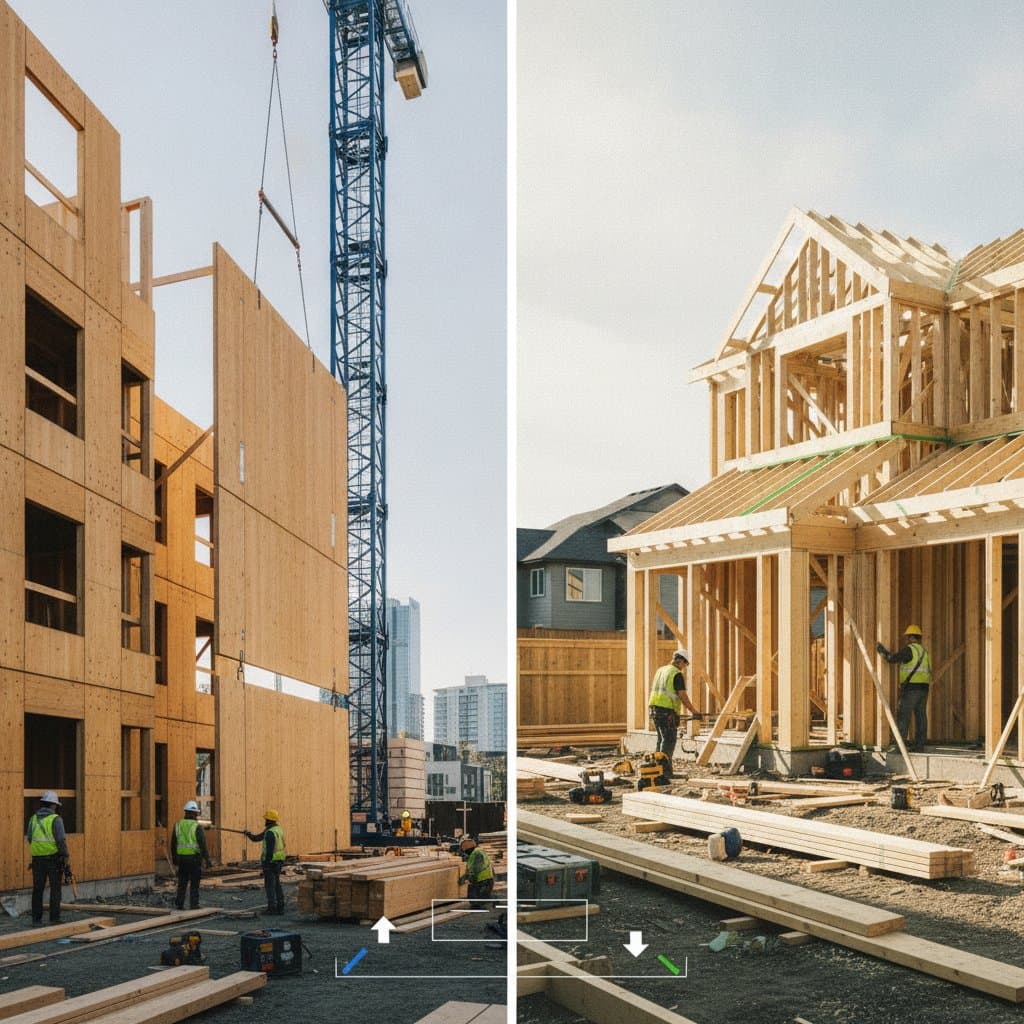
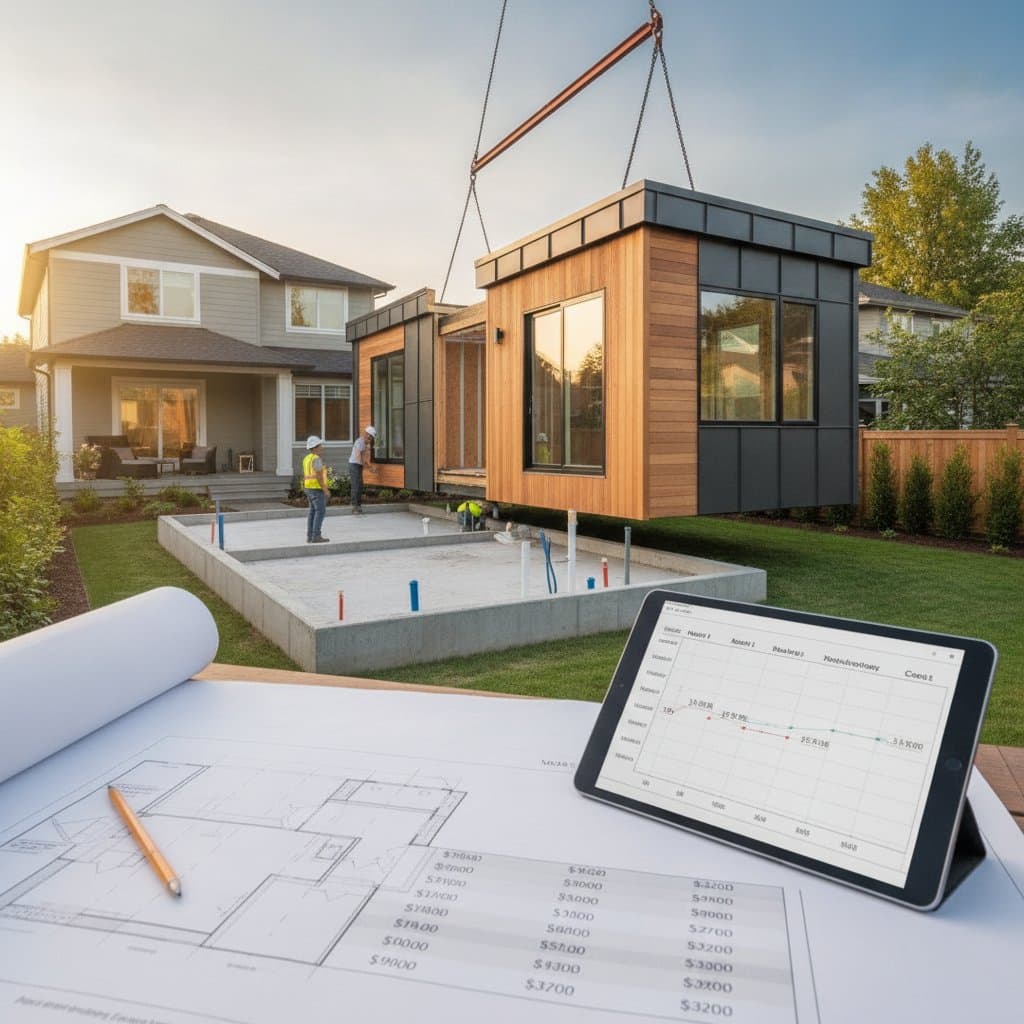
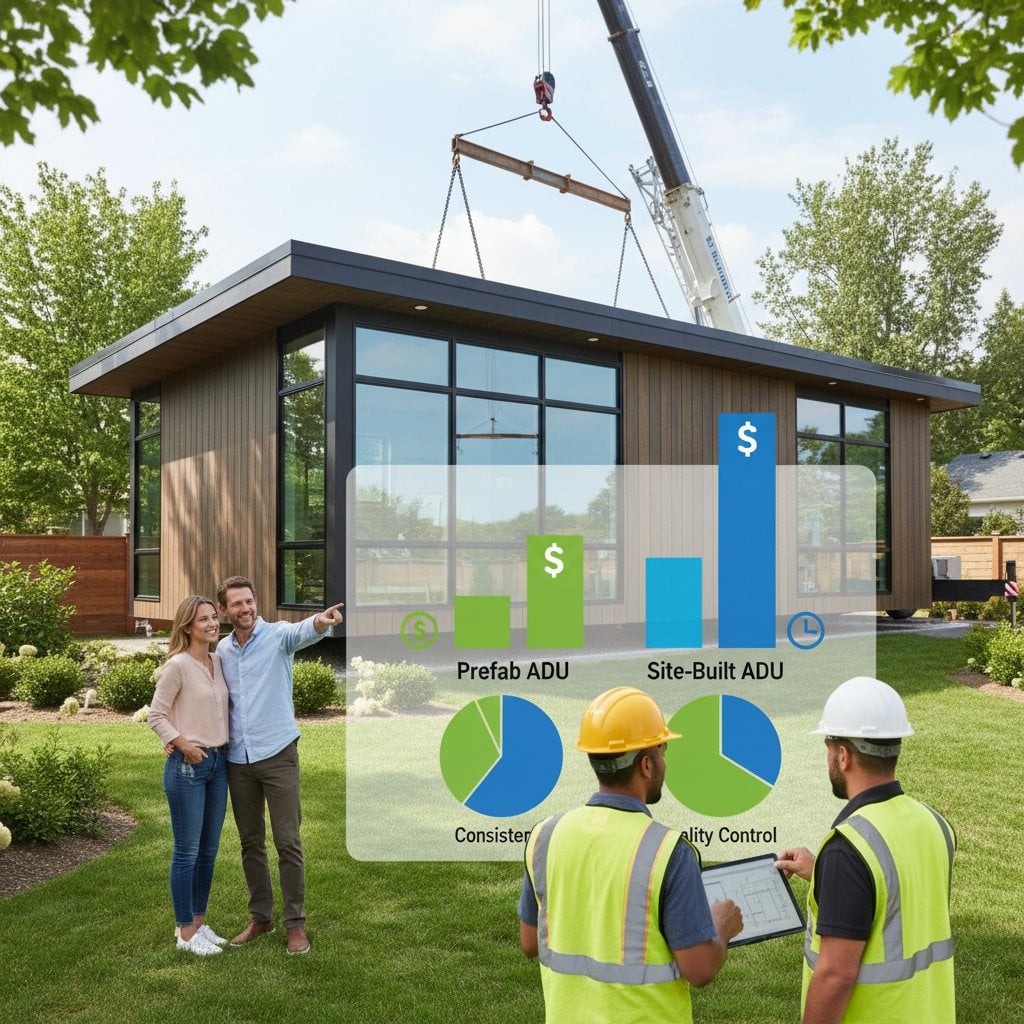
Prefab ADUs consist of factory-assembled structures transported to the site in fully completed or partially assembled modules. On location, crews establish the foundation, integrate utilities, and complete the assembly. The factory-controlled environment accelerates production and eliminates weather-related interruptions. In comparison, traditional ADUs involve complete on-site construction, which supports extensive customization yet typically incurs elevated costs and extended durations.
Prefab ADUs appear in various configurations:
- Modular units: Substantial segments fabricated off-site and craned into place for final assembly.
- Panelized systems: Pre-cut wall, floor, and roof panels shipped separately and connected on-site.
- Container conversions: Repurposed shipping containers modified with insulation, windows, and interior finishes for habitable spaces.
These formats vary in design adaptability, pricing structures, and setup demands, allowing selection based on project scale and preferences.
Time Savings and Efficiency
Prefab ADUs frequently achieve completion in half the duration of traditional projects. Factory production runs parallel to on-site foundation work, enabling delivery and installation within weeks of arrival. Traditional construction demands months of sequential on-site labor, vulnerable to delays from inclement weather, supply chain issues, or labor coordination challenges.
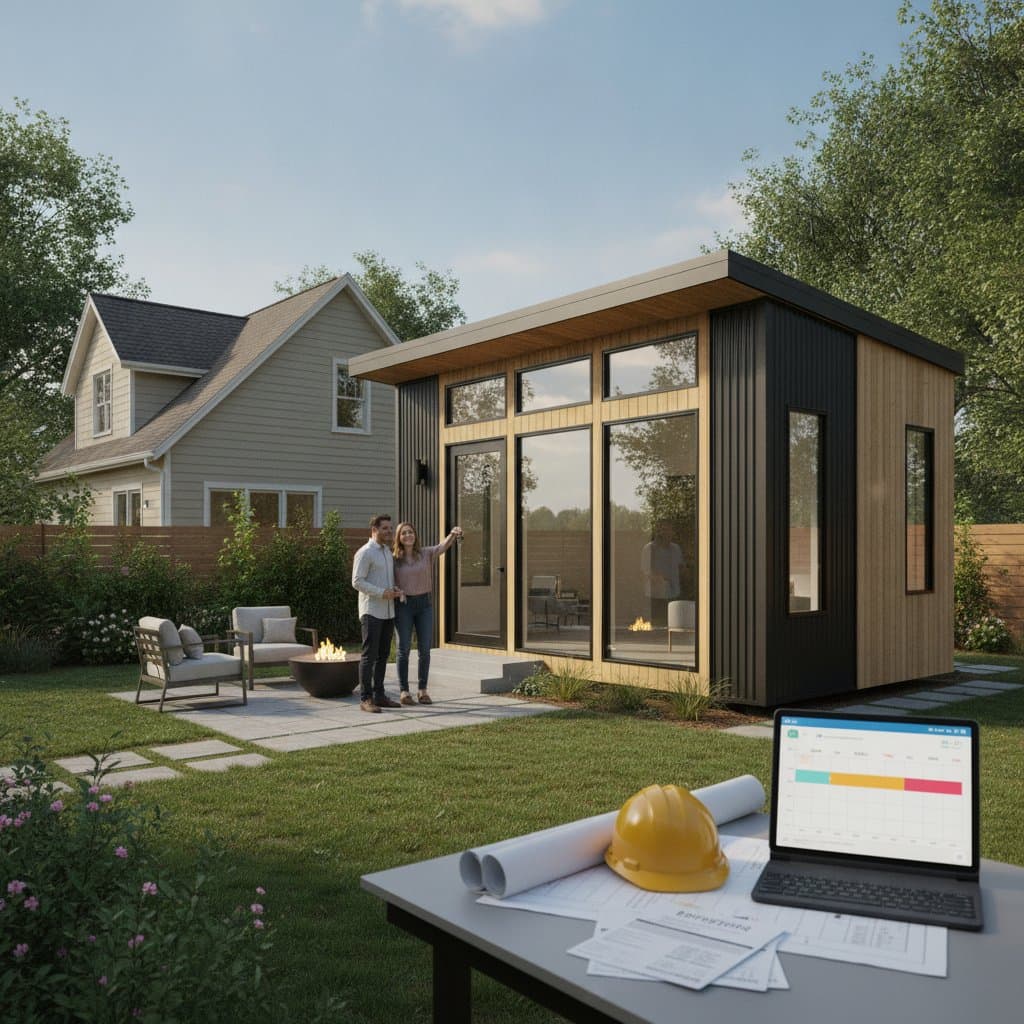
Such efficiency enables property owners to initiate rental revenue streams promptly or house family members with minimal interruption to daily routines. For instance, a 400-square-foot prefab unit might require only two to four weeks for final setup, versus four to six months for a comparable site-built version.
ROI and Long-Term Value
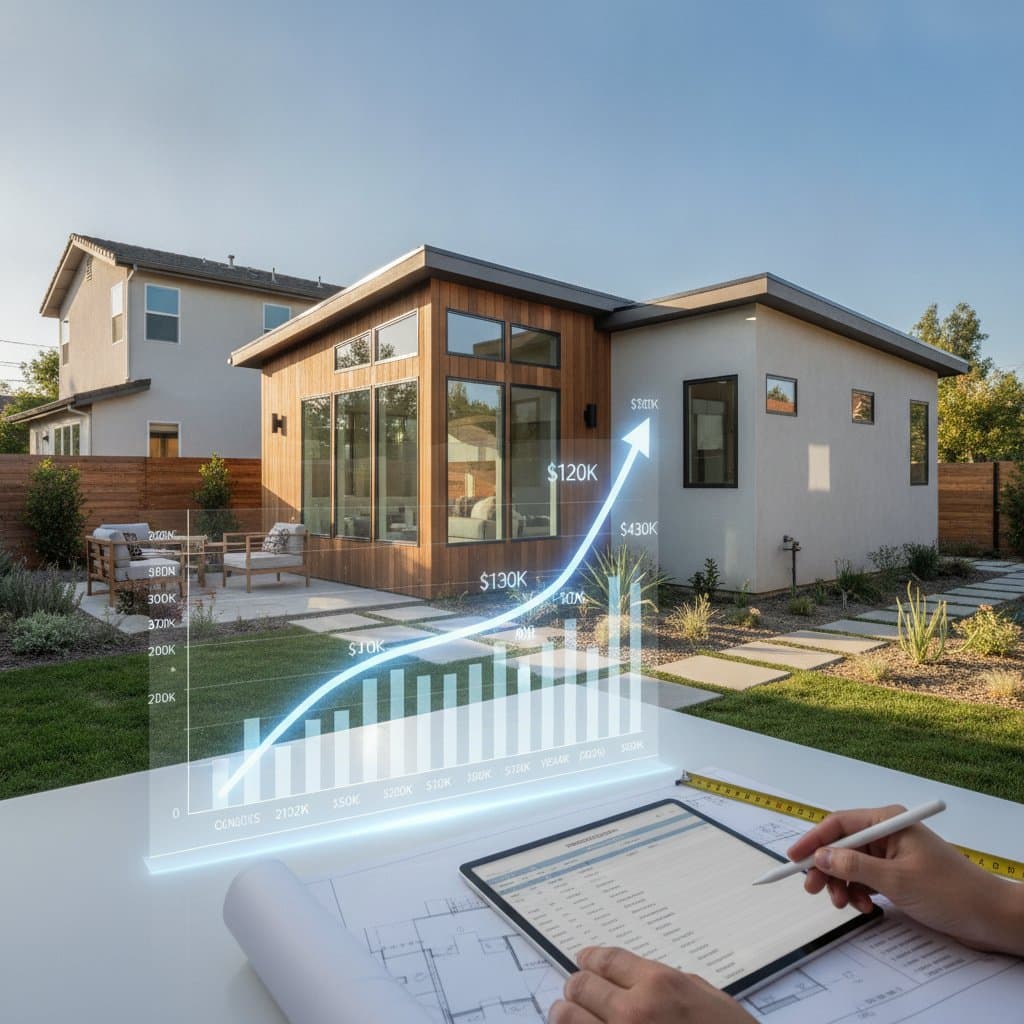
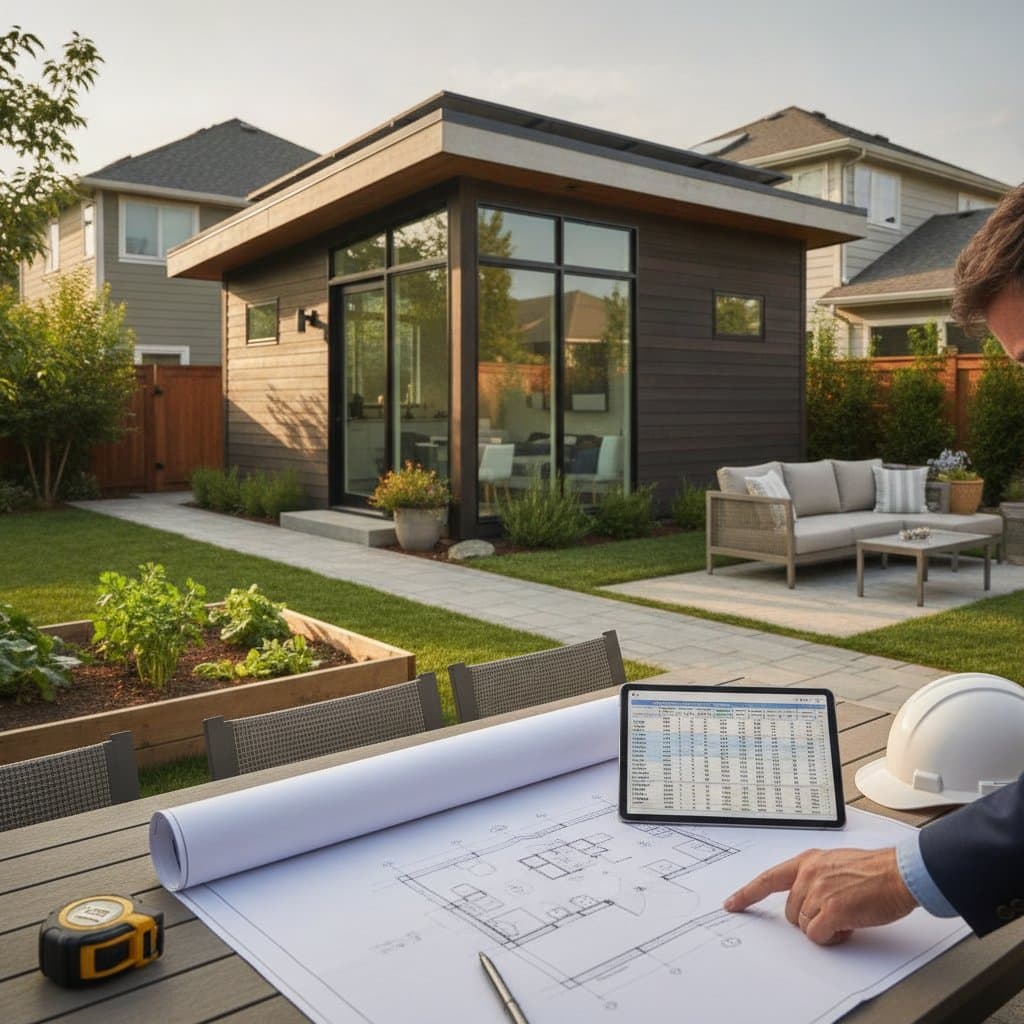
ADUs typically recoup 70 to 100 percent of their build costs via elevated property appraisals, influenced by regional housing demand and leasing potential. Prefab ADUs often yield equivalent or superior returns due to diminished initial investments and expedited occupancy. Their standardized manufacturing ensures superior energy performance, lowering ongoing utility demands for occupants.
A thoughtfully integrated ADU enhances marketability during resale, particularly in areas with limited housing stock. Prospective buyers favor ready-to-occupy units compliant with contemporary regulations and equipped with efficient mechanical systems. Properly executed prefab installations maintain durability and aesthetic parity with site-built counterparts over decades.
DIY vs Professional Installation
While prefab ADUs streamline certain construction elements, they necessitate expert supervision for reliability. Owners might handle finishing touches such as painting interiors or planting surrounding gardens, but critical phases like foundation pouring, heavy lifting via cranes, and utility integrations require certified professionals. Faulty execution risks warranty invalidation and compromises structural integrity.
Traditional ADUs demand comprehensive professional engagement throughout the process. Skilled trades handle framing, wiring, piping, and regulatory adherence to prevent costly errors. Pursuing a complete DIY approach seldom reduces expenses when accounting for time lost to setbacks, permit revisions, and remedial work.
When to Hire a Professional
Engage a licensed contractor or ADU expert in scenarios including:
- Properties needing site grading, digging, or wall reinforcements.
- Projects requiring electrical service expansions or plumbing modifications.
- ADUs linking structurally or mechanically to the primary residence.
- Builds involving local zoning exceptions or architectural committee approvals.
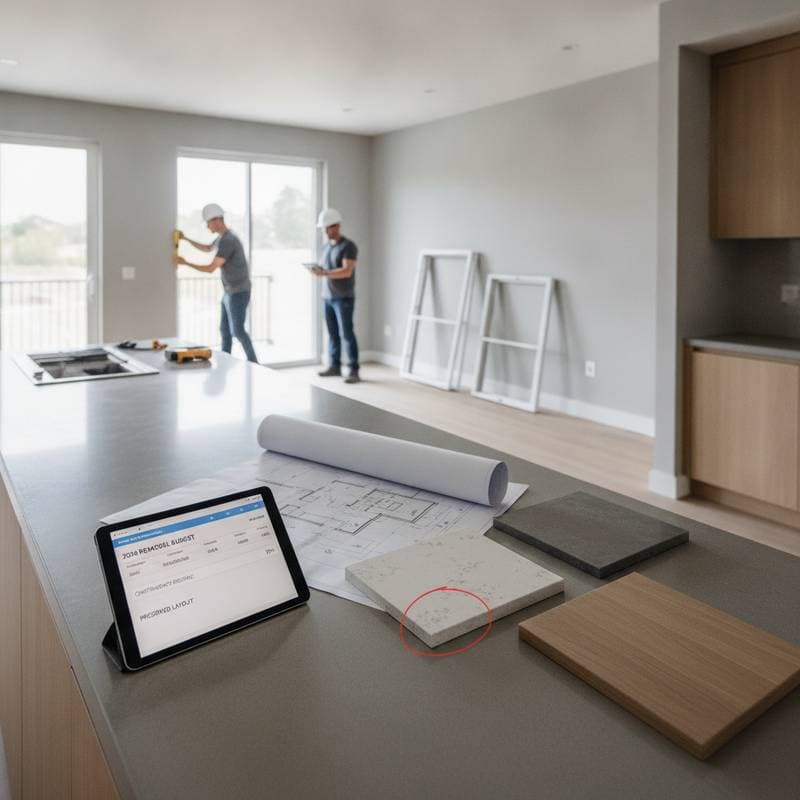
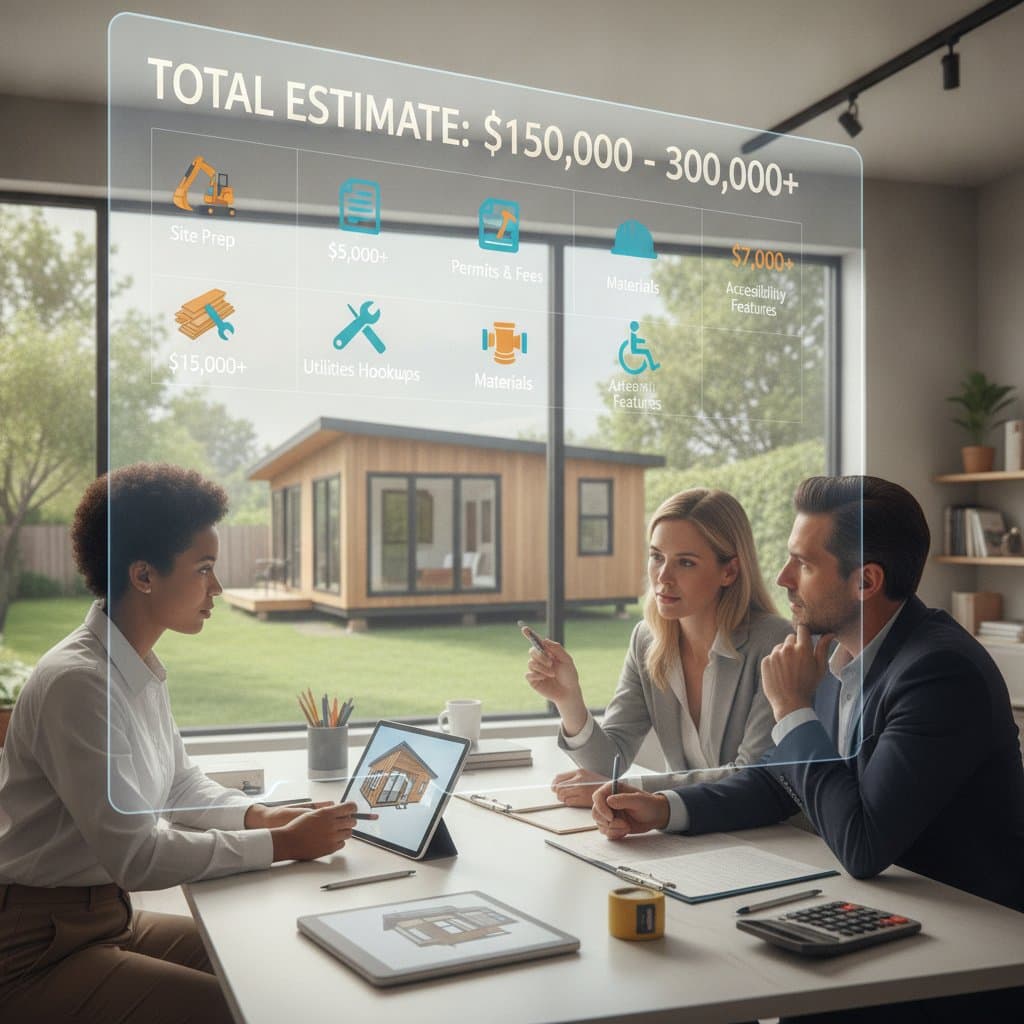
Professionals oversee permitting, conduct inspections, and liaise with municipal offices to ensure seamless progress. Prior to commitment, confirm the contractor holds valid licensing, comprehensive insurance, and verifiable client testimonials. Insist on a comprehensive bid detailing labor rates, material specifications, and site preparation fees to eliminate surprise charges.
Common Questions About Prefab ADUs
Do prefab ADUs comply with local building codes?
Reputable producers engineer units to satisfy or surpass regional standards. Authorities inspect assemblies during factory stages and post-installation to verify adherence.
Can customization occur with prefab ADUs?
Providers frequently supply options for surface treatments, glazing selections, or basic floor plan adjustments. Extensive bespoke alterations increase expenses and extend production schedules.
What is the lifespan of prefab ADUs?
Correct installation and routine upkeep enable prefab ADUs to endure as long as conventional residences. Structural guarantees often extend 30 to 50 years.
Are permits required for prefab ADUs?
Local approvals cover zoning compliance, utility connections, and habitability certifications for every ADU. Certain jurisdictions streamline processes for prefabricated designs.
Will a prefab ADU raise property taxes?
Additions generally trigger assessments proportional to the added structure's worth. Tax implications vary by municipal valuation practices.
Steps to Launch Your ADU Project
Prefab ADUs present an effective strategy for augmenting living areas while controlling budgets and schedules. Factory precision, stable pricing, and rapid deployment attract homeowners seeking practicality. Traditional methods retain advantages for projects demanding intricate personalization or seamless architectural harmony.
Evaluate alternatives by assessing budget constraints, timeline priorities, and design aspirations. Collaborate with vetted specialists to navigate regulations and execute plans. This approach yields an ADU that optimizes utility, elevates property worth, and aligns with enduring lifestyle needs.