Understanding ADU Costs in 2026
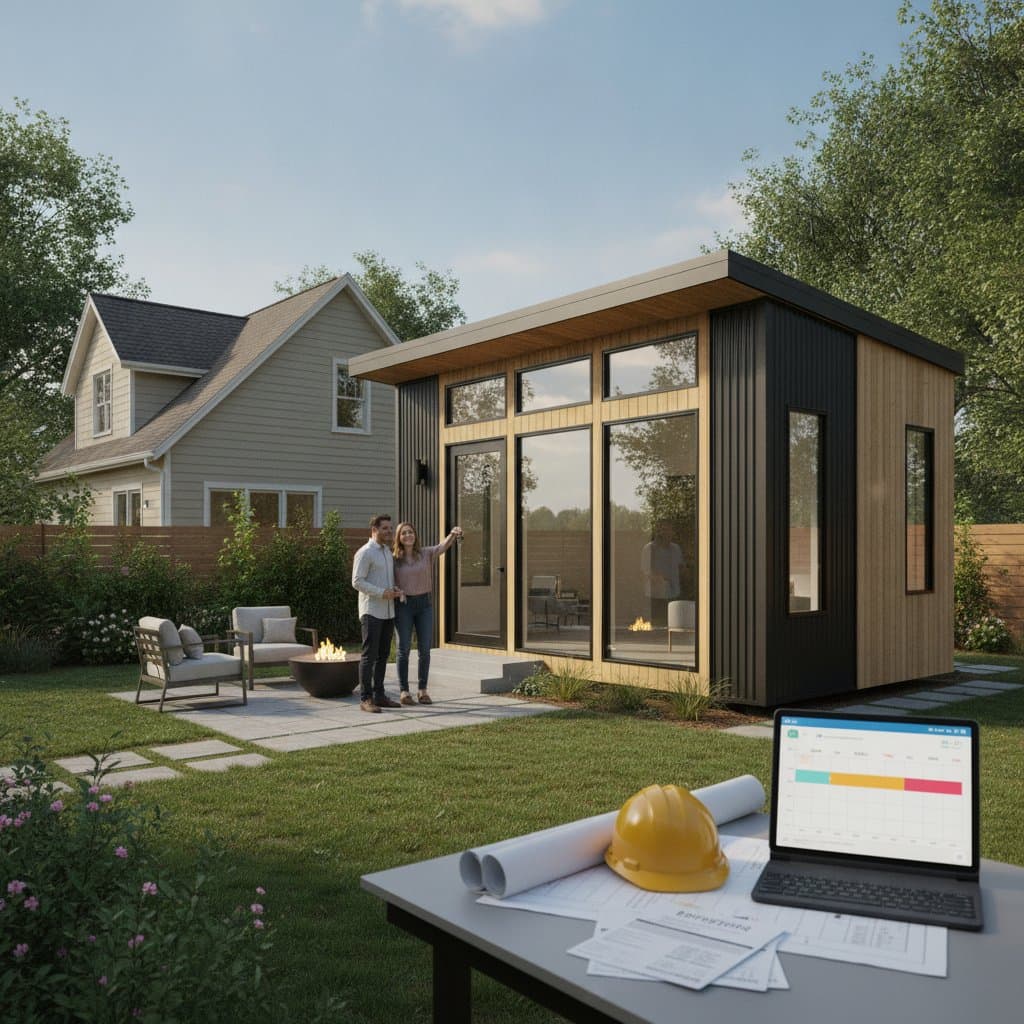
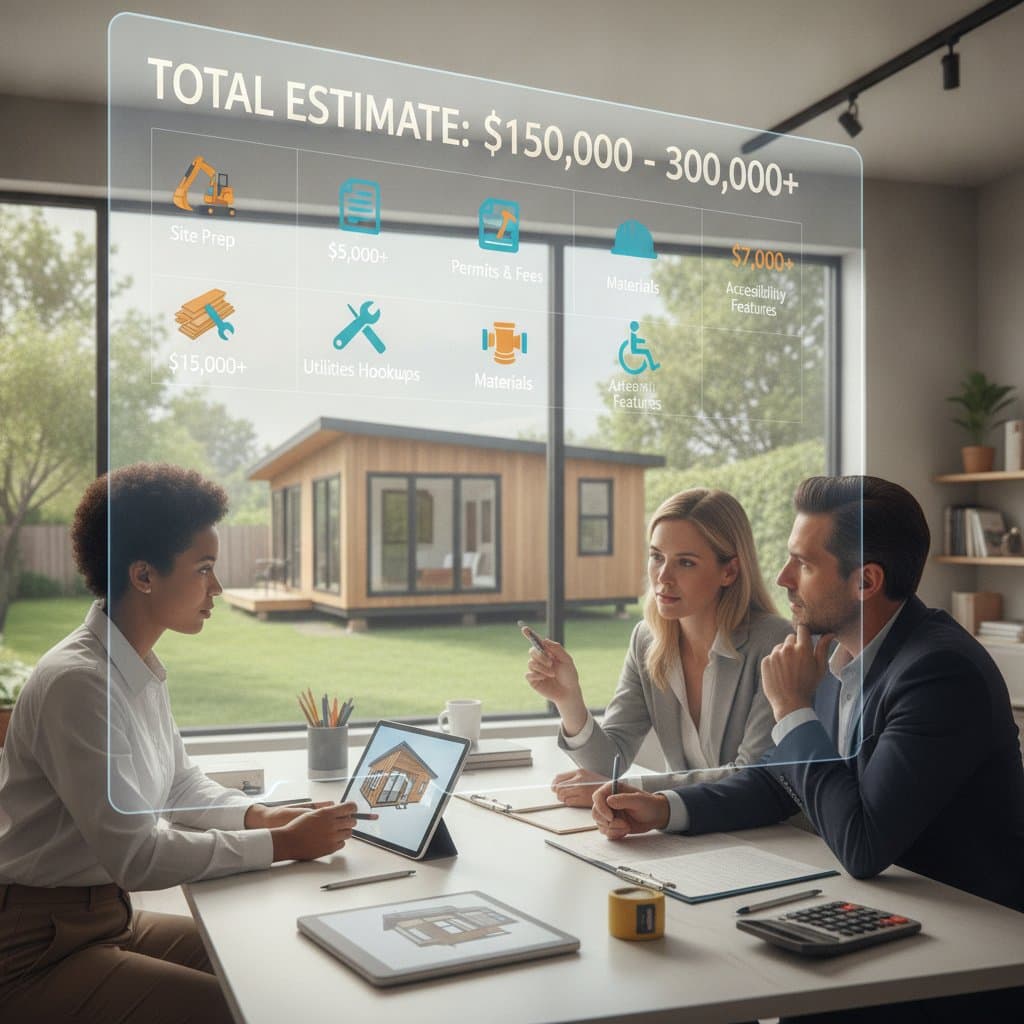
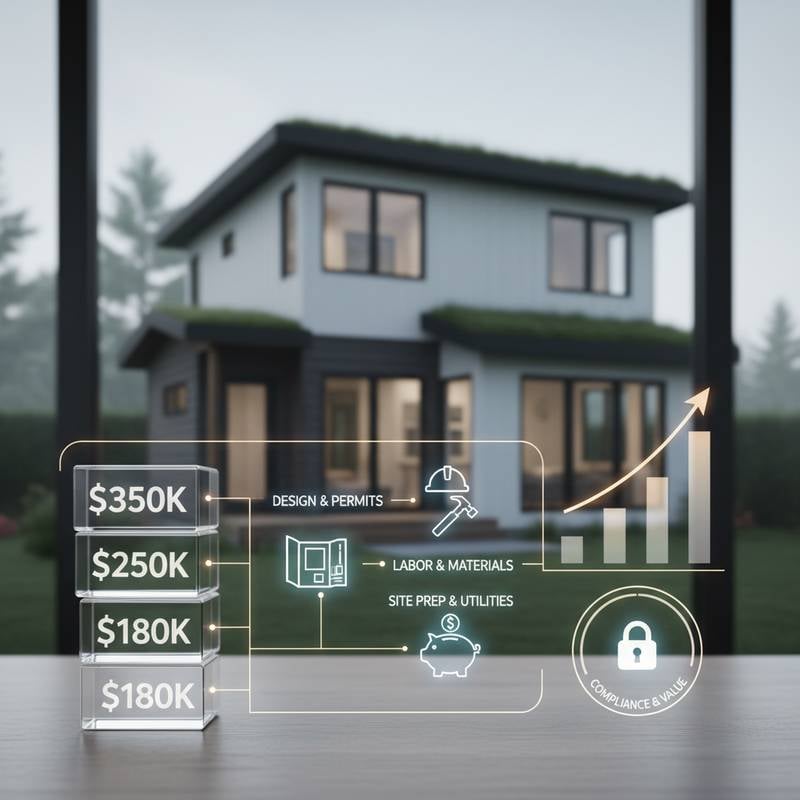
Accessory Dwelling Units (ADUs), often called granny flats, represent a versatile addition to properties. These structures provide extra living space, potential rental income, or accommodations for family members. In 2026, costs range from $180,000 to $350,000, influenced by location, size, and features.
Factors like regional building codes and material availability shape these figures. Homeowners must consider both initial investments and long-term benefits. This breakdown offers clarity for informed decision-making.
Key Cost Components
Design and Planning Expenses
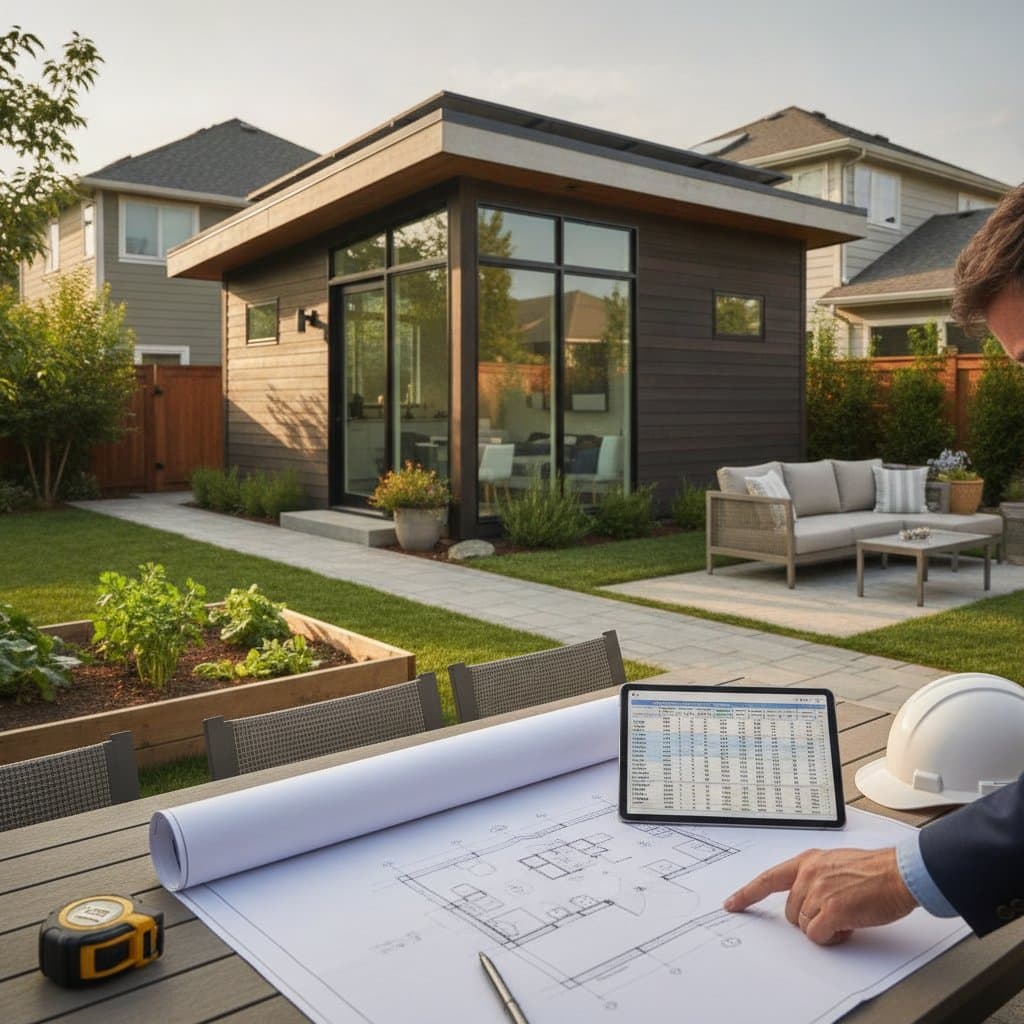
Professional design services form the foundation of any ADU project. Architects or designers charge between $10,000 and $25,000, depending on complexity. These fees cover site assessments, layout optimization, and integration with the existing property.
Custom designs that incorporate energy-efficient elements add value but increase costs. Basic plans for a 500-square-foot unit start lower, while larger or multi-room configurations demand more detailed work. Engaging experts early prevents costly revisions later.
Permitting and Regulatory Fees
Local governments require permits that verify compliance with zoning laws and safety standards. Expect to pay $5,000 to $15,000 for these approvals in 2026. Fees vary by jurisdiction, with urban areas imposing stricter requirements and higher charges.
Inspections during construction add to this category, ensuring structural integrity and utility connections. Delays in permitting can inflate timelines and budgets. Researching local regulations upfront streamlines the process.
Foundation and Structural Work
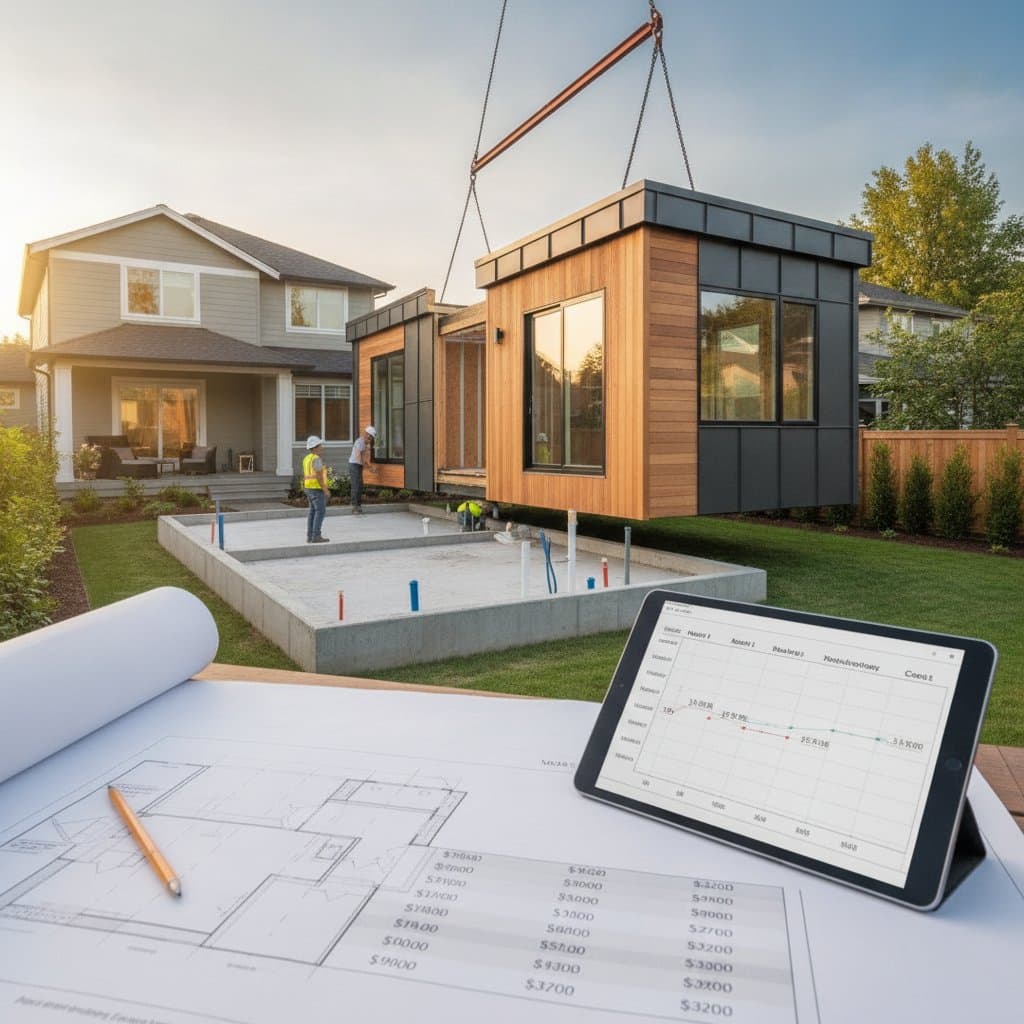
The foundation provides stability and represents 10 to 15 percent of total costs, or $20,000 to $50,000. Concrete slabs suit flat terrains, while more complex sites need reinforced bases. Soil testing influences these expenses to avoid future settling issues.
Framing follows, using lumber or steel, costing $30,000 to $60,000. Material choices reflect supply chain trends in 2026, with sustainable options like engineered wood gaining popularity. Skilled labor ensures durability against environmental factors.
Exterior and Roofing Elements
Siding, windows, and doors contribute $25,000 to $45,000. Durable materials such as fiber cement siding resist weather, while energy-efficient windows reduce utility bills over time. Roofing selections, from asphalt shingles to metal panels, impact both aesthetics and longevity.
These components must align with neighborhood standards to maintain property appeal. Proper installation prevents leaks and insulation gaps. Selecting mid-range options balances quality and affordability.
Interior Finishing and Utilities
Interior work, including drywall, flooring, and cabinetry, ranges from $40,000 to $80,000. Kitchens and bathrooms drive higher ends due to plumbing and electrical demands. Basic finishes keep costs down, while premium selections enhance livability.
Utility installations for electricity, water, and sewage add $15,000 to $30,000. Connecting to the main home or installing separate systems depends on site layout. Compliance with 2026 energy codes mandates efficient appliances and lighting.
Labor and Contingency Funds
Skilled labor accounts for 30 to 40 percent of the budget, totaling $50,000 to $100,000. General contractors coordinate teams, ensuring timely progress. Regional wage differences affect this figure, with coastal areas commanding premiums.
A 10 to 15 percent contingency covers unexpected issues like material price fluctuations. In 2026, inflation on construction supplies necessitates this buffer. Transparent contracts with builders mitigate disputes.
Strategies to Manage and Reduce Costs
- Opt for prefabricated ADU kits, which can lower expenses by 20 to 30 percent compared to site-built options.
- Choose standard sizes and layouts to minimize custom design fees.
- Secure multiple contractor bids to compare rates and scopes.
- Incorporate cost-saving materials like vinyl flooring over hardwood in non-primary areas.
- Plan for off-peak construction seasons to negotiate better labor rates.
These approaches maintain quality while fitting within the $180,000 to $350,000 range. For smaller projects under 400 square feet, costs may dip below $180,000. Larger units exceeding 800 square feet often approach $350,000.
Evaluating Return on Investment
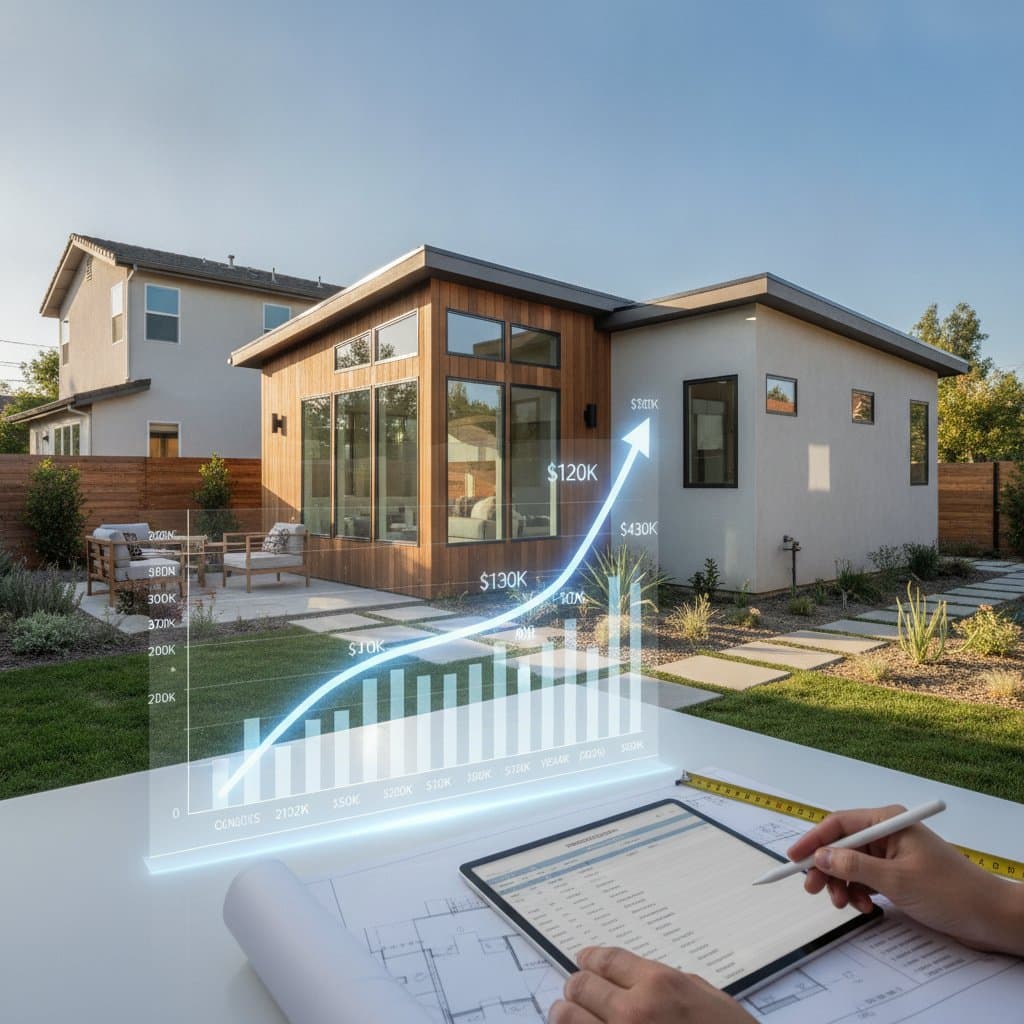
ADUs boost property values by 15 to 25 percent in many markets. Rental potential generates $1,500 to $3,000 monthly income, offsetting construction costs within 10 to 15 years. Tax incentives for energy-efficient builds further enhance financial returns.
Zoning allowances in 2026 favor ADUs in suburban and urban zones, increasing resale appeal. Professional appraisals confirm these gains post-completion. Long-term, such additions support multigenerational living or supplemental revenue.
Limits of DIY Approaches
Homeowners with construction experience might handle minor tasks, saving 5 to 10 percent. However, structural and electrical work requires licensed professionals to meet codes. DIY errors lead to fines or rework, negating savings.
Focus self-efforts on painting or landscaping after core phases. Consult experts for feasibility assessments. This hybrid method balances involvement with safety.
Benefits of Professional Guidance
Hiring a reputable firm like Critchfield Construction ensures seamless execution. Experts navigate permits, source materials, and adhere to timelines. Their insight maximizes efficiency and minimizes surprises.
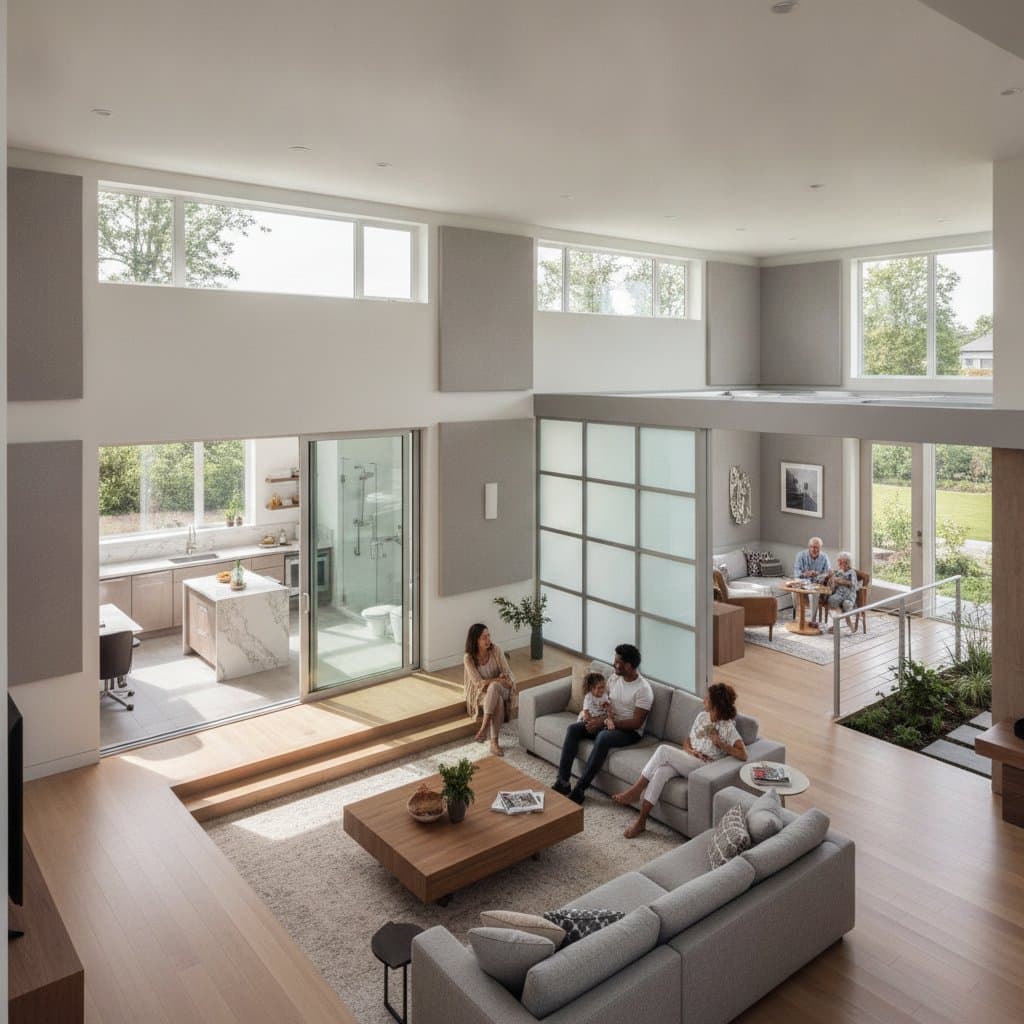
Ultimately, a well-planned ADU delivers lasting value through compliance, durability, and financial upside. Homeowners gain flexible space that adapts to life changes. Invest thoughtfully to realize these advantages.