The True Cost of Aging-in-Place Universal Design
Aging-in-place remodeling enables homeowners to remain in their residences for extended periods while maintaining comfort and safety. Universal design principles facilitate this goal through strategic modifications that enhance mobility, accessibility, and usability. A clear understanding of associated costs empowers informed decision-making, allowing investments in features that elevate daily life without excessive expenditure.
Understanding Universal Design Principles
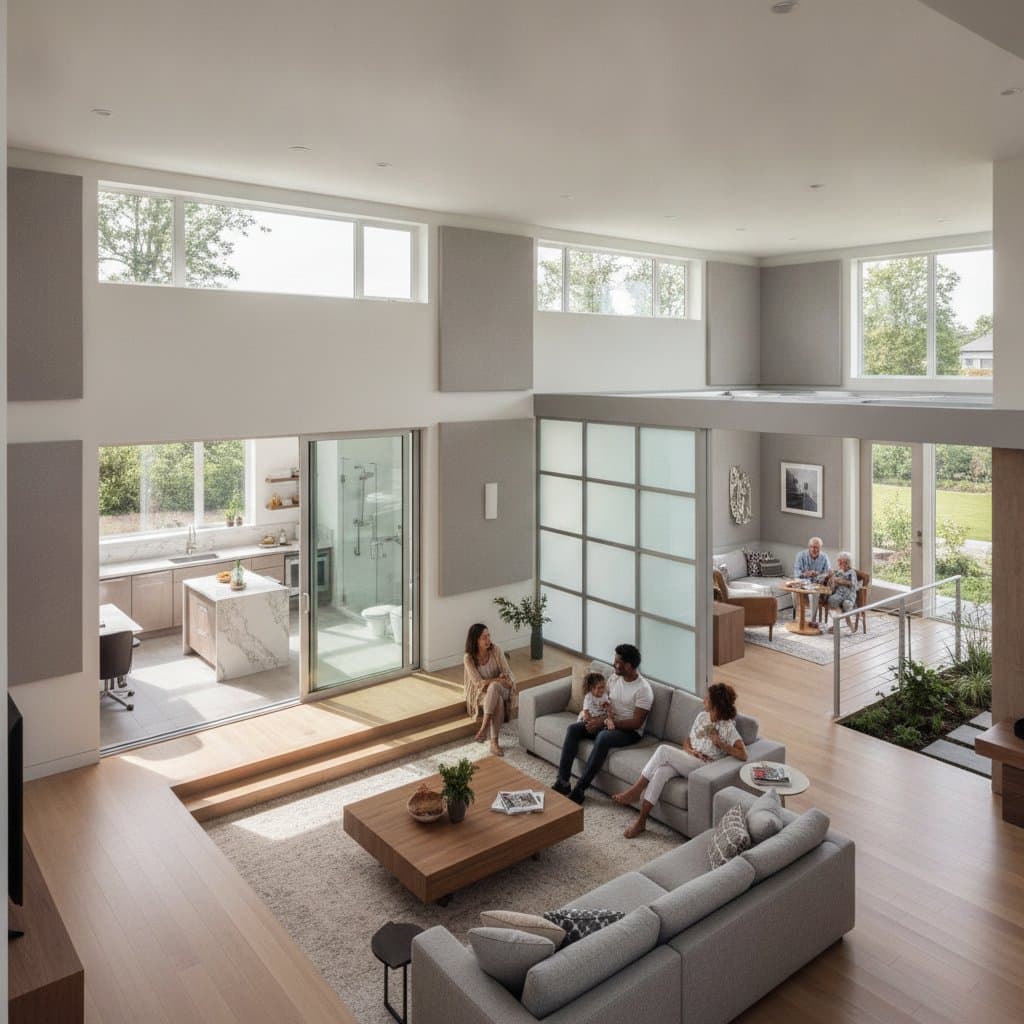
Universal design emphasizes environments that accommodate individuals of all ages and abilities. The approach prioritizes spaces that integrate seamlessly into existing aesthetics, avoiding an institutional appearance. Core elements include spacious layouts, unobstructed pathways, and flexible components that adapt to evolving requirements.
This methodology centers on practicality and respect for personal autonomy. Properly executed designs minimize accident risks, promote self-sufficiency, and evolve alongside residents' needs, ensuring homes remain viable sanctuaries over decades.
Essential Upgrades and Their Cost Drivers
Expenses for aging-in-place modifications fluctuate based on the property's existing structure, configuration, and selected finishes. The following outlines prevalent enhancements, along with factors that determine their pricing.
-
Zero-Threshold Entryways
Eliminating elevation changes at primary or secondary entrances facilitates navigation for mobility aids such as wheelchairs or walkers. Implementation typically involves site regrading, installation of broader door frames, and application of textured, non-slip paving materials. Pricing escalates with premium stone or composite options and any necessary foundation reinforcements, yet these alterations provide enduring security and ease of access. -
Accessible Bathroom Configurations
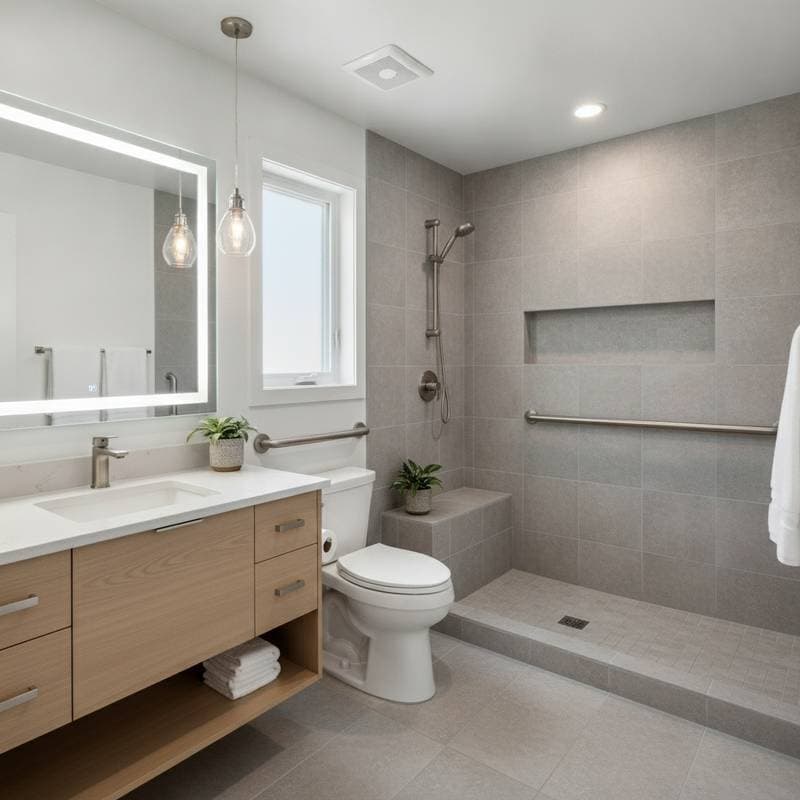
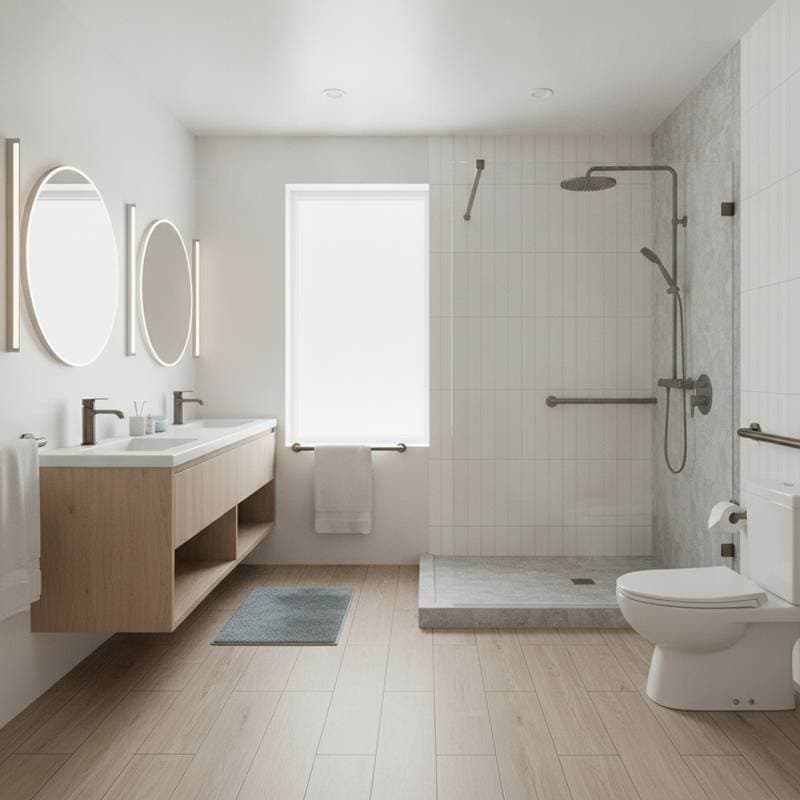
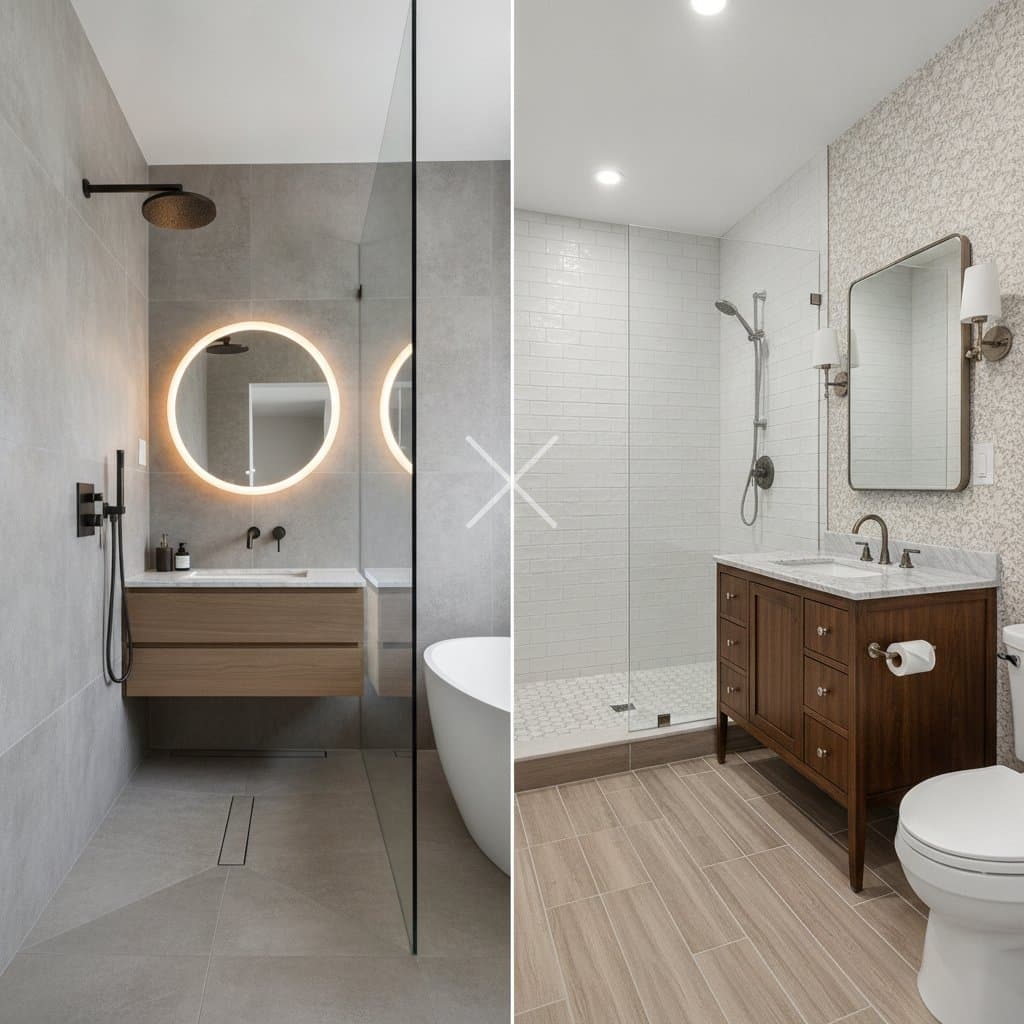
Essential components encompass seamless-entry showers, strategically placed support rails, and elevated toilet seats for reduced strain. Transforming traditional tub-shower combinations demands rerouting of plumbing lines, application of moisture barriers, and selection of durable ceramic or porcelain tiling. Investing in high-grade hardware and anti-skid surfaces incurs modest additional costs but significantly diminishes cleaning demands and injury potential. -
Kitchen Adaptations for Independence
Adjustments such as reduced countertop heights, extendable shelving units, and ergonomic faucet controls streamline meal preparation and reduce physical exertion. Tailored cabinet systems or variable-height work surfaces offer versatility for seated or standing use, though they necessitate specialized woodworking and installation. Integrating these elements while preserving the room's visual harmony ensures both utility and visual appeal. -
Expanded Doorways and Fluid Floor Plans
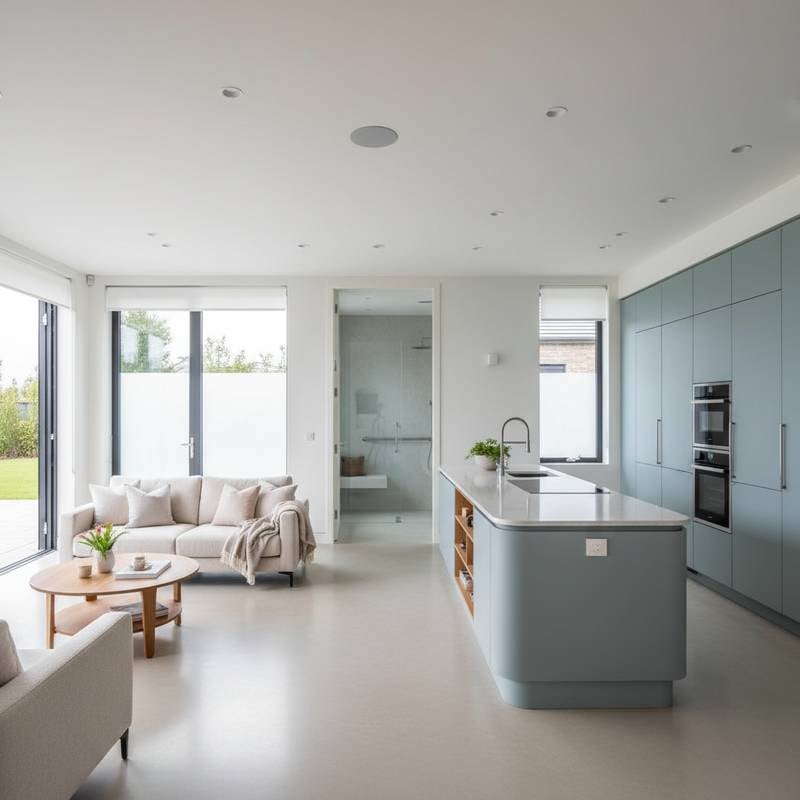
Broadening constricted passages enhances circulation and supports larger assistive equipment. This may require partial wall removal or corridor extensions, particularly if structural beams are involved, which impacts overall budgeting. Executed with precision, such revisions promote effortless traversal and amplify ambient illumination throughout the interior. -
Enhanced Lighting and Electrical Systems
Transitioning to toggle-style switches, task-oriented cabinet illumination, and automated activation sensors boosts orientation and operational simplicity. Incorporating energy-conserving LED bulbs not only heightens safety along corridors and staircases but also curtails ongoing utility expenses through efficient performance.
Strategic Planning and Budget Allocation
Developing an effective aging-in-place strategy commences with a comprehensive evaluation of the home's accessibility profile. Engage a credentialed contractor specializing in adaptive renovations to pinpoint vulnerabilities and sequence interventions. Focus initially on critical zones like ingress points and wet areas, scaling up modifications as circumstances dictate.
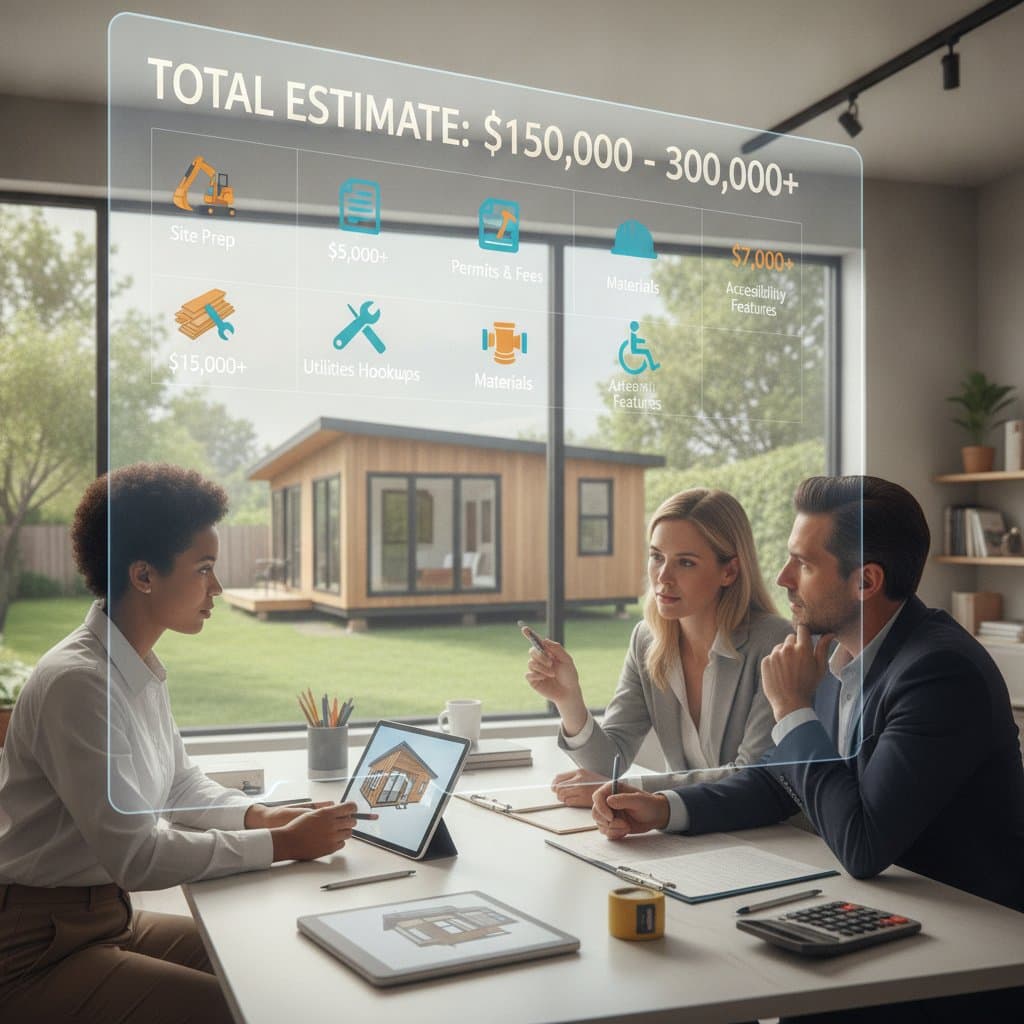
Budgetary considerations hinge on the scope of alterations. Simple additions, such as support fixtures or handle replacements, represent economical entry points suitable for self-directed efforts. More extensive endeavors, including barrier-free bathing suites or passage expansions, demand professional oversight and potential engineering consultations to address load-bearing concerns.
When evaluating bids, extend scrutiny beyond upfront figures to encompass material durability, sealing integrity, and craftsmanship quality. These attributes avert premature deterioration and ancillary expenses. Moreover, astute configurations elevate property marketability, attracting diverse prospective purchasers who value inclusive living spaces.
Sustaining Upgrades for Enduring Benefits
Universal design extends beyond initial build to emphasize resilient, user-friendly upkeep. Select substrates that withstand frequent use, simplify surface care, and repel environmental stressors like humidity or abrasion. Opt for traction-enhanced mats, subdued surface sheens, and self-renewing coatings to streamline routine maintenance.
Incorporating automated climate regulators, efficient illumination arrays, and reachable organizational solutions conserves resources and eases physical demands. Collectively, these enhancements foster sustained well-being, mitigating fatigue and operational challenges across years of occupancy.
Implementing Your Personalized Home Strategy
Commence by cataloging areas within your residence that presently impede comfort or efficiency. Consult professionals versed in inclusive remodeling to brainstorm viable solutions. Solicit comprehensive quotations delineating component specifications, project schedules, and workforce allocations for precise financial forecasting.
Aging-in-place initiatives represent commitments to prolonged self-reliance. Harmonizing form with function yields residences attuned to individual rhythms, securing vitality and assurance well into the future. Deliberate preparation guarantees that each enhancement contributes meaningfully to security, utility, and satisfaction.