Transform Your Home for Safe Aging in Place 2025
Aging in place enables individuals to remain in their homes comfortably and safely as needs evolve over time. This strategy integrates thoughtful design, functional remodeling, and strategic planning. Proper modifications preserve independence and allow enjoyment of familiar environments for years ahead.
This guide details practical remodeling approaches for safe aging in place. It explores accessible design principles, room-specific enhancements, and planning strategies that simplify daily activities while preserving aesthetic appeal.
Understanding Aging in Place Design
Aging in place design emphasizes accessibility, mobility, and safety to support physical and emotional well-being through the years. The objective is to minimize fall risks, facilitate effortless movement, and incorporate adaptable features. Such designs ensure homes remain supportive without feeling restrictive.
Three core principles guide this approach:
- Accessibility: Configure spaces for barrier-free navigation, including wide pathways and adjustable heights.
- Safety: Incorporate hazard-reducing elements like secure flooring, ample illumination, and reinforced fixtures.
- Comfort: Maintain a welcoming atmosphere with personalized elements that avoid an institutional feel.
When integrated effectively, these principles create environments that are both practical and endearing.
Key Remodel Areas for Aging in Place
Homes vary in layout, yet specific zones warrant priority for accessibility improvements. Focus initially on frequently used spaces prone to slips or physical strain. These targeted updates yield immediate benefits in daily functionality.
1. Entryways and Exits
A secure entry establishes safety throughout the residence.
- Rationale: Eliminating steps facilitates wheelchair or walker use and prevents stumbling.
- Implementation: Install a gradual ramp in place of stairs or a threshold-free door. Position robust handrails on both sides of pathways measuring no less than three feet in width.
- Illumination: Deploy motion-activated lights at entrances and exterior paths to enhance nighttime visibility.
- Materials: Opt for non-slip options such as grooved concrete or patterned stone for steps and landings.
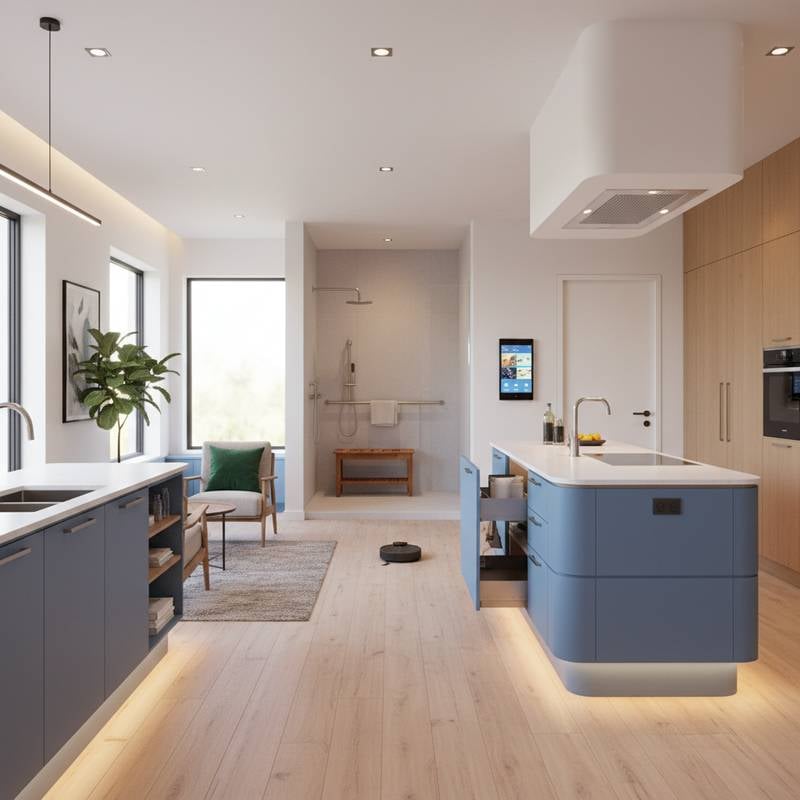
2. Kitchens Designed for Independence
Kitchens demand frequent bending, stretching, and handling of items, tasks that grow demanding with age.
- Rationale: Optimized layouts position essentials at reachable heights to promote self-sufficiency.
- Enhancements:
- Design select counter segments at 34 inches high for seated preparation.
- Integrate gliding shelves and shallow drawers to replace fixed cabinet depths.
- Substitute twist knobs with lever handles for simpler operation.
- Mount LED strips beneath cabinets to illuminate prep areas evenly.
- Aesthetic pairing: Select pale cabinet finishes paired with darker quartz surfaces to delineate boundaries clearly, aiding visual acuity.
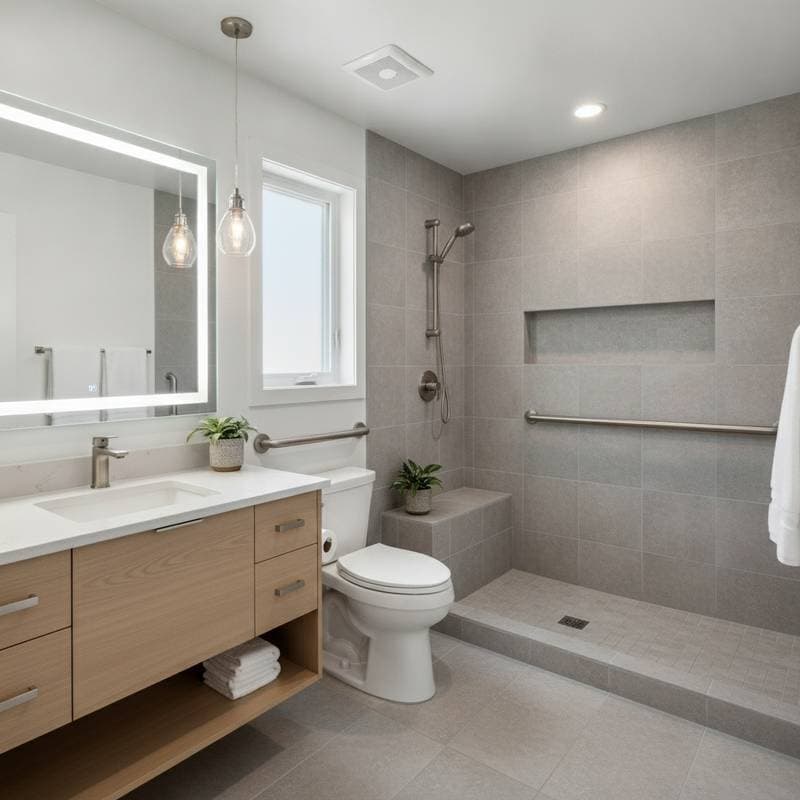
3. Bathrooms with Accessible Features
Bathrooms present significant hazards due to moisture, slick floors, and confined quarters.
- Rationale: Thoughtful modifications enhance security while upholding elegance and ease.
- Essential components:
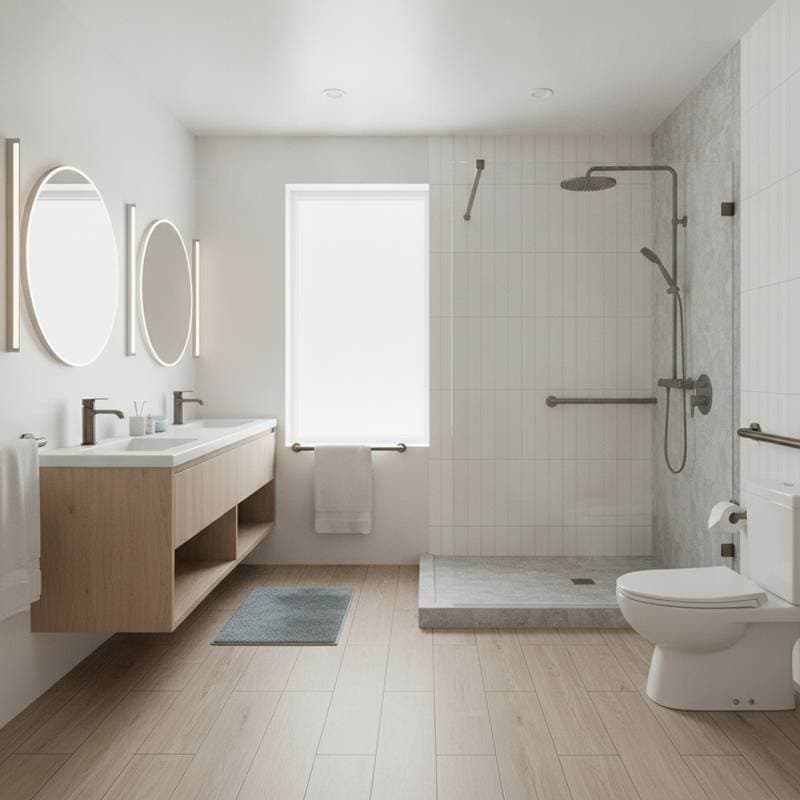
- Shower design: Feature a seamless, open-entry shower with a 36-inch-wide doorway.
- Support elements: Install reinforced grab bars adjacent to the commode and within the shower, available in finishes like oil-rubbed bronze.
- Flooring: Employ textured ceramic or resilient cork for traction.
- Toilet elevation: Choose models at 17 to 19 inches for reduced strain during transfers.
- Shower options: Equip with a slide-bar mounted, multi-spray head offering temperature safeguards.
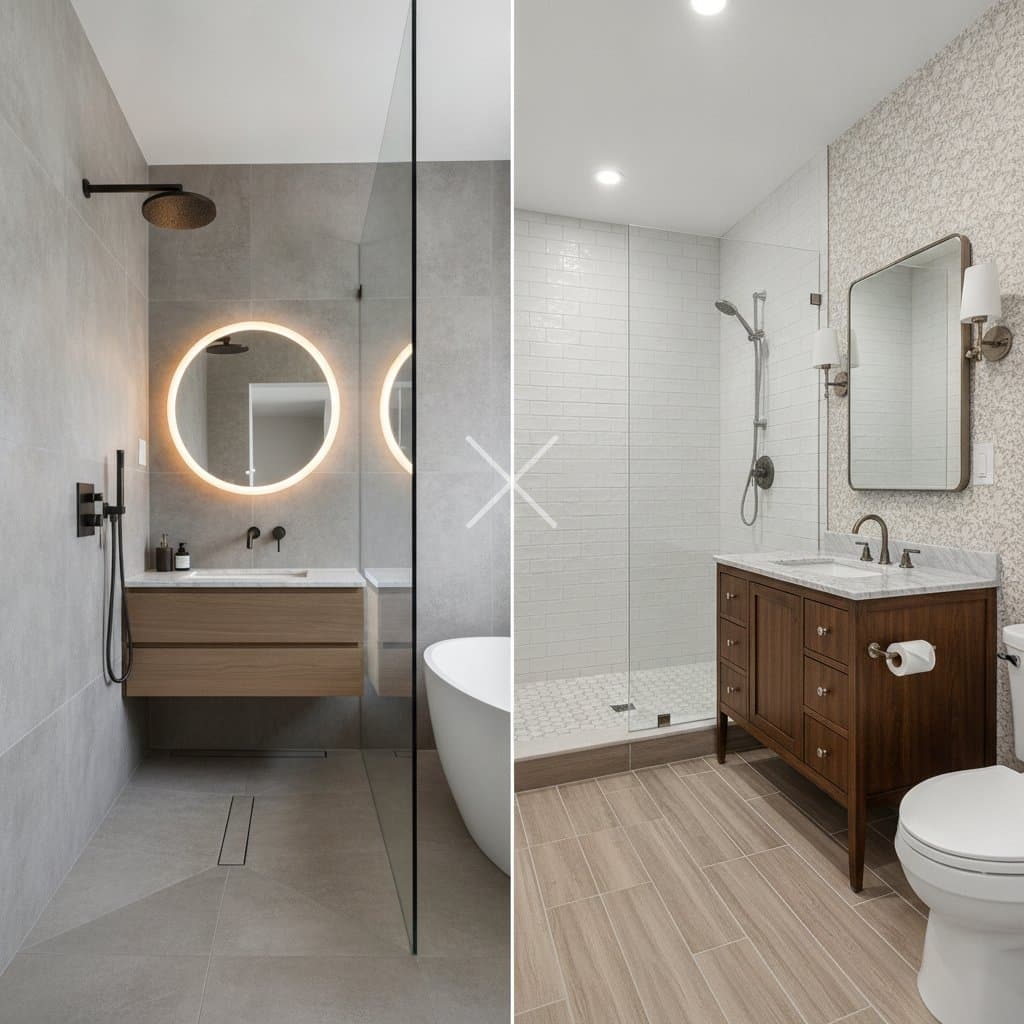
- Styling advice: Apply neutral tones, such as dove gray walls accented by pearl white accents, to foster a tranquil, luminous setting.
4. Bedrooms for Comfort and Rest
Bedrooms require setups that promote relaxation alongside practicality.
- Rationale: Unobstructed routes and strategic lighting curb nocturnal mishaps.
- Recommendations:
- Limit furnishings to essentials arranged with 36-inch aisles.
- Favor platform beds under 24 inches high for straightforward entry.
- Place remote-activated or proximity-sensing lights bedside.
- Organize wardrobes with adjustable rods and bins at waist level.
- Palette guidance: Incorporate soft neutrals like linen white or muted sage to evoke calm and equilibrium.
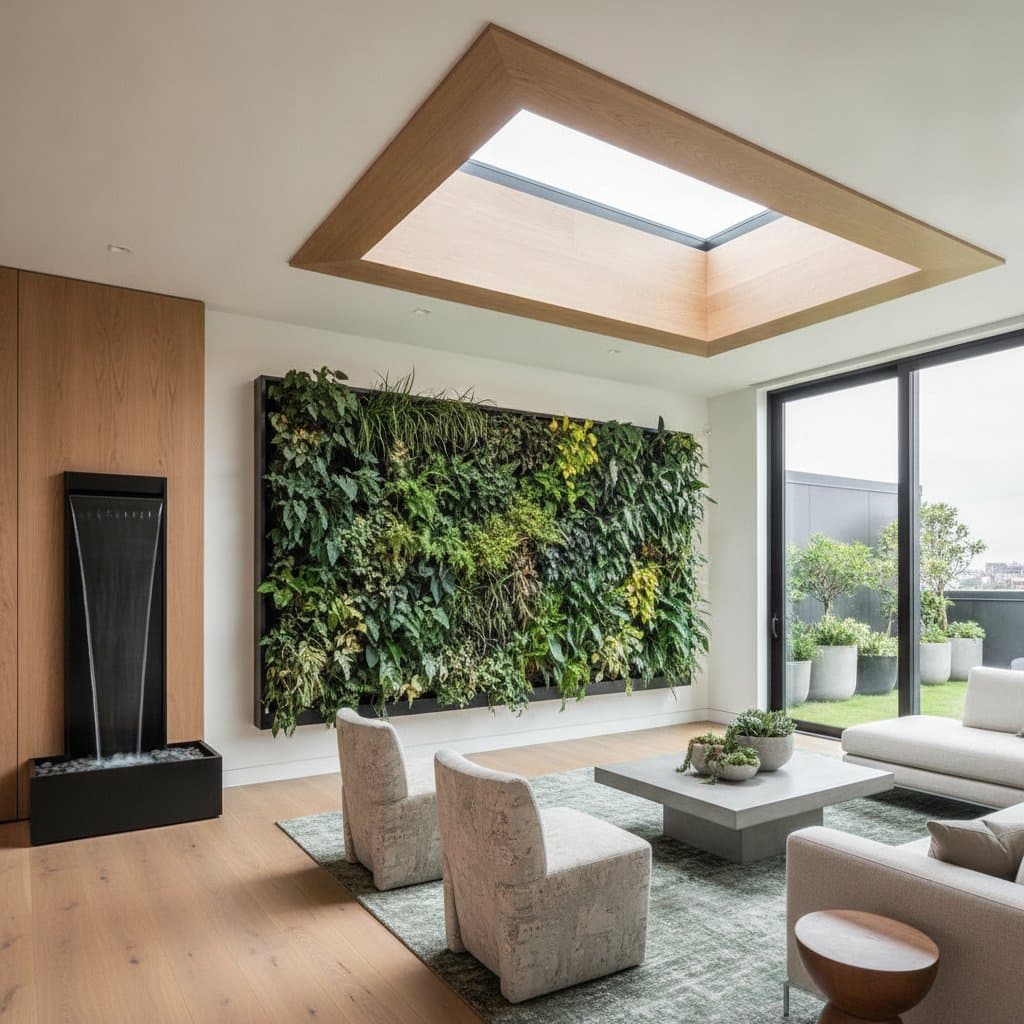
5. Living Areas and Hallways
Primary circulation spaces demand fluid movement and unobscured views.
- Rationale: Expanded corridors and uniform surfaces streamline traversal.
- Modifications:
- Broaden doors to 36 inches minimum.
- Level any raised joints between rooms.
- Swap plush rugs for seamless, grippy hardwood or laminate.
- Position seating to preserve three-foot navigation lanes.
- Lighting strategy: Layer ambient sources including recessed ceilings, wall-mounted units, and adjustable task lamps to eliminate dark spots.
6. Stairways and Multi-Level Spaces
Stairs in multi-story homes necessitate reinforced safeguards.
- Rationale: Fortified elements sustain mobility and avert tumbles.
- Suggestions:
- Affix continuous handrails spanning both sides at 34-inch heights.
- Apply nosing strips in contrasting hues on each riser.
- Evaluate stair glides for future mobility support.
- Position three-way switches for consistent illumination from top and bottom.
7. Smart Technology for Daily Assistance
Automated systems provide subtle aid in routine tasks.
- Rationale: Connected devices alleviate exertion and enable proactive monitoring.
- Applications:
- Implement voice-activated controls for illumination, climate, and access.
- Install cameras with two-way audio at front doors.
- Deploy humidity and activity detectors for early alerts.
- Integrate wearable pendants for instant medical summons.
- Setup advice: Select compatible platforms unified via one interface to streamline management.
Design Harmony and Style Integration
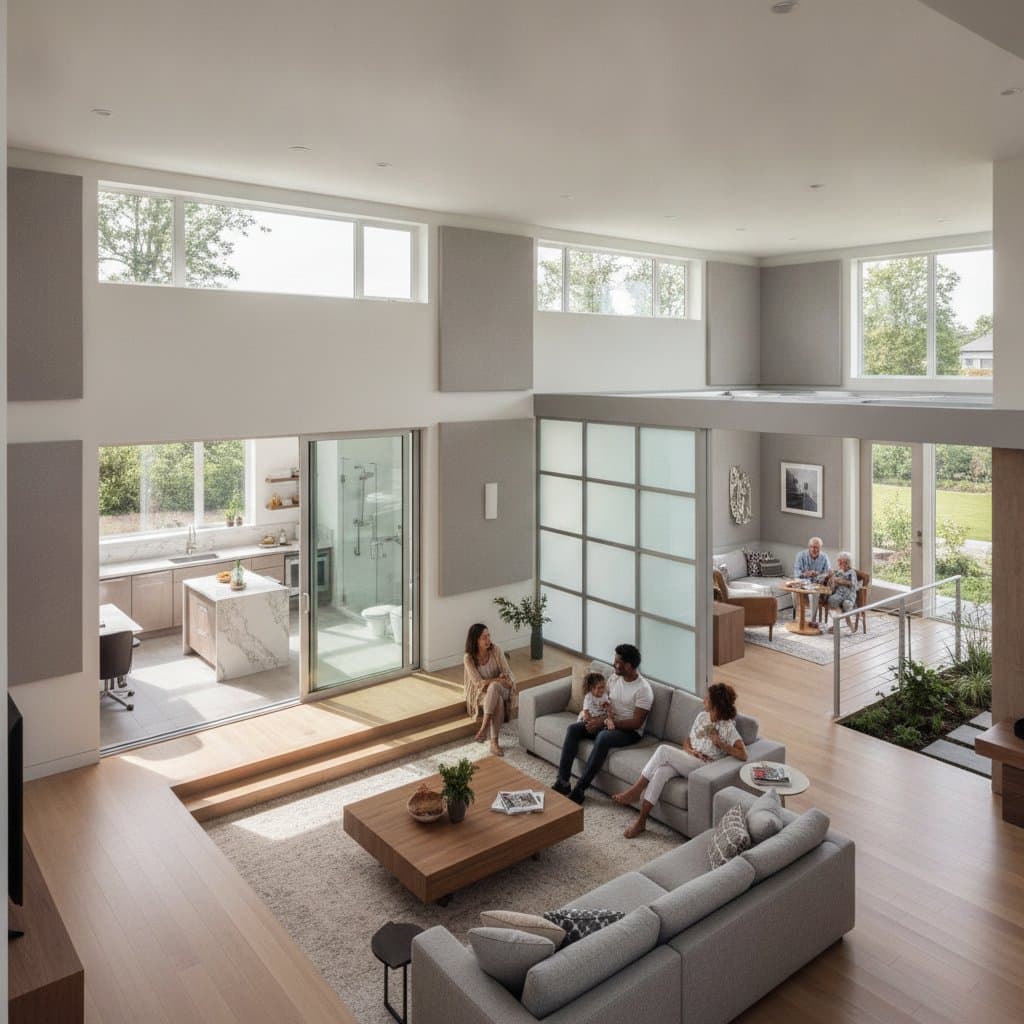
Accessibility renovations need not appear stark or impersonal. Stylish selections can incorporate safety seamlessly.
- Visual cues: Employ high-contrast palettes for walls, floors, and moldings to sharpen outlines.
- Tactile elements: Mix glossy and subdued textures to aid surface identification.
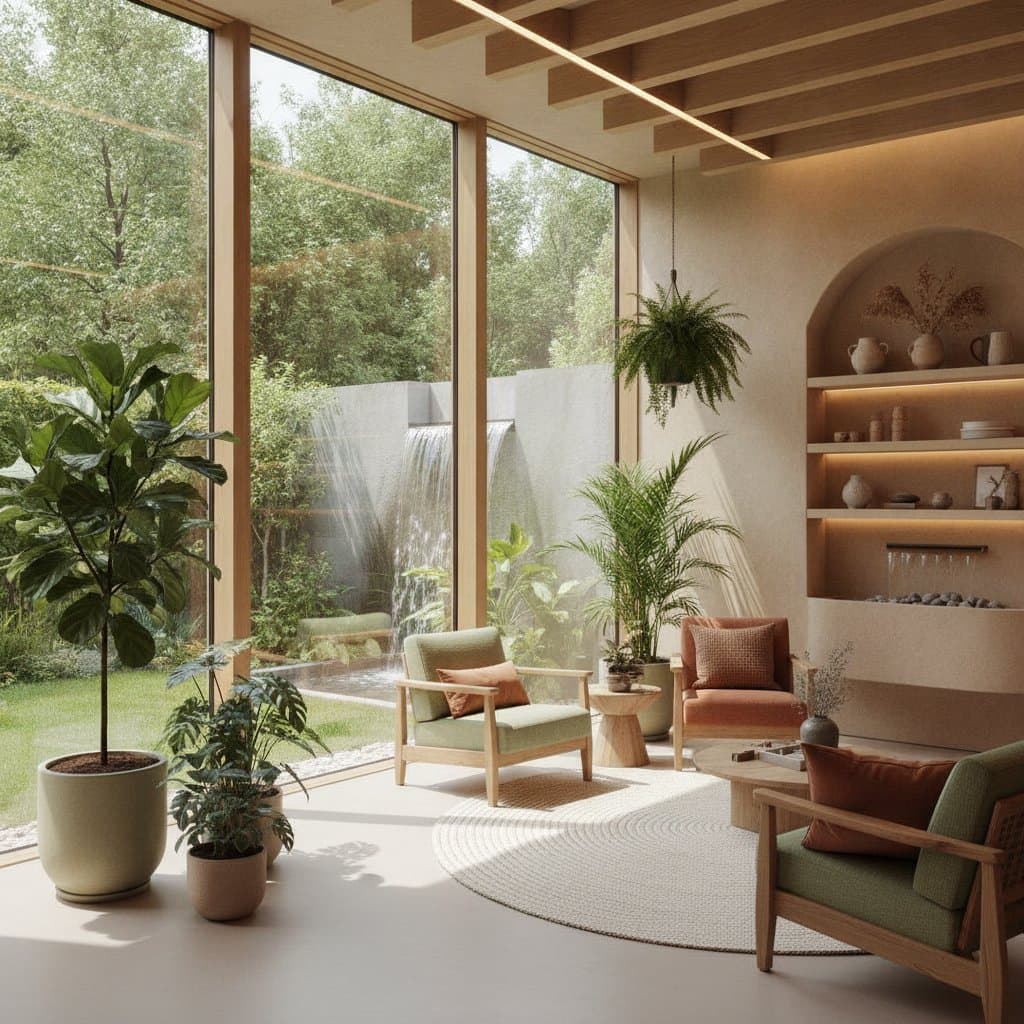
- Daylight optimization: Install large windows with sheer shades to balance brightness and reduce eye strain.
- Furnishings: Choose solid wood or metal frames with padded, corner-free designs.
- Personalization: Display cherished artwork at eye level and within arm's reach to nurture familiarity.
Planning Your Remodel
Initiate by analyzing existing configurations against current habits. Consider long-range requirements for sustained livability.
- Needs evaluation: Examine gait, equilibrium, and routines to pinpoint challenging zones.
- Expert collaboration: Engage specialists in universal design for feasibility assessments and regulatory adherence.
- Sequencing priorities: Address critical sites like entries and baths initially, phasing others as funds permit.
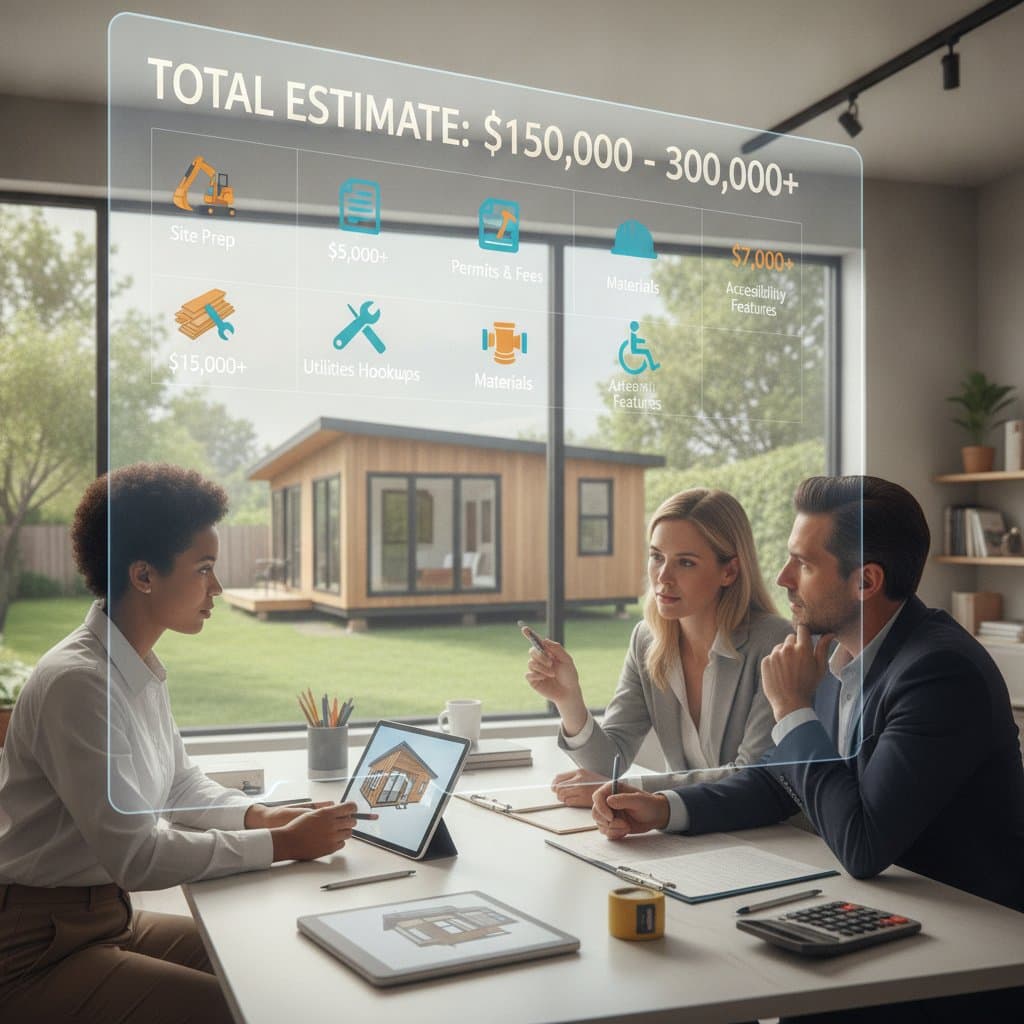
- Financial strategy: Estimate expenses based on scope; basic fixtures cost under $500, while comprehensive overhauls exceed $10,000.
- Self-directed tasks: Handle cosmetic shifts like repainting or hardware swaps; delegate plumbing or framing to licensed experts.
Practical Maintenance and Long-Term Value
Universal design bolsters property appeal to diverse demographics, including younger families.
- Durable selections: Prioritize scratch-resistant laminates, sealed stone, and washable finishes.
- Sustainability integration: Pair safety with efficient LEDs and double-pane glass for reduced utility costs.
- Routine inspections: Quarterly review supports, paths, and seals; address deterioration swiftly.
- Weather preparedness: Clear ramps and lights of leaves or ice to prevent seasonal hazards.
Common Questions
How do I select trim or accent colors for aging in place?
Select shades that differ markedly from primary surfaces. Such distinctions clarify boundaries and enhance orientation.
Does an accessible remodel influence resale value?
Affirmative. Universal features broaden marketability by accommodating varied lifestyles and needs.
Can I enhance my bathroom without complete overhaul?
Indeed. Install support rails, traction rugs, and enhanced bulbs for prompt safety gains during phased planning.
What flooring options best balance safety and comfort?
Cushioned linoleum, cork composites, or etched stone provide grip and softness. Steer clear of high-sheen or deep-pile alternatives.
Adapting Your Home for Enduring Independence
Post-renovation, routines flow with greater ease and assurance. Safety measures foster confidence in navigating personal spaces.
Monitor spatial effectiveness periodically. Minor tweaks, such as repositioning outlets or softening acoustics, refine usability. As circumstances shift, incremental adaptations ensure the home evolves in tandem, safeguarding autonomy and cherished routines.