Future-Proof Your Home: Aging-in-Place Trends for 2026
Aging in place involves designing a home that promotes comfort, independence, and safety throughout every phase of life. This strategy incorporates elements that accommodate evolving needs in mobility, vision, and daily routines while preserving aesthetic appeal and property value. To keep a home practical and attractive over the long term, familiarize yourself with current aging-in-place trends to guide remodel decisions that balance utility and innovation.
Foundations of Universal Design
Universal design forms the core of effective aging-in-place renovations. It creates environments usable by individuals of all ages and abilities without specialized modifications. The aim is to embed accessibility into contemporary aesthetics, avoiding any institutional appearance and fostering intuitive, inclusive spaces.
This principle prioritizes adaptability, security, and enduring practicality. Key elements include broader hallways for easy movement, adjustable storage solutions, seamless floor transitions, and integrated technology for routine tasks. Such integrations simplify current living and minimize extensive updates in the future.
Zero-Threshold Showers and Accessible Bathrooms
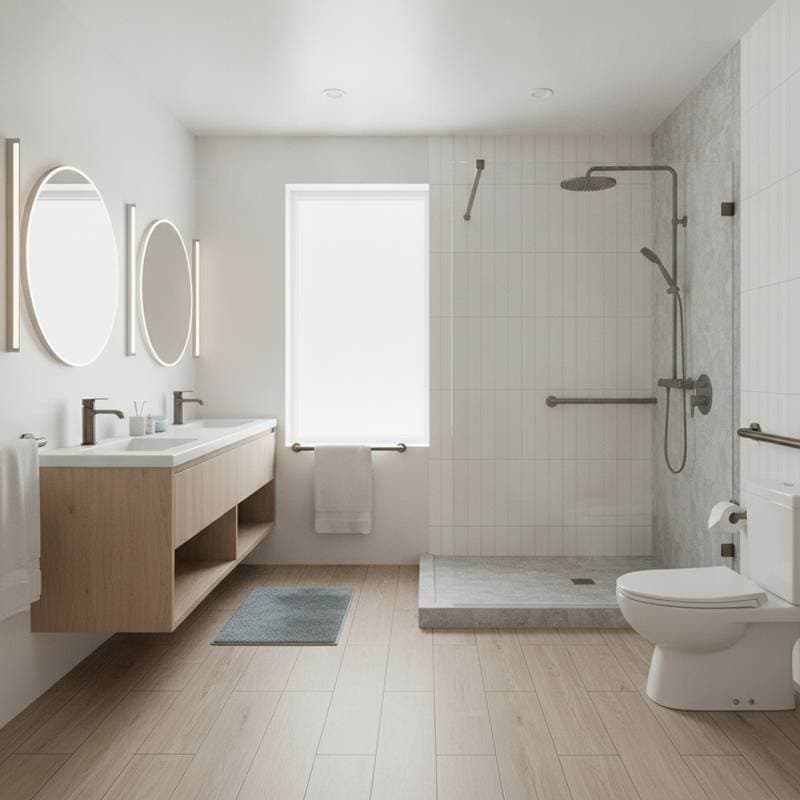
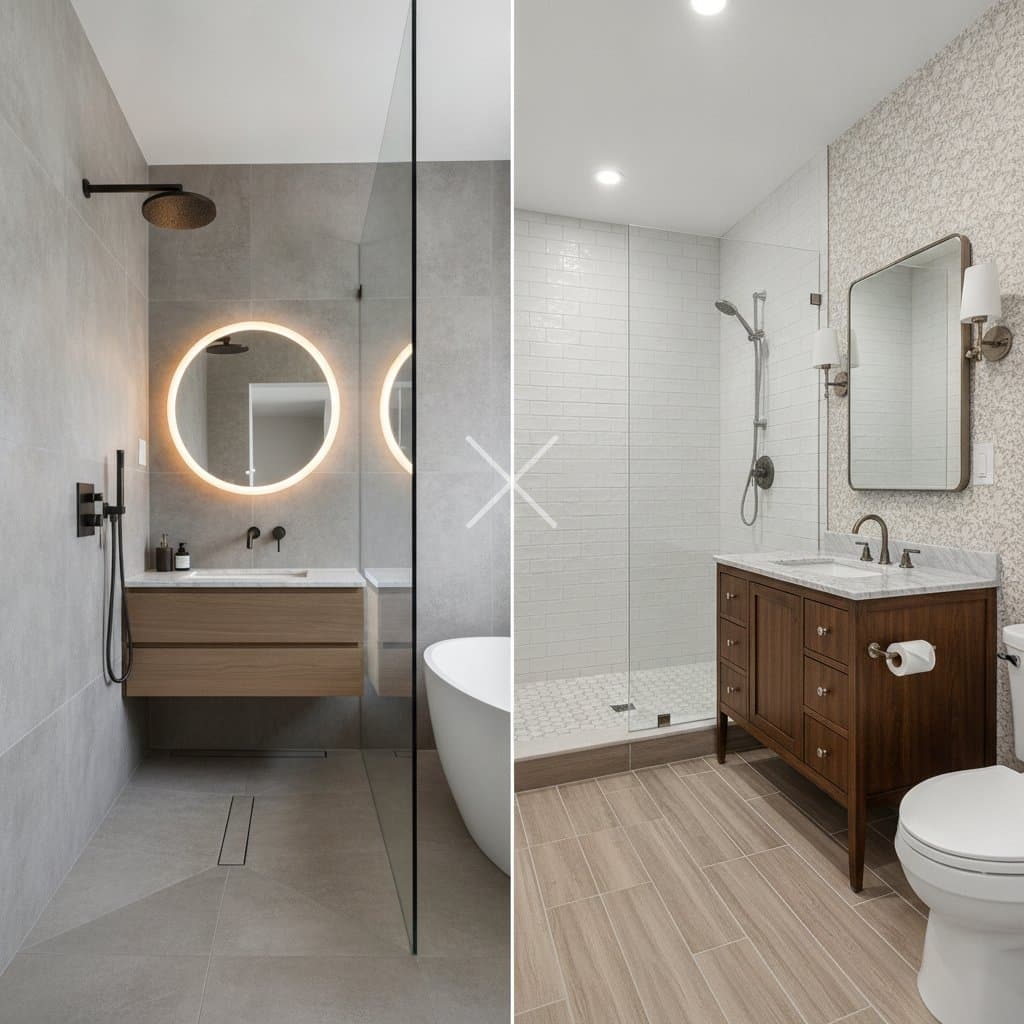
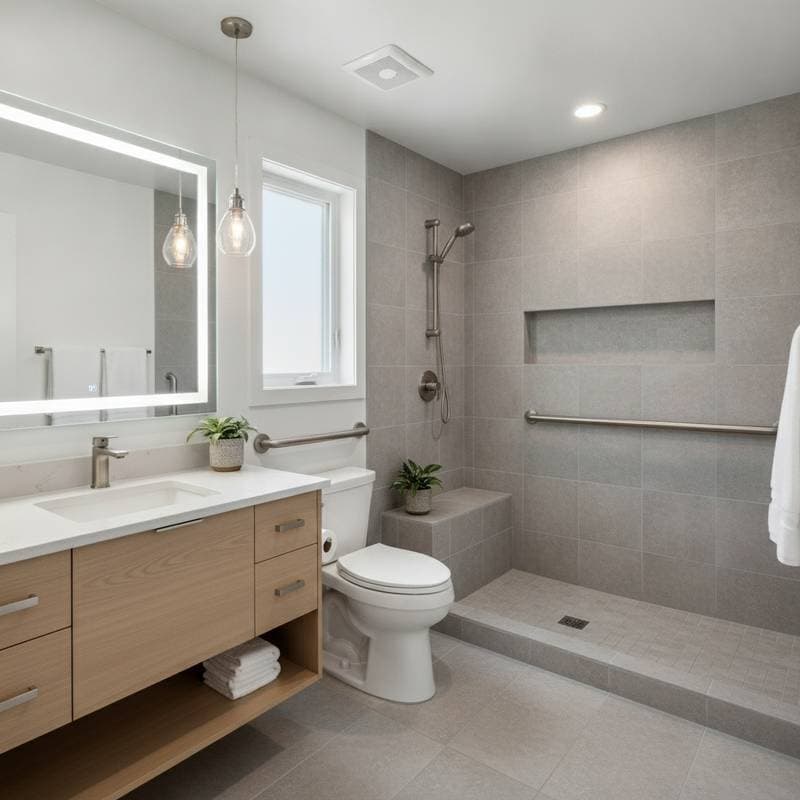
Bathrooms rank as a primary focus for aging-in-place updates due to their high-risk nature for slips and falls. A zero-threshold shower features a floor flush with the surrounding bathroom surface, removing barriers that complicate entry. This design maintains a sleek, contemporary profile while enhancing safety for all users.
Benefits include: Reduced tripping hazards and improved maneuverability for mobility aids like wheelchairs or walkers. The smooth surfaces also facilitate easier maintenance by limiting areas prone to water accumulation.
Implementation strategies: Select oversized porcelain tiles with textured, non-slip surfaces. Incorporate a fixed or retractable bench within the shower enclosure. Opt for a adjustable-height showerhead mounted on a vertical rail to accommodate varying user preferences.
Styling suggestions: Pair subtle gray-toned flooring with polished chrome hardware for enduring elegance. Integrate soft, diffused LED strips around vanity mirrors to provide uniform illumination without shadows.
Open Layouts and Wider Pathways
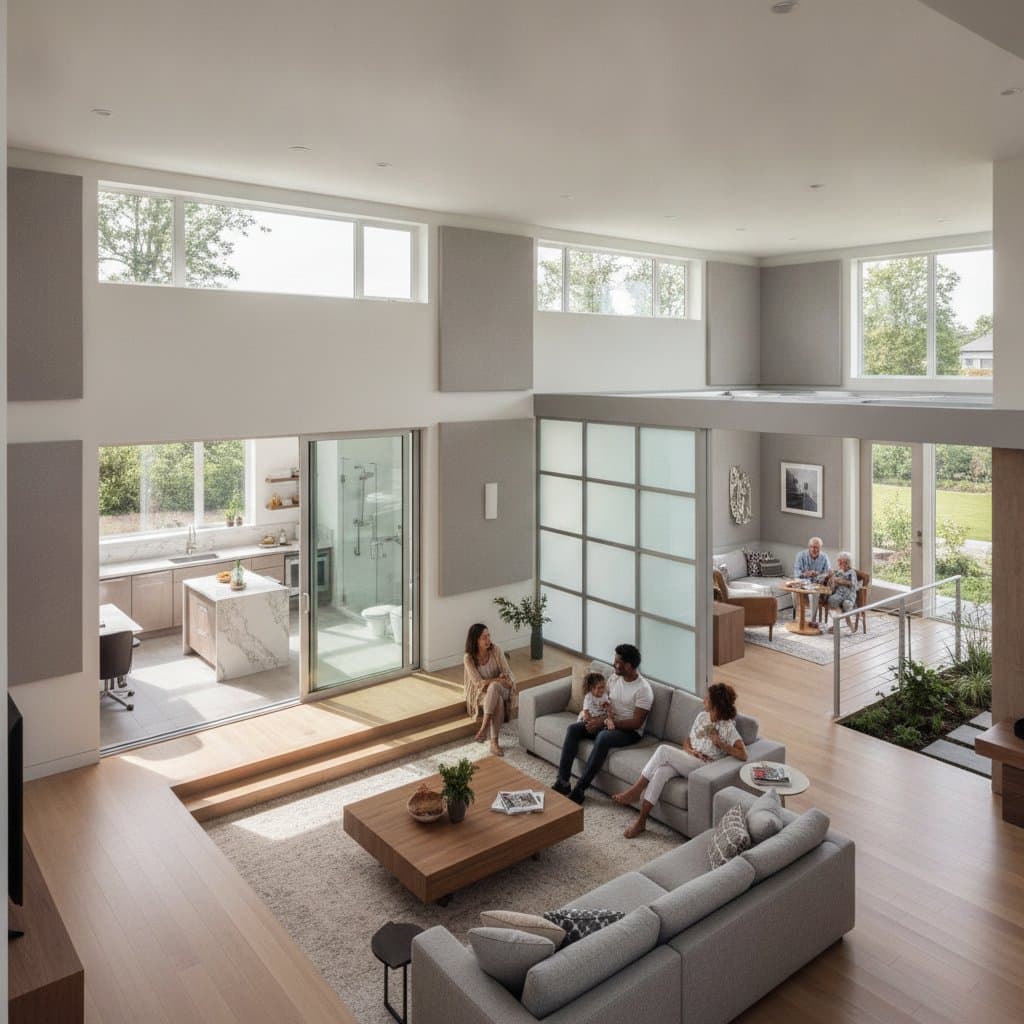
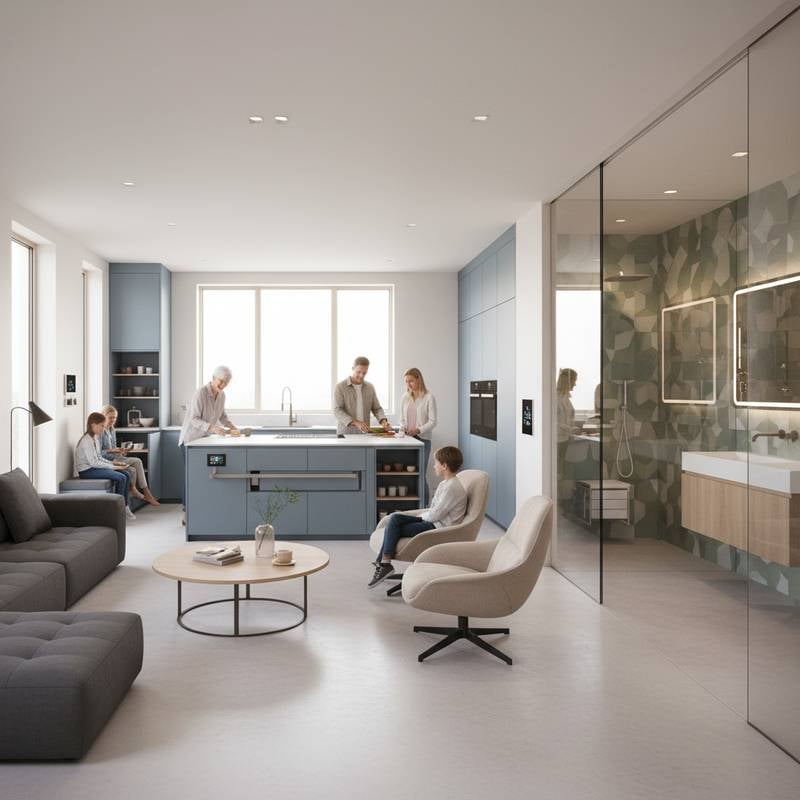
Transitioning to open floor plans removes walls that obstruct movement and create confined areas. Wider doorways and hallways, ideally at least 36 inches across, allow for unobstructed passage and future adaptability.
Benefits include: Enhanced flow between living areas promotes social interaction and eases navigation. These changes support the installation of assistive devices if required later.
Implementation strategies: Remove non-load-bearing partitions to expand kitchen-dining spaces. Ensure thresholds between rooms remain level to prevent stumbles. Position furniture to maintain clear circulation routes.
Styling suggestions: Use light-reflective wall colors like soft beiges to amplify spaciousness. Incorporate low-profile area rugs with high-traction backing to define zones without impeding travel.
Smart Home Integration for Enhanced Safety
Advancements in home automation elevate aging-in-place capabilities by streamlining control over lighting, climate, and security. Systems activated by voice or motion respond intuitively to user needs, reducing physical effort.
Benefits include: Automated features like pathway illumination curb accident risks, while remote monitoring fosters reassurance for both residents and family members.
Implementation strategies: Embed voice-responsive outlets and switches in key locations. Program thermostats to maintain optimal temperatures based on occupancy patterns. Install interconnected sensors for comprehensive environmental oversight.
Styling suggestions: Select slim, wall-flush panels to preserve visual simplicity. Integrate warm-toned bulbs that mimic daylight cycles to regulate sleep patterns effectively.
Adaptive Lighting Solutions
Strategic lighting addresses visibility challenges that intensify with age, incorporating multiple layers for versatility. Ambient overhead lights provide general illumination, while task-specific fixtures target work areas, and accents highlight architectural details.
Benefits include: Increased brightness compensates for reduced visual acuity, and tunable options mitigate glare to prevent disorientation during low-light periods.
Implementation strategies: Equip all fixtures with dimming capabilities for customizable intensity. Add LED strips beneath cabinets in preparation zones. Place automatic pathway lights in corridors and stairwells.
Styling suggestions: Combine fixtures in satin nickel or aged bronze with pale wall finishes for subtle emphasis. Employ translucent diffusers to soften light output and create a calming atmosphere.
Multi-Functional and Flexible Living Areas
Versatile room configurations allow spaces to evolve with lifestyle shifts, such as converting a study into a primary bedroom. Built-in elements maximize utility without sacrificing form.
Benefits include: Efficient use of existing footage avoids costly expansions. Adaptable setups accommodate caregivers or hobbies as circumstances change.
Implementation strategies: Install modular cabinetry and Murphy-style beds for dual purposes. Widen entry points to at least 32 inches for accessibility. Distribute outlets strategically for varied electronics.
Styling suggestions: Employ versatile neutral schemes that pair with seasonal accents. Select pale hardwoods for flooring to brighten and unify the area.
Accessible Outdoor Environments
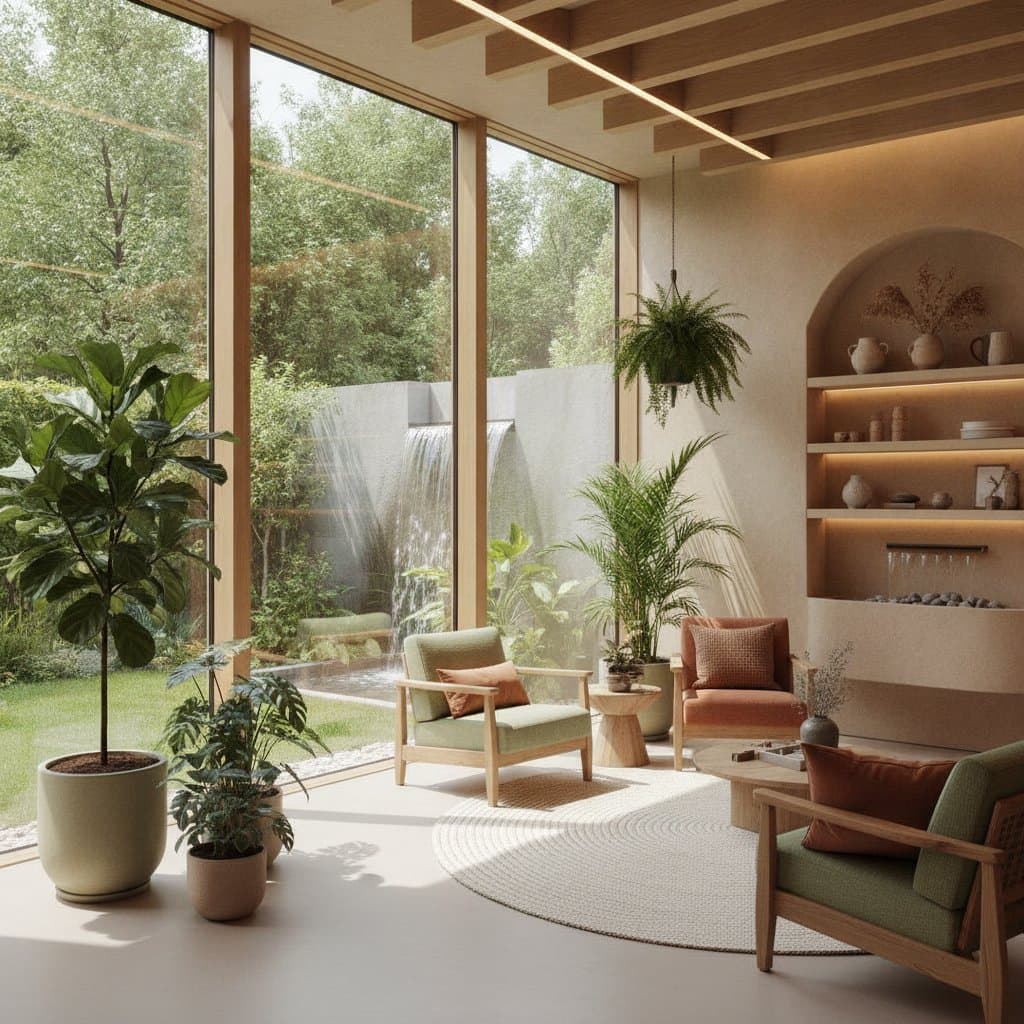
Extending universal design principles outdoors ensures seamless enjoyment of patios, gardens, and pathways. Gentle grading and supportive features encourage outdoor activity without isolation.
Benefits include: Promotes exercise and mental health through nature exposure. Sturdy, low-effort landscapes sustain usability over time.
Implementation strategies: Construct ramps with a maximum 1:12 slope ratio in place of steps. Embed graspable railings along walkways. Choose drought-tolerant, ground-cover plants to minimize upkeep.
Styling suggestions: Utilize weather-resistant composite materials in neutral hues for durability and grip. Integrate ergonomic benches with armrests amid greenery for restful spots.
Strategies for an Effective Remodel
Harmonizing Colors and Illumination
Select muted palettes with warm bases to boost perception and serenity. Steer clear of stark contrasts that disrupt focus. In high-traffic zones, prioritize matte surfaces that scatter light evenly to eliminate hotspots.
Selecting Durable Materials
Prioritize resilient options like engineered stone countertops, luxury vinyl flooring, and synthetic outdoor composites. These withstand wear, repel stains, and require minimal care. For surfaces exposed to humidity, apply semi-gloss sealants to enhance longevity.
Collaborating with Universal Design Experts
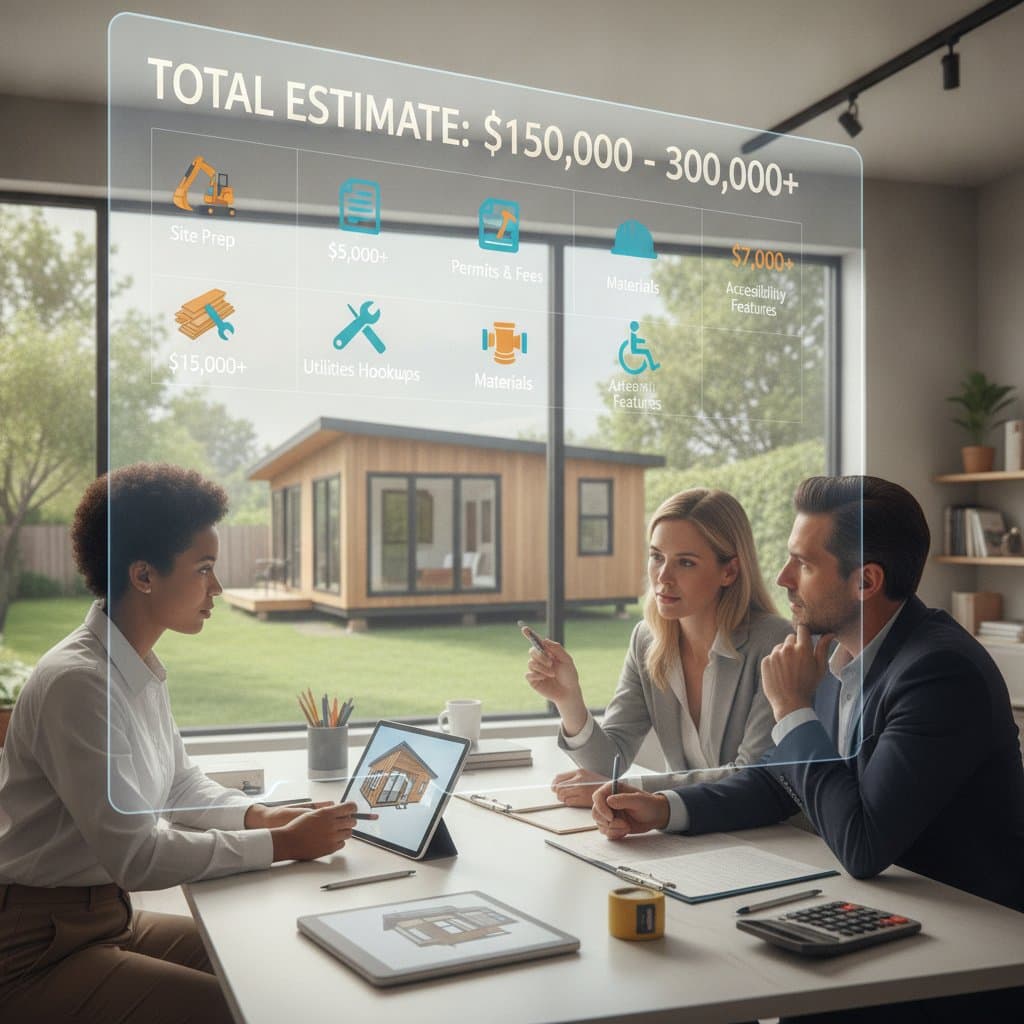
Engage contractors versed in accessibility standards to refine details like reinforced wall blocking for grab bars or optimal fixture heights. Professionals ensure compliance with building regulations while achieving a unified aesthetic. Their insights prevent oversights that could compromise functionality.
Sustaining Comfort and Independence Long-Term
Aging-in-place enhancements extend beyond mere hazard reduction; they cultivate environments that nurture autonomy and well-being. Thoughtful designs facilitate effortless daily activities and adapt fluidly to personal evolution.
Assess high-use areas such as entrances, cooking spaces, and bathing facilities first to pinpoint navigation challenges. Gradually incorporate refinements like automated controls and resilient finishes. These targeted upgrades accumulate to deliver profound enhancements in daily ease and security, securing a residence that remains supportive and refined indefinitely.