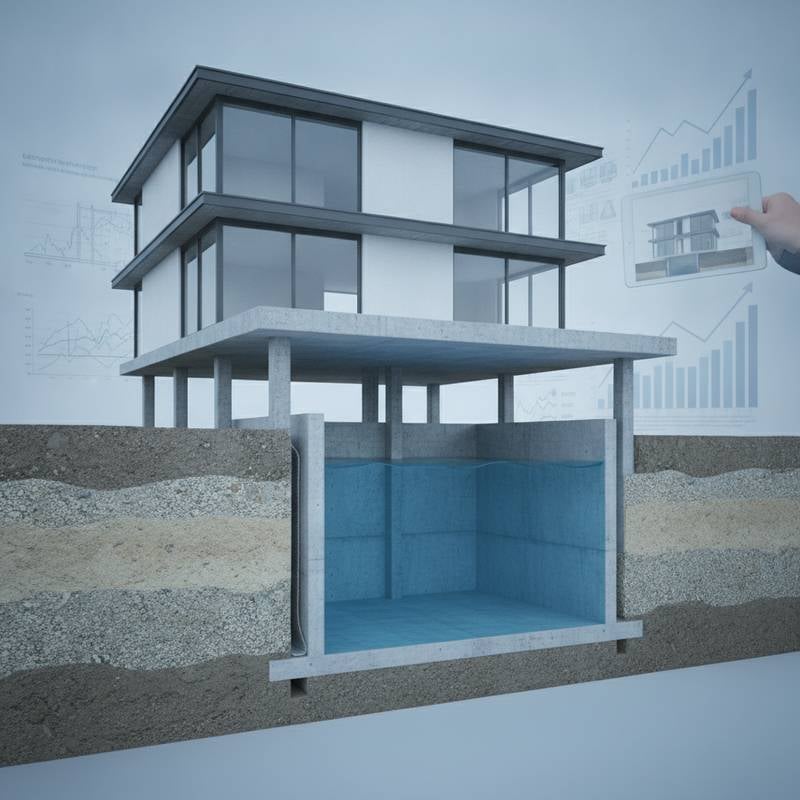
Installation Costs for Flood Resistant Foundations
Building a foundation that withstands flooding protects both the structure and long-term finances. This guide details cost drivers, foundation options, and material selections to support informed planning.
Defining Flood Resistance in Foundations
A flood resistant foundation prevents water intrusion or allows safe passage without structural harm. Designs achieve this through elevation above base flood levels, water-resistant materials, and integrated drainage. These elements reduce moisture exposure and limit erosion risks under pressure.
Main approaches involve raising living areas, reinforcing footings with durable compounds, and installing pumps or channels for water management. Each decision shapes total project expenses.
Factors Affecting Project Pricing
Site specifics and design choices determine final outlays. Review these elements to set realistic budgets.
-
Foundation Style
Slab, crawl space, and pier systems demand distinct flood adaptations. Pier setups often require less lift effort than basements yet deliver varying protection levels. -
Soil and Site Conditions
Clay or sandy soils affect stability differently. Poor drainage sites typically need extra compaction or barriers, raising preparation expenses. -
Required Elevation
Greater lift heights increase material needs and reinforcement. New builds incorporate elevation more efficiently than retrofits. -
Waterproofing Techniques
Options include exterior coatings, vapor barriers, and internal channels. Material grades influence both upfront costs and service life. -
Professional Services
Engineers and licensed crews ensure code compliance. Their involvement adds precision and documentation requirements. -
Regulatory Approvals
Flood zone permits and inspections add administrative fees that vary by jurisdiction.
Foundation Types and Performance
Selection depends on flood probability, soil profile, and building plans.
Elevated Pier and Beam
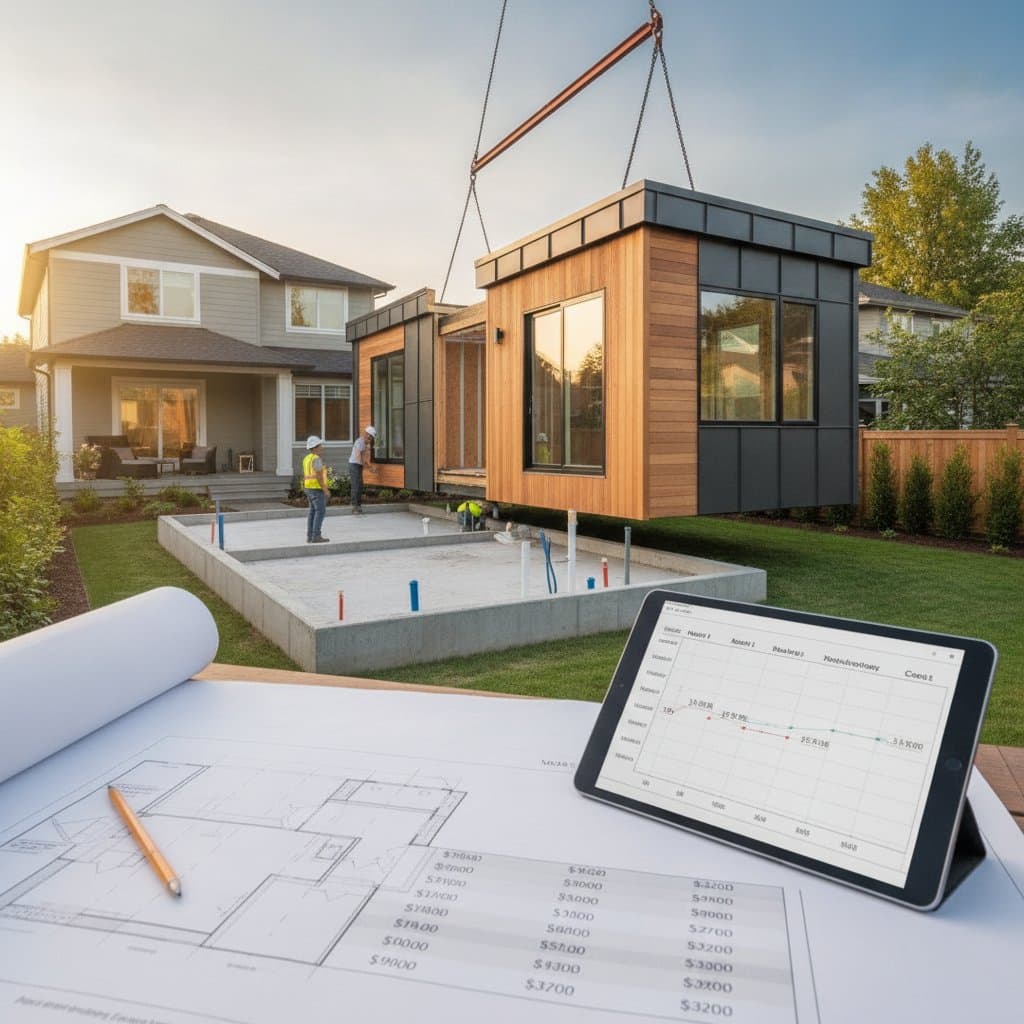
Concrete or steel posts support the structure above grade, permitting water flow beneath. This reduces pressure on walls and keeps interiors dry. Costs scale with column count and height. Reinforced skirting improves appearance and lateral stability.
Raised Slab on Grade
Fill material or supports elevate the concrete pad to required levels. The approach suits moderate risk zones. Expenses track fill volume and compaction quality. Perimeter drains paired with moisture resistant finishes enhance results.
Deep Pile System
Piles extend to stable strata below flood layers. This method provides high stability in coastal or river settings. Specialized equipment drives costs upward, yet delivers extended durability. Open underfloor designs maintain ventilation.
Waterproofed Basement
Reinforced walls, membranes, and sump systems exclude groundwater. Excavation depth and soil type affect pricing. Scheduled pump checks and sealant renewal sustain function. Interior vapor barriers support energy performance.
Relative Cost Comparison
- Pier and beam: Moderate to high, driven by elevation and reinforcement.
- Raised slab: Moderate, balancing simplicity and protection.
- Pile foundation: High, justified in severe zones.
- Waterproof basement: Moderate to high, with ongoing upkeep.
Site work, drainage additions, and coatings contribute further line items. Early inclusion prevents later overruns.
Material Selection Impact
Concrete with sealants or admixtures resists saturation effectively. Steel adds tensile strength in elevated designs. Quality membranes block seepage when applied correctly. French drains and gravel beds channel water away when sized for local rainfall.
Additional Expense Areas
Elevation projects may require off site housing during construction. Grading changes often necessitate landscape repairs. Utility lines need extension or rerouting. Compliant builds can lower insurance rates over time.
Engaging Qualified Contractors
Licensed professionals assess soil bearing capacity and water table depth. Request itemized proposals covering materials, labor, and schedules. Code verification precedes any work.
Budget Planning Steps
- Obtain bids from contractors experienced in flood zones.
- Confirm designs satisfy elevation and permitting rules.
- Allocate funds for inspections and component replacement.
- Specify durable products suited to regional conditions.
- Address grading and runoff before excavation begins.
Regional Application Guidance
Coastal sites favor deep piles to counter wave action. Riverfront lots benefit from open pier configurations. Urban lots often use sealed basements with limited footprint. High precipitation areas integrate robust drainage at slab level.
Ongoing Performance Considerations
Proper installation raises property resilience and reduces post event repairs. Periodic seal checks and pump servicing maintain effectiveness. Timely coating renewal extends service intervals.
Selecting Your Foundation Approach
Match foundation type to measured flood data, soil reports, and budget parameters. Early coordination with engineers and local officials produces compliant, cost effective outcomes that safeguard the property for years ahead.