2026 Universal Design Costs for Aging-in-Place Homes
Quick Cost Summary
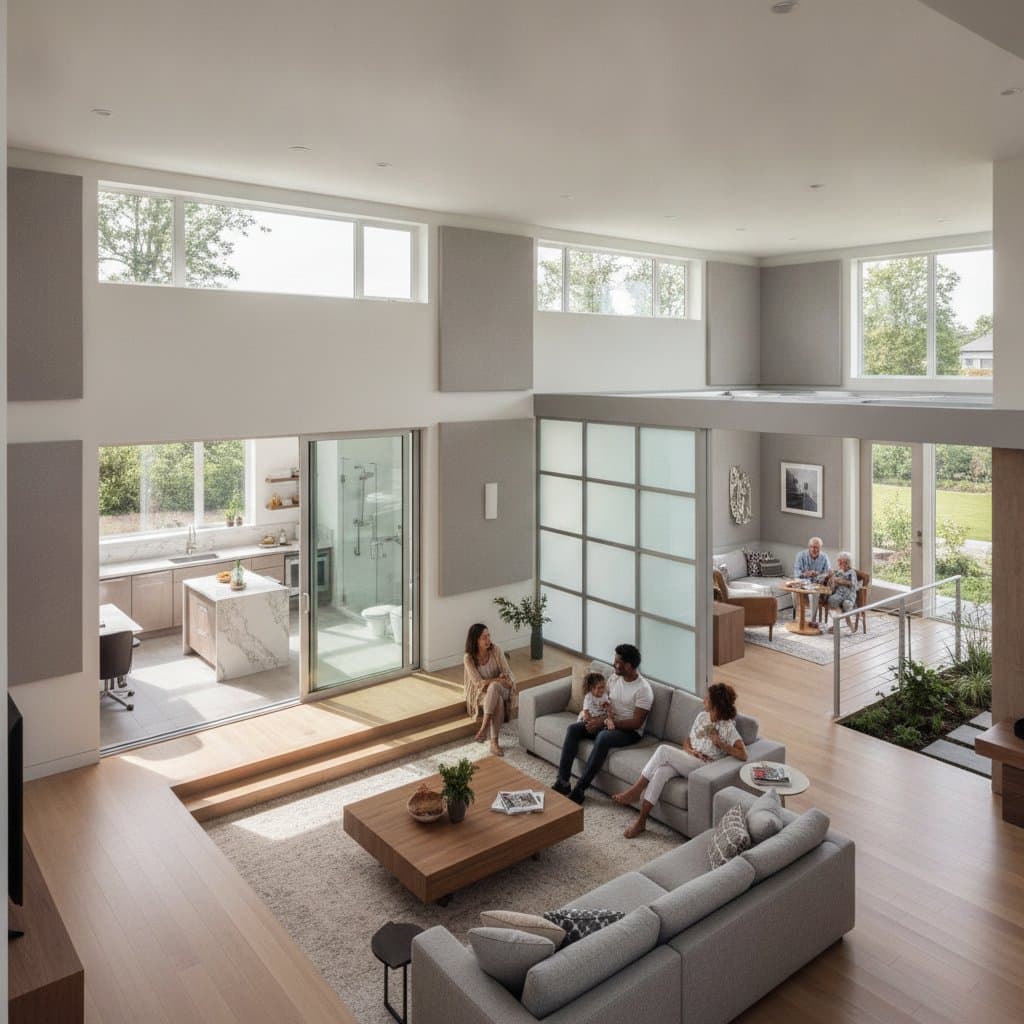
Universal design remodeling for aging in place ranges from $15,000 to $95,000. This range accounts for home size, layout, and current accessibility levels. Homeowners often allocate about $45,000 for a balanced project that incorporates essential features like wider doorways, curbless showers, and grab bars.
Smaller updates to one room may begin at $8,000. Comprehensive overhauls with structural alterations can exceed $150,000. Key expenses arise from structural adjustments to floors, walls, and entrances; accessibility enhancements in bathrooms and kitchens; premium materials and fixtures; specialized labor; and smart home technologies for added safety.
Cost Breakdown by Project Scale
Costs for universal design projects fluctuate according to the extent of modifications and the home's configuration. Consider these categories to estimate expenses accurately.
Entry-Level Adjustments
Targeted changes to a single room or entranceway generally fall between $8,000 and $25,000. Common elements include lever handles on doors with expanded frames, grab bars paired with nonslip surfaces, and adjusted lighting or lowered switches for easier access.
These modifications demand minimal disruption and provide immediate improvements in daily navigation.
Balanced Home-Wide Enhancements
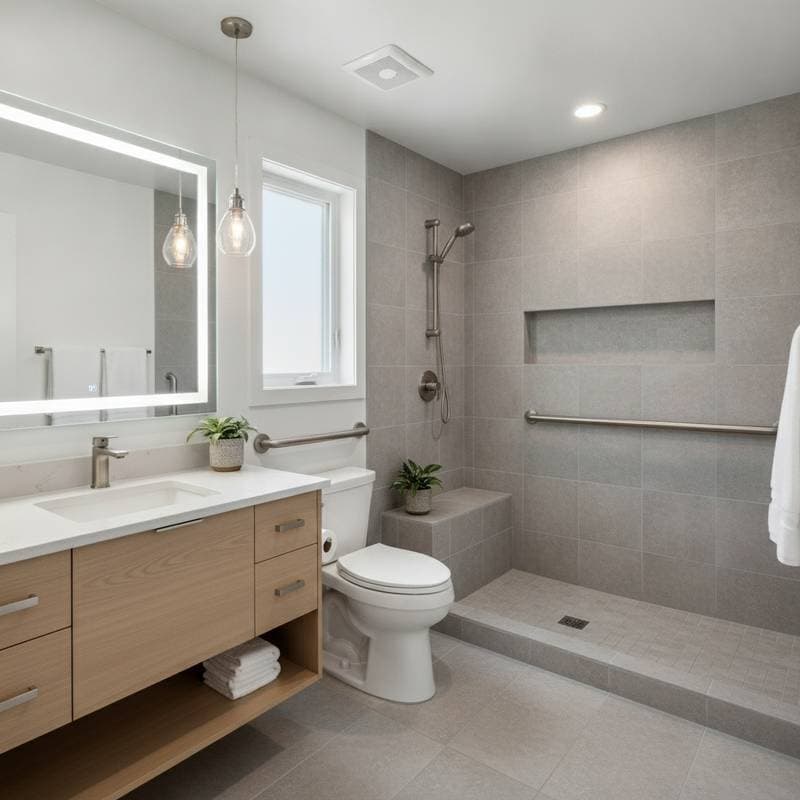
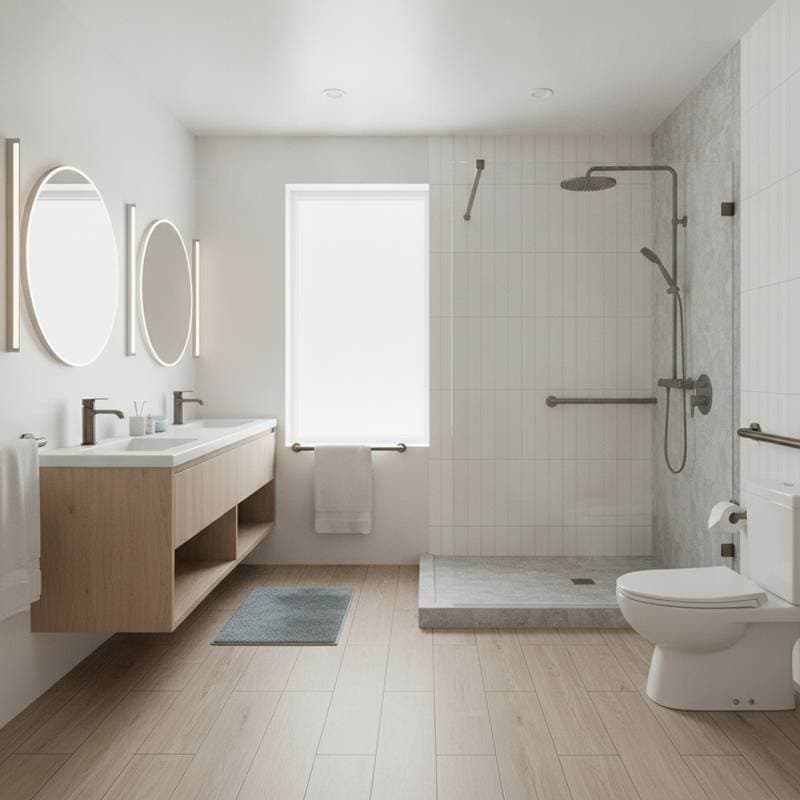
Projects addressing multiple areas average $40,000 to $70,000. Typical inclusions feature bathroom conversions to zero-threshold showers, doorway expansions across several rooms, lowered countertops and adjustable cabinets, plus subtle entry ramps.
Such updates promote fluid movement throughout the living space without requiring extensive rebuilding.
Comprehensive Overhauls
Full-scale transformations of kitchens, bathrooms, and pathways cost $90,000 to $150,000. These efforts encompass rerouting plumbing and electrical lines, strengthening walls to support grab bars or lifts, and integrating smart controls for lights, climate, and security.
Professionals handle these complex tasks to ensure seamless functionality and code adherence.
Factors Influencing Total Expenses
Multiple elements shape the final price of universal design upgrades. Evaluate these aspects to develop a realistic budget.
Existing Home Configuration
Homes built before 1980 often feature tight corridors or compact bathrooms, necessitating demolition and reconfiguration. Widening passages or shifting walls elevates labor and supply demands significantly.
Selection of Materials and Hardware
Opt for resilient, low-slip flooring, sensor-operated faucets, and sturdy storage solutions to extend durability and reduce risks. A basic shower retrofit might total $6,000, whereas a fully accessible version with integrated seating and supports surpasses $12,000.
Premium choices justify the investment through enhanced performance over years.
Regulatory Requirements
Alterations to structure or utilities usually require permits from local authorities. Expect fees of $500 to $2,500, varying by jurisdiction. Subsequent inspections verify alignment with construction and accessibility standards.
Integration of Smart Features
Voice-controlled illumination, motion-based alerts for falls, and automatic entry systems contribute $2,000 to $10,000. These additions foster greater autonomy and quick response to potential issues.
Location-Based Labor Variations
Rates for workers differ across regions. Metropolitan zones or high-demand markets command premium hourly fees and extended schedules due to availability constraints.
Investment Returns and Value
Universal design renovations elevate usability, property worth, and overall comfort.
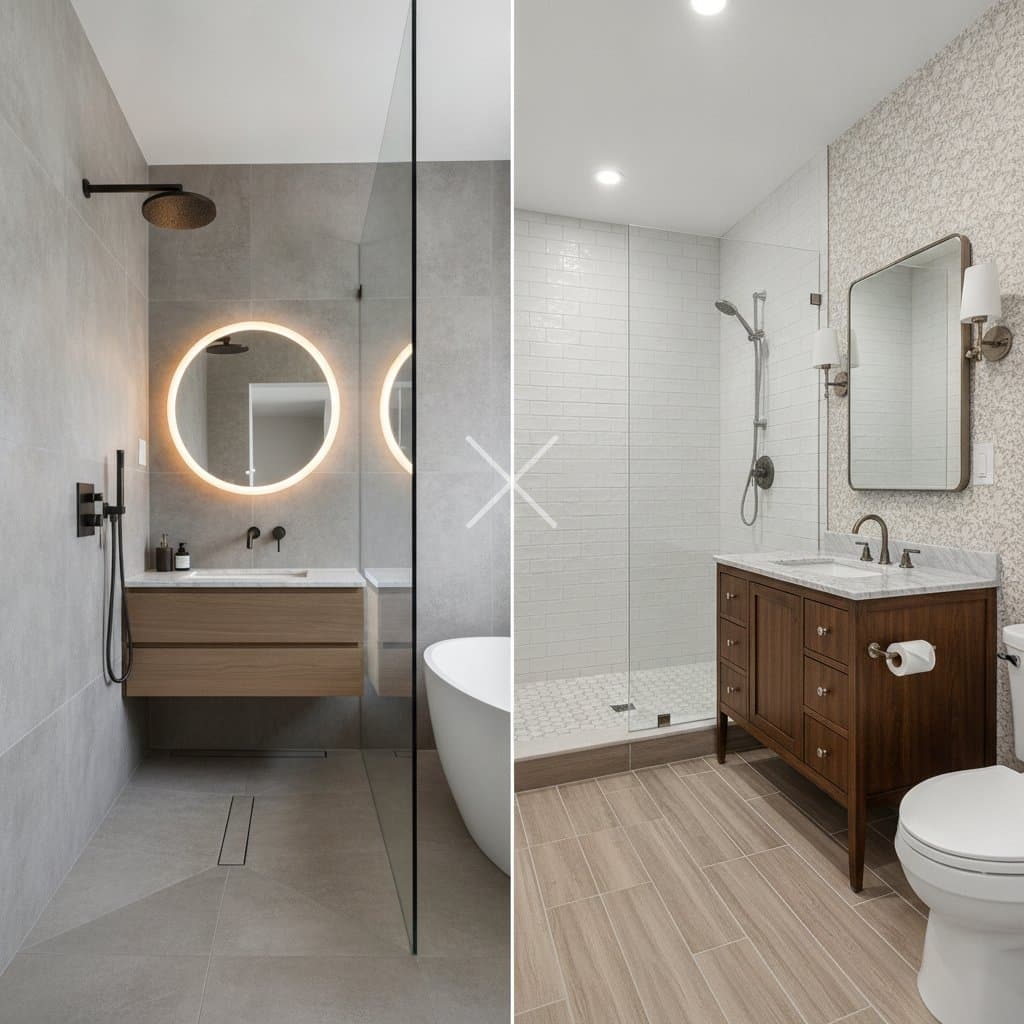
Expect a return of 60 to 80 percent, influenced by local real estate trends and upgrade quality. Bathroom refreshes frequently deliver the strongest gains, particularly with contemporary aesthetics. Kitchen adaptations boost practicality and market desirability.
Prospective buyers prioritize residences equipped for sustained residency. These elements demonstrate foresight, minimize subsequent renovation needs, and lower injury-related medical expenses in the long term.
Choosing Between Self-Installation and Expert Services
Suitable Tasks for Self-Installation
Handle straightforward, non-invasive work independently, such as mounting temporary grab bars, swapping knobs for levers, or placing adhesive nonslip strips.
Basic tools suffice, and no approvals are needed for these surface-level changes.
Necessity of Professional Expertise
Engage certified specialists for any plumbing or wiring shifts, load-bearing modifications, bespoke storage solutions, or automated system setups.
Experts guarantee regulatory compliance, reliable operation, and safeguards against mobility challenges. Faulty amateur efforts risk expensive fixes or safety compromises.
Comparative Expenses
Self-directed efforts limit outlays to under $1,000 for supplies. Contractor-led initiatives commence at $15,000, yet provide assurances of longevity, adherence, and protective warranties. For enduring occupancy, expert execution maximizes sustained benefits.
Frequently Asked Questions
What is the typical cost for a universal design remodel?
Projects range from $15,000 to $95,000, scaled to the home's dimensions and modification depth.
Which home areas merit initial attention?
Prioritize bathrooms and entrances to enhance routine safety and ease of use.
Do universal design elements serve only seniors?
These adaptations suit all occupants by promoting versatile, hazard-free surroundings.
Can such features raise property value?
Affirmative. Accessible configurations appeal to diverse purchasers and support elevated selling prices.
Are permits essential for these upgrades?
Yes, for any structural, electrical, or plumbing work. Consult your local authority for specifics.
How does universal design differ from ADA standards?
Universal design emphasizes broad usability and ease, whereas ADA sets mandatory guidelines for commercial venues.
What funding options exist for these projects?
Home equity loans abound, alongside government grants targeted at accessibility improvements.
Sustaining Accessibility Over Time
After completing the remodel, conduct annual checks on supports, pathways, and surfaces to preserve functionality. Address fading grips or deteriorated elements without delay. Update monitoring devices regularly to maintain reliability.
Design with modularity in mind for effortless future tweaks as requirements evolve. Consult your design team periodically to anticipate needs and refine the setup.
Strategic universal design choices secure lasting independence, ease, and worth, adapting seamlessly to life's progression.