The True Cost of Installing a Prefab ADU in 2026
Prefab accessory dwelling units provide homeowners with efficient ways to add functional space, such as rental income sources, guest accommodations, or dedicated workspaces. These units stand out for their factory-built precision, which minimizes on-site disruptions compared to conventional construction methods. Homeowners frequently seek clarity on total expenses, especially as material and labor trends evolve into 2026.
This analysis outlines primary cost influencers, from initial unit pricing to ancillary site work, equipping you with tools for informed financial planning.
Key Factors That Influence Cost
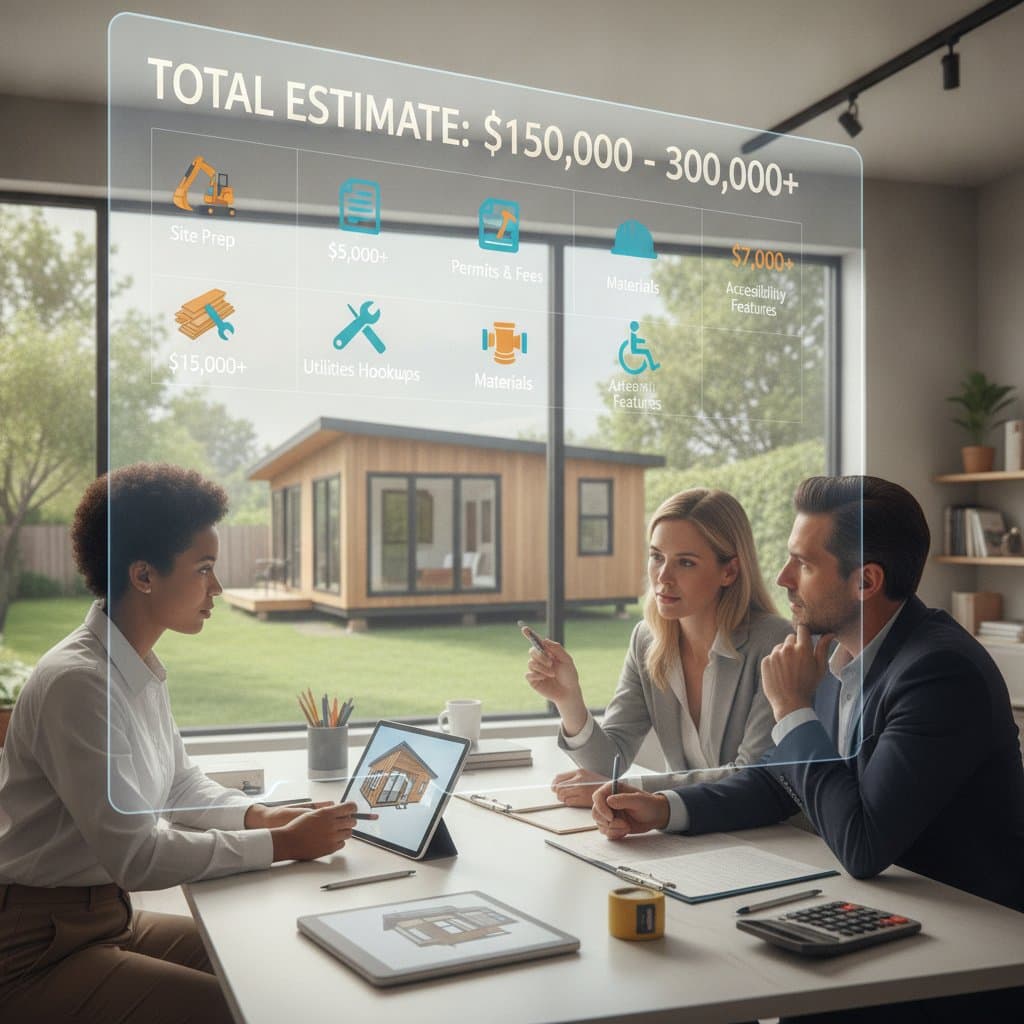
Multiple elements determine the final investment for a prefab ADU. Understanding these allows for precise budgeting and proactive decision-making to prevent budget overruns.
1. Size and Layout
Units measuring 300 to 500 square feet generally offer the best value for basic needs like studios or single-room guest areas. Such configurations require fewer resources during fabrication and assembly. In contrast, designs exceeding 800 square feet demand expanded structural elements, including reinforced framing and additional plumbing runs, which elevate both manufacturing and transport fees.
Consider how layout impacts expenses: a single open-plan space keeps costs lower than one with partitioned rooms or an extra full bathroom, which could add 15 to 25 percent to the base price.
2. Design Complexity and Finishes
Manufacturers provide options from entry-level to premium specifications. Basic interiors featuring laminate counters and carpeted floors start at lower price points, while upgrades to granite surfaces, tile flooring, or integrated smart home features increase outlays by 20 to 40 percent.
Exterior selections matter equally: standard vinyl siding proves economical, but opting for durable options like stucco or composite panels raises initial costs yet reduces future repairs. Always request itemized breakdowns from suppliers to verify inclusions such as lighting fixtures, window treatments, or basic appliances, as exclusions can lead to overlooked add-ons.
3. Foundation Type
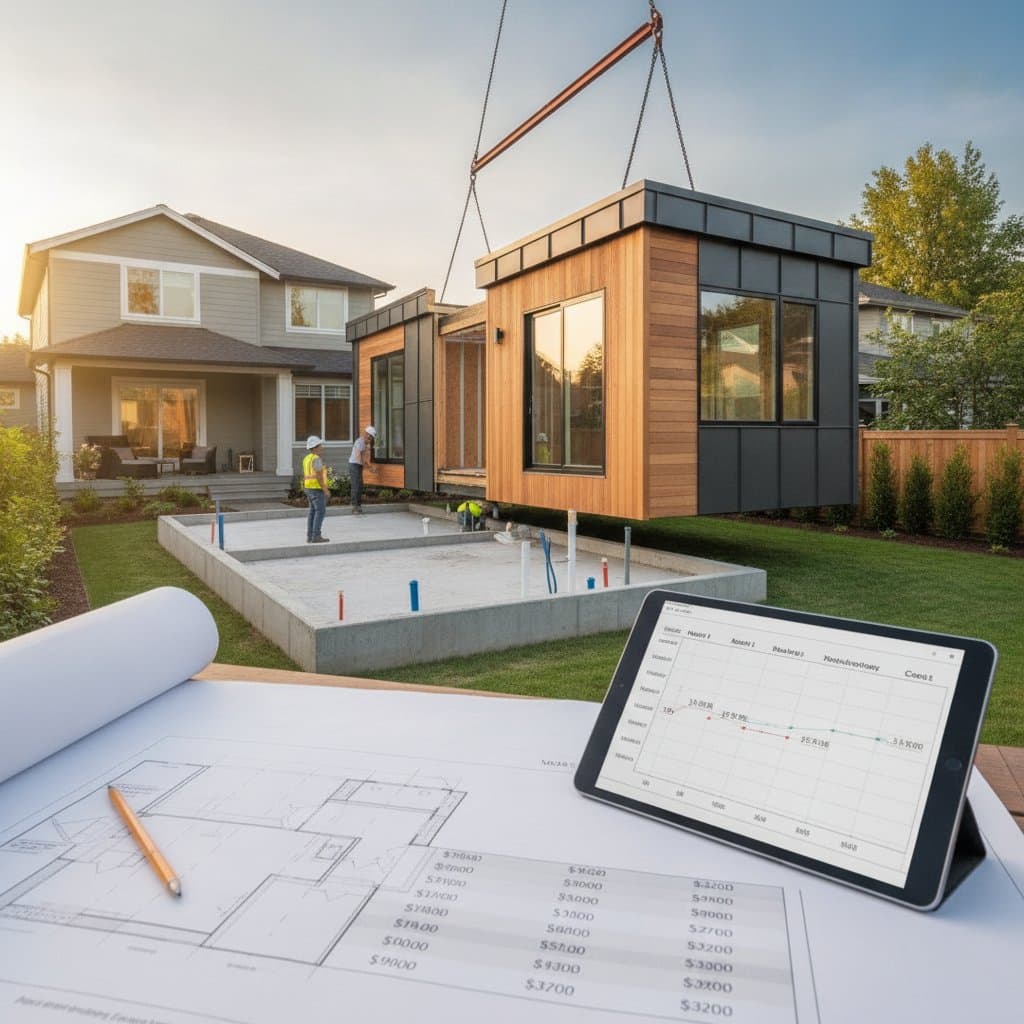
Foundations form the structural base and vary by site demands. Concrete slab systems deliver stability on level ground but involve substantial excavation, formwork, and pouring, often comprising 10 to 15 percent of total expenses.
Pier-and-beam alternatives suit sloped or soft-soil properties, potentially cutting costs by 30 percent through reduced material use and quicker setup. Evaluate soil tests early; challenging conditions like expansive clay may necessitate engineered solutions, pushing foundation budgets higher.
4. Site Preparation
The existing landscape plays a pivotal role in preparatory expenses. Tasks such as vegetation removal, soil compaction, and pathway creation for heavy equipment can range from minimal on cleared lots to extensive on wooded or sloped terrain.
Urban settings amplify challenges: properties with restricted access, such as those behind gates or near power lines, may require temporary road reinforcements or sequenced deliveries, adding labor charges. Conduct a site survey upfront to identify and price these steps accurately.
5. Utility Connections
Integrating services like water supply, sewage, power, and heating represents a major line item, frequently accounting for 20 to 30 percent of the project total. Proximity to main lines minimizes trenching needs; distances over 50 feet often double connection fees due to extended piping and wiring.
Complications arise with older homes lacking capacity: upgrading a main electrical service or installing septic tie-ins could involve professional assessments and compliance certifications. Factor in seasonal influences, as frozen ground delays digging and raises subcontractor rates.
6. Permits and Local Regulations
Jurisdictional rules dictate approval processes and associated fees, which fluctuate widely by region. Basic permitting might cost a few thousand dollars, but zones with stringent seismic standards or environmental reviews impose extra charges for engineering stamps or traffic studies.
Partner with contractors versed in local ordinances to streamline submissions and avoid rework. Some areas offer incentives like fee waivers for energy-efficient designs, which can offset costs if incorporated from the outset.
Comparing Prefab and Traditional Builds
Prefab approaches excel in timelines and consistency, with factory production shielding projects from weather variances and supply shortages. This method typically wraps installation in 4 to 8 weeks post-delivery, versus 3 to 6 months for site-built equivalents, while curbing waste and labor fluctuations.
Traditional builds afford greater customization, such as unique architectural details or mid-process modifications, appealing to those prioritizing aesthetics over speed. However, they expose owners to extended exposure times, subcontractor scheduling issues, and potential 10 to 20 percent overruns from unforeseen delays. For straightforward expansions on prepared sites, prefab delivers superior cost control and minimal homeowner involvement.
Practical Considerations for Installation
Successful projects hinge on logistical foresight. Verify delivery routes accommodate large modules; obstacles like low branches or steep driveways might necessitate pruning or alternative transport plans, incurring fees.
Weather patterns influence pacing: ideal conditions allow seamless foundation curing and assembly, but adverse elements extend timelines and protection costs. Allocate 2 to 3 months for manufacturing lead times, plus 2 to 4 weeks on-site, and secure financing aligned with these phases to maintain momentum.
While owners may tackle non-structural tasks like painting or landscaping, delegate critical elements including framing erection, electrical wiring, and plumbing inspections to certified experts. This ensures code adherence and preserves warranties.
Long-Term Value and Maintenance
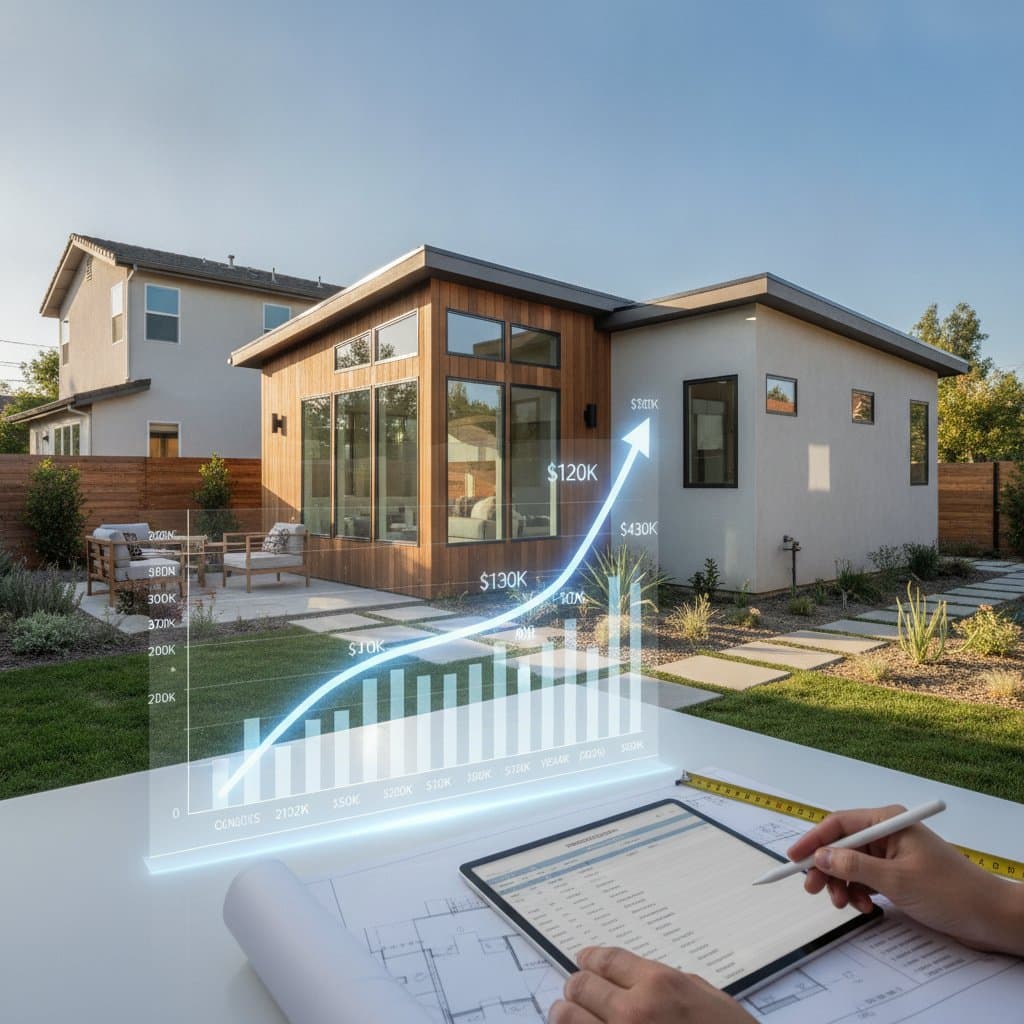
Well-executed prefab ADUs boost resale appeal by expanding usable square footage and diversifying income potential. They integrate seamlessly with primary residences, supporting multigenerational living or remote work setups.
Preserve longevity through routine inspections: clean gutters annually to prevent water damage, reseal exteriors every five years, and monitor foundation shifts. These practices extend service life beyond 50 years, yielding strong returns on initial outlays.
Steps to Budget and Launch Your Project
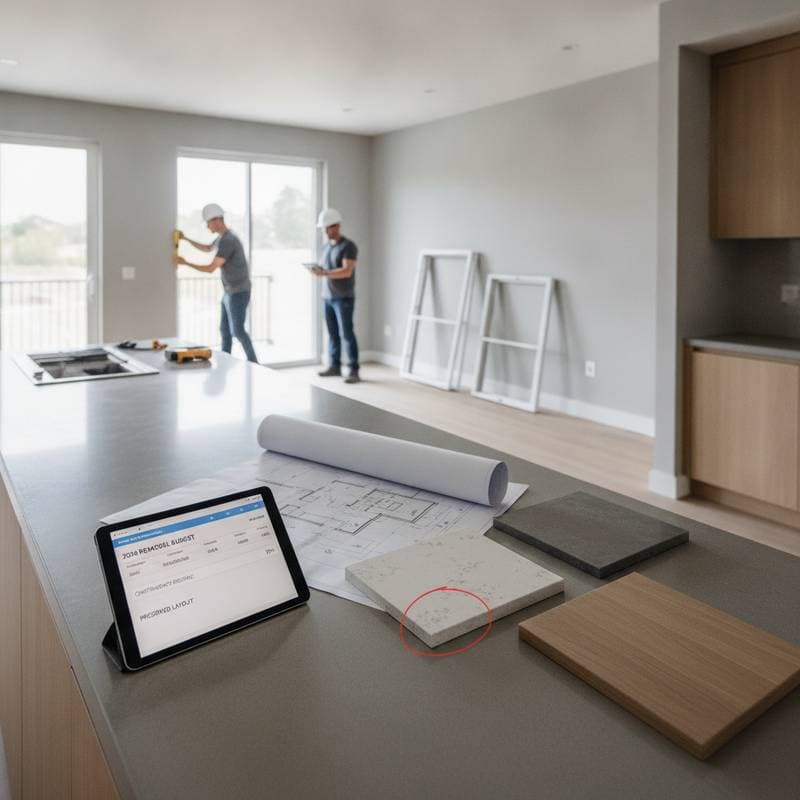
Approach prefab ADU planning systematically: research certified producers for models matching your vision, then engage a local builder for a tailored site evaluation. Compile quotes encompassing all phases, from delivery to final inspections, aiming for a comprehensive figure that buffers 10 to 15 percent for contingencies.
Refine your plan by prioritizing essentials over luxuries and exploring financing options like home equity loans. With diligent preparation, your ADU becomes a strategic asset, enhancing lifestyle flexibility and financial security.