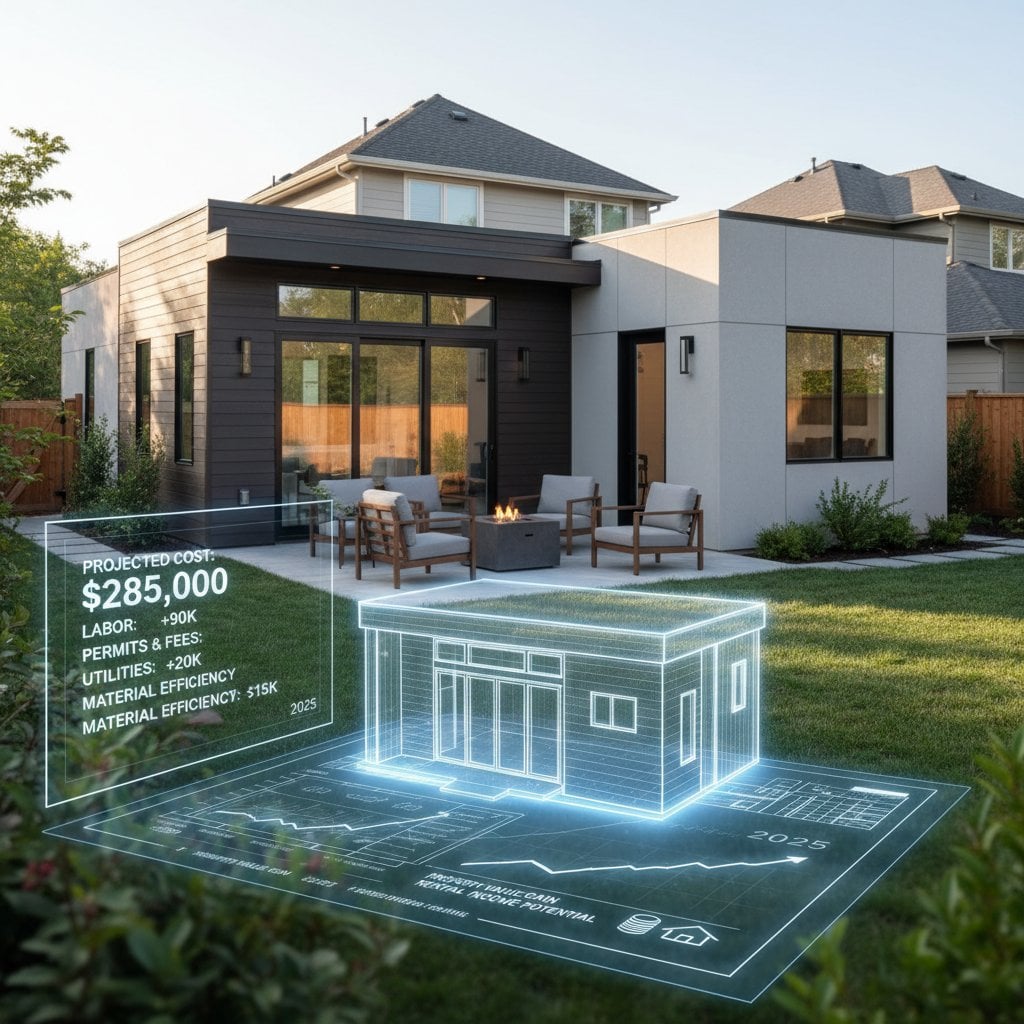
Understanding 2025 ADU Construction Costs: A Comprehensive Budget Breakdown
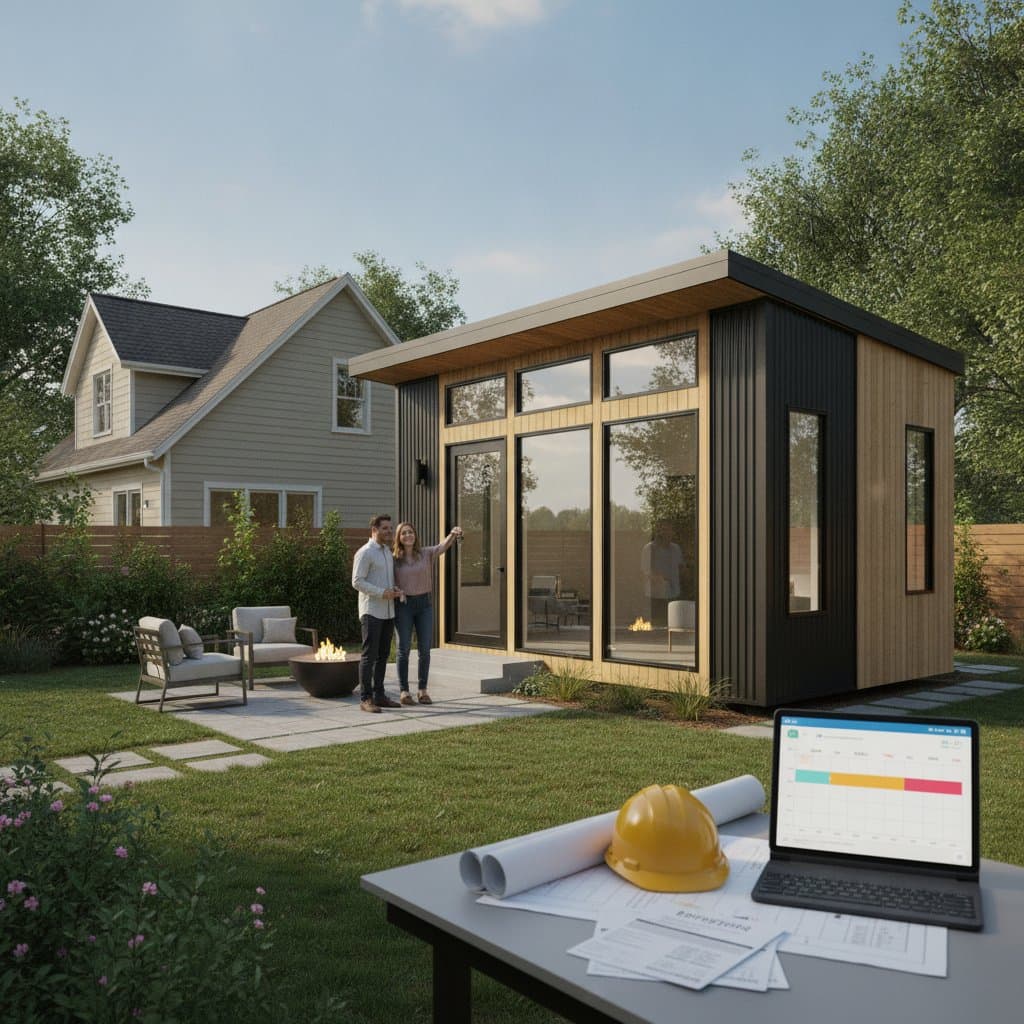
Accessory Dwelling Units, known as ADUs, represent a popular choice for homeowners seeking additional living space or opportunities for rental income without relocating. These structures, often referred to as backyard cottages, granny flats, or guest suites, require careful financial planning to align with project goals and local regulations.
Essential Cost Overview
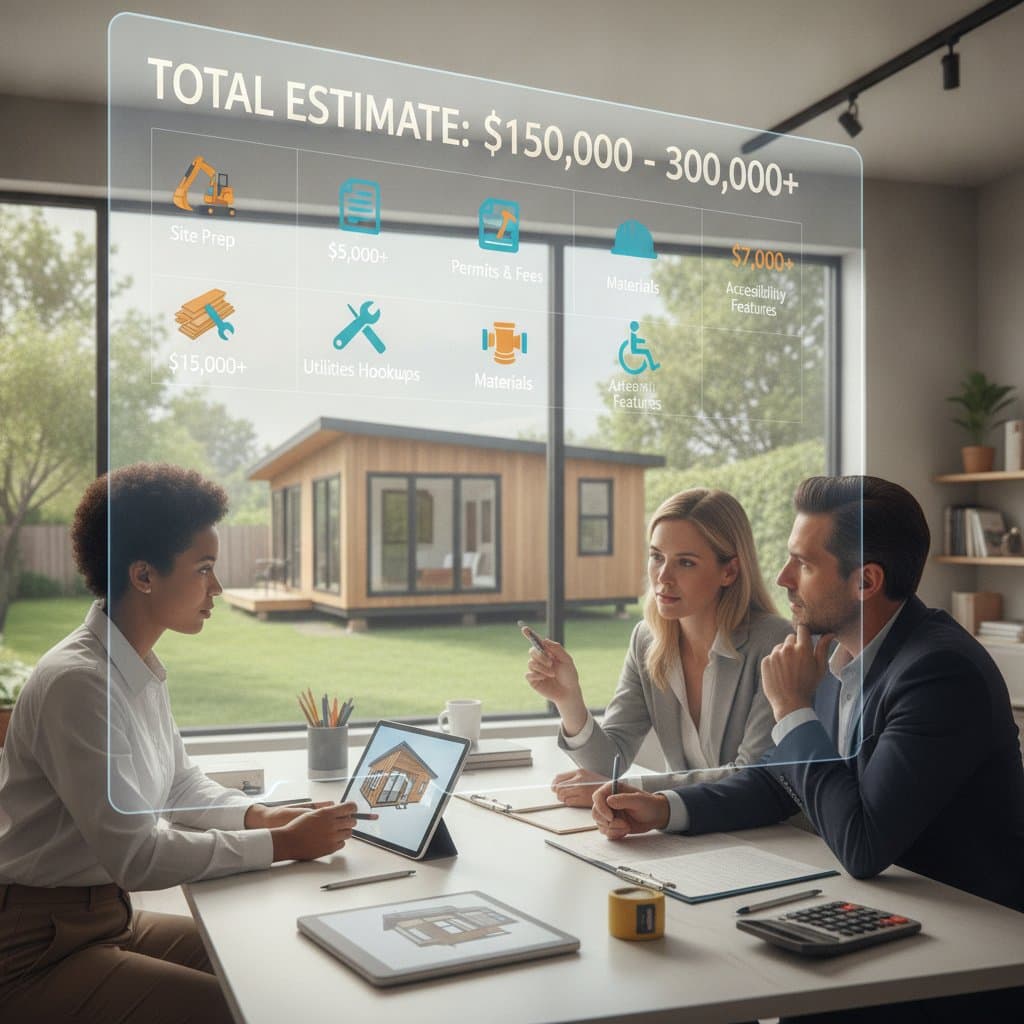
The total expense for building an ADU in 2025 generally falls between $150,000 and $400,000, with a typical midpoint of $250,000. Variations arise from the unit's dimensions, selected materials, architectural complexity, and the property's terrain. Detached ADUs incur higher costs compared to conversions of garages or basements, as they demand entirely new foundations, utility extensions, and roofing installations.
Primary factors influencing costs include:
- Dimensions and internal configuration of the ADU
- Preparation of the site and integration of utilities
- Selection of materials and interior finishes
- Rates for labor and contracting services
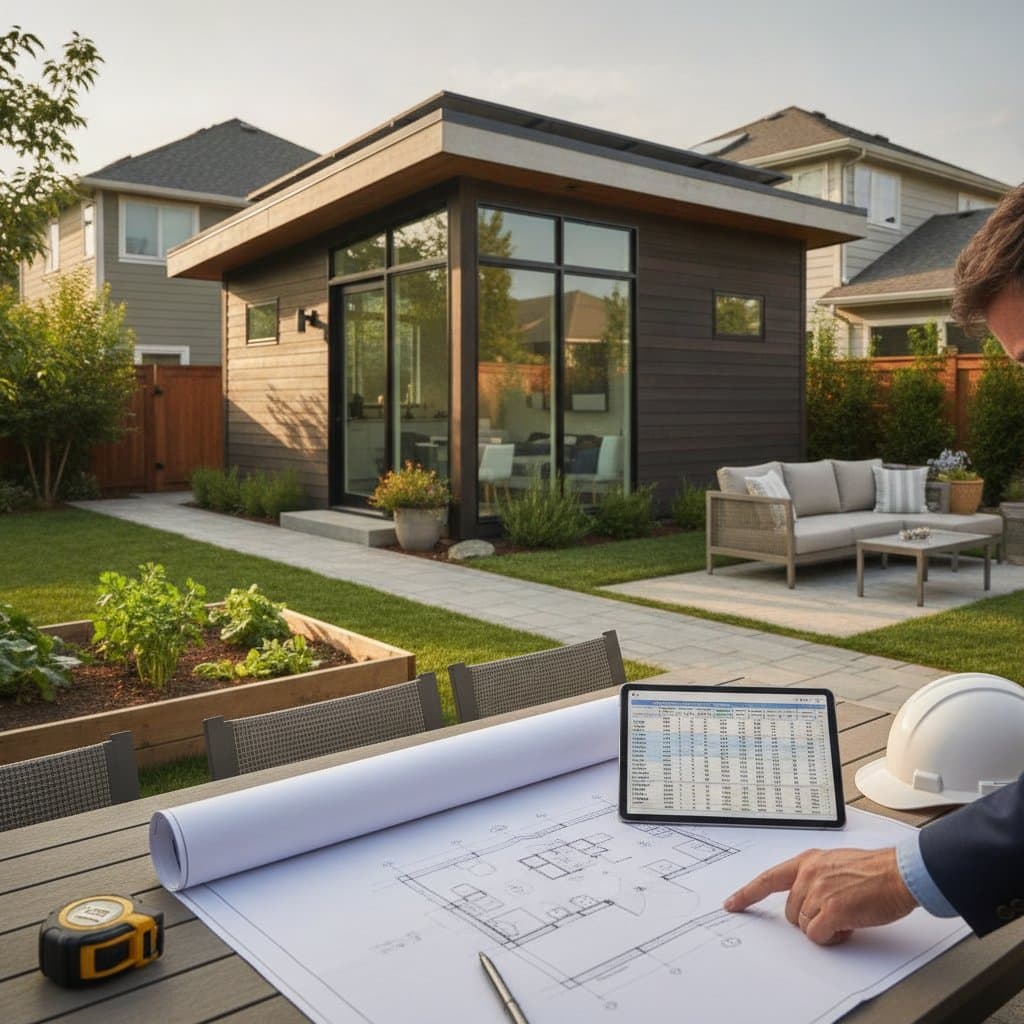
- Fees associated with permits, architectural design, and engineering
Important Considerations
Detached ADUs, often spanning 300 to 500 square feet or larger, command the highest prices due to their independent infrastructure. In contrast, repurposing an existing garage or basement can lower expenses by 30 to 40 percent through the reuse of established elements. Upgrades to utilities, particularly sewer lines and electrical systems, may add $10,000 to $30,000 to the budget.
Prefabricated options accelerate timelines but frequently match custom construction costs once site preparations are factored in. Homeowners frequently recover portions of their investment via rental yields or boosts in property appraisal values, making ADUs a compelling long-term strategy.
Breakdown by Size and Configuration
- Garage Conversion ADU: $90,000 to $160,000. This approach leverages pre-existing frameworks, minimizing needs for new framing or roofing.
- Attached ADU: $180,000 to $260,000. Sharing a wall with the primary residence simplifies some aspects, yet new plumbing and insulation installations remain essential.
- Detached ADU: $250,000 to $400,000. As complete standalone dwellings, these necessitate full structural assemblies, utility provisions, and site developments.
- Basement ADU: $100,000 to $200,000. Challenges such as excavation and waterproofing measures can elevate expenditures in this category.
Units of greater size tend to have lower per-square-foot costs than smaller counterparts, as fixed charges like permitting and utility connections distribute across more area.
Labor and Contractor Expenses
Labor constitutes 40 to 60 percent of the overall ADU budget. General contractors typically bill $100 to $200 per square foot to oversee management, coordination, and ensure profitability. Specialized professionals, including electricians, plumbers, and HVAC experts, contribute additional fees based on the intricacy of installed systems.
Engaging a licensed contractor guarantees adherence to building codes and mitigates risks of expensive revisions or project setbacks. ADU developments involve numerous inspections and coordinated phases, underscoring the value of expert supervision.
Supplementary Expense Elements
- Permits and Regulatory Fees: Local authorities impose charges of $5,000 to $15,000 for approvals, plan evaluations, and infrastructure impact assessments.
- Utility Extensions: Connecting water, sewer, and electrical services ranges from $10,000 to $40,000, varying with the required length and capacity upgrades.
- Foundation Construction: Basic slab foundations begin at approximately $8,000, whereas elevated or sloped-site foundations demand higher investments.
- Interior and Exterior Finishes: Mid-level options cost $50 to $70 per square foot, with high-end selections surpassing $100 per square foot.
- Architectural and Engineering Services: These professional inputs generally account for 5 to 10 percent of the project's total cost.
Strategies for Cost Reduction
Opt for conversions of existing spaces, such as garages or basements, to eliminate major framing and roofing outlays. Adopt straightforward designs featuring rectangular footprints, standard windows, and basic door placements to streamline labor in framing and detailing.
Select durable, cost-effective materials that balance quality and affordability for sustained performance. Coordinate ADU work with concurrent home renovations to consolidate permitting processes and contractor setup charges.
For those with relevant experience, assuming the role of project manager can diminish contractor premiums, provided one accepts the accompanying oversight duties.
Financial Returns and Benefits
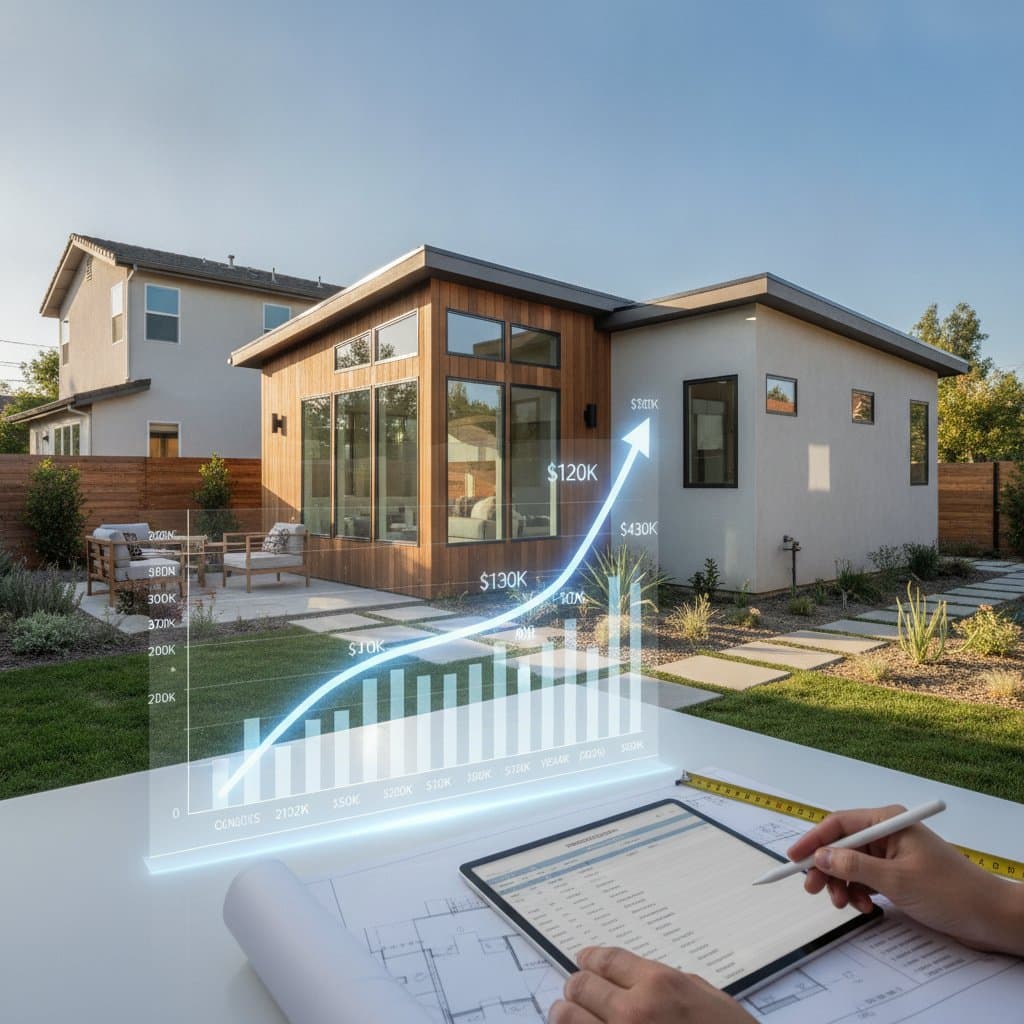
ADUs frequently yield robust economic advantages, with completed projects boosting property values by 10 to 25 percent. Rental proceeds can cover financing obligations or provide consistent income streams, enabling repayment of the investment within a few years.
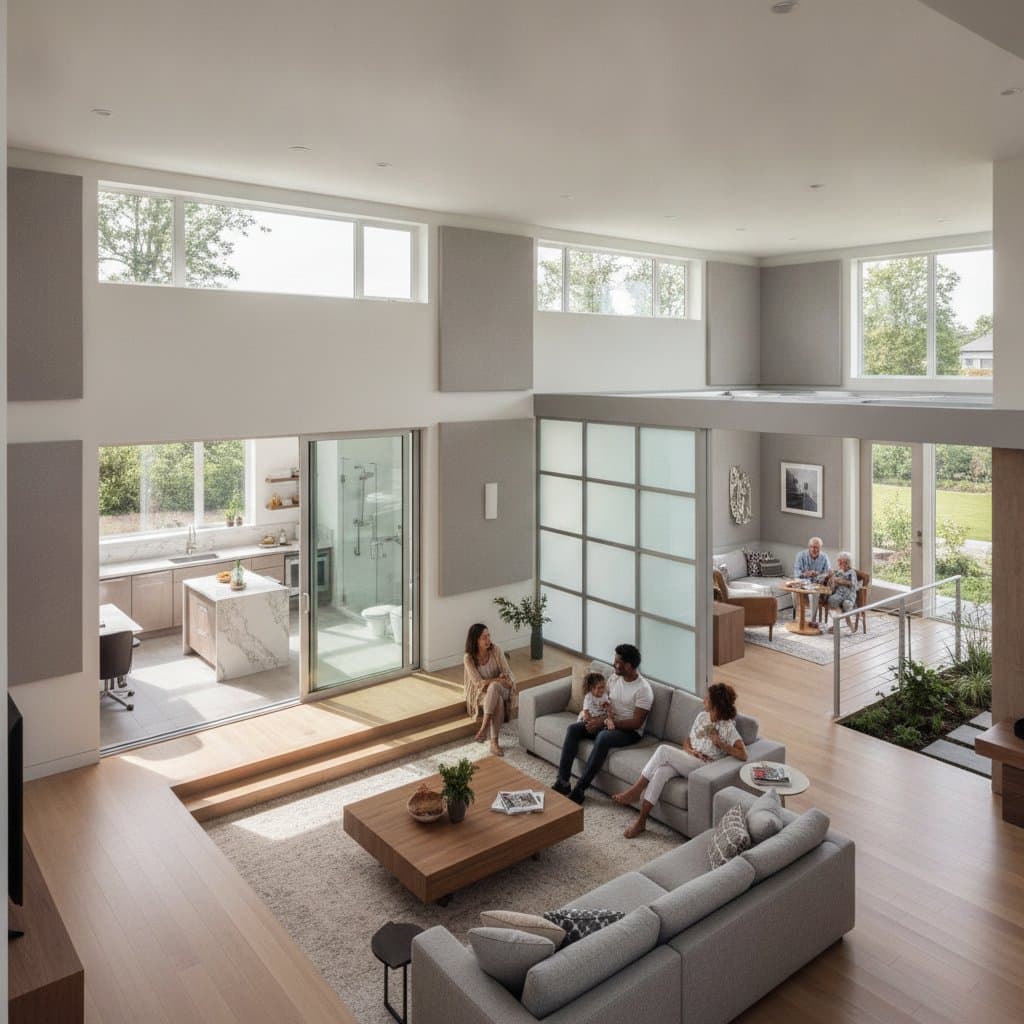
The practical versatility of an ADU extends to accommodating multigenerational living arrangements, such as housing elderly relatives, grown children, or frequent visitors. This multifunctionality elevates ADUs among the most adaptable enhancements for residential properties.
Basis for Cost Estimates
These figures reflect nationwide averages derived from contractor quotations, surveys of property owners, and aggregated data across diverse locales. Final amounts will fluctuate according to regional wage scales, material supplies, and unique site characteristics.
Weighing DIY Options Against Professional Services
Limited do-it-yourself efforts suit non-structural tasks like painting, installing flooring, or basic landscaping. Comprehensive builds or modifications to load-bearing elements necessitate professional permits, engineering approvals, and code-compliant inspections.
When incorporating personal labor, conduct thorough planning and confirm permissible scopes under local ordinances. Errors in critical areas such as plumbing or wiring may result in hazards, inspection failures, and prolonged timelines before habitation.
Preserving Your ADU Investment
Post-construction, treat the ADU with the same diligence as the main residence. Regularly clear gutters, inspect for water penetration, and schedule HVAC maintenance to uphold structural integrity. Monitor separate utility consumption to assess and optimize energy performance.
Constructing an ADU demands significant upfront commitment, but informed budgeting and deliberate planning unlock enduring utility and economic rewards. Starting with a solid grasp of expenses empowers assured choices throughout the development process.