ADU Construction Costs in 2025: A Detailed Breakdown by Category
Building an accessory dwelling unit (ADU) expands the utility and value of a property. Homeowners pursue ADUs for rental income, guest accommodations, or dedicated workspaces. A clear understanding of construction costs enables informed planning and budgeting.
This article outlines the primary cost categories for ADU projects. It covers influencing factors, average ranges, and strategies to optimize expenses. Readers gain practical insights to align designs with financial goals.
Defining an Accessory Dwelling Unit
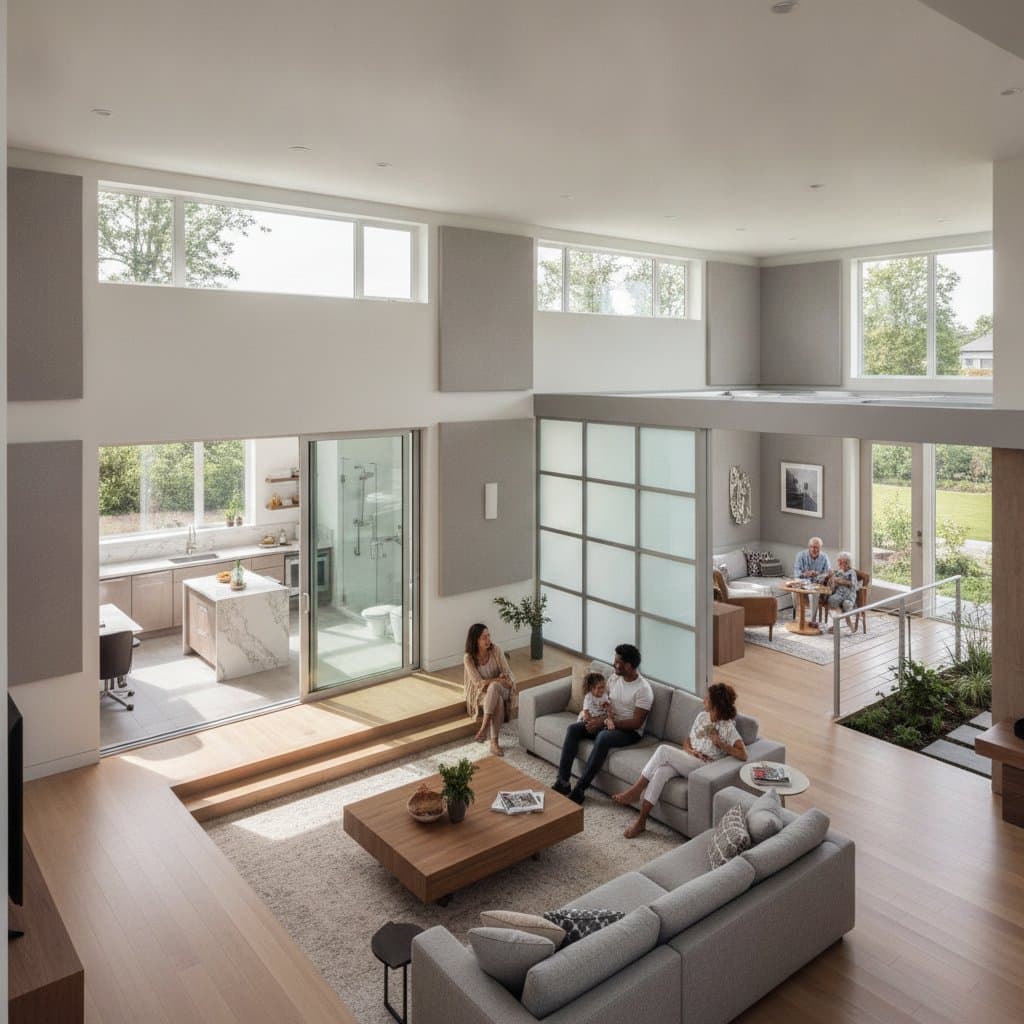
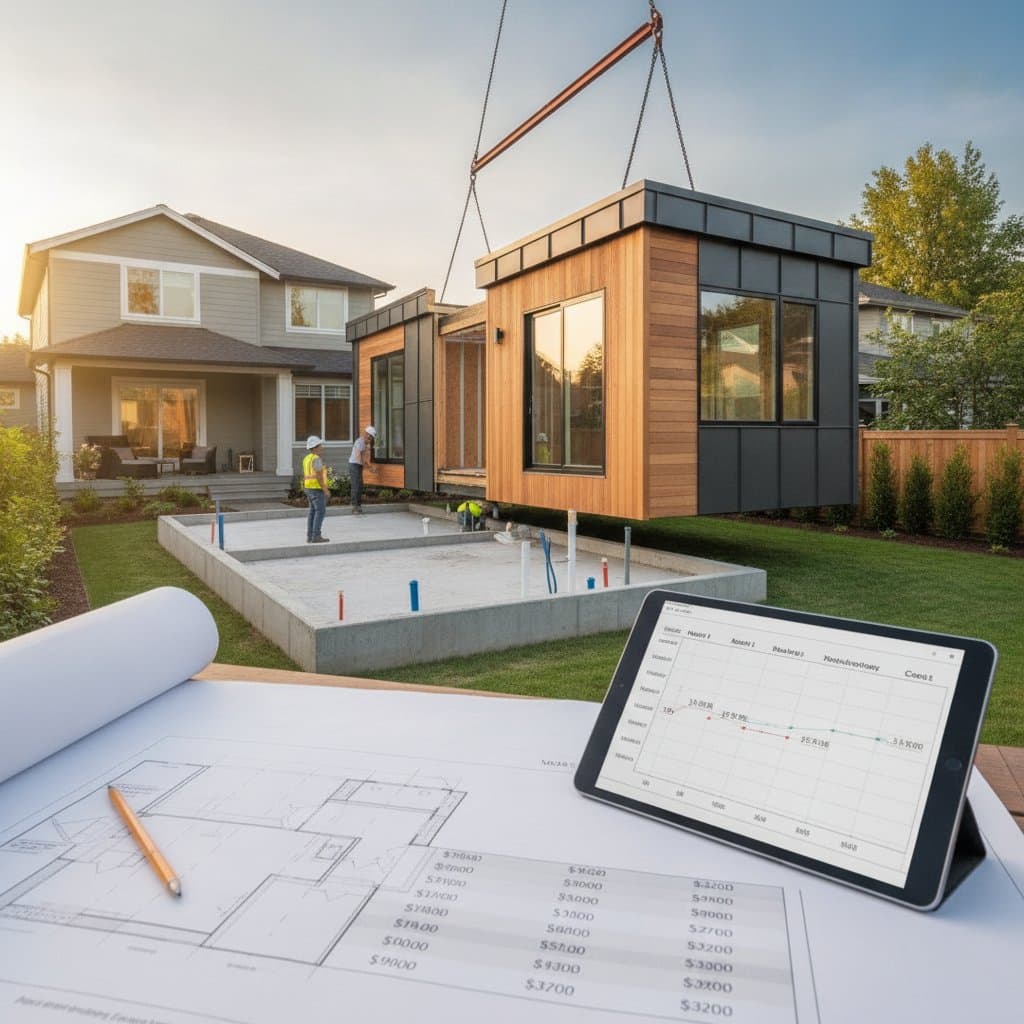
An ADU serves as a secondary residential structure on the same property as the primary home. Options include detached buildings, attached additions, or conversions of existing spaces like garages or basements. Each ADU must incorporate essential features: a kitchen, bathroom, and sleeping quarters.
Construction involves utilities, permits, and detailed finishes, leading to variable expenses. Factors such as unit size, architectural style, and geographic location determine the overall investment. Early evaluation of these elements sets realistic expectations.
The Three Core Cost Categories
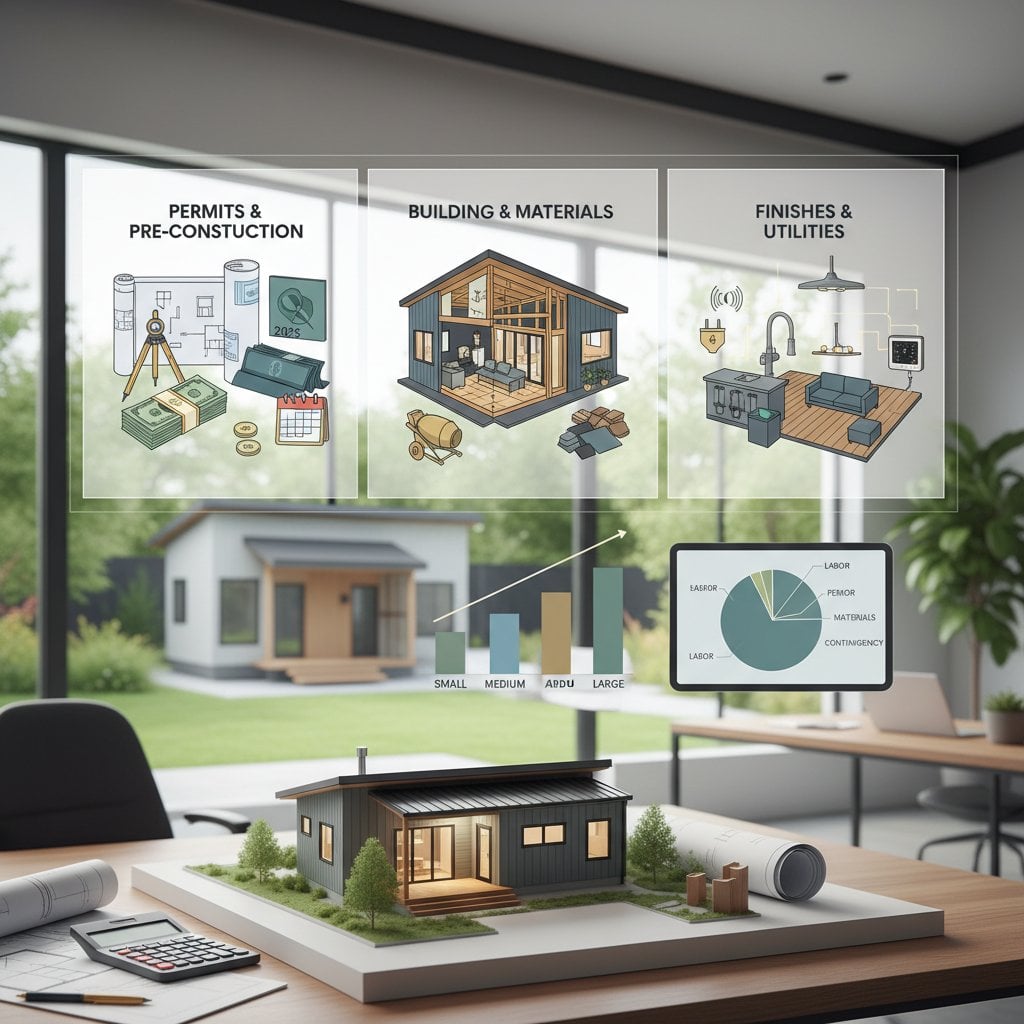
ADU projects divide into three fundamental categories: site preparation and permits, structural construction and materials, and interior finishes and systems. These components account for the full scope of expenses from inception to completion.
1. Site Preparation and Permits
Initial phases focus on groundwork and regulatory compliance before construction commences. Key elements include:
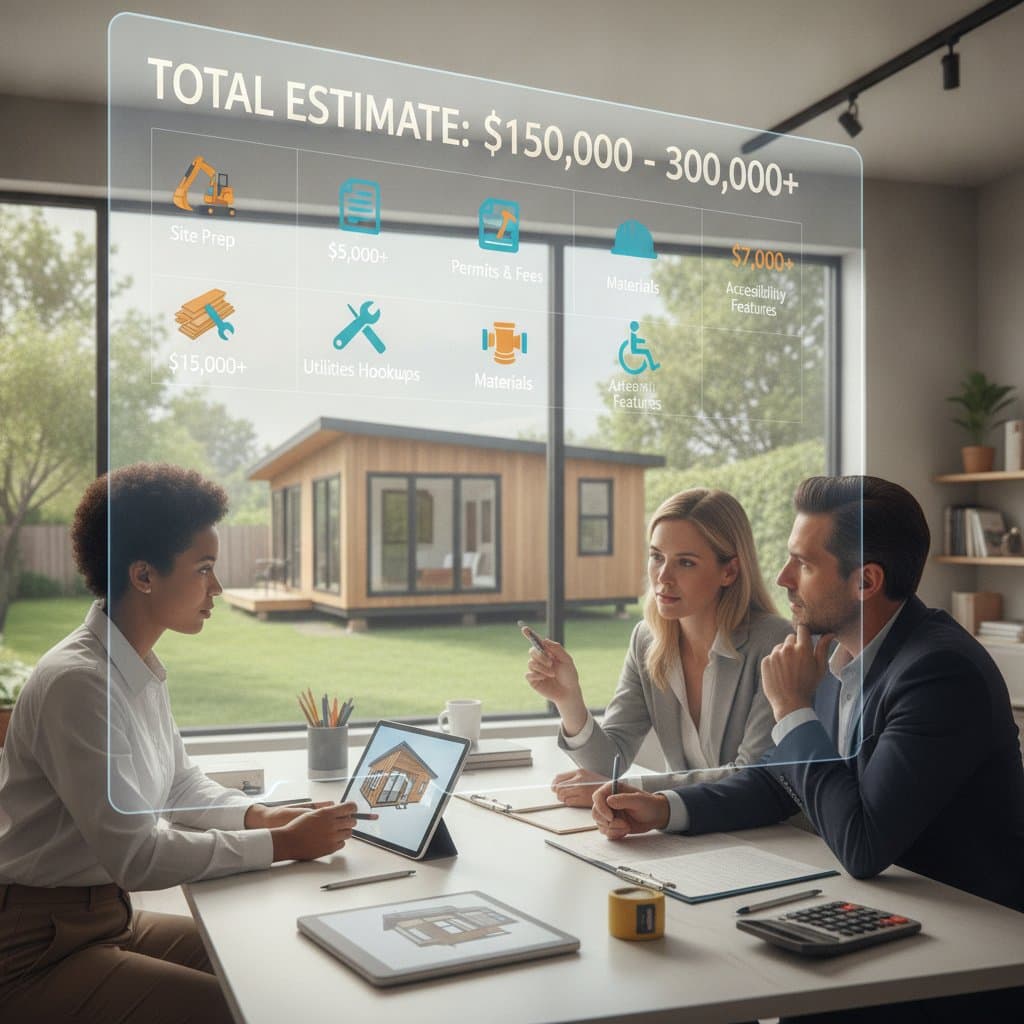
- Permitting and design expenses: Architectural drawings, engineering assessments, and local government reviews ensure adherence to zoning and building codes. These typically comprise 10 to 15 percent of the total budget.
- Utility extensions: Connections for water, electricity, and sewage lines incur costs, particularly when the ADU site distances from the main residence.
- Foundation groundwork: Site clearing, soil grading, and drainage installation safeguard structural integrity. Expenses fluctuate based on terrain slope, soil composition, and equipment access.
Budgeting adequately for this category prevents delays and ensures project viability.
2. Structural Construction and Materials
This category forms the bulk of the investment, encompassing the building envelope and primary systems. It includes:
- Framing and skeletal elements: Lumber or steel components, along with labor for assembly and protective sheathing, establish the unit's framework. Engineered alternatives to traditional wood framing may adjust costs based on availability.
- Exterior coverings: Roofing options like asphalt shingles or metal panels vary in durability and installation requirements. Siding materials, such as fiber cement or vinyl, impact expenses by thousands of dollars.
- Openings and entries: Impact-resistant or double-glazed windows and doors enhance efficiency, though initial outlays exceed basic models.
- Core infrastructure: Plumbing rough-ins, electrical wiring, and heating, ventilation, and air conditioning (HVAC) demand precise integration. Space-saving solutions, including tankless water heaters and mini-split units, suit compact ADU layouts.
Unit dimensions and layout complexity dictate the scale of this expenditure. Streamlined designs minimize material needs compared to elaborate configurations.
3. Interior Finishes and Systems
Final touches define functionality and aesthetics, often surprising homeowners with cumulative costs. Considerations encompass:
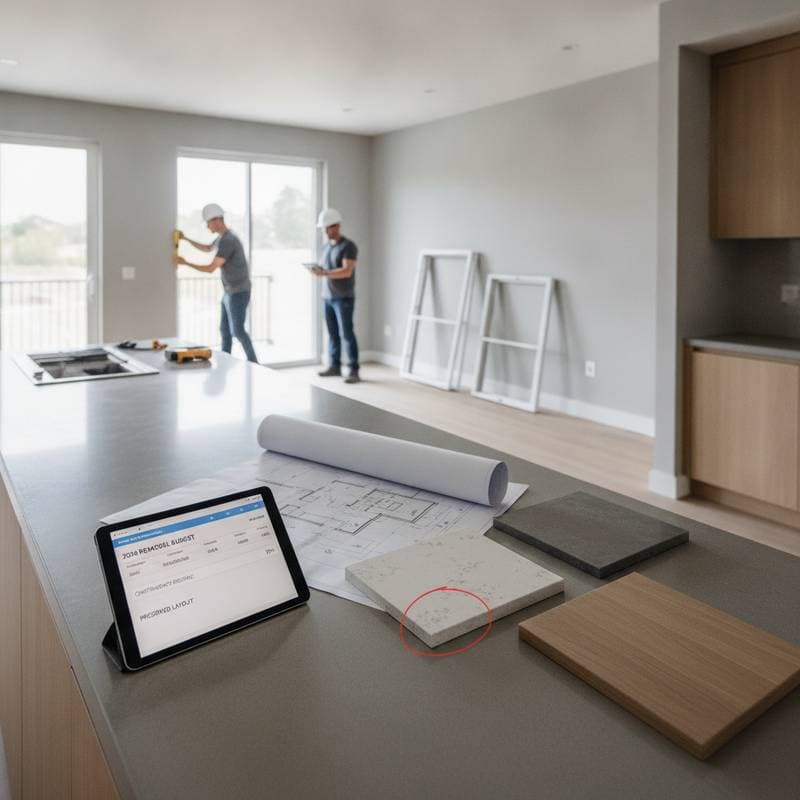
- Surface materials: Laminate or luxury vinyl flooring offers affordability and resilience; hardwood or porcelain tile elevates elegance at a premium.
- Storage and surfaces: Stock cabinetry with quartz countertops provides reliability without custom fabrication expenses.
- Illumination and hardware: LED recessed lighting and standard faucets maintain efficiency; ornate selections escalate budgets.
- Integrated appliances: Energy Star-rated refrigerators and ranges in reduced sizes align with ADU constraints and promote utility savings.
Prioritizing essential features guides selections that balance appeal and fiscal responsibility.
Typical Cost Ranges for ADU Builds
Regional variations and project specifics influence pricing, yet benchmarks provide guidance. New detached ADUs range from $300 to $500 per square foot, reflecting design intricacy and material quality. Attached additions or conversions start at $200 to $400 per square foot, leveraging shared elements.
Calculate totals by applying the per-square-foot rate to intended dimensions. A 600-square-foot detached unit, for instance, projects between $180,000 and $300,000, incorporating labor, materials, and approvals. Exclusions may involve post-construction enhancements like patios.
Key Factors Affecting Total Expenses
Multiple variables modulate the final figure:
- Architectural intricacy: Basic rectangular forms incur lower labor than angled or multi-story designs.
- Property characteristics: Restricted urban access prolongs timelines; challenging rural topography necessitates extensive earthwork.
- Material grades: Standard selections deliver longevity without excess; luxury imports substantially inflate outlays.
- Workforce dynamics: Established contractors with credentials command higher fees but mitigate risks through expertise.
- Infrastructure enhancements: Capacity expansions for power or waste systems arise if primary setups prove insufficient.
- Eco-friendly integrations: Photovoltaic arrays and advanced insulation raise initial costs while yielding operational savings.
Assessing these early refines estimates.
Evaluating ADU Configurations
Distinct types present varying economic profiles, aiding budget-aligned decisions.
Detached Units
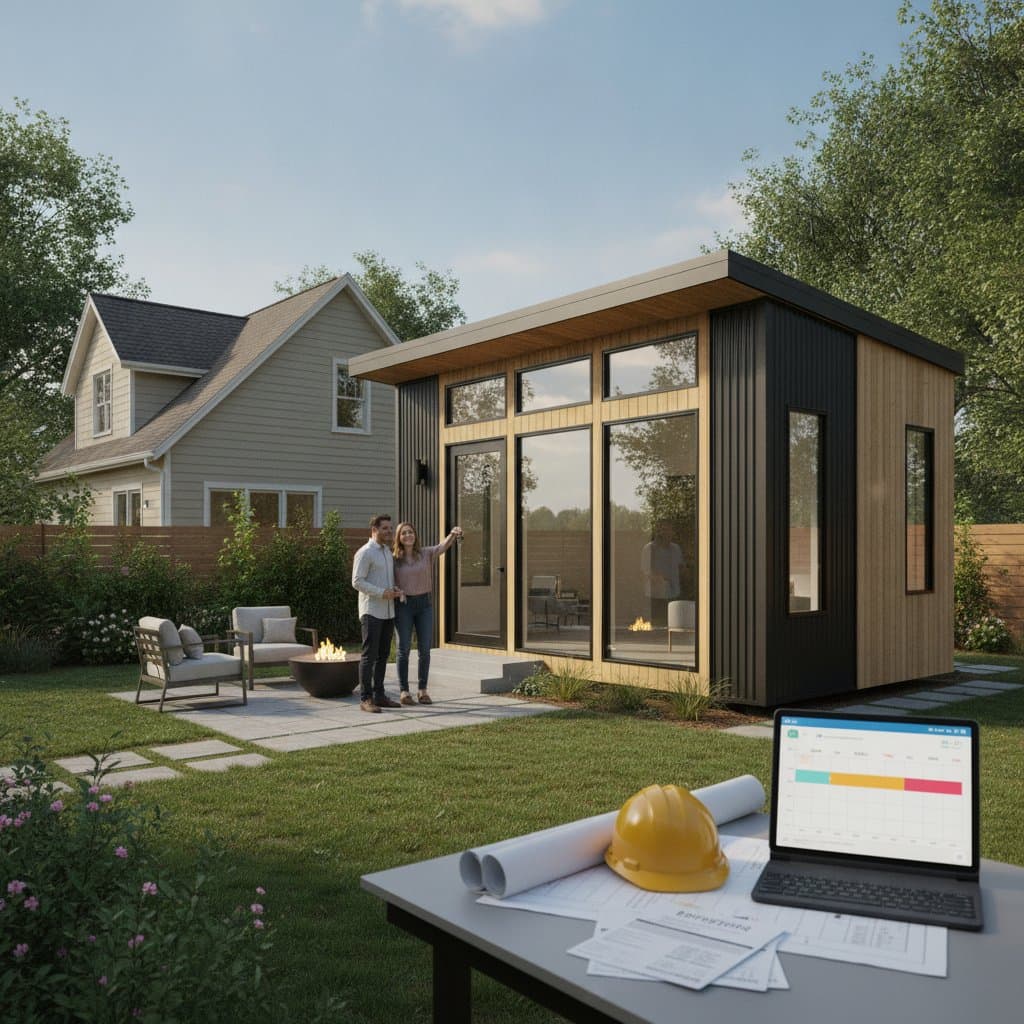
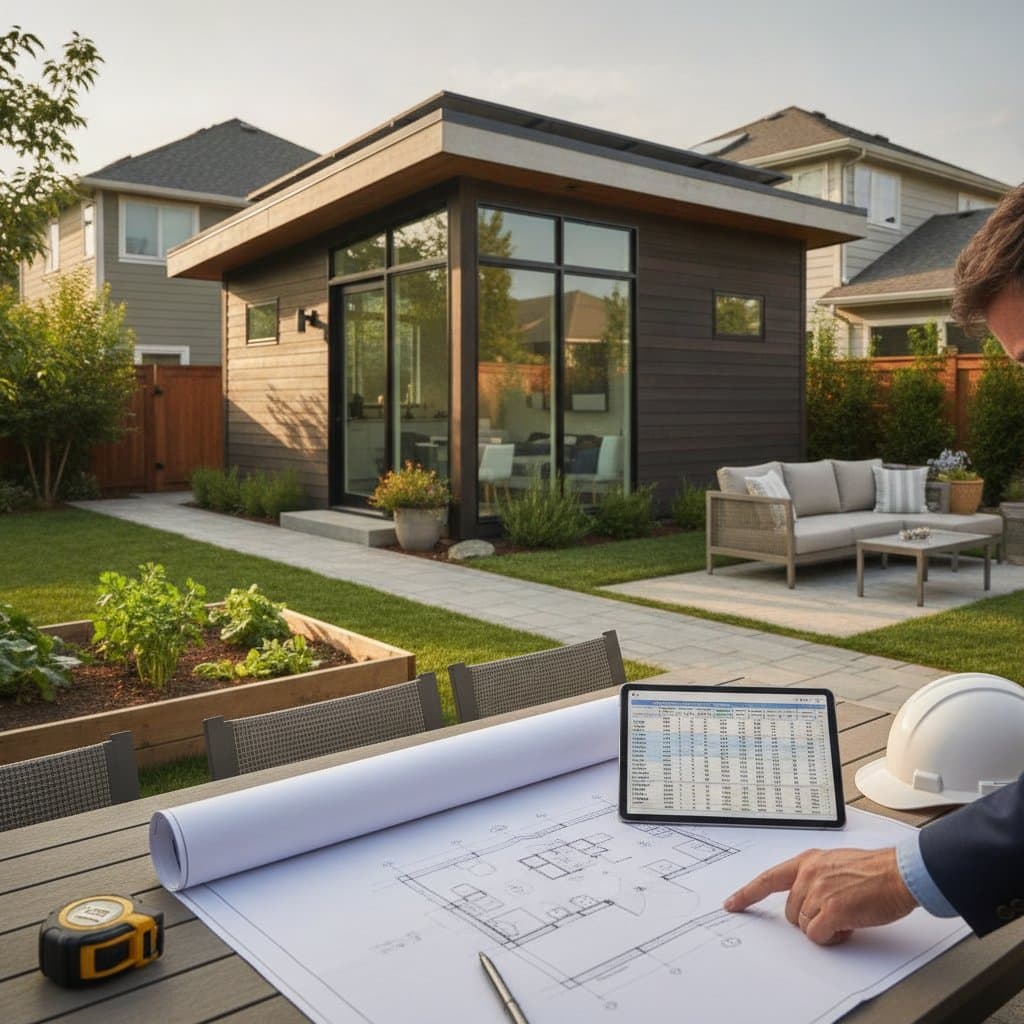
Positioned independently, often in rear yards, detached ADUs afford seclusion and autonomy. They demand standalone foundations and services, positioning them as the priciest variant. Benefits include rental versatility and familial separation.
Cost drivers:
- Autonomous utilities and climate control
- Expanded material quantities
Optimization advice: Select weather-resistant exteriors and coordinate aesthetics with the primary structure for seamless integration.
Attached Additions
Sharing boundaries with the main residence, these units economize through communal walls and conduits. Internal linkages via passages enhance convenience.
Economic advantages:
- Reduced framing and insulation needs
- Simplified service tie-ins
- Improved thermal performance
Integration strategy: Harmonize facades, eaves, and fenestration for cohesive appearance.
Garage Adaptations
Repurposing garages minimizes foundational investments, concentrating funds on habitability upgrades. Timelines accelerate with existing enclosures.
Appeal factors:
- Diminished structural outlays
- Expedited processes
- Limited environmental impact
Planning notes: Elevate subfloors for thermal barriers and incorporate egress windows; inspect bases for stability.
Strategies to Minimize Expenditures
Effective tactics preserve quality while curbing costs:
- Streamline geometry: Opt for straightforward profiles to lessen fabrication efforts.
- Adopt conventional measurements: Standard components lower sourcing premiums.
- Map services proactively: Logical placements avert retrofits.
- Delegate appropriately: Manage cosmetic tasks personally; engage specialists for critical installations.
- Select balanced specifications: Mid-level options ensure resilience and style affordably.
Strategic foresight outperforms reactive economies.
Assessing Long-Term Benefits
ADUs enhance property versatility, potentially yielding revenue or accommodating relatives. Thoughtful execution maximizes returns.
Market and Appreciation Impact
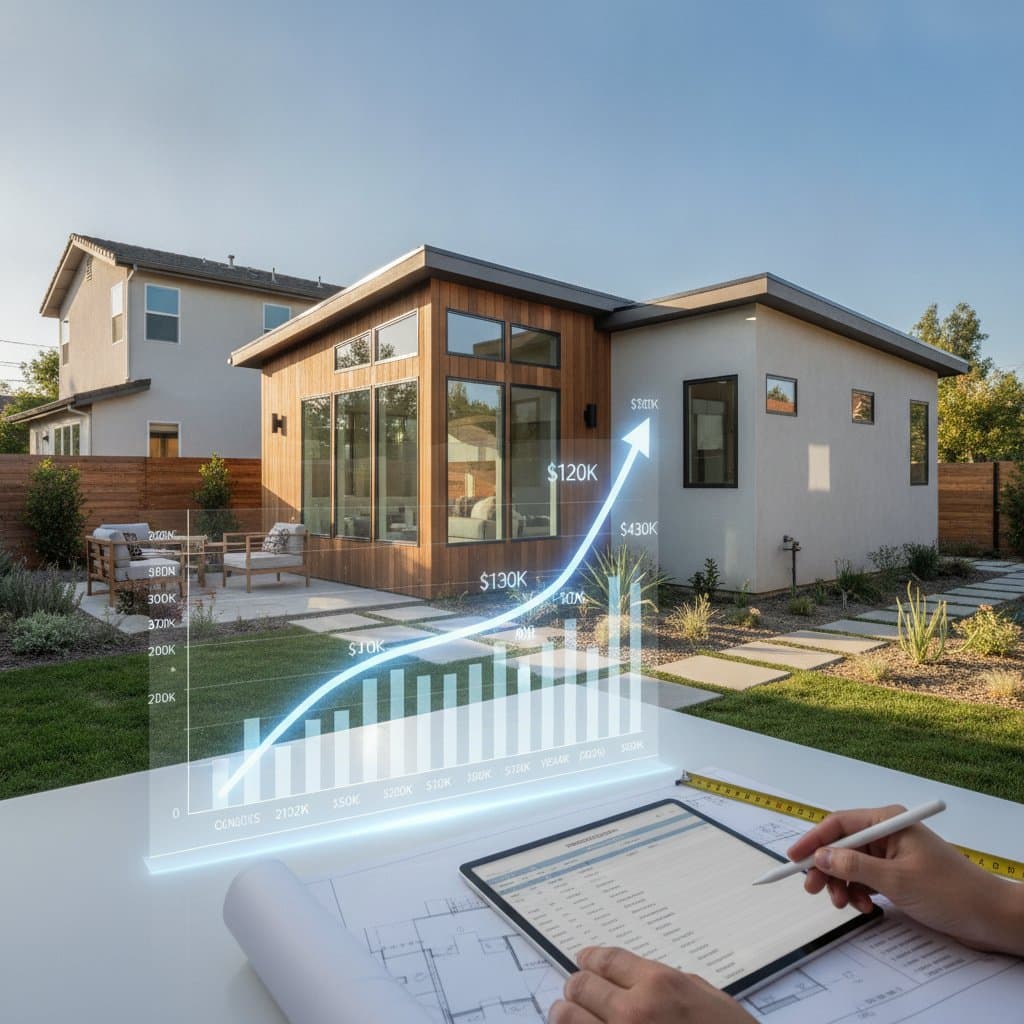
Permitted, fully equipped ADUs appeal to purchasers, often recouping investments through elevated appraisals.
Upkeep and Efficiency
Resilient exteriors and efficient mechanics curtail future expenses. Investments in these areas compound via diminished interventions and energy reductions.
Fiscal Implications
Enhanced valuations may elevate assessments, influencing levies and coverage. Proactive inquiries inform comprehensive projections.
Geographic Pricing Variations
Jurisdictional standards, wage structures, and supply chains shape outlays. Stringent coastal regulations inflate approvals; temperate interiors benefit from moderated labor. Environmental demands, like seismic reinforcements, further differentiate.
Solicit detailed proposals for equitable comparisons.
Frequently Asked Questions
What dimensions suit most ADU needs?
Property constraints, seclusion preferences, and ordinances guide choices. Ranges of 400 to 800 square feet often optimize usability and economy.
What funding avenues exist?
Home equity lines, construction loans, or specialized programs apply. Evaluations consider equity and income potential.
Are independent meters necessary?
Regulations vary; isolated units frequently require them for metering precision, whereas integrations share systems.
Steps to Launch Your ADU Project
Commence with site assessments and regulatory consultations to establish feasibility. Assemble a vetted team, including architects and builders, to develop precise blueprints. Secure financing aligned with projections, then monitor progress to realize a valuable addition that endures.