2026 ADU Costs: Plan Your Backyard Expansion
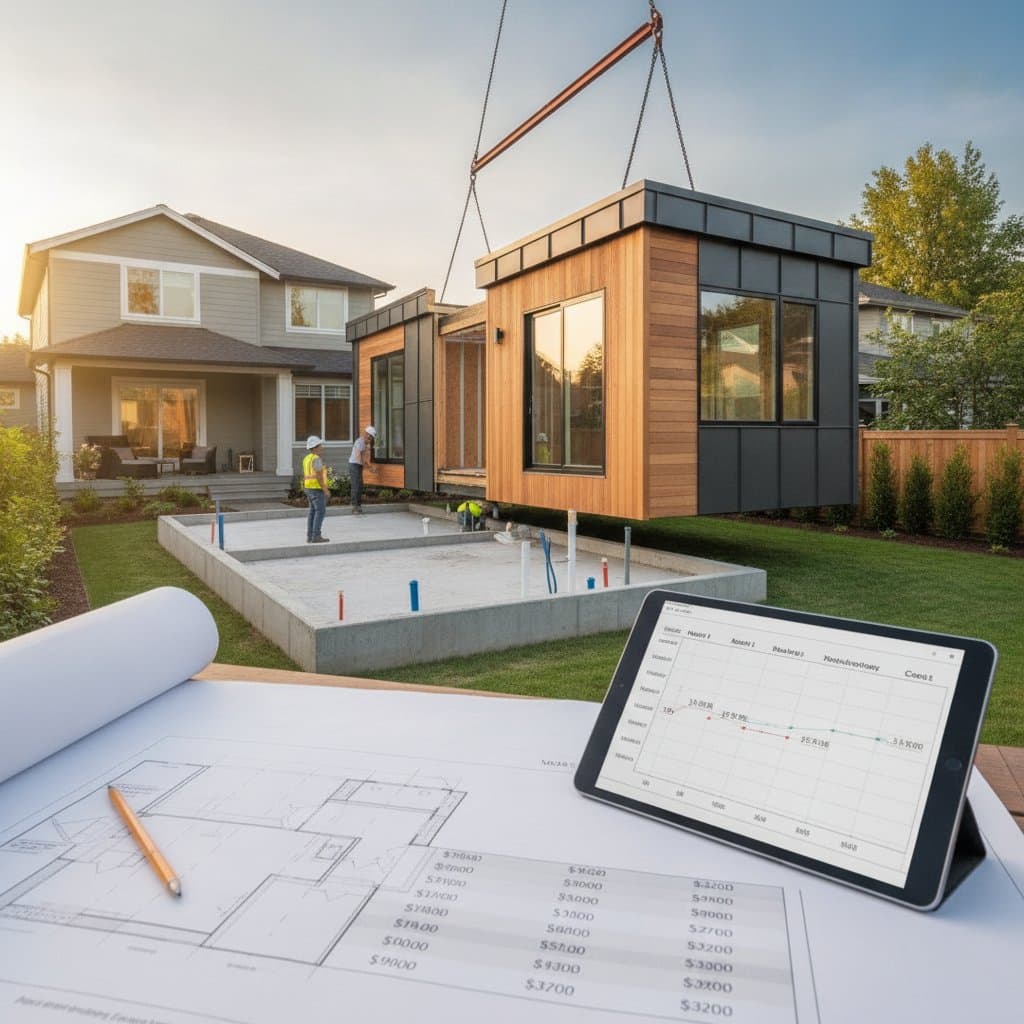
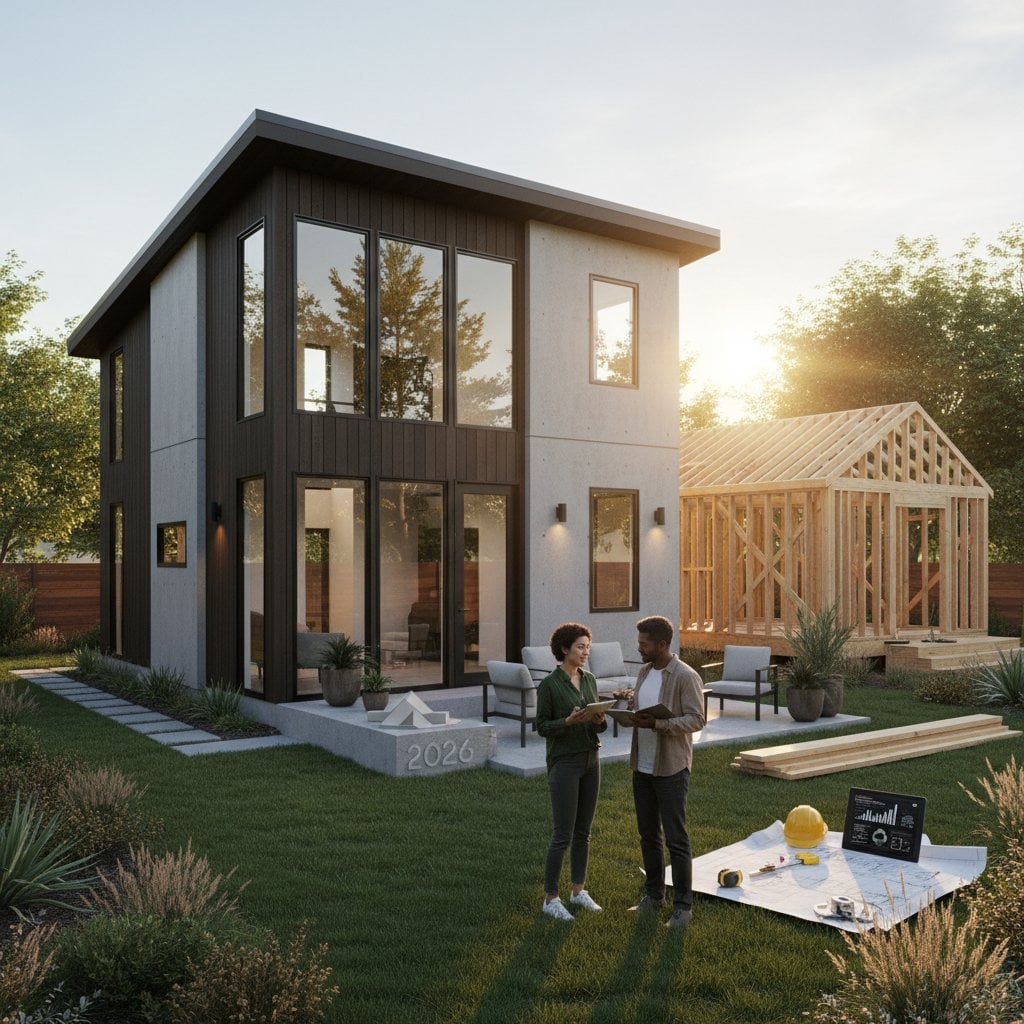
An Accessory Dwelling Unit, known as an ADU, converts underutilized yard areas into functional property additions. Homeowners pursue these structures for rental revenue, guest accommodations, or adaptable workspaces. A thorough grasp of project expenses enables precise financial planning. This overview details primary costs, from initial designs to final enhancements, to support informed budgeting decisions.
ADU Cost Fundamentals
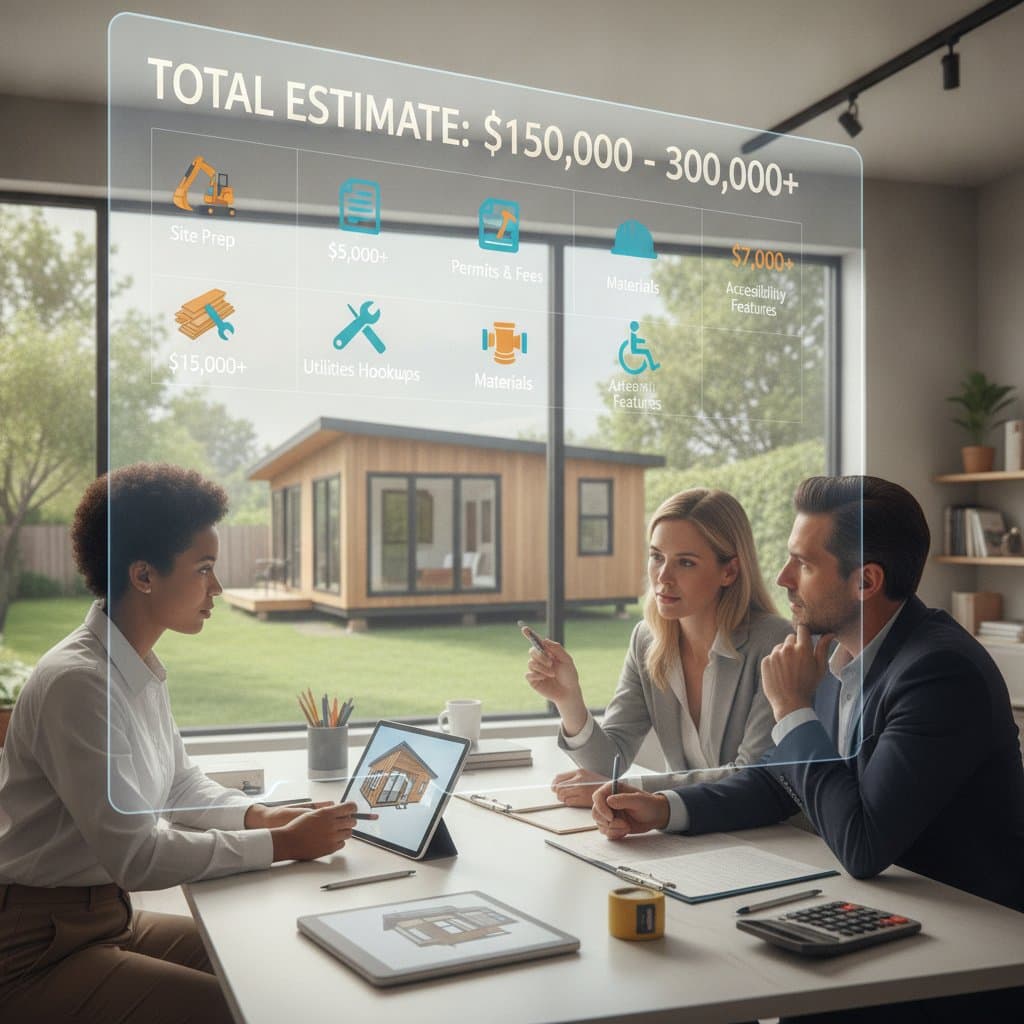
ADU expenses fluctuate according to configuration, dimensions, terrain features, and municipal guidelines. Detached backyard units or similar structures typically range from $300 to $500 per square foot for full construction. Garage adaptations or connected additions lean toward the lower spectrum, whereas bespoke independent builds with premium elements escalate prices.
ADU Categories and Cost Estimates
| Type | Description | Average Cost Range |
|---|---|---|
| Garage Conversion | Repurposes an existing building into habitable quarters | $100,000 to $180,000 |
| Attached ADU | Adjoins the primary residence via a shared wall | $150,000 to $250,000 |
| Detached ADU (Backyard Cottage) | Standalone compact residence | $200,000 to $400,000+ |
| Above-Garage ADU | Constructed atop a new or current garage | $250,000 to $450,000+ |
These estimates encompass planning, approvals, building, and standard interior elements. Site groundwork, upscale supplies, or intricate service integrations may substantially elevate totals.
Primary Factors Influencing Costs
Identifying expense influencers allows targeted allocation of resources for optimal outcomes.
1. Dimensions and Configuration
Expanded spaces incur higher absolute costs yet lower rates per square foot, as communal infrastructure distributes expenses. A 400-square-foot model might total $160,000, whereas an 800-square-foot version reaches $320,000 and provides superior utility and adaptability over time.
2. Base and Terrain Preparation
Level, reachable sites demand minimal digging and modifications. Uneven or hilly ground necessitates $10,000 to $30,000 for leveling, barriers, or fortified bases.
3. Service Integrations
Linking water, drainage, and power systems spans $10,000 to $40,000, influenced by proximity to the central dwelling and regional setups. Modernizing obsolete power or pipe networks incurs additional charges.
4. Approvals and Planning Charges
Municipal levies, drafting expertise, and technical schematics comprise 10 to 15 percent of overall outlay. Budget $15,000 to $40,000 for these integrated services.
5. Supplies and Surface Treatments
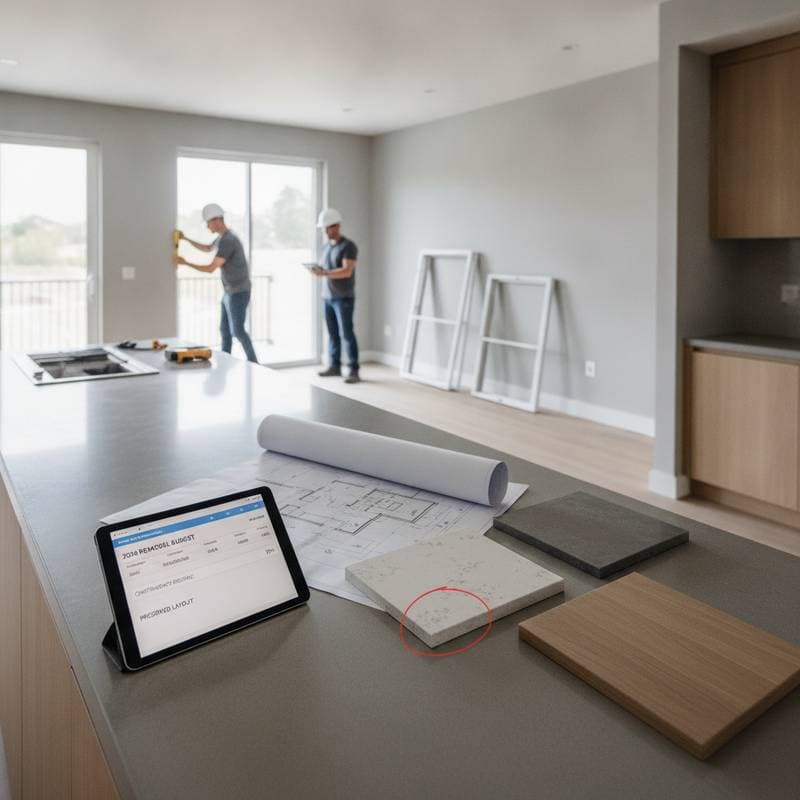
Standard options such as synthetic wood flooring and ready-made storage units control expenditures. Bespoke stonework, solid wood surfaces, or engineered stone tops may inflate budgets by $20,000 or greater. Selecting robust intermediate-grade items balances affordability with endurance.
Expense Allocation by Project Stage
Design and Strategy Development
Expert planning guarantees regulatory adherence, site compatibility, and aesthetic integration with the existing property. Blueprints, load-bearing analyses, and sustainability certifications generally cost $8,000 to $20,000. Collaboration with seasoned planners minimizes expensive approval adjustments downstream.
Approval Processes and Levies
Authorities mandate clearances for building, services, and occasional capacity charges for novel units. These range from $5,000 to $15,000, varying by jurisdiction. Certain locales grant fee reductions for compact ADUs below 750 square feet.
Groundwork and Clearance
Earth moving, removal, or vegetation clearance adds $5,000 to $25,000. Inadequate drainage or equipment pathways in the yard prompt supplementary operational expenses.
Building and Workforce
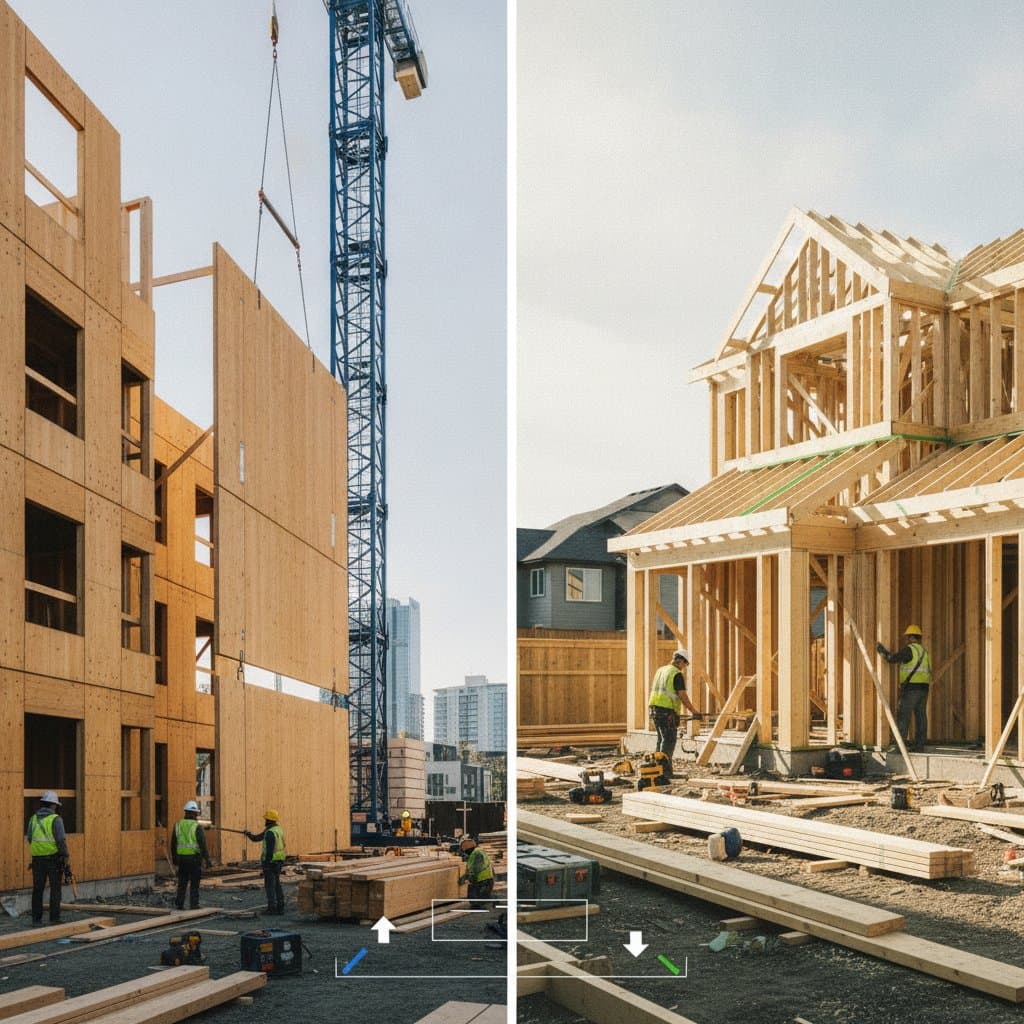
Skilled labor constitutes 40 to 50 percent of the budget. Specialists manage skeletal work, coverings, piping, wiring, and detailing. Construction phases sum to $150,000 to $350,000 for typical endeavors. Independent structures command premiums due to self-sufficient bases, enclosures, and coverings.
Internal Detailing
Storage units, surfaces, coatings, illumination, and hardware span $25,000 to $60,000, contingent on caliber and aesthetics. Opting for resilient, economical selections trims thousands while upholding livability and appeal.
Outdoor Enhancements and Greenery
Access paths, pavements, platforms, and plantings finalize the visual and practical aspects. Allocate $5,000 to $20,000 according to intricacy and selections.
Owner-Led Versus Expert-Led Construction
Suitable Scenarios for Owner Involvement
Certain owners undertake minor elements independently, including surface coatings, simple greenery, or accessory fittings. Such efforts yield $2,000 to $5,000 in savings when executed securely and accurately.
Necessity of Expert Engagement
Engage certified specialists for load-bearing assembly, wiring, piping, coverings, and climate control installations. These components require standard compliance and evaluation passage. Subpar execution poses hazards and demands expensive remedies.
Combined Methodology
Oversee the endeavor as a proprietor-builder, delegating vital tasks to qualified subcontractors. This method curtails expenses by 10 to 20 percent, though it demands robust oversight and dedication.
Optimizing ADU Returns
Revenue from Leasing
An ADU produces consistent leasing proceeds, alleviating financial burdens or supporting further property upgrades. Based on scale and locale, a thoughtfully crafted unit leases for $1,500 to $3,000 monthly, yielding 5 to 10 percent yearly returns on build investments.
Elevation in Property Worth
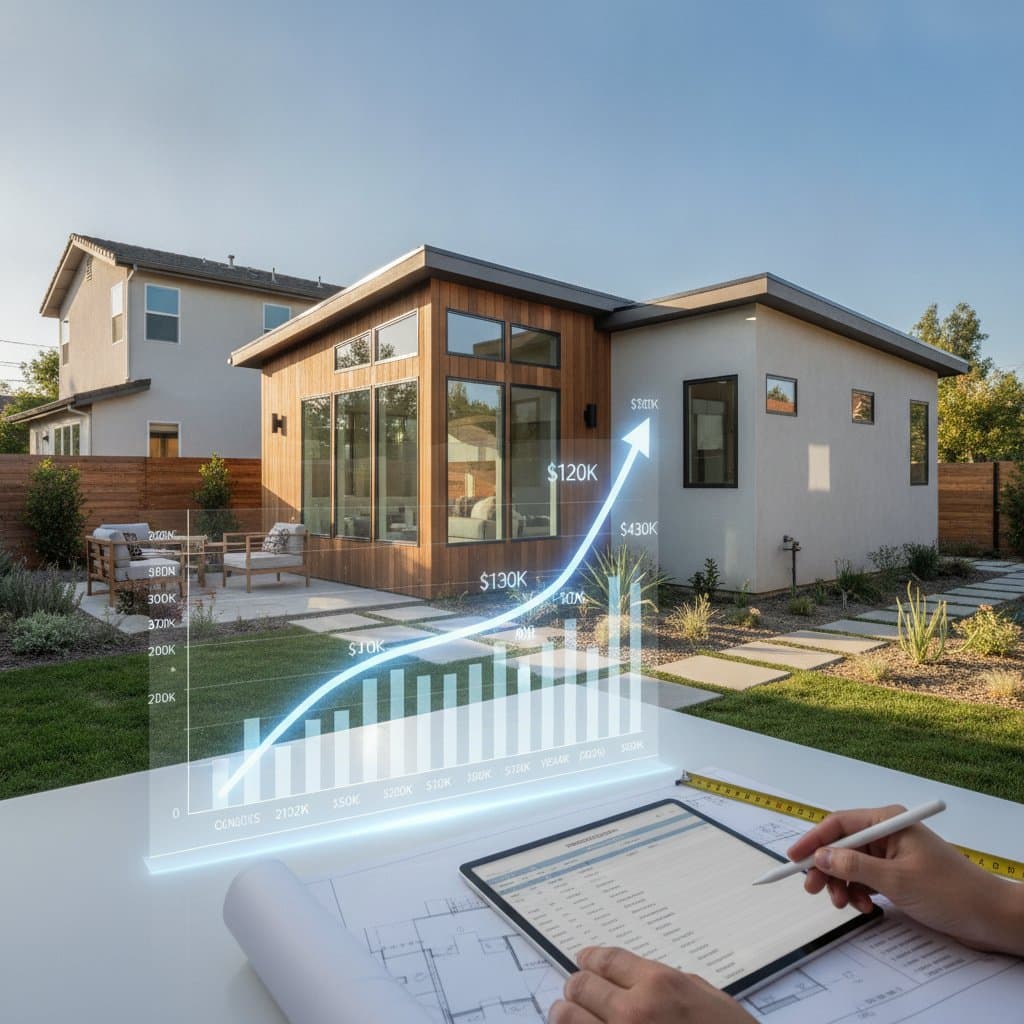
A compliant ADU boosts market value by 20 to 30 percent. Valuators regard these additions as expanded habitable areas attractive for intergenerational or income-oriented purchasers.
Gains in Efficiency
Adhering to current performance benchmarks lowers ongoing expenses. Energy-conserving glazing, low-wattage illumination, and compact climate units add $5,000 upfront yet reduce utility payments by 20 percent monthly.
Tactics for Expense Reduction
-
Select Pre-Approved Blueprints
Builders provide standardized ADU layouts compliant with local standards. These diminish planning and clearance outlays by thousands. -
Streamline Structural Outline
Straightforward rectangular forms with conventional inclines prove less costly than elaborate contours or elevated interiors. -
Leverage Existing Services
Attach to current water and drainage conduits to bypass extensive digging or enhancements. -
Maintain Compact Scale
Remaining under 750 square feet eases levies in select regions and conserves resources. -
Procure Intermediate Supplies
Synthetic plank surfaces and assembled storage deliver strength and contemporary style at accessible rates. -
Minimize Alterations
Confirm choices prior to commencement. In-progress modifications inflate totals by 10 percent or more.
Engaging a Skilled Constructor
Intricate Endeavors
Standalone, elevated, or sloped-site ADUs demand technical proficiency and meticulous synchronization. A lead contractor oversees clearances, specialists, and verifications to ensure adherence and timeliness.
Regulatory Adherence
Standards update regularly. Experts remain informed on regional mandates, boundary rules, and protection protocols. Their knowledge prevents expensive overhauls.
Performance Standards
Established constructors offer guarantees and recorded assessments. They employ covered specialists and uphold protection measures safeguarding all parties.
Selecting a Constructor
- Confirm credentials and coverage
- Solicit examples from recent ADU works
- Examine agreement specifics, encompassing timelines and extent
- Demand detailed cost projections
- Favor ADU and local process specialists
Locale and Supply Variables
Environmental Influences
Cooler zones elevate insulation and warmth system costs. Warmer areas prioritize shade and airflow designs. These decisions affect usability and utility expenses.
Supply Accessibility
Logistical interruptions may hike rates or prolong schedules. Consult builders on regional procurement to secure items and evade abrupt changes.
Community Aesthetics
Aligning the unit's facade with the primary structure fosters unity and aids marketability. Uniform slopes, cladding hues, and frame styles yield harmonious appearances.
Upkeep and Durability
Quality-constructed ADUs with effective sealing endure alongside the main residence. Routine attention safeguards the asset.
- Examine coverings and channels yearly for obstructions or breaches
- Refresh outer coatings every 7 to 10 years per material
- Maintain climate systems biannually
- Monitor piping for seepages or degradation
- Update detection devices as required
Steady upkeep sustains security and worth.
Frequent ADU Cost Inquiries
Which ADU type costs the least to construct?
Garage adaptations prove most economical, utilizing present frameworks and services.
Is financing available for ADU projects?
Affirmative. Choices encompass equity borrowing, refinance withdrawals, or unit-specific build financing.
Does an ADU require a distinct address?
Numerous jurisdictions mandate unique identifiers for service accounting and response access. Constructors or planners aid in acquisition.
What duration spans ADU construction?
Projects generally require 6 to 12 months from planning to finalization, subject to approvals and conditions.
Does ADU addition raise property levies?
Yes, typically on the novel addition's value alone, without full property reevaluation.
Advance Your ADU Project
Constructing an ADU effectively amplifies space, generates proceeds, and fortifies asset value. Success hinges on meticulous financial forecasting, deliberate planning, and adept implementation. Outline objectives, establish budgets, and seek regional code and expense authorities. Obtain varied proposals, assess credentials, and prepare for variables to sustain progress. Through diligent groundwork and trusted collaborators, the expansion yields prompt utility and sustained financial benefits.