2026 Costs for Building Granny Pods and ADUs
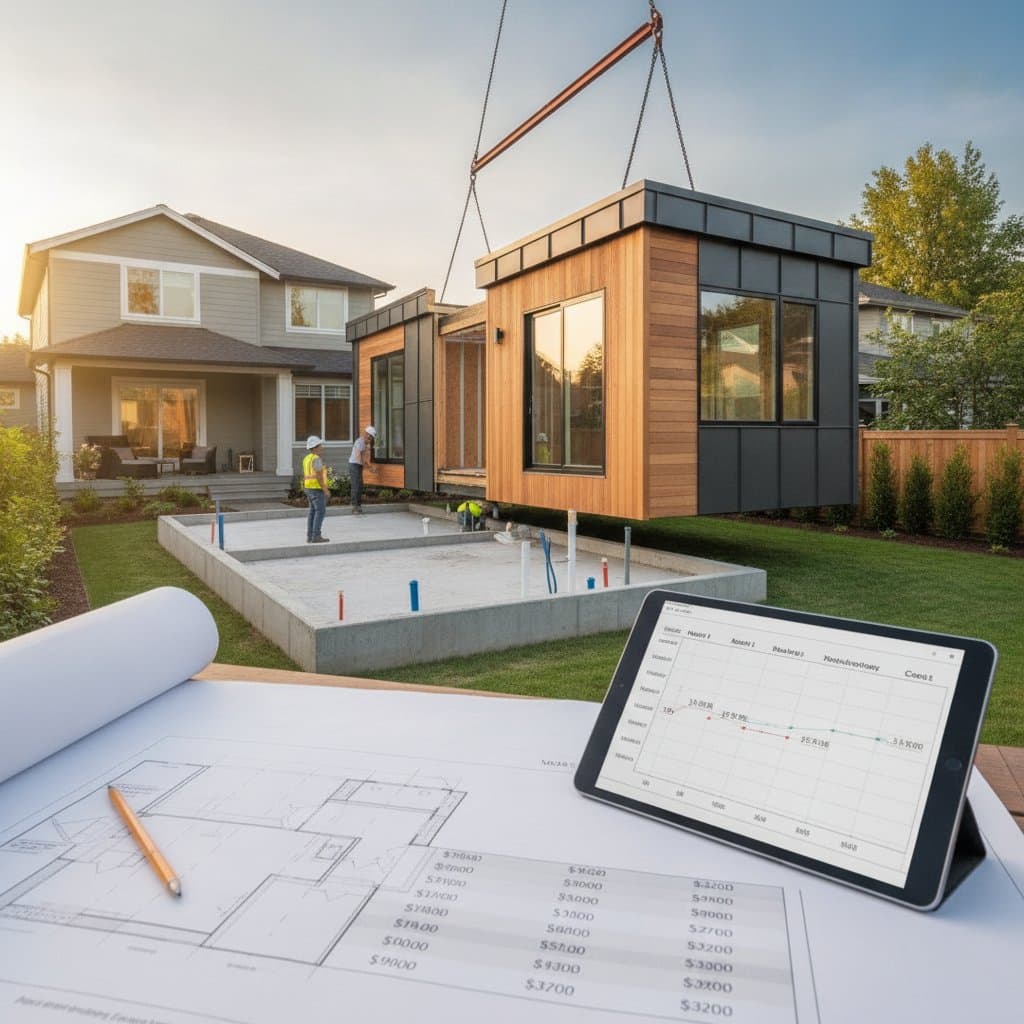
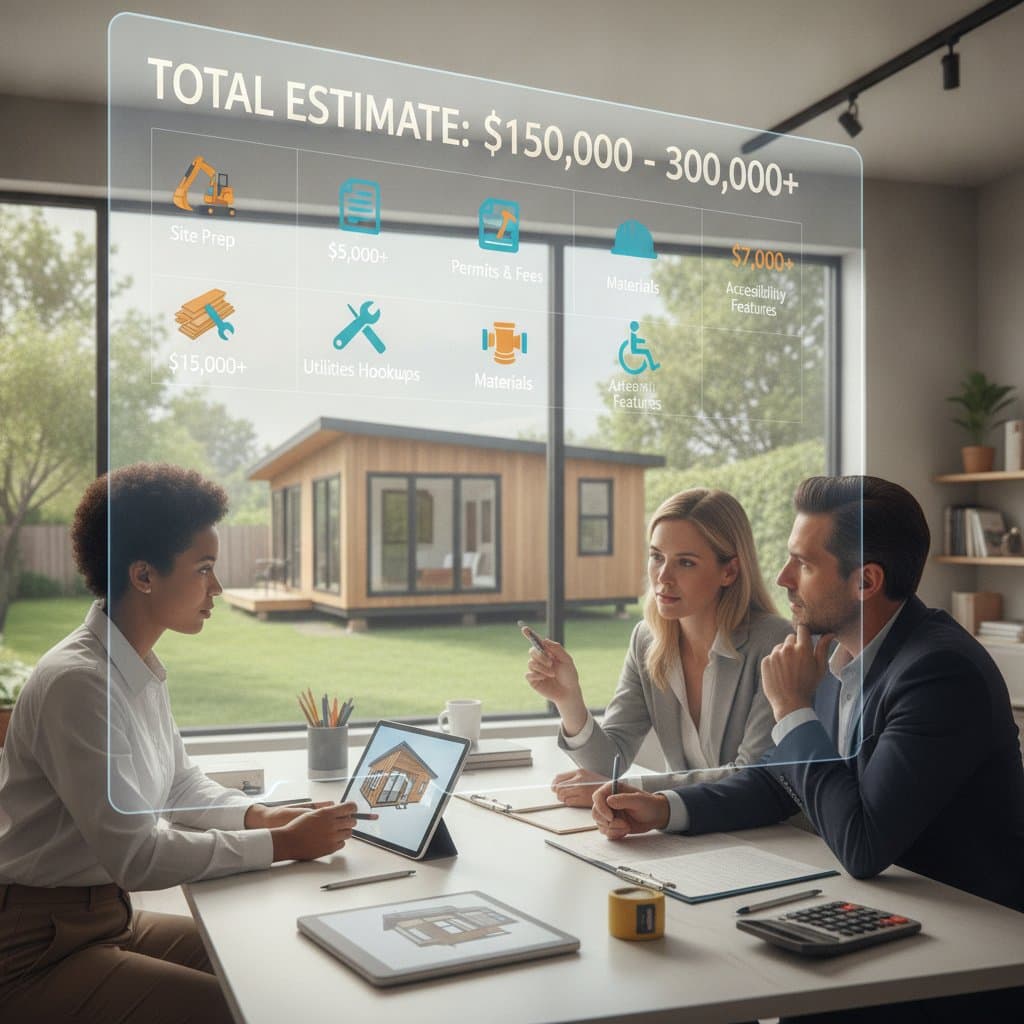
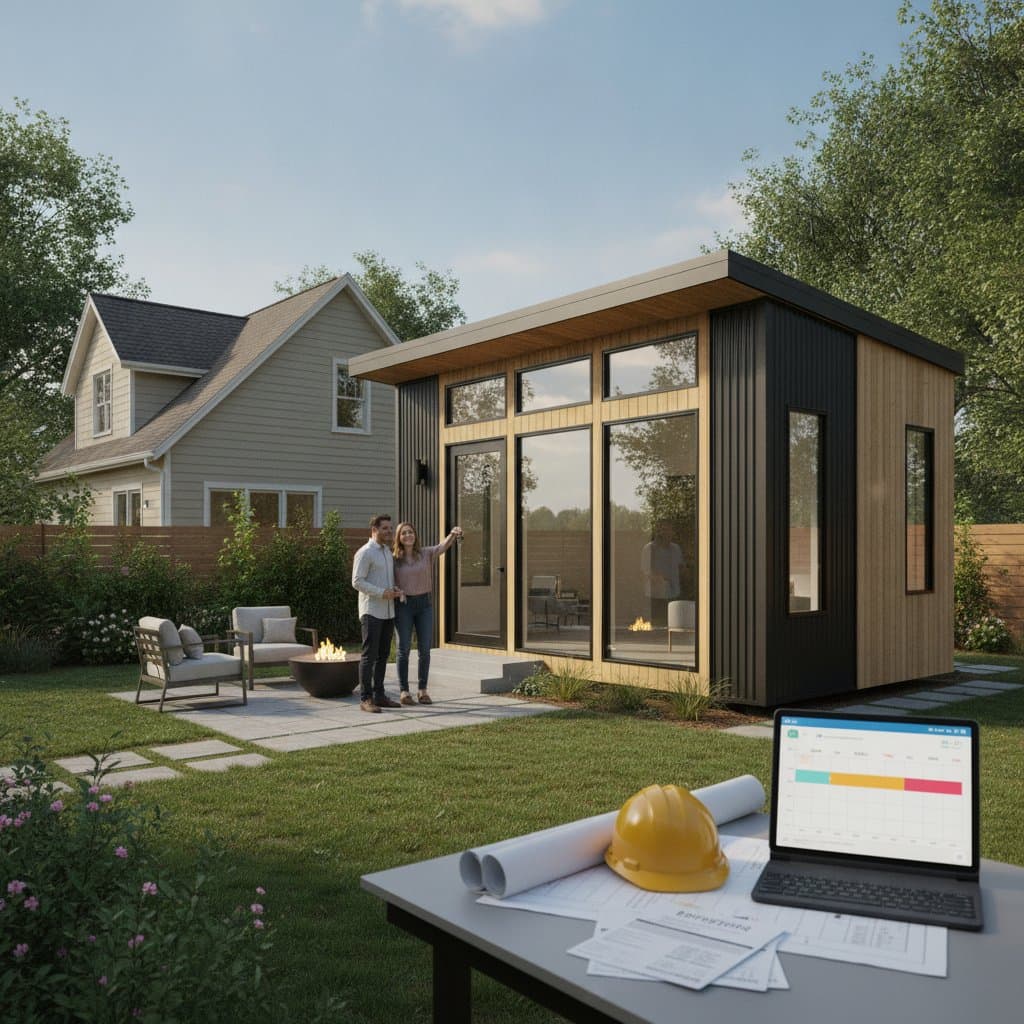
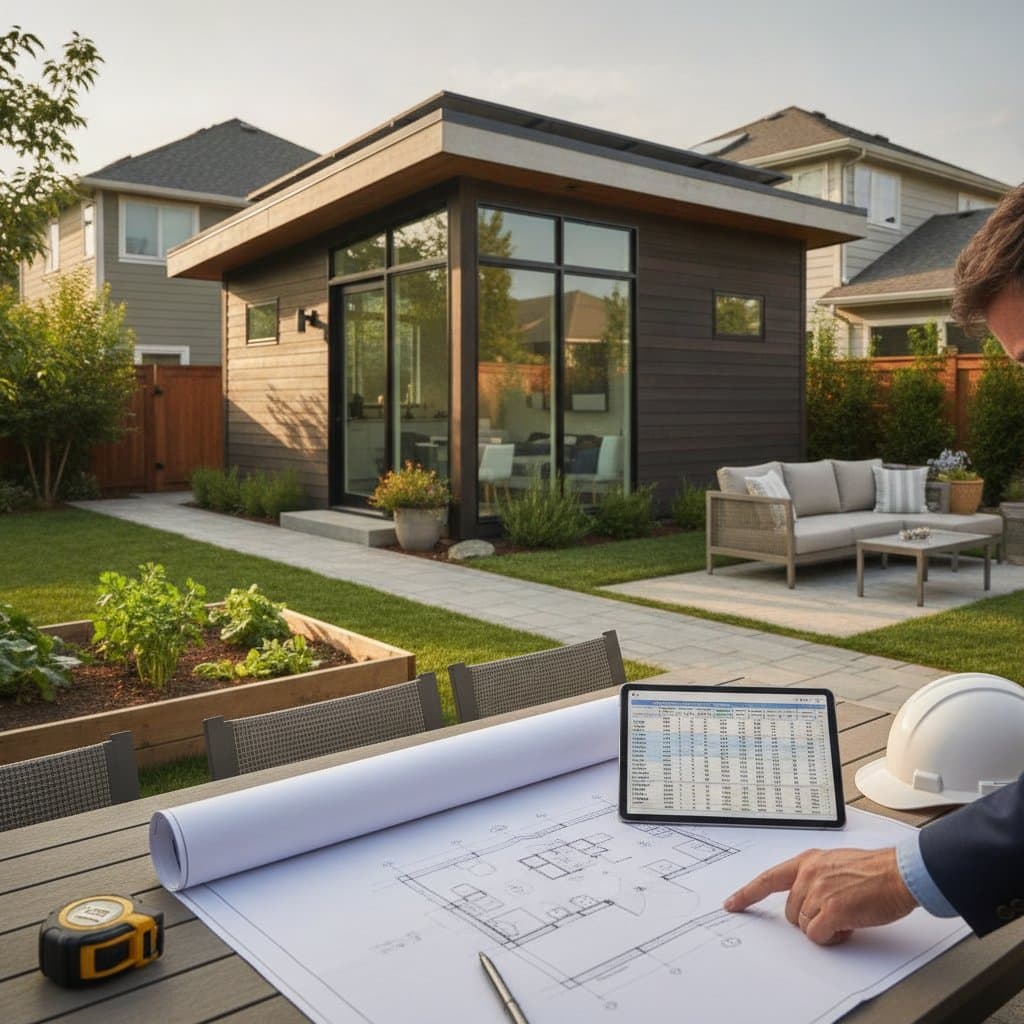
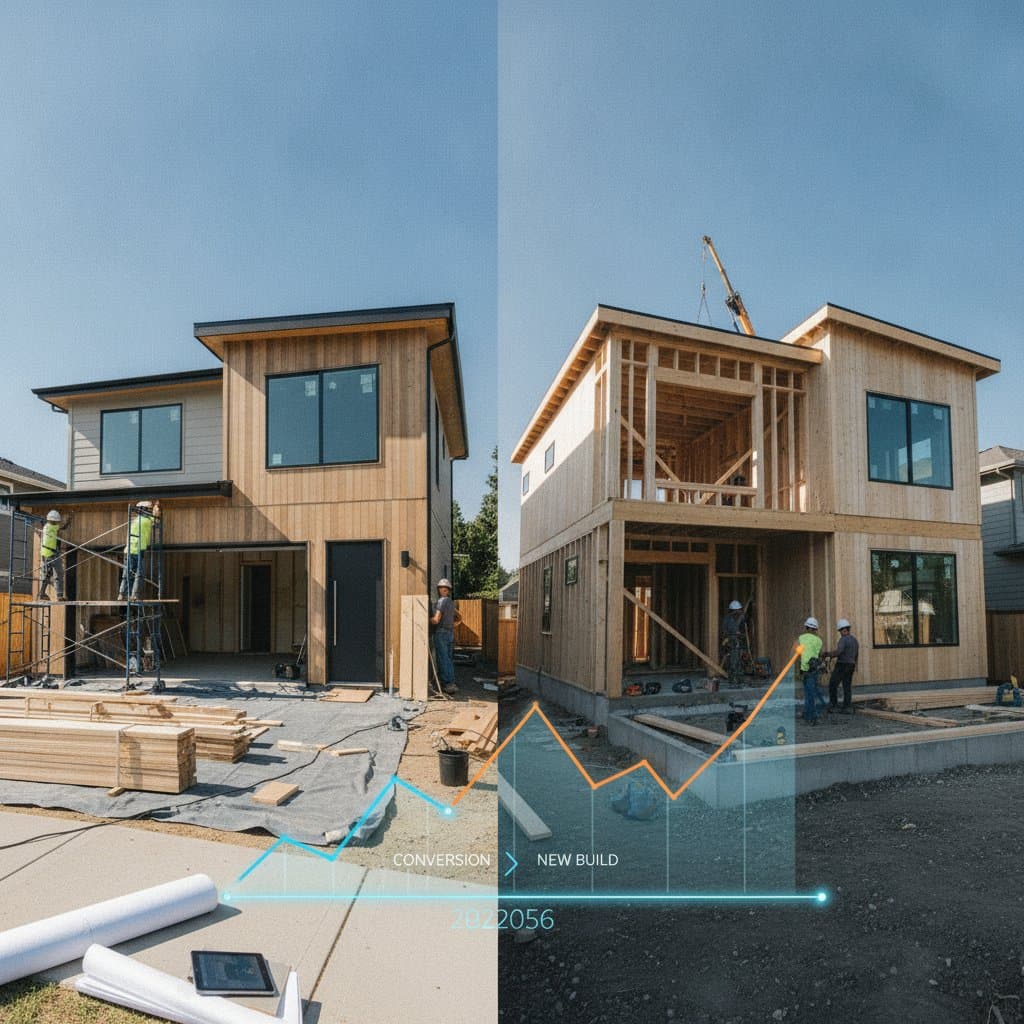
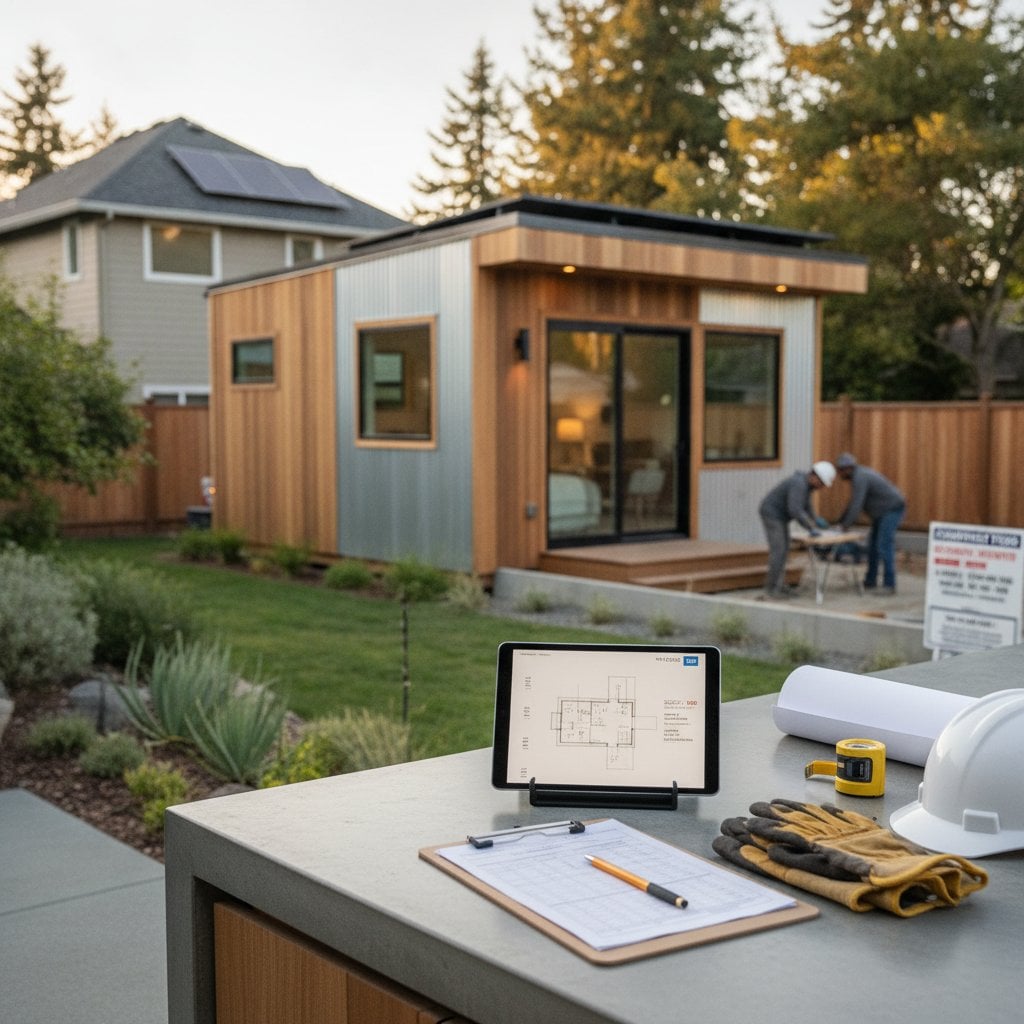
Building a granny pod or accessory dwelling unit provides independent living space on an existing property. A small detached unit typically ranges from $120,000 to $250,000. A garage conversion or attached ADU falls between $80,000 and $180,000. Construction usually requires three to six months when completed by an experienced builder. The project involves moderate to high complexity due to plumbing, electrical, and foundation requirements that demand licensed professionals.
Project Overview
- Verify all local zoning limits before design begins.
- Secure written confirmation of lot capacity and setbacks.
- Prepare a budget that includes at least a 10 percent contingency.
- Engage licensed contractors for structural, electrical, and plumbing work.
- Schedule inspections at each major construction phase.
Step-by-Step Construction Process
-
Contact the local building department to confirm maximum size, height, setbacks, and parking requirements. Obtain a zoning confirmation letter in writing.
-
Develop the layout while planning connections for water, sewer, power, and gas. Confirm that the design meets code limits and allows proper utility trenching.
-
Collect detailed estimates from licensed builders and utility contractors. Include site preparation, permits, and finish materials in the total projection.
-
Submit complete drawings, structural calculations, and energy compliance documents. Receive all required permits and post them visibly on site before any work starts.
-
Clear vegetation, level the ground, and mark all setbacks. Arrange excavation or slab preparation only after utilities have been located and marked by professionals.
-
Form and pour the slab or footings according to approved plans. Allow full curing time and obtain inspection approval before proceeding to framing.
-
Install wall framing, roof trusses, and structural sheathing. Verify that the frame remains square and plumb before utility rough-ins begin.
-
Have licensed professionals complete plumbing, electrical, and mechanical rough-ins. Pass all required inspections before covering any walls.
-
Install insulation to current code standards, then finish drywall, flooring, and trim. Complete painting and fixture installation only after surfaces are properly sealed.
-
Apply siding, paint, gutters, and landscaping. Connect final utilities and confirm that the completed structure passes final inspection.
Quality Assurance and Common Issues
Poor drainage around the foundation often leads to moisture problems. Install sloped grading and functional gutters to direct water away from the structure. Inadequate ventilation can cause humidity buildup inside living spaces. Route all bathroom and kitchen vents directly outdoors. Incorrect electrical loads may trip breakers repeatedly. Verify that circuit sizing matches actual appliance demands.
Small gaps around windows can be sealed with exterior caulk. Weatherstripping corrects air leaks around doors. HVAC dampers can be adjusted to balance temperatures across rooms.
Situations Requiring Professional Assistance
Contact a licensed contractor when structural movement appears or when cracks exceed one quarter inch in width. Arrange immediate service if water backs up in drains or leaks develop inside walls. Repeated circuit trips also indicate the need for professional evaluation.
General repair or inspection work typically costs between $80 and $150 per hour. Confirm current licensing and insurance before engaging any contractor. Request references and verify prior experience with similar detached units.
Frequently Asked Questions
Most jurisdictions require full building and utility permits for any granny pod. Local zoning rules determine whether an ADU may be rented and whether restrictions apply to rental duration.
Securing Long Term Value
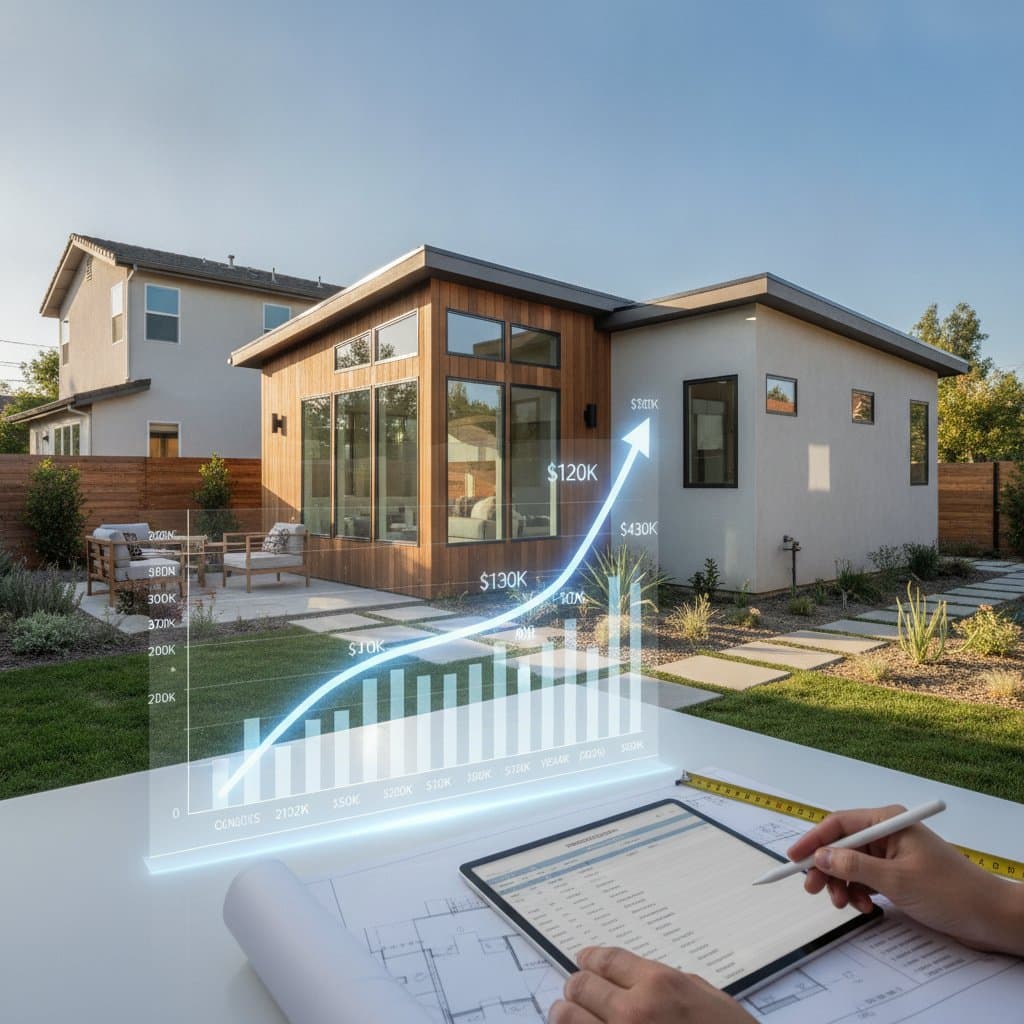
An ADU adds flexible living space and potential income while increasing overall property utility. Accurate planning, precise budgeting, and strict code compliance produce a safe and durable result. Maintain complete records of all inspections and ongoing maintenance activities.