Understanding Flood Foundation Costs in 2026
Flood resistant foundations protect homes in vulnerable areas while meeting updated building codes. Homeowners can expect to pay between 12 and 40 dollars per square foot for these specialized systems in 2026. Labor typically represents 40 to 60 percent of the total expense. Permits, engineering reports, and inspections add another 2000 to 8000 dollars depending on project scope.
Project Timelines and Difficulty
Minor sealing projects take two to five days to complete. Full elevation or rebuild work requires three to eight weeks. These tasks carry an advanced difficulty rating because they demand specialized equipment, engineering expertise, and strict compliance verification. Most homeowners benefit from professional oversight to avoid costly errors.
Comparing DIY and Professional Approaches
Simple waterproofing measures such as crack sealing or sump pump installation fall within homeowner capabilities when proper coatings are applied and leak checks are performed regularly. Professional services become essential for entire structure elevation, work inside designated floodplains, or projects that require hydraulic lifts and structural reinforcements.
DIY drainage improvements range from 800 to 3000 dollars. Professional elevation or flood resistant redesign projects cost between 30000 and 80000 dollars based on home size and required lift height.
Step by Step Installation Process
- Assess flood risk and local code requirements. Contact the building department for current flood zone maps and obtain elevation certificates. Confirm that all plans satisfy Federal Emergency Management Agency standards before any work begins.
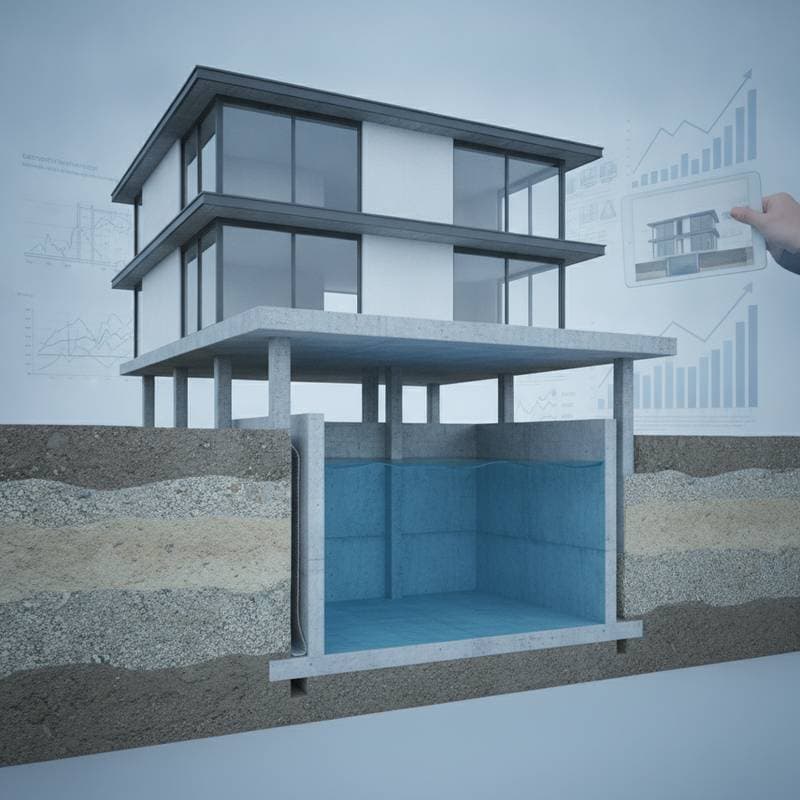
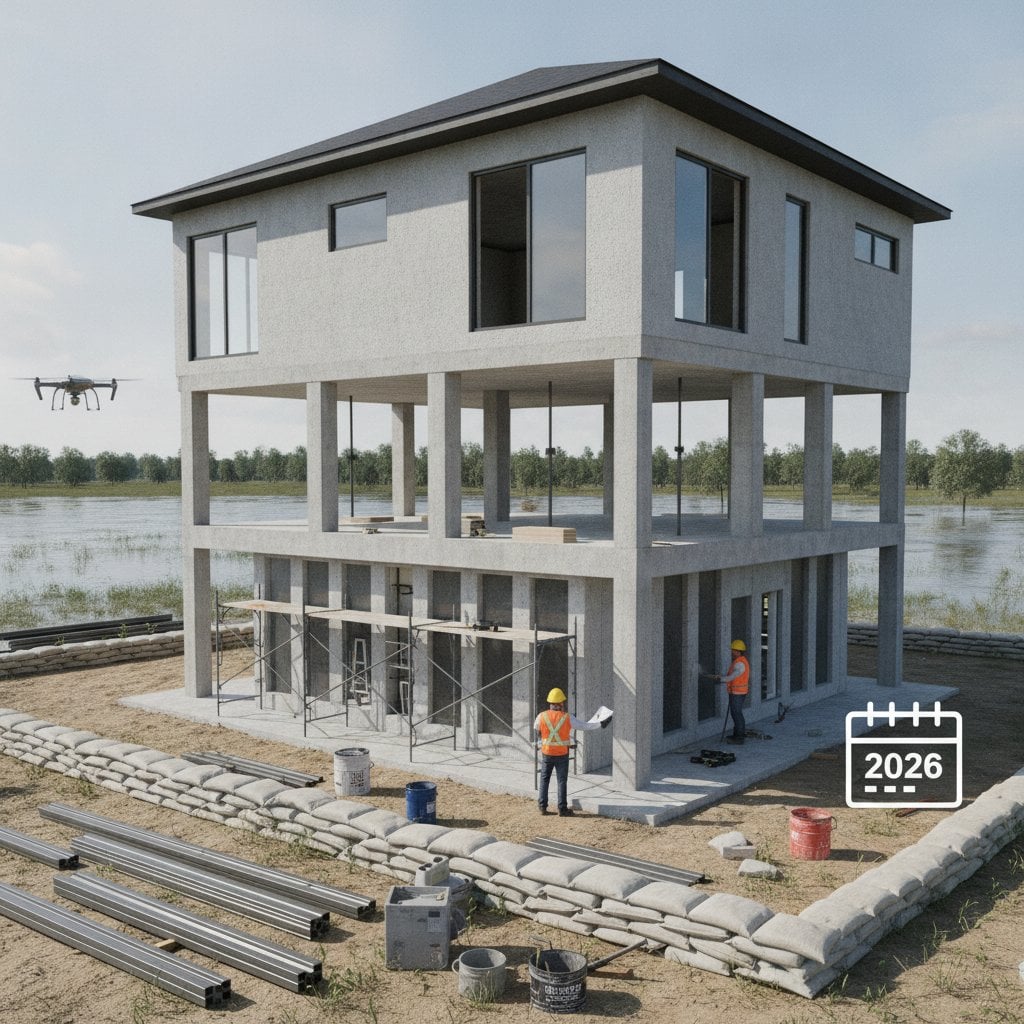
- Select an appropriate foundation type. Elevated piers, vented slabs on grade, or sealed basement systems each suit different soil and flood conditions.
- Prepare the building site. Excavate to stable soil, remove debris, and compact a gravel or engineered fill base so water flows away from the structure.
- Install structural supports. Place reinforced concrete piers or timber piles for elevated homes. Pour reinforced concrete slabs that include flood vents where appropriate.
- Apply waterproofing and drainage features. Install exterior membranes, perimeter drains, and sump systems. Test for leaks before backfilling.
Safety Considerations
Shut off electrical power before working near pumps or standing water. Use stable scaffolding when lifting any portion of the structure. Wear rubber boots, gloves, and eye protection at all times. Verify that all shoring remains secure before entering excavated areas.
Common Issues and Corrections
New concrete cracks can be repaired by filling with hydraulic cement and adjusting curing conditions. Persistent basement dampness usually improves after confirming sump pump function and verifying proper drain slope. Ensure all flood vents operate freely and direct water away from the foundation.
Site Cleanup
Take old concrete, soil, and waterproofing materials to approved disposal or recycling facilities. Many drainage pipes and sump components qualify for recycling programs.
Ongoing Maintenance Practices
Inspect drains and vents twice each year. Reapply waterproof coatings every five to ten years. A well maintained flood resistant foundation can serve a home for 60 years or longer.
When Professional Help Is Required
Contact a structural engineer if the home shows signs of shifting, cracks exceed one inch in width, or water intrusion continues after basic sealing attempts. Structural assessments cost between 500 and 2000 dollars. Complete foundation replacement projects range from 40000 to 100000 dollars. Verify contractor licensing, insurance coverage, written warranties, and references prior to signing any agreement.
Protecting Your Investment
Keep gutters clear and extend downspouts at least six feet from the foundation. Maintain positive grading that slopes outward. Consistent inspections combined with prompt repairs safeguard the structure and limit long term flood damage expenses.