Granny Flat Costs and Returns
Building a granny flat requires careful planning around expenses and potential income. Homeowners who approach the project with clear budgets and design priorities often achieve strong property value gains alongside consistent rental revenue.
Cost Ranges for Construction
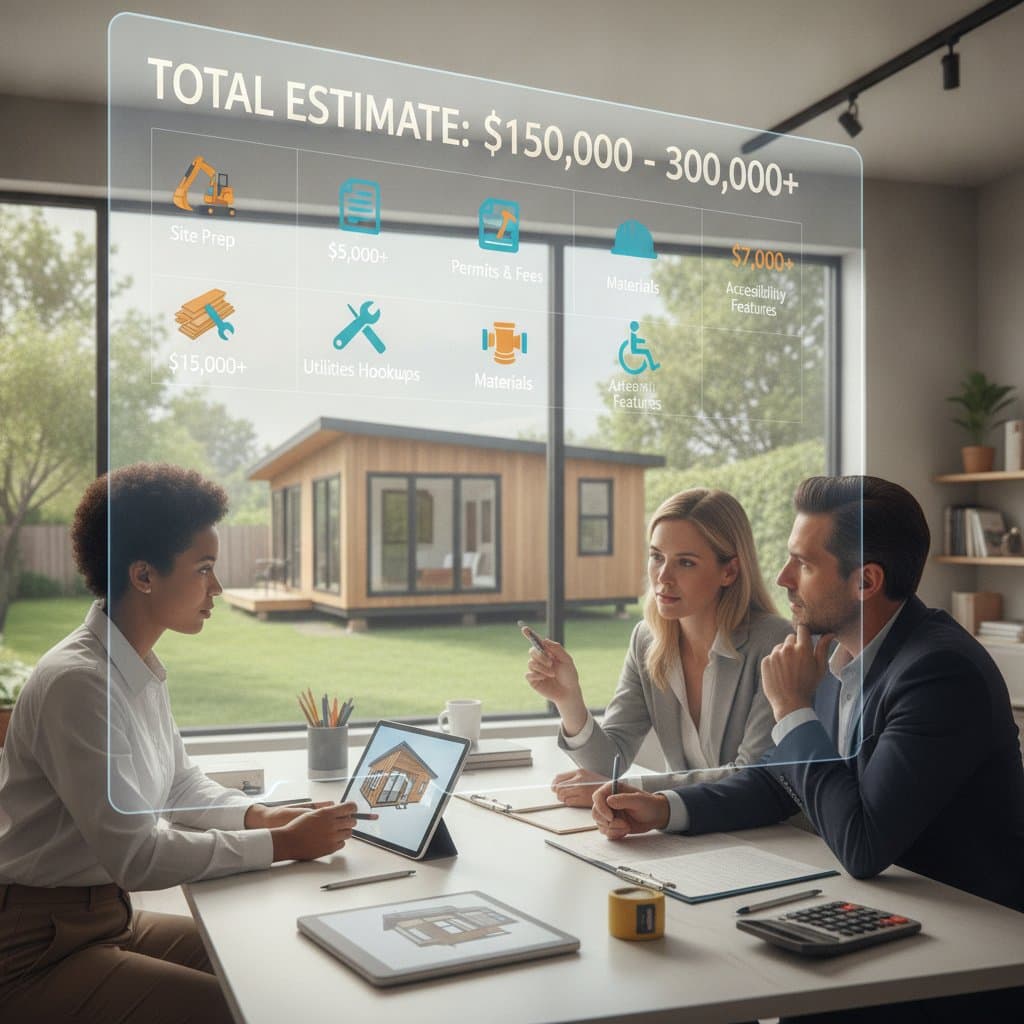
Total project expenses typically fall between 120000 dollars and 280000 dollars. This span reflects differences in size, materials, site conditions, and local labor rates.
Basic units with standard finishes occupy the lower portion of the range. Larger layouts that include premium appliances, upgraded insulation, and custom exteriors push costs toward the upper limit.
Site preparation, utility connections, and permit fees add separate line items. These elements vary by region and should be itemized early in the budgeting process.
Factors That Influence Final Pricing
Location determines a large share of the total. Urban areas with higher labor costs and stricter codes increase expenses compared with suburban or rural sites.
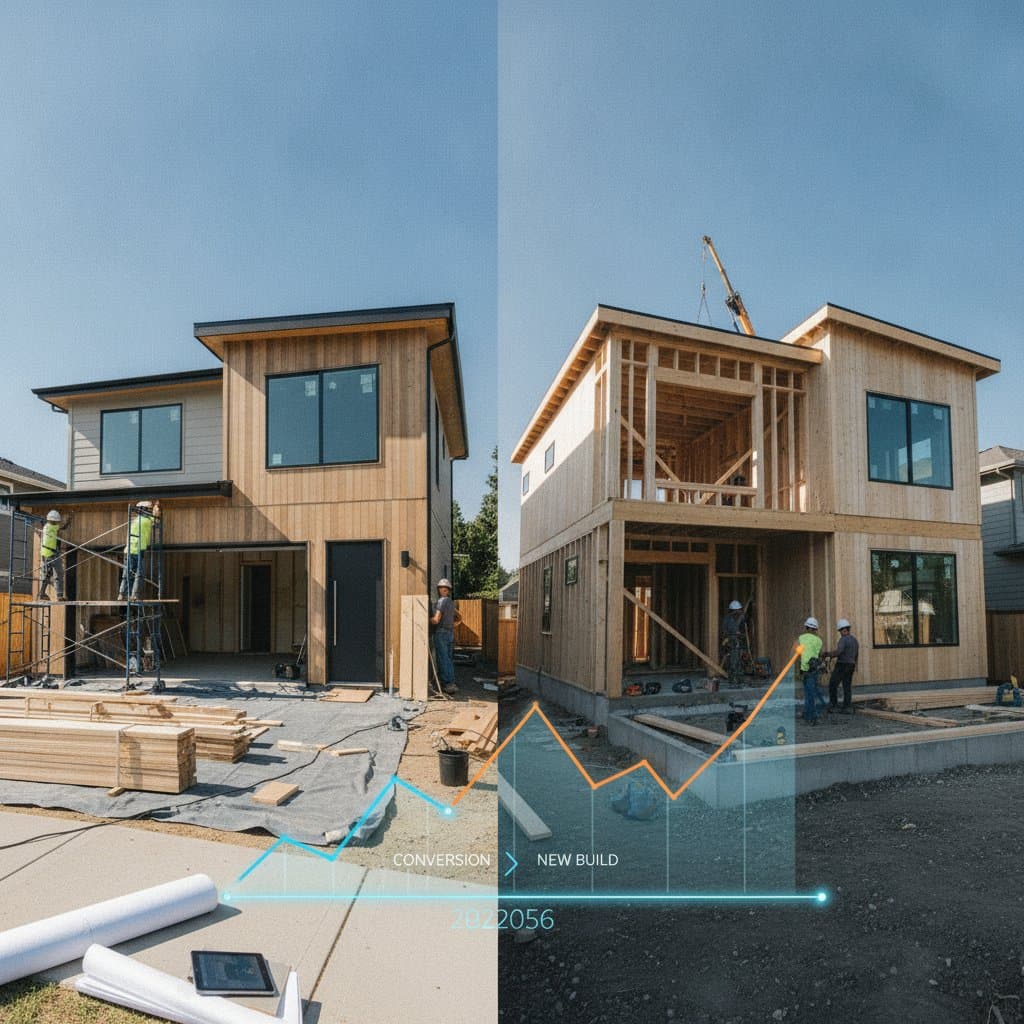
Design complexity also matters. Single-story layouts with simple rooflines cost less than two-story structures or units that require extensive grading.
Material selections create additional variation. Standard vinyl siding and laminate flooring keep budgets moderate, while fiber cement, hardwood, and high-efficiency windows raise the investment.
Calculating Return on Investment
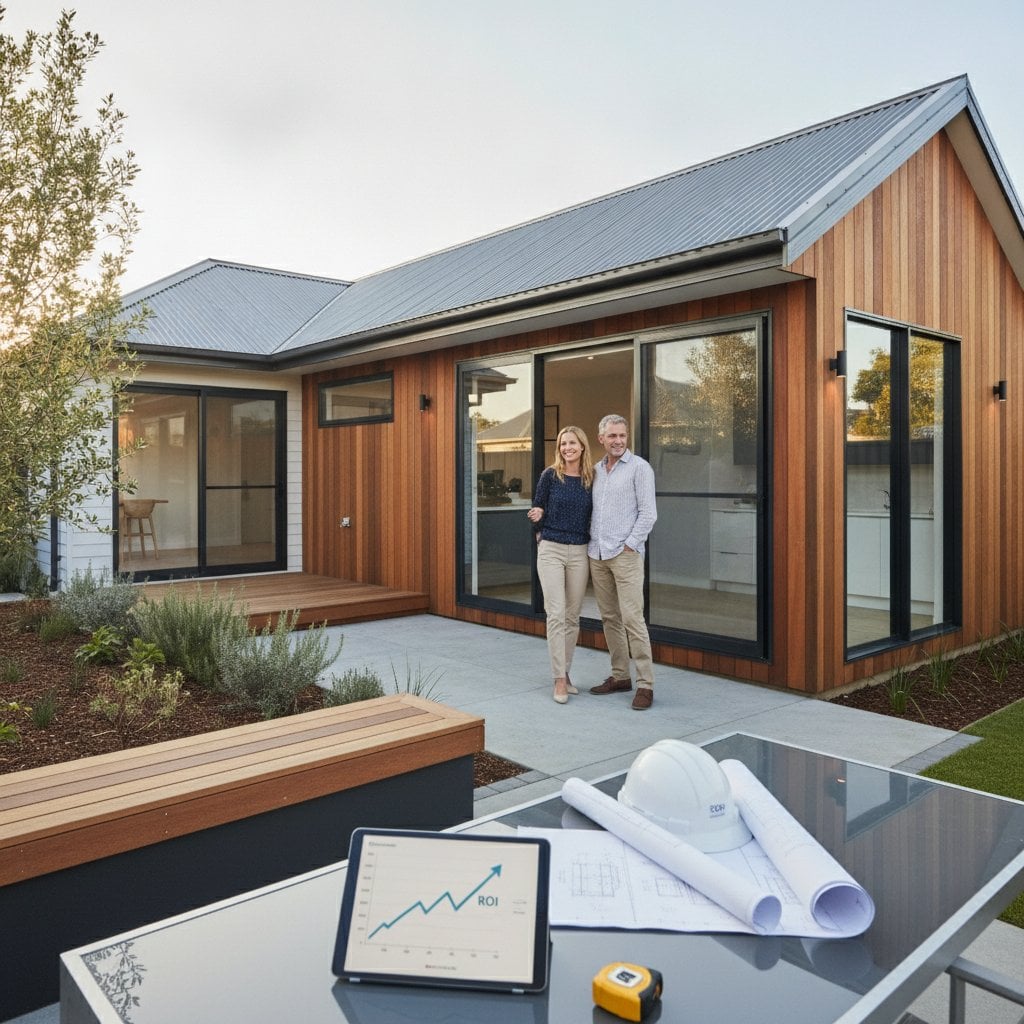
Rental income potential supports returns between 60 percent and 100 percent over a five-to-seven-year period. Actual figures depend on local market rents and occupancy rates.
A well-located unit that rents for 1800 dollars per month can recover construction costs within six years. Higher rents in coastal markets shorten that timeline further.
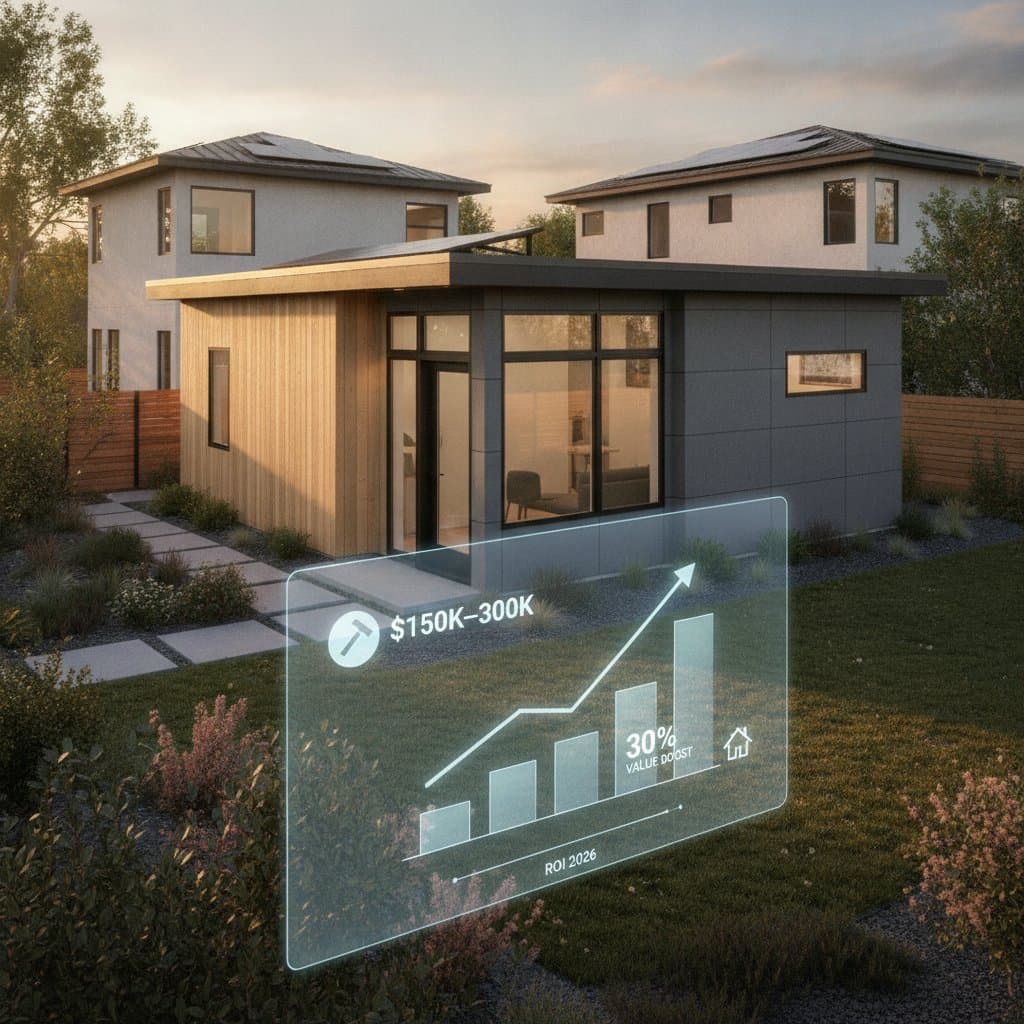
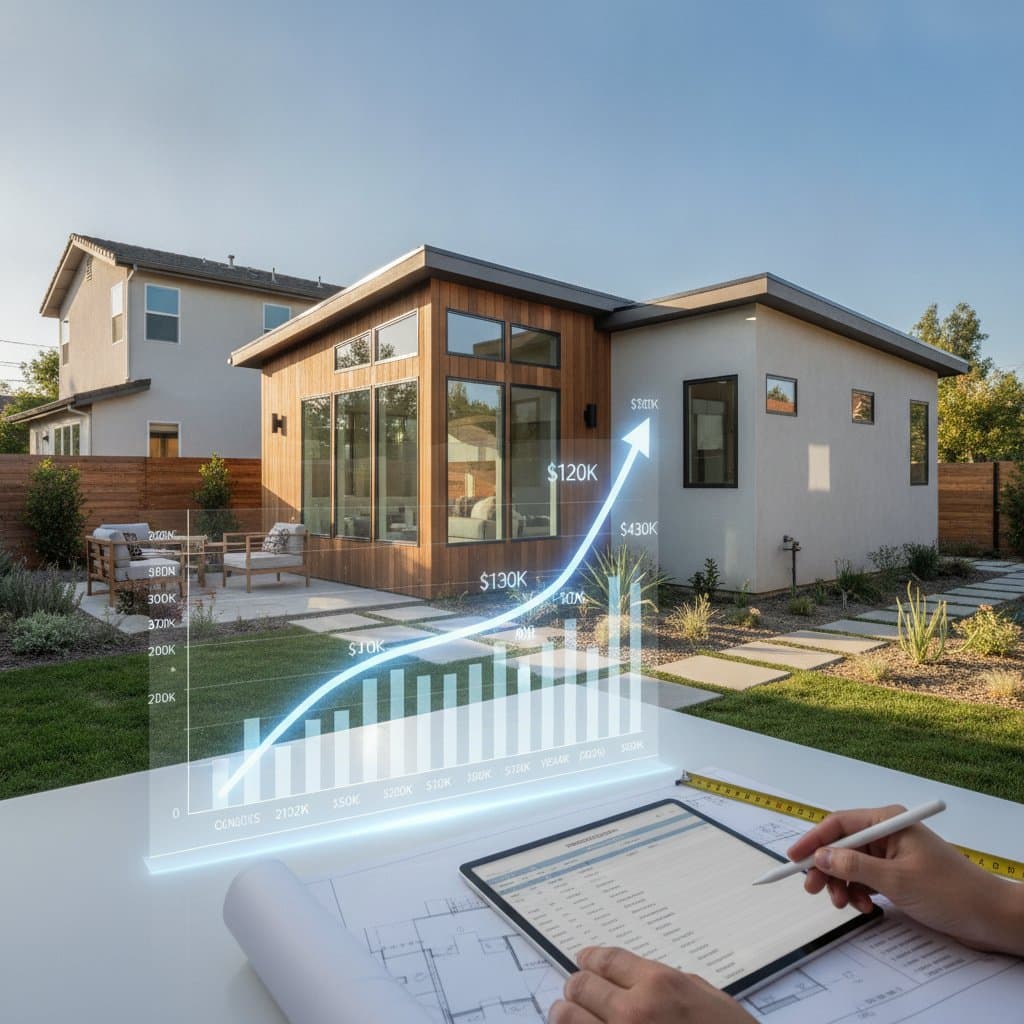
Property value appreciation adds a second layer of return. Recent data show that completed granny flats increase overall home values by 20 percent to 40 percent in many neighborhoods.
Steps to Control Costs and Maximize Value
- Obtain multiple contractor bids that break out labor, materials, and permits separately.
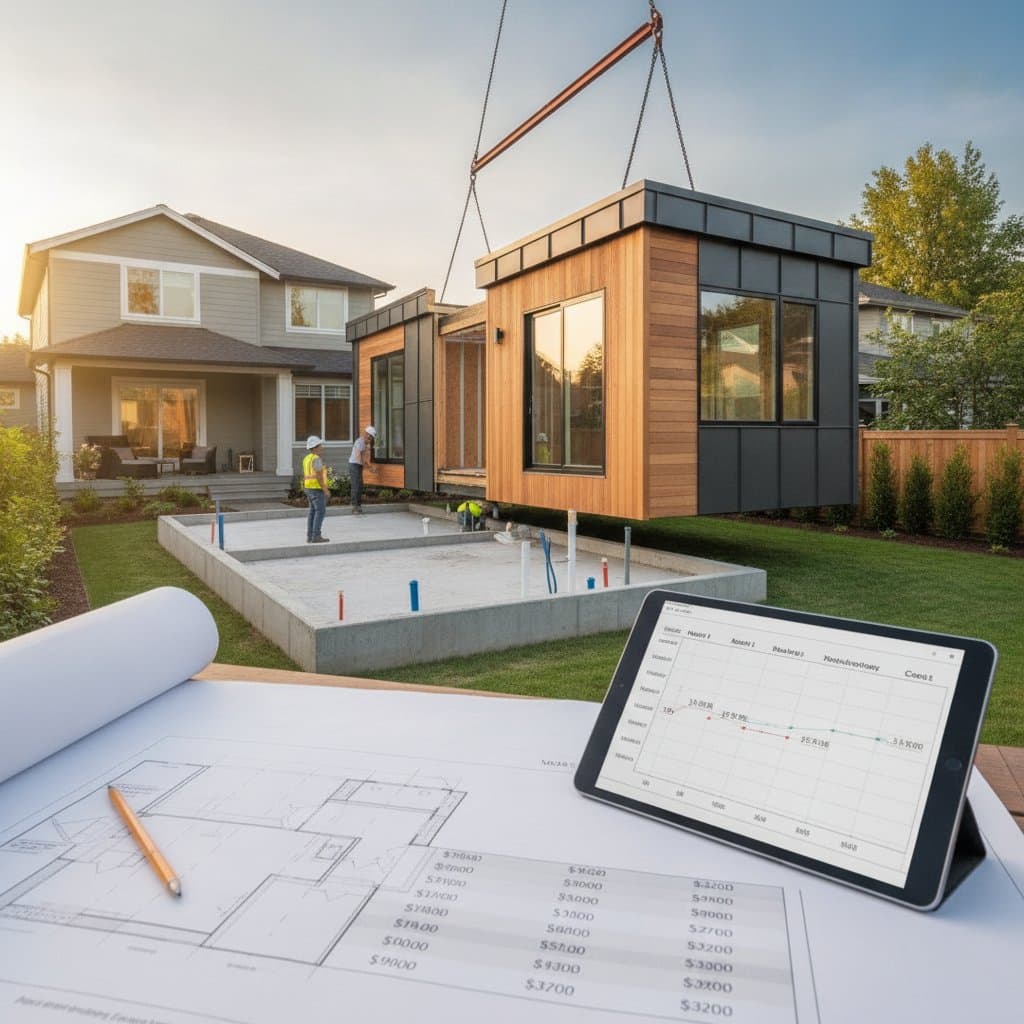
- Choose modular or prefabricated designs when site access allows faster installation.
- Verify zoning allowances before finalizing floor plans to avoid redesign fees.
- Install energy-efficient systems that qualify for utility rebates and lower ongoing operating costs.
- Schedule construction during off-peak seasons when labor availability improves pricing.
Permit and Compliance Essentials
Most jurisdictions require separate permits for electrical, plumbing, and structural work. Early consultation with the local building department clarifies required inspections and documentation.
Setback rules, height limits, and parking requirements affect feasible designs. Meeting these standards from the outset prevents delays and added expenses.
Design Choices That Support Long-Term Returns
Flexible floor plans that accommodate both rental tenants and aging family members broaden future use options. Separate entrances and private outdoor space increase rental appeal.
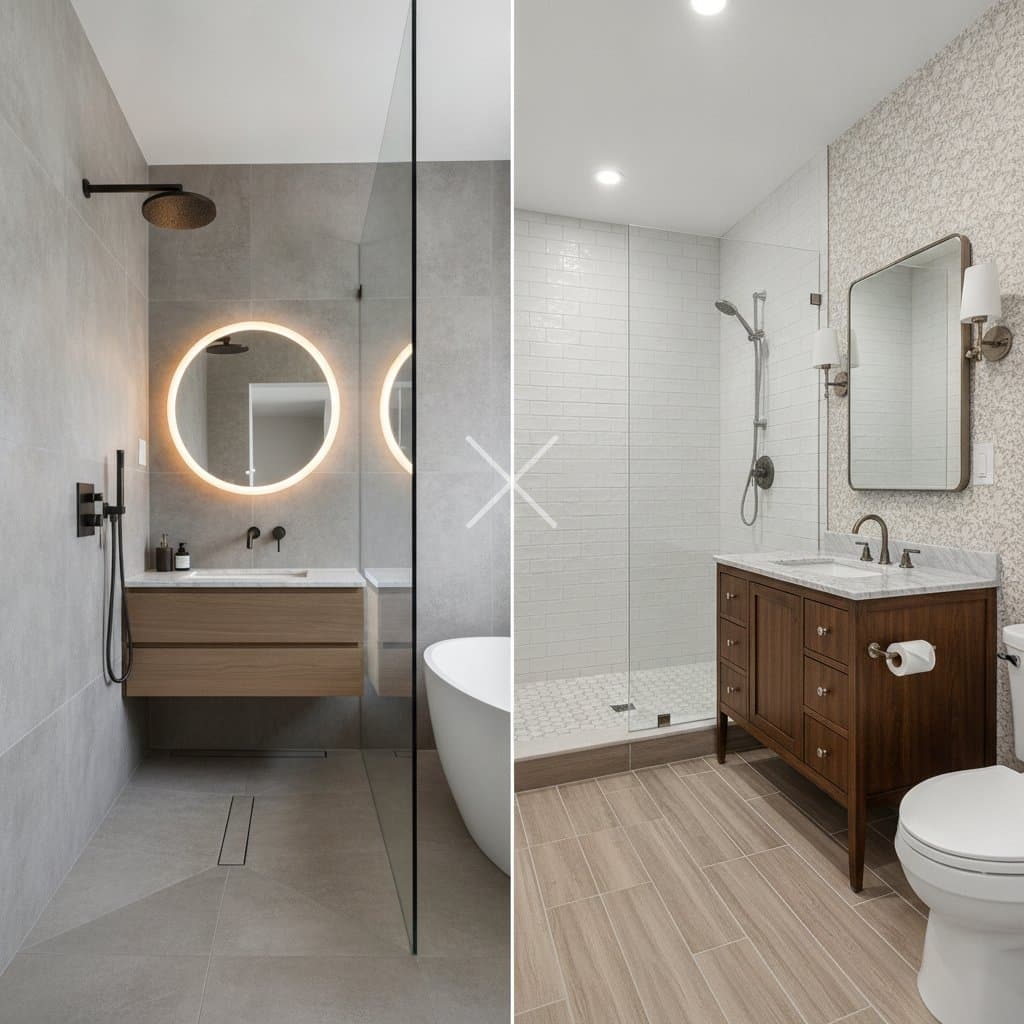
Quality finishes in kitchens and bathrooms command higher rents without proportional cost increases. Neutral color palettes and durable surfaces reduce maintenance between tenants.
Ongoing Management Considerations
Screen tenants carefully and maintain written lease agreements. Regular inspections and prompt repairs protect both income flow and property condition.
Track all expenses and income for tax reporting. Depreciation schedules and operating deductions can improve net returns when records remain complete.
Planning Your Next Steps
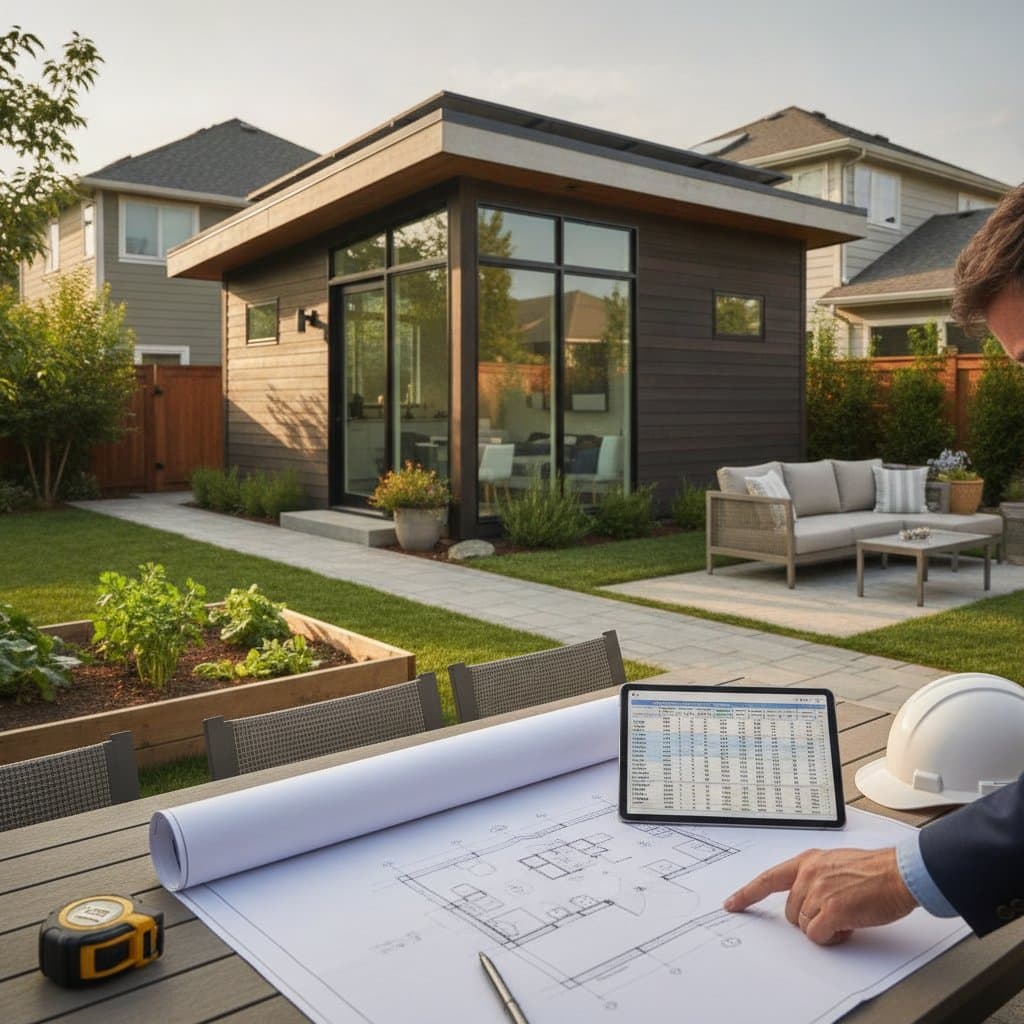
Begin with a site assessment and preliminary cost estimate from a licensed builder. Compare projected rents against local listings to confirm realistic income assumptions before committing funds.