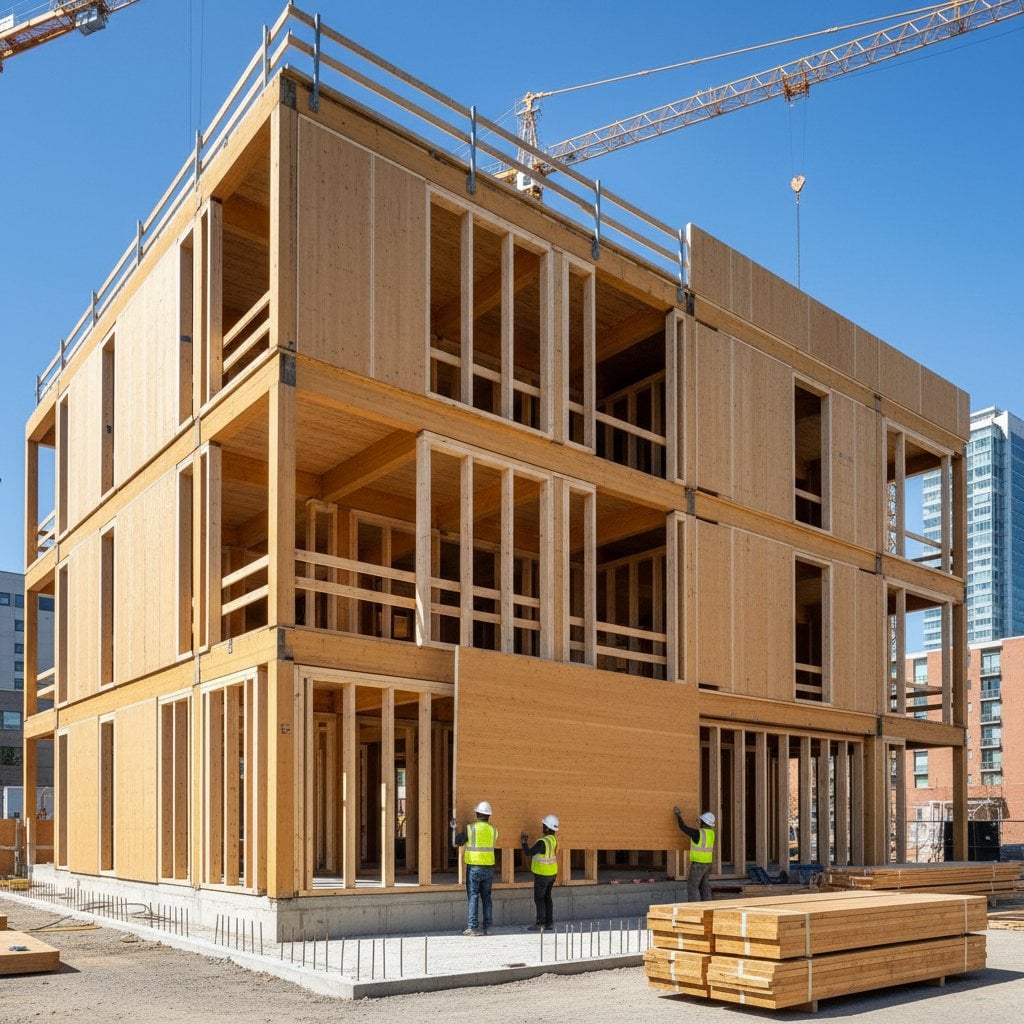
Mass Timber Costs: A Strategic Alternative to Traditional Framing
Mass timber construction has evolved from a specialized technique into a robust rival to steel and concrete framing systems. Builders and owners evaluating options for commercial buildings, mid-rise developments, or contemporary homes benefit from a clear understanding of mass timber's cost and performance profile. This engineered wood approach extends beyond aesthetic appeal to deliver economic advantages throughout a structure's lifespan.
Key Distinctions of Mass Timber
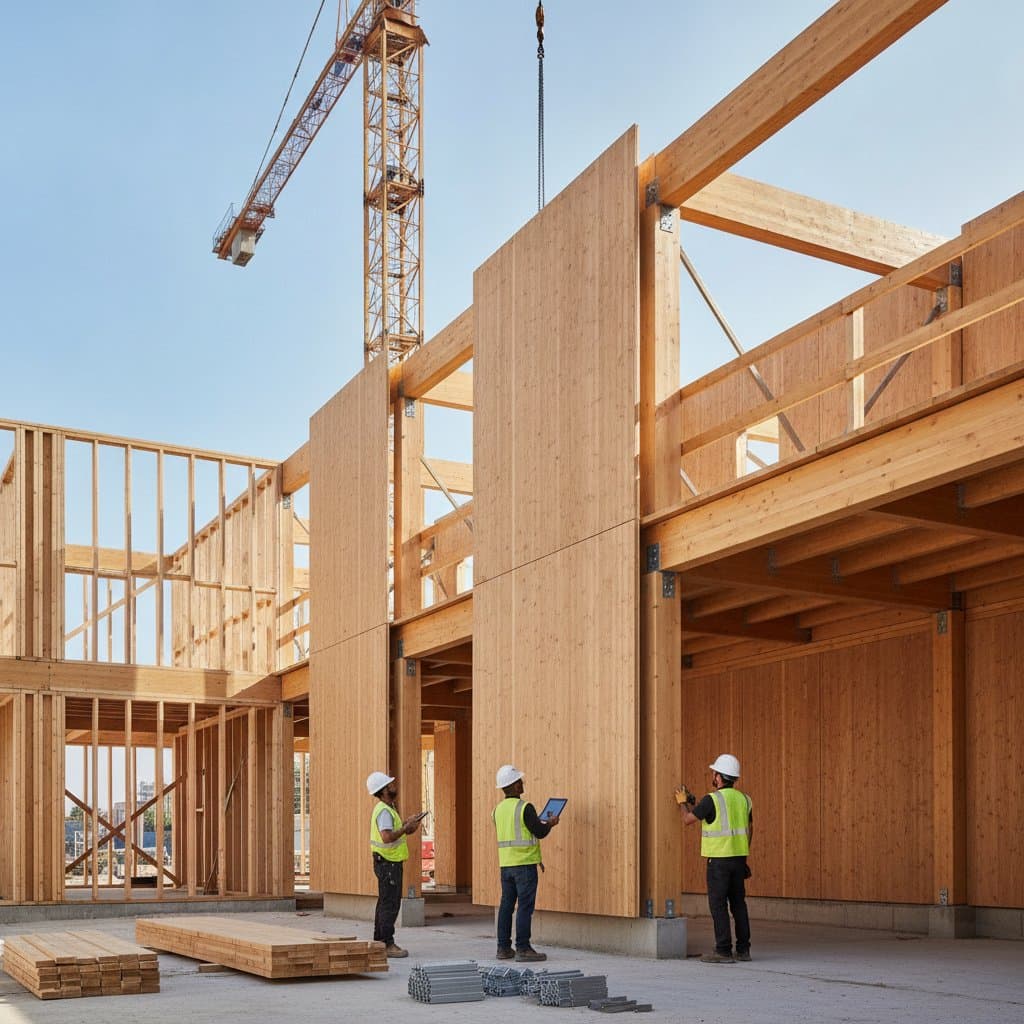
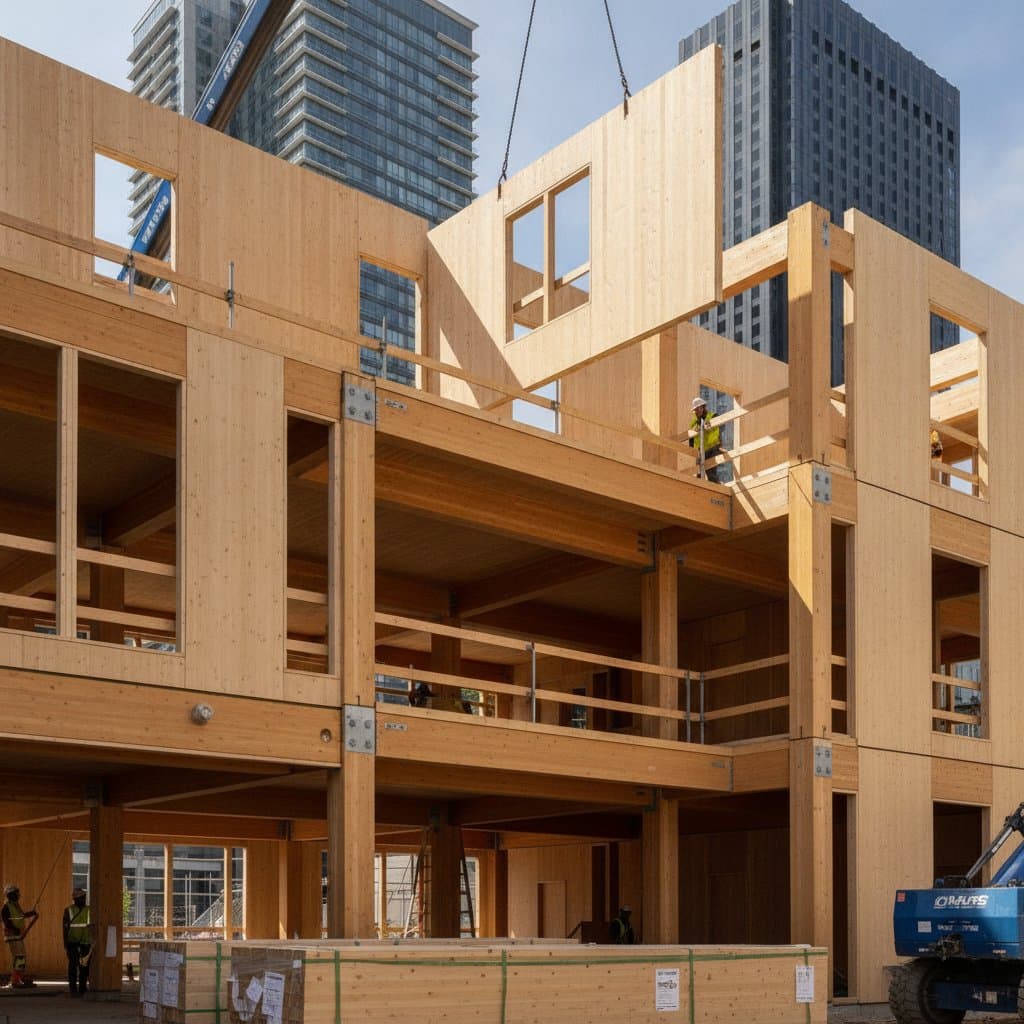
Mass timber consists of sizable, factory-made wood panels and beams that serve as structural elements for floors, walls, and roofs. Cross-laminated timber, or CLT, stands as the predominant material, constructed by layering lumber boards perpendicularly and adhering them under high pressure. This process yields a resilient, stable panel capable of substituting for conventional framing components.
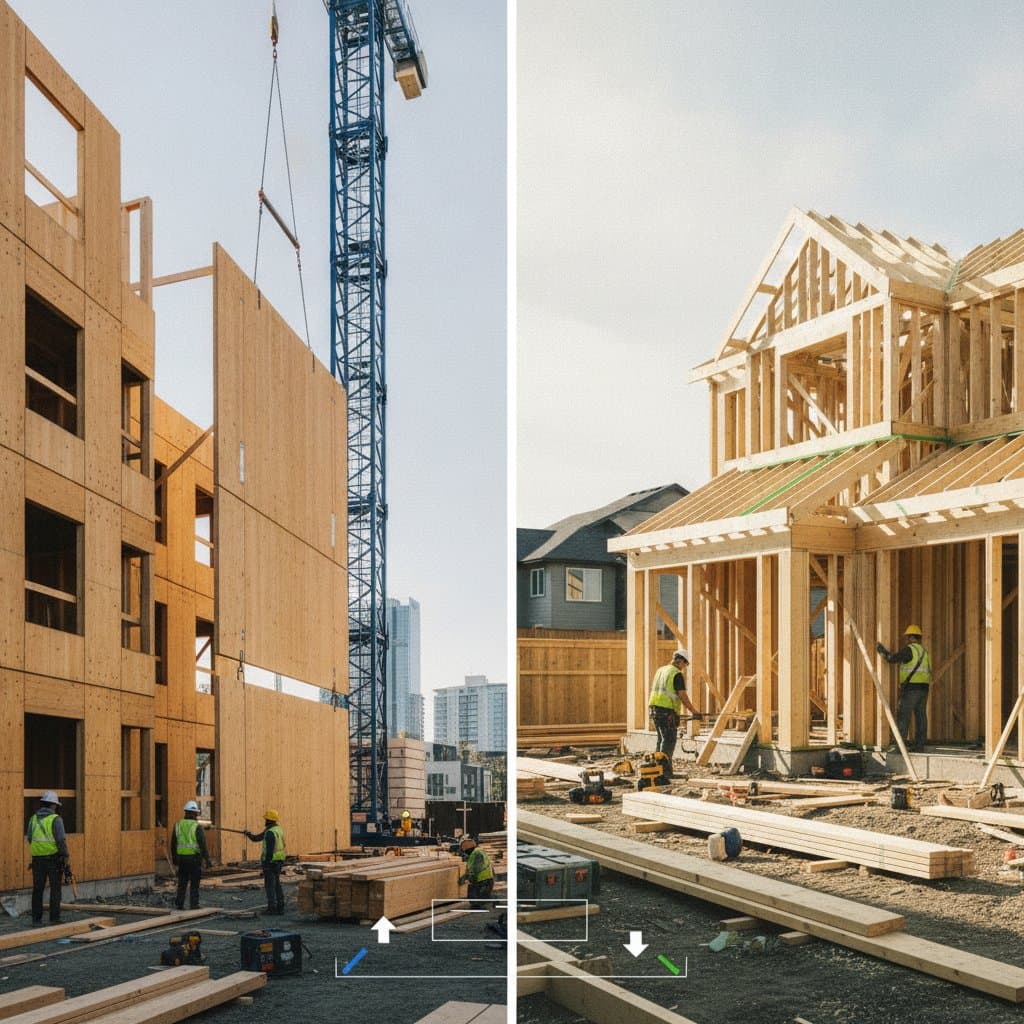
Builders install these expansive sections with efficiency, which cuts on-site labor demands and material waste. In contrast to stick-built wood framing or robust steel assemblies, mass timber accelerates project schedules and eases integration among various trades.
Breaking Down the Cost Components
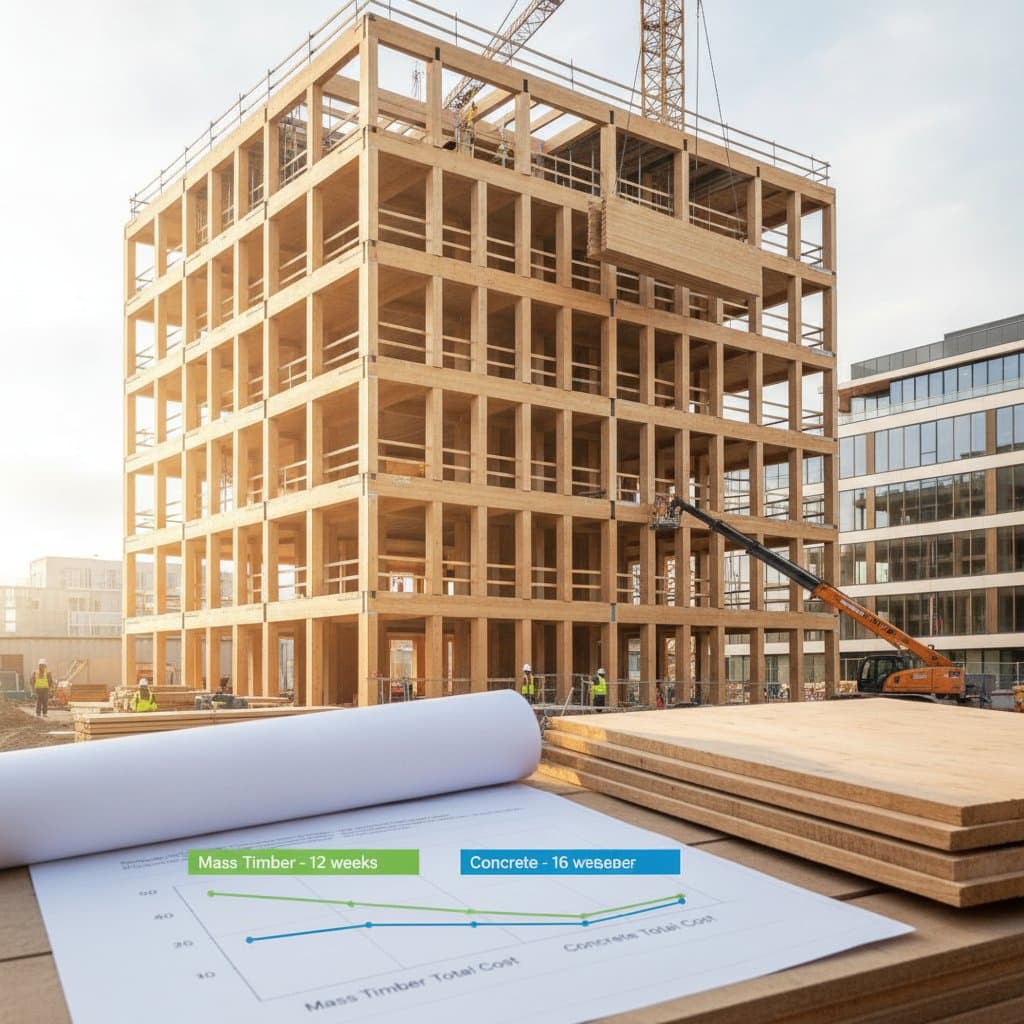
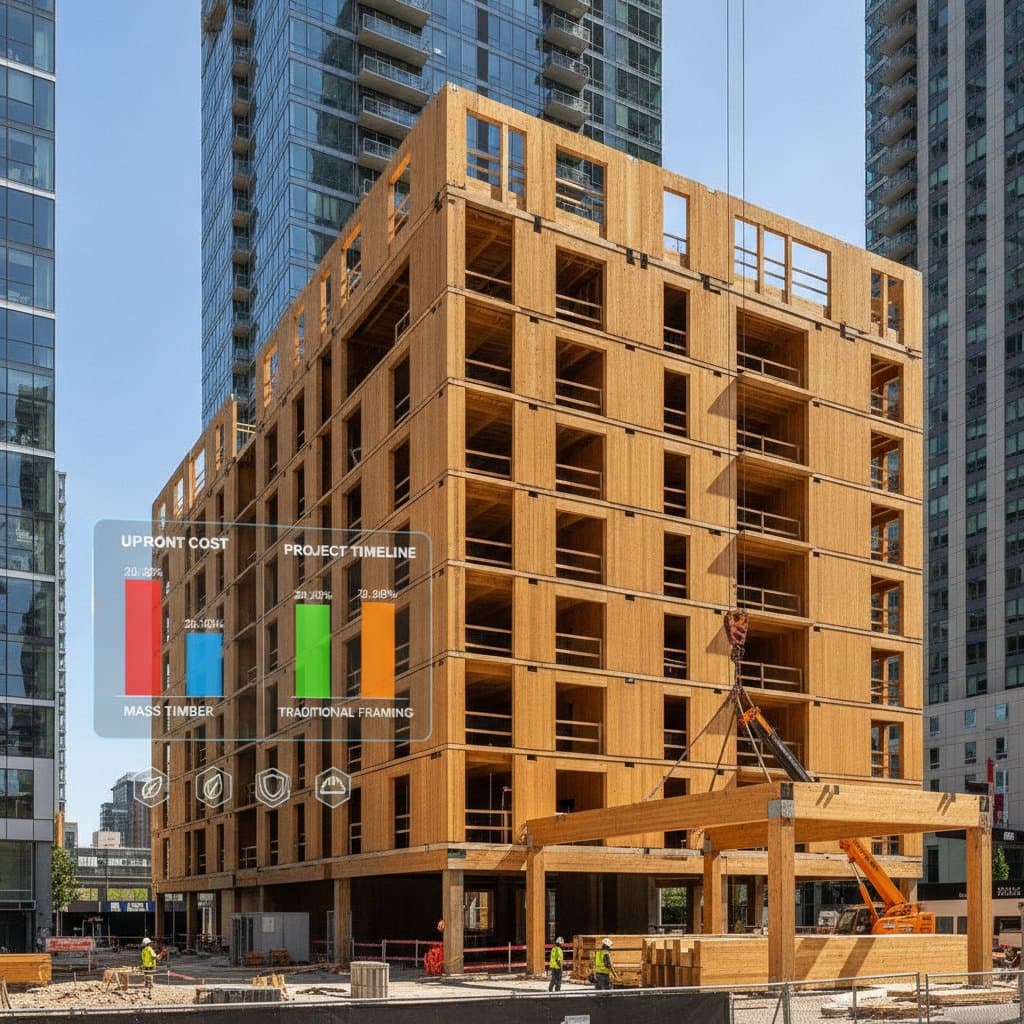
Builders and owners frequently inquire whether mass timber incurs higher expenses. The response hinges on the scope of cost evaluation. Initial material outlays may seem elevated, but overall project expenditures frequently equalize or dip lower due to expedited construction, diminished foundation demands, and fewer labor hours.
Essential cost categories for comparison encompass:
-
Material Expenses
CLT panels and glued-laminated timber beams command a premium per cubic foot over dimensional lumber or basic framing elements. Precision fabrication, however, generates minimal scrap and eliminates extensive field modifications. -
Labor and Assembly
Factory-prepared panels require straightforward on-site erection. Installation teams complete full floors in mere days, as opposed to weeks, which trims payroll and shields against weather interruptions. -
Foundation and Support Economies
The reduced weight of mass timber compared to concrete or steel permits smaller foundations with less reinforcement. These adjustments yield substantial reductions in excavation depth and concrete volume. -
Finishing and Interior Expenditures
Exposed timber surfaces demand limited additional treatment. Numerous designs leverage CLT's inherent texture as a finished interior element, bypassing expenses for drywall installation and painting in select zones.
Integrating these elements, mass timber projects achieve cost parity or modest savings relative to traditional methods, particularly when factoring in timeline efficiencies and lessened site disturbances.
Strategic Benefits of Mass Timber Investments
1. Accelerated Project Schedules
Construction velocity emerges as mass timber's premier economic asset. Off-site prefabrication ensures panels arrive primed for swift placement, mitigating exposure to adverse weather. Condensed timelines facilitate prompt occupancy, expedite income streams, and curtail financing burdens for property owners.
2. Streamlined Labor Needs
Conventional framing necessitates extensive workforces and sequential trade involvement. Mass timber employs compact crews equipped with specialized tools, enhancing safety protocols and workflow harmony. Although expertise remains essential, aggregate on-site hours decline markedly.
3. Diminished Environmental and Operational Expenses
Wood inherently sequesters carbon, rendering mass timber an environmentally sound selection. Eligible initiatives access incentives for green certifications that amortize initial investments. Timber's thermal resistance further bolsters energy performance, curbing long-term utility costs for heating and ventilation.
4. Versatile Design at Controlled Costs
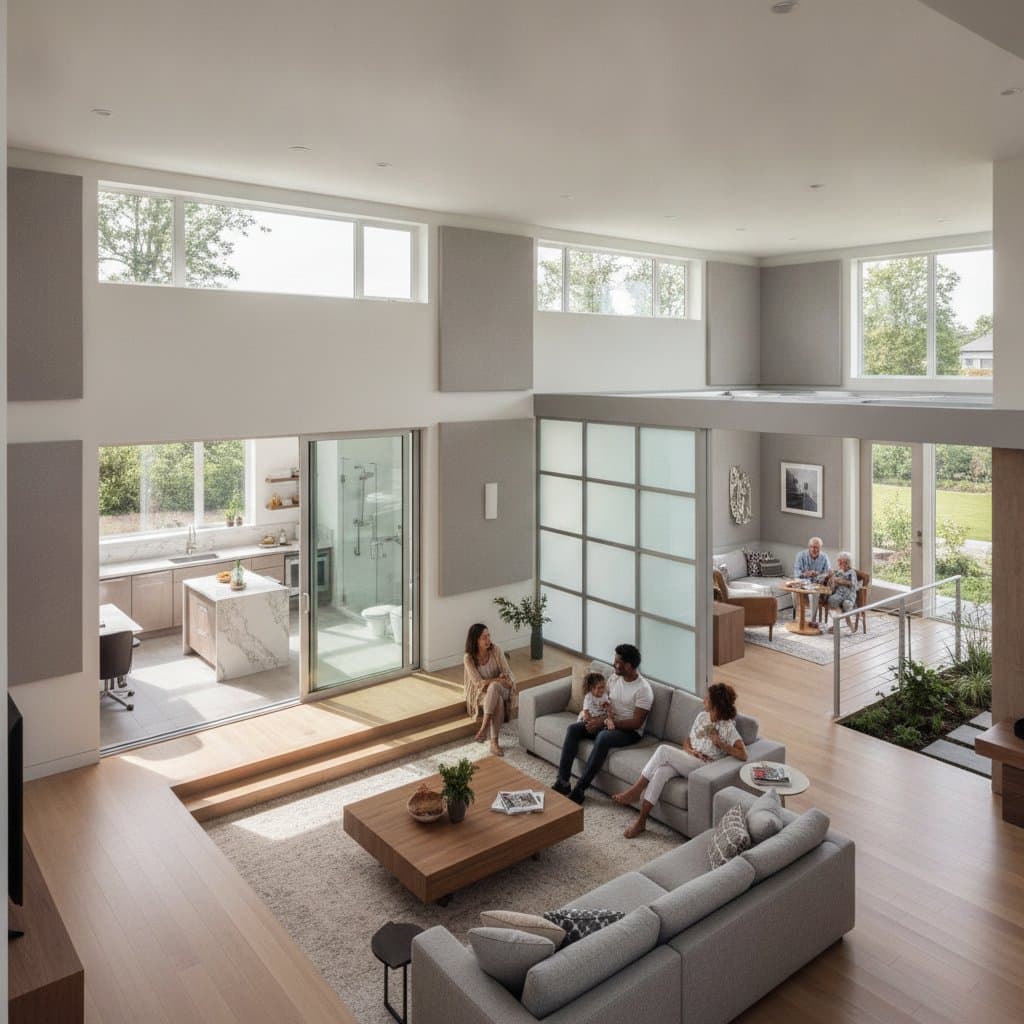
Mass timber supports extended spans, expansive floor plans, and inviting aesthetics while satisfying rigorous structural criteria. Architects exploit these attributes to craft engaging environments. As intricate detailing transpires during fabrication, construction-phase alterations dwindle, forestalling expensive revisions.
5. Minimal Long-Term Upkeep
Products such as CLT exhibit dimensional consistency and resist deformation or contraction. Appropriate protective measures and joint treatments ensure longevity spanning decades. Inspection and care routines parallel those for standard materials in frequency and effort.
Lifecycle Cost Analysis
Comprehensive financial assessments must encompass a building's entire service life. Although traditional framing presents lower entry prices, several dynamics frequently tip the scales:
- Energy Performance: Timber's innate insulation minimizes heat loss through structural members.
- Structural Resilience: CLT withstands sustained and variable loading with reliability.
- Modification Ease: Modular configurations simplify future alterations or expansions.
- Market Appeal: Eco-friendly features and visible wood elements elevate desirability for resale.
Through this holistic perspective, mass timber's operational efficiencies and durability diminish cumulative ownership expenses.
Practical Guidance for Mass Timber Cost Management
-
Initiate Collaboration with Design Professionals
Assemble architects, engineers, and material providers at project outset. This synergy refines panel dimensions and interfaces, curbing inefficiencies and excess fabrication. -
Incorporate Hybrid Approaches Suitably
Certain structures benefit from integrating mass timber with steel or concrete components. Concrete foundations for vertical circulation paired with CLT framing elsewhere optimizes expenditure and functionality. -
Coordinate Transportation and Erection Logistics
Oversized panels necessitate meticulous planning for delivery routes and lifting apparatus. Streamlined sequencing averts idle periods and overcrowding on the construction site. -
Address Fire and Sound Mitigation Promptly
Mass timber complies with stringent fire regulations via controlled charring and encapsulant layers. Proactive specification integration prevents mid-project adjustments. -
Prioritize Comprehensive Value Assessment
Encompass timeline reductions, finishing economies, and upkeep savings in proposal reviews. Marginal material premiums typically recoup through holistic project gains.
Addressing Frequent Inquiries on Mass Timber Economics
What maintenance does mass timber demand?
Periodic sealing applications and visual checks suffice, aligning with protocols for comparable structural systems. Thoughtful moisture management upholds both performance and visual quality.
Do standard contractors handle mass timber builds?
Affirmative, provided they receive targeted orientation and supplier support. Adaptation occurs rapidly under expert oversight.
How does mass timber fare in fire scenarios?
It demonstrates consistent behavior during fires. Surface charring insulates inner layers, preserving load-bearing capacity beyond that of exposed steel.
What impact does mass timber have on property value?
Structures featuring prominent wood elements attract occupants valuing wellness and sustainability, thereby augmenting enduring market worth.
Embracing Efficient Building Strategies
Mass timber transcends stylistic novelty to embody progressive, resource-conscious building practices. Evaluating complete project economics beyond isolated material quotes illuminates the robust yields from CLT and allied wood technologies. Synergies of labor efficiencies, schedule compression, and sustained robustness establish mass timber as a viable, innovative substitute for established framing paradigms.
Selecting an optimal framing method influences fiscal outcomes and structural viability alike. For diverse applications, mass timber harmonizes robustness, comfort, and fiscal prudence, rendering it a discerning choice for contemporary development.