2026 Prefab ADU Costs: Permits and Timelines Explained
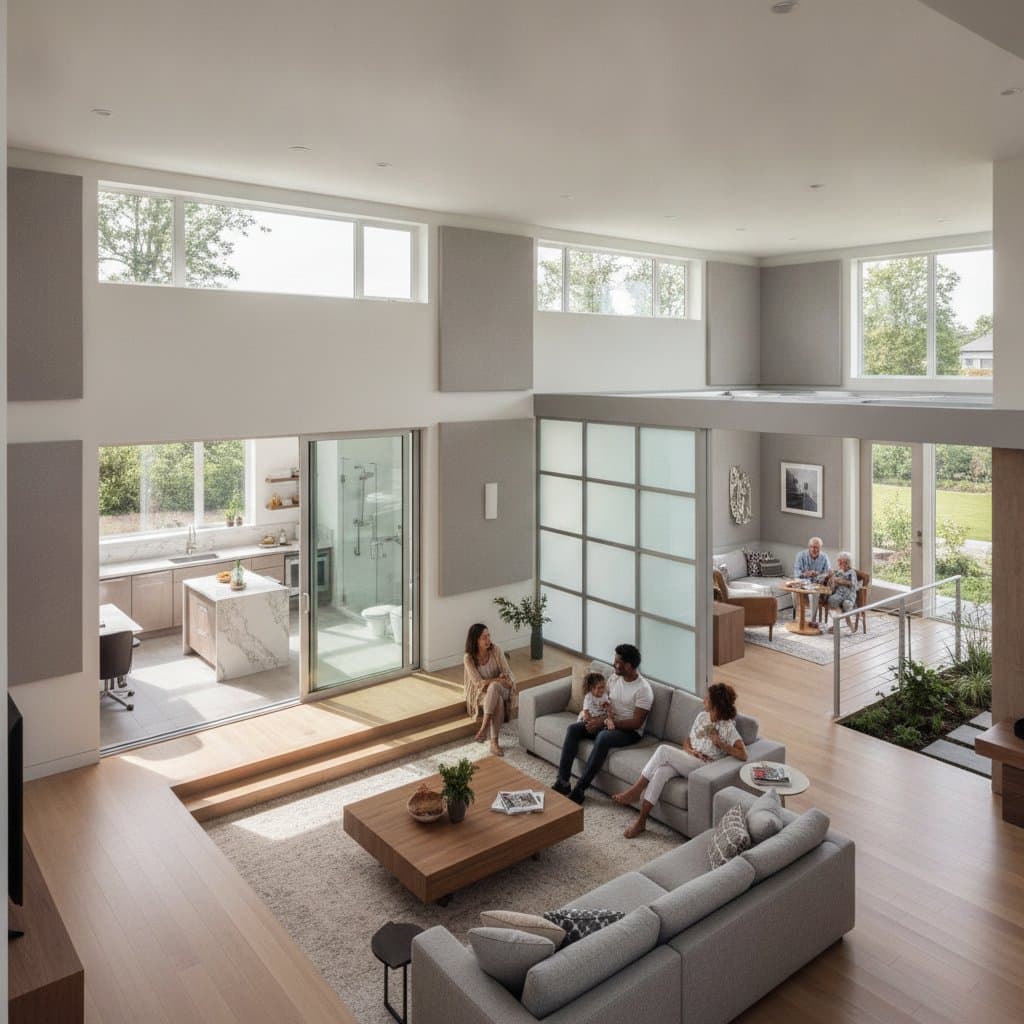
Prefab accessory dwelling units provide homeowners with a streamlined method to expand property space and generate value. These units support rental opportunities, family accommodations, or home office setups, all while minimizing the interruptions associated with major renovations. Grasping the elements that shape expenses, regulatory approvals, and construction schedules enables informed decision-making and prevents costly surprises.
Guide Overview
This resource addresses key aspects of prefab ADU projects:
- Cost breakdowns and influencing factors
- Permit applications and associated expenses
- End-to-end timelines for completion
- Guidance on engaging experts
- Techniques for cost reduction and investment returns
Breaking Down Prefab ADU Expenses
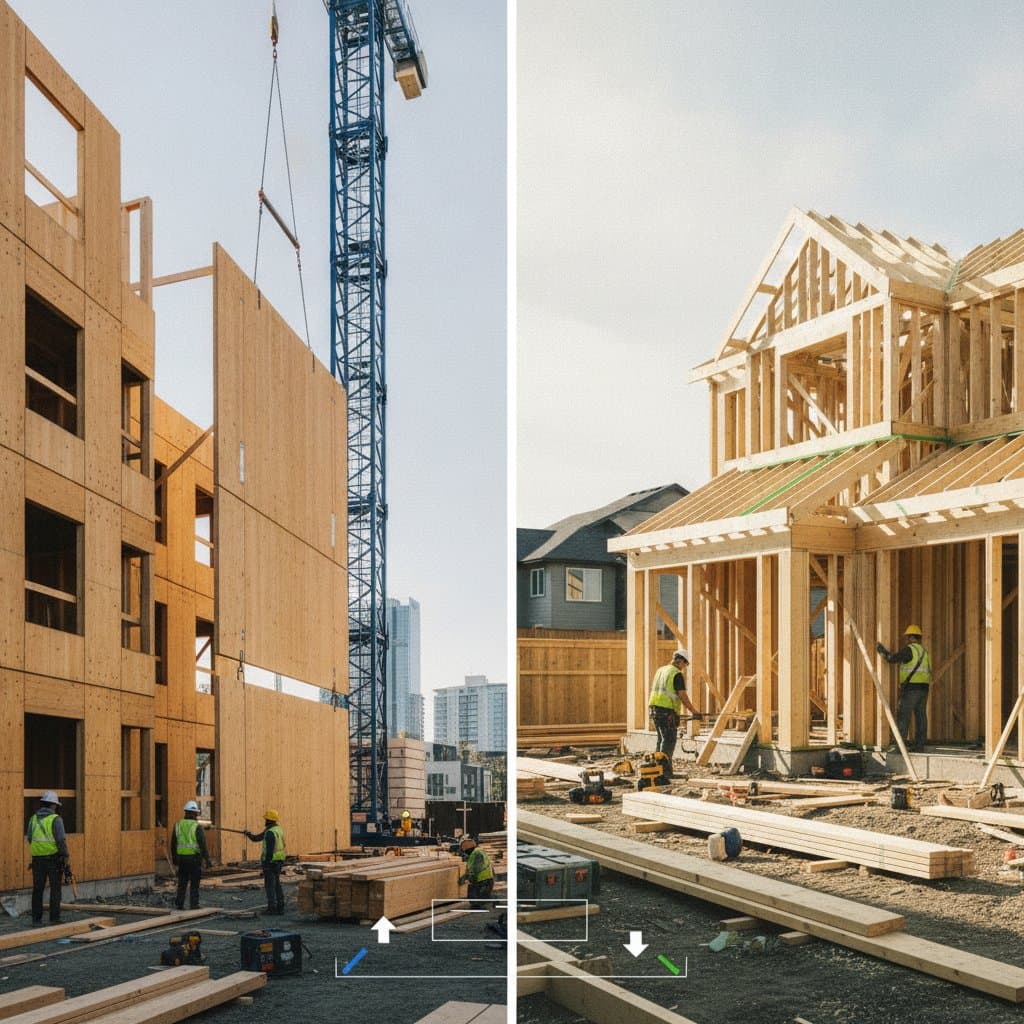
Prefab ADUs vary in construction methods, such as modular assembly, panelized components, or repurposed shipping containers. Pricing reflects choices in materials, customization levels, and on-site assembly demands.
Standard Pricing Overview
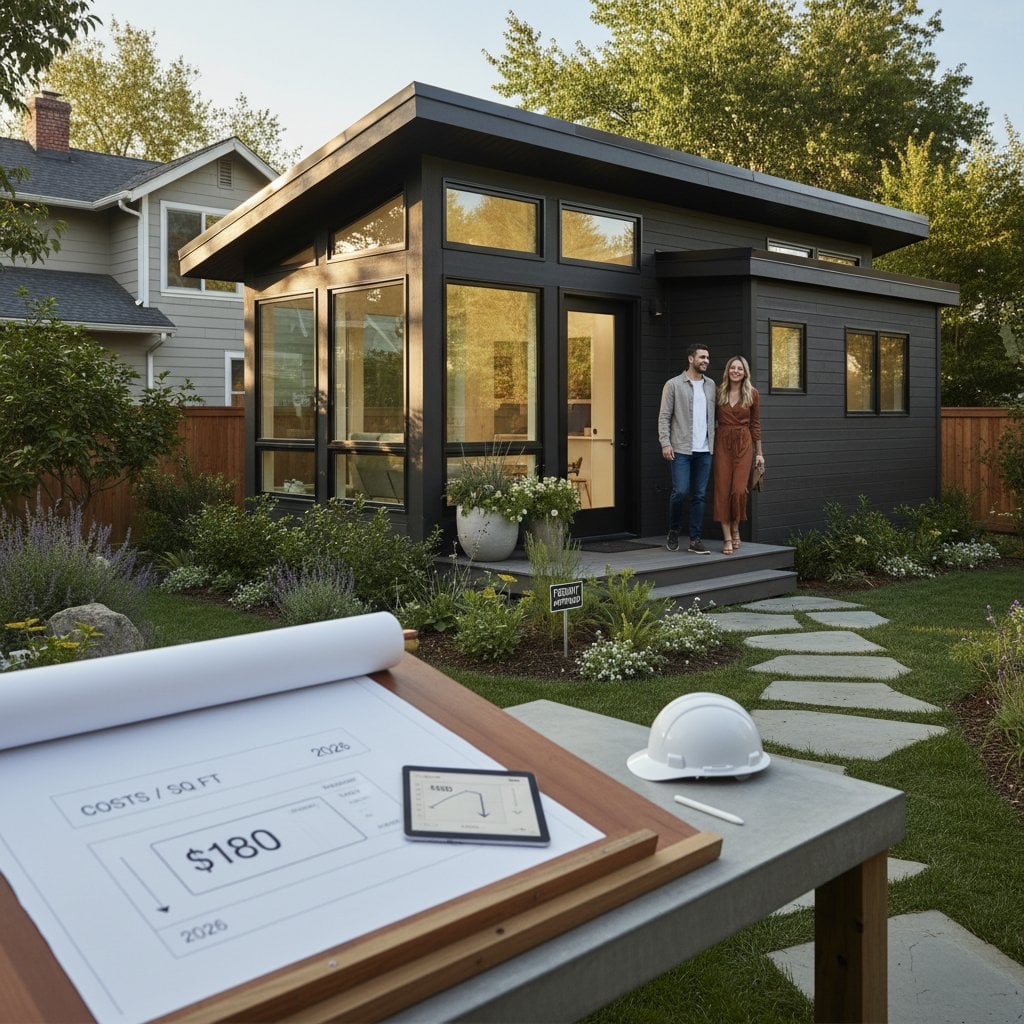
Expect prefab ADUs to range from $180 to $400 per square foot. For instance, a basic 400-square-foot studio might total $72,000 to $160,000, whereas a 800-square-foot two-bedroom unit could climb to $144,000 to $320,000. These figures encompass initial design, off-site manufacturing, transportation, and foundational setup, yet omit site grading, regulatory fees, and infrastructure connections.
Key Pricing Influences
- Unit Dimensions and Configuration – Expanded areas demand additional framing, insulation, and roofing materials, directly elevating labor and supply costs.
- Land Readiness – Properties with steep inclines or dense vegetation require excavation or clearing, potentially adding $5,000 to $15,000.
- Support Structure Options – Opt for pier-and-beam foundations at lower costs for stable soils, or invest in reinforced concrete slabs for seismic zones, which may increase expenses by 20 to 30 percent.
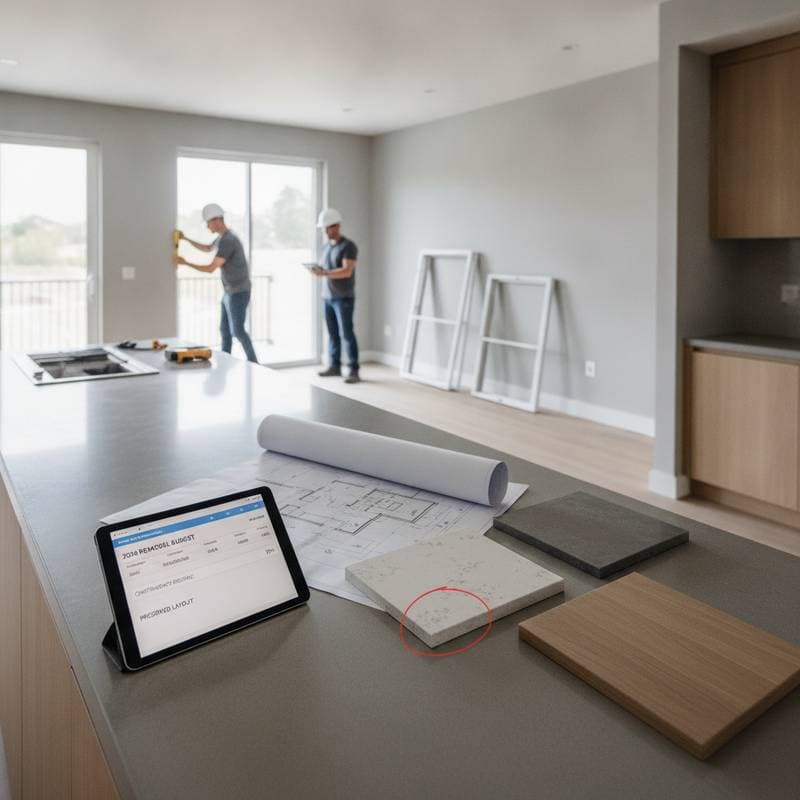
- Interior and Exterior Upgrades – Select durable laminate countertops over granite to save 10 to 15 percent, and incorporate double-pane windows for energy savings that pay off over time.
- Logistics and Location – Units shipped beyond 100 miles incur freight surcharges; local sourcing cuts these by up to $2,000 per module.
Investment Potential
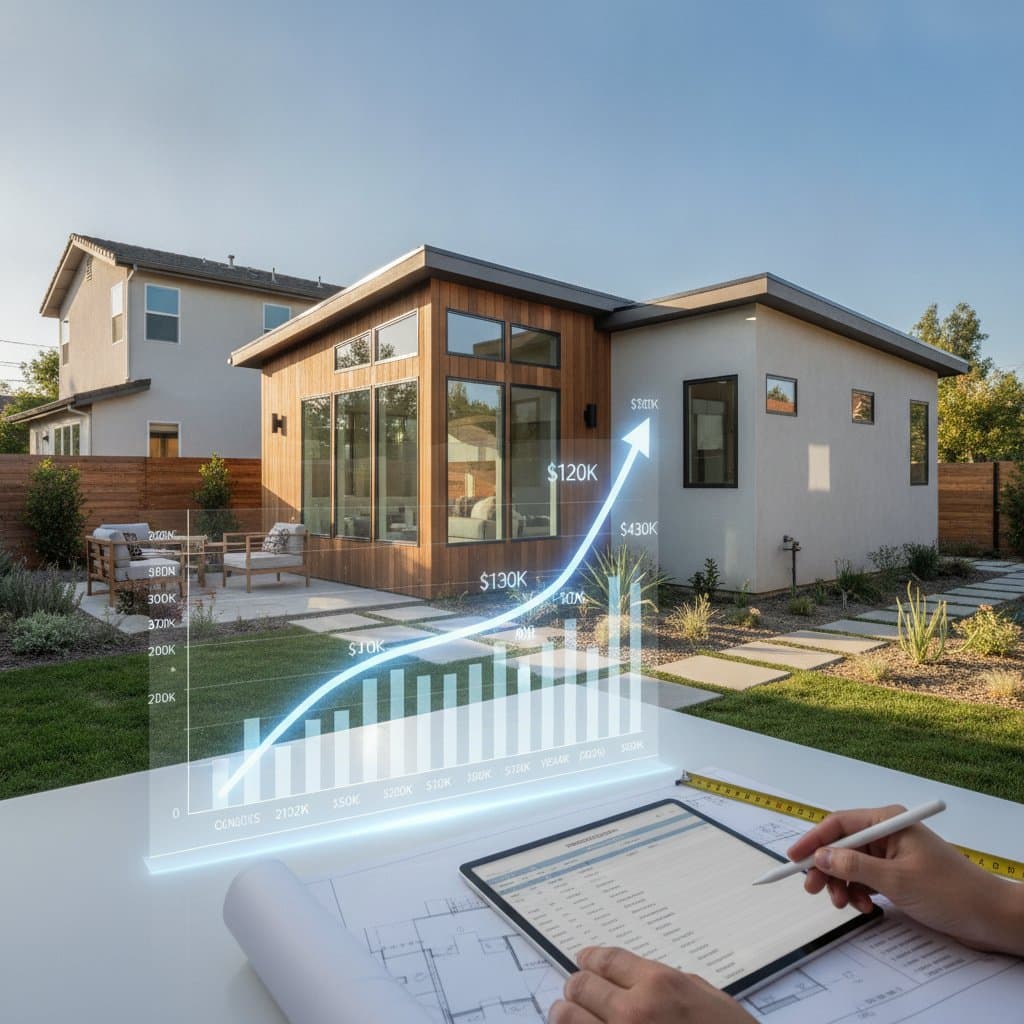
These additions frequently yield 50 to 80 percent returns through rental yields averaging $1,200 to $2,500 monthly in urban markets, or enhanced home appraisals adding $100,000 or more to market value. Factor in tax incentives for energy-efficient builds to accelerate payback periods to under five years.
Navigating Permit Requirements and Expenses
Local regulations dictate ADU approvals, typically involving zoning compliance, structural safety, and utility integrations. Familiarity with these steps streamlines the path to authorization.
Typical Fee Structures
Aggregate permit charges span $3,000 to $10,000, varying by municipality. Progressive areas like California often subsidize fees for units under 1,000 square feet, whereas valuation-based systems in other states scale with project scope.
Approval Sequence
- Zoning Assessment – Verify lot eligibility, including minimum distances from property lines and primary residence.
- Blueprint Evaluation – Submit engineered drawings highlighting seismic reinforcements and fire separations to align with codes like the International Residential Code.
- Infrastructure Alignment – Coordinate with providers to confirm septic capacity or grid connections, avoiding retrofits that add $4,000 to $8,000.
- Occupancy Clearance – Schedule walkthroughs to validate installations, ensuring ventilation and egress meet standards.
Streamlining Approvals
Prepare submissions with scaled site plans and elevation views to expedite reviews. Engage utility experts during pre-application consultations to identify constraints. Document all interactions with officials via email for accountability. Partner with architects versed in regional ordinances to preempt revisions.
Full Project Schedules
Prefab methods accelerate assembly, yet preparatory and regulatory phases set the pace. Proactive management keeps timelines on track.
Phase-by-Phase Duration
- Conceptual Design and Approvals: 2 to 4 months, including iterations based on feedback.
- Off-Site Production: 1 to 2 months, with weather-independent factory work.
- On-Site Groundwork and Base: 1 month, focusing on leveling and anchoring.
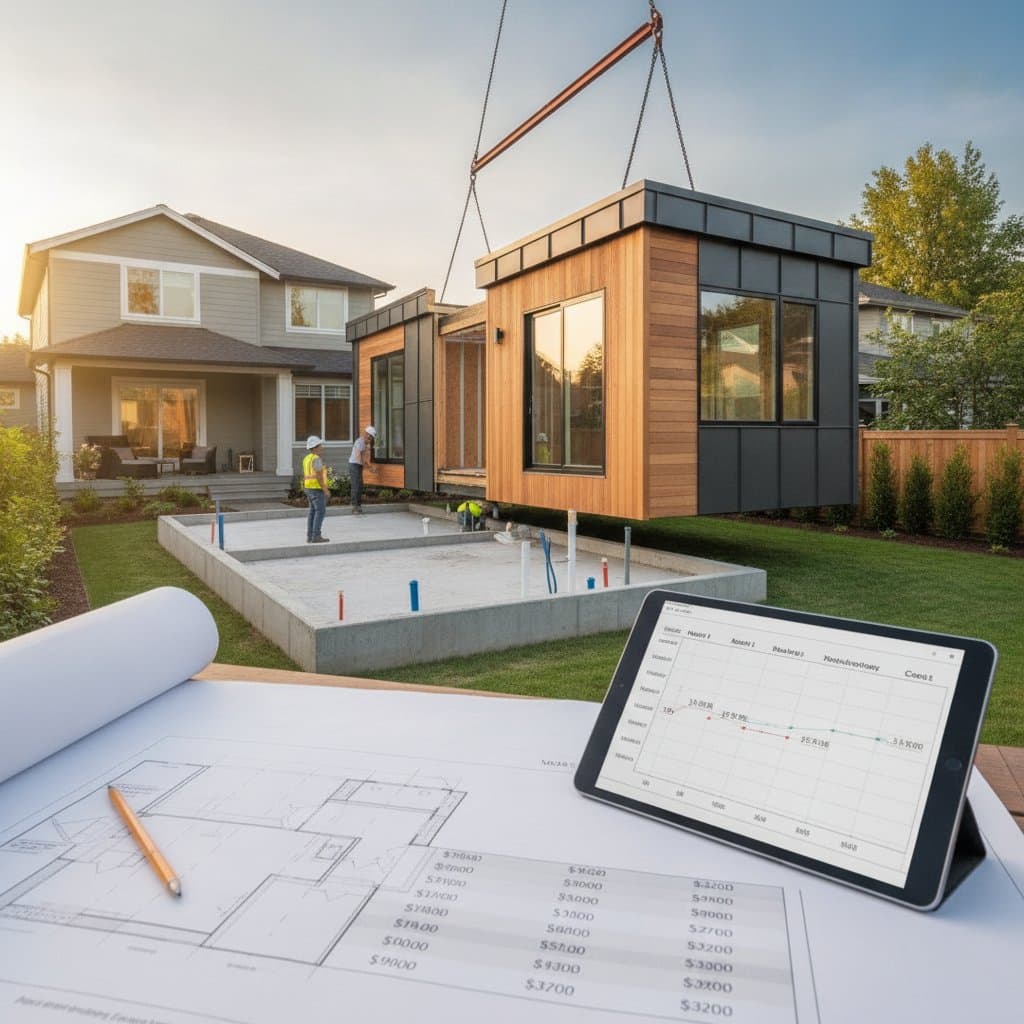
- Transport and Assembly: 2 to 4 weeks, requiring crane access and crew synchronization.
- Finishing Touches and Checks: 2 to 3 weeks, covering hookups and certifications.
Overall, projects span 5 to 8 months, allowing occupancy by the next season with diligent oversight.
Avoiding Timeline Extensions
Anticipate seasonal rains by scheduling foundations in dry periods. Select vendors with permit expediting services to bypass queues. Maintain a single point of contact for utilities to resolve issues swiftly. Local fabricators reduce shipping variables, ensuring modules arrive intact.
Deciding Between Self-Management and Expert Involvement
While prefabs arrive nearly finished, critical elements like earthworks and systems integration demand skilled execution. Homeowners with construction backgrounds might manage cosmetics such as wall treatments or yard integration.
Engage certified specialists for:
- Soil stabilization and base pouring
- Wiring, piping, and HVAC installations
- Regulatory filings and compliance verifications
Undertaking these without credentials risks rework fees exceeding $10,000 and prolonged downtime.
Strategies for Expense Control
Opt for pre-engineered layouts to slash design fees by 30 percent. Integrate sustainable materials like recycled steel framing for rebates up to $5,000. Consolidate services with integrated firms handling permits and builds to negotiate bulk discounts. Advance site surveys to align deliveries precisely. Solicit bids from at least three suppliers, emphasizing warranties and lead times for balanced selections.
Selecting and Onboarding Experts
Involve contractors from the outset for challenging sites involving slopes or adjacency to main structures. Verify credentials through state licensing boards, review portfolios of similar prefab installs, and secure bonds covering $1 million in liability. Insist on detailed proposals outlining milestones, contingencies, and phased payments tied to inspections. This foundation prevents disputes and ensures seamless progress.
Addressing Frequent Inquiries
What is the expected lifespan of a prefab ADU?
Proper upkeep, including annual roof checks and pest control, supports durability of 40 to 60 years, on par with site-built residences.
Advancing Your ADU Project
Prefab ADUs offer a reliable avenue to augment space and equity with controlled impacts. Through precise financial planning, proactive regulatory engagement, and targeted expertise, transform your vision into a compliant, revenue-generating asset that elevates your property's versatility.