2025 Prefab ADU Costs: Full Installation Breakdown
Accessory dwelling units built through prefabrication, known as prefab ADUs, gain increasing appeal among homeowners seeking adaptable spaces for rental opportunities, extended family living, or personal use. This construction method provides shorter build times and more reliable budgets than traditional on-site projects. A thorough grasp of the complete cost structure proves vital prior to launching such an endeavor. This resource details prevailing prefab ADU expenses, elements that shape pricing, the installation process, and scenarios warranting expert involvement.
What This Guide Covers
- Standard prefab ADU price points and expected ranges
- Detailed allocation of expenses for materials, labor, and preparatory site tasks
- Primary variables that elevate or reduce the overall investment
- Recommendations for handling installation independently or with professionals
- Effective strategies to control costs and boost enduring benefits
Factors That Influence Prefab ADU Pricing
Site-specific conditions and regional building mandates shape the ultimate expense for each project. A solid understanding of these elements enables precise financial planning and helps prevent unforeseen charges.
Size and Layout
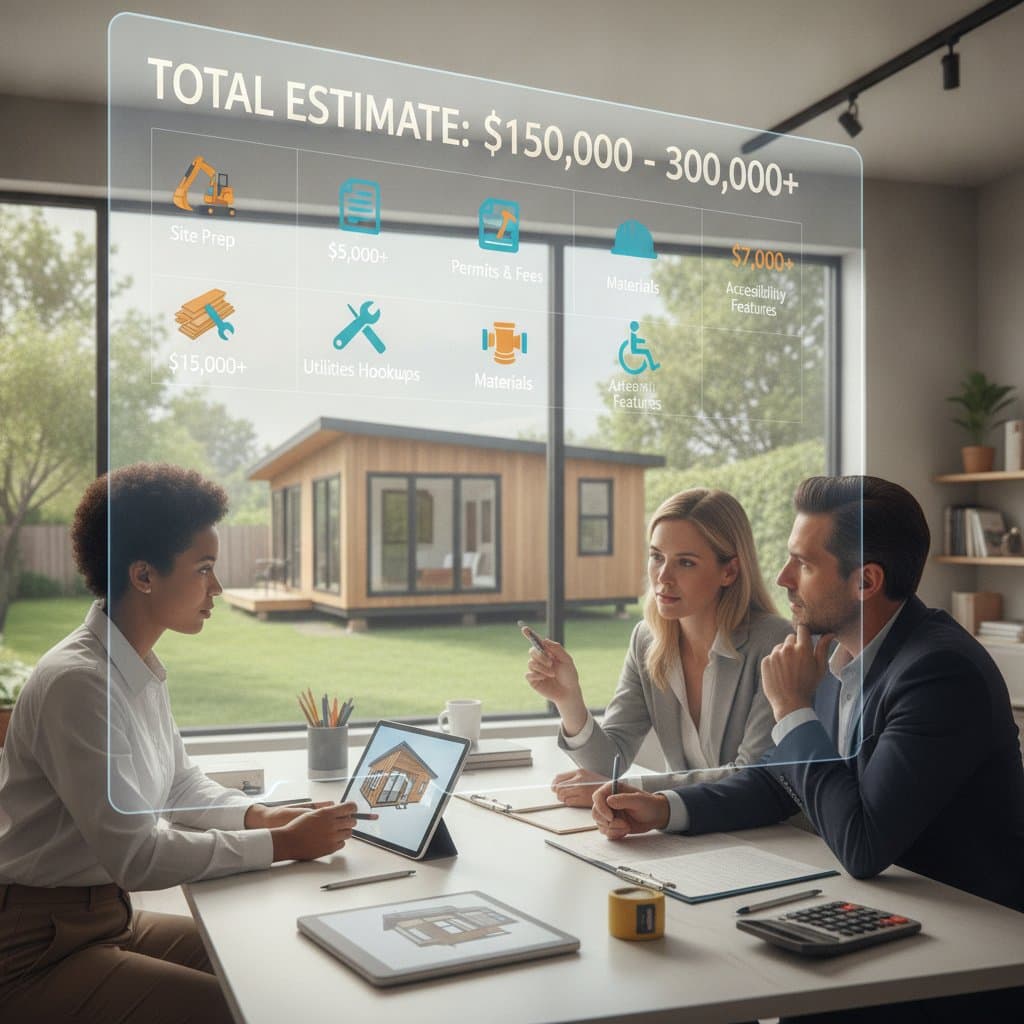
Units with greater dimensions demand higher investments per square foot, primarily because of increased requirements for materials and integrated systems like heating and ventilation. For instance, a 400-square-foot studio might total around $160,000 at the lower end, while a 600-square-foot two-bedroom configuration could approach $280,000.
- Studio or one-bedroom configurations: $350 to $450 per square foot
- Two-bedroom configurations: $400 to $500 per square foot
Streamlined designs minimize expenditures on foundational elements and utility setups, whereas elaborate multi-room arrangements introduce additional demands for plumbing lines and electrical wiring.
Site Conditions
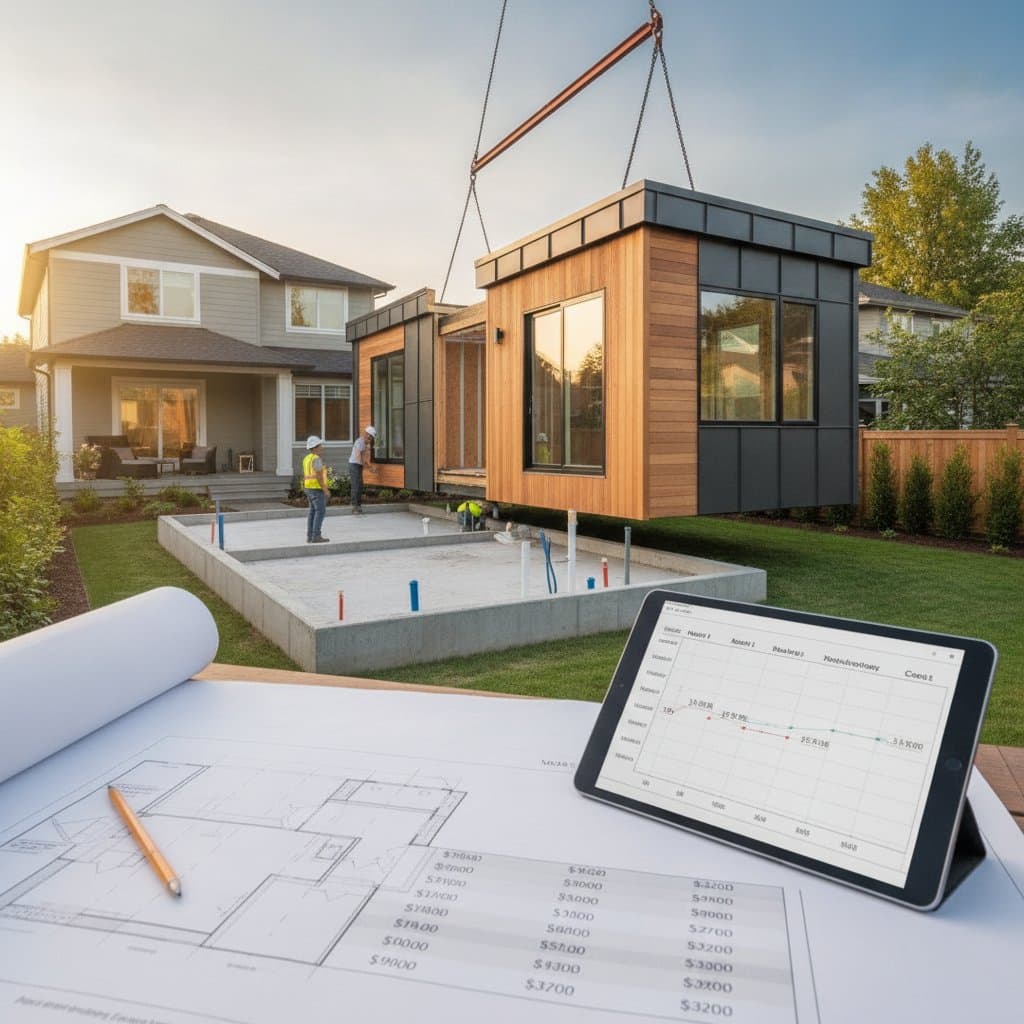
Properties with level terrain and easy access lower the need for extensive labor and heavy machinery. Challenging landscapes, such as those with slopes or limited maneuvering room, often require supplementary features like retaining structures, soil grading, or crane operations, potentially adding $10,000 to $30,000 to the total outlay. Conduct a professional site assessment early to quantify these impacts accurately.
Utility Distance
Linking the ADU to current infrastructure for sewage, water supply, and electricity proceeds smoothly in cases of proximity but escalates in expense with greater separation. Extended excavation for lines or enhancements to the primary electrical panel can contribute $5,000 to $15,000 or more. Map out existing utilities on your property diagram to estimate these connections during the planning phase.
Finishes and Fixtures
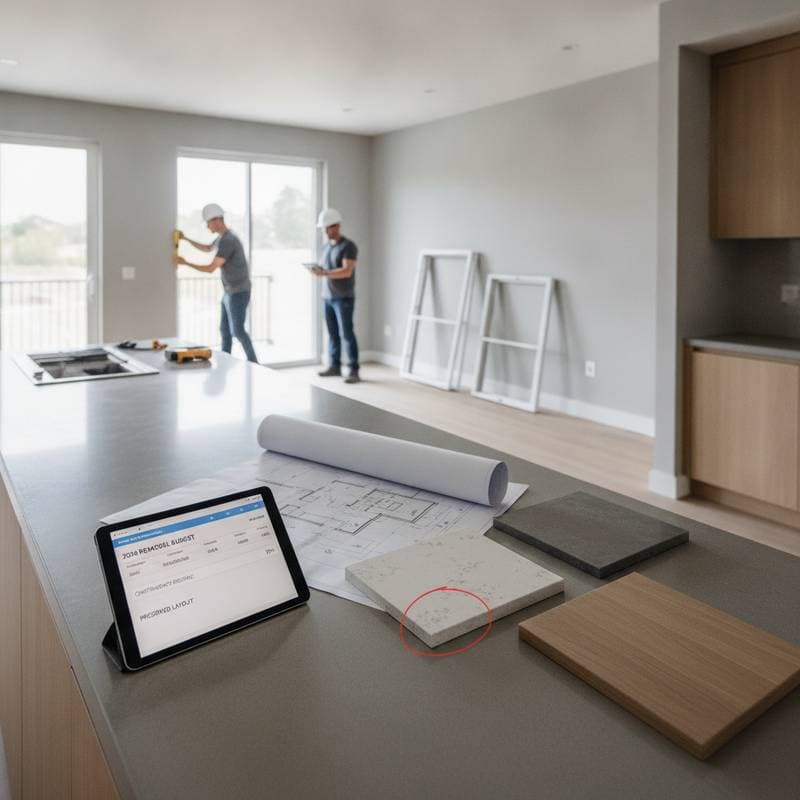
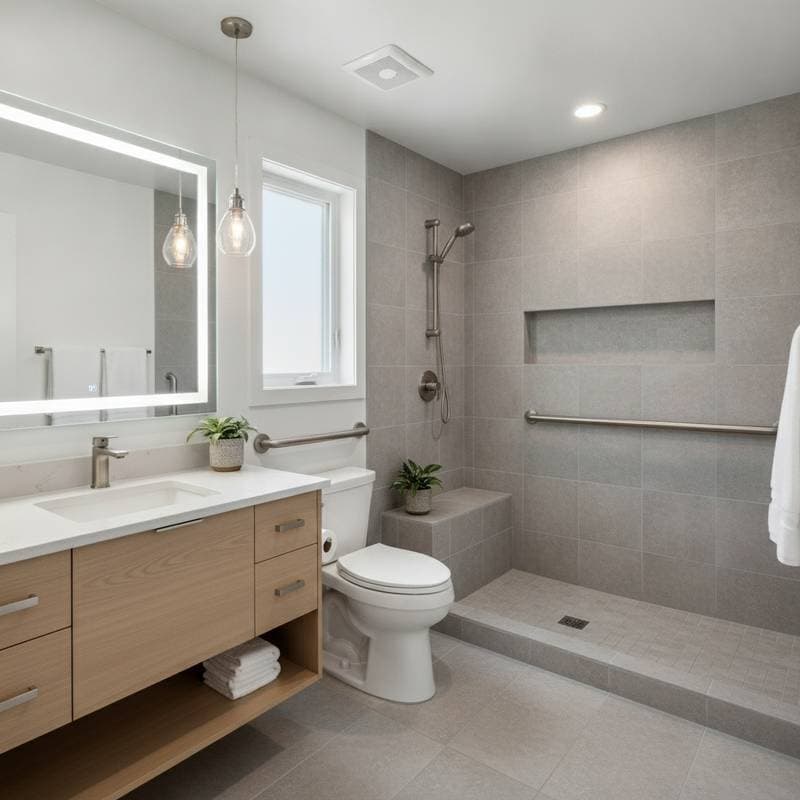
Manufacturers offer prefab models with basic or upgraded interior packages. Selections for surfaces, storage solutions, and built-in appliances might increase the project budget by 10 to 20 percent. Opt for practical mid-level options, such as resilient laminate surfaces or simulated stone counters, to maintain aesthetics and utility without excessive spending.
Local Regulations
Expenses for approvals, architectural evaluations, and environmental assessments differ across municipalities. Certain areas implement expedited procedures for ADU developments, which streamline timelines and cut administrative fees by up to 50 percent. Research your jurisdiction's zoning ordinances and fee schedules through the local planning department well in advance of commencing design work.
Money-Saving Tips and ROI Insights
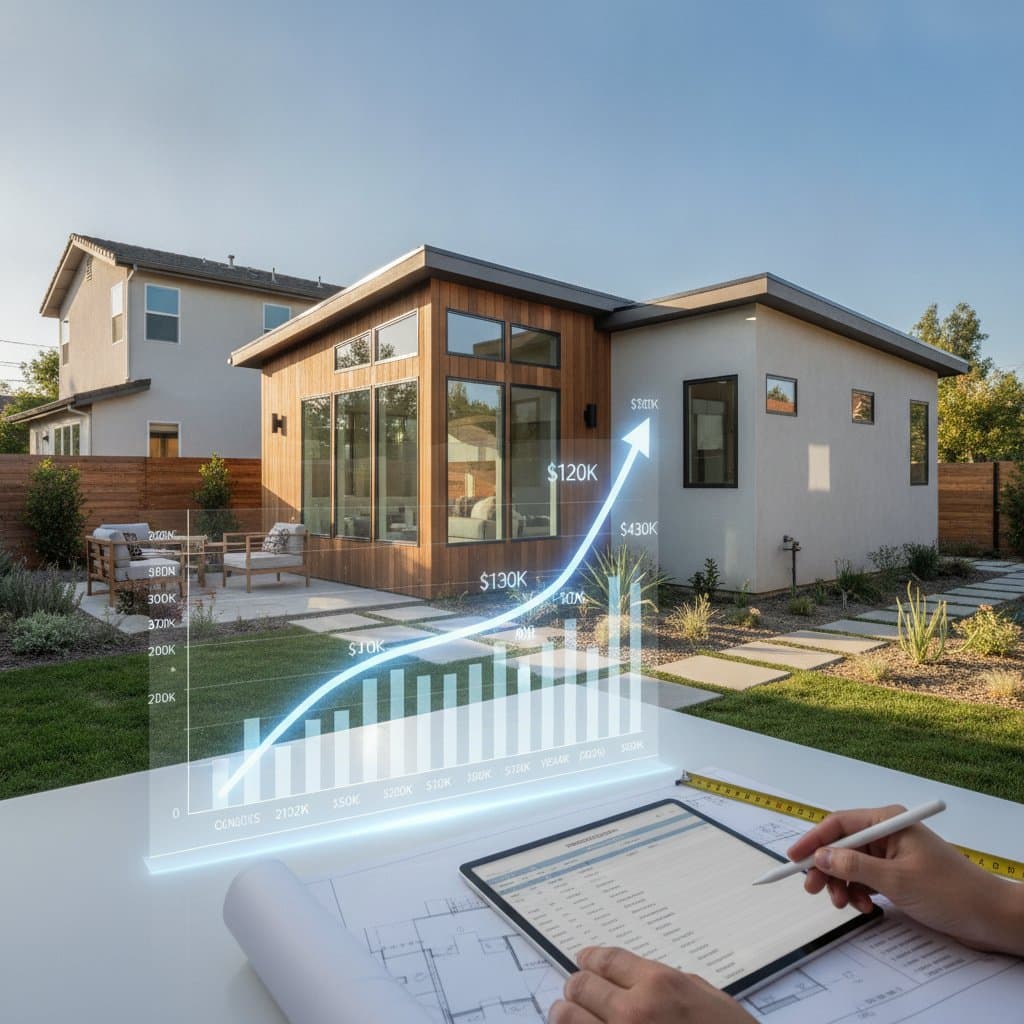
Investments in prefab ADUs typically recoup 60 to 80 percent of their value upon property sale, influenced by market location and leasing potential. Thoughtful preparation enhances immediate usability and future financial gains.
Ways to Save Without Cutting Quality
- Select a pre-designed model over bespoke specifications. Production facilities optimize assembly for popular floor plans, reducing fabrication time and material waste.
- Opt for straightforward interior selections with robust intermediate-grade products, including high-performance synthetic flooring or engineered composite counters that mimic higher-end appearances.
- Outline utility pathways during initial site surveys to eliminate the need for costly adjustments once assembly starts.
- Bundle permitting applications alongside other property upgrades to consolidate fees and administrative efforts.
- Solicit bids from several manufacturers and scrutinize inclusions like site preparation, transportation, and basic foundational elements to identify the most comprehensive package.
Improving ROI
Leasing an ADU generates reliable revenue streams, with average monthly rents ranging from $1,500 to $3,000 based on size and locale. Standalone structures draw renters desiring independence, whereas integrated additions suit relatives or temporary visitors. Incorporate sustainable elements such as efficient heating systems, energy-saving illumination, and thermal-barrier glazing to decrease utility bills by 20 to 30 percent annually and appeal to environmentally aware occupants.
Safety, Code, and Maintenance Considerations
All prefab ADUs adhere to established residential standards for construction and efficiency. Local authorities mandate examinations at critical stages, including base preparation, wiring installation, water systems, and completion certification.
Safety and Compliance
- Secure necessary authorizations prior to any ground disturbance.
- Validate the producer's accreditation aligns with state-specific criteria.
- Arrange evaluations at foundational, mechanical, and finishing milestones.
- Retain records of approvals and inspections for liability protection and marketability.
Failure to meet these protocols risks project halts, fines up to $5,000 per violation, or structural invalidation.
Maintenance and Lifespan
Well-constructed prefab ADUs endure 30 to 50 years with proper care. Routine tasks encompass gutter clearing, facade refreshing every five to seven years, and climate control system tune-ups biannually. Many components carry producer guarantees against fabrication flaws for 10 years or longer, providing reassurance on durability.
When to Hire a Professional Contractor
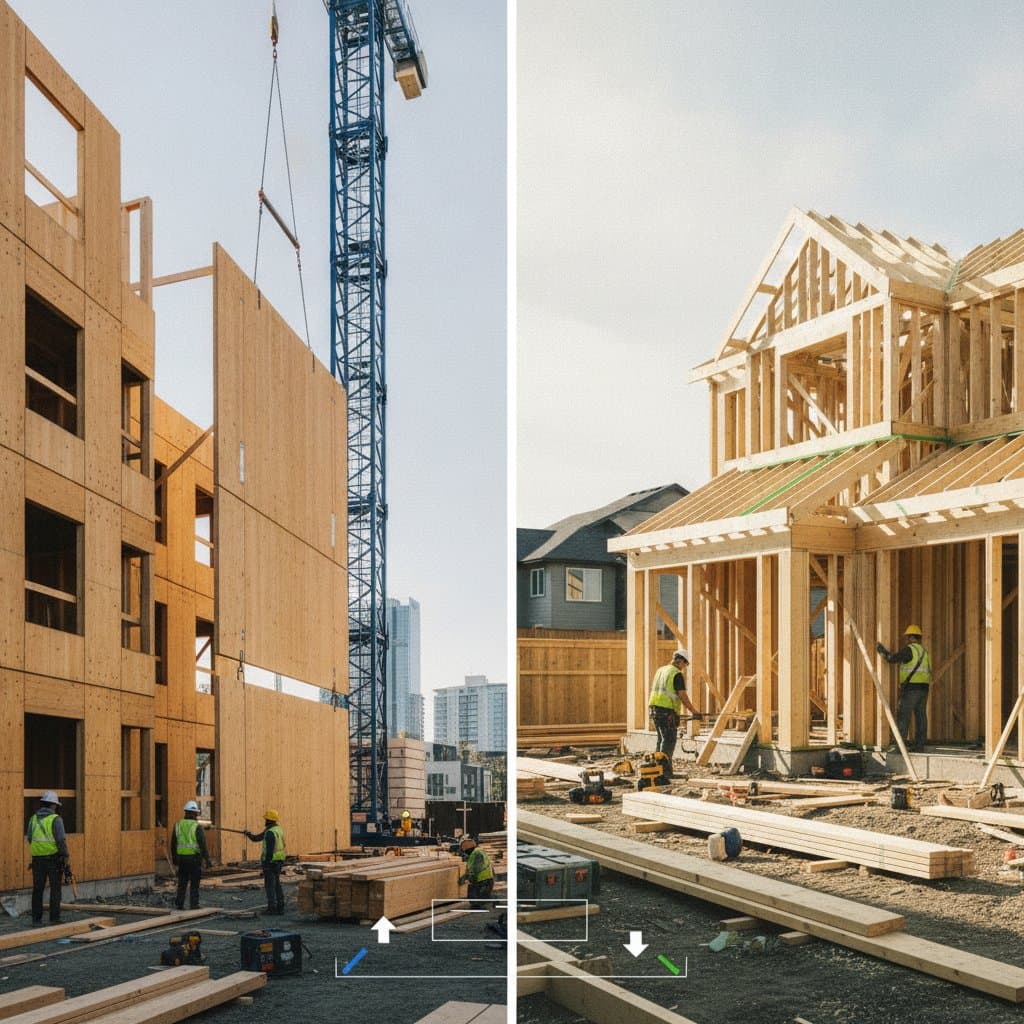
Although the core structure arrives factory-assembled, orchestrating onsite activities among specialists, regulators, and service providers demands expertise. Engage a builder versed in modular integration to navigate complexities efficiently.
How to Evaluate a Professional
- Confirm credentials and coverage via official licensing databases.
- Review completed works through client testimonials and visual documentation of similar installations.
- Demand an itemized proposal delineating workforce charges, supply costs, and third-party contributions.
- Clarify protection terms extending to prefabricated parts and field assembly.
Experienced oversight handles approvals, oversees transport logistics, and upholds regulatory adherence, thereby reducing errors and adhering to timelines. For projects exceeding 500 square feet or involving utility extensions, professional management proves essential to avert delays costing $1,000 weekly or more.
Your Next Steps
Prefab ADUs provide enduring utility, versatility, and economic advantages through meticulous execution. Begin by clarifying the intended purpose, whether for familial expansion, visitor accommodations, or income production. Collect proposals from at least three prefab providers, noting inclusions in their standard offerings.
Next, assess your terrain features, measure separations to existing services, and consult municipal guidelines on approvals. This preparation averts budget overruns and scheduling disruptions. Through disciplined allocation, specialist guidance, and emphasis on superior craftsmanship, the resulting ADU enhances your home's functionality and secures lasting prosperity.