Prefab ADUs in 2026: Costs and Strategies for Backyard Income
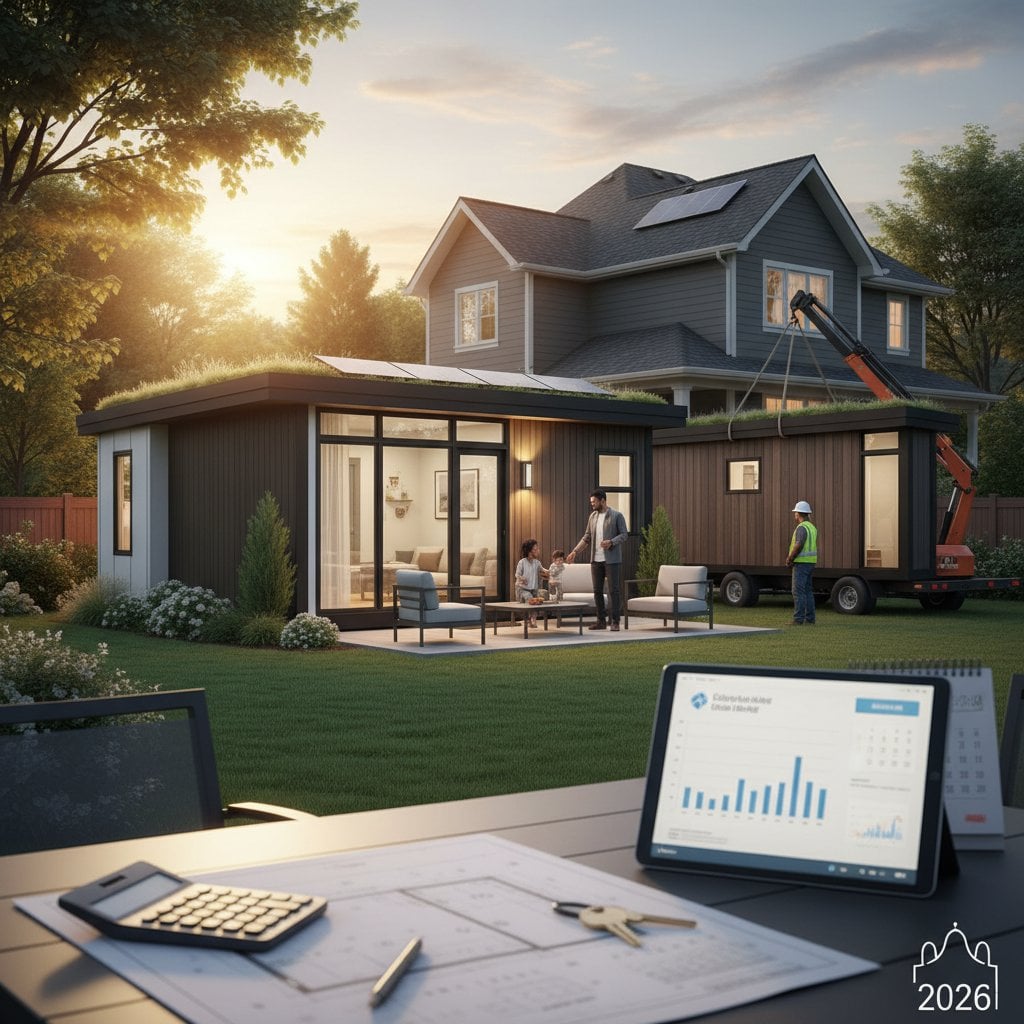
Prefab accessory dwelling units, known as ADUs, expand how homeowners utilize their properties for added space, value, and revenue. These units support rental opportunities, multigenerational households, or dedicated guest areas, all while delivering quicker construction and predictable expenses. This guide details the factors shaping prefab ADU costs, effective budgeting approaches, and realistic return projections for integrating a unit into your backyard.
Key Insights from This Guide
- Differences between prefab ADUs and site-built constructions
- Cost ranges and influencing variables
- Projected returns on investment and revenue streams
- Scenarios for professional involvement versus self-managed tasks
- Strategies for upkeep and sustained property enhancement
Breaking Down Prefab ADU Costs
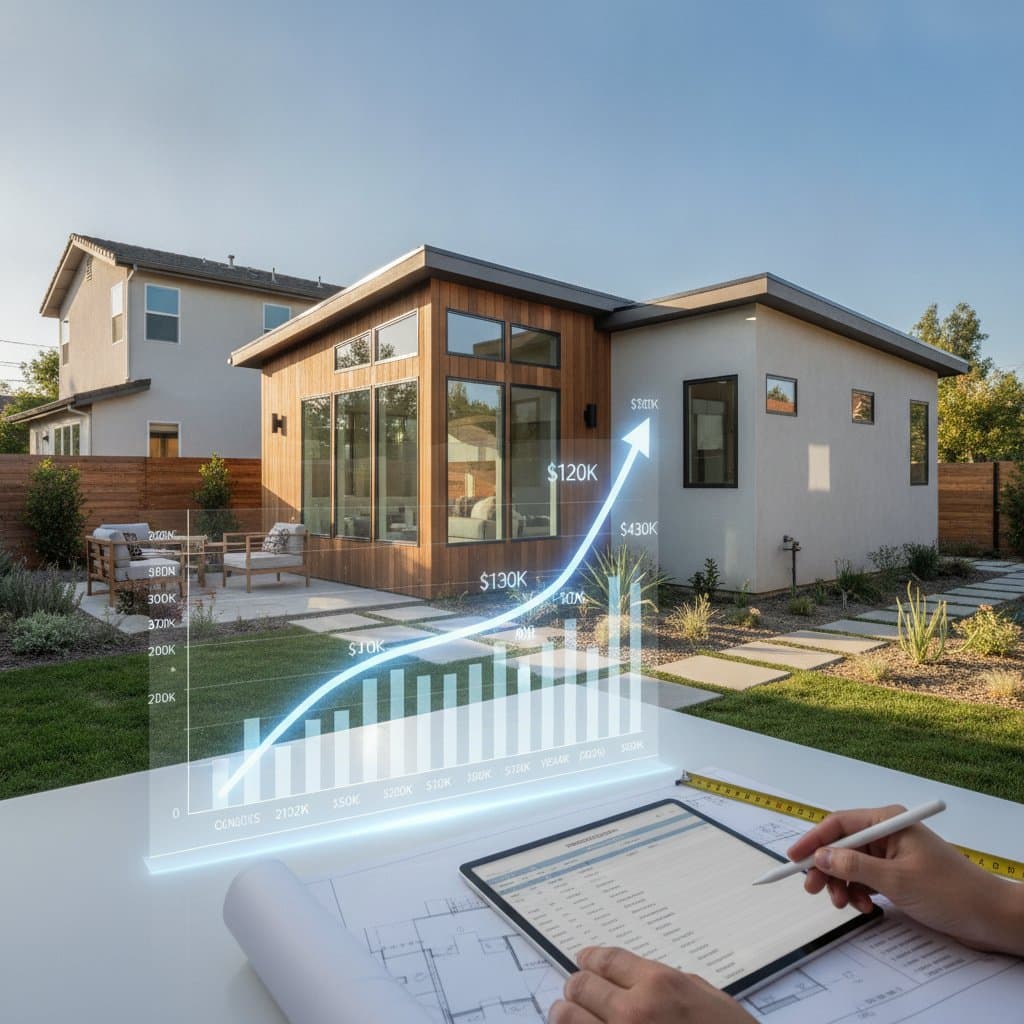
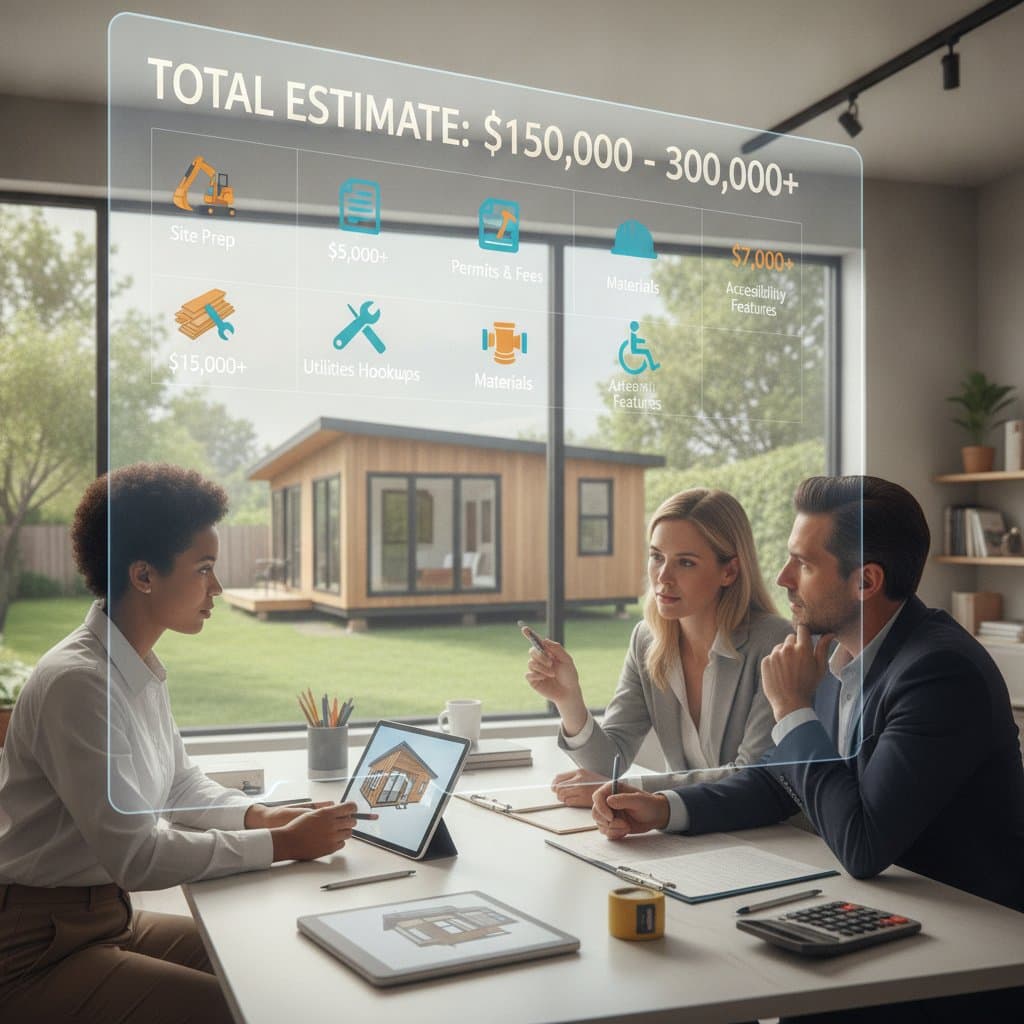
The price of a prefab ADU varies based on dimensions, material selections, and site demands. Complete units typically range from $250 to $500 per square foot, encompassing site preparation, foundational elements, delivery, and assembly.
For instance, a compact 400-square-foot studio begins at approximately $100,000. Larger configurations, such as a 1,000-square-foot two-bedroom layout, may exceed $400,000 with enhanced materials and modifications.
Detailed Cost Components
-
Unit Fabrication
The core structure accounts for 50 to 60 percent of the overall expense. This includes factory-assembled components like walls, floors, windows, and built-in fixtures. -
Site Preparation and Foundation
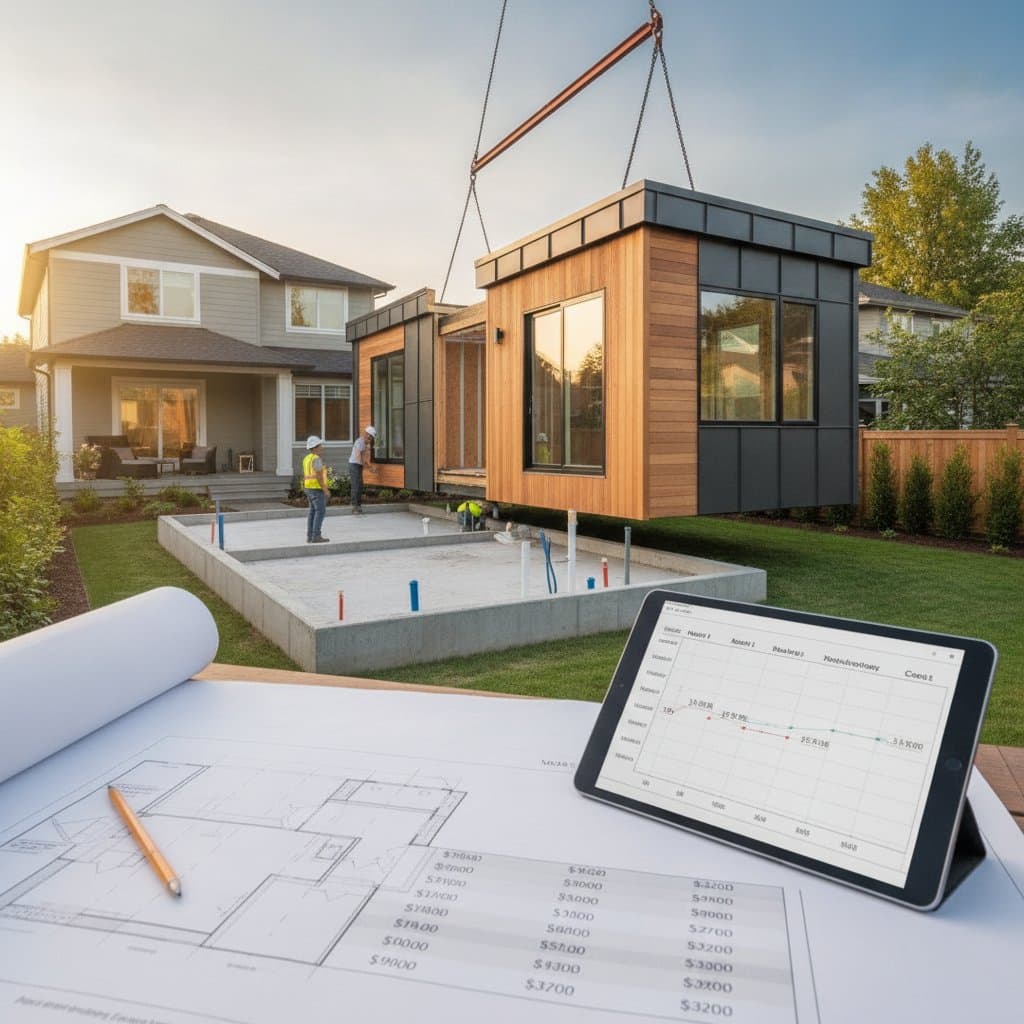
Tasks such as grading, utility trenching, and pouring concrete foundations represent 15 to 25 percent of the budget. Challenging terrains, including slopes or unstable soil, elevate these figures. -
Delivery and Installation
Moving the prefabricated module to the site and positioning it with cranes generally costs $10,000 to $25,000, influenced by travel distance and access ease. -
Utility Connections
Integrating electrical, plumbing, and sewage systems adds $10,000 to $30,000. Proximity to existing utilities plays a major role in minimizing these outlays. -
Permits and Fees
Regulatory approvals, architectural assessments, and environmental fees differ by location, typically spanning $5,000 to $20,000. -
Finishes and Upgrades
Basic options maintain affordability, whereas bespoke elements like high-end cabinetry or luxury flooring increase costs by 10 to 20 percent.
Deciding Between DIY and Professional Services
Although prefab ADUs simplify construction, integrating them requires adherence to structural, electrical, and plumbing standards.
Suitable DIY Elements
- Landscaping adjustments, light grading, or post-installation painting
- Adding fences, walkways, or compact decks
- Selecting and arranging interior furniture and accessories
Essential Professional Roles
- Constructing foundations and linking utilities
- Handling electrical and plumbing integrations
- Managing permit applications and inspections
- Overseeing crane operations and transportation
Engaging certified experts guarantees regulatory compliance and structural integrity. Errors in foundation leveling or utility linkages may lead to expensive corrections. A skilled contractor collaborates with the manufacturer to achieve accurate placement and pass required evaluations.
Navigating Permits and Zoning Requirements
Municipal regulations dictate ADU placement and specifications. Residential areas often permit detached units, yet rules on distances from boundaries, maximum heights, and parking differ across regions.
Prior to committing to a purchase, confirm the following:
- Allowable size minimums and maximums
- Percentage of lot coverage permitted
- Mandatory distances from adjacent properties
- Capacity of existing utilities to support additional demand
- Standards for fire safety and emergency access
Numerous manufacturers assist with compliance checks and provide designs pre-vetted for approval. Overlooking restrictions frequently causes project setbacks, so initiate discussions with local planning offices promptly.
Strategies to Optimize Costs
Investing in a prefab ADU demands significant capital, yet strategic choices can lower expenses and amplify enduring benefits.
-
Select Standard Configurations
Tailored designs inflate engineering and approval charges. Off-the-shelf blueprints accelerate permitting and reduce production fees. -
Prioritize Accessible Sites
Level terrain with straightforward entry points cuts down on excavation and equipment costs. Steer clear of inclined or confined areas that hinder logistics. -
Consolidate Utility Installations
Perform all excavation and connections in a single operation to decrease labor time and disruptions. -
Incorporate Practical Finishes
Choose resilient options such as laminate surfaces resembling stone and resilient flooring. These selections endure use and attract tenants. -
Leverage Shared Infrastructure
If regulations permit, tie the ADU into the primary residence's water or electrical service to avoid duplicate metering expenses. -
Investigate Tailored Financing
Certain financial institutions provide specialized loans for ADUs or home improvement credits, facilitating smoother funding and valuations.
Addressing Frequent Inquiries
Is immediate rental of a prefab ADU possible?
Yes, following successful inspections and receipt of an occupancy permit. Certain areas mandate additional rental permits or notifications.
Does a prefab ADU require its own address or mailbox?
Requirements vary; some locales assign a distinct address, while others do not.
What is the typical installation timeline?
Manufacturing in the factory spans several weeks. On-site preparations and completion add a comparable period, subject to weather and approvals.
Which foundation is optimal?
Concrete slabs prevail for flat sites, whereas elevated foundations address slopes or moisture issues.
Do prefab ADUs promote energy efficiency?
Indeed, many surpass basic insulation norms and accommodate solar integrations or advanced climate control systems.
Safeguarding and Maximizing Your ADU Investment
Prefab ADUs deliver functional expansion and elevate property appeal. They generate consistent income via leasing or support family dynamics, while offering adaptability for evolving circumstances.
Document all approvals, guarantees, and service histories meticulously. Conduct routine cleanings, address issues swiftly, and perform periodic checks to preserve the unit's condition and marketability.
For those pursuing additional revenue or versatile living arrangements, a prefab ADU provides an effective alternative to extensive renovations. Through meticulous preparation, expert collaboration, and diligent care, homeowners realize reliable financial gains alongside heightened property utility and market value.