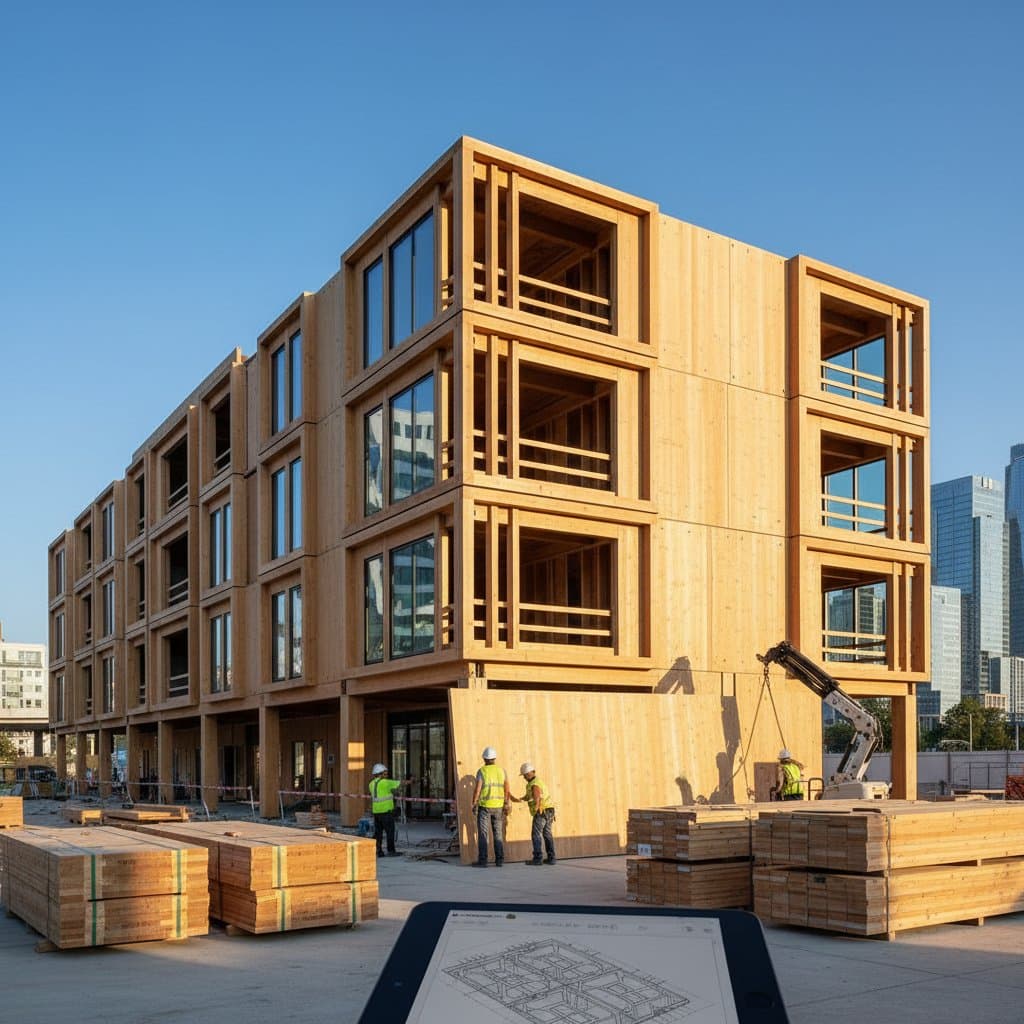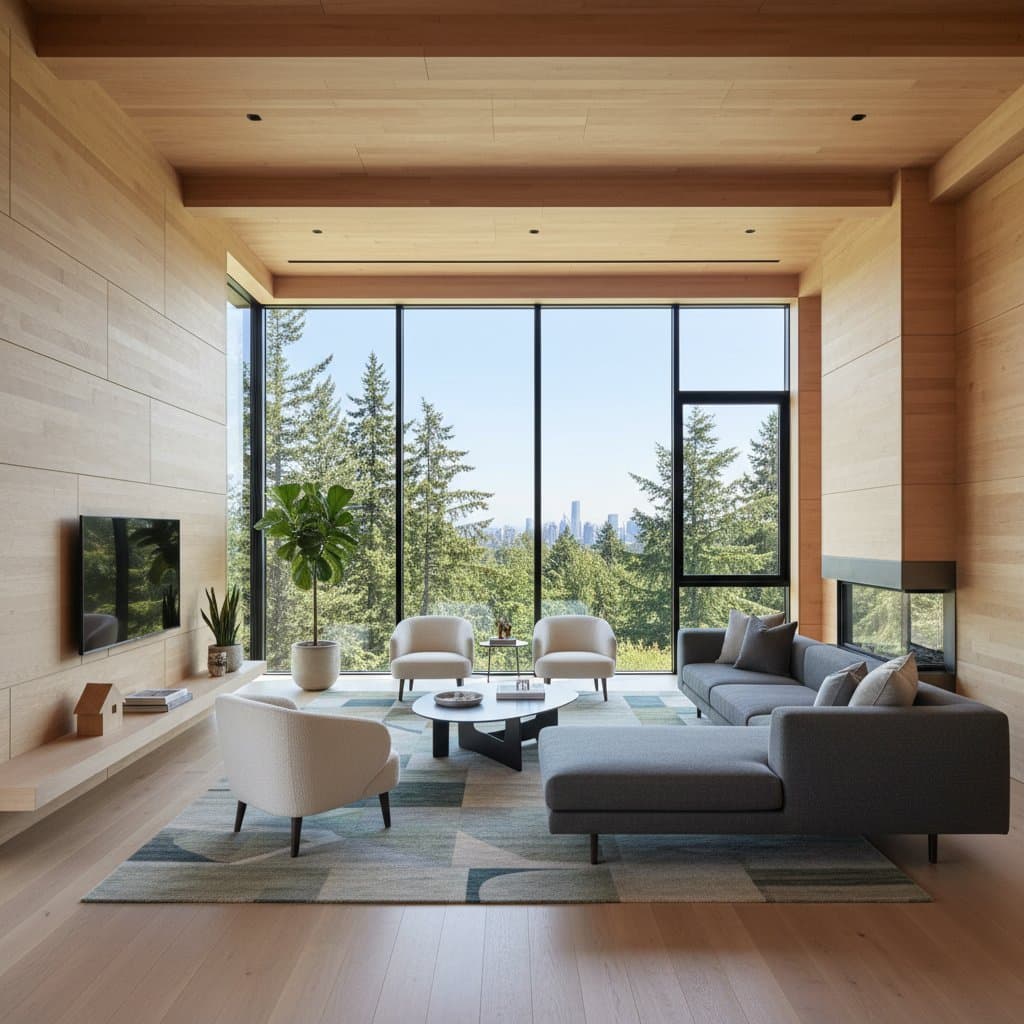
Mass Timber vs Traditional Framing: Real Cost Analysis
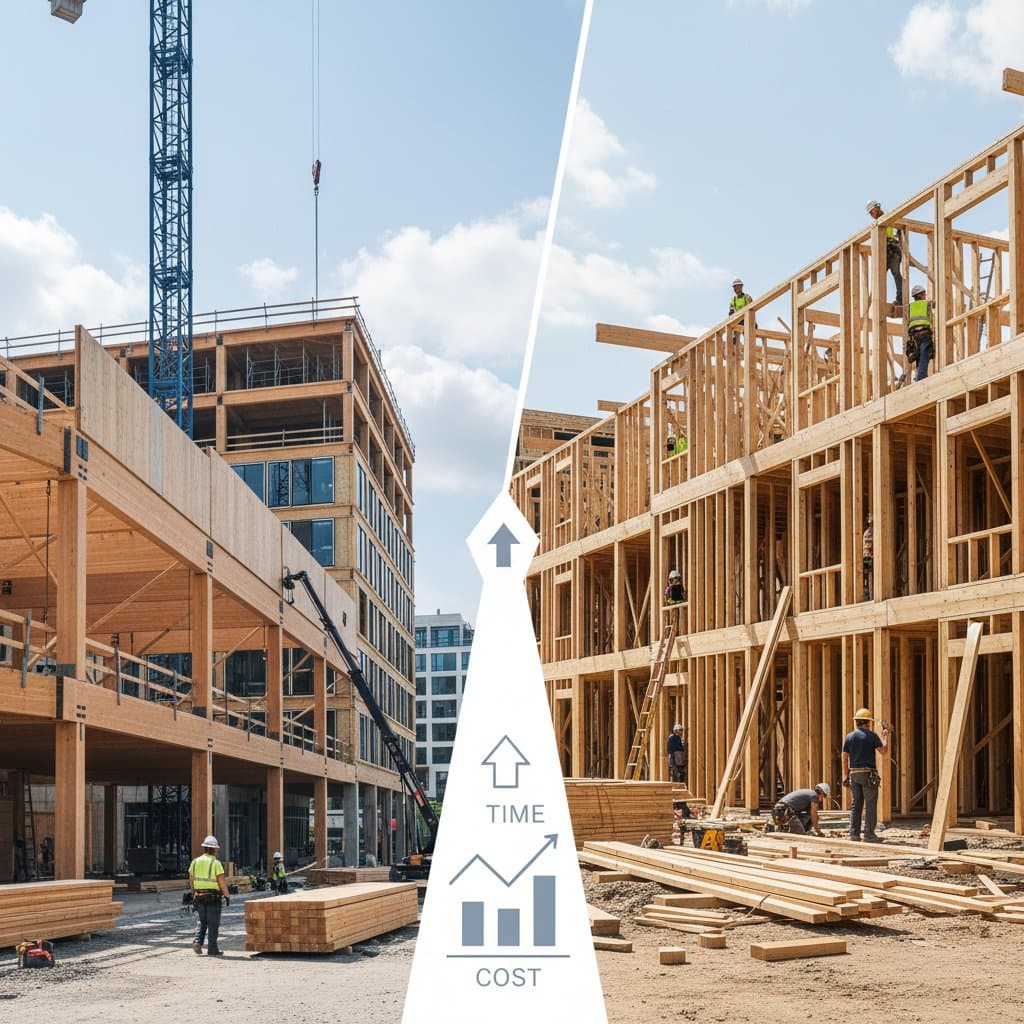
Mass timber offers sustainability, rapid assembly, and aesthetic versatility. Yet, does it deliver true cost savings over traditional framing methods?
Loading...
Articles tagged with wood - Page 2
Mass timber offers sustainability, rapid assembly, and aesthetic versatility. Yet, does it deliver true cost savings over traditional framing methods?
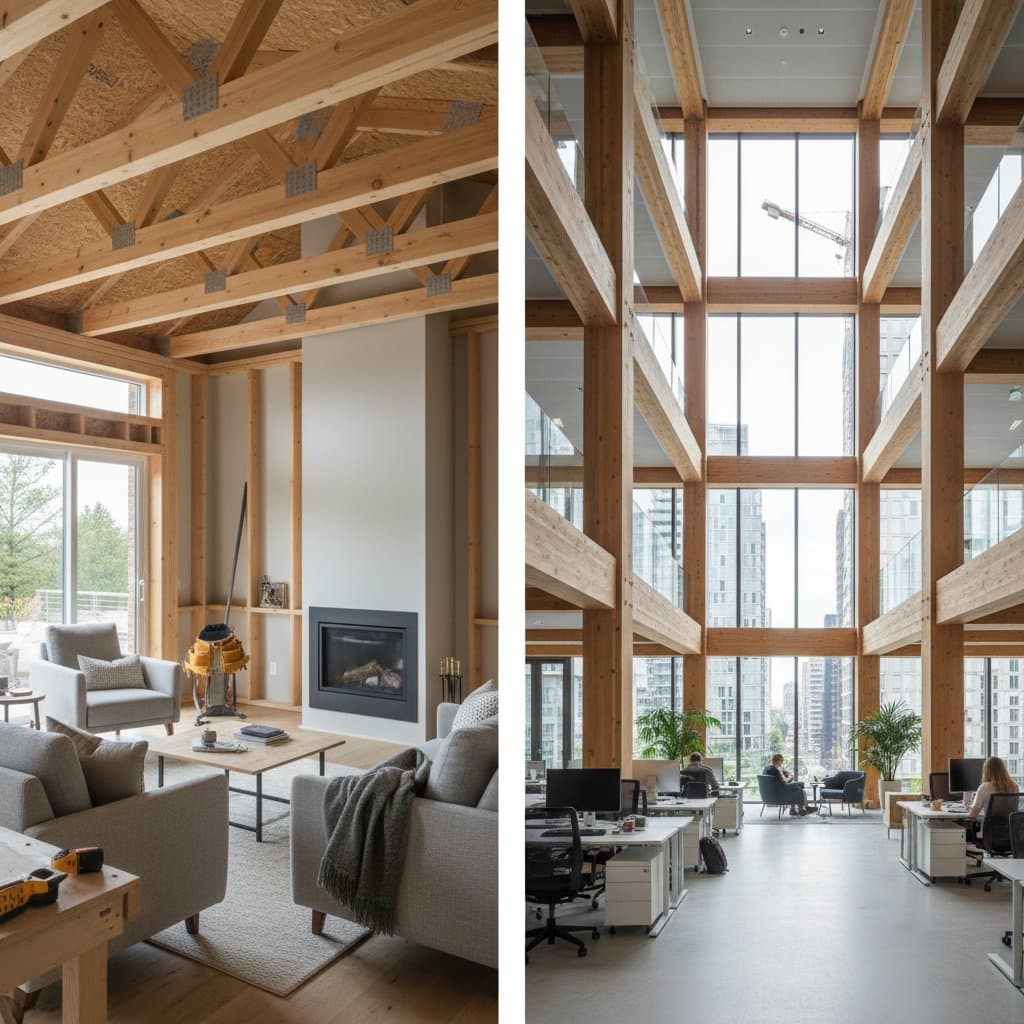
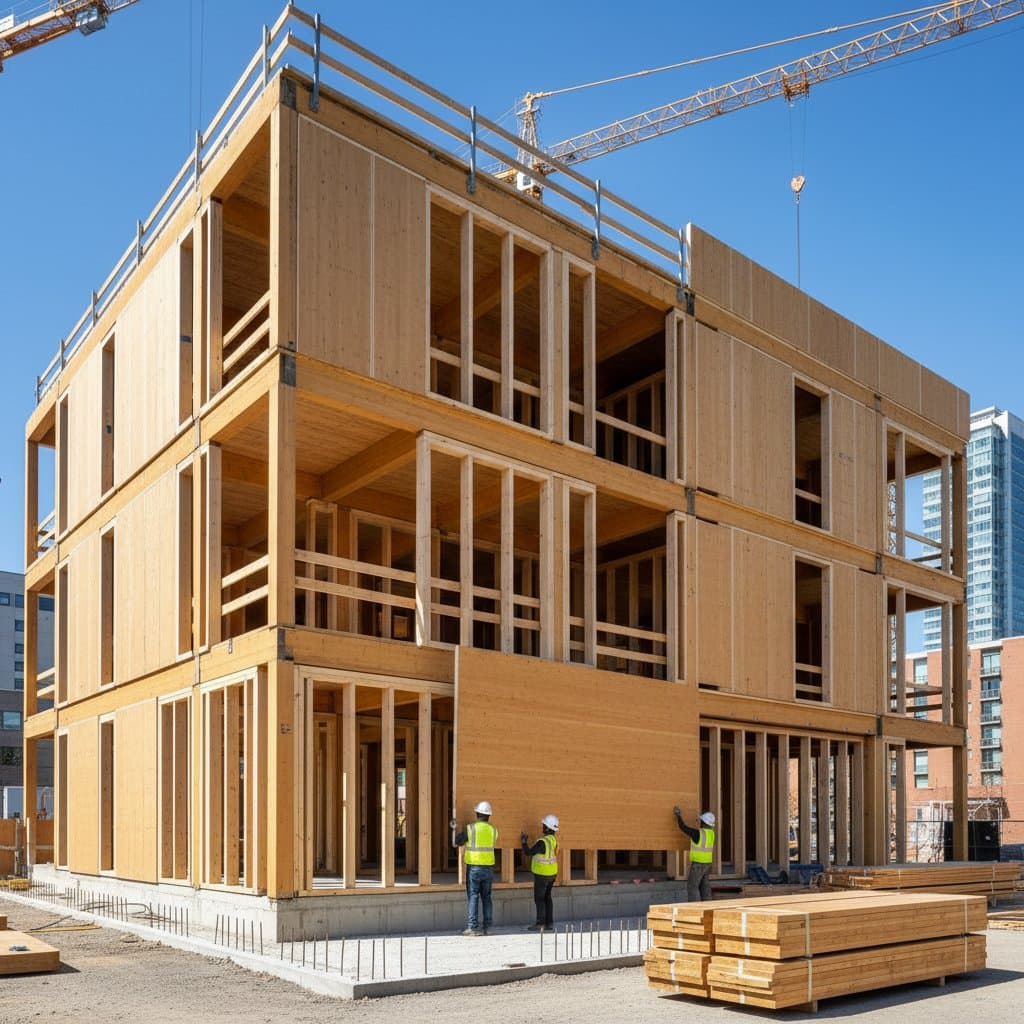
Mass timber provides rapid assembly, enhanced durability, and environmental benefits, whereas traditional framing excels in initial affordability and straightforward execution. This analysis examines permitting processes, labor requirements, fire safety features, and overall installation expenses to help you select the optimal approach for your project's schedule, finances, and objectives prior to final decisions.
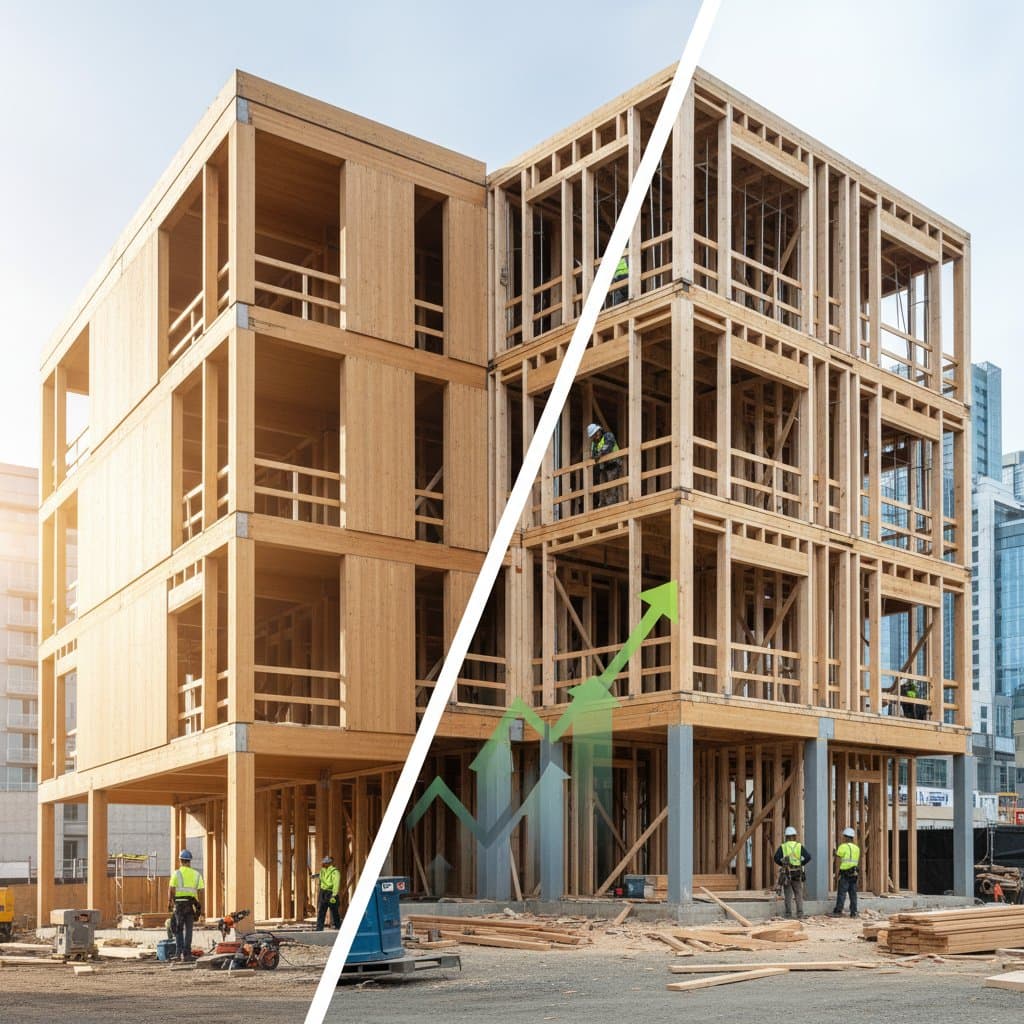
Mass timber and traditional framing both create robust structures, yet their cost benefits vary by project size. Traditional framing proves more economical for small homes due to its simplicity and lower upfront costs, whereas mass timber shines in larger buildings with advantages in installation speed and reduced foundation requirements. Proper attention to engineering, permitting, and safety ensures the selected system aligns with performance needs, budget constraints, and building codes.
Uncover the real costs of mass timber homes in 2026, covering materials, labor, design, and permits. This guide provides timelines, DIY vs. pro comparisons, construction steps, and maintenance strategies for a sustainable timber build.
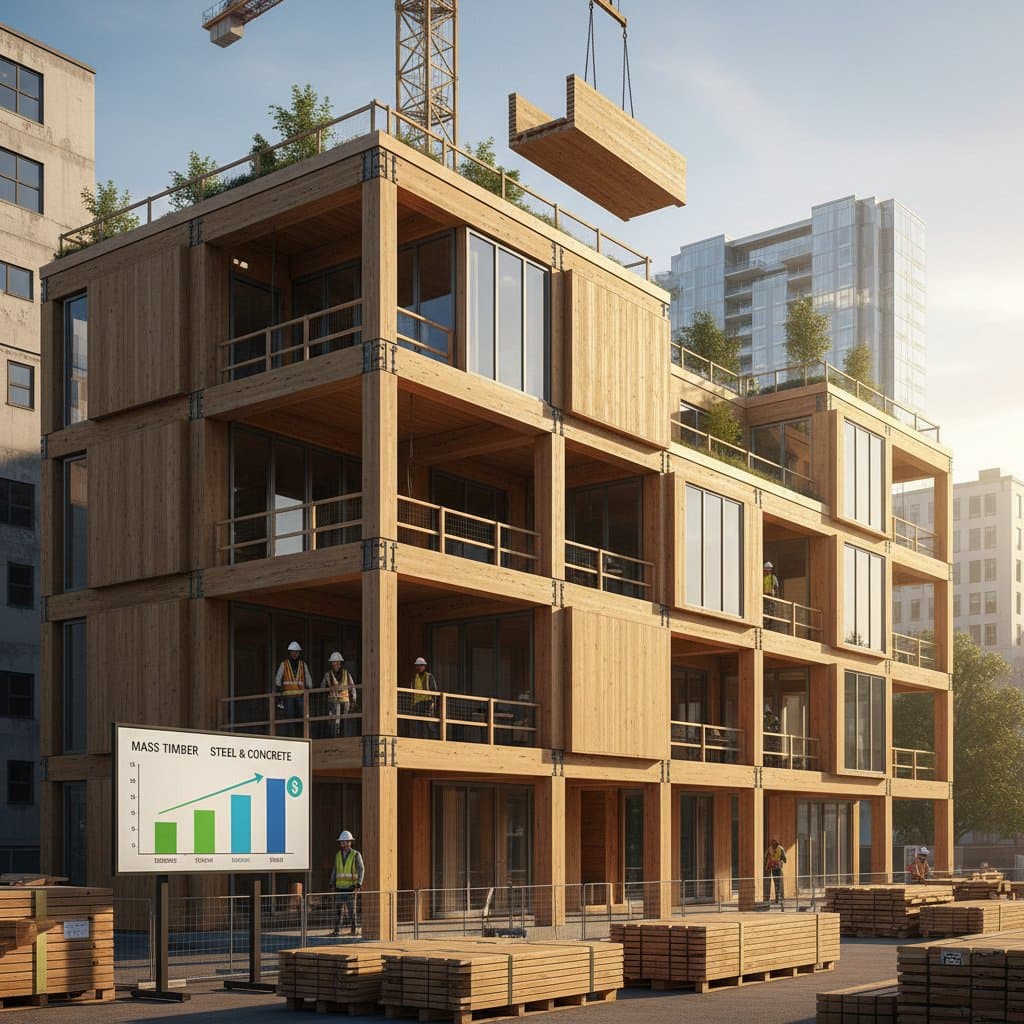
Mass timber construction approaches cost parity with steel and concrete by 2026, fueled by scaled production, efficient designs, and accelerated timelines that reduce overall expenses.
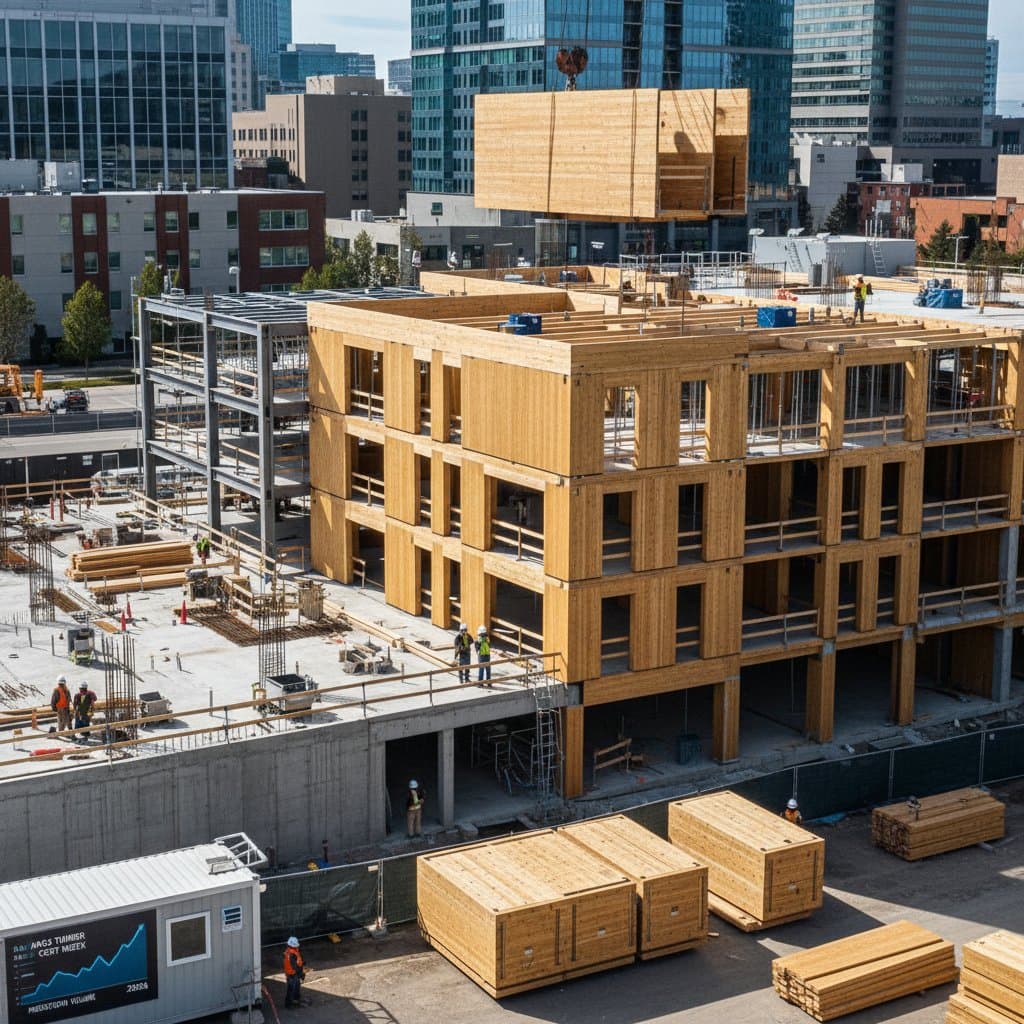
Mass timber transforms construction economics through accelerated timelines, minimized labor, and enduring savings that match or exceed those of steel and concrete. Prefabricated cross-laminated timber panels reduce waste, streamline trade coordination, and promote sustainability. A comprehensive view of lifecycle costs reveals mass timber's superior strength, efficiency, and environmental advantages, positioning it as an intelligent, forward-looking framing option.
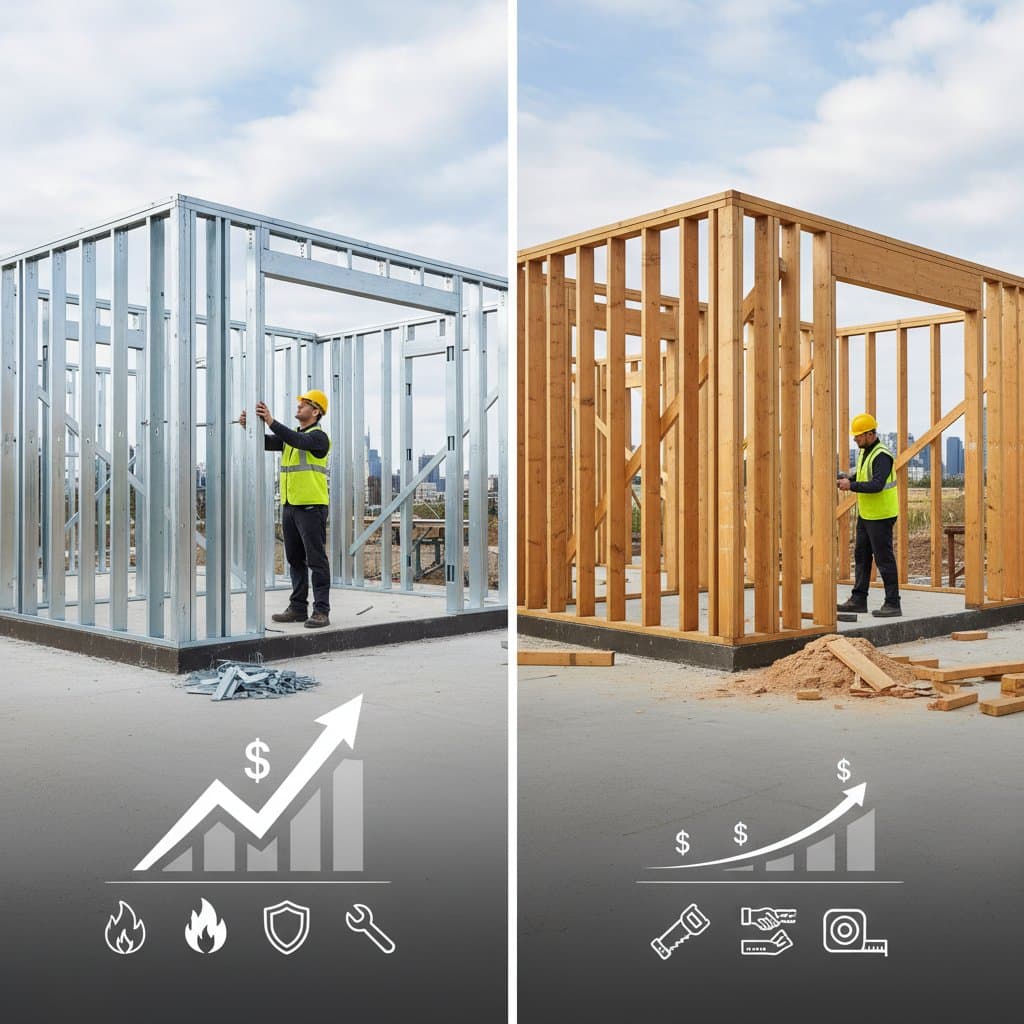
For 2025 residential projects, wood framing leads in upfront costs at $9–$14 per square foot, compared to steel's $12–$18. Steel offers unmatched durability, fire safety, and minimal upkeep for superior long-term savings. Explore DIY feasibility, professional needs, and selection strategies to optimize your build.
In 2025, mass timber construction averages $325 per square foot, often undercutting steel and concrete with faster builds and lower labor. Discover prefabrication benefits, local sourcing strategies, and design tips for cost savings, plus sustainability and durability advantages for your project.
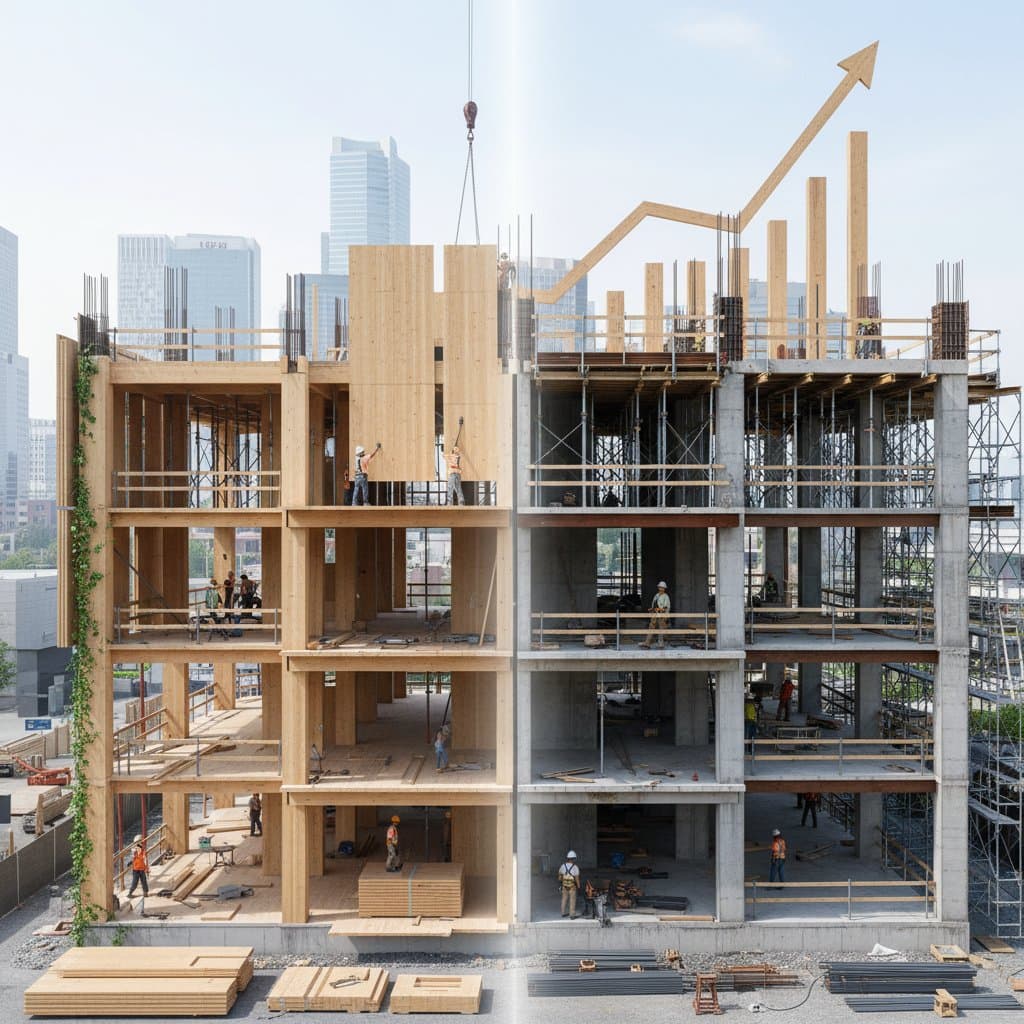
Mass timber transforms construction through accelerated timelines, reduced carbon emissions, and enhanced cost efficiency. Prefabricated elements minimize labor and waste, while superior energy performance and aesthetic appeal elevate long-term returns. Despite variations in regional availability and expertise, market growth positions mass timber to match or surpass traditional materials in overall project expenses by 2025.
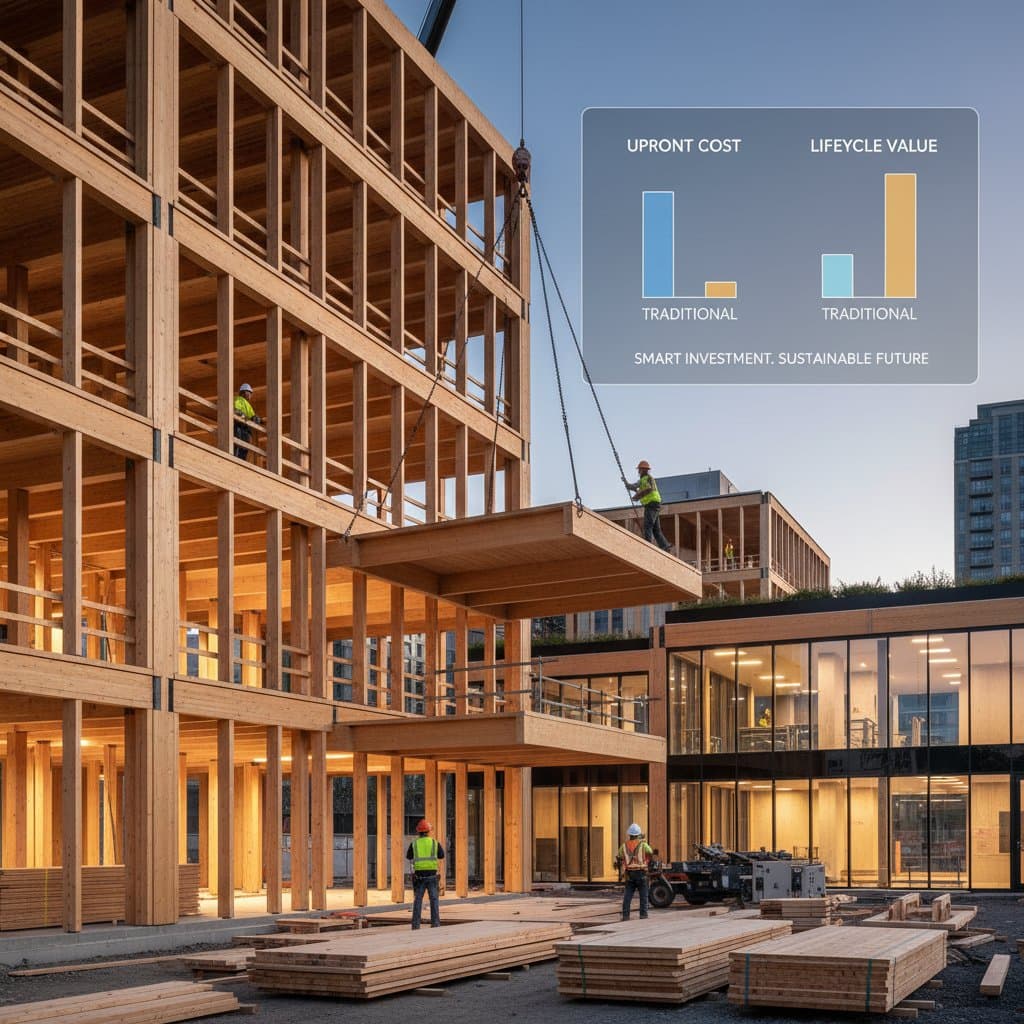
While mass timber often carries a higher initial price tag than traditional framing, its prefabrication advantages, reduced labor needs, and superior long-term durability create substantial savings. By examining total project expenses beyond materials, builders discover how mass timber enhances efficiency, sustainability, and value over time.