
#construction

Articles tagged with construction - Page 11

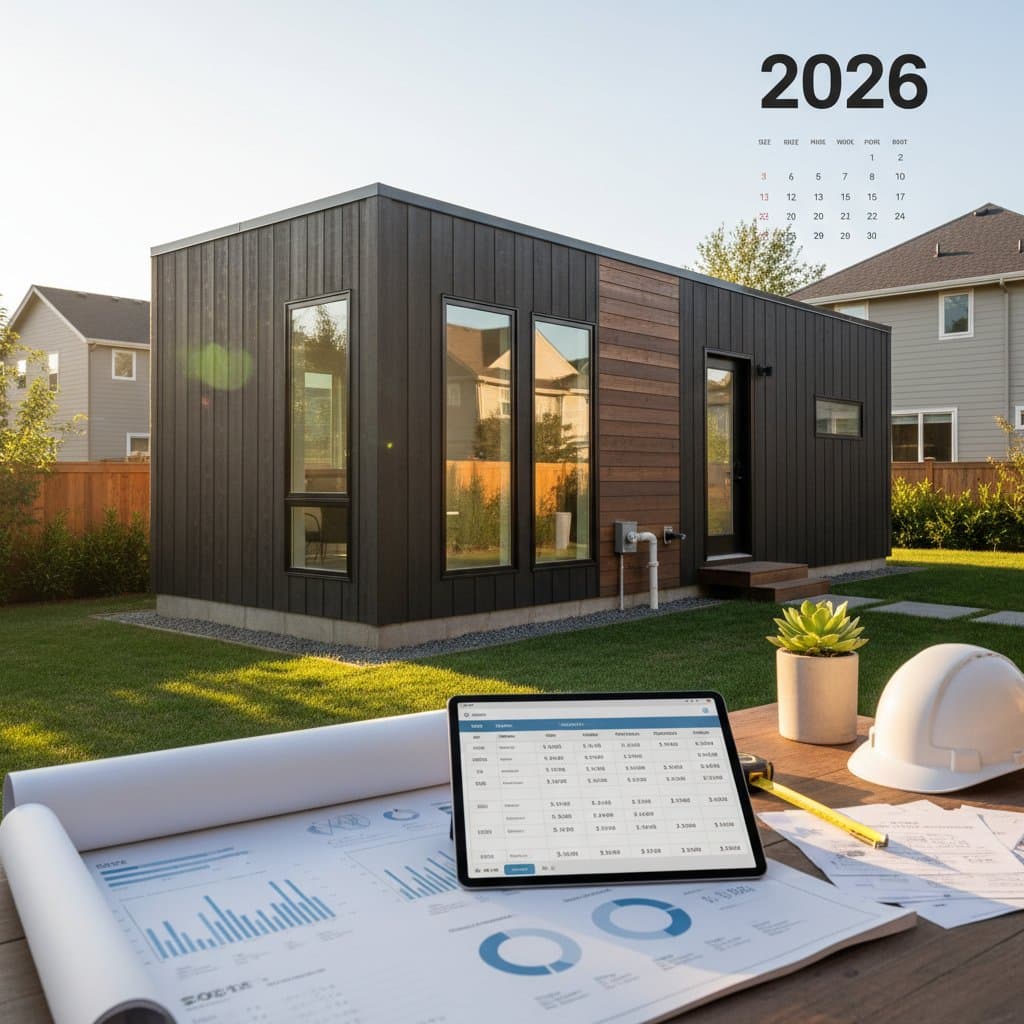
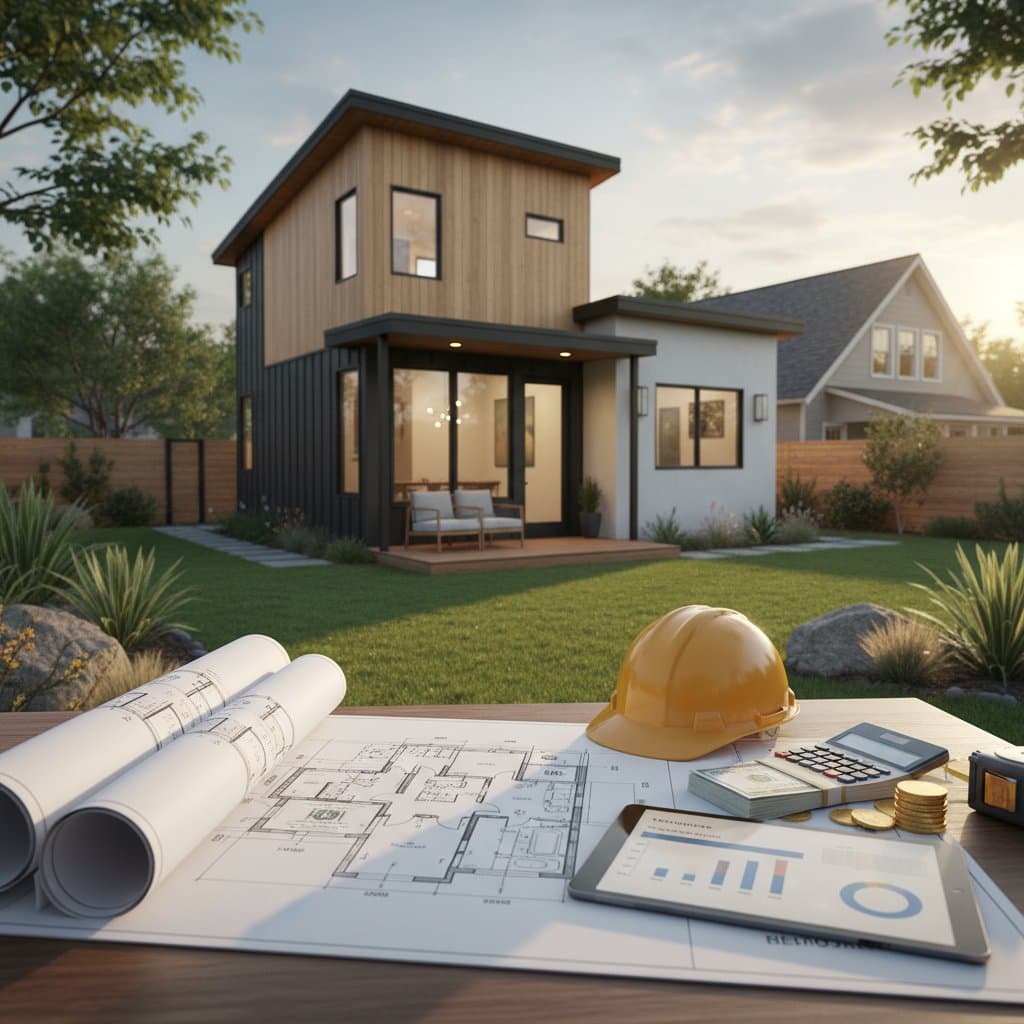
Featured image for What Prefab ADU Installation Really Costs in 2026

What Prefab ADU Installation Really Costs in 2026

Prefab ADUs deliver quick, reliable expansion options for homeowners, yet 2026 pricing hinges on unit size, material choices, site challenges, and regulatory hurdles. This breakdown covers essential expenses from foundations to connections, plus strategies to optimize your budget and enhance property value over time.

5 min read
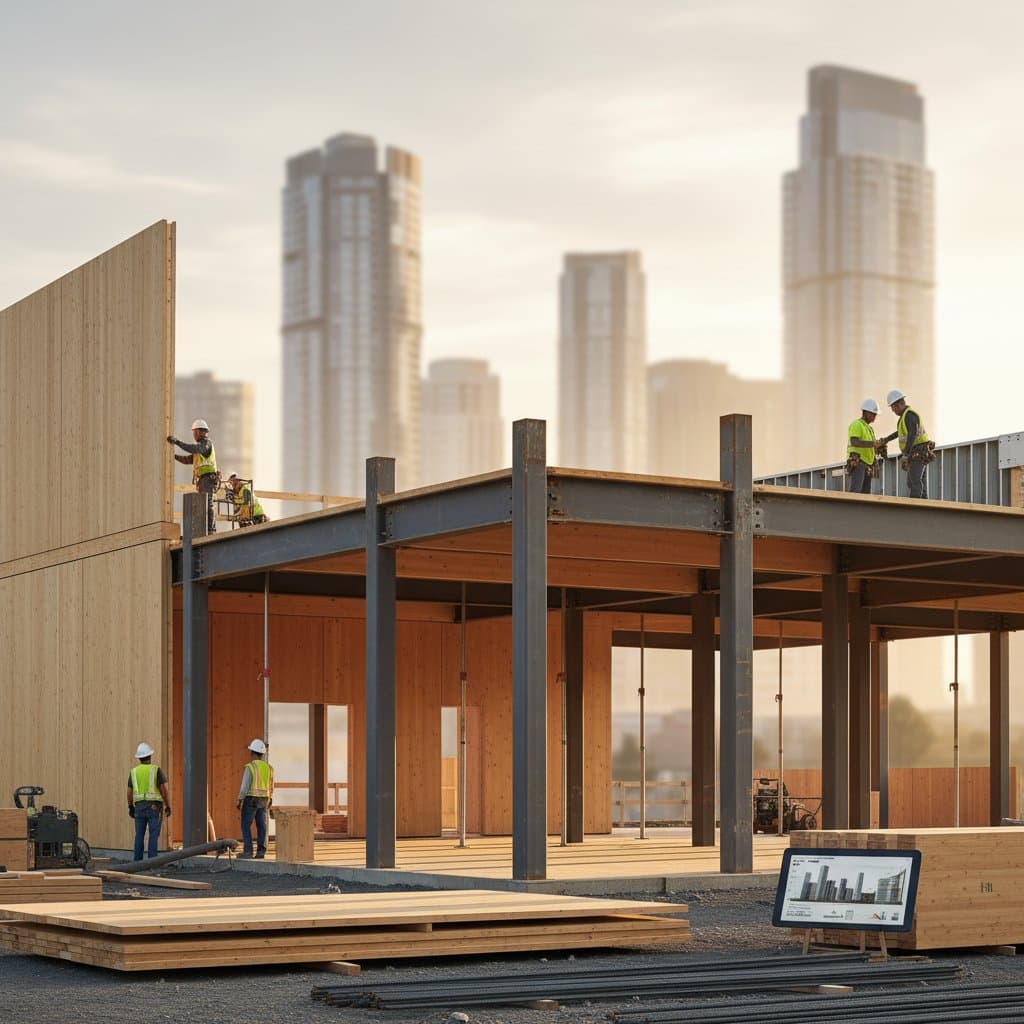
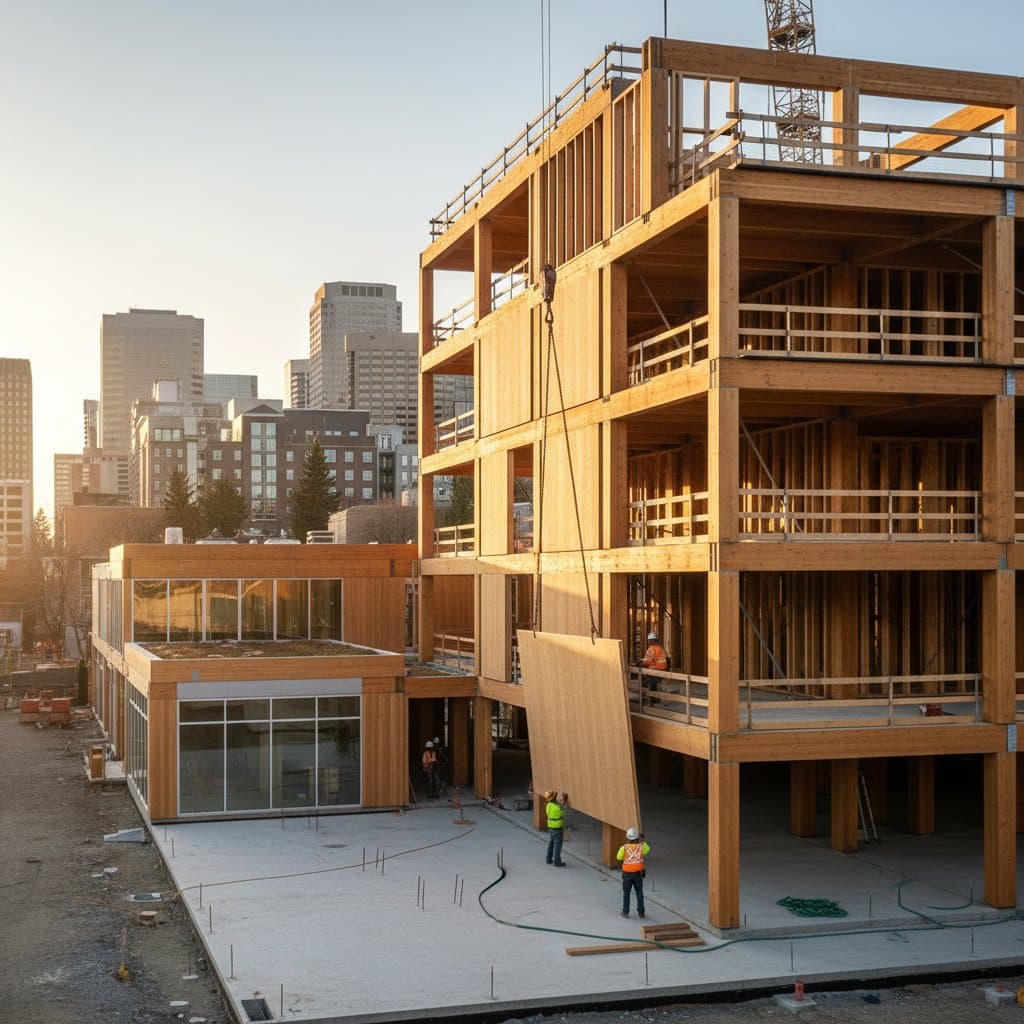
Featured image for Mass Timber vs Steel: Where the Real Savings Hide

Mass Timber vs Steel: Where the Real Savings Hide

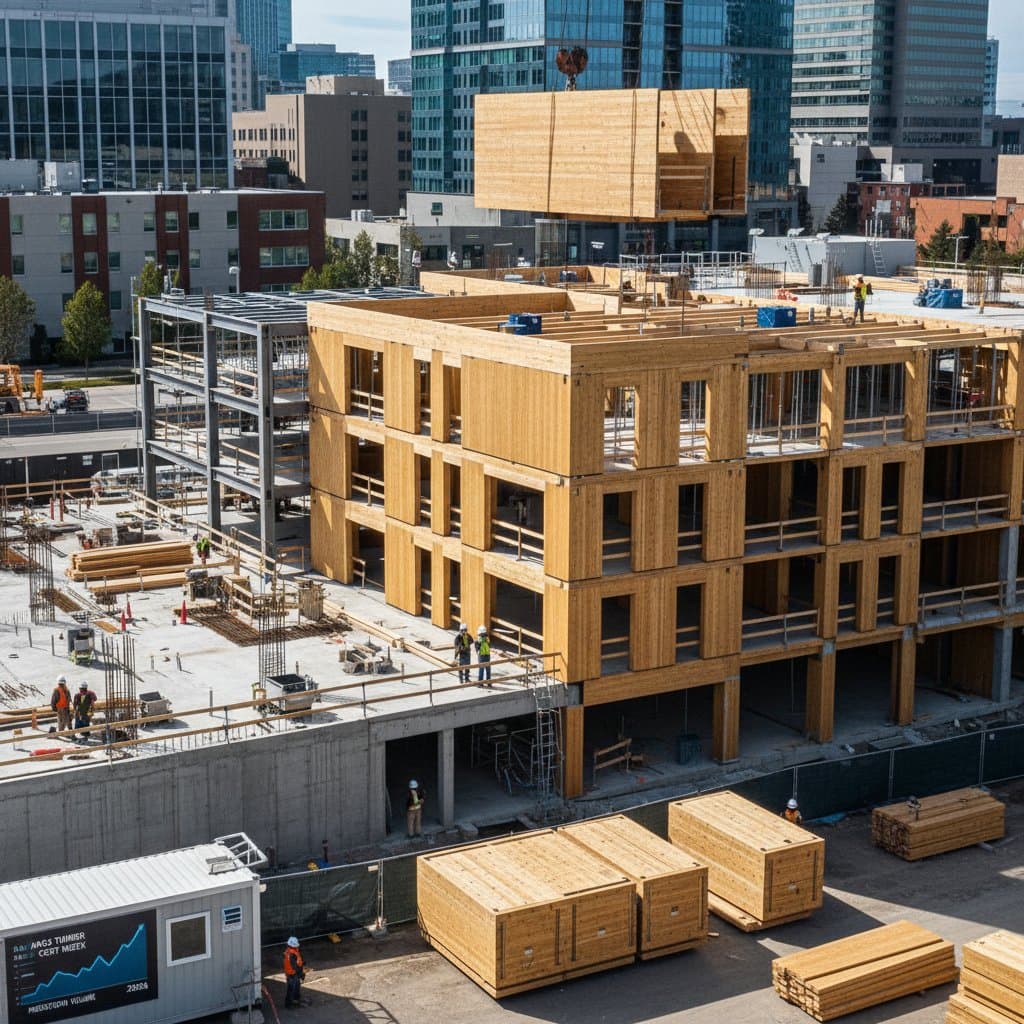
Mass timber transforms construction economics with faster assembly, lighter loads, and sustained efficiency that frequently matches or exceeds steel and concrete options. Although initial expenses align closely, benefits arise from decreased labor needs, accelerated timelines, and reduced energy consumption, positioning timber as a strong, eco-friendly alternative for contemporary developments.

5 min read
Featured image for Hempcrete Costs More But Offsets Carbon During Curing

Hempcrete Costs More But Offsets Carbon During Curing

Hempcrete transforms sustainable construction through its carbon-sequestering properties and breathable design. Although initial costs exceed traditional concrete by 10 to 25 percent, benefits in energy savings, durability, and ecological advantages provide long-term value. Explore the composition, installation, and performance of hempcrete for healthier, greener structures.

5 min read
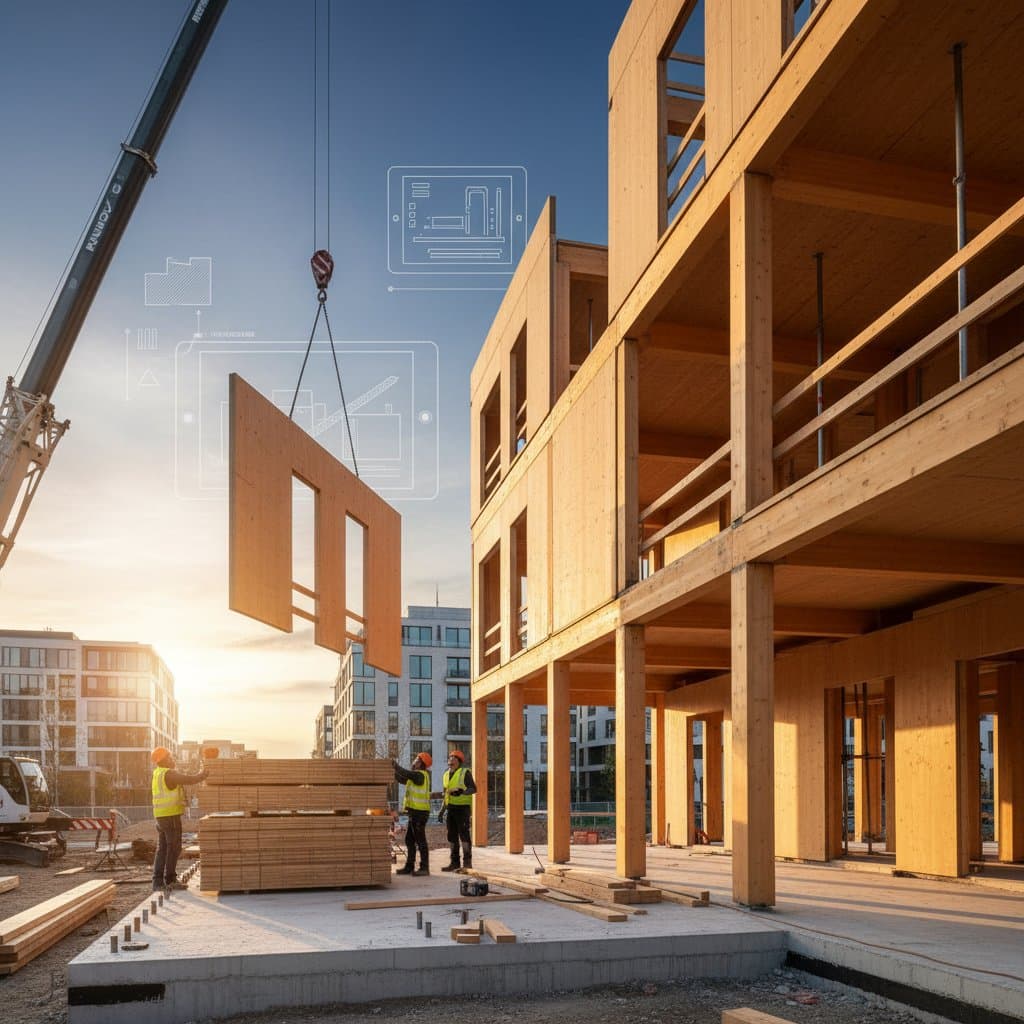
Featured image for Mass Timber Costs: Material vs Labor Savings

Mass Timber Costs: Material vs Labor Savings

Mass timber delivers strength, sustainability, and versatile design options, often reducing overall construction expenses via accelerated assembly, lighter structural demands, and minimized labor needs. Although initial material prices may exceed those of conventional options, operational efficiencies and enduring benefits frequently offset these investments. Key considerations such as material sourcing, project scale, and specific applications determine the extent to which mass timber surpasses traditional methods.

4 min read
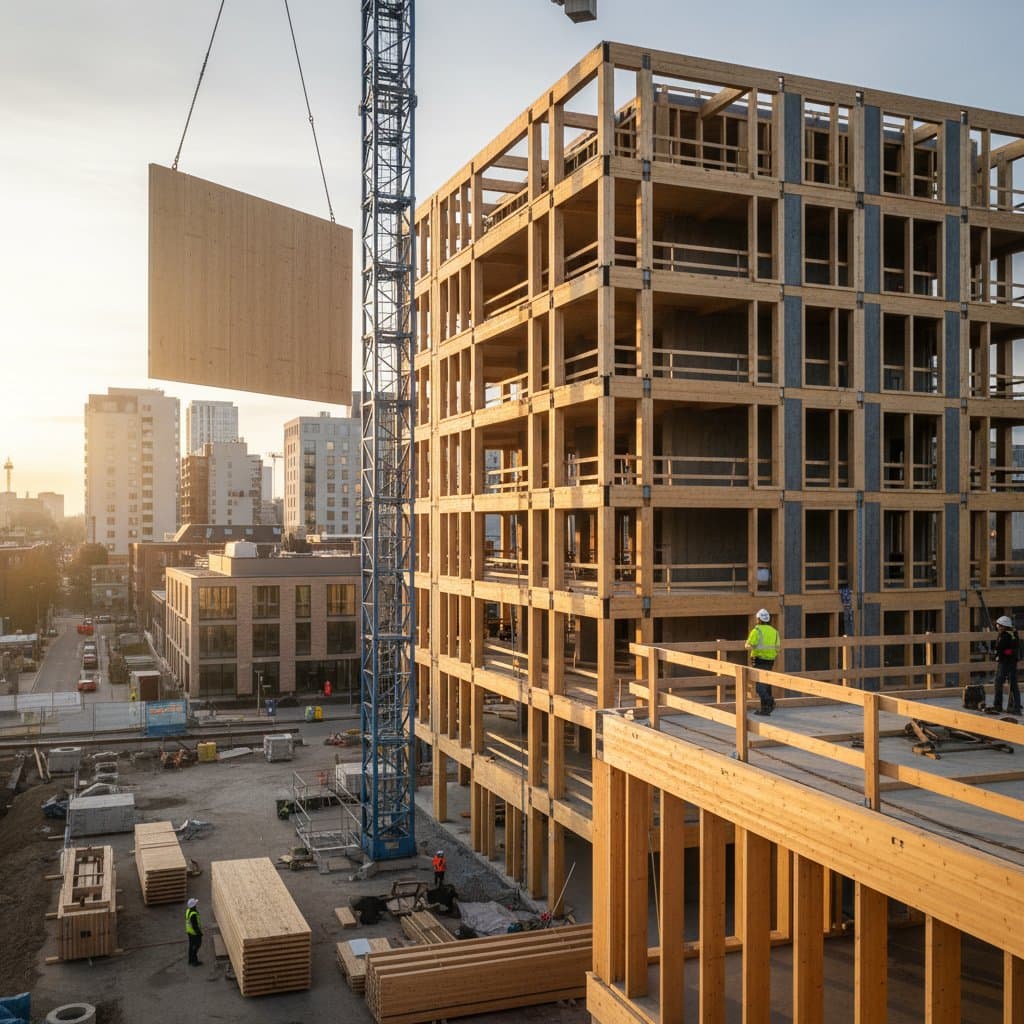
Featured image for Mass Timber Cuts Labor Time But Costs More Upfront

Mass Timber Cuts Labor Time But Costs More Upfront

Mass timber provides a sustainable option to steel or concrete framing through engineered wood that delivers strength, rapid assembly, and eventual cost reductions. Although initial expenses may exceed those of conventional methods, savings in labor, foundation requirements, and design processes frequently offset the difference, positioning mass timber as a strong contender for environmentally focused building initiatives.

5 min read
Featured image for Mass Timber Costs More But Cuts Labor Time in Half

Mass Timber Costs More But Cuts Labor Time in Half

Mass timber provides rapid assembly, enhanced durability, and environmental benefits, whereas traditional framing excels in initial affordability and straightforward execution. This analysis examines permitting processes, labor requirements, fire safety features, and overall installation expenses to help you select the optimal approach for your project's schedule, finances, and objectives prior to final decisions.

5 min read
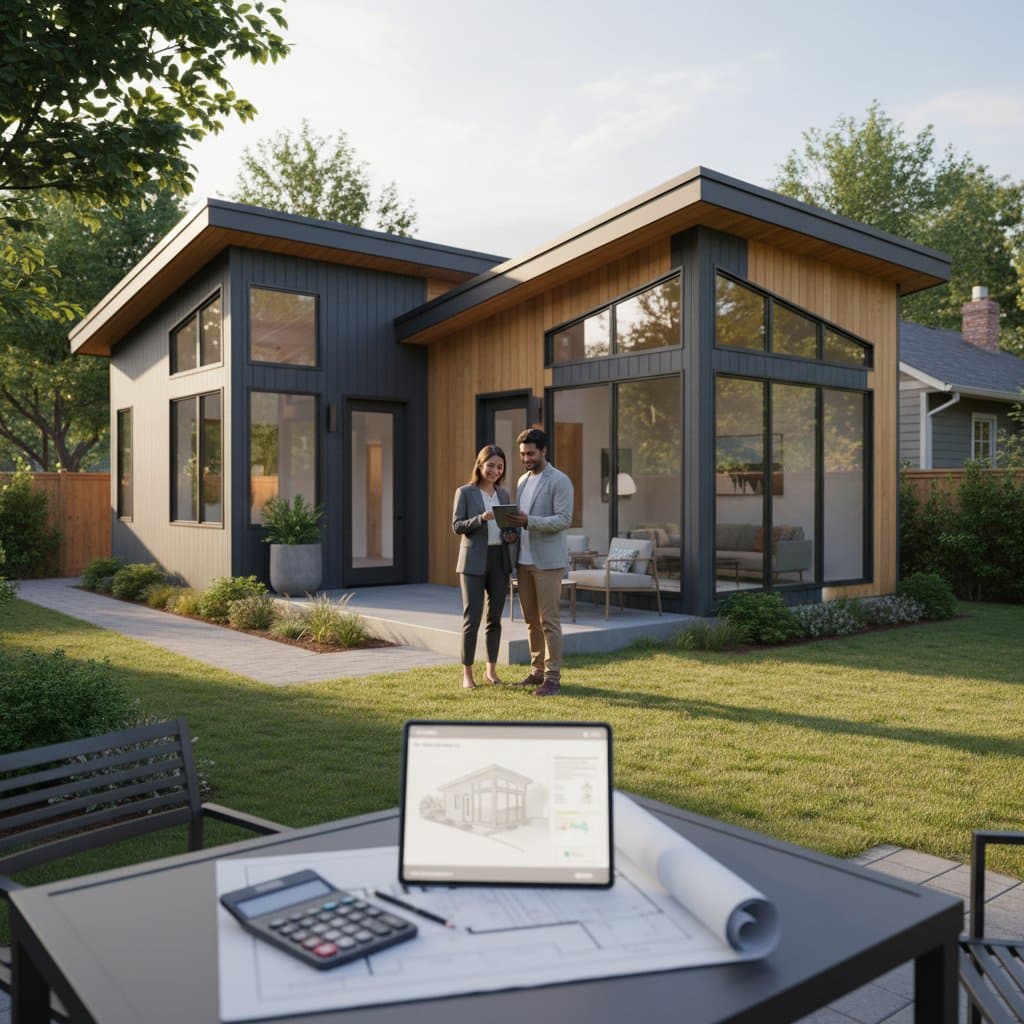
Featured image for ADU Construction Costs: $150K to $400K in 2026

ADU Construction Costs: $150K to $400K in 2026

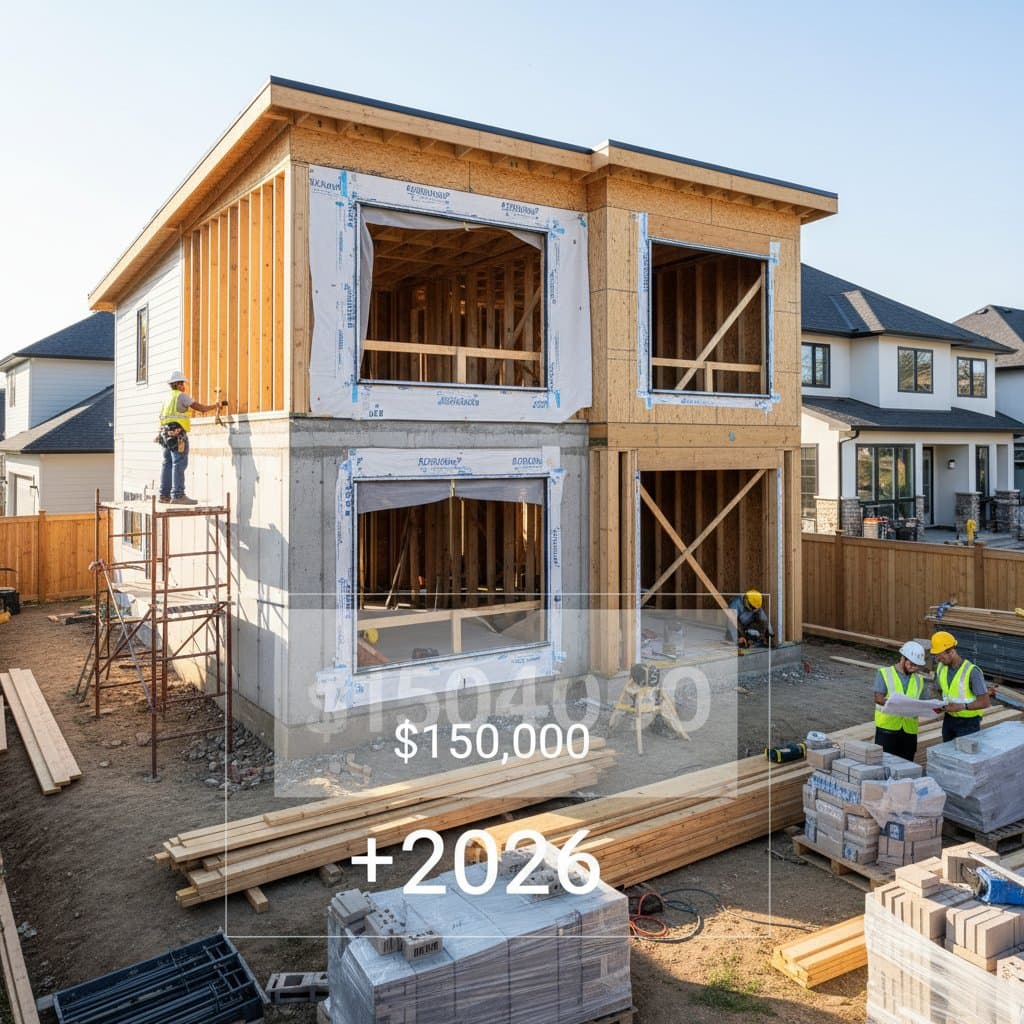
Understand the true expenses of building an ADU or granny flat in 2026, with costs spanning $150,000 to $400,000. This comprehensive guide details pricing elements, timelines, and essential steps, including permit navigation and professional versus DIY options, to help you maximize your property's potential.

6 min read
Featured image for Mass Timber Costs $250-$600 Per Square Foot in 2026

Mass Timber Costs $250-$600 Per Square Foot in 2026

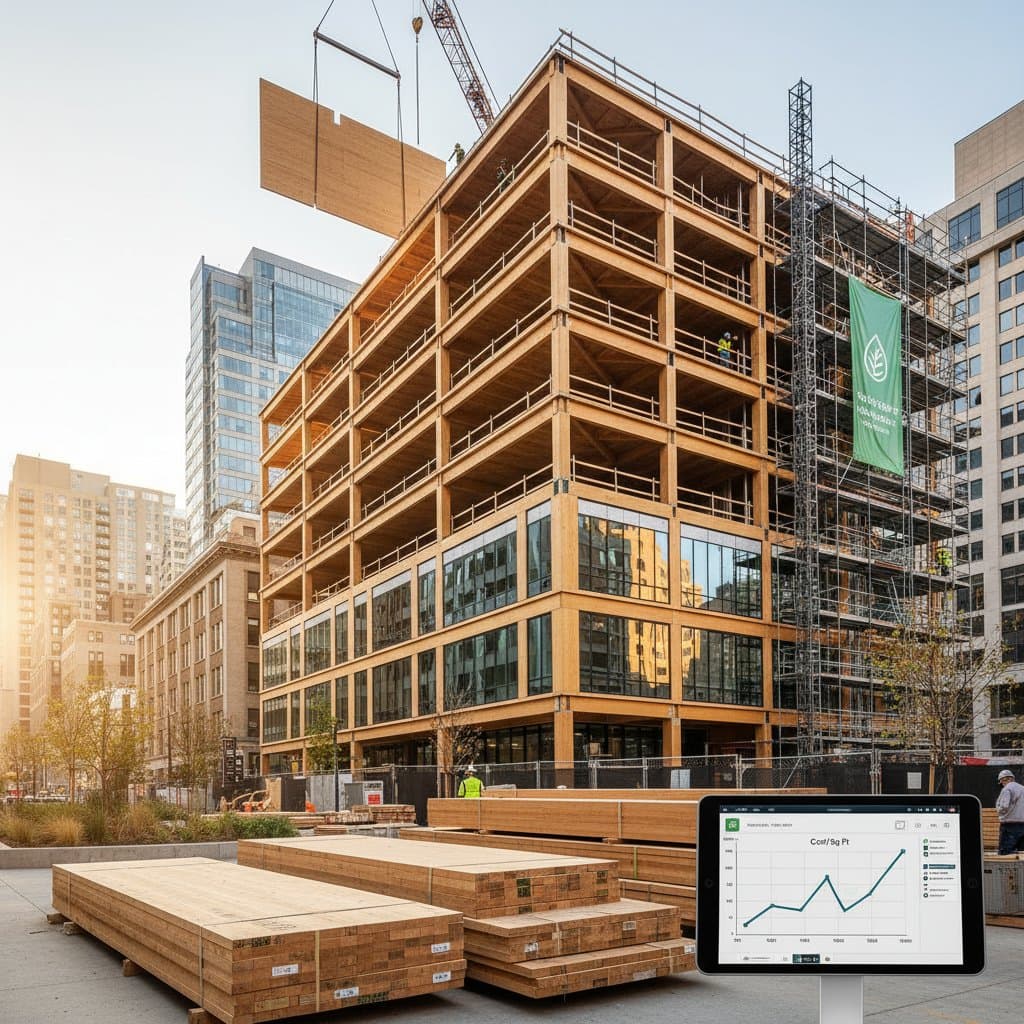
Mass timber revolutionizes construction economics and environmental impact, with average costs at $400 per square foot and superior assembly speeds. Evolving codes enable taller wooden builds, while reduced carbon footprints and robust returns fuel growing adoption. Discover strategies for material selection, design optimization, and cost management to maximize project outcomes.

4 min read
Featured image for Mass Timber Costs Less on Large Buildings, Not Small Homes

Mass Timber Costs Less on Large Buildings, Not Small Homes

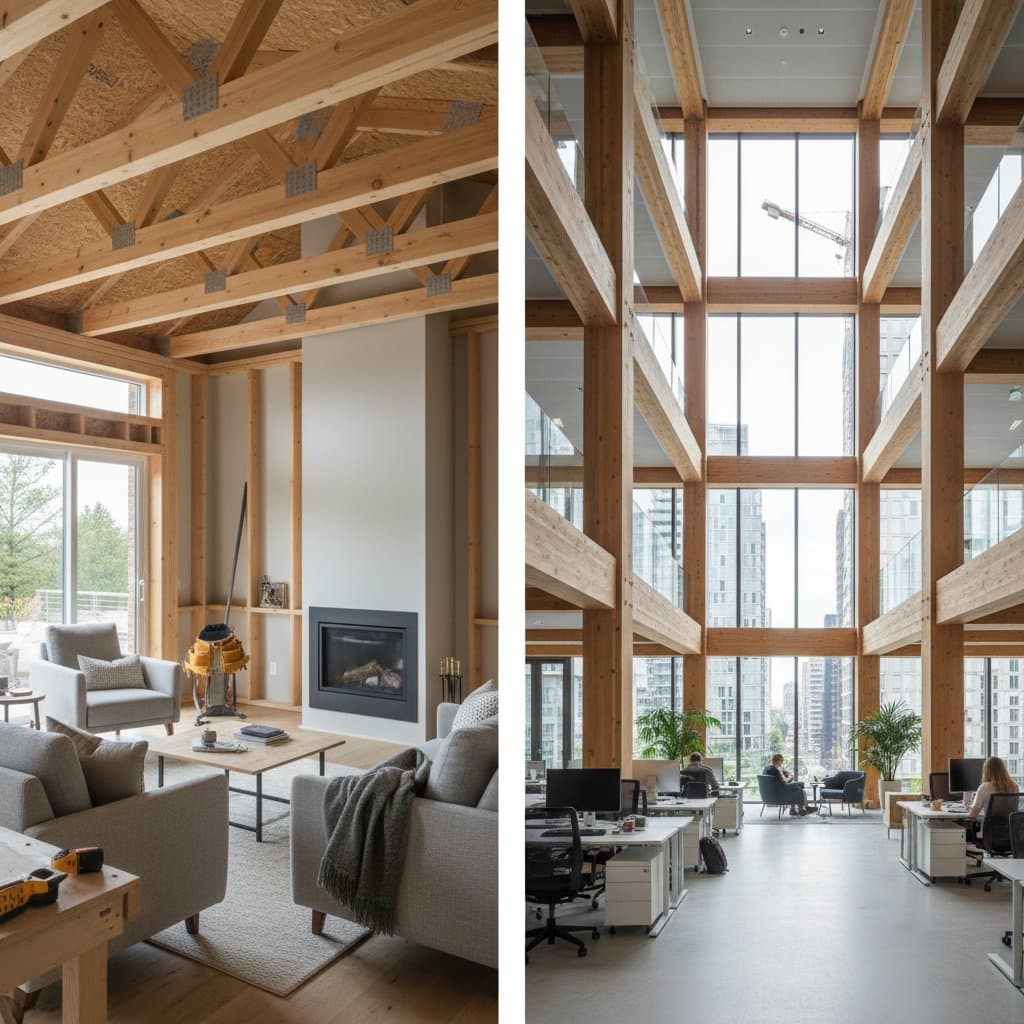
Mass timber and traditional framing both create robust structures, yet their cost benefits vary by project size. Traditional framing proves more economical for small homes due to its simplicity and lower upfront costs, whereas mass timber shines in larger buildings with advantages in installation speed and reduced foundation requirements. Proper attention to engineering, permitting, and safety ensures the selected system aligns with performance needs, budget constraints, and building codes.

5 min read
Featured image for Real 2026 ADU Costs: $180K to $350K Breakdown

Real 2026 ADU Costs: $180K to $350K Breakdown

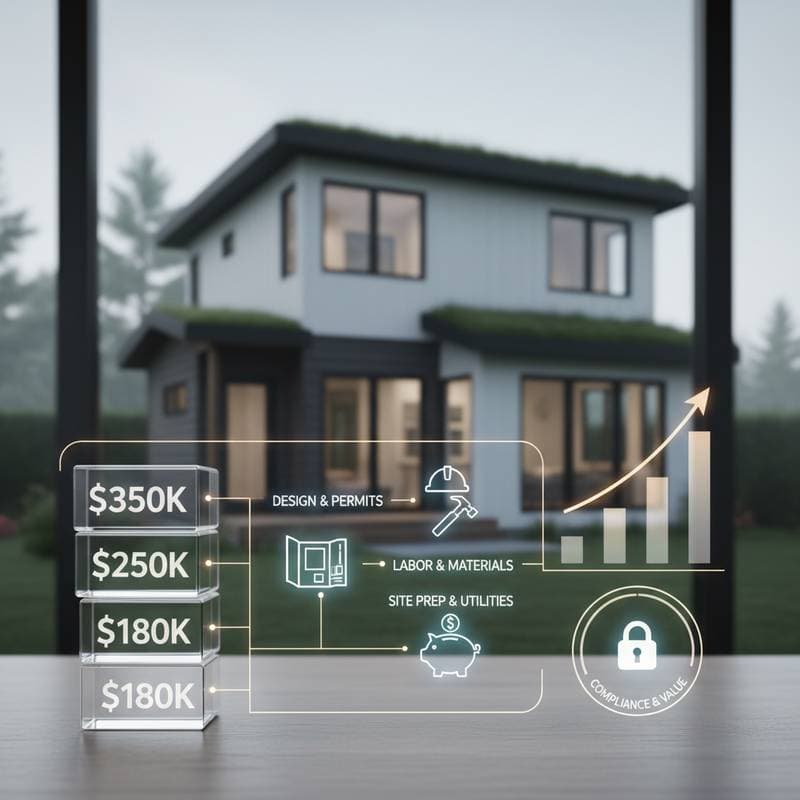
Uncover the actual 2026 expenses for constructing an ADU or granny flat. This guide details cost drivers such as design, permits, labor, and materials, along with practical savings methods. It also addresses ROI opportunities, DIY boundaries, and the advantages of expert planning for compliance and enduring homeowner value.

4 min read
Featured image for Mass Timber Cuts Costs Through Speed Not Materials

Mass Timber Cuts Costs Through Speed Not Materials

Mass timber transforms construction economics by accelerating timelines, minimizing foundation requirements, and enhancing sustainability. Although initial costs depend on location and project scope, prefabrication and optimized labor often yield significant savings, positioning mass timber as a smart choice for eco-friendly mid-rise and hybrid structures.

4 min read
Featured image for Prefab Cuts Construction Time in Half Despite Labor Shortage

Prefab Cuts Construction Time in Half Despite Labor Shortage

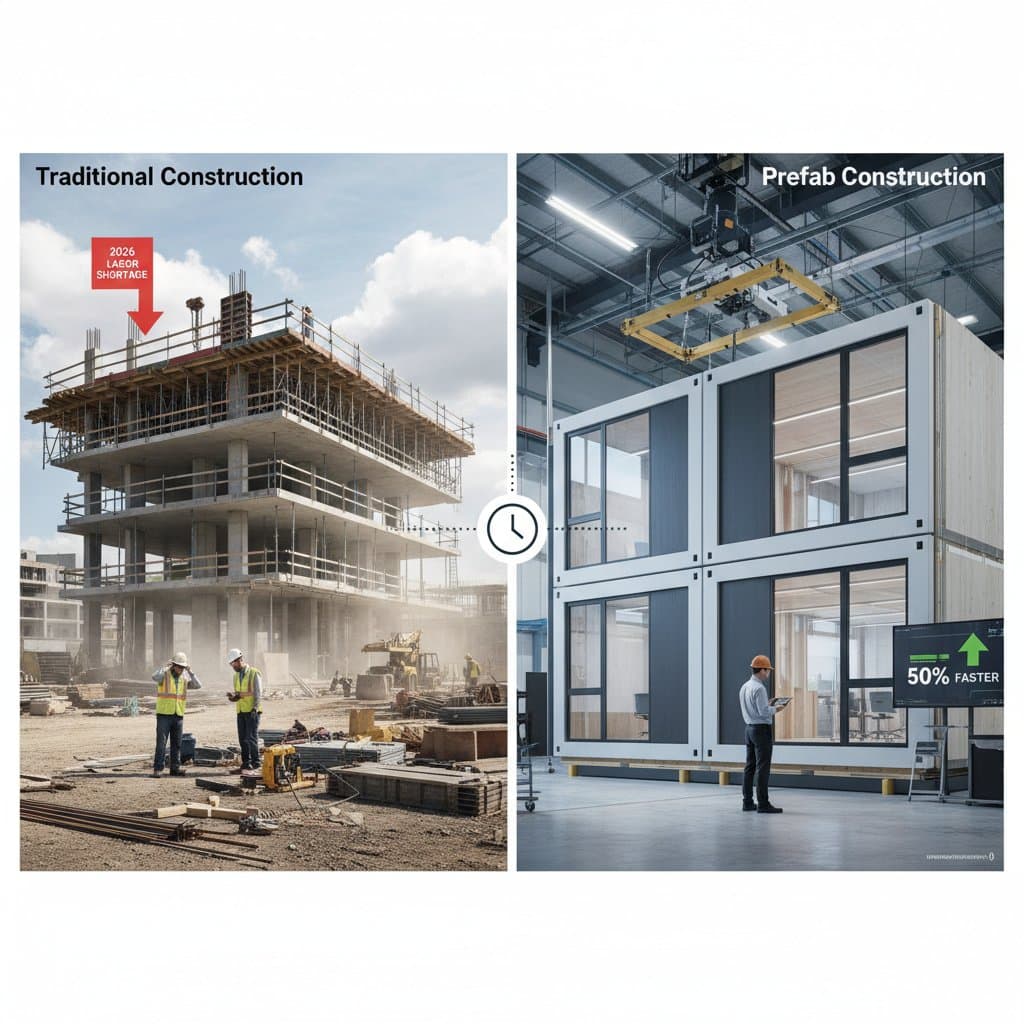
With labor shortages projected to intensify in 2026, prefabricated construction emerges as a solution to slash timelines and costs compared to traditional methods. This comprehensive comparison delves into design, permitting, safety, and maintenance aspects, highlighting when expert involvement ensures projects remain on track, code-compliant, and durable against workforce challenges.

5 min read